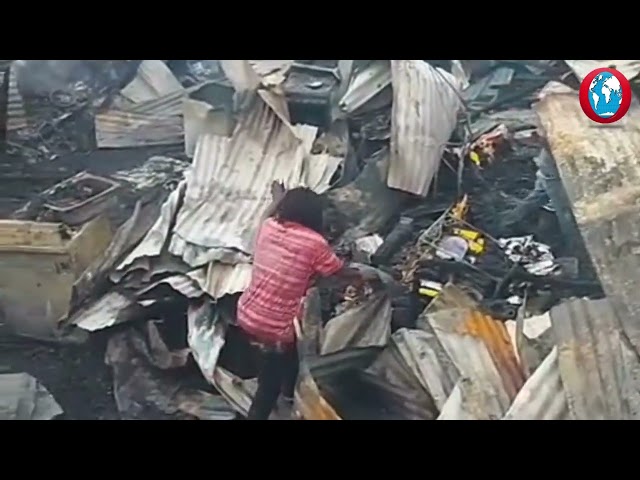
A devastating fire erupted on Stephenson Street, near Heroes Circle in Kingston, Jamaica, on Sunday, leaving approximately 53 individuals, including several children, without homes. The blaze, which reduced the area to ashes and twisted sheets of zinc, destroyed an estimated 15 families’ residences, leaving them with nothing. Authorities have yet to determine the cause of the fire, which has left the community in shock and despair. As the affected families grapple with the loss of their homes and belongings, local organizations and residents are rallying to provide support and assistance during this challenging time.
分类: society
-
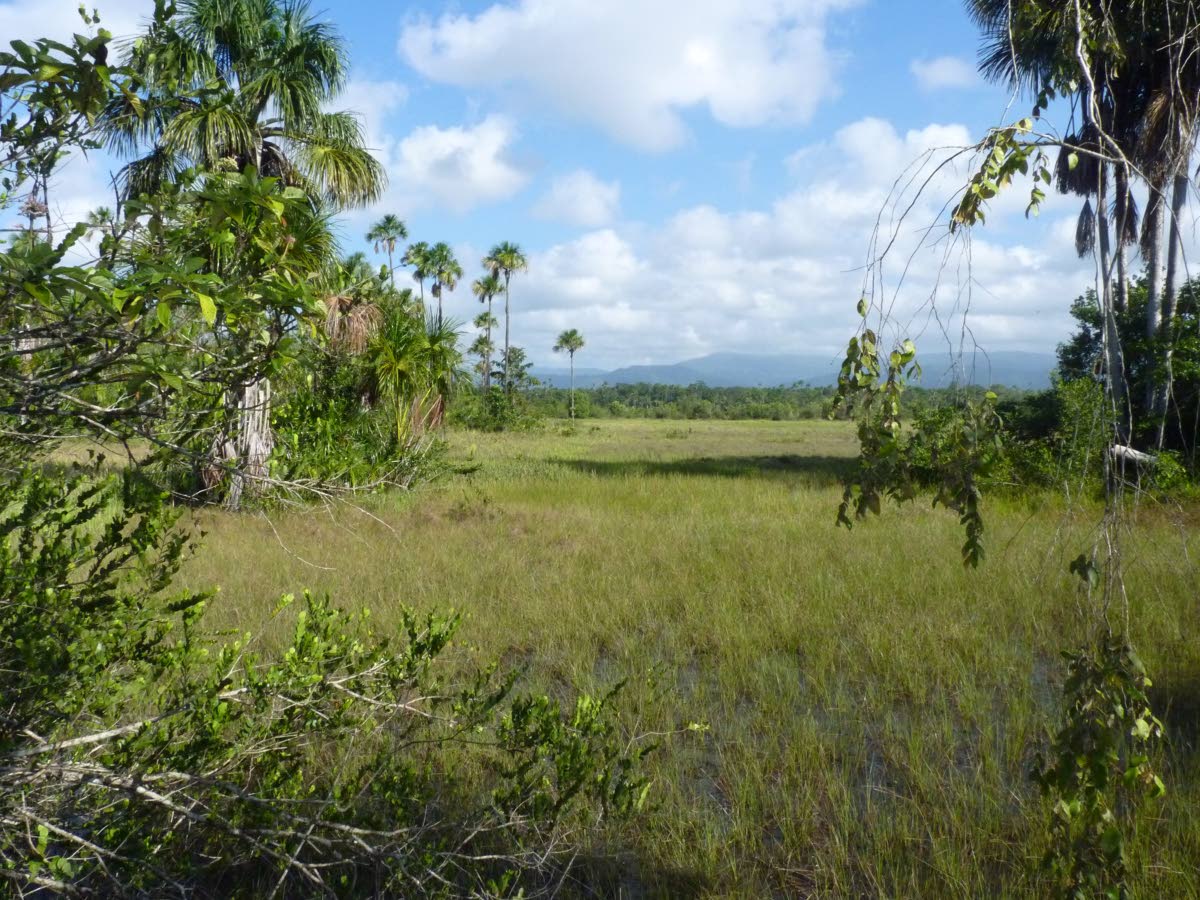
Protecting the Aripo Savannas: Fencing as a last resort?
Trinidad and Tobago is home to a wealth of biodiversity, including the Aripo Savannas, the nation’s last remaining natural savanna ecosystem. Despite its designation as an environmentally sensitive area (ESA) in 2007, the Aripo Savannas Scientific Reserve (ASSR) faces ongoing threats from illegal squatting, land clearing, and poaching. Over the past decade, at least 28 acres have been lost to squatters, highlighting the urgent need for enhanced protection measures. The lack of clear boundaries and enforcement has exacerbated the problem, with some signs marking the perimeter being ignored or absent entirely. The construction of the Elmina Clarke-Allen Highway has further isolated the savannas, making it difficult for wildlife to disperse. One proposed solution is the construction of a security fence along the entire 96,000-foot perimeter, estimated to cost around $5 million. This fence would serve as a physical barrier to illegal entry, improve wildlife corridor usage, and facilitate easier patrolling by the Forestry Division. The Environmental Management Authority (EMA) is well-positioned to manage such a project, given its experience with initiatives like the $69 million Nariva Swamp Restoration. While fencing may not be visually appealing, it offers a reversible and practical solution to safeguard this critical natural resource. Education and community involvement remain ideal, but fencing may be the necessary ‘last resort’ to ensure the Aripo Savannas’ survival.
-

Restaurant Associates Limited joins relief efforts after Hurricane Melissa
KINGSTON, Jamaica — In response to the widespread destruction caused by Hurricane Melissa, Restaurant Associates Limited (RAL) has stepped up to support national relief initiatives. On Sunday, RAL, in collaboration with Project STAR, mobilized its teams and volunteers to prepare and distribute 1,300 meals to residents and essential workers in Savanna-la-Mar, Westmoreland. The company has vowed to sustain its partnership with local organizations to deliver critical aid where it is most needed.
Former Member of Parliament Lisa Hanna emphasized RAL’s commitment to Jamaica in an Instagram post, stating, ‘As a company deeply rooted in Jamaica, we are dedicated to giving back to the communities that have consistently supported us.’ She further highlighted the company’s ongoing efforts, noting, ‘In the coming days, we will continue to work closely with local authorities, relief agencies, and community partners to determine the most effective ways to contribute to the nation’s recovery, whether through meals, resources, or hands-on assistance.’
RAL, which operates several popular fast-food chains in Jamaica, including Burger King, Popeyes, Little Caesars, and Krispy Kreme, has demonstrated its dedication to corporate social responsibility during this crisis. The company’s swift action underscores its role as a key player in Jamaica’s recovery efforts.
-
Only four suits of hotel uniform
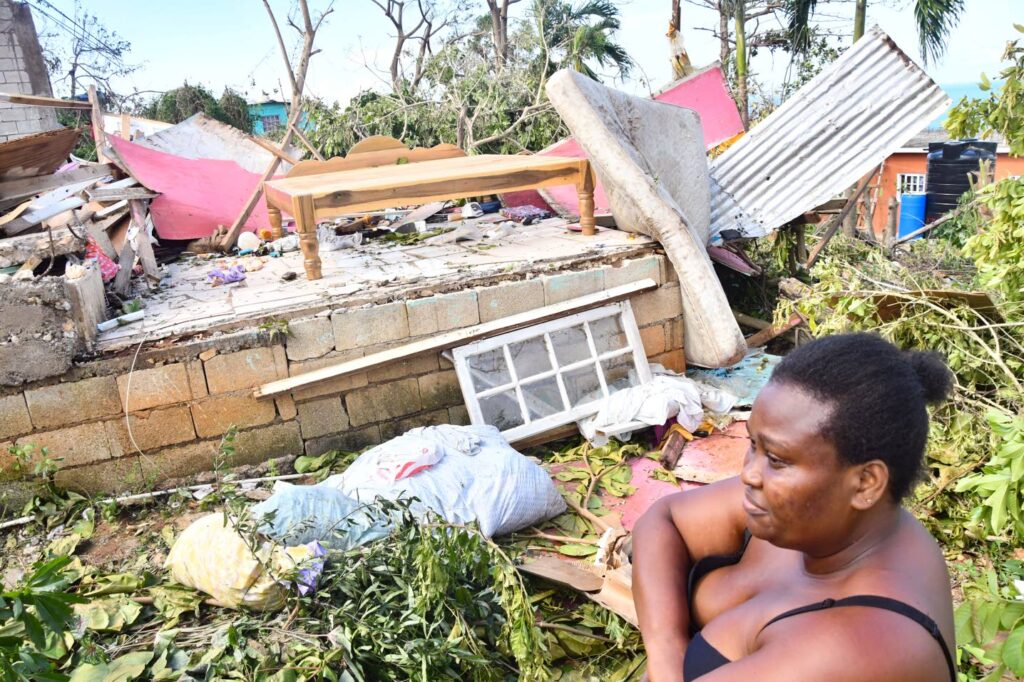
Allison Alexander, a hotel bar attendant in St Ann, Jamaica, faced unimaginable devastation as Hurricane Melissa, a Category 5 storm, flattened her home while she was tending to tourists. Now, she and her seven-year-old daughter are among the countless Jamaicans left homeless by the disaster. Alexander’s home, a two-bedroom wooden structure, was completely destroyed, with a fallen tree crushing its walls and scattering her belongings. Despite her personal loss, Alexander remained dedicated to her job, ensuring the safety and comfort of hotel guests throughout the storm. She shared her harrowing story with the Jamaica Observer, revealing that she and her daughter now have nothing but the clothes on their backs. The hotel provided temporary shelter for staff and their families during the hurricane, but Alexander is uncertain about her next steps as the arrangement is set to end. She expressed frustration over the inadequacy of her minimum wage salary, which she says is insufficient to rebuild her life. Prime Minister Andrew Holness has pledged to increase the national minimum wage, but for Alexander, the immediate need for shelter and basic necessities remains urgent. She has appealed for help, stating, ‘If anybody can help me, please, I am begging you. I don’t have anything.’
-

WATCH: Life spared but livelihood lost: Scott’s Cove flattened after Hurricane Melissa
Scott’s Cove Fish Park, a cherished cultural and culinary landmark on Jamaica’s south coast, now lies in ruins after being ravaged by Hurricane Melissa. The Category 5 storm, which struck on October 28, 2025, left a trail of destruction in its wake, reducing the once-thriving hub for escovitch fish, lobster, bammy, and conch soup to piles of debris. The area, located on the border of Westmoreland and St Elizabeth, was unrecognizable when visited by Observer Online just days after the disaster. Christopher, a long-time resident and stall operator at Scott’s Cove, shared his harrowing experience of losing everything—his livelihood, home, and possessions—to the hurricane. He described the terrifying moments when the storm surge tore through his house, leaving him frozen in fear. Despite the devastation, Christopher expressed gratitude for his survival, calling it an act of God. However, the road to recovery remains uncertain, as he and others face the daunting task of rebuilding with limited resources. Christopher emphasized the need for government assistance, acknowledging the overwhelming scale of the disaster.
-
A house that breathes
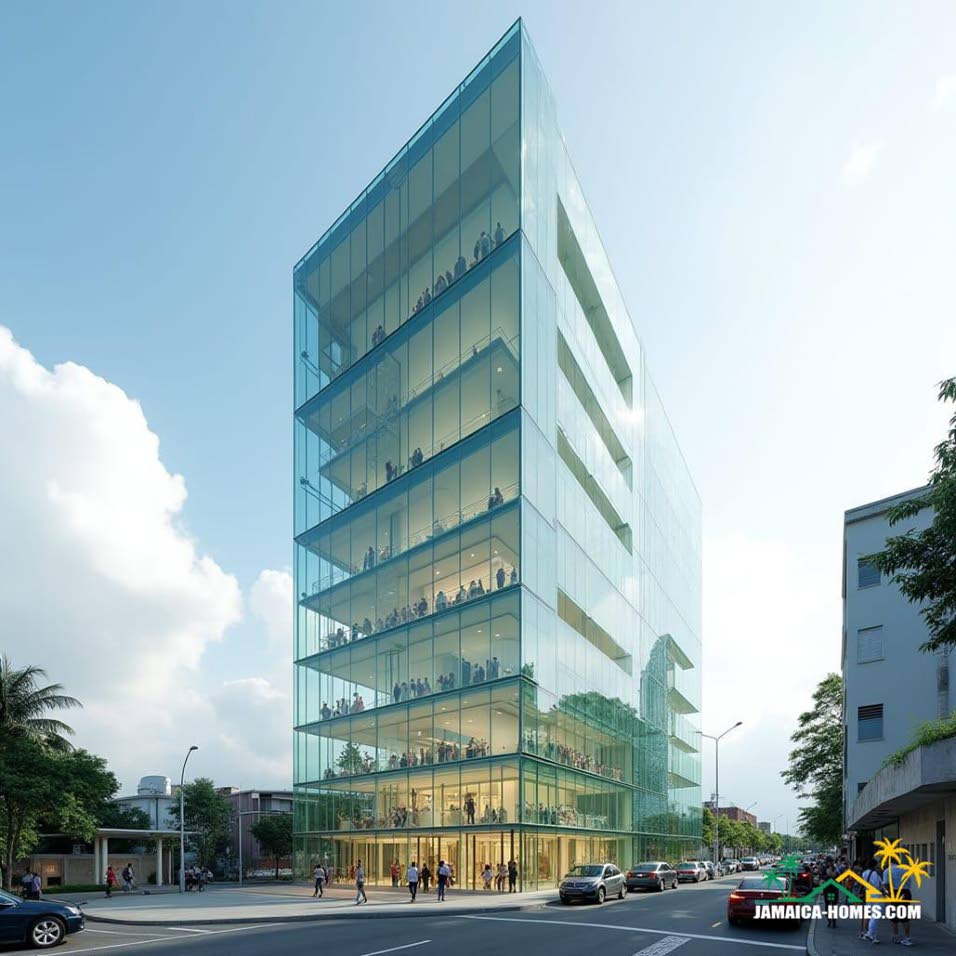
In Jamaica, architecture transcends mere shelter, embodying a cultural ethos that celebrates community, resilience, and vibrant living. Traditional designs, with their expansive verandas, thick walls, and bold colors, have long reflected the island’s spirit. However, as Jamaica faces modern challenges—scarce land, harsher weather, and technological advancements—the need for a reimagined architectural approach has never been more urgent. This article explores a vision for the future of Jamaican architecture, one that harmonizes tradition with innovation, sustainability, and inclusivity. The foundation of this vision lies in listening to the land. Historical homes, designed with tall ceilings, deep eaves, and natural ventilation, offer timeless lessons in comfort and climate adaptation. Modern designs must build on these principles, incorporating features like storm-resistant roofs, rainwater harvesting systems, and thermally efficient materials. Vertical living, a necessity in growing cities, should retain the essence of traditional low-rise homes, with balconies functioning as verandas and rooftops serving as communal spaces. Resilience is paramount in an era of increasing hurricanes and rising sea levels. Coastal homes must respect the environment, stepping back from the shoreline and integrating natural barriers like mangroves. Technology, when thoughtfully integrated, can enhance comfort and efficiency, from smart shutters that respond to weather conditions to energy storage systems that ensure uninterrupted power. Affordability and dignity must be central to housing solutions. Thoughtful designs that cater to diverse family needs, coupled with mixed-income developments that foster inclusivity, are essential. Jamaican architecture should also embrace its unique identity, using local materials like limestone and timber, and reinterpreting traditional elements like breeze blocks and verandas in contemporary ways. Public spaces must be welcoming and accessible, designed for all ages and abilities. Sustainability should be foundational, not an afterthought, with designs that prioritize passive cooling, water conservation, and local materials. The home itself must adapt to modern lifestyles, offering flexible spaces that accommodate work, rest, and play. Craftsmanship and local labor should be celebrated, embedding economic value into every structure. This vision calls for collaboration among architects, policymakers, builders, and communities to create a built environment that reflects Jamaica’s resilience, warmth, and identity. By building wisely and inclusively, Jamaica can craft a future where architecture not only shelters but also strengthens its people and culture.
-

PNP launches first hurricane relief mission to Westmoreland
KINGSTON, Jamaica – In a significant move to aid communities ravaged by Hurricane Melissa, the People’s National Party (PNP) initiated its first official hurricane relief mission in Westmoreland on Sunday. This effort is part of the Party’s broader islandwide recovery strategy aimed at addressing the widespread devastation caused by the storm. The mission, spearheaded by the PNP Youth Organisation (PNPYO), the Patriots, and the Women’s Movement, united Party representatives and independent volunteers in a collaborative drive to provide essential supplies and emotional support to the most affected families. PNP President and Opposition Leader Mark Golding expressed profound gratitude for the overwhelming support from both the private sector and individual Jamaicans. He highlighted that the initiative exemplifies the nation’s collective spirit and commitment to unity. “We are deeply moved by the compassion and generosity shown by Jamaicans everywhere,” Golding remarked. “This is what true nation-building looks like: people helping people, regardless of politics. The recovery ahead will be long, but we are committed to standing with our fellow Jamaicans every step of the way.” The PNP underscored that this mission marks the beginning of a series of coordinated relief efforts targeting other impacted parishes. The Party plans to collaborate closely with community leaders, government agencies, and private partners to ensure that aid reaches those most in need. “We are one Jamaica, and this moment calls for unity and action,” the Party’s statement concluded. “Together, we will rebuild stronger.”
-
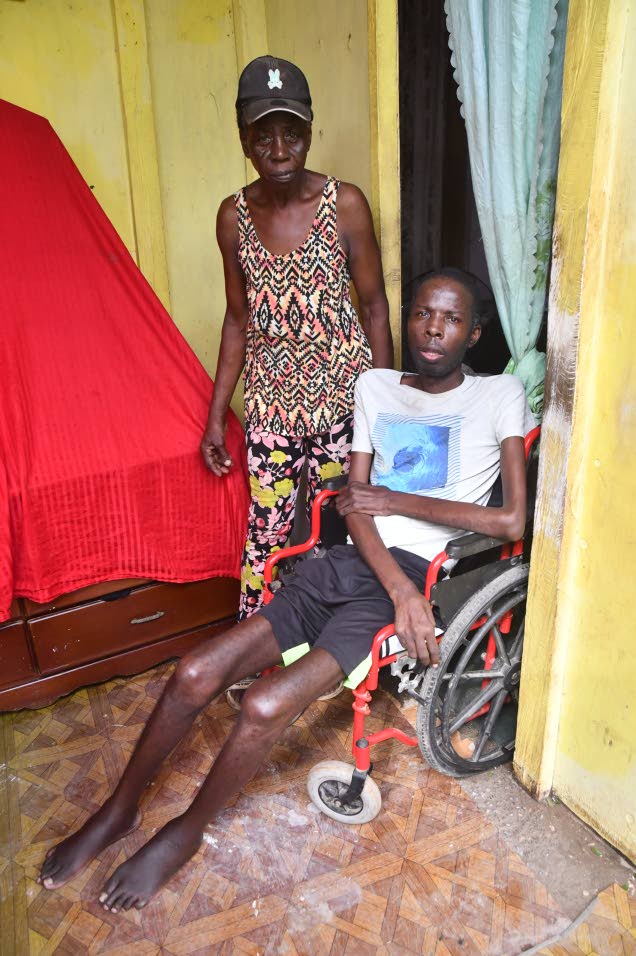
‘You can get back a roof, but not a life
As Hurricane Melissa ravaged Jamaica with winds reaching 185 miles per hour, Vera Brown, a 65-year-old single mother, faced the storm with unwavering determination. Her four adult children, all wheelchair-bound due to an undiagnosed condition, relied on her strength and prayers as the Category 5 hurricane tore through their home in Royal Palm, St Ann. Despite the roof being partially ripped off and the surrounding houses flattened, Brown remained grateful that her family was safe. ‘You can rebuild a roof, but you can’t get back a life,’ she told the Jamaica Observer, emphasizing her priority: her children’s survival. Brown, who suffers from chronic back pain, single-handedly carried her children to safety, a testament to her resilience. Her daughter, Norneth Jarrett, recounted the fear and trauma of the storm, highlighting their vulnerability as a family with physical challenges. The hurricane claimed 19 lives in Jamaica, and the family now appeals for assistance to repair their home and replace lost essentials. Despite their hardships, they remain thankful for their survival, attributing it to divine mercy.
-
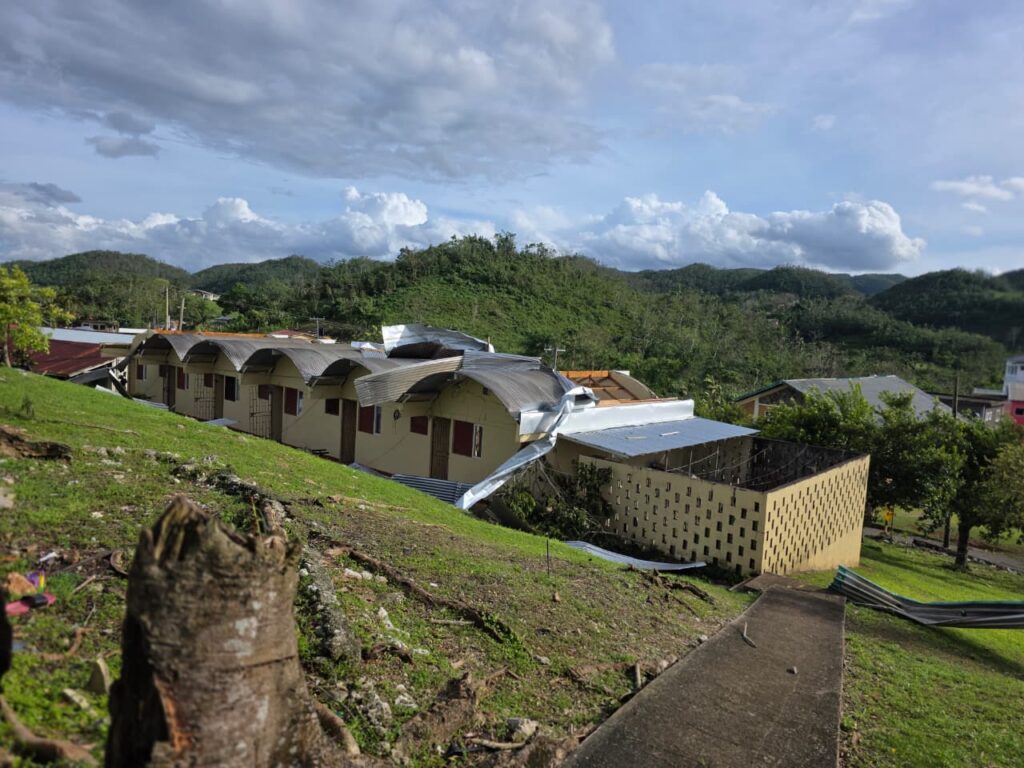
Ferncourt High begins clean-up after Hurricane Melissa
Ferncourt High School in St Ann, Jamaica, is in the midst of cleanup and restoration efforts following the destruction caused by Hurricane Melissa. Principal Sheldon Thomas, recently honored as the LASCO/Ministry of Education/Jamaica Teaching Council Principal of the Year for 2024–2025, has been overseeing the recovery process to ensure the school can return to normal operations promptly.
-
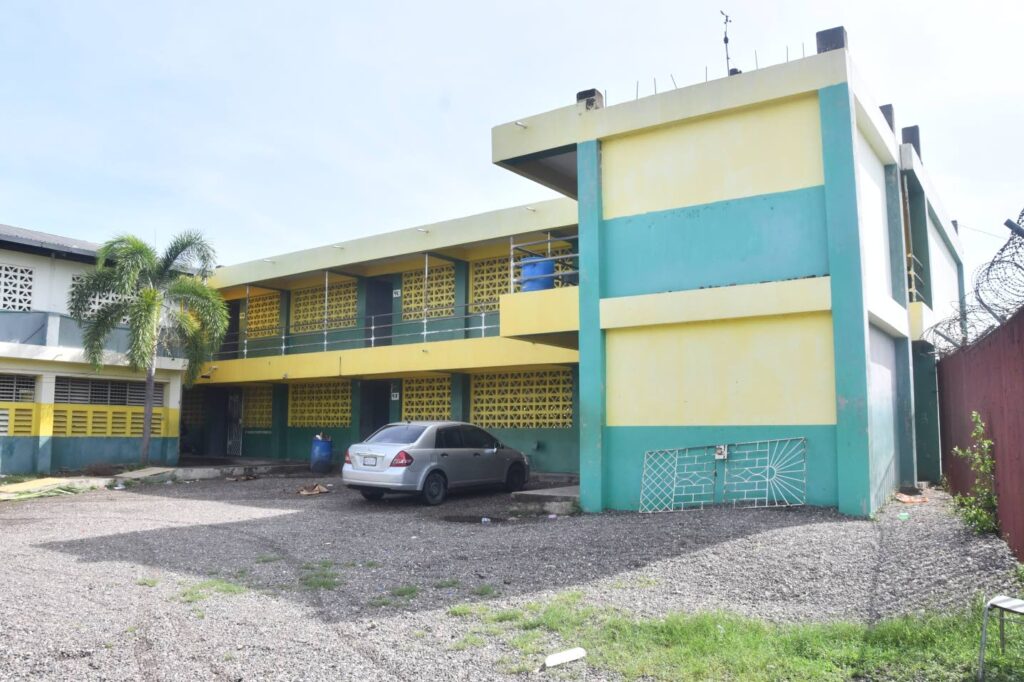
JTA president urges caution in planned reopening of some schools
The aftermath of Hurricane Melissa has left Jamaica grappling with the challenge of reopening schools, sparking a heated debate between the Jamaica Teachers’ Association (JTA) and the Ministry of Education. JTA President Mark Malabver expressed deep concerns over the ministry’s directive for schools in less-affected parishes to resume operations on November 3. Malabver argued that such decisions should be made at the institutional level, involving principals, teachers, and stakeholders, rather than adopting a blanket approach. He emphasized the need to consider the personal circumstances of educators, many of whom have suffered significant losses, including homes and family members, and are struggling with mental health issues.