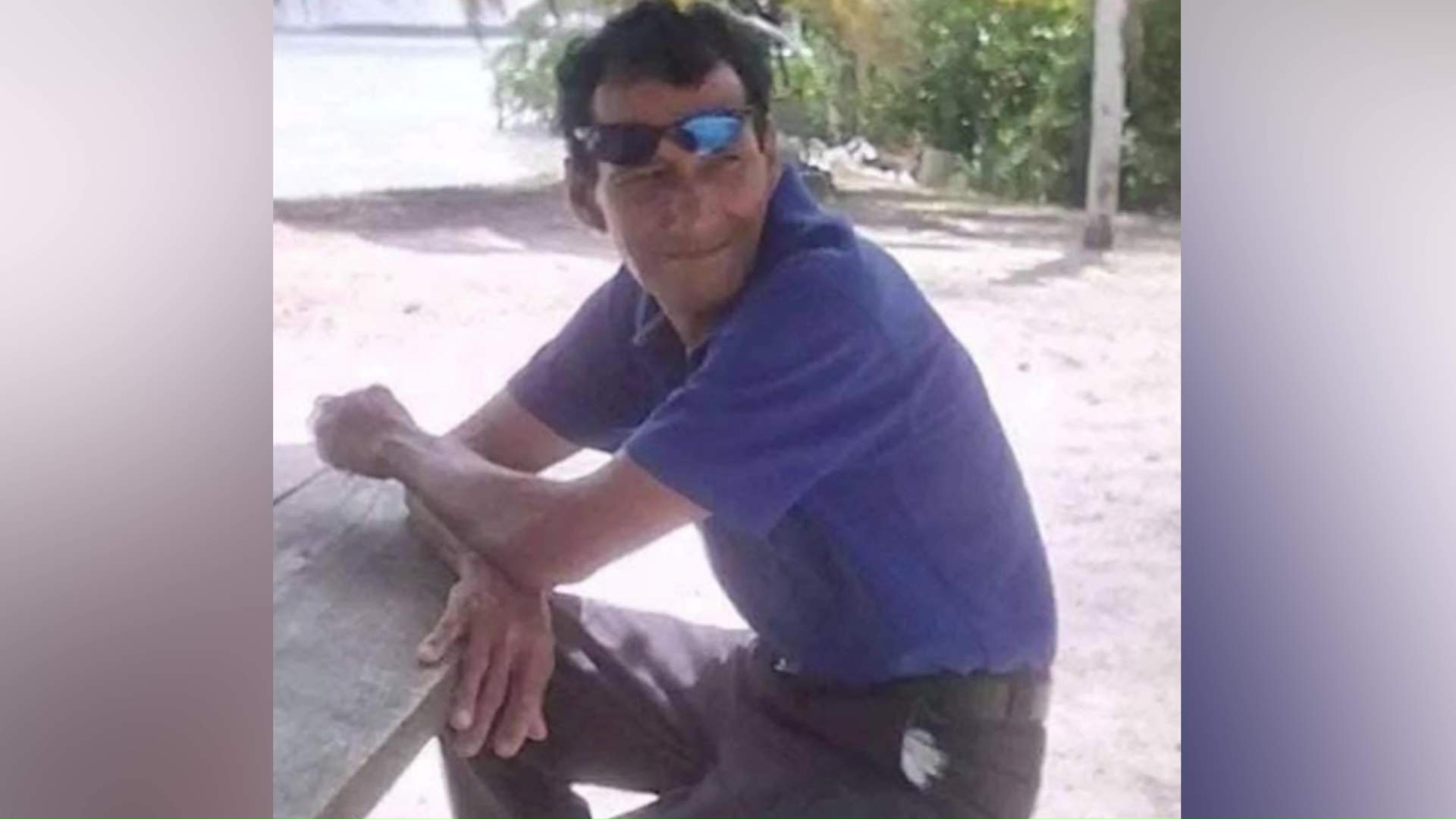
The tranquil town of Corozal was thrust into turmoil early Friday morning when 72-year-old Arnaldo Vellos was brutally gunned down outside his residence. The incident occurred as Vellos was preparing to leave his yard, only to be ambushed by several assailants who fired multiple shots, leading to his untimely death. The shocking nature of the crime has left the community reeling, compounded by the fact that Vellos is the uncle of Corozal Mayor Rigoberto Vellos. Authorities are now delving into the possibility that Vellos may have been entangled in an illicit drug operation, a theory that has gained traction following initial investigations. Assistant Commissioner of Police Hilberto Romero disclosed that Vellos was targeted as he approached his vehicle, and the suspects, all known to law enforcement, are currently being sought. The incident has sparked widespread concern and raised questions about the underlying motives behind such a cold-blooded execution.
分类: society
-
Farmer Shot in San Estevan; Police Investigate Motive
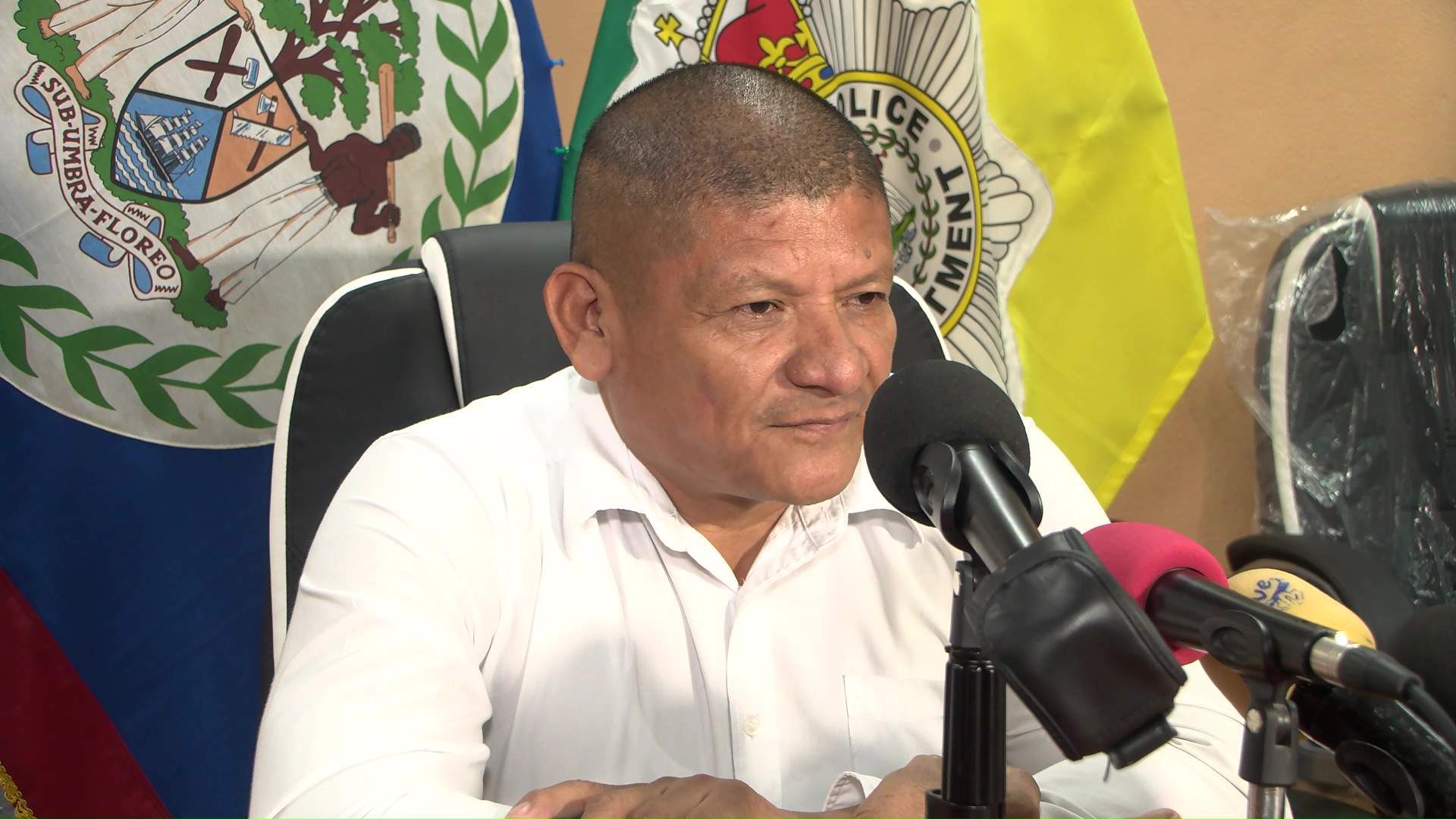
A farmer in San Estevan, Orange Walk, is currently recovering after being shot on his farm on the afternoon of November 2, 2025. The incident has left the community in shock as authorities work diligently to uncover the circumstances surrounding the attack. Details remain limited, with investigators yet to determine whether the shooting was a targeted act or a random occurrence. Assistant Commissioner of Police Hilberto Romero, Head of the National Crime Investigation Branch, provided an update on the ongoing investigation. According to Romero, the victim, Abraham Chan, was engaged in farm work when he heard a loud bang and realized he had been shot. Chan promptly sought medical attention and is now in stable condition. Police have detained several suspects, but no charges have been filed as of yet. When questioned about the motive, Romero stated that investigators are pursuing multiple leads but have not yet established a definitive reason for the attack. The case continues to develop as authorities work to bring clarity to this unsettling event.
-
Did Alcohol Play a Role in Fatal Weekend Motorcycle Crashes?
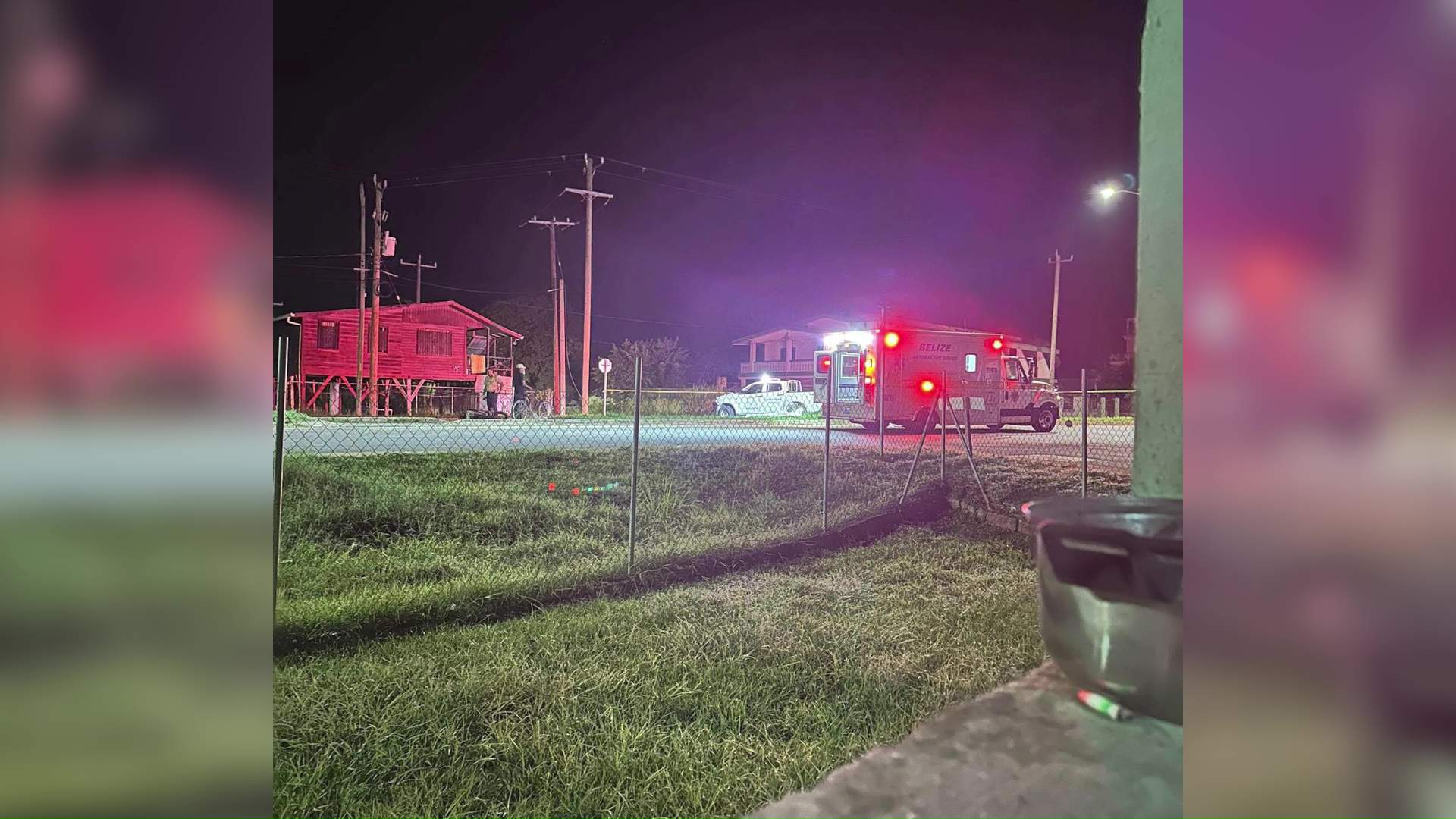
Two separate motorcycle accidents over the weekend have left two men dead, raising questions about the role of alcohol and speeding in these tragic incidents. The first crash occurred on Saturday in the La Loma Luz area of the Cayo district, where Gerson Fuyub lost control of his motorcycle, collided with a cement structure, and later succumbed to his injuries. Authorities are awaiting toxicology reports to determine if alcohol was a factor. Later that same day, another fatal accident took place on the Hummingbird Highway, involving Jorge Gonzalez, who also lost control of his motorcycle and died from his injuries. Assistant Commissioner Hilberto Romero emphasized that investigations are ongoing to determine the exact causes, with speeding and alcohol consumption being primary concerns. These incidents serve as a stark reminder of the dangers on the road and the importance of safe driving practices.
-
Residents Push for Hangar’s Closure, Politician Pushes Back
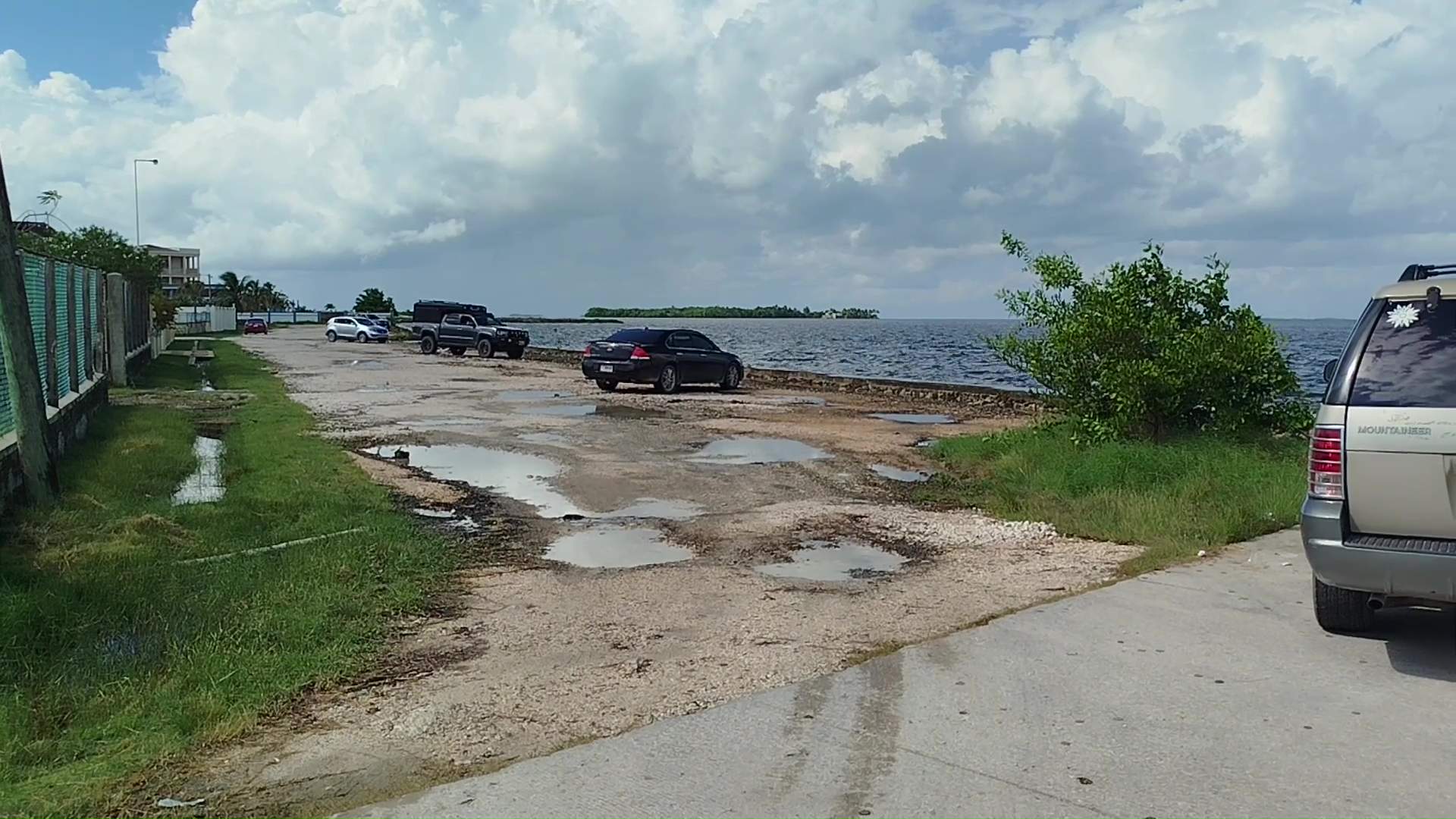
A heated debate over public access to the Hangar seafront in Belize City has escalated, pitting residents against local politicians. A group of residents is advocating for restricted access, citing concerns over security and coastal erosion. Belize City Mayor Bernard Wagner has labeled the gatherings along the seafront as ‘invasions,’ emphasizing the need to protect residents’ quality of life. However, Fort George Area Representative Henry Charles Usher has voiced strong opposition, arguing that the area should remain accessible to the public as one of the few beachfront spaces available to Belizeans.
The conflict dates back to 2022 when residents first petitioned to block vehicular traffic on the seafront road. The Belize City Council initially rejected the request, but in August 2024, residents shifted their strategy, applying to the Ministry of Lands to subdivide and purchase the street. While they cited environmental and security concerns, documents suggest their intent was to privatize the area. By 2025, armed with a letter from the Commissioner of Police and community support, the council approved the closure to vehicles, though Mayor Wagner claims the decision was collective and cannot recall who initiated the petition.
Complicating matters, the street was named in honor of the late city engineer Henry C. Fairweather in 2013. His surviving relatives have expressed outrage, arguing that restricting public access would dishonor his legacy. Meanwhile, Mayor Wagner maintains that his focus is on safeguarding residents from disruptive gatherings. The controversy highlights the tension between public access and private interests, with no clear resolution in sight.
-
Budna Abduction Investigation Back with Police Amid Scrutiny
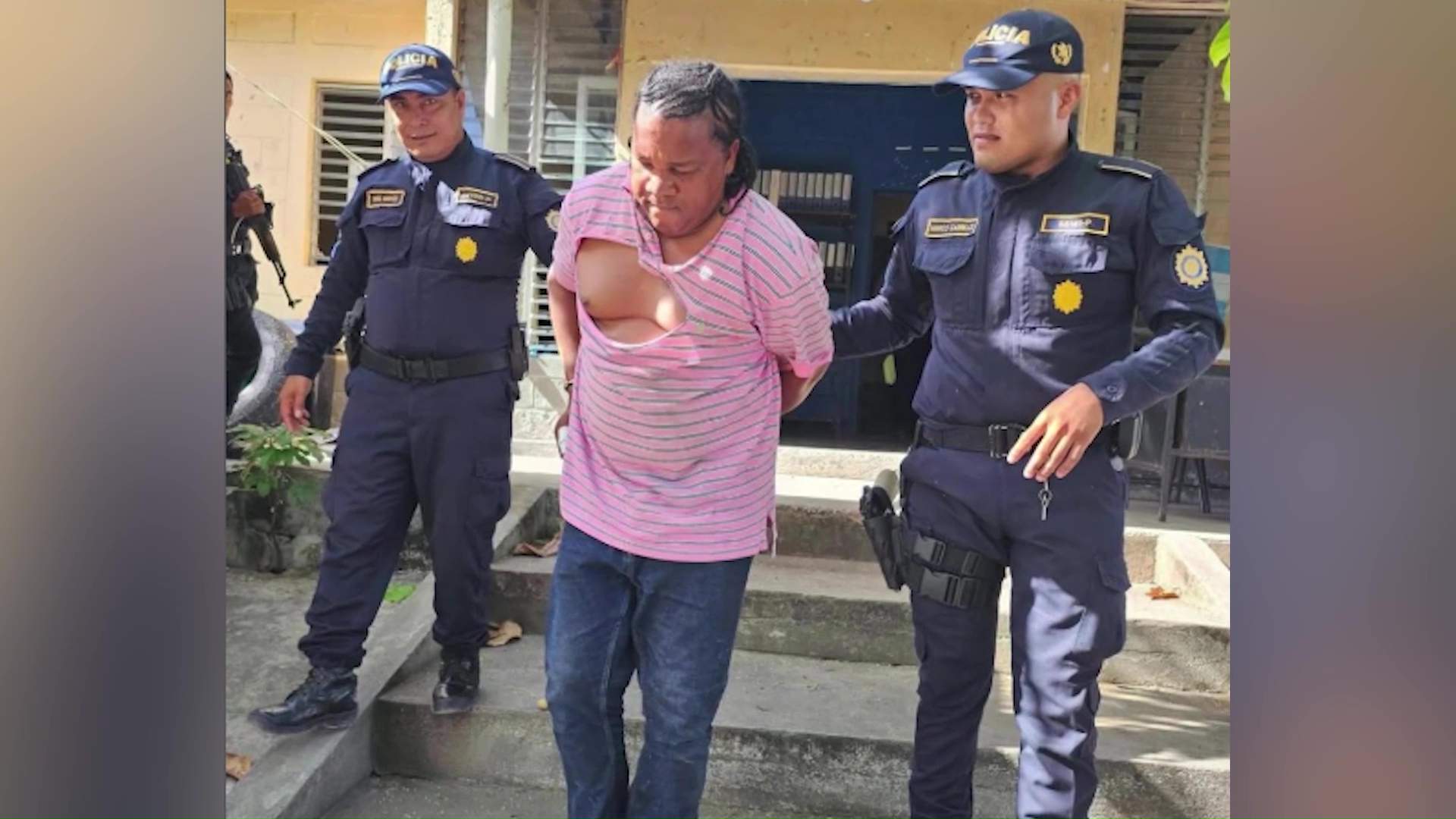
The investigation into the high-profile Joseph Budna abduction case has been reassigned to the Belize Police Department, following a brief period under the jurisdiction of the Director of Public Prosecutions (DPP). This shift comes after weeks of public outcry demanding an independent inquiry, a request initially supported by the government. However, Belizean law does not permit private investigations, leading to the case’s return to the police. Critics argue that this move raises concerns about impartiality, as police officers may now be tasked with investigating their own colleagues. Public Service Minister Henry Charles Usher defended the decision, emphasizing the DPP’s constitutional independence and its role in determining whether criminal charges should be pursued. Usher clarified that the DPP’s involvement is not a form of interference but a necessary step to ensure transparency and accountability. The case has sparked widespread debate about the integrity of the investigative process and the need for legal reforms to address public concerns.
-
Education Minister Denies Claims of Unpaid Teachers
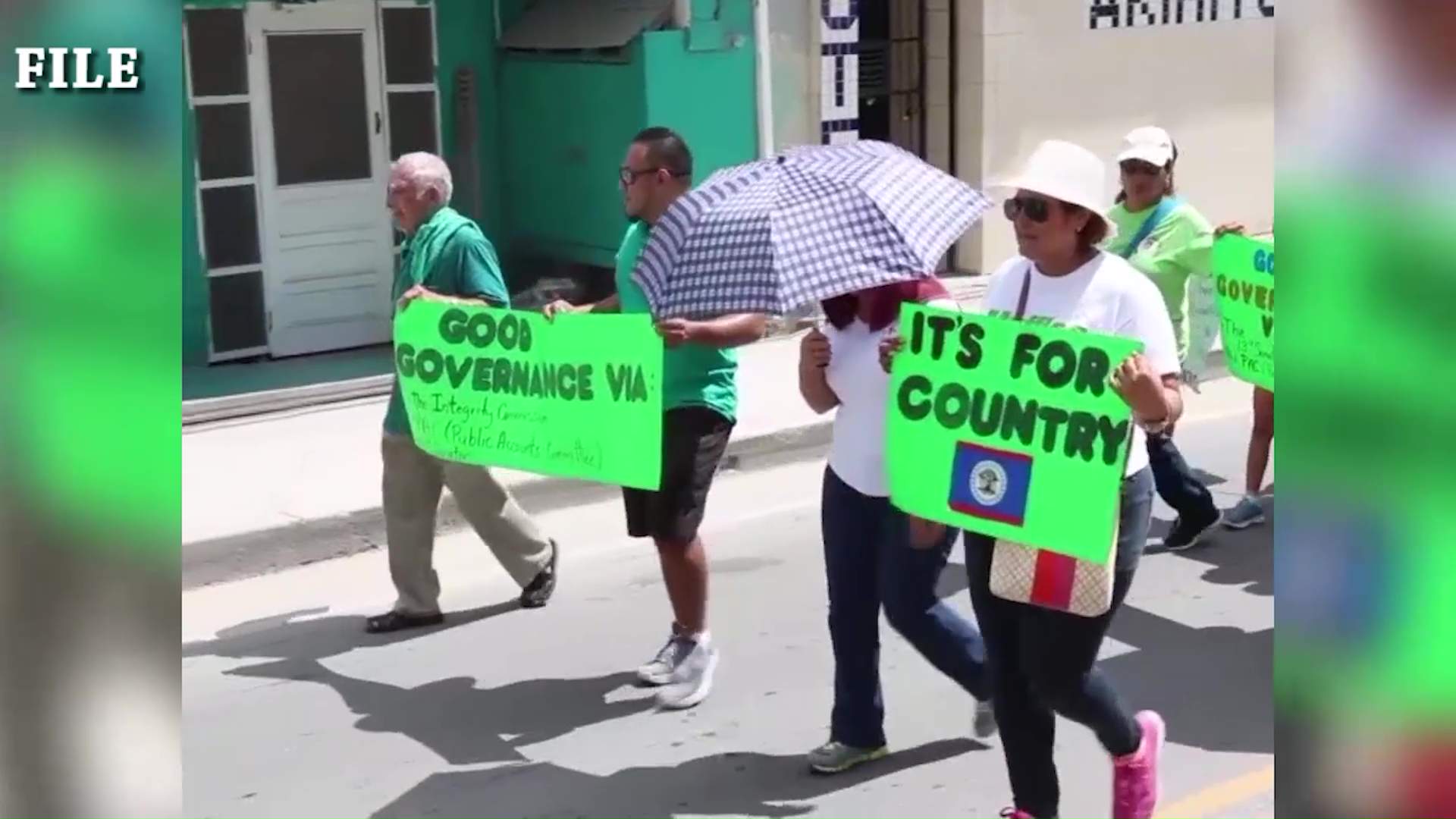
Belize’s Education Minister, Oscar Requena, has publicly addressed allegations that several teachers have not received their salaries for months. The issue gained traction last Friday when Nadia Caliz, President of the Belize National Teachers Union, raised concerns on social media, questioning why some educators had reportedly gone unpaid for four months and why unexplained deductions appeared in their paychecks. Minister Requena acknowledged the matter, stating that while the concerns are valid, there has been significant misinformation circulating online. He clarified that the issue stemmed from a delay in paying certain teacher allowances, such as hardship and responsibility allowances, as well as salary adjustments, which occurred in December of the previous year. To address this, the Ministry of Education decided to advance salaries to affected teachers, with the understanding that the amounts would later be deducted from their paychecks. Requena admitted that the primary issue was a lack of timely communication between the Ministry and the teachers regarding these deductions. He emphasized that the situation does not reflect a failure to pay salaries but rather a procedural delay and miscommunication.
-
Education Leaders Map Out Next Five Years
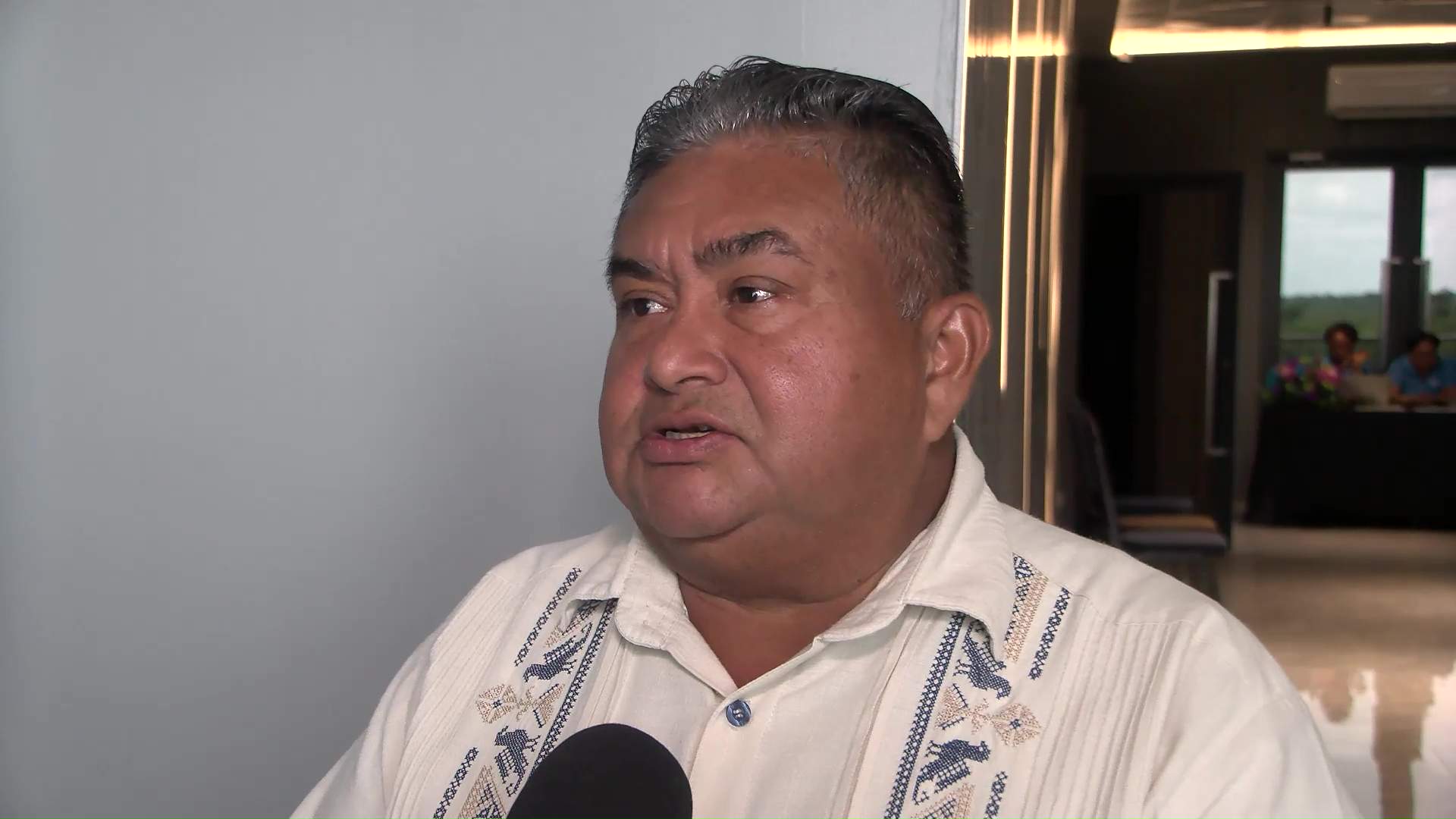
Belize’s education system is poised for transformation as key stakeholders gather for a pivotal two-day meeting to chart the course for the next five years. Hosted by the Ministry of Education, the Education Sector Plan meeting focuses on evaluating the achievements and challenges of the Belize Education Sector Plan (BESPlan) 2021–2025 and laying the groundwork for the 2026–2030 strategy. Education Minister Oscar Requena emphasized the importance of this collaborative review, highlighting significant progress in areas such as student enrollment across all levels, from preprimary to tertiary education. The meeting aims to identify priorities, address systemic challenges, and craft a comprehensive plan to enhance Belize’s educational landscape. This initiative underscores the government’s commitment to fostering academic excellence and equitable access to education, setting the stage for long-term societal and economic benefits.
-

Body of Norwegian man recovered by Navy in Cabarete
In a tragic incident, the body of a Norwegian national was recovered from the waters off Cabarete, near the Velero Hotel in Sosúa, Puerto Plata province, on Monday afternoon. The Dominican Republic Navy reported that the discovery was made around 2:40 p.m. by the interceptor boat Elnath, approximately two miles from the shore. The victim, identified as 49-year-old Jonas Ovedal, was a resident of Tenares. His remains were transported to the Puerto Plata dock, where forensic pathologist Dr. Miguel Cuevas conducted an initial examination in the presence of judicial authorities. According to the medical report, Ovedal died from drowning. His body was subsequently transferred to the National Institute of Forensic Sciences (INACIF) for a detailed autopsy. Authorities are continuing their investigation to determine the exact circumstances leading to his death.
-

FLASH : Cap
A recent inspection of the Cap-Haïtien prison by the Association of Volunteers for the Reintegration of Prisoners (AVRED-Haiti) has unveiled a dire humanitarian crisis. The facility, designed to accommodate 500 inmates, currently houses 841 individuals, including 30 women, 16 minors, and 795 men. This severe overcrowding exacerbates the already deplorable living conditions, with cells lacking ventilation, light, and basic sanitation. The prison’s clinic, in a state of disrepair, is staffed by only one doctor and one nurse, leaving 20 inmates suffering from infectious and skin diseases without proper medical care. The kitchen is unsanitary, toilets are overflowing, and the main building is cracked and dilapidated, posing a risk of collapse. AVRED-Haiti has condemned the flagrant violations of human rights, including the lack of legal assistance, inadequate healthcare, food insecurity, and the absence of educational or reintegration programs. The association has called for urgent intervention by the State and its partners to address these issues and uphold the dignity of those deprived of their liberty.
-
Tsunami drill at MBIA: Wednesday, 5 November 2025
The Grenada Airports Authority (GAA) has announced a Tsunami preparedness drill scheduled to take place at the Maurice Bishop International Airport (MBIA) on Wednesday, 5 November 2025, from 9:00 AM to 10:30 AM. This initiative is part of the GAA’s commitment to enhancing disaster readiness and ensuring the safety of airport users in the face of potential natural disasters. The drill coincides with World Tsunami Awareness Day, highlighting the importance of global awareness and preparedness for such catastrophic events. The exercise will last approximately 1.5 hours, during which normal airport operations will continue uninterrupted. Flights will not be affected, and the airport will remain open to the public. In the unlikely event of an actual emergency during the drill, the simulation will be halted immediately, and standard emergency protocols will be activated. The GAA has urged the public to remain calm and informed, emphasizing that any emergency-like activities observed during this period are part of the planned exercise. The authority expressed gratitude to travelers, airport stakeholders, and the local community for their cooperation and understanding as they work to bolster safety measures and emergency response capabilities. This drill underscores the GAA’s proactive approach to disaster management and its dedication to safeguarding the well-being of all airport users.