分类: society

  • Peace Begins Within: Why Mental Health Must Be Central to Peacebuilding in Antigua and Barbuda and the Caribbean

    Peace Begins Within: Why Mental Health Must Be Central to Peacebuilding in Antigua and Barbuda and the Caribbean

    A profound insight emerged from the global stage of the HWPL World Peace Summit in South Korea, where peacebuilders and policymakers convened to address worldwide conflicts. Beyond discussions of ceasefires and international law, a critical pattern surfaced: numerous global conflicts stem not merely from political or resource disputes, but from deep-seated human psychological distress. This revelation finds particular resonance in the Caribbean context, where nations like Antigua and Barbuda face parallel challenges despite their outward stability.

    The Caribbean paradox presents a compelling case study—while the region enjoys relative peace by international standards, underlying pressures manifest through anxiety, substance misuse, and concerning youth mental health indicators. Recent data reveals mental, neurological, and substance use disorders account for approximately 18% of total disability-adjusted life years in Antigua and Barbuda, with particularly alarming statistics among youth: nearly 17% of students aged 13-15 have seriously considered suicide, while 12% have attempted it.

    This mental health crisis represents a fundamental challenge to social stability. The Caribbean’s cultural emphasis on strength and endurance, while historically valuable, has created a silence around emotional suffering that redirects distress into interpersonal conflict, domestic violence, and substance abuse. Public health research confirms that interpersonal violence, alcohol misuse, and suicide share common roots in unresolved trauma, social isolation, and limited access to mental healthcare.

    Institutional responses are evolving but face significant challenges. Antigua and Barbuda’s National Mental Health Policy advocates for integration into primary care, yet implementation struggles with specialist shortages and outdated legislative frameworks. Recent collaborations with the Pan American Health Organization emphasize mental health reform as a national priority, recognizing that strong mental health systems are essential for social stability.

    The paradigm shift required reframes mental health from a private matter to a public peace imperative. Sustainable peacebuilding must address psychological wellbeing as foundational rather than adjacent to peace efforts. This approach demands contextualizing social issues within broader institutional conditions and advancing policy solutions that support emotional resilience at community and national levels.

  • COMMENTARY: Buzzing with purpose – How young Dominicans are building futures through agriculture

    COMMENTARY: Buzzing with purpose – How young Dominicans are building futures through agriculture

    Across the Caribbean nation of Dominica, a transformative shift is underway as young professionals embrace agricultural entrepreneurship through innovative approaches to beekeeping and agro-processing. This movement represents a fundamental reimagining of traditional farming—not as a fallback occupation but as a strategically viable career path combining environmental stewardship with economic opportunity.

    Supported by developmental initiatives from the International Organization for Migration (IOM), this agricultural renaissance empowers both young residents and returning citizens to establish sustainable livelihoods rooted in local resources. Beekeeping has emerged as a particularly attractive venture, offering flexible management requirements that accommodate full-time employment while generating supplemental income.

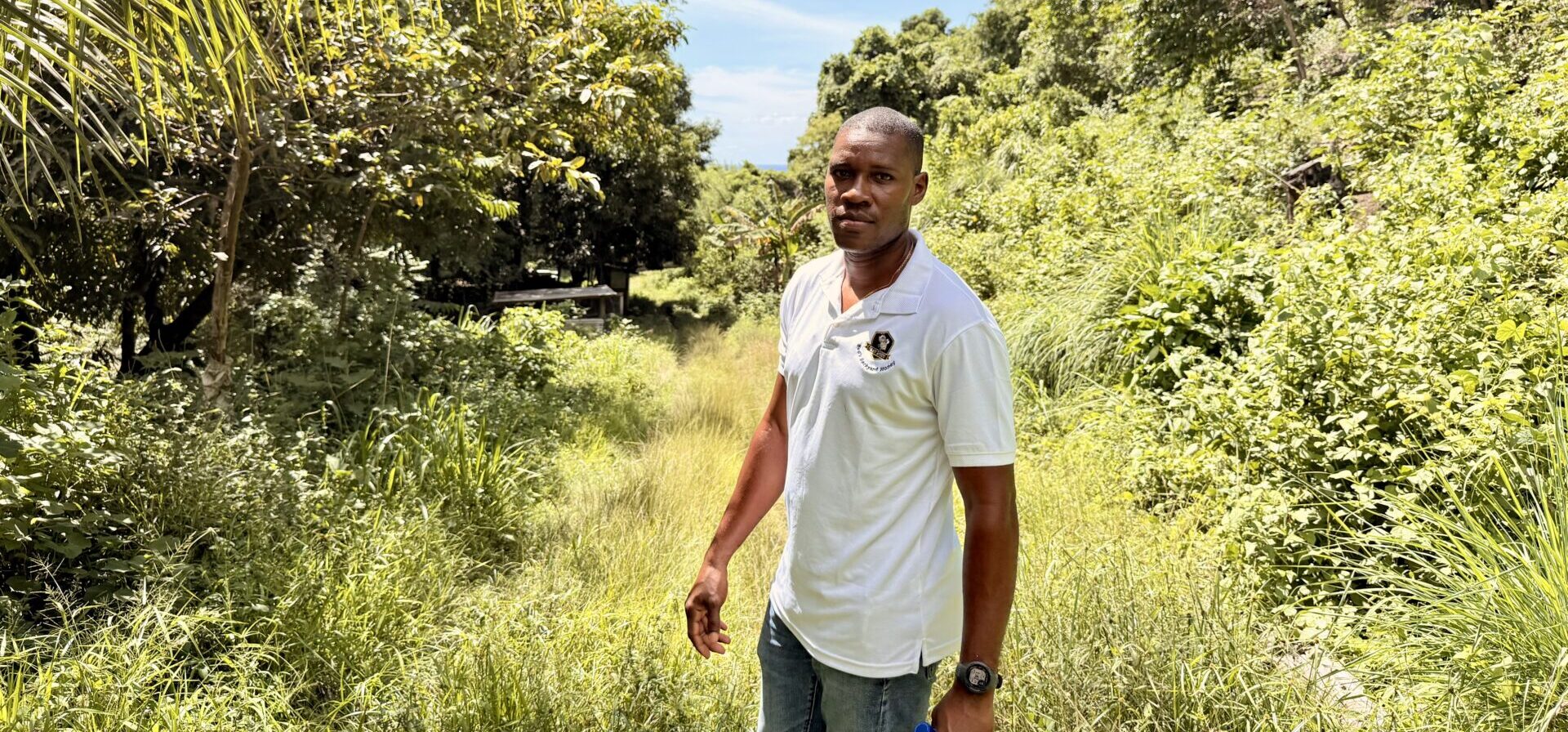
    Shem Jacob exemplifies this new generation of agricultural entrepreneurs. Balancing his profession as a police officer with ownership of Bud’s Backyard Honey, Jacob launched his apiculture enterprise in 2020 after identifying honey production as an ideal complementary business. “The appeal lies in honey’s non-perishable nature and the bees’ minimal daily maintenance requirements,” Jacob explains. “This flexibility allows me to maintain career stability while building a sustainable business.”

    His operation now produces pure honey and beeswax distributed through local markets and direct sales. Beyond financial benefits, Jacob describes beekeeping as a profoundly grounding experience that connects practitioners to natural systems. “It demonstrates what small creatures can accomplish collectively,” he notes, referencing the hundreds of bees required to produce a single bottle of honey.

    The ecological significance extends far beyond honey production. Bees serve as crucial pollinators for key Dominican crops including cucumbers, peppers, watermelon, coconuts, and citrus fruits. Enhanced bee populations directly contribute to improved agricultural yields, strengthened food security, and increased climate resilience—aligning with national sustainable development objectives.

    Through his position on the board of the Dominica Beekeepers Cooperative Society Ltd., Jacob facilitates training programs and knowledge exchange among island beekeepers. The cooperative additionally connects members with regional opportunities, exposing young agriculturalists to Caribbean-wide best practices.

    “Market saturation isn’t a concern,” Jacob emphasizes. “There’s consistent demand for honey and its byproducts, and we urgently need more beekeepers.” His message to youth underscores agriculture’s dual role in personal income generation and national development: “You’re not only profiting individually but supporting farmers and building the country.”

    IOM recognizes these initiatives as demonstrating how youth engagement in sustainable agriculture advances broader developmental goals—creating dignified employment, enhancing food systems, protecting ecosystems, and fostering community resilience. Dominica’s investment in green livelihoods signals a future where economic advancement and environmental conservation progress synergistically, with young innovators leading this transformative change through modernized approaches to traditional practices.

  • Police Chief says CDPF working hard to intercept illegal firearms, reduce crime in country

    Police Chief says CDPF working hard to intercept illegal firearms, reduce crime in country

    Dominica’s law enforcement authorities have disclosed comprehensive results from their 2025 anti-crime operations, revealing the seizure of nearly 100 firearms alongside substantial quantities of narcotics and ammunition. Police Chief Lincoln Corbette presented these findings during a recent press conference convened by the Ministry of National Security and Legal Affairs, addressing mounting public concerns regarding firearm-related criminal activities across the island nation.

    According to Chief Corbette’s detailed breakdown, the Commonwealth of Dominica Police Force (CDPF) successfully confiscated 94 firearms throughout the year, effectively preventing these weapons from being utilized against citizens. The operations additionally yielded more than 1,300 rounds of ammunition spanning various calibers, significantly impairing criminal capabilities.

    In a major blow to narcotics trafficking, authorities intercepted and destroyed over 1,700 kilograms of cocaine while confiscating approximately 84,000 individual doses of illicit substances. The comprehensive cleanup campaign extended to urban infrastructure with the removal of 160 abandoned vehicles from public roads, enhancing both safety and aesthetics in community spaces.

    Proactive policing measures included the establishment of over 300 vehicular checkpoints and nearly 200 residential searches, resulting in the arrest of more than 50 individuals specifically connected to firearms offenses. Beyond urban security initiatives, the CDPF implemented specialized agricultural protection units dubbed ‘Farmers’ Patrol’ in western regions following consultations with Wesley farming communities where produce theft had emerged as a critical concern. Chief Corbette reported substantially reduced incident reports following these targeted interventions, demonstrating their effectiveness in addressing rural crime patterns.

  • OPINION: Caribbean Women Equality

    OPINION: Caribbean Women Equality

    Despite achieving landmark leadership positions—including female prime ministers and Jamaica’s Defence Force chief—Caribbean women continue to confront profound systemic inequities. Statistical evidence reveals a stark contrast between symbolic representation and substantive inclusion: women constitute a mere 13–25% of military and law enforcement personnel, despite comprising over half the regional population. In legislative bodies, female parliamentarians hold only one-third of seats, while workforce participation rates of 40–60% obscure the prevalence of itinerant female labor near the poverty line. A significant dimension of this disparity is the overwhelming number of female-headed single-parent households across the region.

    Global military trends may soon intensify these challenges. Ukraine’s necessity-driven female recruitment and Europe’s consideration of gender-inclusive conscription signal shifting norms. The United States’ historical reliance on conscription—potentially drawing 51% women—further underscores this trajectory. Caribbean nationals have historically traded military service for foreign citizenship, often at tragic cost: Bernard Gooden (Jamaica), Kimel Watt (Jamaica), and Dale McCallum (Hanover) died serving in Western armies, with Watt posthumously granted U.S. citizenship alongside 160 foreign-born soldiers in 2007.

    Alarmingly, diaspora youth holding green cards or multiple citizenships remain eligible for conscription abroad, regardless of Caribbean ties. This reflects a broader pattern of regional involvement in foreign conflicts, dating back to World War I—exemplified by the 1917 execution of Jamaican teen Herbert Morrison, now recognized as a PTSD casualty.

    With global powers increasingly dominating Caribbean airspace and territories, the region risks being leveraged for human capital in external conflicts. Trinidadian women may face early conscription due to their government’s military alignment with the U.S., potentially deploying as peacekeepers in Venezuela. Beyond the idyllic veneer of beaches and calypso lies a sobering reality: Caribbean youth, particularly women, may become collateral in geopolitical struggles far removed from their own—echoing Vietnam, Angola, Iraq, and Afghanistan.

  • PM urges water harvesting as WASCO faces $200 million repair challenge

    PM urges water harvesting as WASCO faces $200 million repair challenge

    Prime Minister Philip J. Pierre has issued a compelling appeal to Saint Lucian citizens, urging widespread adoption of water harvesting practices as an immediate countermeasure to the nation’s escalating water crisis. This call to action comes alongside a sobering assessment of the Water and Sewerage Company (WASCO), which requires an estimated $200 million investment for comprehensive rehabilitation.

    During a pre-cabinet briefing, the Prime Minister characterized the substantial financial outlay as an unavoidable necessity given the magnitude of infrastructural challenges plaguing the national water system. He emphasized that restoring WASCO’s operational capacity represents a long-term endeavor that cannot be resolved immediately. “We need, possibly about $200 million to get WASCO back on its feet. That’s reality,” Pierre stated, acknowledging the significant financial burden involved in modernizing the country’s water infrastructure.

    The government is implementing concrete measures to facilitate this hydrological transition, having already eliminated import taxes on essential water harvesting equipment including pumps and storage tanks. Further fiscal incentives targeting gutter systems are under consideration to reduce implementation costs for homeowners.

    Pierre drew a critical distinction between passive water storage and active rainwater harvesting, noting that current building regulations requiring water storage facilities insufficiently address the nation’s water security needs. He advocated for a fundamental shift in public mindset regarding rainwater utilization, sharing from personal experience that “most of the water I have in my house is harvested water from the roof.”

    The Prime Minister contextualized Saint Lucia’s water challenges within global climate patterns, observing that increasingly arid conditions worldwide necessitate adaptive water management strategies. He recommended practical applications for harvested water including toilet flushing and vehicle washing, encouraging citizens to immediately assess their homes’ rainwater collection potential.

    While government efforts to rehabilitate WASCO continue, Pierre underscored that individual and community initiatives must complement institutional reforms. “WASCO will not be repaired tomorrow,” he cautioned, stressing that collective action and personal responsibility remain indispensable in navigating the country’s water security challenges.

  • Griffith backs judge’s call to hold abusive cops responsible

    Griffith backs judge’s call to hold abusive cops responsible

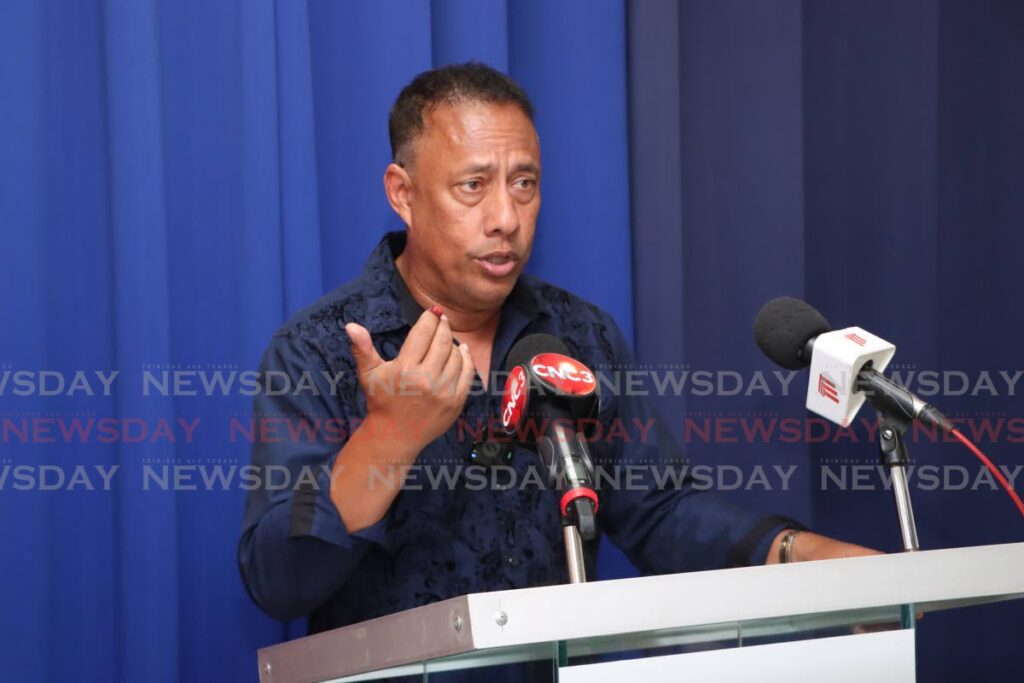
    Former Police Commissioner Gary Griffith has endorsed Justice Frank Seepersad’s recent demand for legislative changes to hold law enforcement officers personally accountable for unlawful arrests. In a January 22 social media statement, Griffith emphasized that officers demonstrating negligence, incompetence, or malicious intent should face disciplinary consequences, while acknowledging that those making good-faith judgment calls during lawful duties should remain protected.

    Griffith revealed that during his tenure as both National Security Minister and police commissioner, he witnessed numerous instances of officers operating outside legal boundaries and abusing authority. These actions frequently resulted in substantial financial settlements paid by the state, while the responsible officers faced no personal repercussions.

    The context for this discussion emerged from a January 20 High Court ruling where Justice Seepersad determined that a special reserve police officer had acted maliciously beyond legal parameters during a 2019 arrest and prosecution of a Sangre Grande resident.

    Griffith disclosed facing significant opposition from the Police Welfare Association regarding accountability measures, accusing the organization of tolerating unlawful police conduct and avoiding responsibility. He clarified that his position isn’t about punishing officers making difficult decisions under pressure, but rather addressing clear misconduct.

    Illustrating his point, Griffith recalled an incident where two new police vehicles were completely destroyed when officers engaged in unauthorized high-speed racing back to their station. GPS data confirmed the excessive speed occurred without operational justification, yet taxpayers bore the financial burden.

    The former commissioner advocated for mandatory body cameras as objective evidence sources that could either defend officers against false accusations or validate accountability claims. He referenced a particularly concerning case where officers traveled to Barbados to unlawfully abduct a citizen—an operation that might cost Trinidad and Tobago taxpayers tens of millions in damages.

    Another example involved a senior officer wrongfully arresting a Police Commissioner due to failure to comprehend firearm licensing laws, an act Griffith characterized as pure incompetence that damaged institutional credibility without resulting in personal consequences.

    Griffith maintained that accountability for negligence and malicious conduct strengthens rather than weakens police services by reinforcing professionalism, discipline, and legal respect. He emphasized that the vast majority of officers perform their duties honorably, and proper accountability measures protect their reputation while ensuring public trust in policing institutions.

  • 4 arrested, 8 guns seized in intelligence-led SWD operation

    4 arrested, 8 guns seized in intelligence-led SWD operation

    In a significant crackdown on illegal weapons, Trinidad and Tobago law enforcement authorities have successfully apprehended four individuals and confiscated a substantial arsenal during a meticulously coordinated operation in the South Western Division. The intelligence-driven raid, executed on January 21 between 5:00 AM and 9:00 AM, targeted multiple locations throughout Penal, resulting in the recovery of eight firearms and hundreds of rounds of ammunition.

    The seized weapons inventory includes an AR-style rifle equipped with a loaded magazine, four shotguns, a revolver, and two pistols. Notably, one pistol was found loaded with a magazine containing 15 rounds, while another carried five rounds. The operation yielded a total of 222 rounds of assorted ammunition, with an additional 25 rounds discovered concealed within a red cigar case.

    Law enforcement personnel initially detained two suspects: a 41-year-old woman from Syne Village, Penal, and a 57-year-old man residing at Moolai Trace, Penal. Subsequent operations within the district led to the apprehension of two additional individuals—a 41-year-old male from Syne Village and a 21-year-old male from San Francique.

    The multi-agency operation was strategically coordinated by Deputy Commissioner of Police Suzette Martin, with Senior Superintendent Thompson providing operational leadership. The investigative team included Superintendent Jaggernath and Assistant Superintendents Corrie and Forbes, demonstrating the high-priority status of the weapons interdiction effort.

    The operation featured an unprecedented collaboration between specialized units including the SWD Gang and Intelligence Unit, National Special Operations Unit, Air Support Unit, SWD Task Force, Penal CID, Penal Police Station, SWD Patrol Unit, alongside supporting elements from the Prison Service and Defence Force Operations Unit.

    Authorities have confirmed that investigations remain ongoing as they continue to pursue leads related to weapons trafficking and associated criminal activities in the region.

  • Pair of siblings charged over vulgar shanty demolition clash

    Pair of siblings charged over vulgar shanty demolition clash

    Two property owners from Eleuthera have been formally charged following a contentious confrontation with government officials during a demolition exercise in Spanish Wells earlier this month. The incident, which gained national attention through viral social media footage, culminated in court proceedings yesterday.

    Blake and Dominique Pinder appeared before Acting Magistrate Gwendolyn Patram where they entered not guilty pleas to multiple charges including disorderly behavior and using obscene and abusive language. Blake Pinder faces an additional count of obstruction for allegedly interfering with official government operations.

    The charges stem from a heated encounter between the siblings and members of the Unregulated Community Action Task Force during the dismantling of condemned structures in what authorities classified as a shantytown area. Prosecutors asserted that the defendants engaged in shouting racial epithets and physically obstructed officials during the demolition process—allegations both parties vigorously contested in court proceedings.

    As part of their release conditions, judicial authorities imposed strict restrictions prohibiting the defendants from discussing the case or posting related content on social media platforms. The case has been adjourned until February 4 for further proceedings.

    This legal confrontation follows a broader government initiative targeting unregulated structures deemed unsafe or unlawful throughout the Bahamas. The operation in Spanish Wells generated significant public discourse after video evidence circulated widely showing intense exchanges between the Pinders and task force personnel.

    Prior to the legal charges, Blake Pinder had publicly contested the government’s actions, claiming officials unlawfully demolished family property that had been owned for decades. He maintained that despite efforts to regularize the development—including providing housing with established utility connections—authorities failed to properly engage with him before proceeding with demolition. Pinder further disputed the government’s classification of the property as part of a shantytown, noting his late father’s longstanding ownership and the structures’ established nature.

  • JPs encouraged to uphold vital role as front-line community leaders

    JPs encouraged to uphold vital role as front-line community leaders

    KINGSTON, Jamaica — Senior government officials have issued a powerful endorsement of Jamaica’s Justices of the Peace (JPs), recognizing them as essential pillars in maintaining legal integrity and social cohesion throughout the nation’s communities.

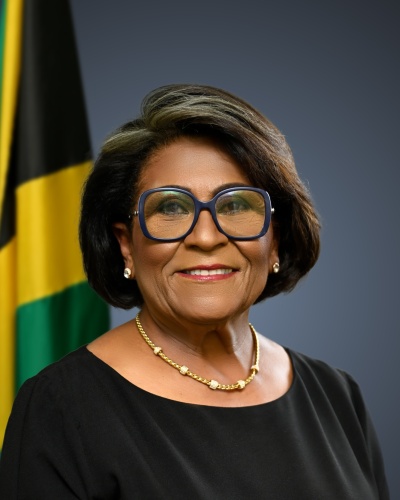
    During a virtual sensitization session held this week, Marisa Dalrymple-Philibert, State Minister in the Ministry of Justice and Constitutional Affairs, delivered a compelling address praising JPs for their indispensable service. She emphasized their unique position as frontline community leaders who frequently serve as the initial contact point for citizens navigating legal and administrative systems.

    The Minister elaborated on the multifaceted responsibilities of JPs, highlighting their critical function in helping citizens comprehend complex documentation processes. This guidance, she noted, serves as a vital protective barrier against fraudulent activities, misinformation dissemination, and illegal transactions that could undermine community welfare.

    “As respected and trusted figures within their communities, Justices of the Peace carry the important responsibility of educating citizens about the significance of proper documentation and the procedural requirements for obtaining legitimate legal titles,” Dalrymple-Philibert stated.

    Beyond their document verification duties, the Minister encouraged JPs to pursue continuous professional development to enhance their expertise. She urged them to maintain their role in directing citizens to appropriate governmental agencies while providing clear explanations of administrative procedures.

    The address further underscored the broader societal impact of JPs, characterizing them as guardians of citizen rights and promoters of community stability—functions that extend well beyond their formal legal responsibilities to encompass broader social stewardship.

  • Let’s be clear hair

    Let’s be clear hair

    A renewed controversy over hairstyle regulations at Fyzabad Secondary School in Trinidad has sparked national discourse about cultural discrimination in educational institutions. The school’s administration issued strict grooming guidelines that specifically target traditional Black hairstyles including afros, braids, cornrows, and pineapple buns, deeming them violations of discipline standards.

    The policy mandates three-day suspensions for non-compliance, requiring both students and parents to contemplate the punishment at home. This approach has drawn sharp criticism from education advocates who argue such rules perpetuate post-colonial ideologies and racial bias against the natural hair textures of more than half the country’s population.

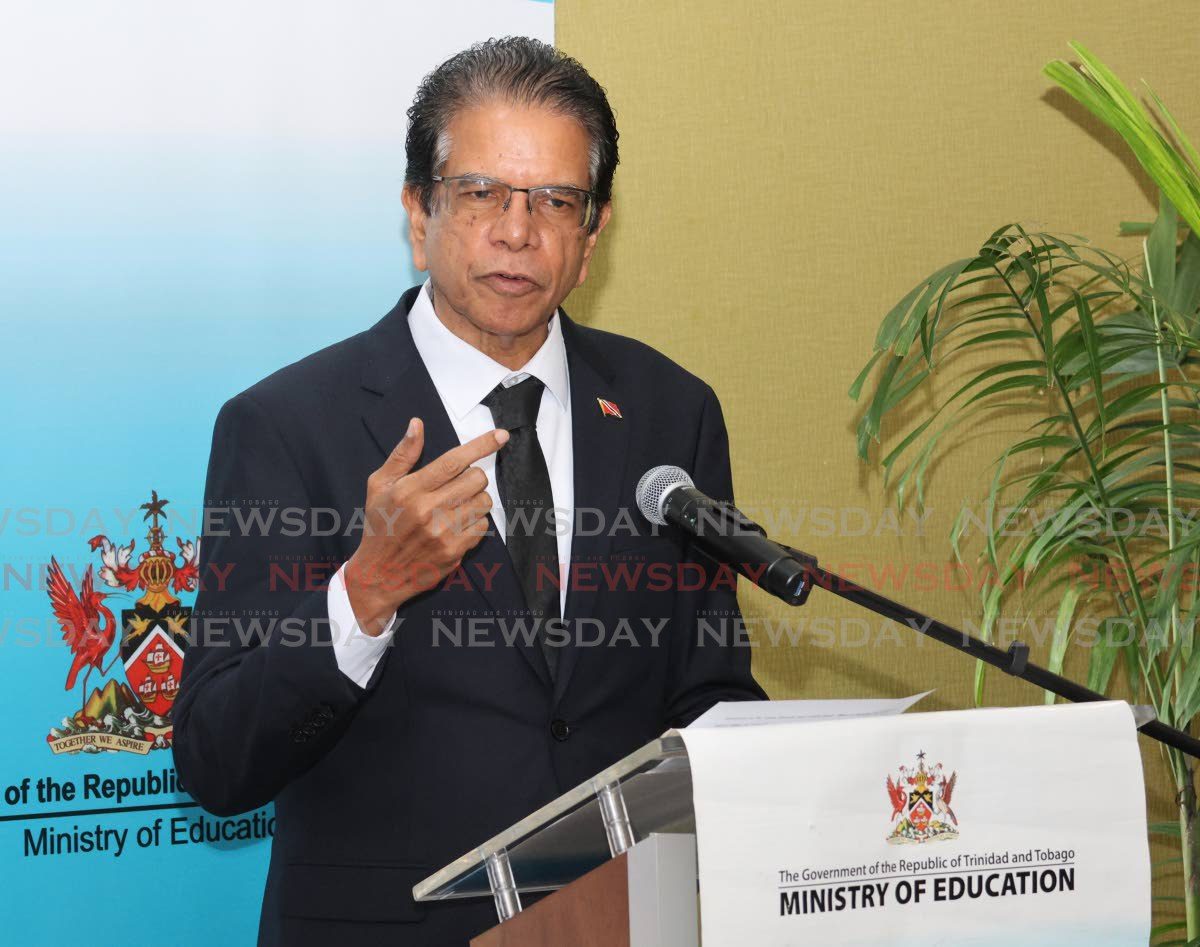
    Education Minister Dr. Michael Dowlath has intervened, emphasizing that while schools may establish grooming guidelines, they must never deny children their right to education. The ministry recently stated that all hair policies should be “reasonable, non-discriminatory, respectful of students’ dignity, and consistent with the best interest of the child,” while respecting “cultural identity and personal expression.

    However, confusion persists within the education system. A July 2023 national school code prohibited hairstyles that obstruct views or feature intricate designs, while an October 2023 recommendation suggested schools establish hair policy committees for ministry review.

    The Trinidad and Tobago Unified Teachers Association (TTUTA) and the National Council of Parent Teacher Associations have joined activists in condemning discriminatory regulations. Many reference American R&B singer India Arie’s 2006 anthem “I Am Not My Hair,” which highlighted the damaging psychological effects of hair-based cultural conflicts on Black youth.

    Educators now face increasing pressure to ensure school policies promote inclusion rather than reinforce harmful stereotypes about natural Black hairstyles being associated with indiscipline or lack of professionalism.