分类: society

  • Animal traceability system to be expanded to goats

    Animal traceability system to be expanded to goats

    Jamaica’s Ministry of Agriculture, Fisheries and Mining is preparing to significantly expand its National Animal Identification and Traceability System (NAITS) to include goats in the upcoming financial year. Currently focused exclusively on cattle, this strategic expansion addresses growing concerns about small ruminant theft across the island nation.

    Dr. Sophia Ramlal, Acting Chief Veterinary Officer, revealed that while cattle theft remains problematic, anecdotal evidence from farmers indicates even higher rates of goat theft. “Our experience on the ground is that there is a lot of cattle theft, but if you speak to farmers there is more goat theft,” Dr. Ramlal stated, acknowledging the ministry’s awareness of the issue.

    The expansion will be implemented through the ministry’s small ruminant program and will require new legislation, which officials are currently reviewing. NAITS, administered by the Veterinary Services Division, represents a comprehensive identification and registration system for Jamaica’s livestock population. The system electronically records detailed information including animal identity, ownership records, geographical location, and movement activity throughout an animal’s lifespan.

    Since its inception a decade ago, the system has successfully tagged over 100,000 cattle using visual ear tags accompanied by bovine passports that must travel with animals between establishments. This existing infrastructure has already contributed to reduced theft rates and enhanced food safety and security measures.

    Dr. Ramlal emphasized that the system aligns with international best practices, serving five critical functions: establishing proof of ownership, enabling traceability, enhancing biosecurity controls, guarding against theft, and facilitating market access. “If we want to access international markets, a very strong traceability system where there is confidence in what we’re doing locally is that benchmark by which we are measured,” she explained regarding the program’s importance for global trade compliance.

    The NAITS program operates under the National Animal and Identification System 2015 Regulations, which currently mandate the marking of bovine animals. The forthcoming expansion to include goats represents Jamaica’s continued commitment to modernizing its agricultural sector and addressing the persistent challenge of praedial larceny that affects farmers nationwide.

  • WATCH: Armed thieves steal seven goats from Sydney Pagon STEM Academy

    WATCH: Armed thieves steal seven goats from Sydney Pagon STEM Academy

    The Sydney Pagon STEM Academy in Elim, St Elizabeth, has become the target of a violent agricultural theft, compounding existing challenges from recent natural disasters. On Monday night, armed assailants executed a brazen raid on the school’s premises, making off with seven valuable goats estimated at $500,000 Jamaican dollars.

    According to Principal Milbert Miller, the perpetrators discharged firearm rounds to intimidate security personnel during the operation. The stolen livestock included five bucks and two does, among which were breeding animals critically important to the academy’s agricultural program. Miller specifically noted that one buck and one doe had been recently donated by the Ministry of Agriculture to enhance the institution’s breeding stock.

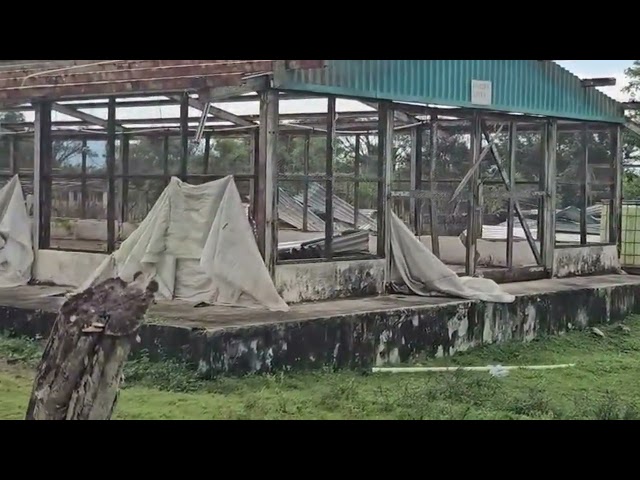
    This criminal incident represents a significant setback for the educational facility, which continues to recover from substantial damage inflicted by Hurricane Melissa just three months prior. The hurricane had previously devastated several campus structures, including poultry houses that were essential to the institution’s hands-on STEM curriculum.

    The theft not only represents a financial loss but also undermines the academy’s educational mission, particularly affecting students engaged in agricultural science programs. Local authorities have launched an investigation into the incident, though no suspects have been apprehended at this time.

  • St Clements House in Belfast reportedly burglarized

    St Clements House in Belfast reportedly burglarized

    Authorities in Belfast are conducting a thorough investigation following a significant burglary at St Clements House, the historic residence of the Redemptorist Catholic missionary order. The incident, which police are treating as an aggravated burglary, occurred overnight and resulted in the theft of substantial cash amounts and a vehicle.

    Initial reports confirm that perpetrators successfully made off with EC$2,500, US$600 in cash, and a Mitsubishi Pickup truck bearing registration number PP634. The burglary targeted the long-standing religious institution that has maintained a presence in Dominica since 1902.

    In a developing turn of events, law enforcement officials have successfully located the stolen vehicle in the Zabrico area. The recovery represents a significant breakthrough in the ongoing investigation, though authorities continue to pursue leads regarding the suspects and the stolen currency.

    St Clements House serves as the operational base for the Redemptorist order, which currently maintains between 4,500–5,500 members across more than 80 countries worldwide. The religious organization has deep roots in the local community, having established its mission work in Dominica over a century ago.

    Local news outlet DNO has committed to providing continuous coverage as additional details emerge from the police investigation. The community awaits further updates regarding security measures and the status of the investigation into this violation of the religious institution’s premises.

  • Senior officers complete two-week leadership refresher course

    Senior officers complete two-week leadership refresher course

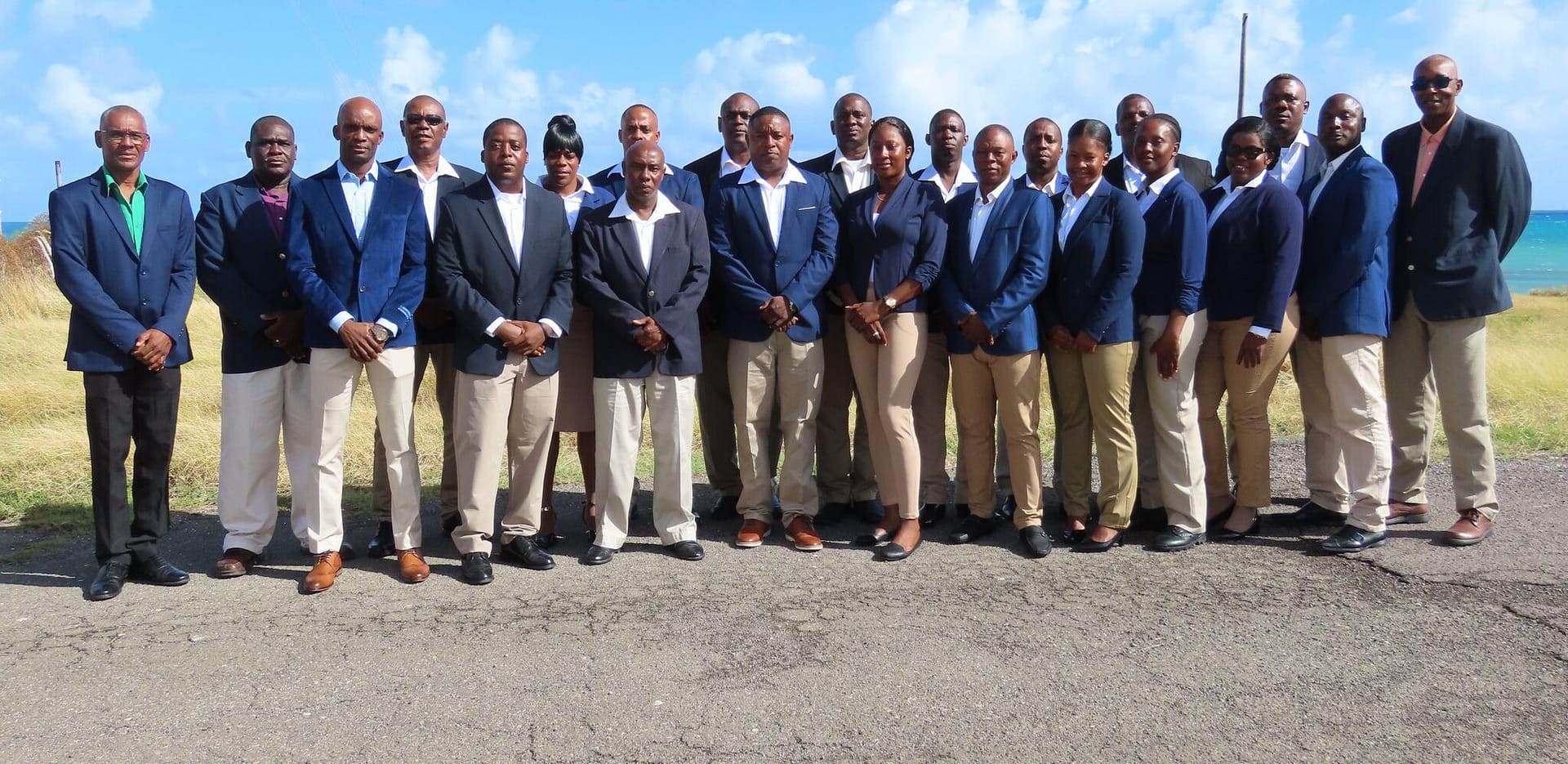
    In a significant initiative to bolster military leadership and operational capabilities, Senior Non-Commissioned Officers have successfully concluded an intensive two-week professional development program. The specialized refresher course, conducted from January 12 to 24, 2026, was specifically designed to enhance leadership competencies, reinforce disciplinary standards, and strengthen overall mission readiness.

    The comprehensive curriculum placed particular emphasis on the multifaceted responsibilities and elevated professional standards required of senior enlisted leaders within modern military structures. Participants engaged in rigorous drill training exercises meticulously crafted to improve unit cohesion and disciplinary precision, while simultaneously reviewing fundamental operational tasks critical to daily military functions.

    A cornerstone of the program focused on the strategic role of Senior Non-Commissioned Officers as both operational leaders and professional mentors. The training highlighted their crucial function as the essential connective tissue between command leadership and junior personnel, emphasizing their unique position in maintaining organizational effectiveness and communication channels.

    Program organizers confirmed the initiative successfully reinforced contemporary leadership methodologies while substantially improving the unit’s overall preparedness. The exercise underscored the indispensable value of experienced non-commissioned officers in preserving operational effectiveness and maintaining robust military structures capable of responding to diverse challenges.

  • PAHO and UNICEF Warn Violence Continues to Endanger Children Across Latin America and the Caribbean

    PAHO and UNICEF Warn Violence Continues to Endanger Children Across Latin America and the Caribbean

    A groundbreaking collaborative report from the Pan American Health Organization (PAHO) and UNICEF has exposed a devastating epidemic of violence targeting children and adolescents across Latin America and the Caribbean. The publication, titled ‘Violence against children and adolescents in Latin America and the Caribbean: New data and solutions,’ reveals that violence remains a critical threat to the survival, health, and overall well-being of millions of young people in the region.

    The most extreme manifestation of this crisis is homicide. Between 2015 and 2022, a staggering 53,318 children and adolescents were murdered. Recent data reveals a disturbing and gendered shift in trends. While the homicide rate for adolescent boys (15-17 years) showed a decline from 17.63 to 10.68 per 100,000 between 2021 and 2022, the rate for adolescent girls more than doubled during the same period, skyrocketing from 2.13 to 5.1 deaths per 100,000.

    This lethal violence is fueled by a complex web of factors, including escalating armed conflict in certain areas, the pervasive influence of organized crime, widespread availability of firearms, deep-rooted social inequalities, and harmful gender norms that increasingly draw adolescents into situations of extreme danger.

    The report emphasizes that violence is not an isolated incident but a interconnected phenomenon that often intensifies over time, beginning at a very young age. Shockingly, six out of ten children under 14 in the region experience violent disciplinary methods at home. Furthermore, one in four adolescents aged 13 to 17 faces bullying and harassment within school environments. Nearly 20% of women report enduring sexual violence before reaching the age of 18, and violence is increasingly migrating into digital spaces, though data on this newer frontier remains scarce.

    Roberto Benes, UNICEF Regional Director for Latin America and the Caribbean, stated, ‘Millions of children in our region confront violence daily—in their households, schools, and communities dominated by gangs. Numerous settings present genuine and severe risks. We possess the knowledge to end this cycle; what is required are robust, sustained public policies focused on prevention and response.’

    Echoing this urgency, Dr. Jarbas Barbosa, Director of PAHO, highlighted the profound and lasting damage violence inflicts on the physical and mental health of the young, constituting a severe violation of their fundamental right to safety. He underscored the pivotal role of health services: ‘Through early identification of at-risk groups and the provision of timely, quality support, health workers can fundamentally alter outcomes for survivors, their families, and entire communities.’

    Beyond diagnosing the problem, the report outlines a clear path forward, championing evidence-based solutions. PAHO and UNICEF are calling on regional governments to enact a multi-sectoral strategy. Key recommendations include strengthening and enforcing child protection laws, implementing effective firearm control, providing specialized training for police, teachers, and health and social workers, promoting positive parenting practices, investing in safe educational environments, and scaling up accessible support services. The ultimate goal is to ensure every child can grow up protected, with access to justice, and able to lead a healthy life free from violence.

    The findings and proposed framework were validated during a major regional ministerial consultation on October 23-24, 2025, which convened over 300 participants, including government ministers, senior officials from health, education, and justice sectors, alongside civil society advocates, youth leaders, and international partners, all committed to agreeing on concrete actions for building safer environments for the young generation.

  • No immediate threat to life following Pichlen landslide, says Minister Blackmore

    No immediate threat to life following Pichlen landslide, says Minister Blackmore

    Dominica’s Public Works Minister Rayburn Blackmore has provided reassurances to citizens following a significant landslide in the southern community of Pichlen that occurred during the night of January 24-25. The geological event, which took place along an active road rehabilitation corridor, resulted in substantial earth displacement into the Pichlen River channel, triggering immediate multi-agency emergency assessments.

    Minister Blackmore confirmed to media outlets that a comprehensive technical team comprising geotechnical engineers, disaster management specialists, emergency services personnel, and forestry officials has conducted thorough evaluations of the situation. Their collective assessment indicates no imminent danger to residential areas or infrastructure downstream from the landslide site.

    Critical transportation routes between Bellevue Chopin and Pichelin remain fully operational, maintaining uninterrupted connectivity for local communities. As a precautionary measure, authorities have established security perimeters around the original construction zone, advising public avoidance of the designated area.

    Remediation operations commenced Monday under improved meteorological conditions, with clearing efforts focused on preserving the integrity of the river channel while implementing robust mitigation protocols. The government’s coordinated response prioritizes environmental conservation and community safety through strict adherence to geotechnical safety standards.

    Minister Blackmore contextualized this incident within Dominica’s broader National Resilience Development Plan 2030, highlighting ongoing infrastructure investments exceeding $160 million dedicated to slope stabilization, advanced drainage systems, and expanded roadway designs specifically engineered to minimize landslide risks. The official commended emergency responders and technical staff for their continuous monitoring efforts and reaffirmed the administration’s commitment to citizen safety as its fundamental governance priority.

  • Breaking barriers: Deaf Saint Lucians donate blood for the first time

    Breaking barriers: Deaf Saint Lucians donate blood for the first time

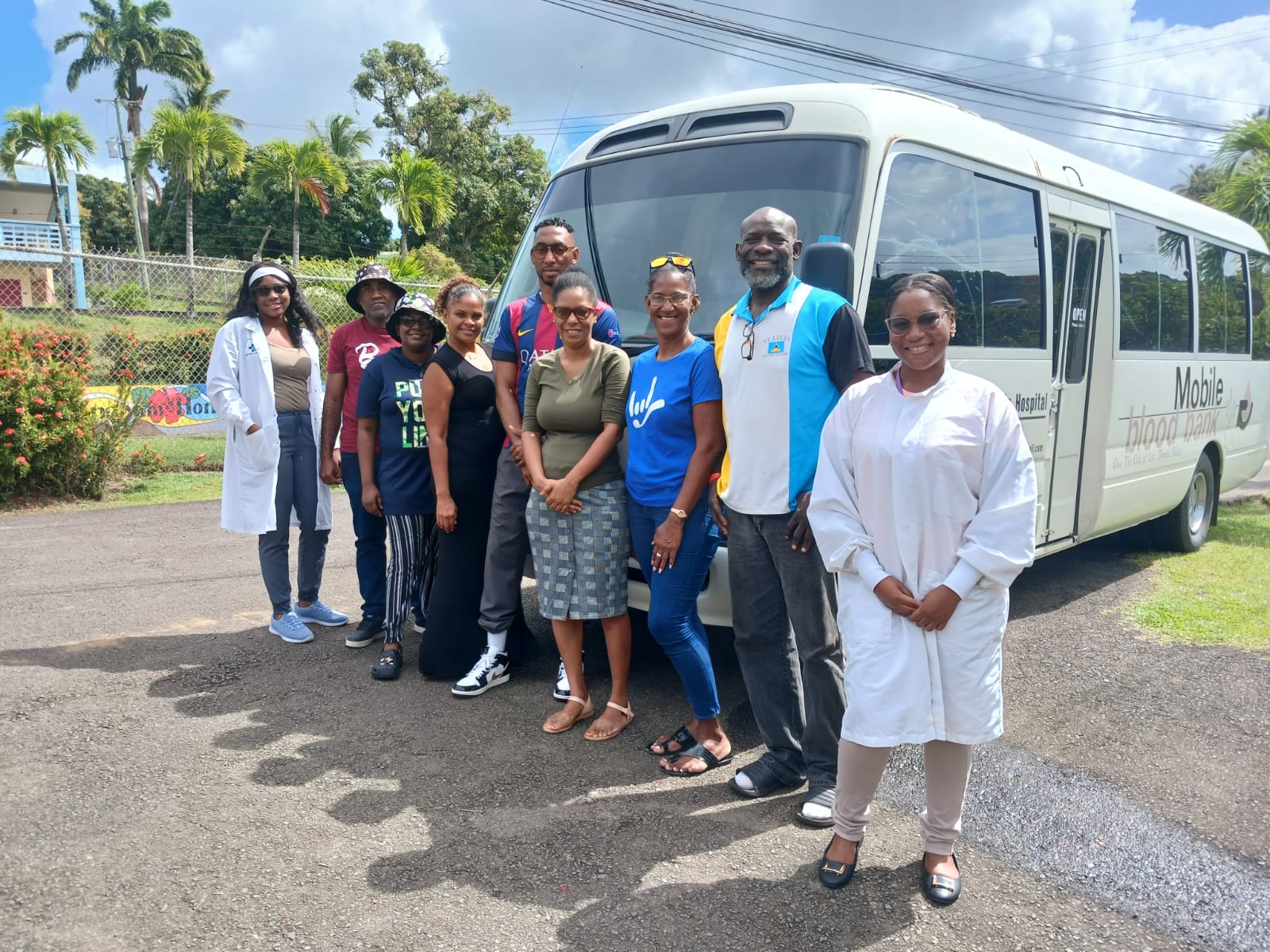
    In a groundbreaking move toward inclusivity, Saint Lucia’s deaf and hearing-impaired community participated in a pioneering blood donation drive on January 24th. The event, held at the Lady Gordon Opportunity Centre in Ciceron—a venue with deep historical significance as the former School for the Deaf—marked the first organized effort specifically designed to accommodate donors with hearing disabilities.

    The initiative emerged from a critical recognition: communication barriers routinely exclude deaf individuals from essential services and civic activities, including blood donation. Standard medical protocols requiring detailed questionnaires and interviews present insurmountable challenges in a society where sign language proficiency remains limited among healthcare professionals.

    Dale St. Juste, Officer in Charge of Special Education at Saint Lucia’s Ministry of Education and leader of the Castries SDA Church’s Deaf Ministries Department, championed this transformative project. The Deaf Ministries program, which provides weekly religious services incorporating both spiritual guidance and practical information often inaccessible to the hearing-impaired community, served as the perfect platform for this outreach.

    St. Juste revealed to St. Lucia Times that most participants had never previously donated blood and were unaware of their blood types. ‘Blood donation constitutes a critical national service vital to our healthcare system,’ he emphasized. ‘With blood stocks frequently reaching dangerously low levels, maximizing participation becomes imperative.’

    Beyond addressing immediate medical needs, the initiative represents a broader movement toward societal inclusion. St. Juste advocates for systemic changes across institutions, urging them to evaluate and adapt their processes to accommodate persons with disabilities. He additionally encourages public engagement with deaf individuals, noting that communication often proves possible even without formal sign language training.

    The successful blood drive demonstrates how targeted efforts can dismantle barriers, offering a model for future inclusive initiatives that empower differently-abled citizens to participate fully in societal activities.

  • Oproep om informatie over overleden Lucia Mildred Harris in Amsterdam

    Oproep om informatie over overleden Lucia Mildred Harris in Amsterdam

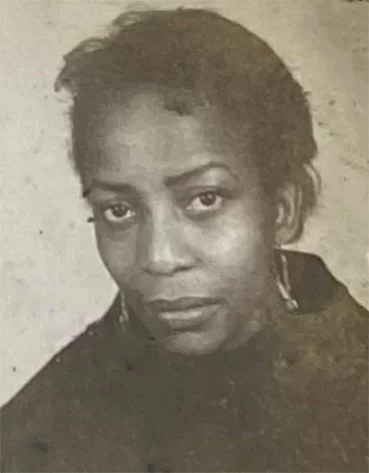
    Amsterdam authorities are making a public appeal for information about Lucia Mildred Harris, a Suriname-born woman who will receive a solitary funeral after being discovered deceased in her Amsterdam-Zuid apartment with no known surviving relatives or social connections.

    The 66-year-old woman was found lifeless in her Cornelis Trooststraat residence on January 7th after a concerned neighbor, who hadn’t seen her for approximately a month, alerted police. Forensic investigation confirmed Harris died of natural causes, ruling out any criminal involvement.

    Despite extensive efforts by Amsterdam municipal authorities to locate next of kin, friends, or acquaintances, no personal connections have been identified. This has prompted the Foundation for Solitary Funerals Amsterdam (Stichting De Eenzame Uitvaart Amsterdam) to organize a dignified burial service for Harris, ensuring she receives proper funeral rites despite her apparent isolation.

    The upcoming ceremony will feature poet Antoine de Kom reciting a poem specially composed in Harris’s honor. The foundation will also document the proceedings for archival purposes.

    Limited biographical information exists about Harris’s life. While it remains unclear when she emigrated from Suriname to the Netherlands, records indicate she attended the Charles Montaigne Fashion Academy in Amsterdam in 1980 before studying French at the University of Amsterdam. Her post-graduate professional life and potential career sector remain unknown.

    The foundation expressed particular surprise that an educated and well-groomed woman would apparently lack any visible social network. They are now issuing an explicit appeal to readers in Suriname and the Surinamese community in the Netherlands who might have known Harris or possess information about her family background and life story.

    The funeral is scheduled for this Friday in Amsterdam. Those with relevant information or potential family connections who wish to attend the service are encouraged to contact the Foundation for Solitary Funerals Amsterdam directly.

  • COMMENTARY: Years when our Carnival days fall in two different months

    COMMENTARY: Years when our Carnival days fall in two different months

    The rhythmic pulse of Dominica’s Carnival celebrations follows a complex chronological pattern that few revelers fully comprehend. Historical research reveals that the island’s pre-Lenten festivities, traditionally known as ‘Lendi Mas’ (Carnival Monday) and ‘Madi Mas’ (Carnival Tuesday), adhere to a celestial calendar with fluctuations spanning centuries.

    According to archival records, the earliest possible dates for Dominica’s Carnival occur on February 2 and 3—a phenomenon last witnessed in 1818, during the pre-Emancipation era when Carnival celebrations didn’t officially exist. Astonishingly, this early timing won’t recur until 2285, making it a once-in-millennium occurrence.

    Conversely, the latest possible Carnival dates fall on March 8 and 9, last observed in 1943. The next extended Carnival season will occur in 2038, requiring a 12-year wait for the longest possible celebration period.

    A particularly rare phenomenon occurs when Carnival straddles two months—with Monday in February and Tuesday in March. This occurred most recently in 2022 (had COVID-19 not caused cancellation), following previous instances in 1927, 1938, 1949, and 1960. Analysis reveals an 11-year pattern between these dual-month celebrations, with future occurrences projected for 2033 and 2044—the latter being a Leap Year celebration on February 29 and March 1.

    The timing complexity extends to Easter celebrations, which shift according to lunar cycles. Easter Sunday always falls on the first Sunday after the first full moon following March 21. The earliest possible Easter date (March 22) last coincided with early Carnival dates in 1818, and won’t realign until 2285.

    Despite these chronological complexities, Dominicans continue celebrating their ‘Mas Domnik’ with equal enthusiasm whether festivities fall in February, March, or across both months—demonstrating that cultural spirit transcends calendar constraints.

  • Historic winter storm kills several, causes mass travel disruption across US

    Historic winter storm kills several, causes mass travel disruption across US

    A catastrophic winter storm of historic proportions has unleashed chaos across the United States, resulting in multiple fatalities and bringing the nation’s transportation networks to a standstill. The ferocious system, characterized by arctic blasts, blinding blizzards, and dangerously icy conditions, has impacted a vast swath of the country from the Great Plains through the Midwest and into the Northeast.

    Authorities have confirmed several storm-related deaths, attributed to traffic accidents, exposure to the extreme cold, and other weather-induced emergencies. The severe conditions have triggered a cascade of travel disruptions, with thousands of flights canceled nationwide and major airlines issuing waivers. Key interstate highways have been rendered treacherous or completely impassable, stranding motorists and prompting officials to implore residents to avoid any non-essential travel.

    Critical infrastructure has also been severely tested. Power outages have left tens of thousands of households in the dark and without heat amidst freezing temperatures, while emergency services are operating at maximum capacity responding to a surge in calls. The storm’s timing during a busy holiday travel period has magnified its impact, leaving countless families separated and holiday plans in disarray. Meteorologists are describing the event as a ‘once-in-a-generation’ weather phenomenon, highlighting its rapid intensification and the record-breaking low temperatures it has delivered.