分类: society

  • THA to host first-ever Men’s Debate

    THA to host first-ever Men’s Debate

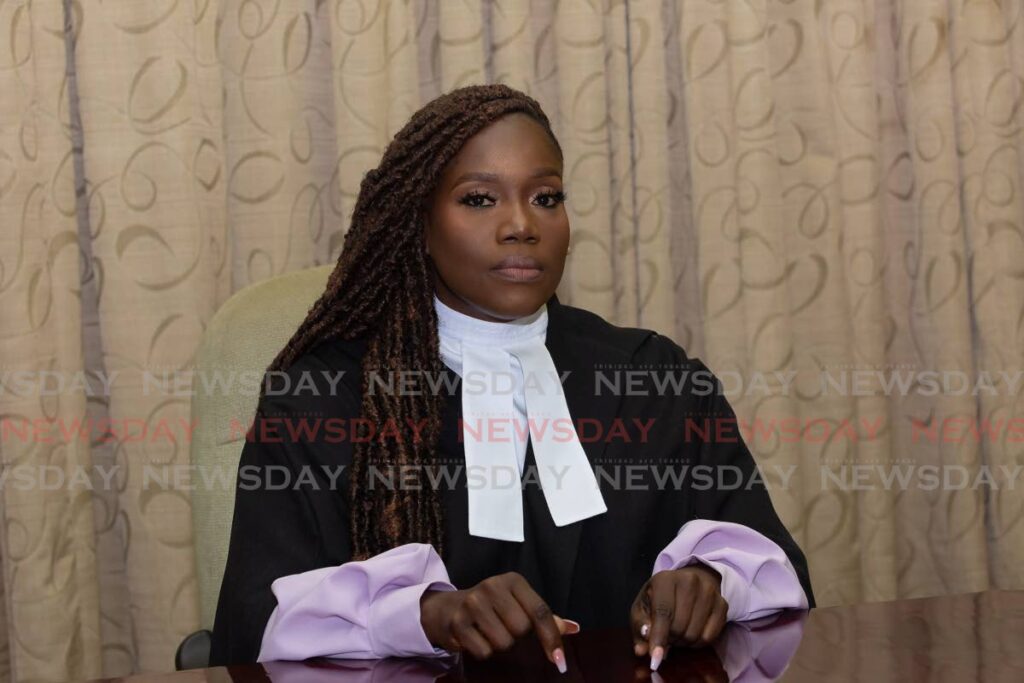
    The Tobago House of Assembly (THA) is set to make history on November 10 with its inaugural International Men’s Debate at the Assembly Legislature in Scarborough. Scheduled to commence at 10 am, the event will focus on critical issues surrounding mental health and male identity, engaging men and boys from diverse societal sectors to take on the roles of assemblymen and councillors in what promises to be a dynamic and thought-provoking session.

    Media professional Akinlabi Holder will assume the role of chief secretary, while Keigon Denoon will serve as minority leader and Akiel Andrews as presiding officer. The event, conceptualized months ago by the Assembly Legislature’s staff, was significantly influenced by Ajay Alleyne, a former Tobago Day youth debater. Justin John, one of the coordinators, highlighted that while the Legislature has historically marked International Women’s Day and hosted youth debates, this marks the first initiative exclusively tailored for men.

    THA Presiding Officer Abby Taylor endorsed the concept, paving the way for a structured programme. The response has been overwhelmingly positive, with significant public and staff engagement. John noted that the training sessions revealed stark gender disparities in gender-based programmes, emphasizing the lack of initiatives targeting men in Tobago. While programmes like the Division of Health, Wellness and Social Protection’s Blue Room initiative exist, stakeholder sessions have underscored the need for more equitable attention to men’s issues.

    The debate aims to address the challenges men face, including mental health struggles, substance abuse, and societal pressures, particularly in light of recent suicide statistics. Experts from various fields have been enlisted to provide insights and data, revealing alarming trends such as higher male mortality and suicide rates in Trinidad and Tobago. The event also seeks to foster a supportive community for men, encouraging open dialogue and mentorship.

    John hopes the debate will inspire policymakers to allocate more resources to gender-based programmes, ensuring equitable funding and support for men’s development. The initiative aspires to create a sustainable, multi-sectoral programme to empower men and boys, equipping them with coping mechanisms and a stronger sense of identity.


  • Christians in Bangladesh alarmed after bomb attacks

    Christians in Bangladesh alarmed after bomb attacks

    Bangladesh’s Christian minority, comprising approximately 500,000 individuals in a population of 170 million, is reeling from fear following a series of crude bomb attacks on churches and a Catholic school. Police confirmed on Sunday that the incidents, which caused no injuries, were deliberately orchestrated to instill terror. No group has yet claimed responsibility for the attacks, leaving the motives shrouded in mystery.

  • Other side of stand your ground

    Other side of stand your ground

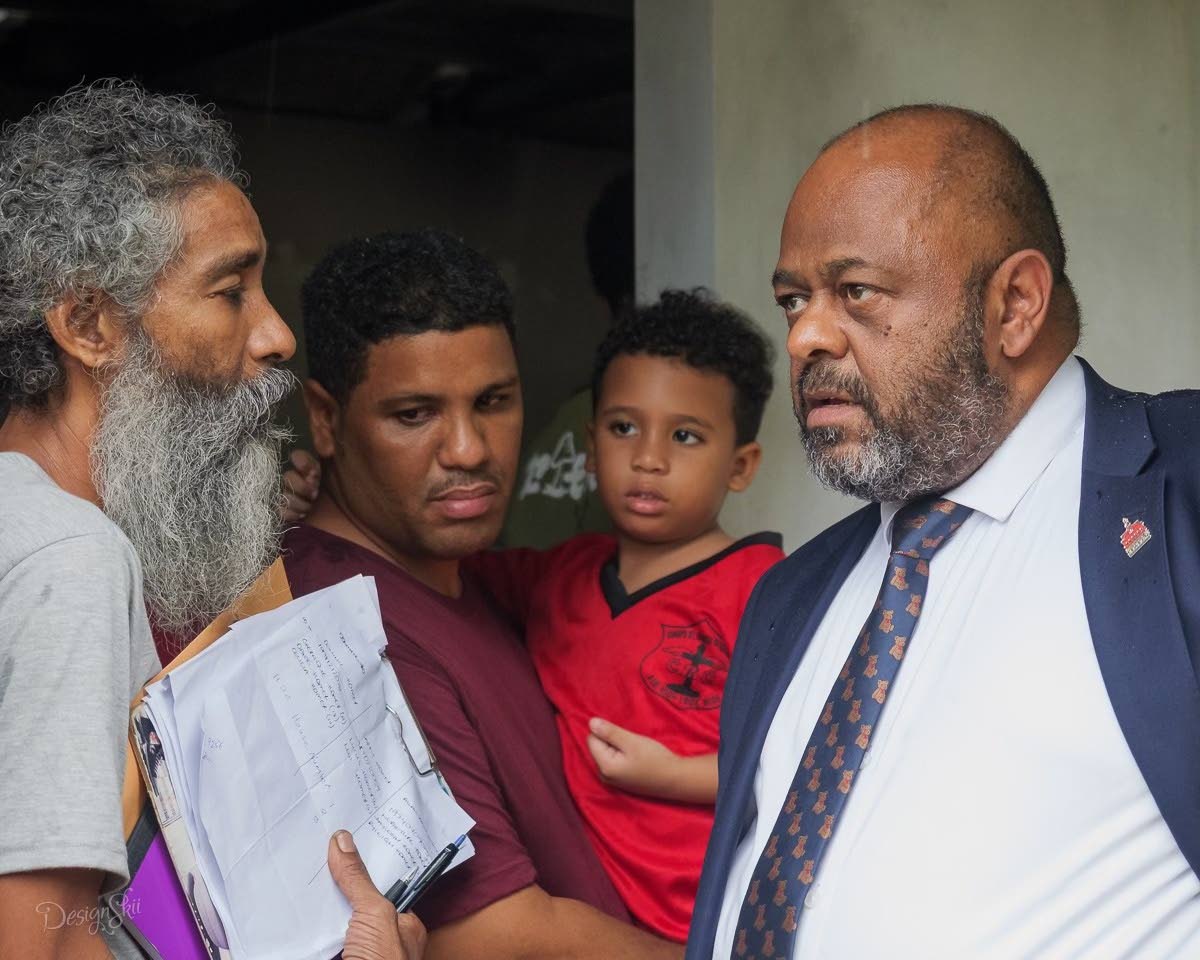
    A recent home invasion in Trinidad and Tobago has reignited a contentious debate over self-defense legislation and its societal implications. Farmer Vijay Ragoonanan and his family were brutally attacked by six armed men, leaving him injured and his sense of security shattered. The assailants, who stole phones and jewellery, appeared to act more out of intimidation than material gain. The incident has drawn attention to the country’s rising crime rates and the inadequacy of current security measures. Prime Minister Kamla Persad-Bissessar, whose private residence is in the same neighbourhood, has vowed to introduce stand-your-ground legislation in Parliament. This law, rooted in the 17th-century English common law principle known as the castle doctrine, would allow homeowners to use force without the obligation to retreat. However, critics argue that such laws could exacerbate violence, citing examples from the United States where stand-your-ground statutes have been linked to increased homicides and controversial acquittals, such as the George Zimmerman case. While Mr. Ragoonanan now seeks a weapon for self-defense, concerns remain about the potential for misuse and the lack of proper training for firearm users. The debate underscores the delicate balance between protecting individuals and ensuring public safety in a society grappling with crime and uneven policing.

  • Morgan tours south Trelawny post Melissa

    Morgan tours south Trelawny post Melissa

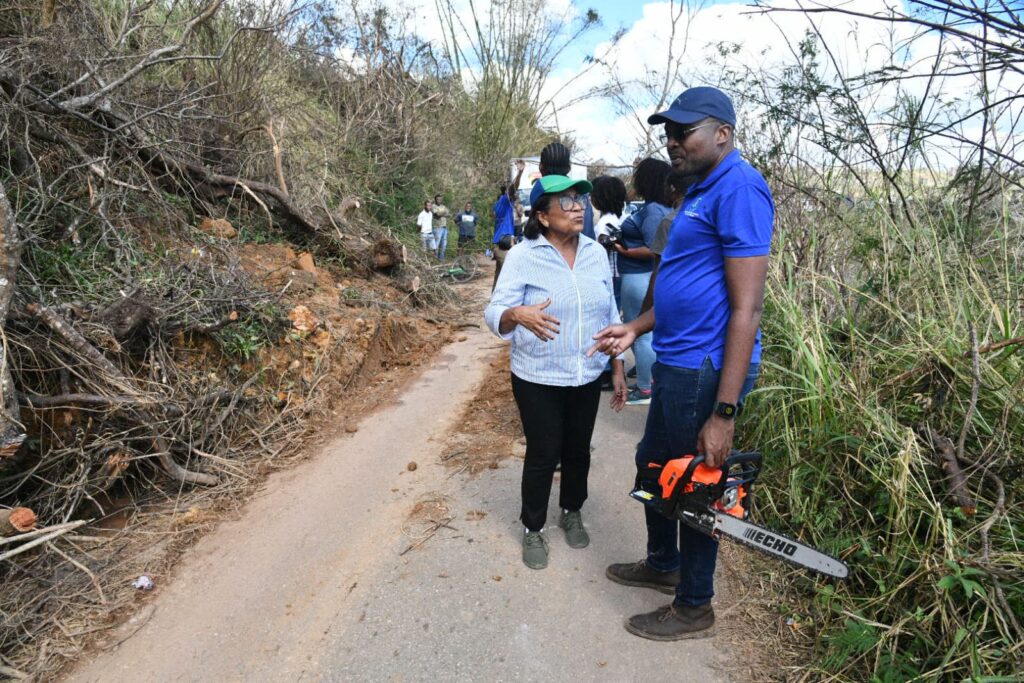
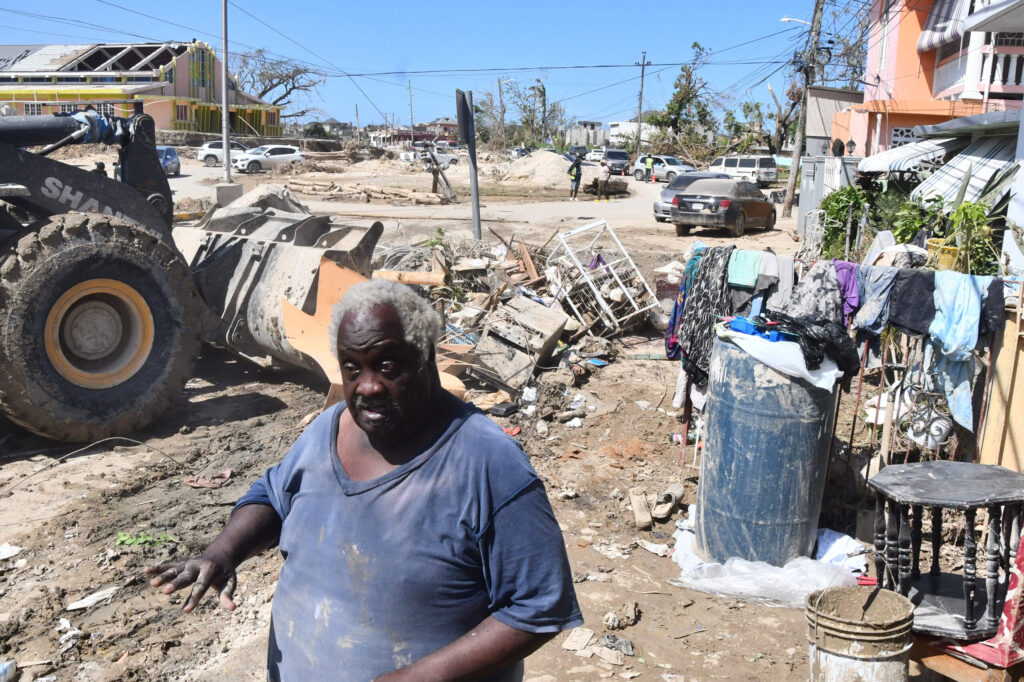
    In the wake of Hurricane Melissa’s devastation, Jamaica’s National Works Agency (NWA) has launched urgent efforts to restore access for emergency services and residents in South Trelawny. Robert Morgan, Minister with responsibility for Works, emphasized the agency’s focus on clearing debris, stabilizing roads, and ensuring safe passage despite the widespread damage. During a tour of affected communities alongside Member of Parliament Marisa Dalrymple-Philibert and NWA representatives, Morgan highlighted the extensive destruction to housing, road infrastructure, and the region’s unstable soil, which complicates recovery efforts. He urged residents to exercise caution while traveling, as many roads remain hazardous due to single-lane conditions and breakaways. Dalrymple-Philibert assured residents that relief supplies are ready for distribution once safety conditions permit. The NWA’s operations prioritize reconnecting communities with essential services, including healthcare, markets, and schools, through coordinated planning and timely execution. The visit provided critical insights into the resources and actions needed to fully restore connectivity and support recovery in the constituency.

  • I wired a lamp and so can you

    I wired a lamp and so can you

    The pursuit of knowledge is a lifelong endeavor, encompassing what we must learn, what we desire to learn, and what the world expects us to learn. While the adage ‘you learn something new every day’ is often repeated, its truth is subjective. For some, like the author, the journey of learning has been a delayed but enriching experience. Reflecting on their youth, the author acknowledges that their younger self was more inclined to rebellion than education, questioning the value of formal schooling. Now, with the wisdom of age, they find joy in acquiring new skills, such as repotting plants and rewiring an old lamp—tasks once avoided due to parental influence or self-doubt. The author also grapples with the fear of learning a new language, a challenge they approach with trepidation but incremental progress. This narrative underscores the importance of continuous learning, particularly in later life, as highlighted by the National Institutes of Health, which suggests that late-life learning can mitigate age-related cognitive decline. The author concludes by emphasizing that age should never be a barrier to learning, urging readers to embrace new experiences and seek professional guidance when needed.

  • J’can students ace several units in CAPE 2025 exams

    J’can students ace several units in CAPE 2025 exams

    Jamaican students have once again demonstrated their academic prowess, securing top positions in the June 2025 Caribbean Advanced Proficiency Examination (CAPE) conducted by the Caribbean Examination Council (CXC). The recently released CAPE Merit List highlights Jamaica’s dominance across various subjects, with students excelling in both traditional and non-traditional high schools. Campion College emerged as a standout institution, with Jonathan Harvey claiming the top spot in Accounting Unit 1 and Dominic Kyle Haisley earning the regional prize for Computer Science. Other notable achievements include Daniel Peart of Jamaica College in French, Keira Halliburton of Campion College in Geography, and Dajanae Dawkins of Immaculate Conception High School in Law. Non-traditional schools like Guy’s Hill High School and McGrath High School also made significant contributions, particularly in Agricultural Science. Jamaican students secured nine of the top ten spots in Law and achieved first-place finishes in subjects such as Management of Business, Animation and Design, and Tourism. The success extended to CAPE Unit 2, with students like Kayla Wright in Biology and Brianna Barrett in Economics leading the region. These results underscore Jamaica’s commitment to academic excellence and its ability to nurture talent across diverse educational institutions.

  • Water to return to Catherine Hall and West Green by Monday says Mayor

    Water to return to Catherine Hall and West Green by Monday says Mayor

    Residents of Catherine Hall and West Green in Montego Bay, Jamaica, can expect water to be restored to their taps by Monday, according to Mayor Richard Vernon. The National Water Commission (NWC) confirmed the timeline, attributing the delay to extensive infrastructure damage caused by Hurricane Melissa. The storm necessitated significant repairs and technical interventions, which have now been completed.

  • Sangre Grande fire victims sleep in MP’s office

    Sangre Grande fire victims sleep in MP’s office

    A devastating early-morning fire on November 7 left 15 residents of Vega de Oropouche homeless, forcing them to seek temporary shelter in the constituency office of Toco/Sangre Grande MP and Minister of Defence, Wayne Sturge. The fire, which began in a mini-mart, quickly spread to three nearby homes, reducing them to ashes. One resident suffered burns, and a pet dog perished in the blaze. Sturge confirmed that the displaced individuals were provided with food, amenities, and a place to stay for the weekend while efforts to secure alternative accommodations were underway. The constituency office will remain closed this week to house the victims, as it offers essential facilities like a bathroom, kitchen, and toilets. Sturge, along with councillors Daryl Mohan and Angard Arjoonsingh, coordinated relief efforts, including the distribution of 30 hampers, school supplies, and book grants for affected children. Residents expressed gratitude for the swift response, with Dominic Homer praising the MP and councillors for their support. However, concerns were raised about the Fire Service’s delayed response, with Homer urging improvements for future emergencies. The fire tender at the Sangre Grande Fire Station was unavailable due to maintenance, forcing a crew from Arima to respond. Sturge emphasized the need for a new fire station to serve the growing population of the area. Meanwhile, challenges persist in securing permanent housing for the victims, as available properties remain padlocked and uninhabited. Fire Service Association president Keone Guy highlighted long-standing issues with equipment shortages and inadequate infrastructure, calling for expanded fire service coverage to protect communities effectively.

  • BBC chief resigns after row over Trump documentary

    BBC chief resigns after row over Trump documentary

    The BBC’s Director General, Tim Davie, and its Head of News, Deborah Turness, have stepped down following allegations of misleading editing in a documentary about former US President Donald Trump. The controversy centers on the broadcaster’s flagship Panorama programme, which was accused of altering a speech Trump delivered on January 6, 2021, to suggest he encouraged supporters to storm the US Capitol. In his resignation statement, Davie acknowledged the BBC’s imperfections and emphasized the need for transparency and accountability. The issue gained traction after a report in The Daily Telegraph highlighted concerns about editorial impartiality raised by a former BBC adviser. UK Culture, Media, and Sport Minister Lisa Nandy described the allegations as ‘incredibly serious,’ citing broader concerns about systemic bias in BBC reporting. The broadcaster has pledged to provide a full response to parliament’s culture, media, and sport committee. This incident follows previous controversies, including a documentary on Gaza that faced criticism for its flawed production. The BBC’s handling of sensitive topics, from Trump to Gaza, has sparked debates about its editorial standards and impartiality.

  • 134 graduate from disaster resilient building programme

    134 graduate from disaster resilient building programme

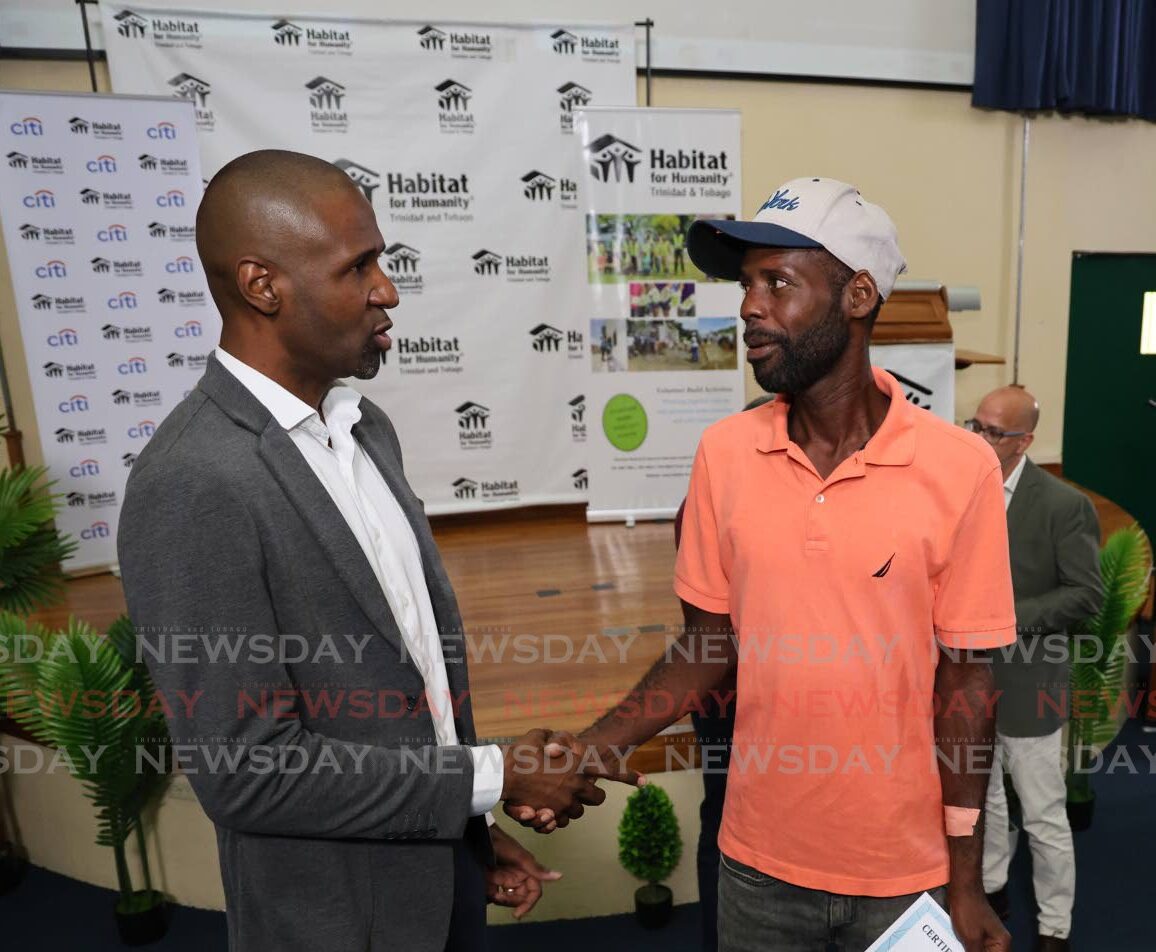
    On November 8, 134 individuals celebrated their graduation from the Construction Technology Training programme, a collaborative initiative by Habitat for Humanity and Citibank. The ceremony took place at the JFK Auditorium on the University of the West Indies (UWI) campus in St. Augustine, Trinidad and Tobago. This programme equips participants with essential skills to construct buildings that can withstand natural disasters such as hurricanes and earthquakes. Mitchell De Silva, Citibank’s country officer, emphasized that the graduates are now equipped to not only safeguard their own homes but also contribute to the resilience of entire communities. The programme, funded through a global innovation challenge, focuses on blueprint reading, project management, concrete technology, and sustainable construction practices. Jamel Fraser, Habitat for Humanity’s programme manager, highlighted the importance of technology in modern construction, stating that the initiative teaches participants how to build resilient homes. Charlene Pedro, director of Habitat for Humanity, underscored the broader mission of the organization, which extends beyond housing to empower families with strength, stability, and self-reliance. Facilitator Wayne Benjamin, who has been with the organization for 21 years, expressed his joy in witnessing the graduates’ achievements and called for more volunteers to assist in building homes for the homeless. This programme marks a significant step toward enhancing community resilience and creating sustainable livelihoods in Trinidad and Tobago.