分类: society

  • Arctic blast leaves Nassau’s most vulnerable shivering

    Arctic blast leaves Nassau’s most vulnerable shivering

    An Arctic cold front originating from a deep Atlantic low-pressure system has plunged The Bahamas into a humanitarian emergency, with wind chills reaching near-record lows in the mid-30s (°F) across the islands. The severe conditions have brutally exposed the plight of the nation’s most vulnerable populations, leaving homeless individuals and low-income families in a desperate struggle for warmth.

    Bishop Walter Hanchell of Great Commission Ministries led a critical relief operation over the weekend, coordinating volunteers to deliver emergency supplies across New Providence. The teams distributed blankets, warm clothing, and hot meals to people found sleeping on streets, huddled under building awnings, or residing in poorly sealed homes where cold air infiltrated through broken windows and door gaps.

    Bishop Hanchell reported encountering approximately 150 people in dire need. He described finding individuals with only thin sheets for protection, and in some cases, absolutely nothing to combat the bitter cold. The crisis highlighted a significant gap in social services; while temporary shelters exist, there are no dedicated facilities for those actively living on the streets. The organization’s male shelter, Hope House, is already operating at full capacity.

    The Bishop attributed homelessness primarily to two factors: severe financial hardship and untreated mental health challenges. He issued a stark critique on social media, accusing many civic and religious leaders of indifference towards the homeless population, while simultaneously praising the compassion of supportive pastors, businesspersons, and government officials.

    In response to the systemic failure, Bishop Hanchell announced plans to establish a new safe house. This facility aims to provide comprehensive support, including shelter, sustenance, and access to both medical and psychological assistance for those living on the streets.

    Meteorologically, the event was characterized by the Bahamas Department of Meteorology as a period of strong gusty winds, scattered showers, and dangerously rough seas. Gale-force winds were projected to subside first in the Northwest and Central Bahamas as temperatures began a gradual rebound.


  • Sandra Davis’ heart of gold

    Sandra Davis’ heart of gold

    In the landscape of community service, Sandra Davis operates with an understated yet formidable presence that defies conventional expectations of leadership. Unlike those who command attention through vocal dominance, Davis exerts influence through persistent action and unwavering commitment—a quality that has earned her the affectionate nickname ‘Energiser Bunny’ among Kiwanis members across Eastern Canada and the Caribbean’s Division 23 East.

    Her journey into service began not through formal instruction but through familial example in Rollington Town, Kingston. After relocating to Harbour View, St Andrew—where she has resided for 49 years—Davis cultivated a philosophy of constancy that would define her approach to human connections and organizational commitments. During her education at St Hugh’s High School, she balanced athletic pursuits in netball and track with early involvement in Key Club, the student-led service organization under Kiwanis International.

    Despite assuming her Kiwanis chapter had concluded after graduation, Davis continued serving through ecclesiastical and alumni associations until 2004, when then-president of the Kiwanis Club of New Kingston, Lola Chin Sang, recognized her potential and reintegrated her into the movement. This pivotal encounter ignited a decades-long dedication that would merge her academic achievements—including degrees in Professional Management, MBA, and Master of Laws in Corporate Governance—with 36 years of managerial expertise.

    Davis’ leadership style transcends titular achievements. Having no biological children, she channels maternal energy into mentoring youth across eight Service Leadership Programme schools, fostering relationships characterized by moral clarity and sustained personal investment. Her innovative vision materialized in 2018 through the establishment of Jamaica’s first corporate Kiwanis club within the Jamaica Fire Brigade—a groundbreaking expansion of the organization’s reach.

    Currently serving as Distinguished President of the Kiwanis Club of New Kingston while campaigning for Lieutenant Governor Elect of EC&C Division 23 East (2026-2027), Davis embodies her motto: ‘To Serve with Love and Lead by Example.’ Her accolades—including multiple Kiwanian of the Year awards and the Ruby K Pin for recruiting 30 new members—are routinely deflected into conversations about collective achievement rather than personal recognition.

    Beyond Kiwanis, she serves as Justice of the Peace, chairman of the Harbour View Primary School Finance Committee, and church usher, demonstrating that her renewable energy springs from profound ethical grounding rather than ambition. Colleagues describe her as ‘little but tallawah’—a Jamaican expression denoting small stature with mighty spirit—capturing the essence of a leader who transforms quiet consistency into monumental impact.

  • Culture must be at the centre of Jamaica’s recovery

    Culture must be at the centre of Jamaica’s recovery

    Hurricane Melissa’s devastating impact on Jamaica has catalyzed a profound national reevaluation, transforming disaster recovery into a strategic opportunity for economic reinvention. Beyond physical destruction, the catastrophe has compelled the Caribbean nation to confront fundamental questions about building a more resilient, equitable, and prosperous future.

    The establishment of a statutory recovery body represents a crucial governmental response, though its ultimate success will be measured beyond infrastructure repairs and fund mobilization. The central challenge lies in reimagining Jamaica’s cultural assets—from music and entertainment to creative industries—as core economic infrastructure rather than peripheral activities.

    For decades, cultural expression has been largely confined to symbolic celebrations organized through entities like the Ministry of Culture, Gender, Entertainment and Sport (MCGES) and the Jamaica Cultural Development Commission (JCDC). While valuable for morale and identity preservation, this approach has limited culture’s economic potential. The reconstruction effort now demands intentional activation of cultural resources as drivers of job creation, tourism retention, export growth, and national development strategy.

    The hurricane simultaneously damaged multiple economic pillars: agriculture (particularly in St Elizabeth’s heartland), tourism (representing approximately 40% of GDP including indirect effects), public infrastructure, and the frequently overlooked creative sector. Overall, Melissa disrupted an estimated 18-25% of national income flows, necessitating both physical rebuilding and rapid economic reactivation.

    Critical considerations emerge for Jamaica’s recovery blueprint. Tourism revenue retention requires urgent attention, as current models see 70-80% of visitor spending leaking from the local economy. Strategic redeployment of displaced tourism workers into culture-driven value chains could enhance local economic circulation. Similarly, formal recognition of remittances linked to creative exports—music, digital content, diaspora-supported businesses—could reshape export policy and financial frameworks.

    The statutory recovery authority presents an unprecedented opportunity to integrate cultural considerations across government systems. Embedding cultural elements into infrastructure, tourism redevelopment, housing, and public space management could transform both morale and economic participation in affected parishes.

    Workforce displacement necessitates innovative retraining initiatives. Institutions like Edna Manley College of the Visual and Performing Arts (EMCVPA) collaborating with HEART-NSTA Trust could rapidly certify skills for transitioning workers into production management, festival operations, and cultural tourism.

    Recovery also enables tourism diversification beyond traditional enclaves. Cultural programming—pop-up stages, rotating festivals, culinary tours, heritage walks—can distribute visitor traffic across less-damaged parishes while maintaining economic activity in rebuilding communities.

    Effective execution requires genuine partnership with industry organizations including Jamaica Reggae Industry Association (JaRIA), Private Sector Organisation of Jamaica (PSOJ), Jamaica Hotel and Tourist Association (JHTA), and Jamaica Manufacturers and Exporters Association (JMEA). Their technical expertise must be embedded from inception rather than consulted post-decision.

    A culture-centered recovery framework would include: formal recognition of culture as economic infrastructure; establishing a National Culture and Entertainment Recovery Programme; redeploying displaced workers into creative industries; accelerating islandwide cultural tourism; using events to activate rebuilding communities; and acknowledging remittance portions as creative export income.

    Hurricane Melissa damaged physical structures but preserved Jamaica’s greatest asset: its people and their creativity. By treating culture as strategy rather than symbolism, Jamaica can transform recovery into an inclusive, sustainable renaissance rooted in cultural identity. Reggae Month 2026 offers a strategic launch platform for this transformed approach—not merely rebuilding what was, but creating a more resilient, innovative, and globally competitive nation.

  • Fiery protest over deplorable Manchester road

    Fiery protest over deplorable Manchester road

    MANCHESTER, Jamaica — A wave of civic unrest swept through northwest Manchester on Monday as exasperated taxi operators and local residents mobilized to blockade the crucial Somerset main road. The demonstrators expressed profound frustration with the persistently hazardous condition of this vital transportation artery, which has suffered severe deterioration over an extended period.

    The protestors attribute the road’s degradation to consistently overloaded commercial vehicles, particularly cement trucks, which routinely spill their contents and compromise the structural integrity of the pavement. This transportation corridor serves as an essential link connecting multiple communities throughout northwest Manchester to the central hub of Mandeville, making its functionality critical for regional mobility.

    The spontaneous demonstration created significant disruption for morning commuters, with numerous travelers compelled to traverse miles on foot to access alternative transportation options. Local law enforcement and fire service personnel were deployed to the scene by mid-morning, actively working to clear the obstructed roadway and restore traffic flow.

    Community representatives have issued urgent appeals to their elected officials, demanding immediate intervention to address the dangerous road conditions. Additionally, protesters are calling for enhanced accountability measures for operators of heavy-duty vehicles whose practices they believe have contributed significantly to the infrastructure’s decline. The incident highlights growing tensions between citizens and governing bodies regarding infrastructure maintenance and regulatory enforcement in the region.

  • St Elizabeth police list wanted men, persons of interest

    St Elizabeth police list wanted men, persons of interest

    Law enforcement agencies in St Elizabeth, Jamaica, have launched a significant public appeal for assistance in locating multiple individuals connected to ongoing criminal investigations. The Jamaica Constabulary Force (JCF) has published an extensive list containing both formally wanted suspects and persons of interest believed to possess crucial information regarding serious offenses committed within the parish.

    The roster of wanted individuals features several dangerous fugitives, including Anward ‘Kirkie’ Hinds, Javaughn Simms, and Oral Cole, all of whom have escaped lawful custody. The list further identifies multiple homicide suspects such as an individual known only as ‘Okeith’ from Leaseland and Jackson ‘Randy Gayle’ Gayle of Santa Cruz, both wanted for murder charges.

    Notably, the wanted catalog includes numerous sex crime offenders, with Lincoln Farquharson, Paul Smith, Merrick Parchment, and Rushane ‘Biggie’ Abrahams all sought for rape-related offenses. David Pottinger faces allegations of engaging in sexual intercourse with a minor under 16 years old, while Aldain ‘CK’ Bailey is wanted for buggery charges.

    Additionally, law enforcement seeks various persons of interest who frequent specific districts throughout St Elizabeth and neighboring parishes. These individuals, including individuals known as ‘Merryman’, ‘Kimmel’, and Shakera ‘Lizard’ Whyte, are believed to possess valuable information that could advance multiple criminal investigations.

    The JCF has urgently requested that any listed individuals immediately present themselves at the Black River Criminal Investigations Branch. Furthermore, authorities have encouraged community members with relevant information to contact police emergency services at 119, Crime Stop at 311, the St Elizabeth PIU at 876-965-2026, or their nearest police station, emphasizing the critical importance of public cooperation in resolving these cases.

  • Police identify men killed in Trelawny crash

    Police identify men killed in Trelawny crash

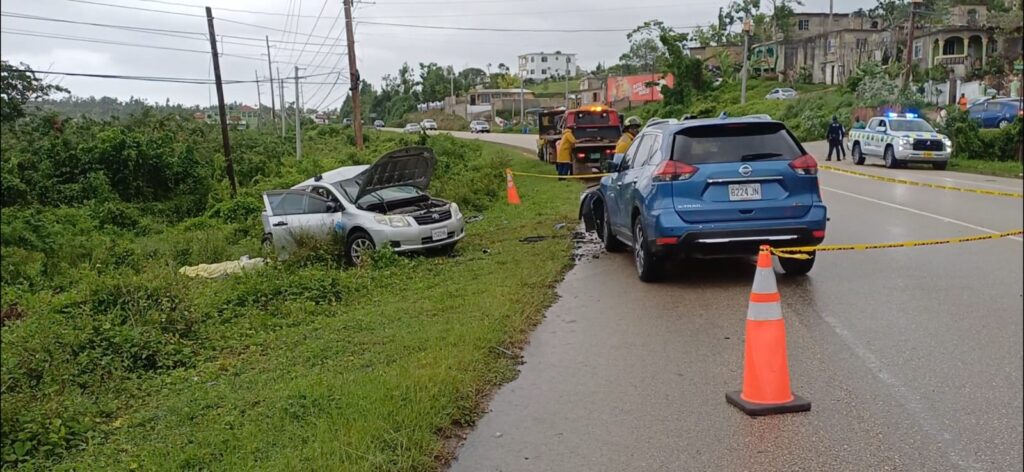
    A tragic head-on collision on the North Coast Highway in Trelawny has resulted in two fatalities, with local authorities confirming the identities of the deceased victims following Sunday morning’s devastating accident.

    The fatal incident occurred approximately at 7:10 AM near the Carey Park main road segment, where a gray Toyota Corolla traveling toward Falmouth collided with a blue Nissan X-Trail moving in the opposite direction. The impact proved fatal for both occupants of the Toyota Corolla, who sustained critical injuries during the crash.

    Medical personnel transported all involved parties to Falmouth Public General Hospital for emergency treatment. Despite medical intervention, the Toyota Corolla’s driver and passenger were pronounced dead upon arrival. The victims have been identified as 50-year-old Donovan Robinson of Lyndhurst Crescent, Kingston 5, and Lloyd Buchanan, also of Kingston.

    The female operator of the Nissan X-Trail survived the collision with non-life-threatening injuries and remains under medical supervision at the healthcare facility.

    Trelawny Police Division has launched a comprehensive investigation into the circumstances surrounding the accident, examining road conditions, vehicle mechanics, and potential contributing factors to determine the collision’s cause.

    This incident adds to Jamaica’s concerning traffic safety statistics, with official data revealing 25 road fatalities recorded island-wide since January 1st. While this figure represents a modest decrease from the 29 deaths reported during the same period last year, authorities continue to emphasize road safety awareness and responsible driving practices.

  • Mother of US news anchor Savannah Guthrie missing, police investigate ‘crime’

    Mother of US news anchor Savannah Guthrie missing, police investigate ‘crime’

    Authorities in Arizona’s Pima County have launched an intensive search operation for Nancy Guthrie, the 84-year-old mother of prominent NBC ‘Today Show’ co-anchor Savannah Guthrie, following her mysterious disappearance under circumstances suggesting criminal involvement. Sheriff Chris Nanos confirmed during a Monday press briefing that investigators have designated the residence a active crime scene, stating unequivocally that the elderly woman did not leave voluntarily. The investigation has drawn in homicide detectives, though officials remain tight-lipped about specific evidence recovered from the property. Medical concerns compound the urgency of the search, as Guthrie requires ongoing medication and experiences mobility challenges, though authorities emphasize she maintains full mental capacity. Surveillance footage from the home is undergoing forensic analysis as part of the broader investigation. The case has garnered national attention due to Savannah Guthrie’s high-profile status as a morning television icon, though law enforcement maintains focus on the humanitarian aspects of locating a vulnerable senior citizen.

  • COMMENTARY: The quiet guardians of Caribbean integration – A salute to Warren Smith

    COMMENTARY: The quiet guardians of Caribbean integration – A salute to Warren Smith

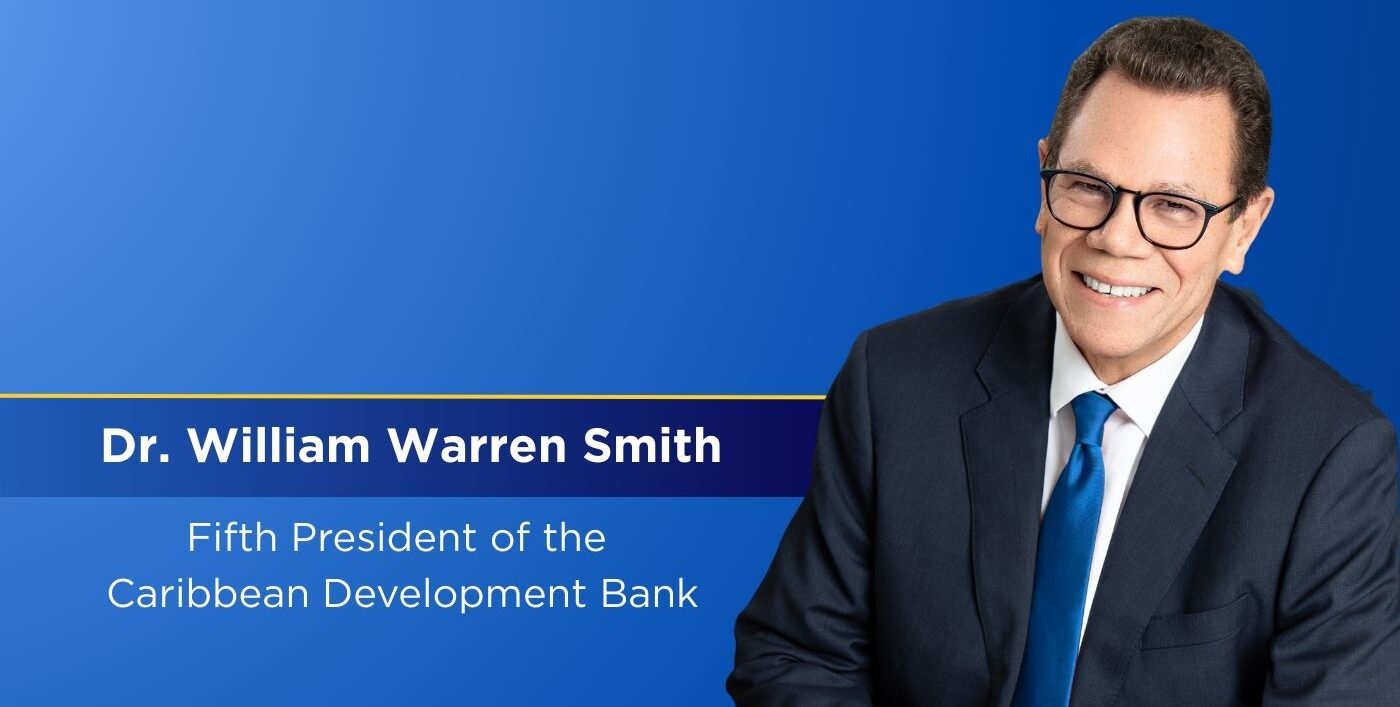
    The Caribbean community mourns the passing of distinguished Jamaican economist Dr. William Warren Smith, who died on January 30, 2026. Dr. Smith’s remarkable career spanned leadership roles at LIAT (Leeward Islands Air Transport) and culminated in his presidency at the Caribbean Development Bank (CDB), where he established himself as a pivotal figure in regional advancement.

    Colleagues and journalists remember Dr. Smith as embodying a rare breed of Caribbean public servant—one who approached complex development challenges with grace, intellectual clarity, and unwavering respect for all stakeholders. His communication style demystified intricate economic matters without condescension, treating media professionals as collaborative partners rather than adversaries in the narrative of Caribbean progress.

    This tradition of servant leadership, which Dr. Smith exemplified, traces back to the 1940s integration movement. These technical architects of regional cooperation typically operated behind the scenes, making consequential decisions that stabilized economies, preserved vital transport networks, financed critical infrastructure, and fortified Caribbean societies against external shocks. Their work, though seldom celebrated publicly, fundamentally shaped livelihoods across the region.

    The hallmark of this leadership paradigm includes profound respect regardless of status, generous knowledge sharing, brutal yet tactful honesty, and unwavering commitment to marginalized communities. These officials frequently absorbed unfair criticism to protect their institutions and missions, prioritizing organizational integrity over personal recognition.

    During Dr. Smith’s tenure at LIAT, he navigated the highly scrutinized regional aviation sector with measured competence. Later at CDB, he balanced complex development financing with patient, long-term strategic thinking. Throughout both roles, he demonstrated that transparent communication and respectful engagement strengthen rather than diminish leadership effectiveness.

    His passing invites reflection on the numerous unsung professionals continuing this tradition within regional institutions. Their collective legacy remains essential to the Caribbean project’s resilience amid contemporary challenges and increased global scrutiny. Dr. Smith’s life reminds current leaders that sustainable development intertwines technical proficiency with meaningful public engagement.

  • Jacmel community mourns death of 10-year-old Amelia Isidore

    Jacmel community mourns death of 10-year-old Amelia Isidore

    The tranquil community of Bois d’Inde in Jacmel has been plunged into profound mourning following the tragic death of 10-year-old Amelia Isidore, who succumbed to a medical emergency during a routine Physical Education class at her school earlier this week.

    According to preliminary reports, the young student experienced a sudden health crisis while participating in regular school activities, prompting immediate intervention from school personnel. Despite rapid transportation to a medical facility where emergency teams administered extensive lifesaving measures, Isidore could not be revived.

    The devastating incident has triggered an outpouring of grief throughout the close-knit community and drawn an official response from Saint Lucia’s Minister for Education, Kenson Casimir. In a carefully worded statement shared via social media, Minister Casimir expressed profound sorrow while emphasizing the need for cautious deliberation pending formal investigations.

    “I am deeply saddened by the passing of Amelia Isidore, a young scholar at Roseau Combined School,” Casimir stated. “As the details surrounding this tragedy remain subject to verification, the ministry will await conclusive findings from both medical and legal authorities before making definitive pronouncements.”

    The Education Minister extended spiritual condolences to the bereaved family, classmates, educators, and all affected by the loss, invoking divine comfort during this period of unimaginable grief. Community members have similarly mobilized support networks, with one resident noting the particular poignancy of losing someone so young amidst recent community losses.

    Isidore, remembered by those who knew her as exceptionally kind, joyful, and affectionate, attended Roseau Combined School where she had built meaningful relationships with staff and peers alike. The school administration has reportedly implemented counseling services to help students and faculty process the traumatic event.

  • Attorney Explains Why Defendants Often Plead Not Guilty Even When Guilty

    Attorney Explains Why Defendants Often Plead Not Guilty Even When Guilty

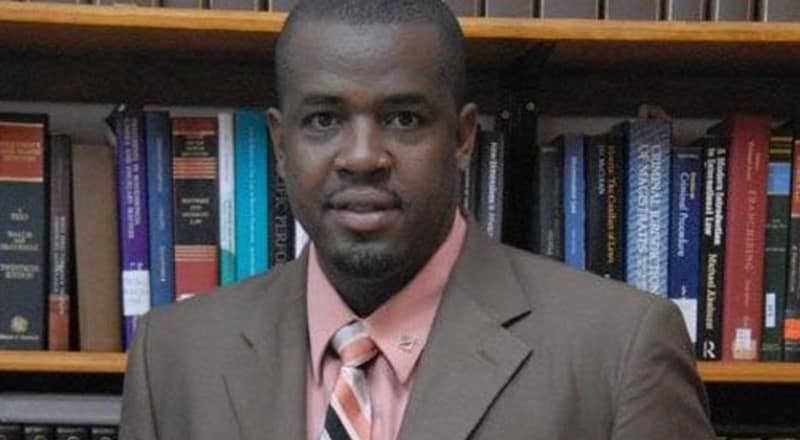
    Legal expert Warren Cassell has clarified the constitutional foundation behind a fundamental yet often misunderstood aspect of criminal defense: the practice of attorneys advising clients to plead not guilty even when they have privately admitted to an offense. This strategy, frequently perplexing to the public, is not an attempt to circumvent justice but is deeply rooted in the core principles of constitutional law.

    Cassell, an attorney-at-law, emphasized the critical role of Section 15(2)(a) of the Antigua and Barbuda Constitution, which enshrines the presumption of innocence—a guarantee that an individual is considered innocent until the state proves their guilt conclusively. He noted that this foundational right is mirrored in legal frameworks across the Caribbean region, including Montserrat’s Constitution Order.

    The cornerstone of this practice lies in the distribution of the burden of proof. In criminal proceedings, the entire onus rests on the prosecution to establish each element of the alleged crime beyond a reasonable doubt. A defendant is under no legal obligation to prove their innocence. By entering a not guilty plea, a defendant compels the state to meet this rigorous evidential standard, serving as a crucial safeguard against convictions based on weak, flawed, or insufficient evidence.

    Cassell further elaborated that a guilty plea effectively serves as an admission to all charges, eliminating the prosecution’s duty to prove its case and immediately exposing the defendant to the full maximum penalties. Conversely, maintaining a not guilty plea preserves all of an accused person’s constitutional rights and provides essential time for their legal counsel to engage in negotiations with prosecutors. This period can be used to secure more favorable outcomes, such as a reduction in charges or an agreement on a lighter sentence, through plea bargaining.

    To promote greater public understanding of these legal rights and criminal procedures, Cassell announced plans to delve deeper into the subject in an upcoming season of his program, *This Is the Law*. The show is scheduled to broadcast on Observer Radio and ZDK in February 2026.