
Authorities in Belize City have formally charged 24-year-old local fisherman Kyle Cadle with multiple weapons offenses after a Monday morning police patrol resulted in the discovery of an unlicensed firearm. The incident unfolded when officers on routine motorcycle patrol along Riverside Street observed Cadle approaching on a black beach cruiser bicycle. According to official police reports, the suspect abruptly altered his course and attempted to flee into a neighboring property upon noticing the law enforcement presence. Officers immediately pursued the individual and witnessed him discarding a suspicious object in proximity to a zinc fence during the evasion attempt. A subsequent systematic search of the vicinity yielded a black semi-automatic pistol equipped with a loaded magazine containing eight 9mm rounds of live ammunition. Cadle now faces serious criminal charges including possession of an unlicensed firearm and illegal possession of ammunition, violations that carry significant penalties under Belizean law. The Belize Police Department has emphasized the importance of such patrol operations in removing illegal weapons from community circulation and maintaining public safety.
分类: society
-

Crooked Tree Signs Agreement to Better Manage Wildlife Sanctuary
In a landmark ceremony commemorating World Wetlands Day 2026, the Belizean community of Crooked Tree has entered into a transformative conservation agreement with national authorities. The tripartite Memorandum of Understanding unites the Ministry of Sustainable Development, Climate Change and Solid Waste Management, the Crooked Tree Village Council, and the Belize Audubon Society in a groundbreaking participatory conservation model.
This comprehensive framework establishes sustainable fishing protocols and resource management guidelines while significantly amplifying local community input in sanctuary governance decisions. The agreement formally recognizes traditional fishing practices while implementing robust monitoring and enforcement mechanisms to ensure ecological balance.
During the signing ceremony, Village Chairlady Elizabeth Wallace Escobar presided over proceedings, while Belize Audubon Society representative Shane Young chronicled the extensive collaborative journey leading to this accord. Saul Cruz of the National Biodiversity Office detailed the MOU’s specific provisions that balance conservation needs with community livelihoods.
Minister Orlando Habet, delivering the keynote address, emphasized the agreement’s significance in demonstrating how cultural traditions and environmental stewardship can coexist synergistically. The pact potentially paves the way for establishing a Wildlife Sanctuary II classification, which would further institutionalize community-led protection initiatives for Belize’s vital wetland ecosystems.
-
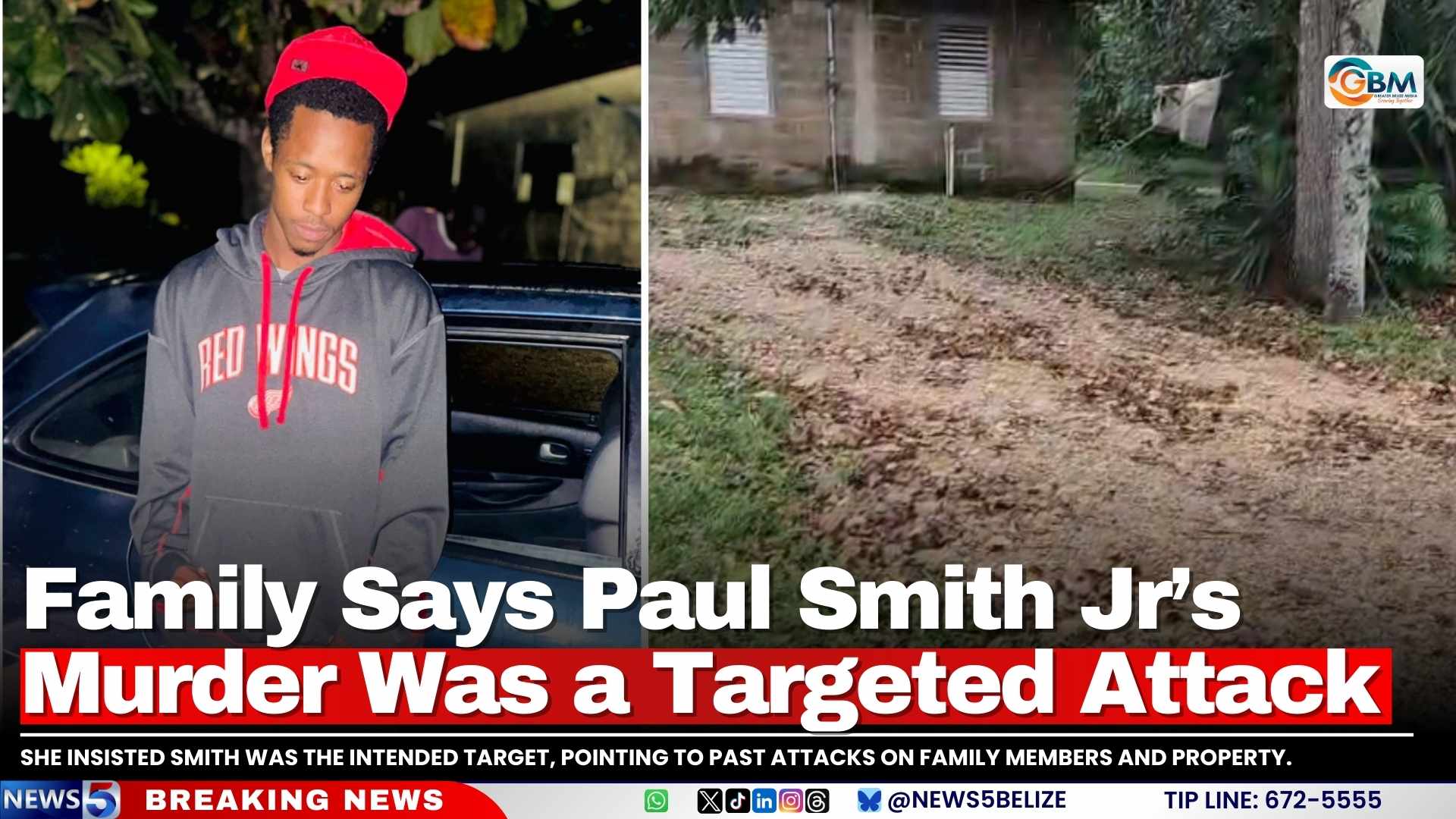
Family Says Paul Smith Jr’s Murder Was a Targeted Attack
The brutal daylight shooting of 21-year-old Paul Smith Jr. has sent shockwaves through Democracia Village, Belize, with family members characterizing the incident as a premeditated assassination stemming from deep-seated familial conflicts.
According to eyewitness accounts from relatives, the tragedy unfolded on Tuesday morning when Smith became engaged in a verbal altercation with his girlfriend. During this confrontation, unidentified assailants reportedly emerged from concealed positions in nearby vegetation and opened sustained gunfire. Smith sustained multiple critical wounds to his torso and arm despite attempts to flee the scene.
Official law enforcement documentation presents a slightly varied account, noting that Smith was accompanied by 24-year-old Tyrece Allen, a Belizean laborer, and an unidentified female companion while walking along 1st Street in Democracia Village. The police report indicates the shooter sprinted from behind a residential structure before discharging numerous rounds toward the group, resulting in injuries to both Smith and Allen.
Court records reveal Smith had accumulated a substantial legal history prior to his untimely death. He faced remand at Belize Central Prison in June 2025 concerning an alleged chopping incident, and had previously been charged in connection with the 2022 homicide of Tyreak August. Those charges were ultimately dismissed, leading to his release from custody in late 2024.
Tamara Gillett, the victim’s cousin, provided emotional testimony suggesting the attack represented the culmination of prolonged inter-family hostilities. “This was clearly planned execution,” Gillett stated. “They emerged from ambush positions and ruthlessly cut him down.” She further detailed previous violent incidents targeting family members, including shootings of Smith’s mother and aunt, along with the arson destruction of his sister’s residence.
Local authorities continue investigating the matter but have thus far declined to publicly identify potential suspects or speculate about motives behind the killing. The community remains tense as this violence adds to regional concerns about retaliatory crimes and ongoing familial disputes turning deadly.
-

Queen’s Commonwealth Writing Competition 2026 launches with new inclusive structure
In a landmark evolution of literary recognition, the Queen’s Commonwealth Writing Competition has announced a comprehensive restructuring for its 2026 edition that will fundamentally reshape how young voices are celebrated across the Commonwealth nations. This historic initiative, among the world’s most prestigious literary contests for youth, introduces a groundbreaking regional selection process designed to ensure global representation and amplify diverse perspectives.
The revitalized competition framework will establish five regional champions representing Africa, Asia, the Americas and Caribbean, Europe, and the Pacific. These regional winners will subsequently compete for the distinction of overall Commonwealth champion, creating a layered recognition system that guarantees geographical diversity in its highest honors. The competition maintains its commitment to writers under 18 who are either Commonwealth nationals or residents, thereby preserving its core mission while expanding its inclusive reach.
Janet Cooper OBE, Chair of the Royal Commonwealth Society, characterized the changes as both transformative and necessary: ‘This reimagining represents a timely evolution that strengthens regional representation across our global community. By restructuring our selection process, we ensure that a richer tapestry of voices, perspectives, and experiences are elevated and celebrated. This renewed structure honors our legacy while positioning the competition to be more accessible and responsive to young people across all regions.’
Complementing the structural changes is a complete visual rebranding featuring a new logo that artistically incorporates symbols of creativity, writing implements, and the five Commonwealth regions. This modernized aesthetic reflects the competition’s renewed commitment to innovation while maintaining its prestigious heritage.
The competition continues to enjoy royal endorsement through Her Majesty The Queen, Vice-Patron of the Royal Commonwealth Society, whose sustained advocacy for literacy initiatives has contributed to a remarkable 53% surge in participation during the past year. This growth demonstrates the increasing relevance and appeal of the competition among young writers throughout the Commonwealth nations.
The 2026 competition will commence accepting entries on March 4, 2026, inviting the next generation of literary talent to share their creative visions with a global audience through this redefined platform that promises unprecedented regional representation and recognition.
-
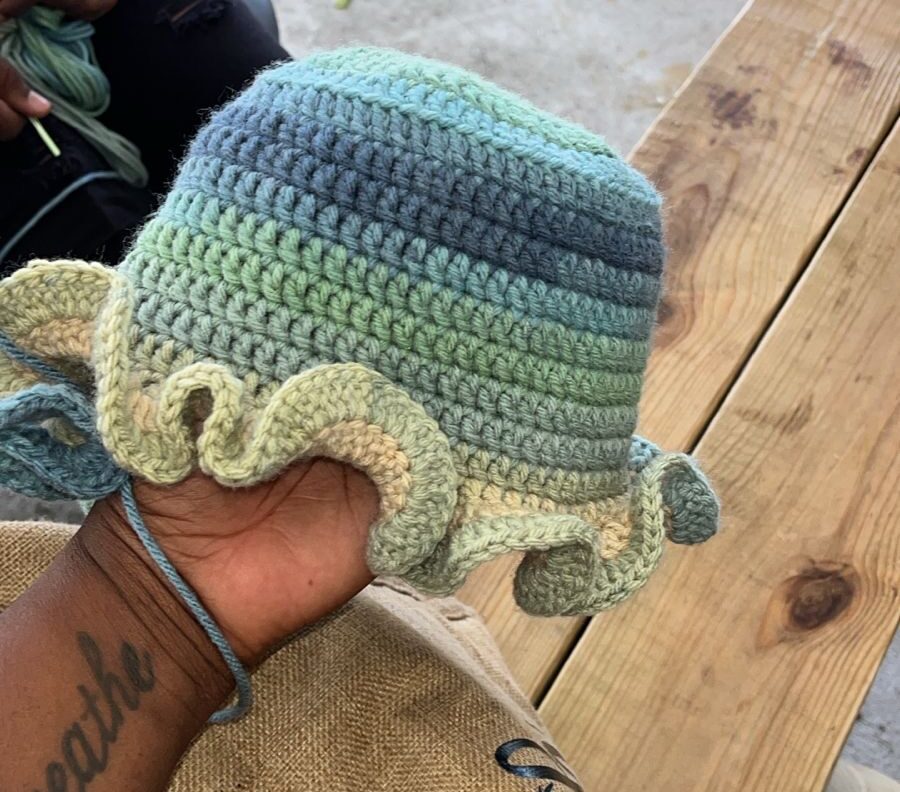
Empowering young women in Grenada through crochet, culture, and connection
In a significant diplomatic engagement highlighting international support for women’s empowerment, the Canadian High Commission to Barbados is demonstrating its commitment to Grenadian youth development. Her Excellency Brenda Wills, High Commissioner of Canada to Barbados, alongside Trade Programme Coordinator Allison Miller, will participate in the Reach Within Crochet Collective (RWCC) on February 5, 2026.
The RWCC represents an innovative approach to youth empowerment, combining economic opportunity with psychological support through the traditional art of crochet. Funded by the Canadian Government through the Canada Fund for Local Initiatives (CFLI), this program specifically targets adolescent girls and young women in Grenada, addressing both their economic rights and leadership development.
Since its inception, the initiative has conducted 37 specialized sessions serving 50 participants from local communities. The comprehensive curriculum extends beyond craft skills to include essential life competencies: Session Etiquette and Team Building, Self-Regulation & Rhythm, Communication and Active Listening, Goal Setting, Conflict Resolution, Self-Acceptance and Self-Love, Coping Strategies for Life Challenges, Mindfulness Practices, Positive Mindset Development, Resilience Building, and Time Management.
Donnet Williams, General Manager at Reach Within, emphasized the program’s therapeutic dimension: “This initiative transcends conventional skills training—it creates a healing environment. Our trauma-informed methodology enables young women to convert personal adversity into tangible opportunity.”
As a Grenadian charitable organization, Reach Within employs scientifically-validated practices that promote nervous system regulation, emotional intelligence, and resilience development. Their work spans multiple youth service domains including residential care facilities, foster care systems, educational institutions, and a youth drop-in center in St. George’s.
The project will culminate in a community exhibition scheduled for late February 2026, featuring participants’ crochet creations while simultaneously raising awareness about gender equity through artistic expression. Future plans include establishing a mentorship network connecting participants with established female entrepreneurs to facilitate economic independence pathways.
Stephanie Sprott, Political Counsellor at the High Commission of Canada to Barbados and the Eastern Caribbean, affirmed Canada’s dedication: “The Canadian Government maintains an unwavering commitment to advancing women and girls’ empowerment throughout the Caribbean region. We take pride in supporting Reach Within’s Crochet Collective, which masterfully integrates healing practices, cultural arts, and entrepreneurial training for Grenada’s young women.”
Through its holistic framework, Reach Within continues to foster leadership capabilities, creative expression, and strengthened community bonds among Grenada’s emerging female generation.
-

Barbadian duo among five honoured in 2026 Anthony N Sabga Awards
The prestigious Anthony N Sabga Awards for Caribbean Excellence has unveiled its 2026 laureates, with visual artist Sheena Rose and social advocate Shamelle Rice among five distinguished honorees recognized for their transformative contributions to regional development. Announced during a virtual ceremony streamed from Port of Spain, the awards celebrate exceptional professionals whose work exemplifies the highest standards of excellence across multiple disciplines.
Professor Compton Bourne, Chairman of the Regional Eminent Persons Panel, emphasized the rigorous selection process involving ten eminent Caribbean citizens who evaluated outstanding candidates from Barbados, Guyana, Jamaica, the Organisation of Eastern Caribbean States, and Trinidad and Tobago. The panel’s decisions reflect the program’s commitment to identifying individuals whose work significantly advances Caribbean society.
Now in its 21st year, the awards program has recognized 66 laureates across four categories—Arts and Letters, Entrepreneurship, Public and Civic Contributions, and Science and Technology—distributing over TT$32 million (approximately US$4.7 million) in support. Each 2026 category winner receives TT$500,000 (approximately US$73,500) to further their developmental work.
Sheena Rose, honored in the Arts and Letters category, has gained international recognition for her intellectually rich artistic practice that challenges social hierarchies through painting, murals, and performance art. Her work has been featured in solo exhibitions from London to New York and has garnered coverage in major media outlets including The New York Times and BBC. Beyond her creative practice, Rose dedicates significant time to mentoring emerging artists and has participated in residencies across four continents, strengthening Barbados’ artistic community while building global connections.
Shamelle Rice received recognition in Public and Civic Contributions for her groundbreaking work through Jabez House, a registered charity she founded in 2012 that supports women seeking to transition from sex work to legal employment. The organization provides comprehensive support including vocational training, job placement, mental health services, housing assistance, and basic needs support. Notably, Jabez House has assisted over 1,000 women across the Caribbean region, achieving transition success rates exceeding 50% among this highly stigmatized population. Rice’s academic background in psychology, social work, and gender studies, combined with her strategic partnerships with government and international organizations, has enabled her to create sustainable change for vulnerable women and their families.
The 2026 cohort also includes Jamaican telecommunications entrepreneur Dean Nevers, while the Science and Technology award was jointly presented to Guyana-born American biotech innovator Dr. Niven Narain and Jamaican climate scientist Professor Tannecia Stephenson. The laureates will be formally inducted into the program’s College of Laureates during a gala ceremony scheduled for later this year, where they will share insights into their impactful work strengthening Caribbean societies and enhancing the region’s global presence.
-
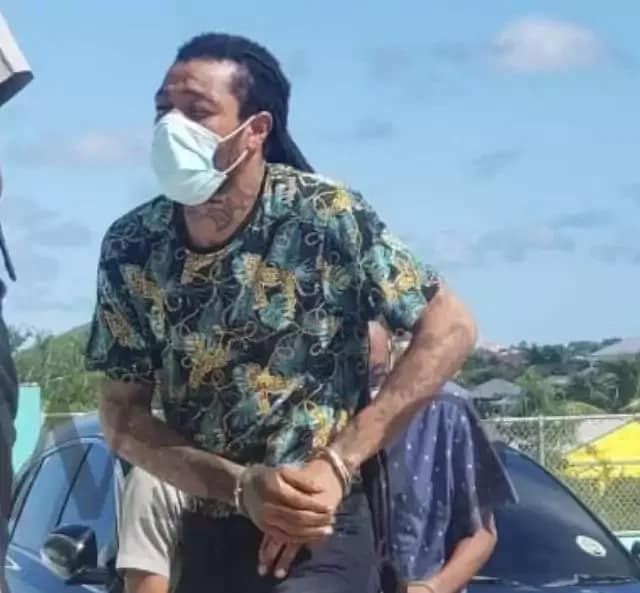
Zamir O’Garro, Charged in Arthur James Murder, Dies While on Remand
In a significant development within a high-profile criminal case, Zamir O’Garro, a key defendant charged with the murder of Arthur James, has passed away at the Sir Lester Bird Medical Centre. His death on Tuesday marks the second fatality among the three individuals originally accused in the 2021 homicide.
The sequence of events leading to O’Garro’s demise began last Friday when he fell seriously ill while held in custody. Emergency services transported him via ambulance to the medical facility. Initial reports indicated he was conscious and communicative during the journey. However, his condition deteriorated rapidly, necessitating placement on life support systems, where he remained until his death in the early hours of Tuesday.
O’Garro’s incarceration dates back to 2021, directly linked to the investigation into the disappearance of Arthur James that same October. The case escalated when investigators discovered a severely burned vehicle in the Freetown and Willoughby Bay area. Inside, they found charred human remains, which subsequent forensic analysis conclusively identified as those of the missing James.
Alongside his brother, Obasic O’Garro, and their cousin, Uroy Joseph, both residents of Liberta, Zamir O’Garro faced formal charges. This case has now been profoundly impacted by the deaths of two defendants while in pre-trial detention. Obasic O’Garro predeceased his brother, succumbing to severe health complications, including renal failure, on February 7, 2024.
-

Election traffic plans hit speed bump with UWI expert
Amid escalating traffic congestion plaguing Barbados, a stark contrast has emerged between the island’s competing political pledges and the expert-backed demand for a cohesive, data-centric national strategy. The Barbados Labour Party (BLP), Democratic Labour Party (DLP), and Friends of Democracy (FOD) have each unveiled distinct campaign proposals to alleviate gridlock, ranging from constructing flyovers and ‘sea taxis’ to carving new roadways. However, Deputy Principal of the University of the West Indies at Cave Hill, Professor Winston Moore, cautions that such fragmented approaches are inadequate without a unified framework grounded in empirical evidence and integrated urban planning.
Professor Moore advocates for a paradigm shift towards a ‘smart city’ model, emphasizing the critical need for real-time traffic data collection and adaptive signal systems that dynamically respond to traffic volume fluctuations. This methodology, he explains, focuses on systematically reducing bottlenecks through coordinated junction management, thereby enhancing travel time predictability and overall network reliability. The University of the West Indies is already cultivating the necessary expertise, producing graduates in data and business analytics equipped to assist the government in this evidence-based transition.
Beyond technological integration, Professor Moore identifies deeply ingrained travel patterns as a fundamental contributor to congestion. The necessity for individuals to make multiple stops—such as dropping children at school and a spouse at work—before commencing their own commute exacerbates peak-hour pressures. He proposes a holistic planning system that includes situating schools closer to residential communities and establishing a dedicated, potentially privately-funded school bus system to minimize these multi-stop journeys.
Further recommendations include implementing staggered work schedules and expanding remote work options to distribute travel demand more evenly across the week. The development of reliable transit hubs, inspired by successful international models like those in Canada, is also highlighted as a pivotal component. These hubs, supported by adequate parking infrastructure, would encourage a shift from private vehicle use to public transport by addressing commuters’ reluctance to relinquish their personal cars.
Echoing this sentiment, Roy Raphael, Head of the Alliance Owners of Public Transport (AOPT), affirmed the potential of transport hubs to significantly ease congestion. Raphael also suggested the introduction of toll systems on specific high-traffic routes, such as sections of the ABC Highway, to facilitate quicker movement into urban centers like Bridgetown, where traditional commuter volumes have notably declined.
-
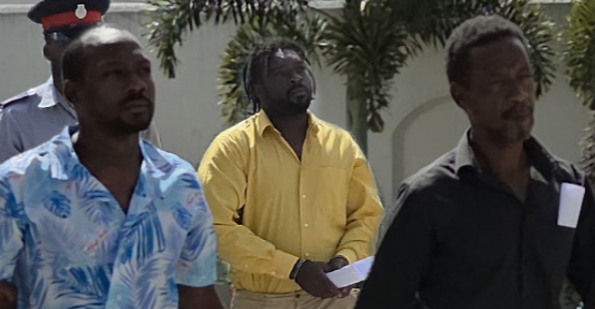
Fishermen remanded after $33m cocaine seizure
In a significant narcotics interdiction case, three Barbadian fishermen now face serious drug trafficking charges following the seizure of cocaine valued at over $33 million off the island’s coast. The accused individuals include 55-year-old Sylverton Lewis Clarke from Emerald Park East, St Philip; his 33-year-old son Renaldo Jabari Carrington of Lower Burney, Haggatt Hall, St Michael; and 39-year-old Ryan Adrian Kelly-Prescod, who reportedly has no fixed address.
The charges allege that within Barbados’ Exclusive Economic Zone—a maritime territory established under the Marine Boundaries and Jurisdiction Act—the defendants unlawfully possessed 676 kilogrammes of cocaine, classified as a controlled substance. Additionally, they face accusations of intending to supply and traffic the substantial drug quantity, which authorities estimate holds a street value of $33,830,000.
During their appearance before Magistrate Manila Renee in the No. 2 District ‘A’ Magistrates’ Court, the defendants did not enter pleas to the indictable offenses. Police prosecutor Sergeant Kenmore Phillips vigorously opposed bail, citing multiple factors including the substantial evidence against the men, the circumstances of their apprehension at sea, and Kelly-Prescod’s lack of permanent residence. Magistrate Renee subsequently ordered all three defendants remanded to Dodds Prison until their next court appearance scheduled for March 3.
Legal representation for Clarke was provided by attorney Matthew Willoughby, working in association with counsel Andrew Willoughby. The case continues to develop as authorities pursue their investigation into one of the most substantial drug seizures in recent Barbadian maritime history.
-
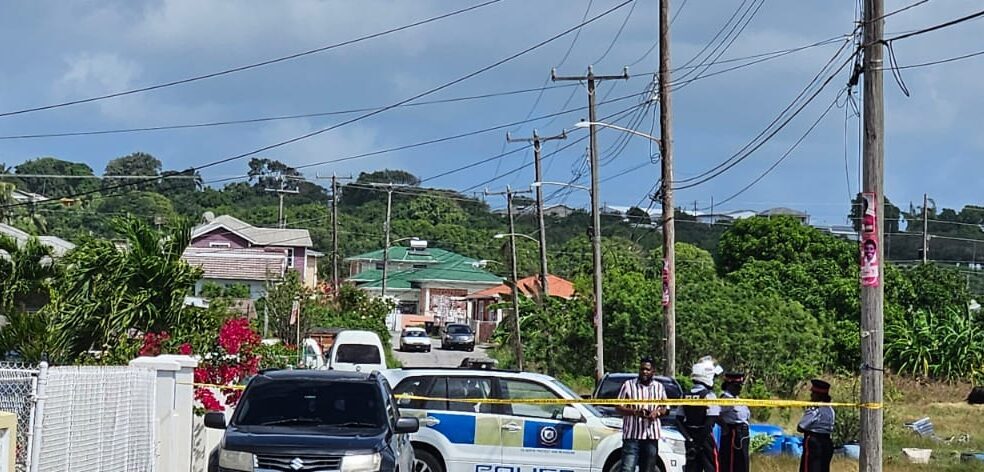
Resident complains of ‘slow’ police response after deadly shooting
A Christ Church community is confronting trauma and demanding improved police responsiveness following a fatal shooting that unfolded before horrified children on Monday morning. The incident occurred in Lower Carter’s Gap, Enterprise, where 42-year-old Fabian Aaron Taylor was ambushed while performing his daily school drop-off routine.
According to official police reports, authorities received notification of the shooting approximately at 8:45 a.m. Taylor, a resident of Kendal Hill Park, had just delivered two children when an assailant approached his vehicle and discharged multiple rounds. Despite being transported via private vehicle to Queen Elizabeth Hospital, Taylor succumbed to his injuries.
Local business owners present during the incident provide a contrasting timeline, asserting emergency calls were placed significantly earlier and that police response time approached one hour. This delay compelled relatives to move the critically wounded man in the very vehicle where the attack occurred—a decision made under extreme duress despite potential forensic complications.
An eyewitness described the harrowing scene: ‘I heard four distinct shots followed by terrified screaming. Children were among those witnessing this brutality.’ The witness confirmed Taylor regularly transported students to school despite not residing in the immediate area. The shooting occurred during peak morning activity with numerous residents present, though fear may prevent witness cooperation.
The business owner expressed profound safety concerns: ‘This was deeply traumatic. My grandson became too frightened to attend school. The delayed police response constituted unacceptable service—Oistins Station is nearby yet took nearly an hour. When reports confirm active shooting, response should occur within minutes.’
While acknowledging moving victims contradicts standard protocol, the witness contextualized the decision: ‘Panic overwhelms rationality when witnessing severe injury. Though evidence preservation matters, human instinct prioritizes survival.’
The community now grapples with lingering trauma, particularly among children who witnessed the violence. Residents emphasize that this incident reflects broader patterns requiring urgent attention to police response protocols for violent crimes. Oistins Police Station detectives continue investigating the homicide.