分类: society

  • Mother And Daughter Charged in Punta Gorda Cocaine Bust

    Mother And Daughter Charged in Punta Gorda Cocaine Bust

    A Punta Gorda mother and her teenage daughter are confronting severe narcotics charges following a targeted police operation that uncovered a significant cache of crack cocaine. Law enforcement officials executed a search warrant at a Cerro Road residence on Tuesday, leading to the apprehension of 47-year-old Cheryl Garbutt and her 18-year-old daughter Kailah Bahadur.

    During the systematic search of the property, investigators discovered substantial evidence of drug distribution activities. The most critical find was a plastic bag containing exactly 100 individually wrapped parcels of crack cocaine, meticulously sealed in foil. The total weight of the confiscated narcotics exceeded 15 grams, indicating potential intent for street-level distribution rather than personal use.

    Police authorities emphasized the gravity of the charges, noting that both women now face accusations of possession of controlled substances with intent to supply—a charge that carries significantly heavier penalties than simple possession. The operation demonstrates law enforcement’s continued focus on disrupting local drug distribution networks.

    Following their arrest, both suspects were processed and remain in custody as the investigation continues. The case has drawn attention to intergenerational drug involvement and the challenges faced by communities combating narcotics trafficking. Legal experts suggest the charges could result in substantial prison sentences if convictions are secured, particularly given the organized nature of the packaging and quantity of drugs involved.


  • Police Intercept Fisherman with Unlicensed Firearm

    Police Intercept Fisherman with Unlicensed Firearm

    Authorities in Belize City have detained a local fisherman following an intercepted attempt to dispose of an unlicensed weapon during a police patrol operation. The incident unfolded on Monday morning around 10:00 AM along Riverside Street, where motorcycle officers observed 24-year-old Kyle Cadle traveling by bicycle. According to official reports, Cadle abruptly altered his course upon noticing the police presence, accelerating into a nearby residential property in an apparent evasion attempt. Law enforcement personnel pursued the suspect and witnessed him discarding an object adjacent to a zinc fence. Subsequent investigation of the area yielded a concealed firearm accompanied by a magazine containing eight 9mm live rounds. Cadle was taken into custody without further incident and now faces formal charges of possessing both an illegal firearm and ammunition without appropriate licensing. The case highlights ongoing efforts by Belizean authorities to combat the circulation of unregistered weapons in urban communities.

  • Health : Drinking water crisis in Haiti

    Health : Drinking water crisis in Haiti

    Haiti is confronting an escalating drinking water emergency that now poses severe threats to public health and national stability, according to alarming assessments from the Ecological Intervention Group Écovert-Haiti. The organization has issued urgent warnings about systemic failures in water resource management that have brought the nation to a dangerous tipping point.

    The crisis stems from multiple compounding factors: widespread pollution of water sources, complete regulatory breakdown, and the unchecked expansion of the bottled water industry. Haiti’s water resources—from natural springs to underground aquifers—are experiencing massive contamination due to absent environmental protection policies, degradation of watersheds from unregulated agricultural practices, and inadequate sanitation infrastructure that allows fecal matter and chemical residues to infiltrate groundwater systems.

    Compounding these challenges, the plastic sachet and bottled water industry has proliferated without oversight since the 2000s. This unregulated sector has become Haiti’s primary source of plastic pollution, clogging urban drainage systems and coastal areas while exacerbating flood risks and waterborne disease transmission.

    Écovert-Haiti highlights the catastrophic failure of Haiti’s National Directorate of Drinking Water and Sanitation (DINEPA), which serves only 20% of the population’s drinking water needs in metropolitan areas. This institutional collapse has forced households and government institutions alike to depend on tanker trucks and unregulated private suppliers whose water quality remains questionable.

    The environmental group expressed astonishment at recent statements from Commerce and Industry Minister James Monazar, who denounced contaminated water consumption while overseeing two regulatory bodies—the Directorate of Quality Control and the Haitian Bureau of Standards—that have remained inactive for over two decades.

    In response to this multidimensional crisis, Écovert-Haiti has proposed a five-point emergency plan: immediate implementation of adopted quality standards, rigorous land-use policies to protect water recharge areas, strengthened oversight of water treatment companies, national restoration of aquatic ecosystems, and formal recognition of drinking water as a fundamental human right requiring transparent governance.

  • Bullet Tree Falls Gets Upgraded Community Centre

    Bullet Tree Falls Gets Upgraded Community Centre

    The rural community of Bullet Tree Falls has officially unveiled its comprehensively rehabilitated community center following an extensive nine-month renovation initiative completed in February 2026. The infrastructure enhancement project, which commenced in April 2025, transformed the facility with critical upgrades including modernized bathroom fixtures, energy-efficient windows and doors, complete electrical system rewiring, structural roofing improvements, and comprehensive interior and exterior repainting.

    During the inauguration ceremony, officials emphasized the center’s profound significance beyond its physical structure. “For generations, this establishment has transcended being merely concrete and steel. It has served as the foundational venue where memories were forged and life milestones celebrated—hosting innumerable community assemblies, quinceañeras, wedding receptions, birthday festivities, family reunions, and events that unified us as one collective,” stated Chebat, highlighting its role in fostering social cohesion.

    Addressing inquiries regarding tourism fund allocation for the project, Mahler provided justification: “I frequently face scrutiny for initiatives such as this—questioning why tourism resources are directed toward a community center. My consistent response remains: ‘This is not an investment in a facility; it is an investment in the community itself. It is an investment in our people.’”

    The celebratory event featured cultural performances, including traditional music by the Los Hijos del West marimba ensemble, alongside participation from local schoolchildren who led the national anthem and ceremonial prayer.

    Beyond its primary function as a hub for cultural programming and community activities, the newly upgraded center will additionally operate as a designated emergency hurricane shelter, enhancing regional disaster preparedness infrastructure.

  • Follow through on post-Beryl recovery projects, fishers say

    Follow through on post-Beryl recovery projects, fishers say

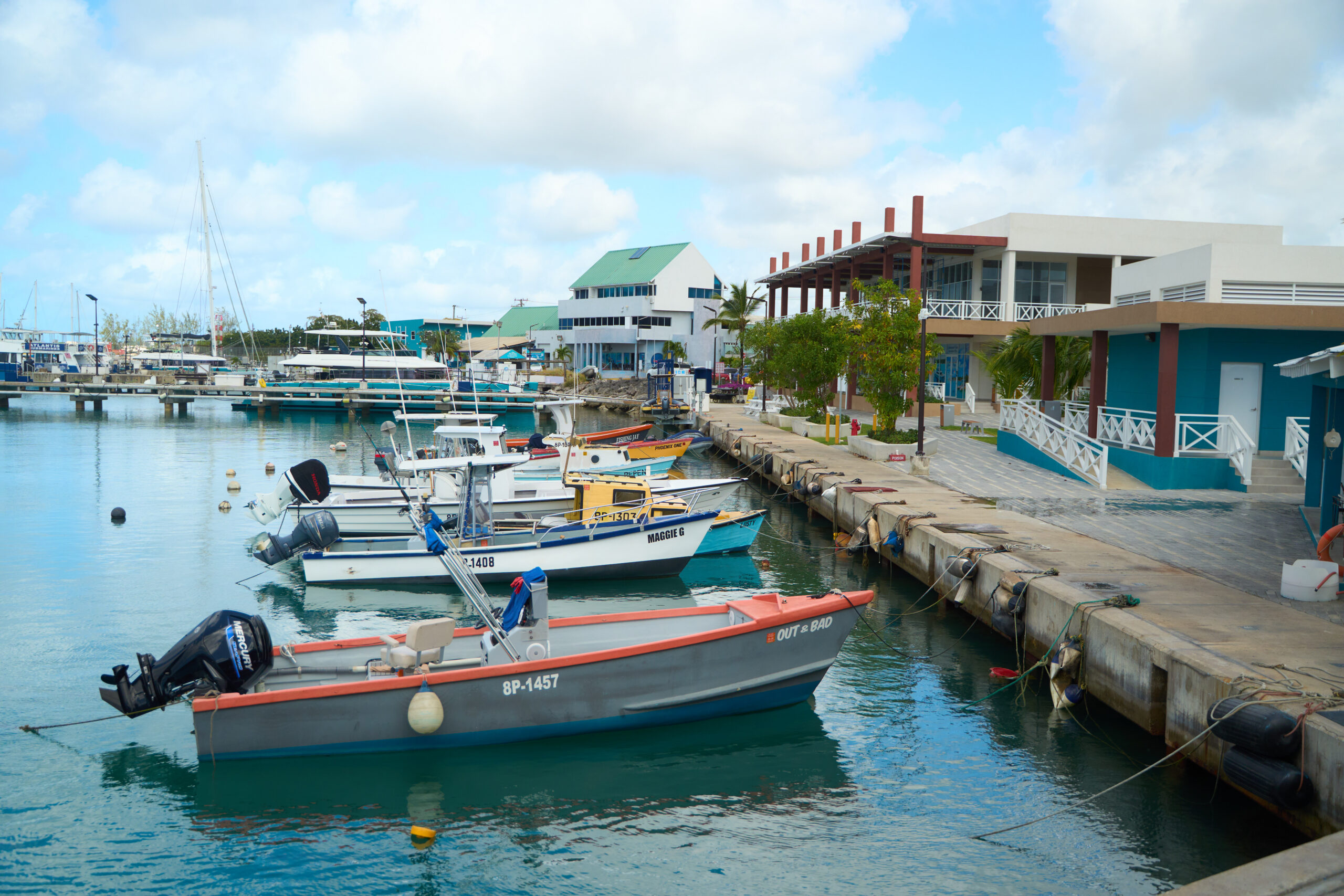
    With Barbados’ general election approaching on February 11, the island’s fishing communities are calling for sustained government commitment to post-Hurricane Beryl recovery efforts and the completion of critical infrastructure projects vital to their industry’s survival.

    Moonesh Dharampaul, Head of the Black Fin Fleet, emphasized to Barbados TODAY that the fishing sector has established a productive working relationship with current authorities and hopes this partnership will strengthen following the formation of a new administration. The industry suffered catastrophic damage during the 2024 hurricane season, forcing fisherfolk to implement gradual rebuilding measures while developing strategies to mitigate future storm impacts.

    Among the most pressing needs identified are proper haul-out facilities at key landing sites. “We urgently need completion of the ongoing breakwater project,” Dharampaul stated. “Additionally, we require functional haul-out facilities and slipways that enable fishermen to quickly remove vessels from water when storms approach.”

    Significant progress is underway through the Fisheries Division’s development of a national policy governing Fish Aggregating Devices (FADs). These artificial floating structures attract pelagic fish species and substantially increase catch volumes, though their deployment requires careful regulation to balance economic benefits with environmental considerations and spatial conflicts.

    “The Fisheries Division is currently drafting a FAD policy,” Dharampaul confirmed. “We’re collaborating closely with Coastal Zone Management on economic zone spatial planning, and anticipate positive outcomes.” He stressed that meaningful consultation with fishing professionals must remain central to policy development processes, ensuring practical industry experience informs regulatory frameworks.

    Dharampaul elaborated on FAD technology’s dual nature: while significantly enhancing fishing efficiency by creating underwater aggregation points that attract larger fish, Barbados’ unique tidal conditions present substantial anchoring challenges. “This is precisely why establishing a proper regulatory mechanism is crucial,” he explained.

    Another priority involves finalizing a specialized commercial fishing insurance policy. Through collective negotiation, industry representatives have secured reduced premium rates, potentially dropping from 3% to between 2.2-2.5% through group participation. Dharampaul also highlighted the need for a dedicated commercial fishing policy that acknowledges the diverse scale of fishing operations, unlike existing marine policies focused primarily on charter and recreational vessels.

    Recent improvements to ice distribution infrastructure at Bridgetown market—including new compressors and additional ice machines—were acknowledged as critical advancements for food security. “Where we previously serviced two to three boats daily, we can now accommodate six to eight,” Dharampaul noted, while emphasizing ongoing coordination with government officials to ensure these gains are maintained and expanded.

  • Deep clean’: BUT wants mandatory annual industrial cleaning at all schools

    Deep clean’: BUT wants mandatory annual industrial cleaning at all schools

    The Barbados Union of Teachers is advocating for a systemic overhaul of school maintenance protocols, demanding mandatory industrial cleaning across all educational institutions at least once annually. Julian Pierre, the union’s vice president and chair of its occupational safety committee, emphasized that reactive measures are insufficient to address persistent environmental health concerns disrupting academic activities. His comments follow the temporary closure of St. Ambrose Primary School, where additional ventilation work is underway after industrial cleaning resolved a severe cockroach infestation. While acknowledging improvements in the Ministry of Educational Transformation’s maintenance program—including off-hours and vacation-period work—Pierre highlighted the critical challenge of aging infrastructure. Many school facilities exceed forty years of service, requiring comprehensive preventative maintenance beyond current efforts. Pierre proposed implementing a rotational cleaning schedule distributed across Easter, summer, and Christmas breaks to prevent overwhelming resources during summer months. He further stressed the necessity for inter-ministerial coordination, particularly involving health authorities for environmental checks beyond school buildings themselves. Key concerns include water quality monitoring, vegetation management, and systematic pest control through regular baiting protocols. Although recognizing the efforts of the Education Technical Management Unit, Pierre insisted that true industrial cleaning standards must be consistently enforced, moving beyond superficial disinfection to address deep-seated infrastructure challenges in Barbados’ educational system.

  • Woman Fined $2K for Jaguar Skin Possession

    Woman Fined $2K for Jaguar Skin Possession

    In a significant enforcement of wildlife protection laws, a Belizean woman has been convicted and penalized for possessing protected jaguar remains. The case concluded this week in the Court of Belize with Lidear Lino pleading guilty to charges filed in August 2025 under the country’s Forests Act.

    The judicial outcome resulted in a substantial fine of BZ$2,000 (approximately US$1,000) for the offense of possessing wildlife derivatives without proper authorization. The Belize Forest Department, which led the prosecution, emphasized that no circumstances permit civilians to retain protected wildlife components.

    Following the verdict, forestry officials issued a stark reminder that Belizean law prohibits possession of any wildlife parts—including skins, teeth, feathers, nests, eggs, or other biological derivatives—without explicit permission. Violators potentially face penalties reaching BZ$10,000 under current legislation.

    The Forest Department publicly acknowledged collaborators in the successful prosecution while urging citizens to actively participate in conservation efforts. “We encourage all Belizeans to play an active role in protecting wildlife and to discourage illegal trade,” read an official statement, highlighting the ongoing commitment to combat wildlife trafficking through both enforcement and public education initiatives.

  • New institute, 100 acres for young farmers, says Mottley

    New institute, 100 acres for young farmers, says Mottley

    In a transformative move to revolutionize its agricultural sector, Barbados has inaugurated the state-of-the-art Hope Agricultural Training Institute through a collaborative initiative with China. Prime Minister Mia Mottley unveiled this $40 million facility in St. Lucy, announcing an accompanying 100-acre land allocation program specifically designed for young agricultural entrepreneurs.

    The cutting-edge institute represents a strategic partnership between Barbados and China, funded through a Chinese government grant. Spanning 45 acres, the facility aims to become the Caribbean’s premier center for advanced training in crop production, animal husbandry, and heavy-duty agricultural equipment operation. The program directly links education with practical application, ensuring graduates receive both modern technical skills and immediate access to productive land resources.

    Prime Minister Mottley emphasized the institution’s critical role in national development, stating it would fundamentally transform Barbados’s agricultural legacy. ‘This institution will play a pivotal role in our country’s development by moving away from the plantation model that historically defined our agriculture,’ Mottley declared during the inauguration ceremony. She stressed that future food security depends on integrating capital, technology, innovation, and youth passion within appropriate regulatory frameworks.

    The initiative specifically addresses multiple national challenges: reducing agricultural imports through enhanced food security, combating diet-related health crises including diabetes complications, and creating sustainable economic opportunities for young Barbadians. Mottley challenged students to reclaim Barbados’s historical leadership in agricultural innovation, referencing the nation’s past breakthroughs in cane breeding, grapefruit development, and specialty cotton varieties.

    With Barbados celebrating its 60th anniversary of independence and fifth year as a republic, the timing of this initiative carries symbolic significance. Training and Vocational Education Minister Sandra Husbands characterized the project as a ‘strategic investment in youth, technology, and agricultural future’ during her remarks.

    Chinese Ambassador Zheng Bingkai highlighted the institute’s alignment with China’s Belt and Road Initiative, noting its focus on food security, youth empowerment, and modern agricultural development. The project stands as a testament to the strengthening partnership between the two nations, built on shared values of diligence and innovative governance.

    The comprehensive program addresses the entire agricultural value chain, with particular emphasis on agro-processing capabilities to reduce waste and enhance economic resilience. By combining education, land access, and technology transfer, Barbados aims to position itself as a regional leader in sustainable agricultural innovation.

  • Grenlec celebrates our nation’s Independence with vibrant designer displays

    Grenlec celebrates our nation’s Independence with vibrant designer displays

    In a vibrant celebration of national heritage, Grenada’s electricity provider Grenlec has launched an ambitious cultural initiative titled ‘Strengthening Our Roots’ across its customer care centers. The project features specially commissioned artistic displays created by three distinguished Grenadian designers—Sherma Mitchell, Hazel Herbert, and Sandra Holas—who have transformed the utility company’s public spaces into galleries of national pride.

    The exhibition, which commenced on February 2nd at Grenville, Carriacou, and Grand Anse locations with Bruce Street following on February 4th, presents bold multimedia installations incorporating floral arrangements, traditional musical instruments, and cultural artifacts. These elements collectively narrate the story of Grenada’s historical journey and contemporary identity through creative interpretation.

    This artistic endeavor represents an evolution of Grenlec’s longstanding commitment to cultural preservation, building upon floral art exhibitions initially established in 2012. The company has consistently demonstrated support for local artists and heritage projects, positioning itself as an unexpected but dedicated patron of Grenadian arts.

    The participating designers bring distinct regional perspectives to the project: Mitchell represents Grenville, Herbert contributes installations for both Carriacou and Bruce Street locations, while Holas showcases her work at the Grand Anse center. Their collaborative effort emphasizes the diversity within national unity, offering customers an immersive cultural experience during routine visits.

    Grenlec’s initiative recognizes the dual importance of preserving traditional expressions while supporting contemporary creative talent. The company expressed gratitude to the designers for ‘bringing our spaces to life’ and hopes customers will discover both joy and cultural significance in the exhibitions throughout the independence celebration period.

  • Mother and Daughter Charged for Drug Possession

    Mother and Daughter Charged for Drug Possession

    A significant drug enforcement operation in Punta Gorda Town has resulted in the arrest of a mother and daughter duo on serious narcotics charges. Law enforcement officials executed a search warrant on February 3, 2026, at a residential property located on Cerro Road, leading to the apprehension of both suspects.

    Cheryl Charlene Garbutt, 47, and her daughter Kailah Cheryl Bahadur, 18, now face charges of possession of controlled substances with intent to supply following the discovery of substantial drug evidence. During the thorough search of the premises, authorities uncovered a plastic bag containing precisely 100 individually wrapped parcels of crack cocaine.

    The narcotics, meticulously packaged in foil-wrapped portions, amounted to a total weight of 15.5 grams. Police reports indicate both women were present at the residence during the execution of the search warrant, leading to their immediate detention and subsequent formal charging.

    This case highlights ongoing efforts by local law enforcement to combat drug distribution networks within community settings. The involvement of multiple generations within a single family unit in alleged drug trafficking operations presents particular concerns for community leaders and social services organizations.

    The judicial process will now determine the appropriate legal consequences for both defendants, with the prosecution expected to emphasize the organized nature of the drug packaging as evidence of distribution intent rather than personal use.