分类: society

  • No water, weak security: Court staff livid

    No water, weak security: Court staff livid

    Court employees in Santa Cruz, St Elizabeth, are voicing grave concerns over inadequate security provisions and a severe water shortage at their temporary workplace. The staff was relocated from their original Black River courthouse following the devastating impact of Hurricane Melissa, a Category 5 storm that struck Jamaica on October 28, 2025. The hurricane caused extensive damage to critical infrastructure in Black River, including the complete destruction of the courthouse, alongside hospitals, schools, and commercial buildings.

    Despite the move to a facility behind the Santa Cruz Police Station on Coke Drive, intended to minimize delays in judicial services, employees report feeling vulnerable and unsupported. Their anxieties were sharply heightened by a recent security breach where an individual entered the office and forcibly seized a box of legal files. Staff intervened to recover the documents, and the perpetrator was subsequently detained by police. This incident has underscored the palpable lack of permanent security personnel, with police patrols provided only sporadically following the event.

    Compounding the security fears is a critical lack of running water, which has rendered restrooms unusable and forced staff to resort to collecting water in buckets for basic sanitation. Employees, who spoke on condition of anonymity, expressed frustration that their repeated appeals to administrators for solutions have yielded no tangible improvements.

    The situation in Santa Cruz reflects a broader national issue highlighted by Chief Justice Bryan Sykes. He has consistently criticized the dilapidated state of court buildings across Jamaica. In recent pointed remarks, Justice Sykes questioned the government’s commitment to judicial infrastructure, noting a conspicuous silence regarding plans to repair or reconstruct courthouses demolished by Hurricane Melissa, particularly in western parishes like St Elizabeth and Westmoreland. He emphasized that the rebuilding of critical justice infrastructure appears to be treated as a matter of low priority, despite official rhetoric about creating more resilient communities.

  • Paria tragedy survivor, families get $1m

    Paria tragedy survivor, families get $1m

    In a significant gesture of national compassion, Prime Minister Kamla Persad-Bissessar personally delivered ex-gratia payments of $1 million each to Christopher Boodram, the sole survivor of the Paria diving catastrophe, and the families of deceased divers Rishi Nagessar and Fyzal Kurban. The ceremony occurred on January 22, 2026, at the Diplomatic Centre in St. Ann’s, marking a decisive shift in the government’s approach to one of the nation’s most tragic industrial accidents.

    The Prime Minister’s Office issued a statement condemning the previous administration’s handling of the aftermath, accusing them of prioritizing legal expenditures over direct humanitarian support for the affected families. The statement emphasized that the current government operates on principles of accountability and citizen welfare, ensuring that no individual would be abandoned in their time of need.

    The compensation initiative commenced with these three recipients and will expand progressively to include all families impacted by the February 25, 2022 incident. The tragedy unfolded during routine maintenance on a 30-inch underwater pipeline at Berth 6, Pointe-a-Pierre, when a sudden differential pressure event (Delta P) sucked five divers into the oil-filled conduit. Only Boodram emerged alive after enduring nearly four hours of entrapment in complete darkness.

    This governmental action follows the January 2024 Commission of Enquiry report, which recommended corporate manslaughter charges against Paria Fuel Trading Company and potential prosecutions under the Occupational Safety and Health Act for company officials. Previous delays in compensation, attributed to insurance liability disputes between Paria and contractor LMCS, were resolved through the current administration’s direct intervention.

  • Parents urged to reinforce peaceful conflict resolution and healthy behaviours among students

    Parents urged to reinforce peaceful conflict resolution and healthy behaviours among students

    Jamaican health authorities are issuing a compelling call to parents and guardians, urging them to actively foster peaceful conflict-resolution techniques and advocate for healthy habits among students to safeguard a secure and effective academic environment. Gerald Miller, Health Promotion and Education Officer for Westmoreland, emphasized in an interview with JIS News that although disagreements are a natural part of school life, resorting to violence as a solution is unacceptable and carries significant public health risks. He stressed the critical importance of children seeking adult intervention, particularly from teachers, when conflicts emerge, rather than attempting to handle disputes independently. Miller warned that student-initiated resolutions can rapidly intensify, resulting in severe injuries or fatalities, which subsequently burden the healthcare system with preventable medical cases. Beyond conflict, Miller reiterated the necessity of sustained vigilance against communicable diseases in educational settings. He highlighted fundamental hygiene practices—such as covering coughs and sneezes and maintaining thorough handwashing with soap and water—as vital measures to curb virus transmission. Miller also cautioned against touching the eyes, nose, or mouth with unclean hands to prevent direct germ transfer. Adherence to these protocols, he noted, is key to minimizing avoidable visits to medical facilities, thereby alleviating pressure on Jamaica’s health infrastructure and ensuring student safety throughout the school term.

  • Cops launch phase 2 of Carnival safety initiative

    Cops launch phase 2 of Carnival safety initiative

    The Trinidad and Tobago Police Service (TTPS) has escalated its security preparations for the upcoming 2026 Carnival celebrations with the implementation of Phase Two of Operation Festive Shield. Dubbed ‘Operation Secure De VIBES,’ this comprehensive safety initiative embodies a strategic acronym representing: Visibility, Intelligence, Border and Band Security, Enforcement, and Safety for All.

    Announced on January 23 through an official media release, this security framework directly supports the national carnival theme ‘We Like It So,’ demonstrating the TTPS’s commitment to maintaining a secure environment while preserving the festive atmosphere. The operational strategy promises enhanced police visibility throughout all event routes and zones, intelligence-driven policing methodologies to preempt criminal activities, and robust security measures around border areas and participating bands.

    The enforcement component emphasizes a zero-tolerance approach toward violence and unlawful behavior, while simultaneously ensuring comprehensive protection for all attendees, performers, and international visitors. Deputy Commissioner of Police Suzette Martin, overseeing operations, emphasized the dual nature of the initiative: “We are right here with you, securing the vibes, protecting the people, and preserving the culture.”

    Martin further encouraged public cooperation, urging celebrants to exercise responsibility during the festivities. She highlighted the importance of adhering to safety guidelines disseminated through both social and traditional media platforms, as well as complying with instructions from deployed officers nationwide. This collaborative approach between law enforcement and the community aims to ensure that Carnival 2026 remains both culturally vibrant and security-conscious.

  • Woman sexually assaulted at Port of Spain school

    Woman sexually assaulted at Port of Spain school

    A violent sexual assault has been reported within a laboratory at a secondary school in Port of Spain, prompting an active investigation by the Woodbrook police. The incident, which occurred on January 22nd, involved a 26-year-old woman who was attacked by a male acquaintance.

    According to the victim’s statement to authorities, the traumatic event unfolded around 12:15 PM. The woman had returned to the school laboratory to retrieve a forgotten cellphone charger from her bag, which she believed was still on a desk. Upon arrival, she discovered her bag was missing from its original location.

    The situation escalated when she encountered a man known to her in the laboratory room. After a brief exchange, she proceeded to an adjacent room to continue her search. The assailant then strategically positioned himself in the doorway, effectively trapping her inside the secondary room.

    The attacker produced a knife and commanded her to retreat further into the room. Under the threat of violence, the victim complied with his demands. The assailant then instructed her to unbutton her shirt before initiating the sexual assault. The violence intensified as he forced her to remove her pants and underwear and lie on a laboratory table while he maintained control through the continued threat of the weapon.

    In a particularly terrifying moment, the suspect held the knife to her throat from behind. Despite the victim’s attempts to physically resist and push him away, the assault continued. Before finally permitting her to leave, the perpetrator issued additional threats to ensure her silence.

    Local law enforcement officials are conducting a thorough investigation into this disturbing case, which has raised serious concerns about security within educational facilities.

  • Griffith backs judge’s call to hold abusive cops responsible

    Griffith backs judge’s call to hold abusive cops responsible

    Former Police Commissioner Gary Griffith has endorsed Justice Frank Seepersad’s recent demand for legislative changes to hold law enforcement officers personally accountable for unlawful arrests. In a January 22 social media statement, Griffith emphasized that officers demonstrating negligence, incompetence, or malicious intent should face disciplinary consequences, while acknowledging that those making good-faith judgment calls during lawful duties should remain protected.

    Griffith revealed that during his tenure as both National Security Minister and police commissioner, he witnessed numerous instances of officers operating outside legal boundaries and abusing authority. These actions frequently resulted in substantial financial settlements paid by the state, while the responsible officers faced no personal repercussions.

    The context for this discussion emerged from a January 20 High Court ruling where Justice Seepersad determined that a special reserve police officer had acted maliciously beyond legal parameters during a 2019 arrest and prosecution of a Sangre Grande resident.

    Griffith disclosed facing significant opposition from the Police Welfare Association regarding accountability measures, accusing the organization of tolerating unlawful police conduct and avoiding responsibility. He clarified that his position isn’t about punishing officers making difficult decisions under pressure, but rather addressing clear misconduct.

    Illustrating his point, Griffith recalled an incident where two new police vehicles were completely destroyed when officers engaged in unauthorized high-speed racing back to their station. GPS data confirmed the excessive speed occurred without operational justification, yet taxpayers bore the financial burden.

    The former commissioner advocated for mandatory body cameras as objective evidence sources that could either defend officers against false accusations or validate accountability claims. He referenced a particularly concerning case where officers traveled to Barbados to unlawfully abduct a citizen—an operation that might cost Trinidad and Tobago taxpayers tens of millions in damages.

    Another example involved a senior officer wrongfully arresting a Police Commissioner due to failure to comprehend firearm licensing laws, an act Griffith characterized as pure incompetence that damaged institutional credibility without resulting in personal consequences.

    Griffith maintained that accountability for negligence and malicious conduct strengthens rather than weakens police services by reinforcing professionalism, discipline, and legal respect. He emphasized that the vast majority of officers perform their duties honorably, and proper accountability measures protect their reputation while ensuring public trust in policing institutions.

  • 4 arrested, 8 guns seized in intelligence-led SWD operation

    4 arrested, 8 guns seized in intelligence-led SWD operation

    In a significant crackdown on illegal weapons, Trinidad and Tobago law enforcement authorities have successfully apprehended four individuals and confiscated a substantial arsenal during a meticulously coordinated operation in the South Western Division. The intelligence-driven raid, executed on January 21 between 5:00 AM and 9:00 AM, targeted multiple locations throughout Penal, resulting in the recovery of eight firearms and hundreds of rounds of ammunition.

    The seized weapons inventory includes an AR-style rifle equipped with a loaded magazine, four shotguns, a revolver, and two pistols. Notably, one pistol was found loaded with a magazine containing 15 rounds, while another carried five rounds. The operation yielded a total of 222 rounds of assorted ammunition, with an additional 25 rounds discovered concealed within a red cigar case.

    Law enforcement personnel initially detained two suspects: a 41-year-old woman from Syne Village, Penal, and a 57-year-old man residing at Moolai Trace, Penal. Subsequent operations within the district led to the apprehension of two additional individuals—a 41-year-old male from Syne Village and a 21-year-old male from San Francique.

    The multi-agency operation was strategically coordinated by Deputy Commissioner of Police Suzette Martin, with Senior Superintendent Thompson providing operational leadership. The investigative team included Superintendent Jaggernath and Assistant Superintendents Corrie and Forbes, demonstrating the high-priority status of the weapons interdiction effort.

    The operation featured an unprecedented collaboration between specialized units including the SWD Gang and Intelligence Unit, National Special Operations Unit, Air Support Unit, SWD Task Force, Penal CID, Penal Police Station, SWD Patrol Unit, alongside supporting elements from the Prison Service and Defence Force Operations Unit.

    Authorities have confirmed that investigations remain ongoing as they continue to pursue leads related to weapons trafficking and associated criminal activities in the region.

  • Pair of siblings charged over vulgar shanty demolition clash

    Pair of siblings charged over vulgar shanty demolition clash

    Two property owners from Eleuthera have been formally charged following a contentious confrontation with government officials during a demolition exercise in Spanish Wells earlier this month. The incident, which gained national attention through viral social media footage, culminated in court proceedings yesterday.

    Blake and Dominique Pinder appeared before Acting Magistrate Gwendolyn Patram where they entered not guilty pleas to multiple charges including disorderly behavior and using obscene and abusive language. Blake Pinder faces an additional count of obstruction for allegedly interfering with official government operations.

    The charges stem from a heated encounter between the siblings and members of the Unregulated Community Action Task Force during the dismantling of condemned structures in what authorities classified as a shantytown area. Prosecutors asserted that the defendants engaged in shouting racial epithets and physically obstructed officials during the demolition process—allegations both parties vigorously contested in court proceedings.

    As part of their release conditions, judicial authorities imposed strict restrictions prohibiting the defendants from discussing the case or posting related content on social media platforms. The case has been adjourned until February 4 for further proceedings.

    This legal confrontation follows a broader government initiative targeting unregulated structures deemed unsafe or unlawful throughout the Bahamas. The operation in Spanish Wells generated significant public discourse after video evidence circulated widely showing intense exchanges between the Pinders and task force personnel.

    Prior to the legal charges, Blake Pinder had publicly contested the government’s actions, claiming officials unlawfully demolished family property that had been owned for decades. He maintained that despite efforts to regularize the development—including providing housing with established utility connections—authorities failed to properly engage with him before proceeding with demolition. Pinder further disputed the government’s classification of the property as part of a shantytown, noting his late father’s longstanding ownership and the structures’ established nature.

  • JPs encouraged to uphold vital role as front-line community leaders

    JPs encouraged to uphold vital role as front-line community leaders

    KINGSTON, Jamaica — Senior government officials have issued a powerful endorsement of Jamaica’s Justices of the Peace (JPs), recognizing them as essential pillars in maintaining legal integrity and social cohesion throughout the nation’s communities.

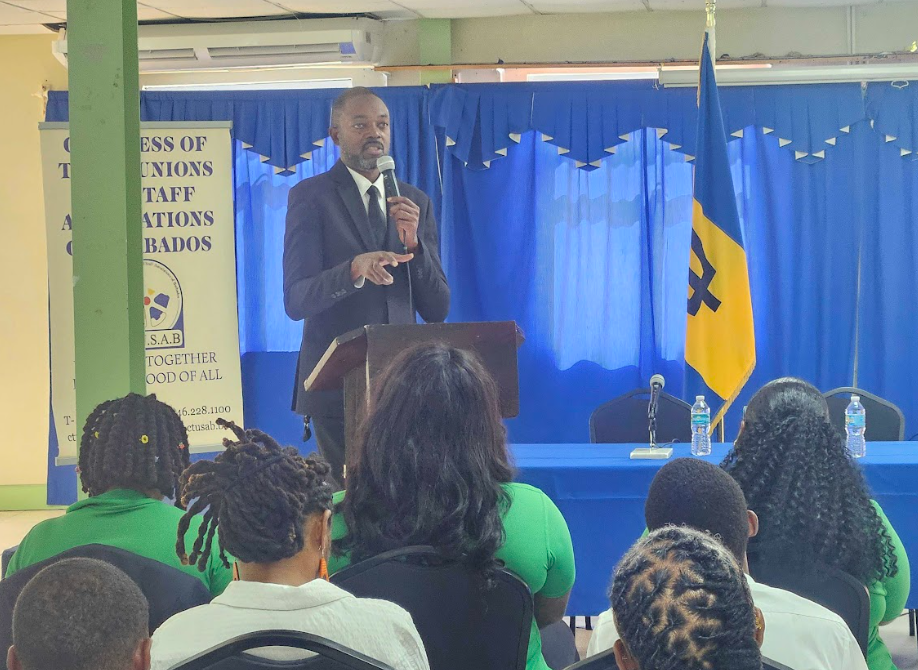
    During a virtual sensitization session held this week, Marisa Dalrymple-Philibert, State Minister in the Ministry of Justice and Constitutional Affairs, delivered a compelling address praising JPs for their indispensable service. She emphasized their unique position as frontline community leaders who frequently serve as the initial contact point for citizens navigating legal and administrative systems.

    The Minister elaborated on the multifaceted responsibilities of JPs, highlighting their critical function in helping citizens comprehend complex documentation processes. This guidance, she noted, serves as a vital protective barrier against fraudulent activities, misinformation dissemination, and illegal transactions that could undermine community welfare.

    “As respected and trusted figures within their communities, Justices of the Peace carry the important responsibility of educating citizens about the significance of proper documentation and the procedural requirements for obtaining legitimate legal titles,” Dalrymple-Philibert stated.

    Beyond their document verification duties, the Minister encouraged JPs to pursue continuous professional development to enhance their expertise. She urged them to maintain their role in directing citizens to appropriate governmental agencies while providing clear explanations of administrative procedures.

    The address further underscored the broader societal impact of JPs, characterizing them as guardians of citizen rights and promoters of community stability—functions that extend well beyond their formal legal responsibilities to encompass broader social stewardship.

  • Let’s be clear hair

    Let’s be clear hair

    A renewed controversy over hairstyle regulations at Fyzabad Secondary School in Trinidad has sparked national discourse about cultural discrimination in educational institutions. The school’s administration issued strict grooming guidelines that specifically target traditional Black hairstyles including afros, braids, cornrows, and pineapple buns, deeming them violations of discipline standards.

    The policy mandates three-day suspensions for non-compliance, requiring both students and parents to contemplate the punishment at home. This approach has drawn sharp criticism from education advocates who argue such rules perpetuate post-colonial ideologies and racial bias against the natural hair textures of more than half the country’s population.

    Education Minister Dr. Michael Dowlath has intervened, emphasizing that while schools may establish grooming guidelines, they must never deny children their right to education. The ministry recently stated that all hair policies should be “reasonable, non-discriminatory, respectful of students’ dignity, and consistent with the best interest of the child,” while respecting “cultural identity and personal expression.

    However, confusion persists within the education system. A July 2023 national school code prohibited hairstyles that obstruct views or feature intricate designs, while an October 2023 recommendation suggested schools establish hair policy committees for ministry review.

    The Trinidad and Tobago Unified Teachers Association (TTUTA) and the National Council of Parent Teacher Associations have joined activists in condemning discriminatory regulations. Many reference American R&B singer India Arie’s 2006 anthem “I Am Not My Hair,” which highlighted the damaging psychological effects of hair-based cultural conflicts on Black youth.

    Educators now face increasing pressure to ensure school policies promote inclusion rather than reinforce harmful stereotypes about natural Black hairstyles being associated with indiscipline or lack of professionalism.