分类: society

  • Learning under leaks

    Learning under leaks

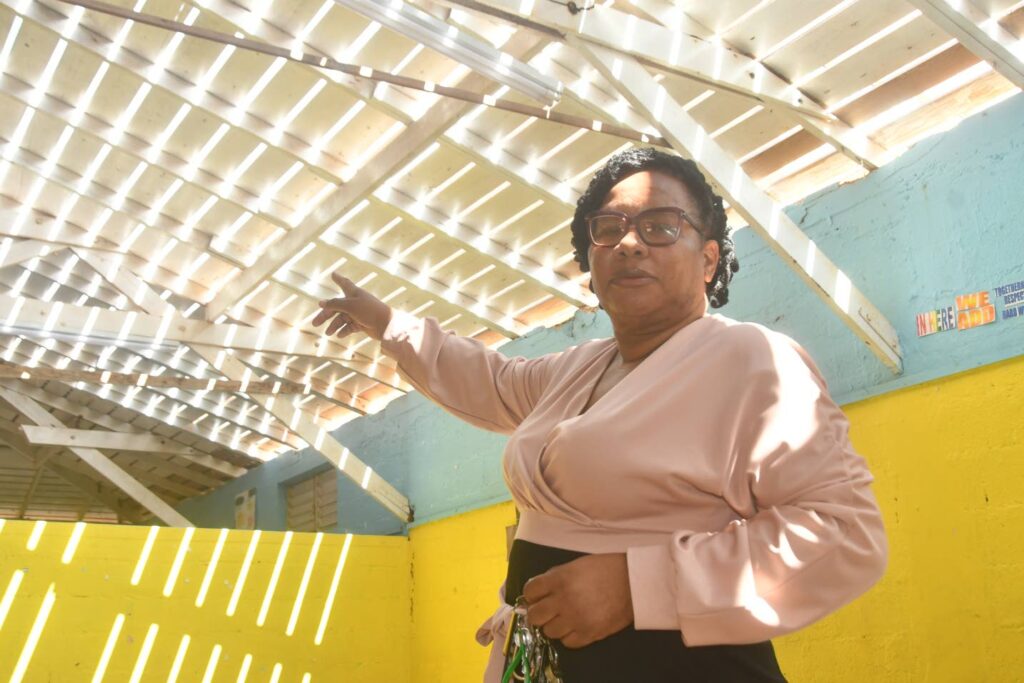
    The passage of Hurricane Melissa exacerbated long-standing infrastructure challenges at Mayfield Primary and Infant School in Southfield, St Elizabeth, where leaking classrooms had been an ongoing concern. The storm inflicted severe damage, tearing roofs from three classrooms serving grades four through six and worsening pre-existing water damage that caused concrete structures to break apart.

    Acting Principal Marion White-Cuff described the extensive damage: ‘We have relocated classes to the teacher’s lounge and another classroom. The infant department suffered complete ceiling damage with water intrusion causing structural loosening.’ The school’s perimeter fencing was compromised, though quickly repaired for security reasons.

    Financial relief is forthcoming through the 2026 Sagicor Sigma Corporate Run, which has identified Mayfield among five western Jamaican schools selected as beneficiaries. The charity event aims to raise $150 million toward repairing hurricane-affected institutions. White-Cuff expressed profound gratitude for the selection, noting that the entire school community was ‘shocked and thankful’ for the recognition among many damaged schools.

    The National Education Trust has conducted multiple assessments to guide restoration efforts. Meanwhile, school staff demonstrated remarkable resilience, spending days clearing water and debris to reopen promptly after the hurricane. White-Cuff emphasized her commitment to minimizing educational disruption: ‘I know about the loss of learning during COVID and I didn’t want that.’

    The school’s computer room remarkably escaped water damage, though the main office computer was destroyed. Contractors revealed that protective membrane installations meant to provide watertight seals were blown away during the storm, intensifying leakage issues.

    Beyond institutional damage, the hurricane impacted the school community personally—assessment revealed 24 students and one teacher suffered partial home or roof damage. The school organized a successful Christmas donation drive to support affected families.

    As the institution awaits restoration funding, White-Cuff remains determined to maintain educational continuity: ‘I will do whatever I can, and work with whatever I have to make sure children aren’t out of school.’
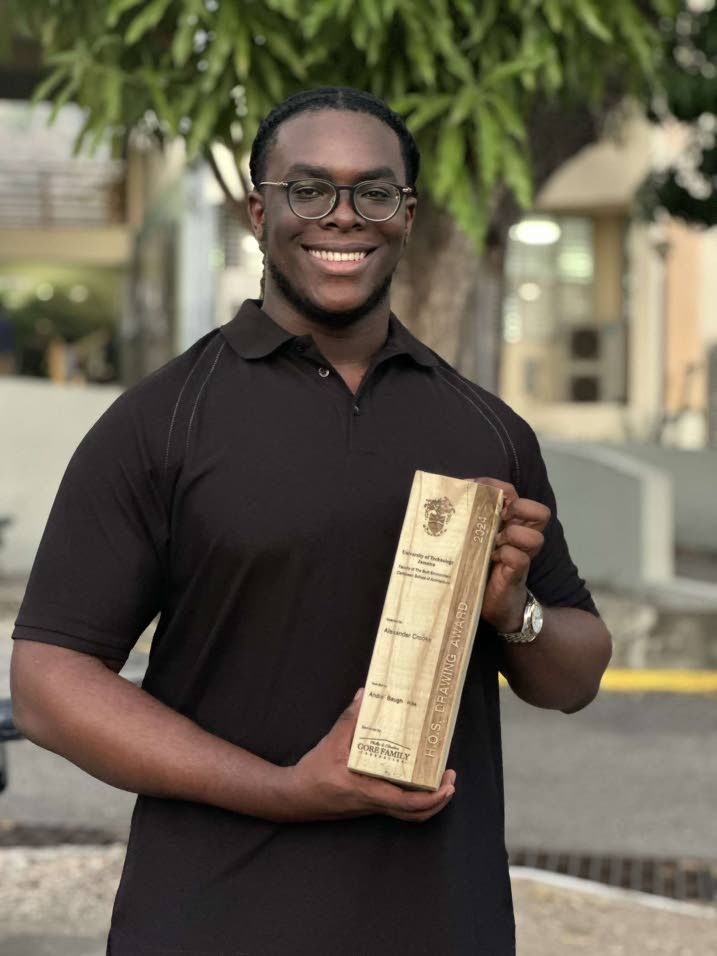

  • Alexander Crooks: From student leader to practice-bound architect

    Alexander Crooks: From student leader to practice-bound architect

    The architectural journey of Alexander Crooks began not in a classroom, but with childhood curiosity about a simple wooden T-square. This early fascination with drawing tools evolved into a profound passion for technical drawing, setting the stage for an exceptional career in architecture that would blend cultural narrative with technical precision.

    Crooks’ academic prowess became evident at Campion College, where technical drawing emerged as his strongest subject. His trajectory shifted decisively in 2019 when he achieved seventh place in the Caribbean CSEC examinations for Technical Drawing. This accomplishment transformed architecture from mere interest into professional ambition, leading him to establish an architecture club at his school and pursue internships to understand the discipline beyond theoretical boundaries.

    His educational path advanced significantly through the GraceKennedy UTech Scholarship, which enabled his enrollment at the University of Technology’s Caribbean School of Architecture by alleviating financial barriers that often hinder talented students. The transition to architecture school introduced Crooks to the intensive studio culture characterized by conceptual design projects, relentless deadlines, and collaborative overnight sessions where students supported each other through critique and motivation.

    Crooks developed a distinctive methodology prioritizing strong conceptual foundations early in the design process, allowing for refined execution in later stages. This approach yielded impressive results in upper-level studios where projects incorporated real-world conditions. Two undergraduate works defined his development: El Centro Cultural de Renacentista, a cultural center for the Dominican Republic, and Cántaro, a ten-story vertical culinary museum in Panama. Both projects demonstrated his commitment to Latin American and Spanish Caribbean culture through immersive spatial experiences.

    His research-driven methodology earned him the Caribbean School of Architecture Head of School Drawing Award twice—a rare distinction achieved by only two students—recognizing his successful integration of storytelling, architectural quality, and presentation clarity. Beyond academics, Crooks demonstrated exceptional leadership as president of the Caribbean Architecture Students’ Association (CASA), where he connected students with professional architects, hosted design competitions, and organized developmental workshops.

    These accomplishments culminated in his nomination as university valedictorian for the Class of 2025, reflecting both academic excellence and sustained community contribution. Parallel to his studies, Crooks gained practical experience through internships that developed his skills in drafting, measured surveys, and eventually independent design work meeting professional standards.

    Now working as an architectural designer at Mosaic Architects, Crooks focuses on tropical architecture within contemporary residential, commercial, and hospitality projects. His work involves design development, construction documentation, and site engagement, particularly excelling in hospitality projects where spatial sequencing and materiality create immersive user experiences.

    Crooks’ design philosophy, deeply influenced by his education, emphasizes responding intelligently to tropical conditions through passive cooling, hurricane resistance, and cultural authenticity. He advocates for architecture that reflects the Caribbean’s cultural complexity while creating spaces that communities identify with and celebrate. Through disciplined practice, cultural sensitivity, and meaningful spatial experiences, Crooks aspires to advance Caribbean architecture and strengthen the region’s built environment identity.

  • Disabled worker waits five years for NIS injury benefit

    Disabled worker waits five years for NIS injury benefit

    A protracted five-year ordeal involving Jamaica’s National Insurance Scheme (NIS) has finally reached resolution after systemic administrative failures prevented a permanently disabled worker from receiving entitled benefits.

    The case originated from a workplace accident on October 16, 2019, that left the individual permanently disabled. Despite submitting a formal application for Employment Injury Benefits in April 2020, the claimant encountered what they described as ‘gross negligence’ and institutional incompetence that stretched across half a decade.

    Throughout the extensive delay, the NIS office maintained that certain medical documentation was missing from the claimant’s file. However, in a September 2025 communication, officials refused to specify which exact sick notes were allegedly absent. This critical lack of transparency created a circular bureaucratic impasse, as the claimant could not remedy undefined deficiencies.

    The situation revealed deeper systemic issues when investigation showed the NIS had failed to properly communicate requirements to both the employer and medical providers. Contrary to the agency’s assertions, the employer confirmed all documentation had been properly submitted, and medical professionals had certified the necessary 180-day medical verification.

    The breakthrough came when the case was escalated to a senior NIS officer who initiated proper communication channels with both the employer and medical provider. This intervention confirmed that all documentation had been complete throughout the process, exposing the earlier claims of missing documents as institutional error.

    The resolution, facilitated through the ‘Tell Claudienne’ public assistance column, highlights ongoing challenges within Jamaica’s social security administration and the human cost of bureaucratic failure.

  • Light at last!

    Light at last!

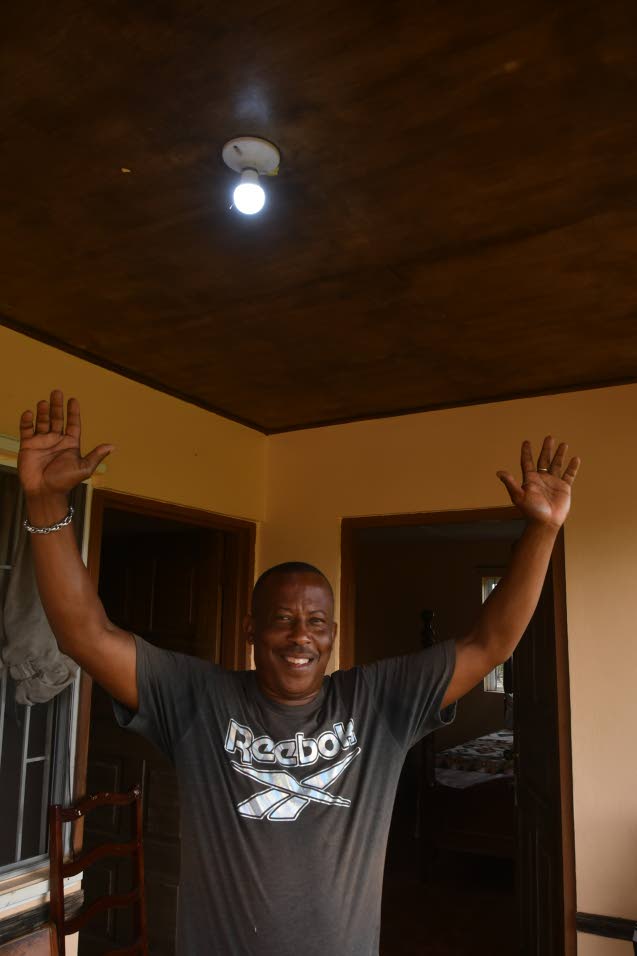
    The Potsdam district in St. Elizabeth, Jamaica, has emerged from a 97-day electrical blackout that began when Hurricane Melissa devastated the island last October. The prolonged outage finally ended last Tuesday when Jamaica Public Service Company (JPS) restored power to the relieved community.

    Residents expressed overwhelming joy at returning to normalcy after months of darkness and financial strain from generator dependence. The restoration enables simple comforts previously taken for granted—refrigerated food storage, reliable lighting, and resumed daily routines.

    Damian Keane encapsulated the collective relief: “We’re happy and grateful because to be in the dark at night, we couldn’t manage.” Like many residents, he initially hesitated to trust the restoration, waiting days before plugging in appliances amid concerns about stability.

    The hurricane initially left 77% of JPS customers without electricity, with western parishes including Westmoreland, St. James, Hanover, and Trelawny suffering most severely. As of February 5th, approximately 4% of customers remain without power as restoration efforts continue.

    Beyond household inconveniences, the outage created significant economic hardships. Businessman Gregory Bloomfield reported spending $6,000 daily on generator fuel for his shopping complex, severely eroding profits. Telecommunications provider Everoy Foster lost numerous customers during the outage and questioned why repairs took months when most utility poles remained standing after Melissa, unlike during Hurricane Beryl when infrastructure was completely destroyed.

    Foster provided temporary relief by distributing free Starlink satellite internet service throughout the community, enabling vital communications during the blackout. Despite his concerns about business recovery, he remains hopeful as customers gradually return.

    Residents now advocate for improved infrastructure, including additional street lighting to enhance community safety. The experience has highlighted both the vulnerability of rural communities to natural disasters and the profound social and economic impacts of prolonged utility disruptions.

  • Adoption bottleneck

    Adoption bottleneck

    A stark disconnect exists within Jamaica’s child welfare system where approximately 4,500 state wards await permanent homes while over 150 approved adoptive parents remain waiting, with fewer than 20 adoptions finalized annually. This alarming discrepancy emerges from a comprehensive study by the Caribbean Policy Research Institute (CaPRI) titled ‘Home Advantage: Reforming Jamaica’s Adoption System,’ which identifies systemic institutional failures rather than cultural resistance as the primary barrier.

    The research, spearheaded by Saramaria Virri, reveals that newborns typically wait two years for placement while older children face even longer delays—often spending their entire childhood in residential care despite clear evidence supporting early permanency. The study dismantles the common assertion that these children are legally unavailable for adoption, demonstrating through Adoption Board cases that many wards meet adoption criteria yet never progress to that stage.

    CaPRI’s analysis pinpointed a deeply entrenched institutional philosophy prioritizing prolonged family reunification efforts—even when unrealistic or potentially unsafe—over timely adoptive placement. This process-oriented approach systematically subordinates children’s developmental needs to bureaucratic considerations, resulting in eroded cognitive, emotional, and social capacities that critically impact future educational achievement and social integration.

    Compounding these issues is Jamaica’s outdated Adoption Act, modeled on the UK’s 1958 legislation but never updated despite three subsequent revisions in Britain. A 2013 review yielded no legislative changes, creating operational contradictions where the legally empowered Adoption Board lacks budget, staff, and offices while the Child Protection and Family Services Agency (CPFSA) handles practical administration without corresponding legal authority.

    Recommendations include urgent legislative modernization, increased staffing to achieve international casework ratios of 25-30 per social worker, digitized case management systems, and dedicated permanency tracking functions. Education Minister Senator Dr. Dana Morris Dixon recently acknowledged the need for framework improvements, signaling potential political willingness to address what CaPRI identifies as primarily administrative rather than legal barriers to giving children permanent homes.

  • Chasing sunshine and freedom

    Chasing sunshine and freedom

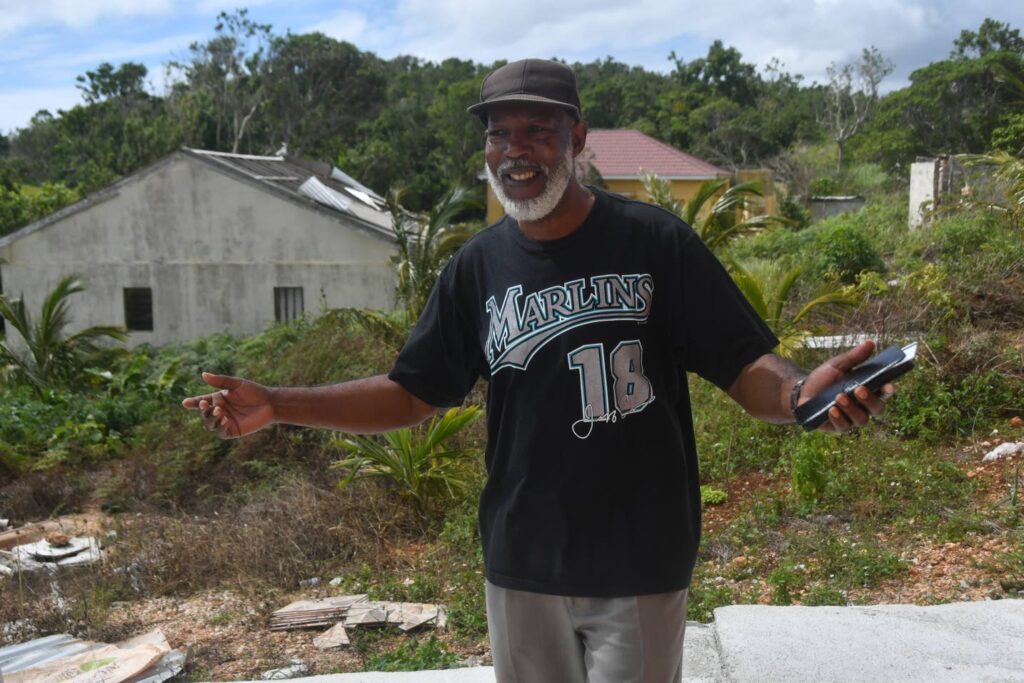
    At the age of 72, Errol McCarthy has finally realized his lifelong aspiration of returning to his Jamaican homeland after spending six decades in England. His journey began at just 12 years old when he left Jamaica’s rural Trelawny parish with his sister for Birmingham, initiated by his mother’s petition for their relocation in 1965.

    The transition from Jamaica’s warm, sun-drenched landscapes to England’s industrial chill proved profoundly challenging for McCarthy. He recalls experiencing significant culture shock, mourning the loss of carefree childhood activities like swimming in rivers, playing ball, and freely enjoying tropical fruits. “Everything in England you have to pay for,” McCarthy reflected during an interview with the Jamaica Observer. “You go to the park—there’s no free fruit, no apples, no beer, no nothing.”

    Despite the initial difficulties with England’s cold, foggy environment and industrial pollution, McCarthy adapted through determination. He progressed through factory and hospital work before qualifying as a home care organizer in social services, eventually specializing in elderly residential care. It was in England that he met his Jamaican wife, with whom he shared the dream of eventual retirement in their homeland.

    The couple strategically planned their return for years, purchasing property in St. Elizabeth and constructing a home. They finalized their move in September 2025, though their homecoming coincided with catastrophic Hurricane Melissa just one month later. The Category 5 storm devastated western Jamaica, testing their resilience immediately upon return.

    McCarthy described the hurricane experience as terrifyingly different from watching disaster coverage abroad. Despite hours spent battling water intrusion and nearly four months without electricity or internet, the couple demonstrated remarkable community spirit by sharing their stored supplies with affected neighbors.

    Now settled, McCarthy expresses absolute contentment with his decision, emphasizing the cultural connection, culinary pleasures, and social freedoms he’s rediscovered. “If I don’t have to go back for any reason, I don’t want to go back,” he stated with evident joy, acknowledging the rarity of successfully executing such long-term retirement plans among diaspora Jamaicans.

  • Sanmerna Foundation donates J$700,000 in cricket gear to St Jago High

    Sanmerna Foundation donates J$700,000 in cricket gear to St Jago High

    KINGSTON, Jamaica — In a significant boost for youth sports development, the Sanmerna Foundation has contributed cricket equipment valued at approximately J$700,000 to St Jago High School’s athletic program. This substantial donation comprises vital training and competitive gear designed to elevate the school’s cricket initiatives to new heights.

    The contribution arrives as a strategic investment in the foundational resources required for nurturing athletic excellence. School administrators have enthusiastically endorsed the donation, emphasizing that high-quality sporting apparatus is instrumental in shaping athlete competence, self-assurance, and holistic growth. The provision of professional-grade equipment is anticipated to bridge resource gaps, allowing aspiring cricketers to train under improved conditions and realize their potential.

    According to the Sanmerna Foundation, this effort is a component of its broader objective to enable Jamaican youth through targeted investments in educational, athletic, and communal projects. The organization is dedicated to strengthening grassroots and scholastic sports frameworks, framing athletics as a medium for instilling discipline, fostering collaboration, and cultivating achievement beyond the sporting arena. Such programs are integral to building resilient, well-rounded individuals prepared for future challenges.

  • Manchester investigators delivering ‘airtight cases’ says divisional commander

    Manchester investigators delivering ‘airtight cases’ says divisional commander

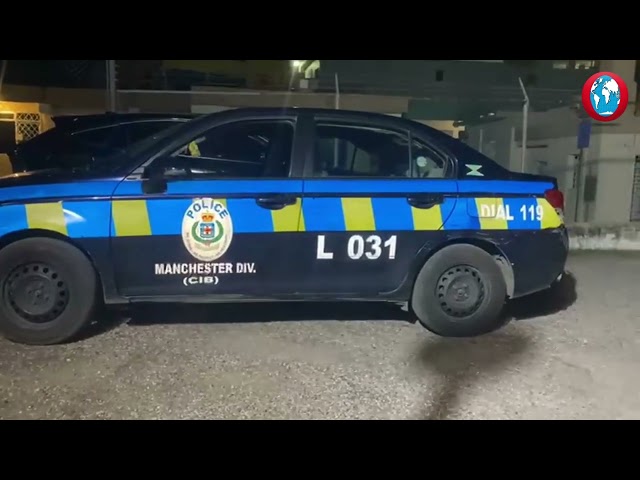
    MANCHESTER, Jamaica — Superintendent Carey Duncan, Commanding Officer of the Manchester Division, has publicly commended detectives for their exceptional investigative work, which is yielding remarkably high conviction rates in local courts. In an official statement released through the Constabulary Communications Network (CCN), Duncan attributed this success to the division’s sophisticated intelligence apparatus and operational capabilities that enable precise identification, apprehension, and charging of criminal suspects.

    Duncan emphasized the division’s capacity to construct legally robust cases, stating: ‘We possess the capability to build airtight cases that we know will secure convictions when presented before the court.’ The divisional commander revealed significant judicial outcomes since the beginning of the current court circuit, with 11 individuals convicted—including three murder convictions resulting in prison sentences ranging from 15 to 35 years. Numerous convictions for other criminal offenses across the division have also been secured.

    While acknowledging Manchester’s overall safety, particularly in Mandeville and central areas where no murders were recorded through January of the previous year, Duncan addressed recent violent incidents in peripheral areas. Investigative efforts have already produced one arrest, with authorities anticipating formal charges. Police are additionally seeking voluntary cooperation from another person of interest to advance their investigations.

    Duncan issued a stern warning against perceptions of impunity for violent crime in Manchester, asserting that the division’s high-quality investigative processes consistently lead to arrests and convictions. He specifically cautioned suspects against violent confrontations with officers, emphasizing that peaceful surrender ensures their right to judicial proceedings: ‘It is in your interest to surrender peacefully. We want you to live to have your day in court.’

    The superintendent expressed confidence that the demonstrated successes would be surpassed in 2026, reflecting the Jamaica Constabulary Force’s broader commitment to intelligence-led policing, thorough case preparation, and securing justice through the judicial system.

  • WATCH: Four-year-old shot dead, father wounded in Manchester gun attack

    WATCH: Four-year-old shot dead, father wounded in Manchester gun attack

    MANCHESTER, Jamaica — A community in Manchester is reeling from a tragic shooting incident that claimed the life of a four-year-old girl and left her father wounded on Sunday afternoon. The attack occurred in the Landsettlement area near Royal Flat, marking a devastating episode of violence that has shaken local residents.

    According to preliminary reports from law enforcement authorities, the horrific event unfolded at approximately 4:20 p.m. when the young child, identified by relatives only as Sanoya, was traveling with her father in a black Toyota Voxy. Their vehicle was suddenly ambushed by unidentified gunmen who opened fire without warning, unleashing a barrage of bullets toward the occupants.

    Emergency services responded promptly to the scene, transporting both victims to Mandeville Regional Hospital for urgent medical attention. Tragically, the four-year-old girl was pronounced dead upon arrival at the healthcare facility, having succumbed to her grievous injuries. Her father remains hospitalized while receiving treatment for his wounds, with his current condition yet to be formally disclosed by medical officials.

    As of 8:00 p.m. on Sunday, police forensic teams remained actively engaged at both the crime scene and the vehicle examination site, meticulously processing evidence from the bullet-riddled Toyota Voxy. The investigation continues as authorities work to establish motives and identify suspects responsible for this heartbreaking act of violence that has left a family shattered and a community in mourning.

  • New Power Lines to Reach 150 Homes in Five Villages

    New Power Lines to Reach 150 Homes in Five Villages

    A landmark rural electrification initiative has brought transformative change to five previously underserved communities in Belize’s Orange Walk District. The collaborative project connecting Indian Church, San Carlos, San Benito Poite, Jalacte, and San Vicente to the national grid represents a significant infrastructure advancement for the region.

    For generations, residents of these villages endured unreliable electricity access that constrained domestic life, agricultural productivity, and entrepreneurial development. The newly operationalized project—spearheaded through a tripartite partnership between the European Union, Belize Electricity Limited (BEL), and the Belizean Government—has altered this reality fundamentally.

    During the official inauguration ceremony, Public Utilities Minister Michel Chebat emphasized the government’s commitment to inclusive development, stating: “This project clearly demonstrates that rural communities matter… no village is left behind in our national progress.”

    The undertaking evolved strategically from initial micro-grid conceptions to a more comprehensive grid-connection solution following extensive community consultations. BEL engineered a ten-mile interconnection to the national infrastructure, while the EU and utility provider co-financed complementary components including utility poles, transformers, distribution networks, street lighting systems, and residential wiring installations.

    Karique Marin, BEL’s General Manager for Distribution and Energy Solutions, highlighted the broader implications: “We are not merely activating electrical current; we are collectively powering socioeconomic progress. Reliable electricity possesses the transformative capacity to redefine family living standards, agricultural operational efficiency, and youth future-planning capabilities.”

    Initiated in 2021, the project now delivers sustainable power to over 150 households, creating unprecedented opportunities for agricultural enhancement, small business development, and improved quality of life across the beneficiary communities.