分类: society

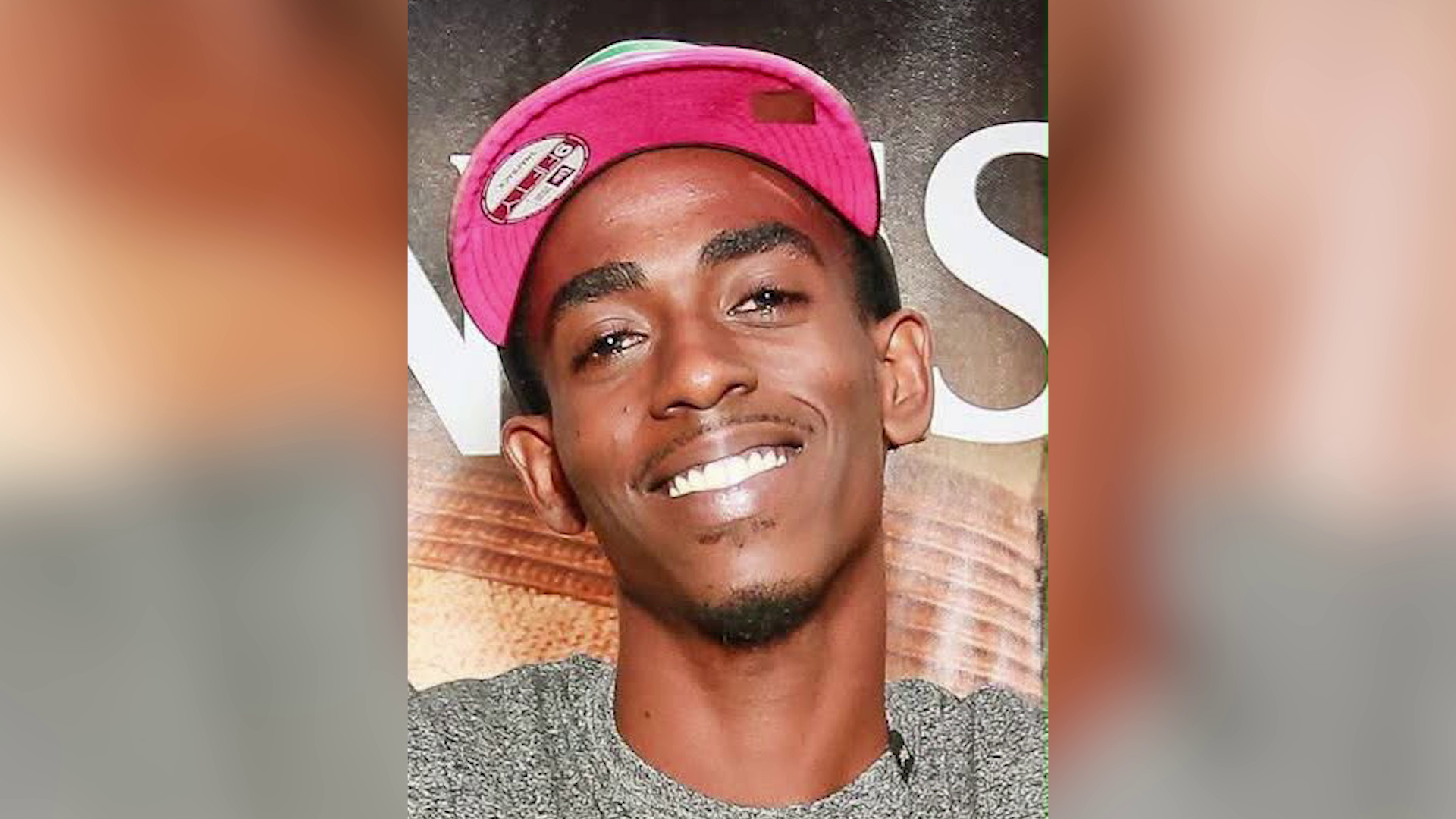
  • Man caught with condom on penis after raping girls sentenced

    Man caught with condom on penis after raping girls sentenced

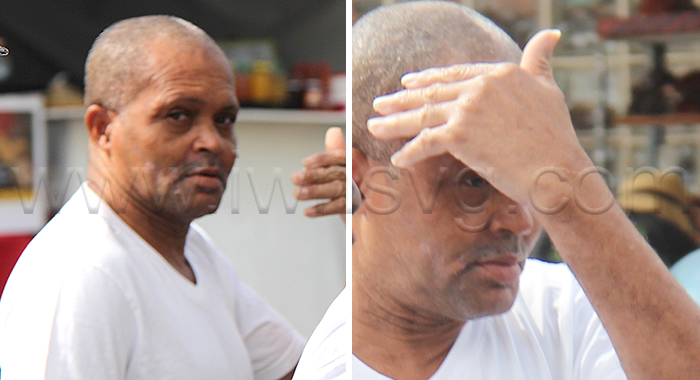
    In a landmark sentencing handed down Friday in Kingstown, a 56-year-old St. Vincent and the Grenadines man has been ordered to serve more than 30 years behind bars for the brutal serial rape of two children aged 9 and 10, in a case that has underscored the judiciary’s commitment to protecting vulnerable minors from violent sexual abuse.

    Francis Jackson, a local handyman, committed the three heinous attacks between March and September 2019, when he was 49 years old. Court documents detail that Jackson first raped both young victims — identified only as Virtual Complainant 1 (VC1, aged 9) and Virtual Complainant 2 (VC2, aged 10) — in a repeated pattern of abuse that saw him assault each child while the other was forced to watch, after which he coerced both girls into staying silent about the attacks. He went on to rape VC2 a second time on September 8, 2019, and was apprehended by a relative of VC1 just moments after he assaulted VC1 again the following day. When the relative arrived at the scene, they found VC1 hiding in a location Jackson had ordered her to stay, with her underwear rolled down and visible under her tights. After the child disclosed the abuse, the relative discovered Jackson still wearing a condom on his penis, and a physical altercation broke out before bystanders raised the alarm.

    Responding officers confirmed the evidence at the scene: the child’s disheveled clothing and Jackson’s condom matched the victim’s account. During initial questioning, Jackson offered no explanation for the condom, and he continued to deny all allegations throughout the investigation and trial. He was ultimately found guilty on all three counts of rape. A subsequent social inquiry report painted a mixed portrait of the offender: Jackson, who only completed primary school, has a pre-existing speech impediment, mobility issues stemming from a past bicycle accident, and chronic hypertension. Local community members described him as a quiet, helpful, friendly handyman, and four community representatives urged the court to grant him leniency. Prison officials also noted that he had complied with institutional rules during his pre-trial detention.

    However, the long-term harm inflicted on the two young victims has been irreversible, psychological assessments confirm. VC1, who was assaulted multiple times, told social workers she has never been able to recover a sense of peace years after the attacks. She experiences regular emotional breakdowns, struggles with eating and sleeping, and struggles to interact with others normally. She no longer trusts men, feels like she does not fit in anywhere, and has had her relationship with her family permanently altered, as her parents have adopted much stricter rules around her social life and friendships. VC1 also said she will never forget the fear, disgust, and confusion she felt during the first assault, harm that extended far beyond physical injury. For VC2, the abuse has left permanent psychological scars as well: she carries constant memories of the attack, suffers from debilitating flashbacks that cause full-body discomfort, blames herself for the assault, and has struggled to cope with ongoing physical pain from the abuse. One victim’s mother told the court she blames herself for what happened to her daughter, with the entire family living in anger and despair over the crimes.

    Delivering the sentence, High Court Justice Rickie Burnett emphasized that the maximum penalty for rape in the jurisdiction is life imprisonment, reflecting parliament’s mandate that courts treat child sexual abuse as an extremely serious offense. Outlining the core principles of sentencing — retribution, deterrence, prevention, and rehabilitation — Burnett said the court’s primary duty was to punish Jackson and prevent future offenses by other potential offenders. Quoting the Bible, the judge stated: “Children are a heritage from the Lord. They must be protected and the court has a duty to protect them from men like Francis Jackson.”

    Justice Burnett outlined multiple aggravating factors that justified a harsh sentence: Jackson abused a position of trust, coerced the children to stay silent, had an age gap of 39 and 40 years over the two victims respectively, carried out the assaults in front of each other, and had a previous conviction for a sexual offense. While the absence of explicit physical violence beyond the rape itself was counted as a mitigating factor, the judge ruled that aggravating circumstances far outweighed any leniency, adding two years to the initial starting sentences for the first two counts. Jackson’s good behavior in detention, positive community testimonials, and poor health were also counted as mitigating factors for the final sentencing.

    After accounting for pre-sentencing remand time of 1 year, 8 months and 11 days, and adjusting sentences per the totality principle to avoid an excessive total term, Justice Burnett ordered a 19 years 9 months 20 days sentence for the rape of VC1, a 12 years 3 months 20 days sentence for the first rape of VC2 (to run concurrently with the first sentence), and an 11 years 3 months 20 days consecutive sentence for the second rape of VC1. The combined total sentence is 30 years 9 months and 20 days, effectively a life term for the offender given his age.

    Renee Simmons represented the Crown in the case, while Patina Knights was appointed by the Crown to cross-examine the child witnesses under the Witness Special Measures Act, which puts in place special protections for minor victims of sexual violence. Knights also served as amicus curiae during the sentencing hearing.
  • Rescued fishermen return home

    Rescued fishermen return home

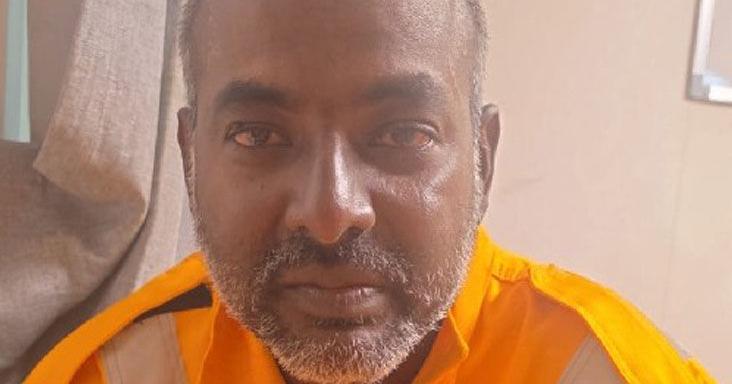
    After more than a week adrift in the open ocean off South America’s northeast coast, five of the six fishermen from the missing Trinidadian fishing vessel *St Vincent VII* have finally returned to their home communities, following a coordinated cross-border rescue and repatriation operation led by defense officials from Trinidad and Tobago and Saint Vincent and the Grenadines.

    According to an official statement released by Trinidad and Tobago’s Ministry of Defence on Thursday, the repatriation process moved steadily through the day. A Trinidad and Tobago Air Guard flight, designated Flight 216, first landed at Argyle International Airport in Saint Vincent just after 1:30 p.m. Thursday to pick up the rescued crew, who had been held there for medical evaluation and processing after their initial rescue. The flight then carried the fishermen north, arriving at Piarco International Airport in Trinidad at approximately 4:30 p.m. the same day.

    Once the plane touched down in Trinidad, the five surviving crew members underwent mandatory entry processing by officials from the Immigration Department and the Ministry of Homeland Security, per the ministry’s release. After all entry protocols were completed, arrangements were made for ground transportation to take the men from the Ulric Cross Air Station to their respective homes, and the group departed just after 6:30 p.m. Thursday.

    Trinidad and Tobago Prime Minister Kamla Persad-Bissessar publicly acknowledged the collaborative effort that brought the men home, issuing a formal note of thanks to the government and people of Saint Vincent for the care and assistance they extended to the stranded fishermen throughout the rescue and holding process. Persad-Bissessar, alongside Defence Minister Wayne Sturge, also offered public gratitude to Chief of Defence Staff Commodore Don Polo and his entire team for their efficient coordination and leadership in organizing the retrieval and repatriation of the surviving crew.

    Local news outlet *Trinidad Express* was able to confirm the joyful homecoming independently Thursday, when reporter contacted Amanda Suraj, wife of crew member Shannon “Joey” Mohammed. Suraj confirmed her husband had returned safely, adding that she had spoken to him via a brief WhatsApp call early Thursday morning, before his official arrival. In that call, Mohammed shared the harrowing details of how the crew survived their 10 days adrift: the group survived on just 28 small packets of water and a small stock of burned biscuits, with no other access to food or fresh water for more than a week.

    The *St Vincent VII* had set sail from Chaguaramas, Trinidad, on July 6 for a fishing expedition targeting yellowfin tuna. The vessel lost all communications and went missing off the coast of French Guiana just over a week later, leaving the six-member crew adrift with no way to call for help. The crew included Mohammed, Eshwar Persaud, Anthony Murray, Kevin “Dougla” Fournillio, Alex (who was only identified by his first name), and a national of Saint Vincent.

    The Saint Vincent Coast Guard located and rescued the five surviving crew members on Tuesday night, according to the defence ministry’s release. Tragically, just hours after the rescue was completed, one crew member — Anthony Murray — died from health complications brought on by his time adrift. Following the rescue, the surviving fishermen received preliminary medical treatment and were housed in a local Saint Vincent hotel while officials arranged their repatriation to Trinidad.

  • Rodwell Ferguson Addresses Son’s Run-In with Police

    Rodwell Ferguson Addresses Son’s Run-In with Police

    In an emotional public address on July 24, 2026, Belizean Stann Creek West Area Representative Rodwell Ferguson opened up about his son Stoney Ferguson’s recent run-in with law enforcement in Placencia, condemning his son’s alleged actions while sharing heartbreaking details of the lifelong health challenges the younger Ferguson has faced.

    The incident unfolded on Saturday, July 18, during a routine roadside traffic checkpoint. According to Placencia police, Stoney Ferguson failed to stop at the checkpoint, triggering a police chase that ultimately ended in an altercation. The confrontation escalated to verbal abuse directed at responding officers and resulted in damage to a police vehicle, after which Stoney Ferguson was taken into police custody.

    Through tears, Rodwell Ferguson spoke publicly about the case, acknowledging that his son must answer for any harm his actions caused and face full legal consequences for his behavior. What the public did not know, he explained, was that Stoney has never experienced a day of normal, pain-free health since he was an infant.

    Shortly after birth, Stoney was diagnosed with a severe form of asthma that required extended hospital stays throughout his early childhood. “He lived in the Dangriga hospital more than he lived at home,” Rodwell Ferguson recalled in his phone interview, referencing local medical staff who can confirm the years of ongoing care his son received.

    Eight years before the 2026 incident, Stoney suffered another life-altering injury when he fell from a breadfruit tree while climbing and broke his back. Rescuers found him two hours after the fall, wracked with extreme pain, but due to personal beliefs, he declined invasive medical intervention. He spent only one night in the hospital for observation before returning home, where he has lived with chronic severe back pain ever since.

    This persistent daily pain, Rodwell Ferguson explained, has left his son struggling with constant anxiety and frequent irritability. To maintain independence and avoid relying on others for care, Stoney built a small living selling fresh fruits and vegetables, working the trade nearly every day with his father’s full support.

    “We must respect the police at all times; they are just doing their job,” the elder Ferguson stated firmly, rejecting any attempt to excuse his son’s actions toward officers. He added that while the chain of events that unfolded after his son was taken into custody is still being clarified, the public deserves to understand the context of the lifelong struggles that have shaped Stoney’s daily experiences. This report is a transcribed adaptation of an evening television news broadcast, with Kriol language dialogue rendered using a standardized spelling system for accuracy.

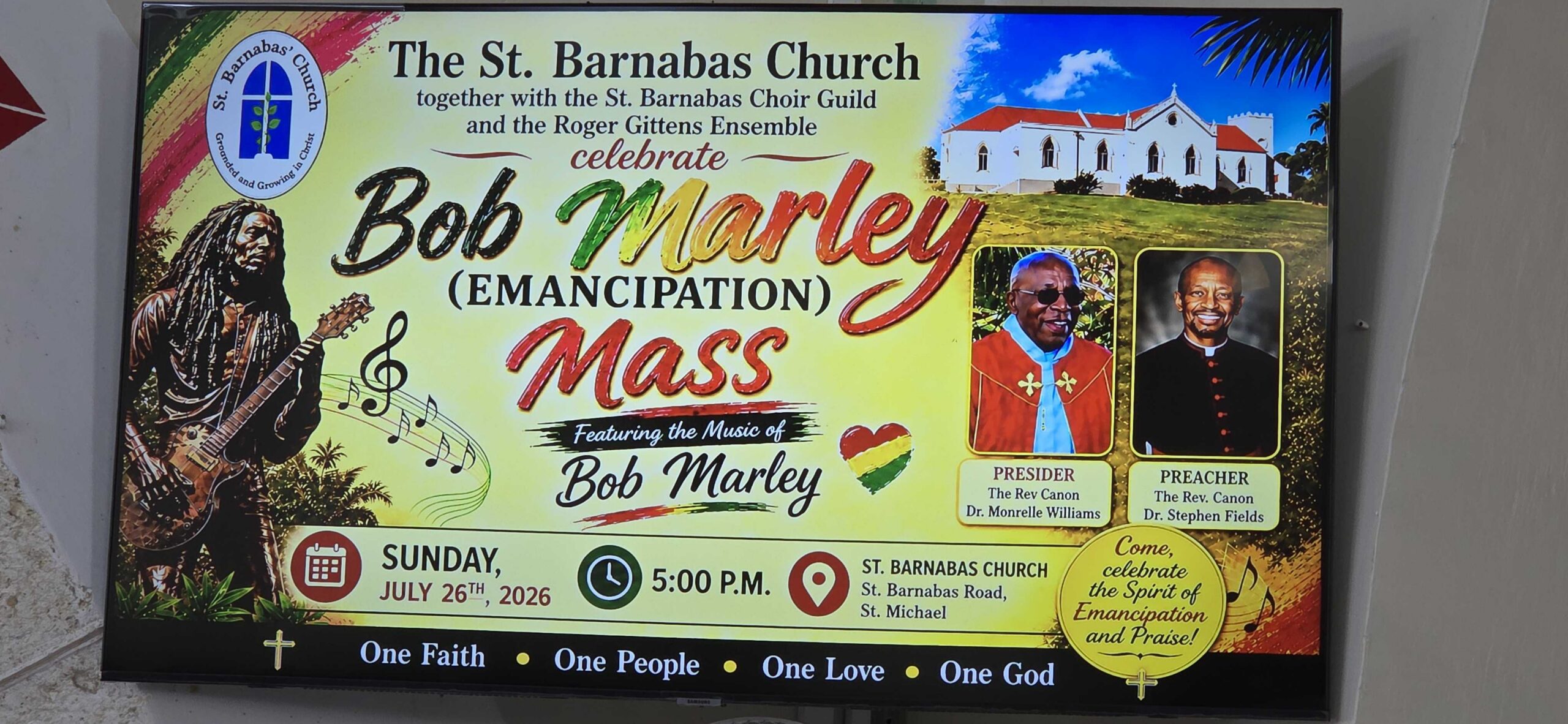
  • Church rejects ‘spiritual piracy’ charge over Bob Marley Mass

    Church rejects ‘spiritual piracy’ charge over Bob Marley Mass

    A high-profile religious and cultural conflict has emerged in Barbados, as St Barnabas Anglican Church defends its upcoming “Bob Marley Mass” against fierce condemnation from Rastafari leaders, who have labeled the service an act of spiritual and cultural piracy and demanded its immediate cancellation.

    The special Eucharistic service, scheduled to coincide with this weekend’s national commemoration of the 1838 emancipation from chattel slavery, integrates the iconic music of reggae legend Bob Marley into a traditional Anglican liturgical structure. Church leaders frame the event as a thoughtful theological engagement with the consistent themes of justice, liberation, repentance, hope, peace, reconciliation, and human dignity that run through Marley’s discography — themes they say align closely with core Christian scriptural values.

    The liturgy for the service was originally crafted in 2025 by Canon Dr Stephen Fields during his tenure as sub-dean of St James Cathedral in Toronto, Canada. It debuted that same year during Black History Month to mark the 80th anniversary of Marley’s birth. Canon Dr Monrelle Williams, priest-in-charge at St Barnabas, later brought the service to Barbados to anchor the island’s Emancipation Day observances. Church officials have also stressed that all musical arrangements used in the service have been properly licensed through Fifty Six Hope Road Music Limited, the official entity that manages Marley’s estate, confirming the event operates within legal copyright frameworks.

    Despite the church’s framing, the National Rastafari Registry Secretariat and Trust has launched uncompromising opposition to the service, arguing it misappropriates a central spiritual and cultural figure of the Rastafari faith while erasing the community’s ongoing struggles for equal rights. In a scathing public statement, the group questioned both the timing and underlying intent of the event, pointing to the long-standing silence of the Anglican Church in Barbados on the Rastafari community’s campaign to secure legal recognition for the sacramental use of cannabis, a core tenet of their religious practice.

    The statement accuses the church of hypocrisy: “You cannot ignore the living Rastafari community, remain silent while our constitutional rights are stripped away, and then turn around to exploit our Prophet for Emancipation Day marketing. This is not inclusivity; it is spiritual and cultural piracy.” Rastafari leaders add that inserting Marley’s work into an Anglican service fundamentally distorts his core message. They note that Marley was an outspoken critic of European colonial Christian institutions, and that his work centered anti-colonial liberation — a cause that directly pushes back against the historical role of the Anglican Church as an instrument of colonial rule. “Emancipation Day represents liberation from the exact mental and spiritual slavery that the colonial church enforced,” the statement reads. “To host a ‘Bob Marley Mass’ within the walls of the historical oppressor, while continuing to ignore the struggles of living Rastafarians, mocks the very essence of freedom.”

    In response, St Barnabas has acknowledged the legitimacy of Rastafari concerns about systemic discrimination and social exclusion, saying these issues carry meaningful weight and deserve urgent national attention. “These concerns should not be dismissed. They present an opportunity for honest reflection and constructive dialogue,” the church’s statement reads. “The Church recognises that reconciliation is achieved not merely through words but through listening, mutual respect, and a shared commitment to justice. The celebration of the Mass may well be the catalyst for a long overdue conversation about the rights of the Rastafari community in our country.”

    Church leaders also point to Marley’s own complex spiritual history to contextualize the service: while Marley was a committed Rastafari for most of his adult life, he was baptized into the Ethiopian Orthodox Church shortly before his death in 1981. The service, they insist, does not seek to redefine or co-opt Marley’s legacy, but rather to highlight overlapping values between Christian theology and the themes woven through his music.

    Despite the church’s call for dialogue, Rastafari leaders maintain that any meaningful engagement must start with the cancellation of the service, a formal apology, and concrete policy action to address the community’s unmet constitutional rights and long-standing historical grievances.

    To contextualize the conflict, Rastafari theology draws significant inspiration from Christian scripture and tradition, but reinterprets these texts through the lens of African liberation, resistance to white colonial oppression, and the lived experience of the Black diaspora. For most Rastafari, mainstream Christian churches are inextricably linked to the colonial project that subjugated African and diasporic communities, creating a deep historical rift that shapes current debates over cultural and religious ownership.

  • Public Service Union Marks 104 Years with Renewed Call for Unity

    Public Service Union Marks 104 Years with Renewed Call for Unity

    On July 24, 2026, Belize’s Public Service Union (PSU) marked a historic milestone: 104 years of unwavering advocacy for the nation’s public sector workers. Founded in 1922, the union has cemented its role as a foundational force in Belizean labor, consistently defending worker rights and pushing for improved working conditions and benefits across all public service departments. As the organization enters its 105th year of operation, it is gearing up to host its 104th Annual General Meeting (AGM) in mid-August, centered on the unifying theme “One Vision, One Voice, One Union: PSU, One Hundred Four Years Strong.”

    PSU President Dean Flowers opened up about the union’s enduring legacy and current priorities in remarks ahead of the gathering, noting that the organization has been instrumental in shaping the trajectory of Belizean society and national development since its early days. For the first time in the union’s history, the 2026 AGM will be held on weekdays, scheduled for August 13 and 14, a strategic shift designed to boost member turnout. Organizers hope the mid-week scheduling will allow more rank-and-file members to attend, engage with the union’s work, and deepen their understanding of core trade union principles.

    Flowers emphasized that solidarity, a core value of the PSU, is far more than a rhetorical buzzword. “Solidarity is not shouting the word. Solidarity is hitting the ground. Solidarity is standing shoulder to shoulder when we need to do that on the pavement,” he told attendees of the pre-AGM announcement. The event will also include internal leadership elections for multiple key positions within the union: aside from Flowers’ current post, which will not be up for contention until next year, ballots will be cast for first vice president, assistant general secretary, national treasurer, two counselor seats, and three trustee seats. Nominations for these roles are currently open, and Flowers has encouraged committed members with a deep understanding of trade union organizing to put their names forward.

    Beyond the election cycle, Flowers urged aspiring union leaders to leverage the PSU’s ongoing training programs, which are offered year-round to build capacity among members interested in taking on leadership roles. He stressed that broad, engaged participation from the union’s membership base is critical to addressing the pressing challenges facing modern public sector workers in Belize. Among the most pressing issues the union is currently tackling are the ongoing transition related to the Staff Authority and Retirement Act (SARA), uncertainties surrounding the status of terminal workers, and ongoing fights to protect and expand employee benefits for all public officers.

    As the PSU celebrates more than a century of worker advocacy, its leadership has reiterated that collective solidarity remains the most powerful tool to advance the interests of Belize’s public service workforce, ahead of the August general meeting.

  • Car watch: New inspection scheme coming

    Car watch: New inspection scheme coming

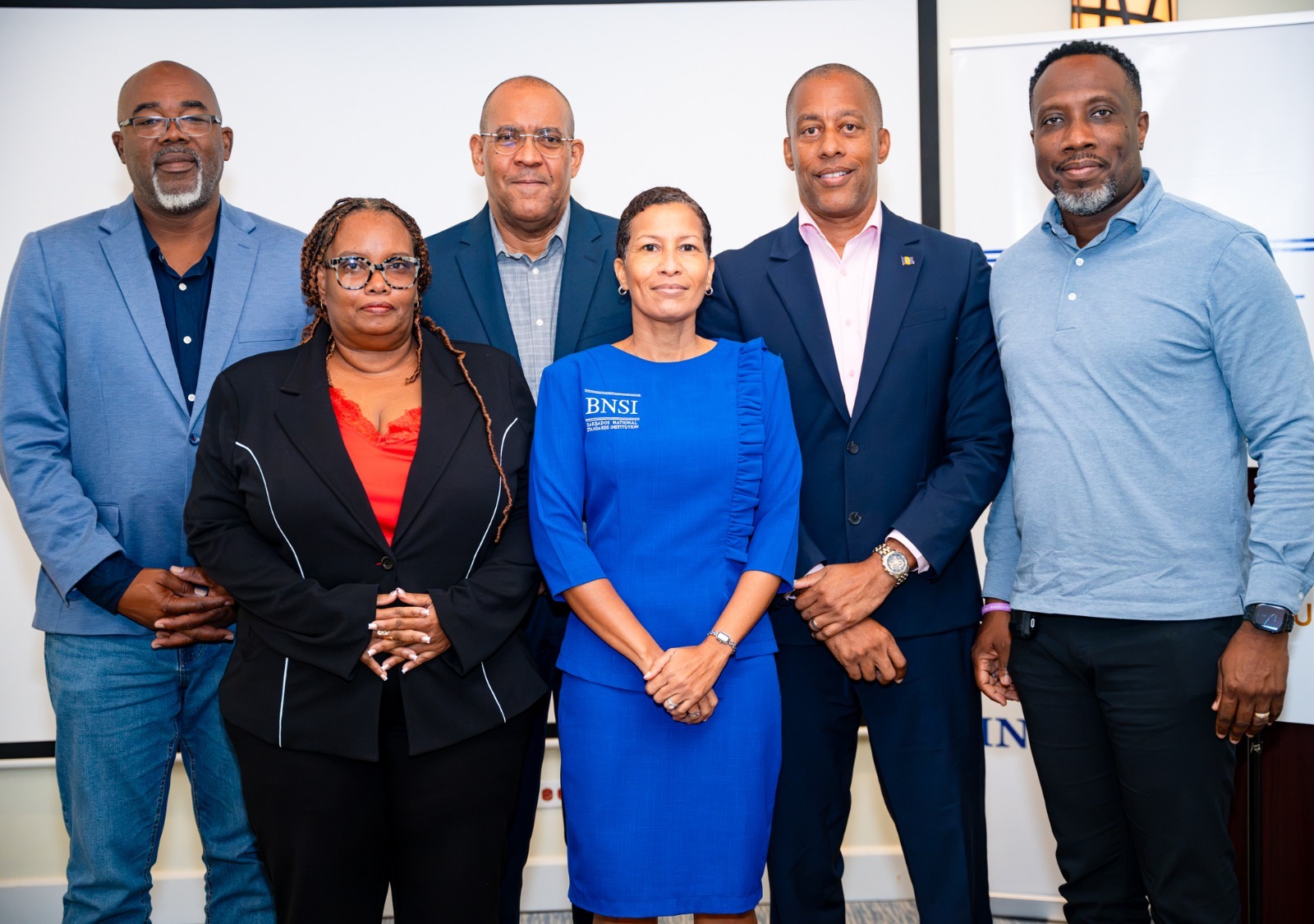
    Barbados’ national standards regulatory body is set to launch a groundbreaking nationwide vehicle inspection program designed to shield used car purchasers from undetectable vehicle damage, tighten oversight of incoming vehicle imports, elevate consumer confidence, and strengthen overall road safety across the island.

    The initiative, officially named the National Vehicle Import Conformity Assessment and Pre-Certification Programme, is being spearheaded by the Barbados National Standards Institution (BNSI) in close collaboration with the country’s Department of Commerce and Consumer Affairs. A formal partnership agreement to launch the scheme is on track to be signed by the end of this year with Japan-based global vehicle inspection leader EAA Company Limited.

    Unlike post-arrival inspection models common in many regions, this new program requires all imported vehicles to undergo independent third-party inspections before they depart their exporting country. This pre-shipment check addresses a longstanding pain point for Barbadian consumers, who often face unforeseen costly repairs after purchasing used imports with hidden flaws.

    Hadyn Rhynd, director of BNSI, emphasized the stakes of vehicle purchases for local households: “For the vast majority of Barbadians, buying a car represents one of the biggest financial commitments they will make in their lifetime. Buyers have every right to be confident that the vehicle they are investing in is safe, fit for the road, and accurately described by sellers.”

    Rhynd noted that common hidden issues – including structural damage from past collisions, water damage from floods, underbody corrosion, odometer rollback fraud, and undiagnosed mechanical failures – are rarely identifiable through online listings or casual pre-purchase viewings. This new program is tailored to deliver robust consumer protection and peace of mind before buyers commit to their large investment.

    Responsible, compliant importers and vehicle distributors will see minimal disruption to their current operations, Rhynd added. Because all inspections are completed prior to shipment, there will be no extra local inspection fees, no additional bureaucratic paperwork, and no unexpected delays once vehicles arrive at Barbados’ ports.

    Along with consumer benefits, the program creates advantages for ethical businesses: greater market transparency, fewer post-sale disputes over vehicle condition, and growing public trust among potential buyers. Beyond direct vehicle safety improvements, the partnership with Japan’s EAA includes extensive technical cooperation, workforce training, and cross-sector knowledge transfer that will strengthen Barbados’ overall national quality infrastructure.

    The program will also introduce cutting-edge digital verification tools, including electronic certification and secure tamper-proof verification technologies, bringing Barbados’ vehicle import regulatory framework fully aligned with current international best practices.

    “For BNSI, as we continue to reposition ourselves as a core partner in Barbados’ national development, this initiative is far more than just a new inspection program,” Rhynd explained. “It is a strategic investment in safer roads, stronger consumer protection, responsible trade practices, and greater public confidence in the goods and services that Barbadians depend on every single day.”

    Technical negotiations with EAA have already advanced significantly, with a BNSI delegation scheduled to travel to Japan in the coming months to complete technical due diligence and finalize all implementation arrangements. To prepare for the program’s rollout, BNSI has already hosted a national stakeholder awareness seminar, bringing together representatives from relevant government agencies, vehicle dealers, import companies, insurance providers, financial institutions, and consumer advocacy groups to review the proposed framework and collect public feedback before launch.

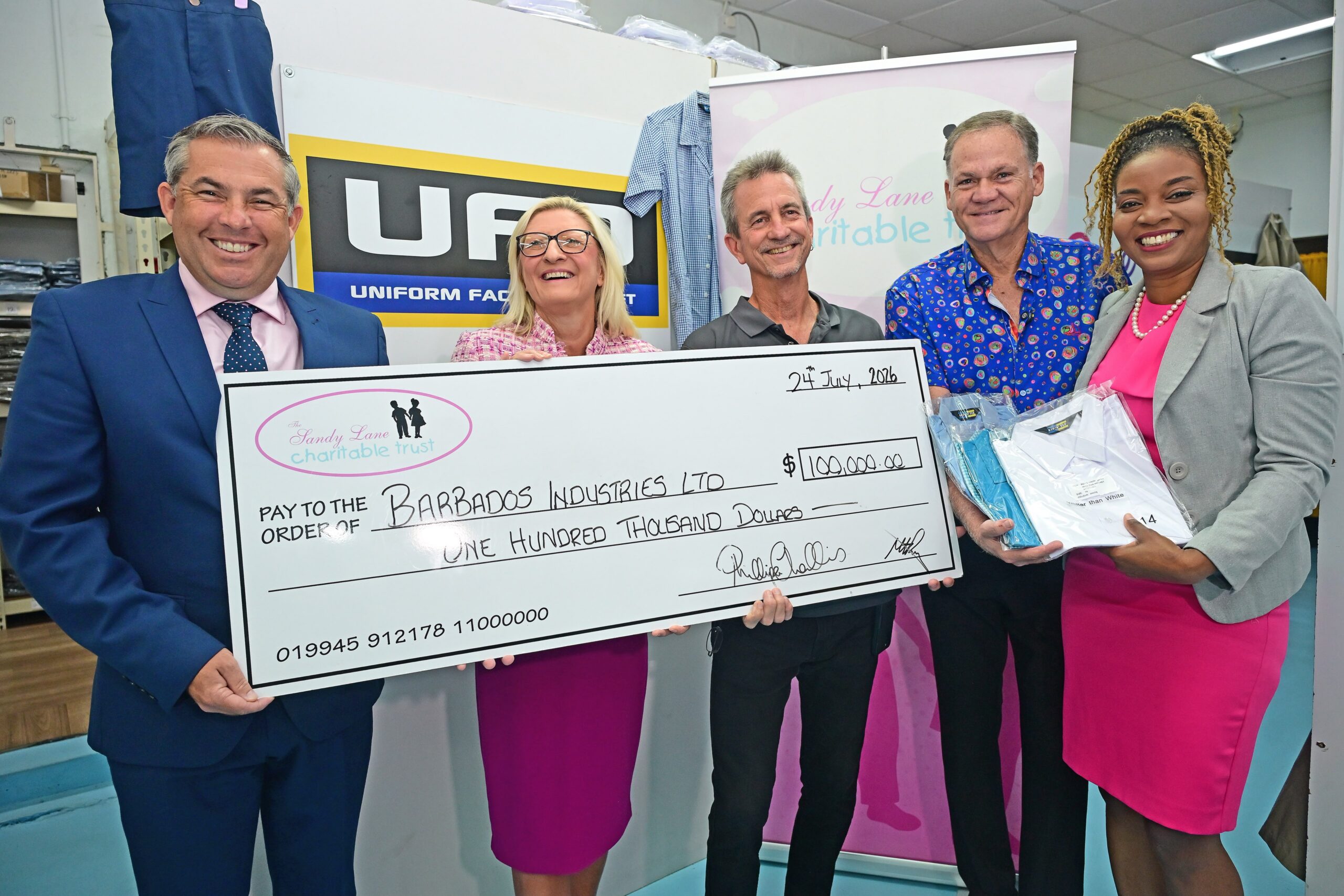
  • Sandy Lane charity, uniform maker partner to put kids in fresh school garb

    Sandy Lane charity, uniform maker partner to put kids in fresh school garb

    Against a backdrop of soaring living costs that have stretched household budgets thin, the Sandy Lane Charitable Trust has rolled out an expanded back-to-school support initiative to help low-income families prepare their children for the upcoming academic term, backed by a $100,000 investment in school uniforms and a brand-new program that will deliver 500 pairs of school shoes to children in need. However, retail partner Uniform Factory Outlet has called on the government to step up and amplify the impact of the donation, urging the finance minister to waive value-added tax (VAT) on the contribution that would free up an extra $15,000 to put toward more school supplies for struggling families.

    Pippa Challis, a trustee for the organization, explained that the trust chose to increase its investment in this year’s program after observing growing financial strain on parents across the country. Many households have been left unable to cover the unexpected, substantial cost of outfitting children for the new school year amid stagnant wage growth and skyrocketing inflation. “This year we have decided to continue the support to those organisations I’ve mentioned previously, but also to add a little bit more into the pot,” Challis said during the donation handover ceremony. “I think that’s because it’s needed, greatly needed. The cost of living has gone up, wages haven’t grown significantly, but I think the reality is, and we have to be honest with ourselves, people live hand to mouth.”

    Challis added that while many families are just barely able to cover core monthly expenses like rent and groceries, sudden costs for school supplies push budgets beyond breaking point. Uniform costs alone can run anywhere from $300 to $500 per child, a sum that is out of reach for many low-income households even when they are managing to meet other basic needs. “The big problem comes these days when all of a sudden you have the uniforms. And that uniform bill comes to $300, $400, $500. Regardless of your number of children, you’ve obviously got to find more money,” she noted.

    Unlike open, unregulated distribution, the assistance will be allocated via a pre-vetted list of eligible families compiled in partnership with local community organizations. Beneficiaries will receive store credit to redeem for uniforms through Uniform Factory Outlet, alongside the new school shoes and other targeted support. “They have a list of families. I’m afraid it’s not a free-for-all. There is a pre-agreed list of families and children’s names and they will be working with us hand in hand with that list and within our parameters,” Challis explained.

    At its core, the program is designed to give children the confidence to start the school year on equal footing with their peers, Challis emphasized. When students have properly fitting, new uniforms and supplies, they do not stand out from their classmates and can focus on learning from day one. “For me, it’s about getting the children off to school with a good start. You walk into school with a good uniform on, you look like everybody else, you feel like everybody else, and you have the confidence to start the new term afresh,” she said.

    Beyond uniforms and shoes, the expanded program includes additional support through partnerships with local retailers, which will help families access discounted or free textbooks, stationery, and other essential back-to-school supplies. The 500 pairs of school shoes included in this year’s initiative were sourced directly from the United Kingdom to expand the scope of assistance beyond the trust’s traditional offerings.

    Dean Straker, director of Uniform Factory Outlet, echoed Challis’s comments on the mission of the program, noting that a proper uniform does far more than meet school dress code requirements – it builds students’ self-esteem from their first day back. He praised the Sandy Lane Charitable Trust for its substantial $100,000 contribution, which represents a major investment in local children’s education, but stressed that a VAT exemption would unlock far more impact. Without the exemption, $15,000 of the donation will go toward paying tax to the government rather than buying more supplies for children in need.

    “One hundred thousand dollars is no little contribution and it’s a great example of what people can do,” Straker said. “What I would like to beg the Minister of Finance for is that he will make that cheque VAT exempt so that we do not pay $15 000 out in VAT to government. I really hope that we will get a break with that so that we can give more uniforms to more children, and that’s what it’s all about.”

    Straker closed by thanking the trust for its partnership, reaffirming the shared goal of helping every child start the school year with confidence and the tools they need to succeed.

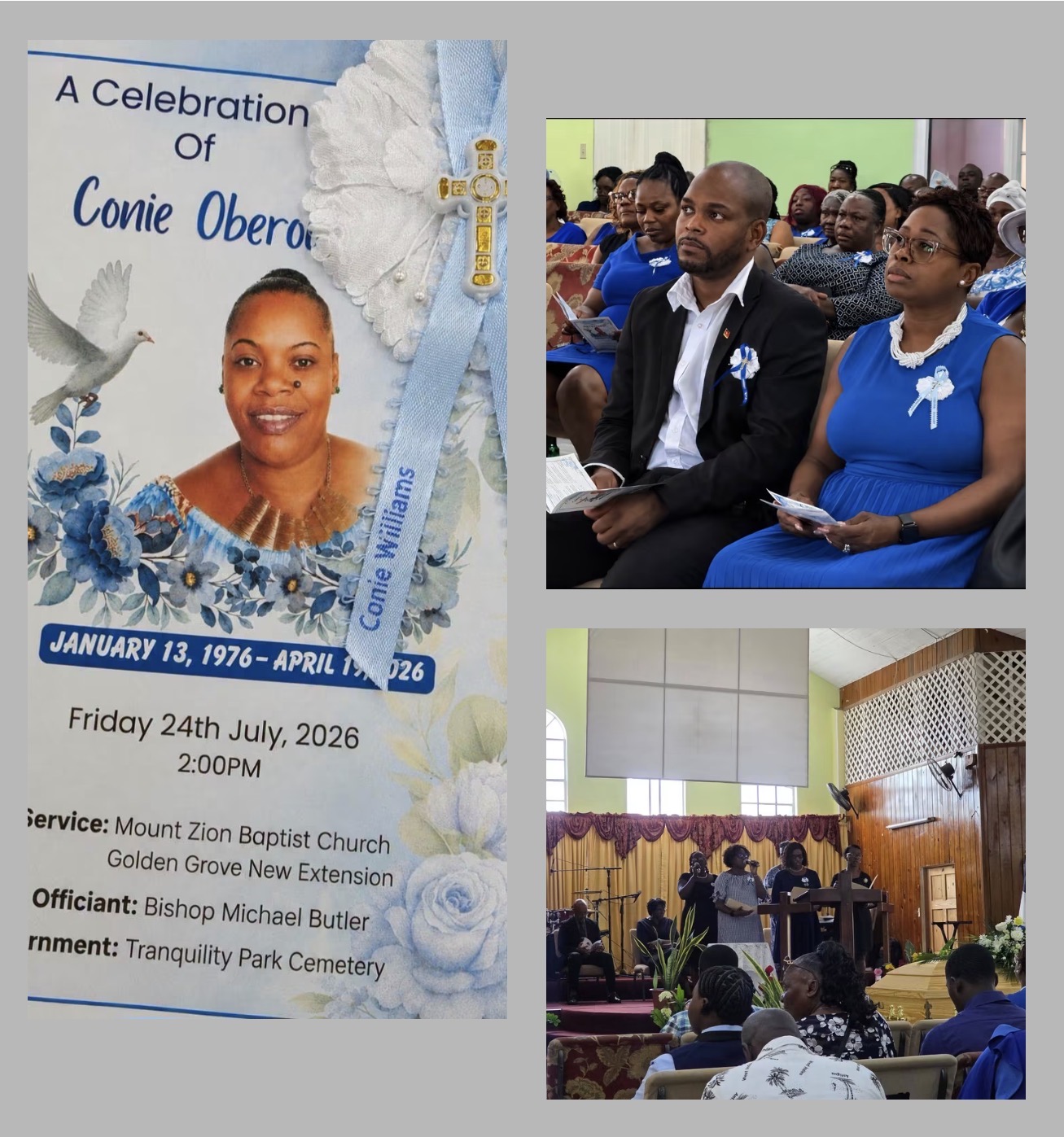
  • Minister of Health and Ministry Staff Pay Final Respects to Former Colleague, Conie Williams

    Minister of Health and Ministry Staff Pay Final Respects to Former Colleague, Conie Williams

    A moving funeral service was held this week to celebrate the life of Conie Williams, a former longtime employee of the Ministry of Health, where top ministry leaders, current staff, family, and friends gathered to pay their final respects.

    Michael Joseph, who holds the combined portfolio of Minister of Health, Wellness, Environment and Civil Service Affairs, alongside Stacey Gregg-Paige, the Permanent Secretary of the ministry, led senior officials in attendance at the service, joining the bereaved family and close friends of Williams to mourn her passing.

    Dozens of current ministry employees turned out for the ceremony to demonstrate collective solidarity with the grieving family, and to reflect on the decades of committed work Williams contributed to the ministry during her tenure. Many attendees shared personal anecdotes of working alongside her, noting the positive, lasting impression she left on every team member who had the opportunity to collaborate with her.

    In a meaningful gesture during the service, the ministry’s staff presented a carefully prepared, heartfelt tribute to honor their former colleague. The tribute highlighted Williams’ professional contributions to the ministry’s work, as well as the warm, memorable moments she shared with coworkers throughout her career, centering the celebration of her life rather than just mourning her loss.

    Following the tribute, Minister Joseph and Permanent Secretary Gregg-Paige offered their personal and official sincere condolences to Williams’ family and all of her loved ones. The pair expressed their hope that the family would find the strength, comfort, and inner peace needed to navigate this period of profound grief.

    Across the ministry, staff members continue to hold Williams’ legacy close, remembering her dedication and warm character. May her soul rest in eternal peace.

  • MV Barima’s confirmed death toll now 73, 30 unaccounted for

    MV Barima’s confirmed death toll now 73, 30 unaccounted for

    GEORGETOWN, Guyana – July 24, 2026 – Guyana’s Prime Minister Mark Phillips has delivered an updated briefing on the ongoing search and recovery operations following the capsizing of the passenger vessel MV Barima off the country’s Essequibo Coast, confirming that 73 bodies have been recovered as of Friday evening.

    Of the 73 recovered remains, 69 have received formal positive identification, Phillips told reporters. Based on the government’s current working count of 179 total passengers and crew on board the vessel at the time of the incident, 30 people remain unaccounted for nearly a week after the disaster.

    To accelerate the search for missing persons, authorities have expanded the operational search area by an additional 32 square miles, stretching from the western town of Waini eastward to Adventure along the Essequibo Coast. Phillips confirmed that multiple response vessels are currently on standby to roll the capsized MV Barima back to an upright position, a step that recovery teams believe will allow them to access more trapped remains inside the ship’s hull.

    “These operations will continue for as long as necessary to ensure that every possible effort is made to account for those affected, with utmost care, dignity, and respect,” Phillips said, emphasizing the government’s commitment to leaving no family without closure.

    As of the latest update, 63 recovered bodies have already been released to next of kin, while an additional six remains have been transferred to their home communities for burial. Twenty-two funerals have already been held for victims of the incident.

    A total of three aircraft and 14 marine vessels are currently deployed to support the large-scale search and recovery mission, according to the Prime Minister. When pressed for clarity on how many recovered victims and survivors match the official published manifest of 116 passengers and 16 crew, Phillips declined to provide an immediate breakdown.

    Questions over passenger overloading have emerged in the wake of the disaster, after initial reports cited a maximum passenger capacity of 150 people. Responding to these claims, Maritime Administration (MARAD) Director-General Stephen Thomas clarified that the MV Barima was officially certified to carry up to 394 passengers and 120 tonnes of cargo.

    Phillips also addressed widespread unconfirmed reports that the vessel’s captain issued an urgent Mayday distress call and instructed passengers to don life jackets before the ship capsized. “We have no such record” of this communication taking place, the Prime Minister stated.

    All details surrounding the cause and sequence of the incident will be investigated by an independent commission of inquiry, Phillips confirmed. A final decision on whether opposition parties will be invited to participate in the inquiry process rests with President Irfaan Ali and the national cabinet.

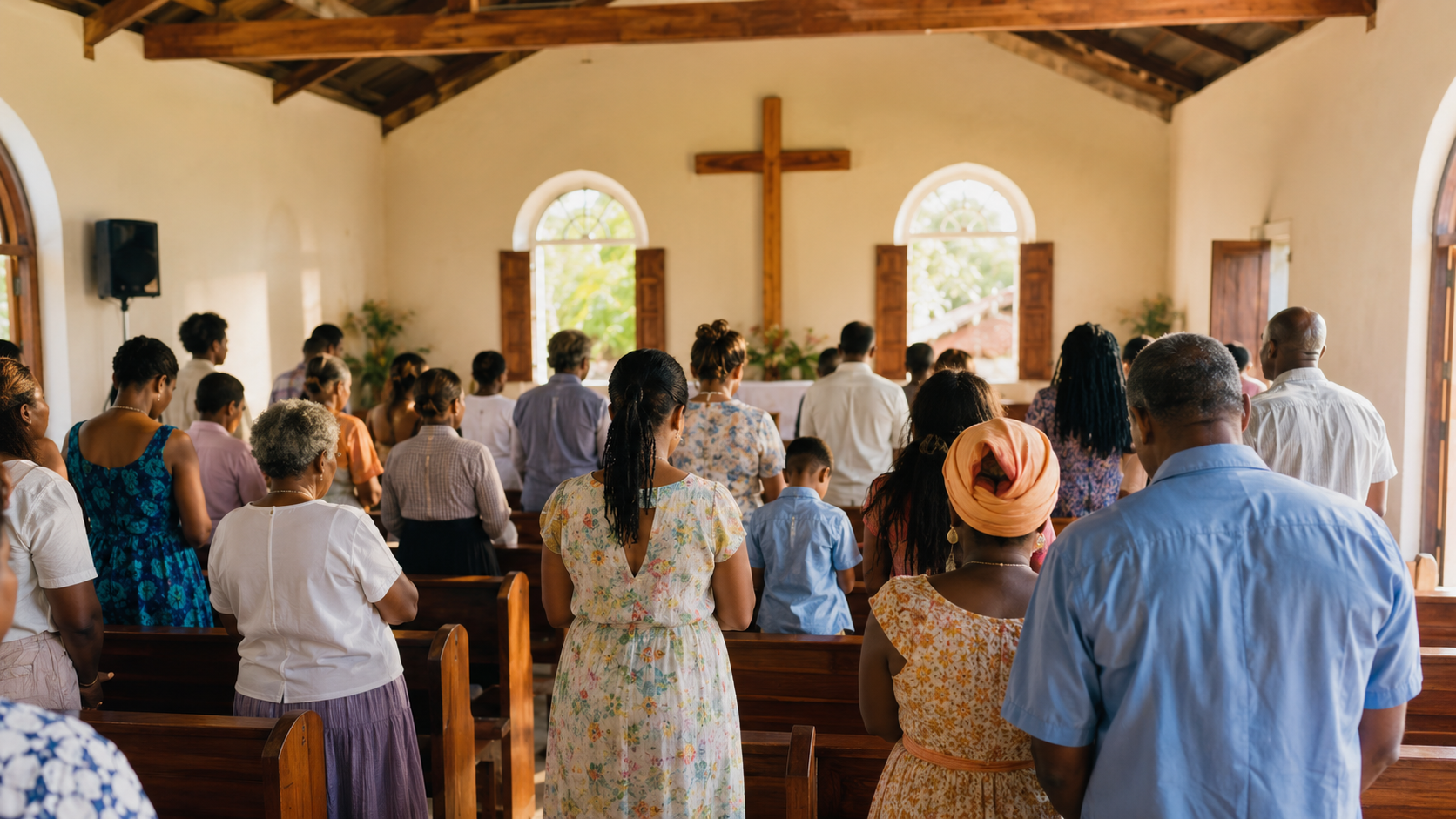
  • Pastor Baltimore Calls for Faith to Remain Central to Antigua and Barbuda

    Pastor Baltimore Calls for Faith to Remain Central to Antigua and Barbuda

    At the opening of a recent Cabinet meeting in Antigua and Barbuda, Pastor Baltimore delivered a reflective address calling for a national return to spiritual and moral foundations to address pressing social ills, most notably the growing crisis of youth violence. In his remarks, the pastor drew a sharp contrast between the small island nation’s modern social landscape and the tight-knit, peaceful communities of decades past. He recalled that earlier generations of Antiguans and Barbudans built their society around core Christian values and a shared reverence for God, a foundation that fostered mutual respect, social cohesion, and widespread public order that lasted for generations. Today, however, Pastor Baltimore argued that a steady departure from these spiritual roots has opened the door to a cascade of social challenges that threaten the nation’s fabric. Beyond the alarming rise in youth violence, he pointed to widespread vandalism of public assets — from regional sporting complexes to neighborhood playgrounds — and a broad erosion of shared moral standards across society.

    Pastor Baltimore acknowledged that Carnival retains its status as a vital cultural touchstone for the nation, bringing communities together and celebrating Antigua and Barbuda’s unique heritage. Even so, he emphasized that cultural celebration must not overshadow the critical work of preserving the nation’s spiritual identity, arguing that faith must remain a central organizing force in national public life. To reverse the current trajectory of social decline, he laid out a clear, collective call to action for national leaders, faith institutions, and ordinary citizens alike. At the institutional level, he urged pastors and church congregations across the country to intensify regular prayer for national stability, moral renewal, and the wellbeing of the nation’s youth. For families, he stressed the non-negotiable need to strengthen intentional parenting practices that center on instilling strong, sound moral values in young people from an early age.

    The pastor further framed acts of vandalism and youth violence not as isolated misbehavior, but as visible symptoms of a deeper, unmet need for national spiritual renewal and more intentional community engagement with young people. He issued a stark warning to gathered leaders: without deliberate investment in the moral and spiritual development of Antigua and Barbuda’s younger generation, countless government social and economic development initiatives will fail to deliver their promised long-term benefits. Even as he raised urgent concerns, Pastor Baltimore offered measured praise for the Antigua and Barbuda government’s ongoing work to improve quality of life for all citizens. He encouraged elected and appointed leaders to maintain their focus on public service, rooted in integrity and genuine compassion for the communities they represent.

    He added that faith leaders, churches, and local community organizers share equal responsibility for national progress, calling for cross-sector partnership to foster a culture of hope, personal discipline, and unified national identity. To close his remarks, Pastor Baltimore led the assembled Cabinet members in a formal prayer, asking for divine blessing to remain over Antigua and Barbuda. His prayer centered on a request for divine wisdom to guide Cabinet members as they craft policy and make decisions that impact all citizens and residents of the nation, and for ongoing divine protection that would bring lasting peace, security, and shared prosperity to the country.