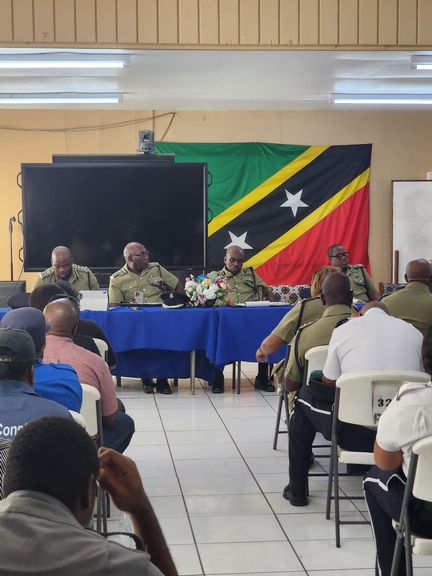
BASSETERRE, St. Kitts — In the wake of a sharp uptick in fatal shooting incidents across the Federation of St. Kitts and Nevis that has left three young men dead in recent weeks, national law enforcement authorities have launched a renewed public outreach campaign, issuing a clear reminder that gang association of any kind constitutes a severe criminal offense under recently updated national legislation.
The string of gang-linked violence has prompted the Royal St. Christopher and Nevis Police Force High Command to ramp up anti-gang enforcement operations and publicly outline the harsh legal consequences tied to gang involvement, leaning on sweeping amendments to the country’s Gang (Prohibition and Prevention) Act that were enacted in 2025. These legislative changes dramatically increased criminal penalties for gang-related activity to curb rising organized crime in the country.
Per the updated legal framework, nearly all forms of gang connection are outlawed: establishing a gang, holding active membership, and even attempting to join a criminal gang are all criminal offenses. The maximum prison sentence for those convicted of basic gang membership reaches 30 years, while gang leaders and individuals who coordinate ongoing gang criminal activity can face up to 40 years of incarceration.
The amended legislation also criminalizes a broad scope of gang-enabling activities that often fly under the public radar. This includes recruiting new members, pressuring or coercing people into joining gangs, and blocking members who wish to leave these organizations. Even indirect assistance to gangs — such as hiding gang members from authorities, supplying illegal firearms, ammunition or other critical resources used for criminal activity — carries lengthy prison sentences for accomplices.
A key new offense added in the 2025 amendments is retaliatory gang violence against people who resist gang recruitment, leave gangs, or cooperate with police investigations. Any acts of violence, intimidation or harassment targeting these individuals carry a maximum penalty of 40 years in prison, matching the strictest penalties for top gang leaders. Additionally, the legislation now punishes impersonating a law enforcement officer to advance gang activity with up to 30 years behind bars.
Beyond lengthy prison terms, the law allows for fines as high as EC$100,000, permits courts to order the seizure and forfeiture of any assets tied to gang-related criminal operations. This specific provision is designed to target and dismantle the financial infrastructure that allows organized criminal gangs to operate and expand in the federation.
In their official public statement, the Royal St. Christopher and Nevis Police Force stressed that all forms of gang association carry severe, life-altering consequences that extend far beyond immediate criminal charges. Authorities are urging all residents to cut off any ties to gangs and avoid any association with these criminal groups. Law enforcement is also calling on community members to step forward to report suspected gang activity, emphasizing that public cooperation is critical to keeping local communities safe and reversing the recent rise in gang violence.