分类: society

  • Government Ramps Up Farm Support With Security, Water and Access Upgrades

    Government Ramps Up Farm Support With Security, Water and Access Upgrades

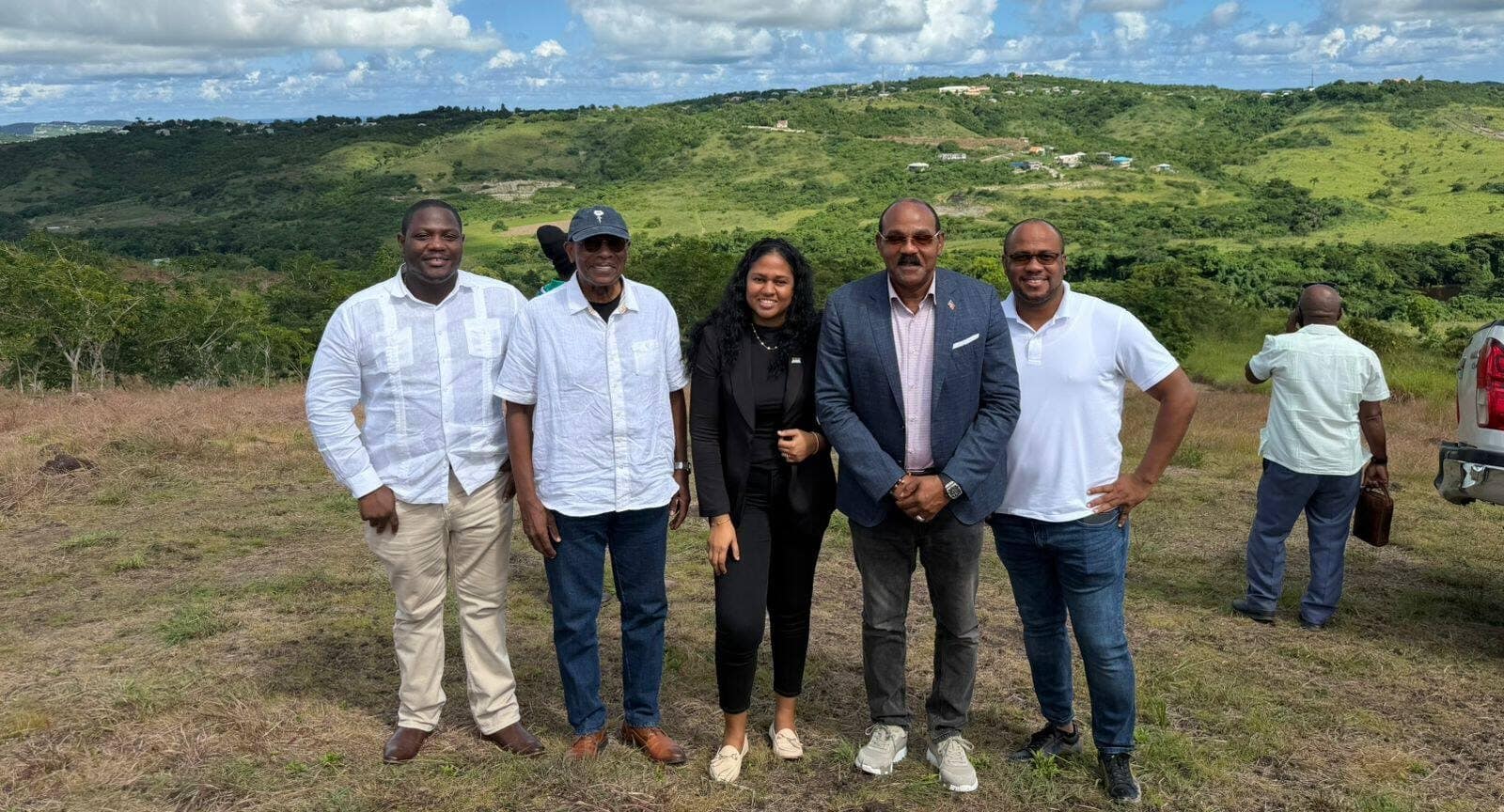
    In response to escalating geopolitical tensions in the Caribbean region, the Cabinet of Antigua and Barbuda has unveiled a comprehensive strategy to enhance national food security. Recognizing the potential risks posed by rising uncertainties, particularly between Venezuela and the United States, the government has prioritized a significant boost in domestic agricultural production. This initiative aims to safeguard the nation’s access to affordable and reliable food supplies, ensuring resilience against potential disruptions in regional supply chains.

    Over the past decade, Antigua and Barbuda has made notable progress in agricultural development, including the expansion of farm infrastructure, construction of dams, implementation of drip-irrigation systems, and provision of incentives for farmers. However, the Cabinet emphasized that current global and regional challenges necessitate a more intensified national effort. As part of this renewed focus, lands leased for farming but left unproductive will be reassigned. Farmers failing to utilize their acreage within 30 days will see their lands reallocated to active farmers and cooperatives ready to cultivate. The Cabinet clarified that this measure is not punitive but essential to maximize the contribution of agricultural assets to food security, employment, and economic sustainability.

    To support this initiative, the Ministry of Agriculture has been directed to accelerate state assistance to the farming community. Immediate actions include fencing farms to prevent theft, expanding nursery production, constructing new wells and dams, lighting farms for enhanced security, and improving farm access roads. Additionally, fishermen will receive fuel subsidies, acknowledging their critical role in the domestic food supply chain.

    The government also announced the establishment of an Agro-Industrial Park at Diamonds and an Eco Park at Christian Valley to modernize large-scale production and support agro-enterprise development. Furthermore, the national reforestation program has been revised, with a new target of planting 300,000 trees annually, deemed both challenging and achievable. This initiative aims to bolster climate resilience, restore watersheds, and enhance biodiversity.

    Over the last decade, Antigua and Barbuda has expanded domestic egg, poultry, and livestock production, implemented duty-free concessions for farm equipment, and invested in drought-resilient technologies. The Cabinet underscored the urgency of transitioning into full “production mode” to reduce dependence on food imports, stating, “Food security is national security.”

    The government reaffirmed its commitment to collaborating with farmers, fishermen, the private sector, and educational institutions to position Antigua and Barbuda as one of the most food-secure small states in the Western Hemisphere.

  • Restoration of Ernesto Guevara Museum Progresses in Cuba

    Restoration of Ernesto Guevara Museum Progresses in Cuba

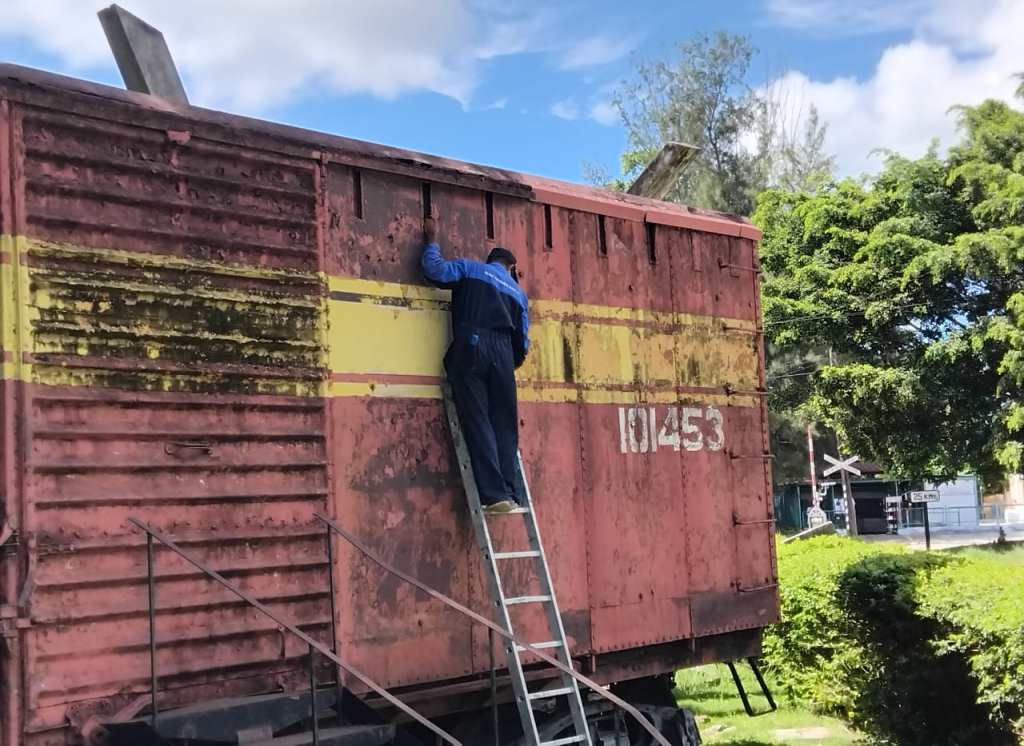
    At a site declared a National Monument in 1990, restoration teams are diligently working across various sections, with primary focus on repairing train cars and constructing a protective wall to mitigate the impact of a nearby river. This unique location, designed by the acclaimed Cuban architect Jose Delarra, commemorates the derailment and capture of an armored train by Che Guevara’s troops in December 1958 during the Battle of Santa Clara—a decisive moment in the Cuban Revolution. The military convoy, laden with soldiers and weapons, was en route to reinforce dictator Batista’s troops in eastern Cuba but was intercepted by Che’s forces, altering the course of history. Lilian Laura Rodriguez, the museum’s director, highlighted the collaborative efforts of local entities, including Cuban Railways, the Institute of Hydraulic Resources, and the Provincial Directorate of Culture, in addressing the site’s primary challenges. The restoration plan aims to complete the first two train cars by December 29, marking the 67th anniversary of the historic event. Despite ongoing restoration work on planters, paving stones, and other sculptural elements like columns and pedestals, the museum remains open to the public, offering a glimpse into Cuba’s revolutionary past.

  • Caribbean legislators in New York rally community for Jamaica relief

    Caribbean legislators in New York rally community for Jamaica relief

    In a remarkable demonstration of solidarity and Caribbean pride, Caribbean legislators in New York have mobilized their community to provide essential relief to Jamaica following the devastation caused by Hurricane Melissa. Spearheading the initiative were Jaime Williams, Chairwoman of New York State’s emergency response and disaster preparedness, and Monique Chandler-Waterman, Co-Chair of the Caribbean American Delegation. Both assembly members organized an “urgent packing day” at TriniJam BK, a Caribbean restaurant in Brooklyn, to gather supplies for Jamaica’s recovery efforts. Calvin Sennon, co-owner of TriniJam BK, described the scene as volunteers transformed the restaurant into a hub of compassion, with tables overflowing with essential items such as hygiene kits, canned goods, and flashlights. Families, students, and local organizations worked tirelessly, assembling critical supplies destined for Jamaican relief centers. Williams, a seasoned leader in disaster recovery, emphasized the urgency of the situation, praising the Caribbean Diaspora and Brooklyn community for their swift response. Chandler-Waterman echoed this sentiment, highlighting the resilience and solidarity of the Caribbean community. The initiative also saw participation from local officials, non-profits, and faith leaders, reflecting the deep cultural and familial ties that unite New York’s Caribbean population. As shipments began their journey to Jamaica, Williams and Chandler-Waterman pledged continued support in the weeks ahead, while also acknowledging the ongoing recovery needs of other Caribbean islands affected by previous hurricanes.

  • Culture Minister: Carnival venues  at Queen’s Park Savannah, Chaguaramas

    Culture Minister: Carnival venues at Queen’s Park Savannah, Chaguaramas

    The Trinidad and Tobago government has announced alternative venues for Carnival 2026 events following a sweeping ban on fetes at major public sporting facilities. Minister of Culture and Community Development Michelle Benjamin revealed during a House of Representatives session on November 21 that the Queen’s Park Savannah (QPS) and facilities in Chaguaramas have been designated as primary alternatives. This decision comes after Prime Minister Kamla Persad-Bissessar extended a ban on Carnival-related events at key venues, including the Hasely Crawford Stadium and the Jean Pierre Complex, sparking concerns from industry stakeholders. The ban, initially imposed on the Brian Lara Cricket Academy, has been criticized by promoters who warn it could devastate the multi-billion-dollar Carnival and entertainment industry, a critical driver of tourism and foreign exchange. Benjamin assured that her ministry, in collaboration with the National Carnival Commission (NCC), is committed to supporting stakeholders and ensuring a successful Carnival. However, tensions flared during the parliamentary session as Diego Martin West MP Hans Des Vignes pressed for clarity on stakeholder consultations, only to be cut off by Speaker Jagdeo Singh for violating procedural rules. Laventille West MP Kareem Marcelle also questioned the minister on additional venues, to which Benjamin reiterated the QPS and Chaguaramas as key locations. The TT Promoters Association (TTPA) has urged the government to reconsider the ban, warning it could deliver a ‘death knell’ to the already vulnerable sector. Despite a scheduled meeting between the TTPA and Benjamin on November 21, no confirmation of its occurrence was provided, leaving industry concerns unresolved.

  • Cops move to crush illegal quarries

    Cops move to crush illegal quarries

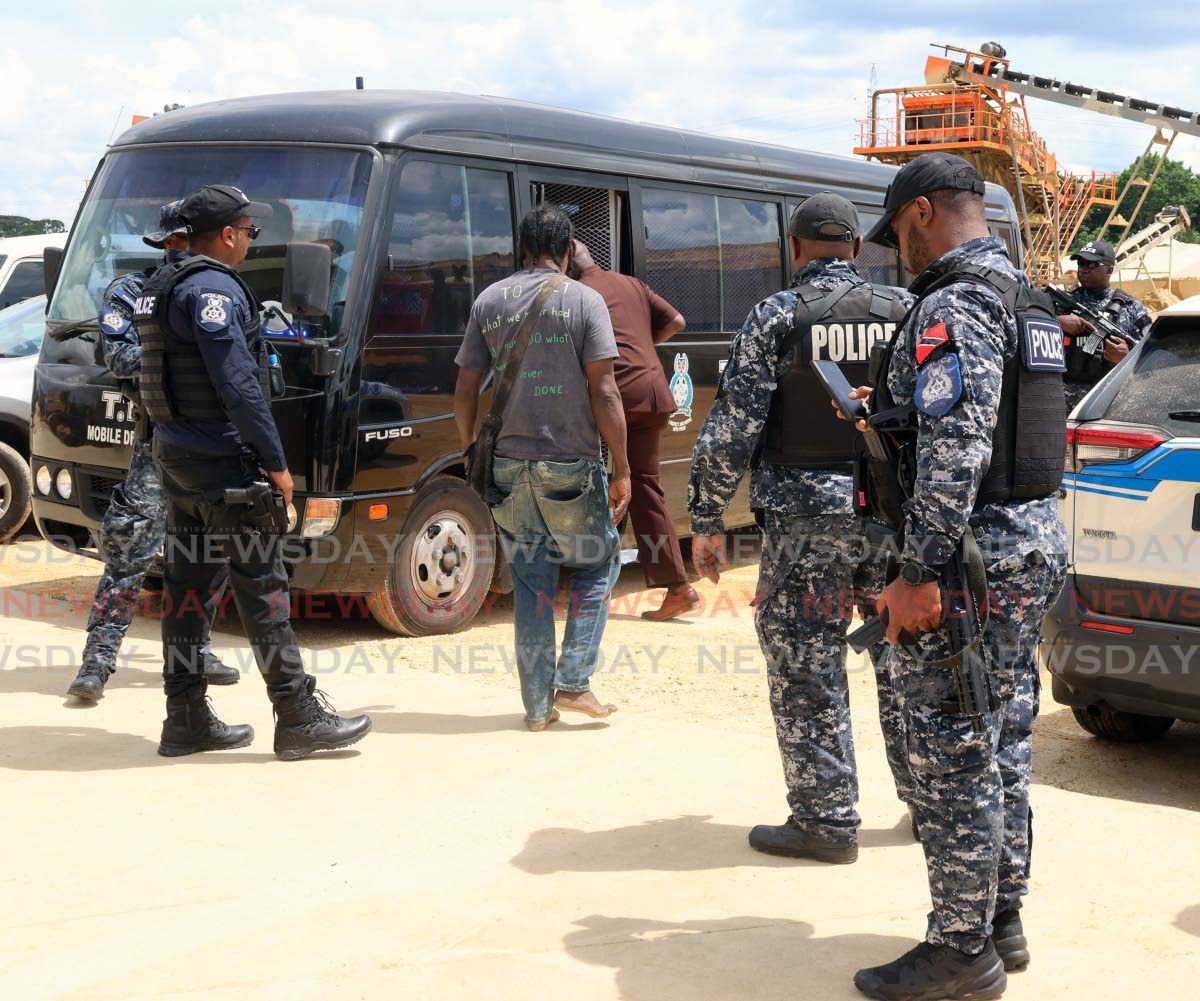
    The Multi-Agency Task Force (MATF) in Trinidad and Tobago is ramping up efforts to dismantle illegal quarry operations, targeting unlicensed operators who exploit the nation’s resources. Superintendent Leon Haynes, head of the MATF, revealed in a recent interview that only nine companies currently hold full mining or aggregate processing licenses, while 13 others operate under temporary “holdover” permits issued by the energy minister. Despite these regulations, numerous unlicensed operators continue to extract materials, often in remote areas, evading detection. Haynes emphasized that illegal quarrying is a top priority for the MATF, with enforcement actions including arrests, fines, and imprisonment. The issue gained national attention earlier this month when the Trinidad and Tobago Aggregate Producers Association (TTAPA) protested outside National Quarries Ltd (NQL), accusing the state-owned company of operating without a valid license. TTAPA President Nigel Tenia claimed that none of the association’s 24 members has ever received a processing license for sand and gravel, alleging a systemic failure in the licensing process. Energy Minister Dr. Roodal Moonilal countered these claims, stating that numerous processing licenses have been issued in recent years. However, Haynes expressed skepticism, noting that many applicants fail to meet regulatory requirements within the stipulated three-month period. The MATF’s crackdown has already resulted in 47 arrests between 2020 and 2025, with offenders charged for illegal mining and processing activities. Police Commissioner Allister Guevarro warned that illegal quarrying fuels organized crime and undermines national security. Transparency gaps in the Ministry of Energy’s oversight have further complicated the issue, with outdated public records and a lack of clarity on legally compliant operators. The TT Extractive Industries Transparency Initiative’s 2024 report highlighted significant unpaid royalties and environmental damage caused by illegal quarrying, underscoring the urgent need for improved monitoring and enforcement.

  • Venezuelans held in Erin with 112 bottles of alcohol

    Venezuelans held in Erin with 112 bottles of alcohol

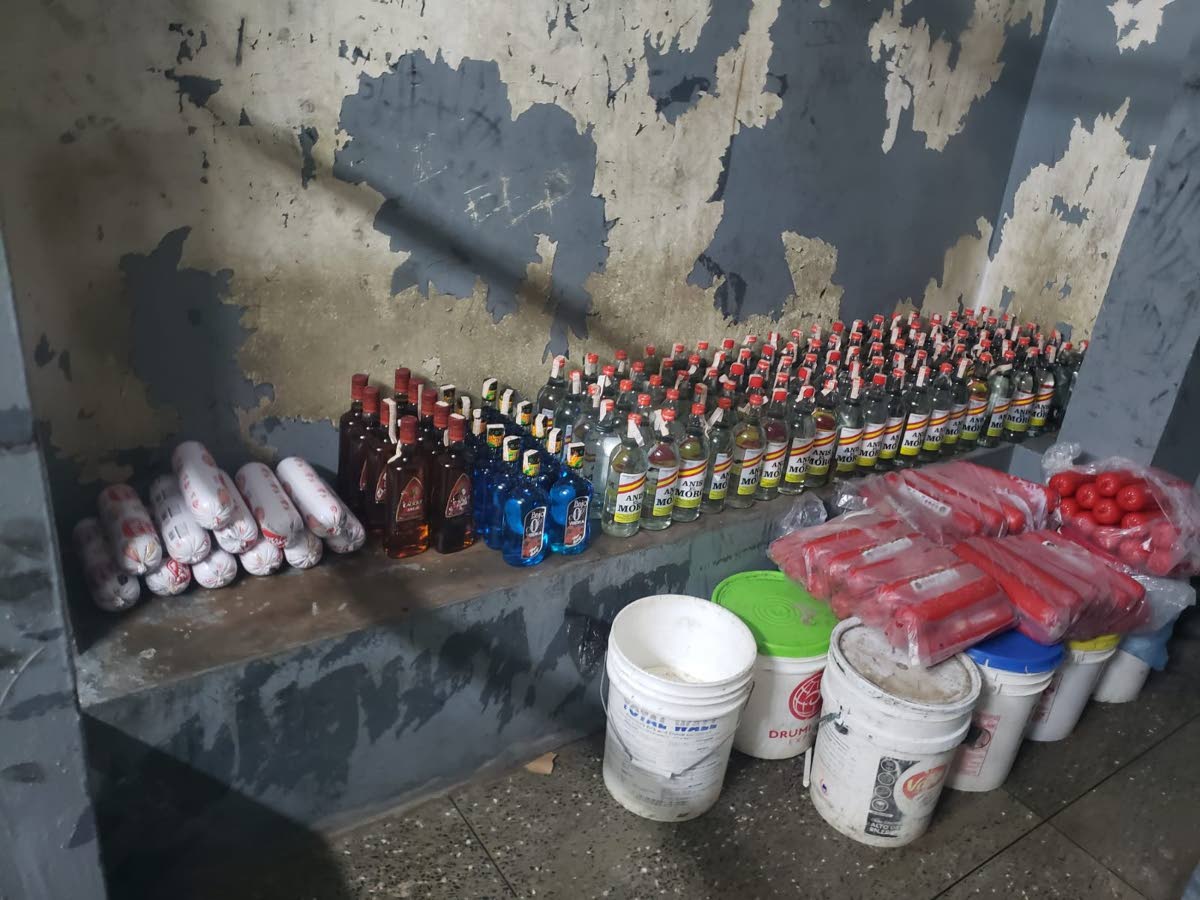
    In a significant crackdown on illegal activities, the South Western Division of the Trinidad and Tobago Police Service (TTPS) conducted a successful Operation HELIOS over the weekend. The operation, which took place in the Erin district, led to the detention of eleven suspected Venezuelans, including one minor, and the seizure of substantial quantities of contraband. The exercise, carried out between 8 am on November 22 and 8 am the following day, involved collaboration between Task Force officers, the Erin police, the Canine Unit, and the Defence Force. Acting on intelligence, the officers targeted the Erin Beach Facility, where they discovered the group hiding in a bushy area. Subsequent searches along the shoreline uncovered 112 bottles of alcohol and various amounts of sausage and cheese. The Immigration Division has been notified, and investigations are currently underway. The operation was authorized by Deputy Commissioner of Police (DCP) Operations Suzette Martin, led by Senior Superintendent Thompson, and coordinated by Assistant Superintendents Corrie and Forbes.

  • Asafa Powell spends his birthday delivering homes to hurricane victims

    Asafa Powell spends his birthday delivering homes to hurricane victims

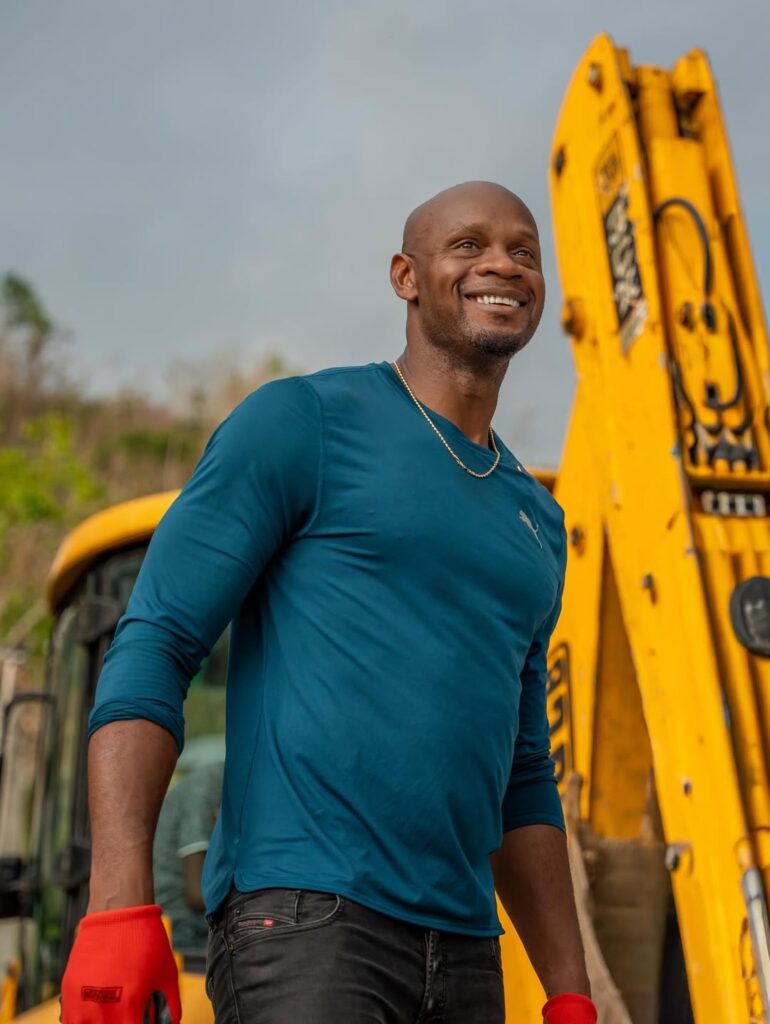
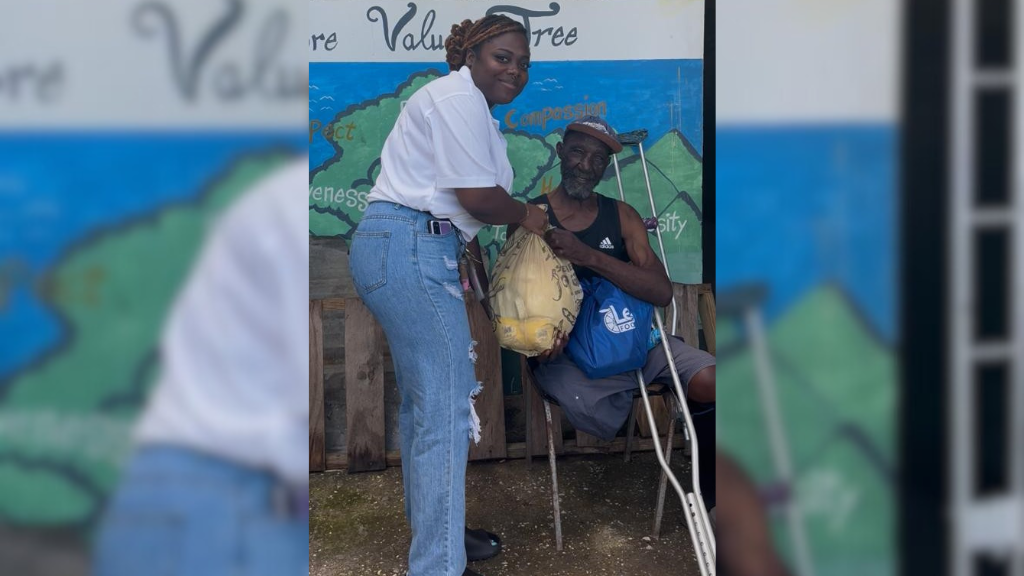
    KINGSTON, Jamaica — On Sunday, November 23, retired sprint legend Asafa Powell transformed his birthday into a humanitarian effort, delivering homes to families devastated by Hurricane Melissa last month. Powell shared his experience on Instagram, stating, ‘Amazing way to spend my birthday! Delivering homes to families affected by the hurricane, who might not get to celebrate holidays like this. It was truly special seeing their smiles and tears of joy.’ He also expressed gratitude to donors who contributed through a GoFundMe campaign. Earlier this month, Powell and his wife, Alyshia, distributed groceries and toiletries to hurricane victims in Georges Valley, St Elizabeth, with support from U.S. Olympian Noah Lyles and his Lyles Brothers Sports Foundation, along with his fiancée, track athlete Junelle Bromfield. Powell’s efforts highlight his commitment to giving back to communities in need.

  • Classique Group pledges $20 million in Hurricane Melissa relief

    Classique Group pledges $20 million in Hurricane Melissa relief

    KINGSTON, Jamaica — In a significant humanitarian gesture, the Classique Group, along with its subsidiaries SBR Weekend, Classique Auto Sales/Rentals, and Ecosense Project Management, has pledged $20 million to aid rural Jamaica in the aftermath of Hurricane Melissa. The devastating storm left communities submerged, families displaced, and infrastructure in ruins, prompting immediate action from the conglomerate.

  • The dogs of Charlotteville

    The dogs of Charlotteville

    For over three decades, Charlotteville has been a haven for stray dogs, affectionately referred to as ‘pothongs’ or ‘shithongs.’ These dogs, though often collarless, are remarkably gentle and coexist peacefully with villagers and visitors alike. They are fed scraps and bones by locals and tourists, forming temporary bonds during vacations. However, behind this idyllic scene lies a harsher reality, vividly depicted in Elspeth Duncan’s short film, *Charlotteville Tails*. The film, born from a career fair where Duncan discussed the power of filmmaking, was shaped by local children and highlights the struggles of starving, injured, and neglected dogs. It also showcases the community’s efforts to care for these animals, including fundraising and medical treatment. Duncan, inspired by her adopted dog Venus, advocates for kindness to all creatures through her NGO, Venus Doggess of Love. She calls for a veterinary clinic in Charlotteville to address the challenges faced by both dogs and humans. The film, alongside *Venus and Magnet*, a poetic tribute to her dog’s friendship with a chick, has garnered awards and serves as a powerful educational tool, urging viewers to embrace compassion for animals. Both films are a testament to the resilience and adaptability of Charlotteville’s dogs, whose diverse breeds reflect Trinidad and Tobago’s multicultural heritage. Duncan’s work aims to foster awareness and empathy, encouraging communities to see dogs not as utilities but as kin deserving of care and respect.

  • US military tension keep Toco fisherfolk at bay

    US military tension keep Toco fisherfolk at bay

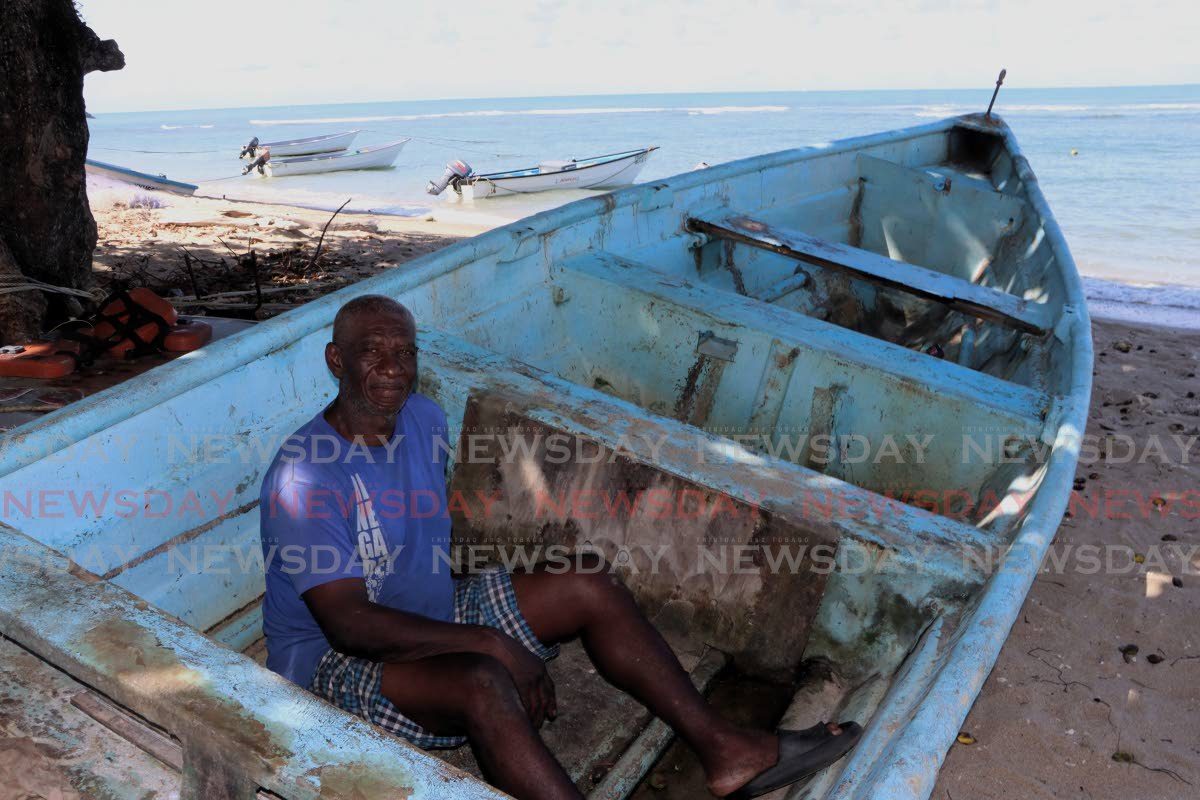
    The tranquil fishing villages along Trinidad’s northeastern coast, from Salybia to Matelot, are facing unprecedented challenges as US military strikes against narco-traffickers have severely disrupted the local fishing industry. Fisherfolk, already grappling with fear and uncertainty, are hesitant to venture far from shore, leaving once-bustling fishing hubs like Toco and Saline Bay eerily quiet. The US has conducted 21 missile strikes since September 2, killing 83 individuals suspected of drug trafficking in the Caribbean Sea and eastern Pacific Ocean. This military escalation, coupled with thousands of marines and naval vessels stationed in the region, has created a tense atmosphere for coastal communities. At the Toco Fishing Centre, a key hub for fresh fish, stalls remain empty, and the compound is deserted, a stark contrast to its former vibrancy. Nearby, fish vendor Nixon Kissoon, 53, and his nephew Andrew struggle to adapt to the new reality. Nixon highlights the Coast Guard’s restrictions, which limit fishing to within two miles of the shore, making it nearly impossible to catch deep-water species like carite and kingfish. Fishermen on the west and south coasts face similar constraints. Nixon, a veteran of the industry, has pivoted to transporting fish from Orange Valley to Manzanilla and Toco, but the rising costs of fuel and wholesale fish have placed immense financial strain on families. Veteran fisherman Winston Miller, 63, echoes these concerns, describing the situation as a “high-risk gamble.” The economic fallout extends beyond fishing, with local businesses like clothing shops and food outlets closing early. Former MP Roger Munroe notes that the Toco lighthouse, a potential tourist attraction, remains closed. Calls for government intervention, such as subsidies, have grown louder, but local officials remain unresponsive. As the crisis deepens, the once-thriving coastal communities face an uncertain future.