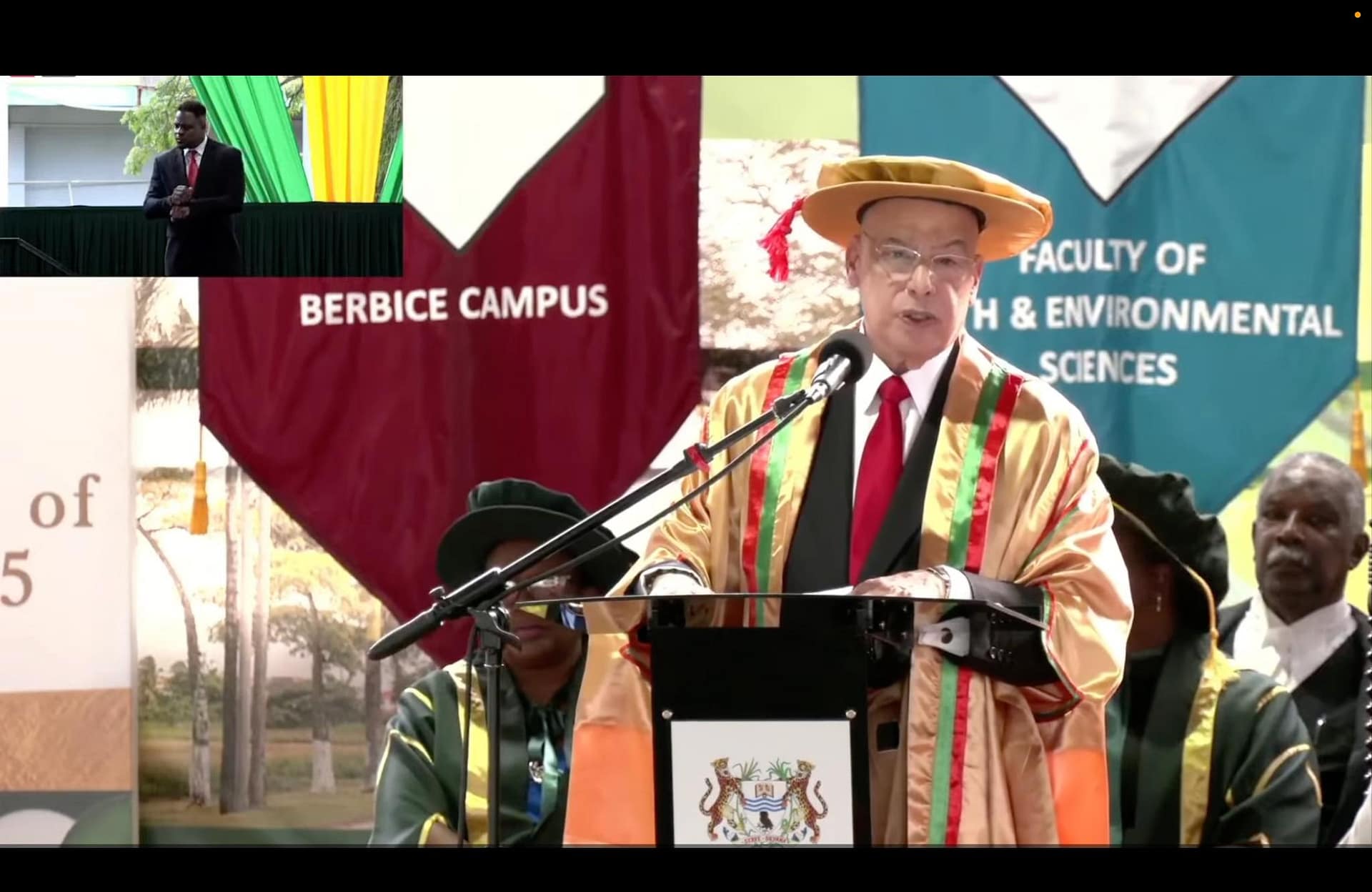
In a momentous ceremony on November 22, 2025, the University of Guyana bestowed the Honorary Doctor of Laws (LLD) upon Sir Ronald Michael Sanders, Antigua and Barbuda’s Ambassador to the United States and the Organization of American States (OAS). The prestigious accolade was presented during the university’s 59th Convocation Ceremony by Vice-Chancellor Professor Paloma Mohamed-Martin. The honor recognized Sir Ronald’s exceptional contributions to diplomacy, journalism, and international cooperation, cementing his legacy as one of the Caribbean’s most distinguished figures. The citation, delivered by senior lecturer Mr. R. Creighton (Mr. Arkwrighton), lauded Sanders’ decades-long career, emphasizing his “principled advocacy, intellectual rigor, and steadfast belief in the power of international collaboration.” The university highlighted his groundbreaking achievements, including his rise to General Manager of the Guyana Broadcasting Service at just 25 years old and his influential syndicated commentaries on justice, governance, and small-state diplomacy. His diplomatic milestones, such as chairing the OAS Permanent Council for three terms and leading the 2016 Good Offices Mission to Haiti, were also celebrated. The citation further underscored his unwavering commitment to Guyana’s constitutional order, electoral integrity, and territorial sovereignty, particularly in the context of the Guyana–Venezuela border dispute. Sanders’ global impact has earned him numerous accolades, including the Order of Merit of Ukraine in 2025. In his address, Sir Ronald reflected on Guyana’s transformative potential, urging the graduating class to shape a future defined by character, courage, and national purpose. The ceremony concluded with warm applause as Sir Ronald departed, with the university acknowledging the privilege of hosting such an accomplished diplomat amidst his demanding international commitments.
分类: society
-

A product of the Education Revolution — and the lessons it taught me
As a beneficiary of what is often celebrated as the ‘educational revolution,’ I find myself reflecting on my journey with a mix of gratitude and realism. My opportunity came through a government-backed loan, but it was my father who shouldered the interest payments while I pursued my degree. For that, I am deeply thankful—both to the government and to my dad. Upon returning home, I was committed to contributing to my country’s human resource pool. I applied repeatedly for teaching positions in the public sector, but no doors opened. Undeterred, I pressed on. I found work in the private sector, worked diligently, and remained ambitious, even as I continued to pay off my student loan. When I became pregnant, my employer saw it as a burden rather than a natural part of life. I was eventually made redundant, left jobless with a baby in my arms and a loan still due every month. Yet, I continued paying, using the redundancy payout. Accountability mattered to me. At my second job, I again applied to teach—still no response. I sought stability, wanting to provide for my son. Eventually, I found myself working within a statutory body, where I witnessed inefficiencies and leadership driven by fear rather than inspiration. Skills were misaligned with roles, and decisions were made based on approval, appearance, and proximity to power rather than merit. Despite financial struggles, I kept paying my loan, even consolidating it into my mortgage to build a home for my child. Ambition drove me forward. I noticed a stark contrast: while some of us paid faithfully, others who benefited from the same educational opportunities did not. They lived freely, while those of us taking responsibility were weighed down by the system. I began to question whether I should have borrowed more—enough for school and a home—because life seemed designed to keep us repaying institutions until retirement. The turning point came when I realized I was no longer growing—emotionally, professionally, or financially—in my environment. I refused to beg politicians for favors, compromise my integrity, or believe that advancement should come through connections rather than qualifications. So, I made the hardest decision of my life: I left my country, SVG, the workforce I once hoped to strengthen, and the opportunities I never received. I left a system whose direction no longer aligned with my ideals. Ironically, I now teach in another nation’s classroom, shaping another nation’s children, while the classrooms of my birth country remain untouched by my hands. This is not a call to rebellion but a reminder that loyalty does not mean silence, and gratitude does not mean blindness. We have the right to question, grow, and choose. As Thomas Jefferson said, ‘When the people fear the government, there is tyranny; when the government fears the people, there is liberty.’ I once feared speaking out because of my job, but I no longer live with that fear. Today, I write to encourage reflection—not rebellion; awareness—not allegiance. Your vote is your power. Use it.
-

Driver Hospitalized After Pickup Overturns on Pares Main Road
A serious traffic incident unfolded on Sunday afternoon along the Pares Main Road, leaving a man hospitalized after his pickup truck overturned. According to police reports, the driver, who was the sole occupant of a Mazda pickup, was traveling eastbound when he reportedly lost control of the vehicle. The truck subsequently struck a culvert and flipped onto its roof. Emergency personnel from the Parham Police Station and Emergency Medical Services swiftly arrived at the scene. They provided immediate medical attention to stabilize the injured driver before transporting him to a nearby hospital. As of now, the driver’s condition remains undisclosed. The accident occurred shortly after 1 p.m., and authorities have launched an ongoing investigation to determine the exact cause of the crash.
-
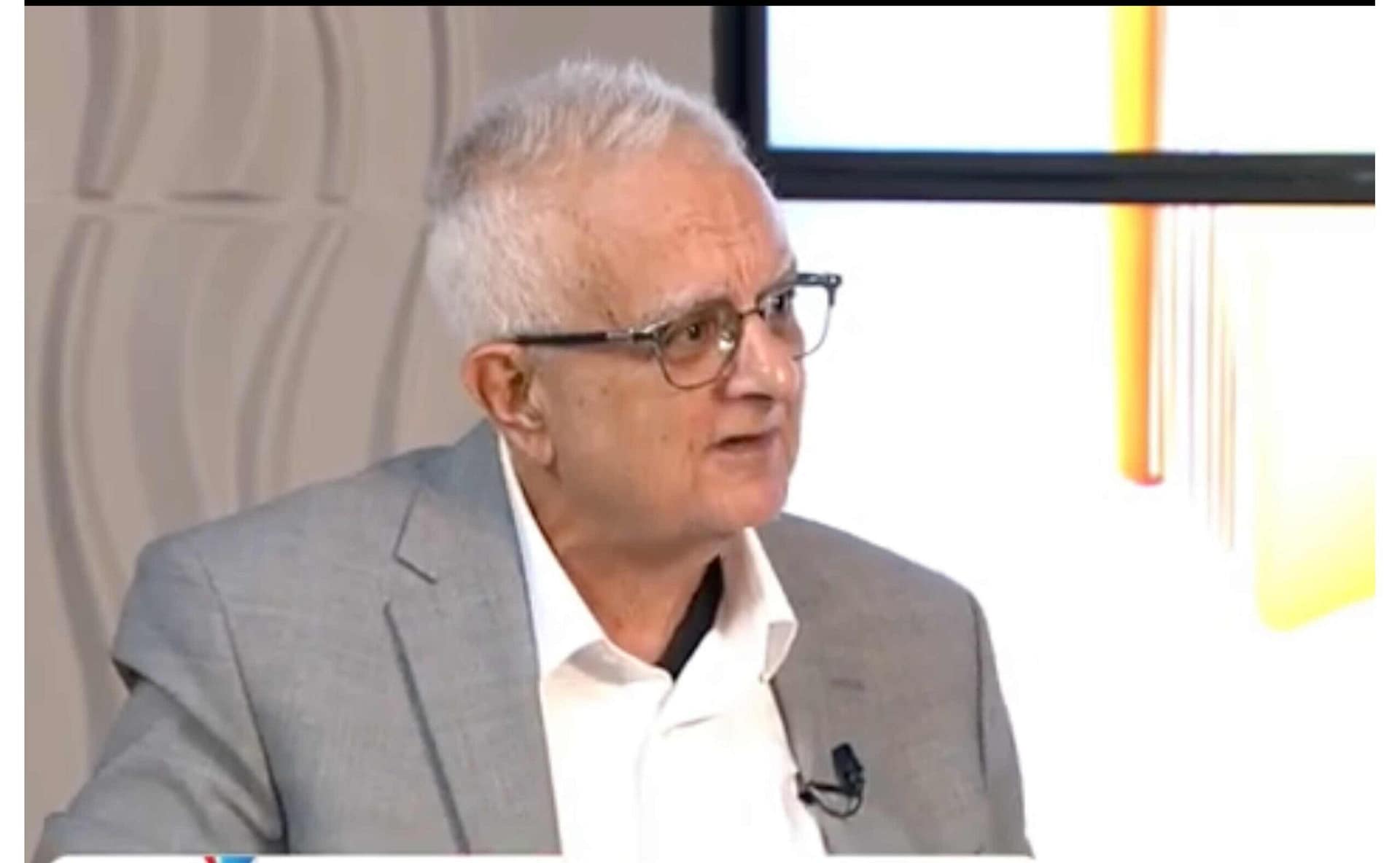
St. Lucia House Speaker Claudius J. Francis Hails Senior Counsel Anthony Astaphan’s Distinguished Legal Legacy
Anthony Astaphan SC has established himself as one of the Caribbean’s most formidable legal minds, renowned for his fearless advocacy, profound understanding of constitutional law, and steadfast dedication to democratic governance. Admitted to the Bar in 1983 and appointed Senior Counsel in 1999 by the Eastern Caribbean Supreme Court, Astaphan has become a pivotal figure in the region’s legal landscape. His practice spans Dominica, St. Vincent & the Grenadines, Antigua and Barbuda, and Saint Lucia, with a focus on constitutional law, public law, and defamation. He is frequently sought after to represent governments and political leaders in high-profile cases.
Astaphan’s legal prowess is matched by his strategic insight into political and constitutional dynamics. He has played a crucial role in safeguarding the legitimacy of elected governments, particularly in Dominica, where he has led landmark cases on electoral reform, judicial independence, and the separation of powers. His courtroom demeanor—bold, unyielding, and meticulously analytical—has earned him both acclaim and criticism, solidifying his reputation as a legal force in the Caribbean.
Among his most significant achievements are cases that have reshaped the constitutional framework of the Organization of Eastern Caribbean States (OECS). Astaphan has successfully argued before the Caribbean Court of Justice and the Privy Council, defending the rule of law and the authority of elected officials. His work has clarified critical legal principles, including the limits of judicial review, the scope of parliamentary privilege, and the boundaries of executive discretion.
Beyond his litigation success, Astaphan is a prolific commentator and public intellectual. His writings and media engagements reflect a deep commitment to democratic integrity and legal accountability. He has also served as President of the Bar Association of Dominica, where he advocated for legal education and professional standards.
Anthony Astaphan SC’s career is more than a series of legal victories; it is a testament to the transformative power of principled advocacy. His enduring influence continues to shape Caribbean constitutional law, inspiring a new generation of lawyers to view the law not merely as a profession but as a vocation. His courtroom contributions, often cited as masterpieces, stand as a testament to his unparalleled impact on the legal profession.
-

St. Peter MP Visits Gunthropes Residents Amid Ongoing Road, Drainage Concerns
Rawdon Turner, Member of Parliament for St. Peter, conducted a comprehensive tour of the Gunthropes community on Thursday, engaging directly with residents amidst ongoing infrastructure issues that have severely impacted daily life. Turner emphasized the importance of transparent and candid dialogue with affected individuals, acknowledging that while some progress has been made with concrete paving, significant upgrades remain essential. Residents voiced their concerns, highlighting areas still in dire need of repair. Accompanied by Public Works officials, including the minister and director, Turner reaffirmed the government’s dedication to completing the project. Officials outlined a phased approach to repairs, prioritizing the most severely damaged sections. Turner stressed that his hands-on, accessible approach allows him to better grasp the community’s challenges. “Meeting residents directly on the damaged roads is crucial to understanding their realities,” he stated. “While there is much work ahead, we are committed to moving forward with integrity, service, and resolve.” Turner plans to extend his outreach to other St. Peter communities in the coming weeks to address similar issues. Gunthropes residents expressed appreciation for the engagement and expressed hope that the renewed focus would result in sustainable improvements.
-

China-expo trekt volle zalen: Surinamers maken kennis met technologie, cultuur en innovatie
The Touch China Event, a vibrant exhibition blending Chinese culture, technology, and business, captivated Surinamese audiences with its diverse offerings. Held for the fourth time, the event featured interactive experiences such as playing with a robotic dog, navigating virtual reality, and challenging a robot to a game of chess. Attendees also explored heavy machinery, communication services, and global shipping solutions, while enjoying photo opportunities with popular cultural figures like Labubu. Traditional Chinese calligraphy and authentic tea tastings added a cultural touch to the event. Organized by the Confucius Institute and the Chinese Embassy, the event drew significant attention, with Surinamese President Jennifer Simons and Ambassador Lin Ji highlighting the strong bilateral ties between the two nations. The exhibition also spotlighted China’s advancements in aerospace, green energy, and electric transportation, with President Simons expressing Suriname’s interest in collaborating with China on green innovation. The Confucius Institute, a key player in promoting Chinese language and culture, reported robust enrollment in Mandarin courses, with over 150 students participating in annual exams and some pursuing exchange programs or studies in China. Co-director Shelley Soetosenojo emphasized the accessibility of Mandarin learning, with courses costing SRD 600 and spanning 16 weeks.
-
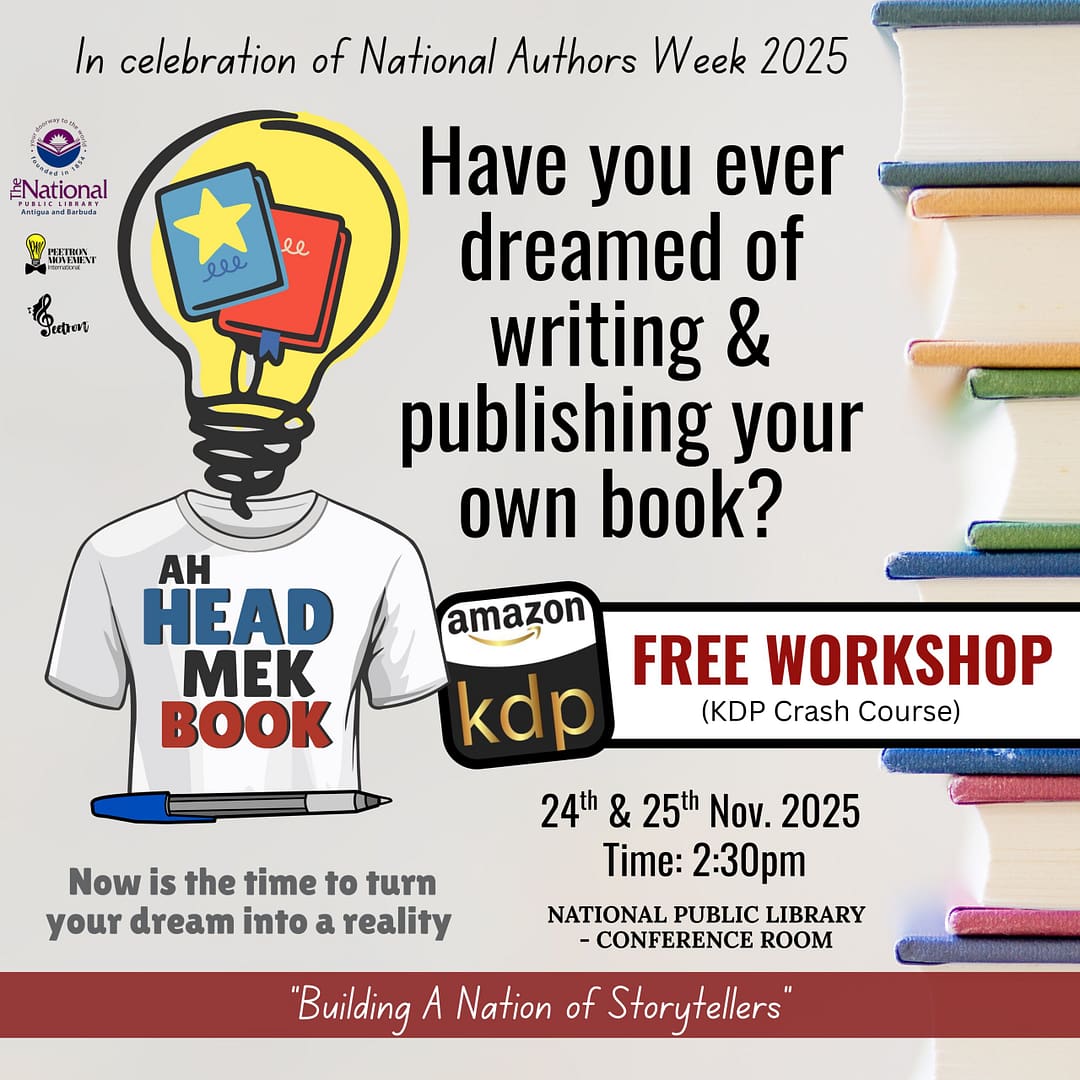
Free KDP Workshop Held This Week at the National Public Library During Inaugural National Authors’ Week
In a landmark event celebrating literary creativity, the National Public Library hosted a free Kindle Direct Publishing (KDP) workshop this week as part of the inaugural National Authors’ Week. The workshop aimed to empower aspiring writers by providing them with essential tools and knowledge to self-publish their works through Amazon’s KDP platform. Attendees gained insights into the publishing process, from manuscript preparation to marketing strategies, while also learning about the benefits of digital publishing. The event attracted a diverse audience, including first-time writers, seasoned authors, and literary enthusiasts. This initiative underscores the growing importance of self-publishing in the modern literary landscape and highlights the library’s commitment to fostering creativity and accessibility in the arts.
-

10 Keys to Transformative Leadership
Leadership transcends titles and ranks; it is a moral framework built on habits, priorities, and decisions that shape institutions, cultures, and lives. Whether you are a novice or a seasoned leader, the principles of enduring influence remain the same. This guide outlines ten essential keys to effective leadership, blending timeless wisdom with practical insights from diverse fields such as government, business, and human development. Use these principles as a compass to navigate challenges and sustain impact.
1. **The Power of Asking**: Embrace curiosity and seek knowledge. Asking questions fosters growth and connection.
2. **The Strength of the Circle**: Leadership is a team effort. Surround yourself with loyal, wise, and candid individuals who amplify your reach.
3. **The Impact of Integrity**: Trust is the foundation of lasting influence. Prioritize honesty and transparency to build a resilient reputation.
4. **The Courage to Decide**: Decisions drive progress. Avoid overanalysis; act decisively to maintain momentum.
5. **The Duty of Leverage**: Use your platform to create mutual benefits. Leverage opportunities to multiply impact.
6. **The Balance of Reward**: Sustain morale by balancing discipline with meaningful rewards.
7. **The Joy of Mentorship**: Multiply your influence by teaching others. Mentorship ensures continuity and legacy.
8. **The Art of Common Ground**: Build bridges, not walls. Find shared purpose amid differences to drive systemic change.
9. **The Strength of Struggle**: Adversity refines character. Embrace challenges as opportunities for growth.
10. **The Value of Family**: Prioritize relationships. Family, whether biological or chosen, anchors your leadership journey.These keys form a cyclical framework: values shape effectiveness, effectiveness drives performance, and performance tests values. To apply these principles, start with small, intentional actions: ask for bold opportunities, make deferred decisions, mentor others, and reward your team. Leadership is both a gift and a responsibility. By pairing vision with humility and strategy with conscience, you can transform lives and institutions. Let wisdom and service define your legacy.
**About the Authors**: Dr. Isaac Newton, a Harvard, Princeton, and Columbia-trained strategist, advises governments and organizations on governance and global justice. Olivia Lindsay collaborates with him to champion a leadership model where integrity meets innovation for the greater good.
-
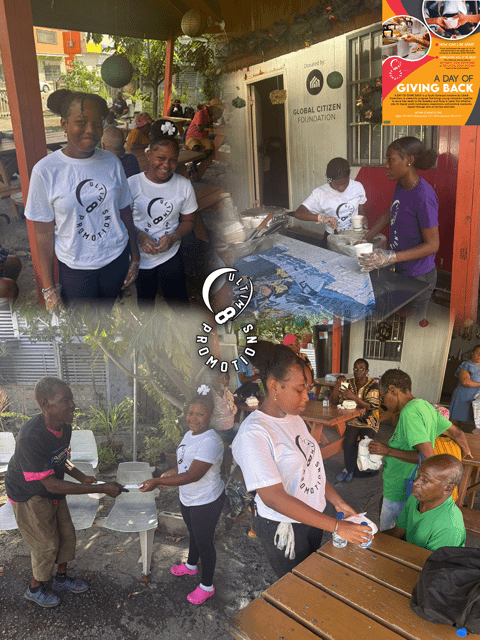
Ultim8 Promotions Thanks Sponsors After Successful Community Giveback
Ultim8 Promotions, a renowned organization dedicated to fostering community engagement, has extended heartfelt thanks to its sponsors following the triumphant execution of its latest community giveback initiative. The event, designed to uplift local residents and strengthen communal bonds, garnered widespread support and participation. Key sponsors, whose contributions were instrumental in the program’s success, were acknowledged for their unwavering commitment to social betterment. The initiative featured a series of activities aimed at addressing pressing community needs, including educational workshops, health awareness campaigns, and resource distribution drives. Ultim8 Promotions emphasized the critical role of collaborative efforts in achieving meaningful societal impact, while also highlighting the importance of sustained partnerships for future endeavors. The organization’s leadership expressed optimism about continuing to drive positive change through similar initiatives, underscoring their dedication to community welfare and development.
-
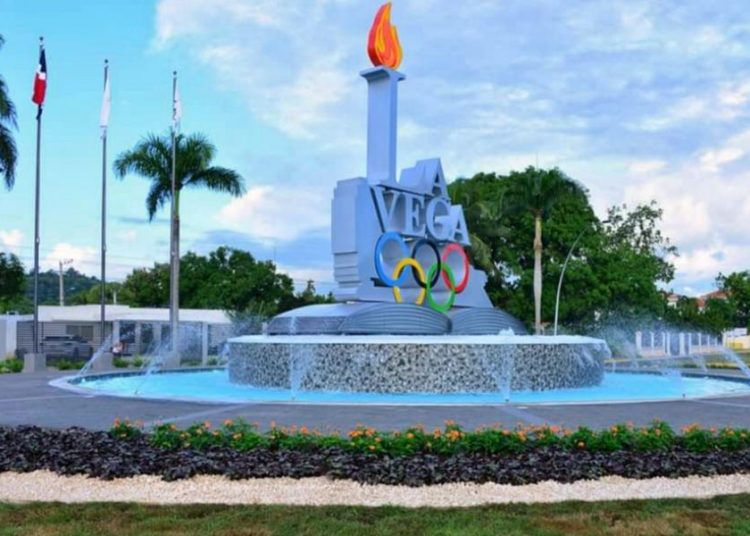
Mitur promotes La Vega with press tour
The Dominican Republic’s Ministry of Tourism (Mitur) recently orchestrated a press expedition to La Vega, aiming to spotlight the region’s rich cultural, historical, and religious landmarks. This initiative, designed to boost domestic and international tourism, featured a curated itinerary that included visits to iconic sites such as the ruins of La Vega Vieja and the revered Sanctuary of Our Lady of Mercy in Santo Cerro, a significant pilgrimage destination. The tour, organized in collaboration with the Directorate of Domestic Tourism, the La Vega Destination Management Office, and the Santo Cerro Development Committee, offered journalists an immersive experience of the municipality’s heritage and natural beauty. Key highlights included the Light of the World Monument, the Immaculate Conception Cathedral, and the Sacred Museum, complemented by breathtaking views of the La Vega Real valley. The journey also celebrated local gastronomy, with stops at Hotel Santo Cerro Natural Park, known for its eco-friendly accommodations and traditional cuisine, and Armando Café, famous for its Dominican-grown coffee. A standout moment was the encounter with nine-year-old Sofía Viñas Disla, a young entrepreneur preserving her family’s culinary legacy by crafting emblematic treats like conconetes and dulce-filled cookies. The tour concluded at the Vega Carnival Museum, which showcases the evolution of the region’s iconic Diablos Cojuelos and carnival traditions. This initiative underscores Mitur’s commitment to diversifying sustainable tourism offerings while preserving La Vega’s cultural identity.