分类: society

  • Weekly “Fish Fry” Coming to North Front Street?

    Weekly “Fish Fry” Coming to North Front Street?

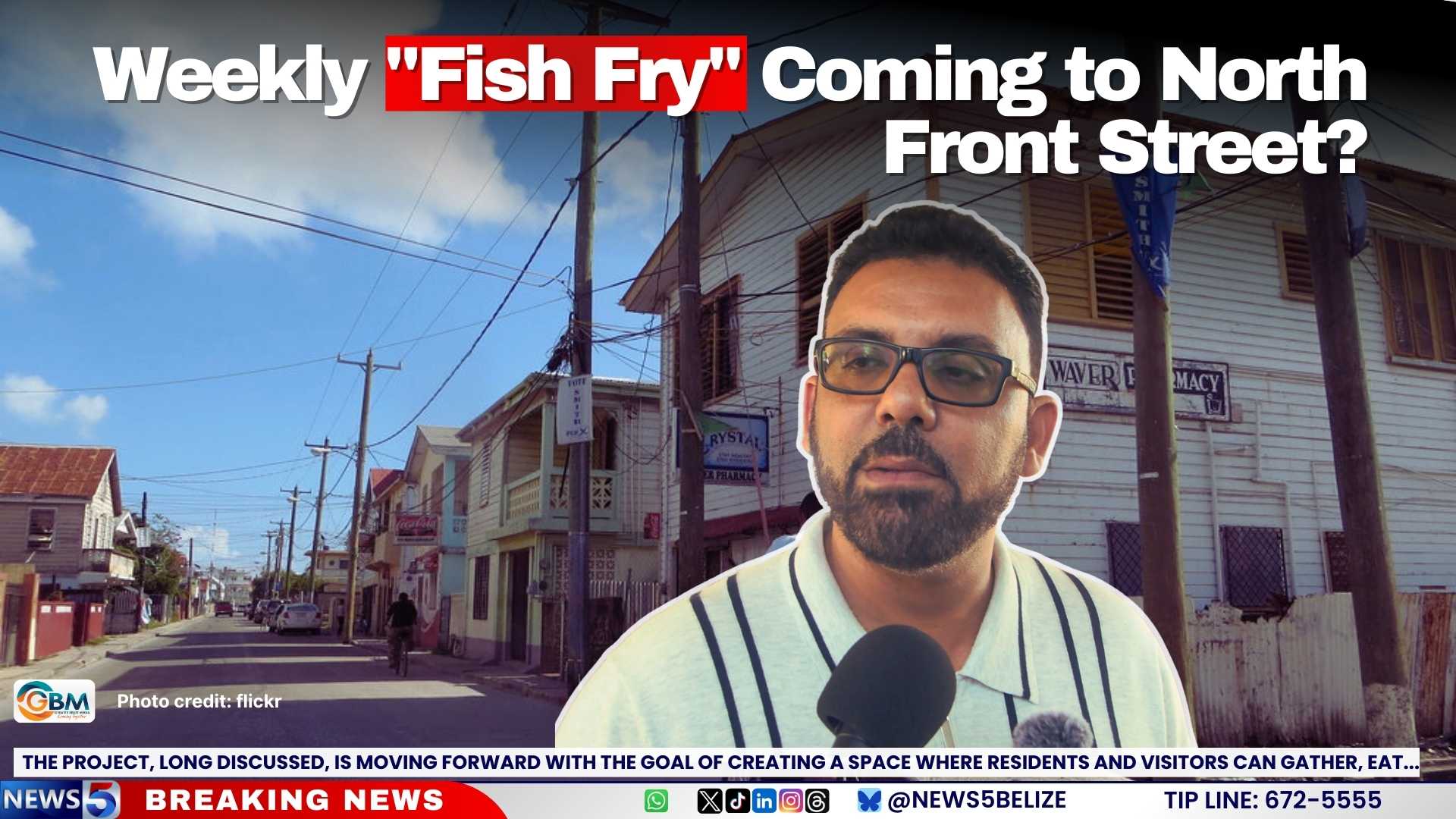
    The Belizean government is moving forward with plans to establish a vibrant fish market and weekly culinary event on North Front Street, as announced by Tourism Minister Anthony Mahler. This long-discussed initiative aims to create a dedicated space where both residents and tourists can converge to enjoy authentic local cuisine and immerse themselves in Belizean culture.

    Minister Mahler revealed that the concept was inspired by his international travels, particularly observations of fish markets in the United States. “Whenever I travel, I make it a point to visit local fish markets,” Mahler stated. “This exposure sparked the idea that Belize should develop its own premium fish market destination for people to experience.”

    The envisioned market will feature numerous small booths offering freshly caught seafood alongside traditional Belizean favorites. According to Mahler, visitors will be able to enjoy local specialties including fry jacks, flour tortillas, and beans at any time of day within the fish market environment.

    A distinctive component of the project will be the introduction of a weekly “fish fry” event, drawing inspiration from Caribbean traditions where communities gather around fried fish and local dishes accompanied by music and entertainment. While the minister expressed enthusiasm for the cultural and economic potential of the initiative, specific operational details and an official opening timeline remain undetermined at this stage.

  • Environment : Risk Management Actions Three-Year Operational Plan 2024-2027

    Environment : Risk Management Actions Three-Year Operational Plan 2024-2027

    Haiti has unveiled a comprehensive Three-Year Operational Plan (2024-2027) to address the nation’s escalating vulnerability to natural disasters and complex crises. This landmark initiative represents the first actionable framework derived from the National Disaster Risk Management Plan (2019-2030), emerging as the Caribbean nation faces increasingly frequent and overlapping environmental shocks that outpace community recovery efforts.

    The strategic blueprint, developed by Haiti’s National Disaster Risk Management System through its Permanent Secretariat and Directorate General of Civil Protection with international support, adopts a multi-hazard approach to safeguard vulnerable populations. With a sobering 7.2 INFORM risk index rating for 2024, the plan acknowledges that over 93% of Haiti’s territory and 96% of its population face exposure to at least two major hazards simultaneously, including hurricanes, floods, earthquakes, landslides, and droughts.

    This operational framework organizes disaster management around four strategic pillars: enhanced risk knowledge, improved risk governance, strategic risk investment and transfer mechanisms, and comprehensive preparedness and response systems. Unlike conventional development plans, this initiative focuses exclusively on integrating risk criteria into national planning while addressing all disaster management components from mitigation through recovery.

    The plan’s implementation will mobilize central government operational levels through specialized committees handling sectoral risk management and emergency response coordination via the National Emergency Operations Center. This coordinated approach becomes increasingly critical as Haiti’s deteriorating socio-economic conditions, including widespread armed violence and mass internal displacement, further exacerbate the population’s vulnerability to environmental threats.

    By adopting principles of gender equality, inclusion, human security, and good governance, the 2024-2027 plan aims to build collective and territorial resilience toward the 2030 vision of comprehensive protection for lives and property against Haiti’s multiple risk exposures.

  • Selling Iguana? Be Ready to Pay Up $10K

    Selling Iguana? Be Ready to Pay Up $10K

    Authorities in Belize have implemented stringent measures to protect the native iguana population during its critical breeding period, imposing fines of up to $10,000 for individuals caught trafficking or possessing iguana meat. The annual closed season, which extends from February 1 through June 30, represents a vital conservation window designated by the Belize Forestry Department to ensure species survival.

    Victoria Chi, Chief Forest Officer, emphasized that this protective ban coincides with the reptiles’ most vulnerable biological phase when they are actively reproducing to replenish their numbers. “This timeframe specifically aligns with their breeding cycle, which unfortunately also coincides with peak consumer demand for egg-bearing iguanas,” Chi explained, highlighting the ecological rationale behind the seasonal restriction.

    While the Forestry Department doesn’t conduct direct population monitoring, it maintains an active Iguana Conservation Program in partnership with the San Ignacio Hotel. This initiative provides rehabilitation services for injured iguanas frequently recovered from illegal hunting operations, with recovered specimens eventually reintroduced to their natural habitats.

    Enforcement efforts will be significantly intensified through coordinated patrols with national police departments, particularly targeting known wildlife trafficking hotspots including La Democracia, Hattieville, and Sandhill intersections. Chi urged public compliance with the seasonal ban, stating: “This closure exists for important ecological reasons. We must collectively learn to respect these conservation measures.”

    The department encourages citizens to report suspected illegal hunting activities through the dedicated tip line 610-1524 to support enforcement operations during this critical conservation period.

  • UDP says Caye Caulker No Longer Safe

    UDP says Caye Caulker No Longer Safe

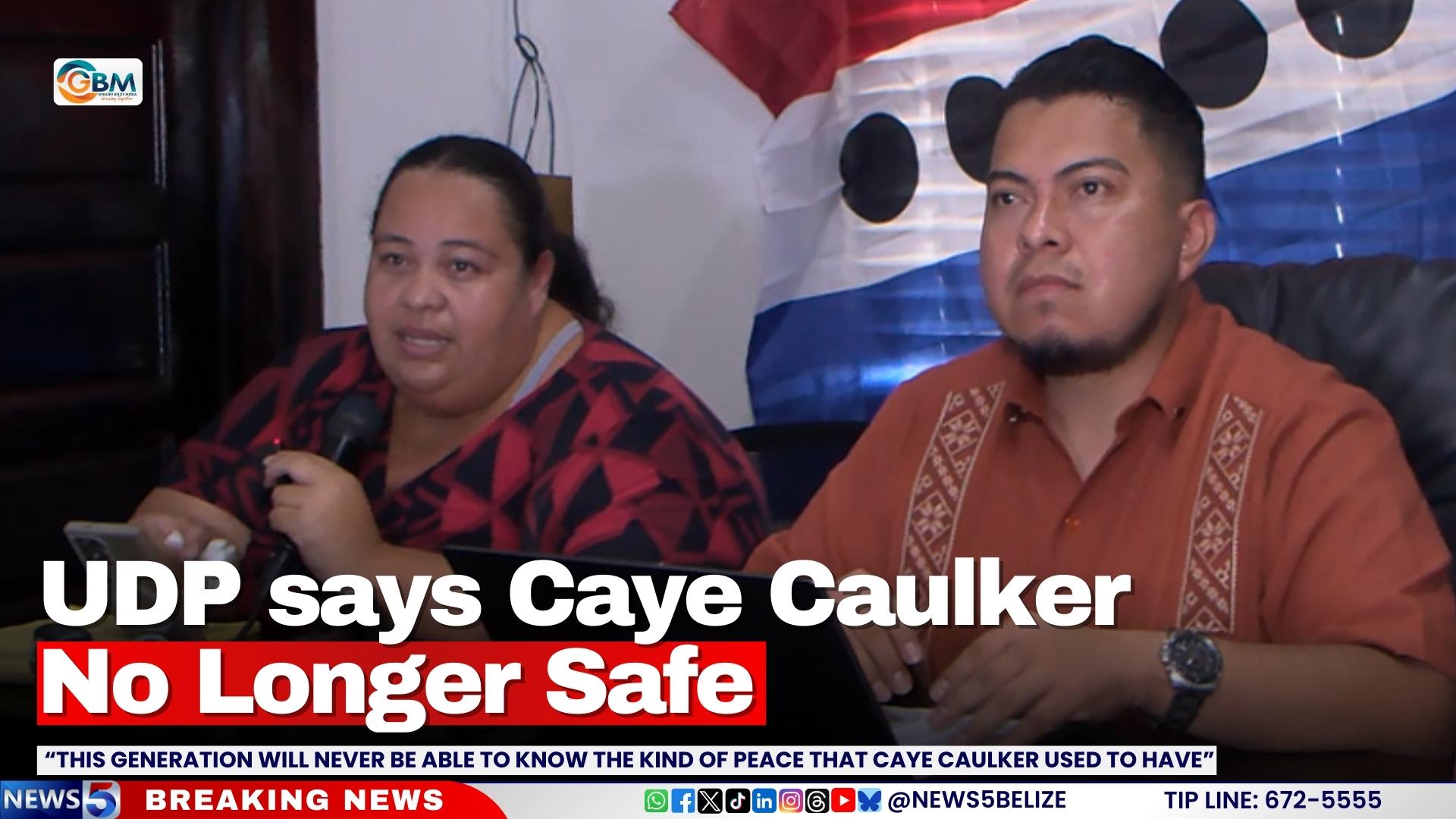
    The tranquil reputation of Belize’s Caye Caulker has been shattered by escalating violence, prompting urgent calls for enhanced security measures from concerned residents. At a recent press conference convened by UDP Senator Gabriel Zetina, community representative Samira Martinez delivered an emotional testimony about the island’s deteriorating safety conditions.

    Martinez, a long-time resident and member of the UDP Belize Rural South Team, revealed that the island’s transformation from peaceful haven to concerning crime hotspot has left families fearing for their children’s safety. “Caye Caulker used to be a safe zone where children could grow up in peace,” Martinez recounted. “This new generation will never experience the security we once took for granted.”

    The community advocate outlined specific demands including the permanent stationing of police officers on the island and the implementation of youth engagement programs. Martinez emphasized the vulnerability of young people, stating, “We need comprehensive programs that teach life skills and civic responsibility. Our youth are being targeted, and we must build harmonious relationships between police and community members.”

    These concerns follow a recent shooting incident that left one man injured and another in custody, highlighting the pressing need for intervention. The community’s appeal signals a critical juncture for the popular tourist destination as it struggles to balance its peaceful image with emerging security challenges.

  • Sarteneja Students Have Gone Years Without a School Building

    Sarteneja Students Have Gone Years Without a School Building

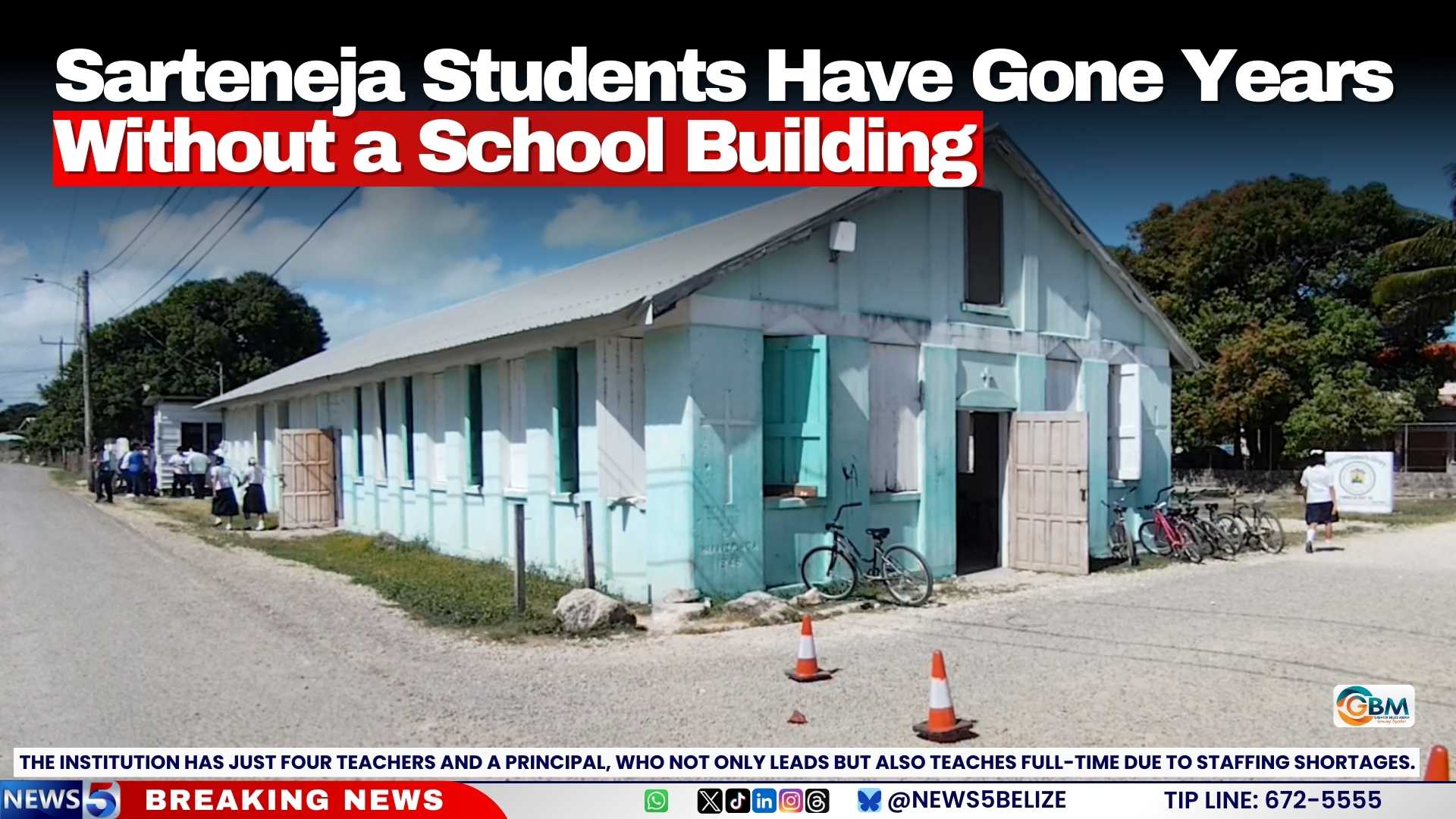
    In the Corozal District of Belize, Sarteneja Baptist High School represents a stark case of educational infrastructure neglect, having operated without a dedicated school building for more than four consecutive years. The institution’s 84 students receive their education under profoundly challenging circumstances, with some classes conducted in makeshift outdoor sheds constructed from donated materials.

    The school suffers from critical staffing shortages, maintained by just four teachers alongside a principal who performs dual roles as administrator and full-time instructor. The complete absence of specialized facilities—including science laboratories and computer labs—severely limits the educational experience offered to students.

    Darnel Cruz, Secretary of Sarteneja’s Village Council and a local primary school teacher, provided insight into the ongoing struggle. Community leaders identified a potential construction site near the airstrip, but development remains paralyzed by funding deficiencies. Currently, students utilize the community center as a temporary measure, though this solution falls far short of meeting educational requirements.

    With graduation numbers expected to exceed available spaces this June, parental concerns are mounting. Families are increasingly vocal in demanding governmental intervention and a sustainable, long-term resolution. School administration has maintained silence on the matter, while the community continues advocating for the construction of permanent facilities that would allow students to learn in a proper academic environment.

  • Caribbean Archbishop supports Archbishop of Canterbury in response to Project Spire criticism

    Caribbean Archbishop supports Archbishop of Canterbury in response to Project Spire criticism

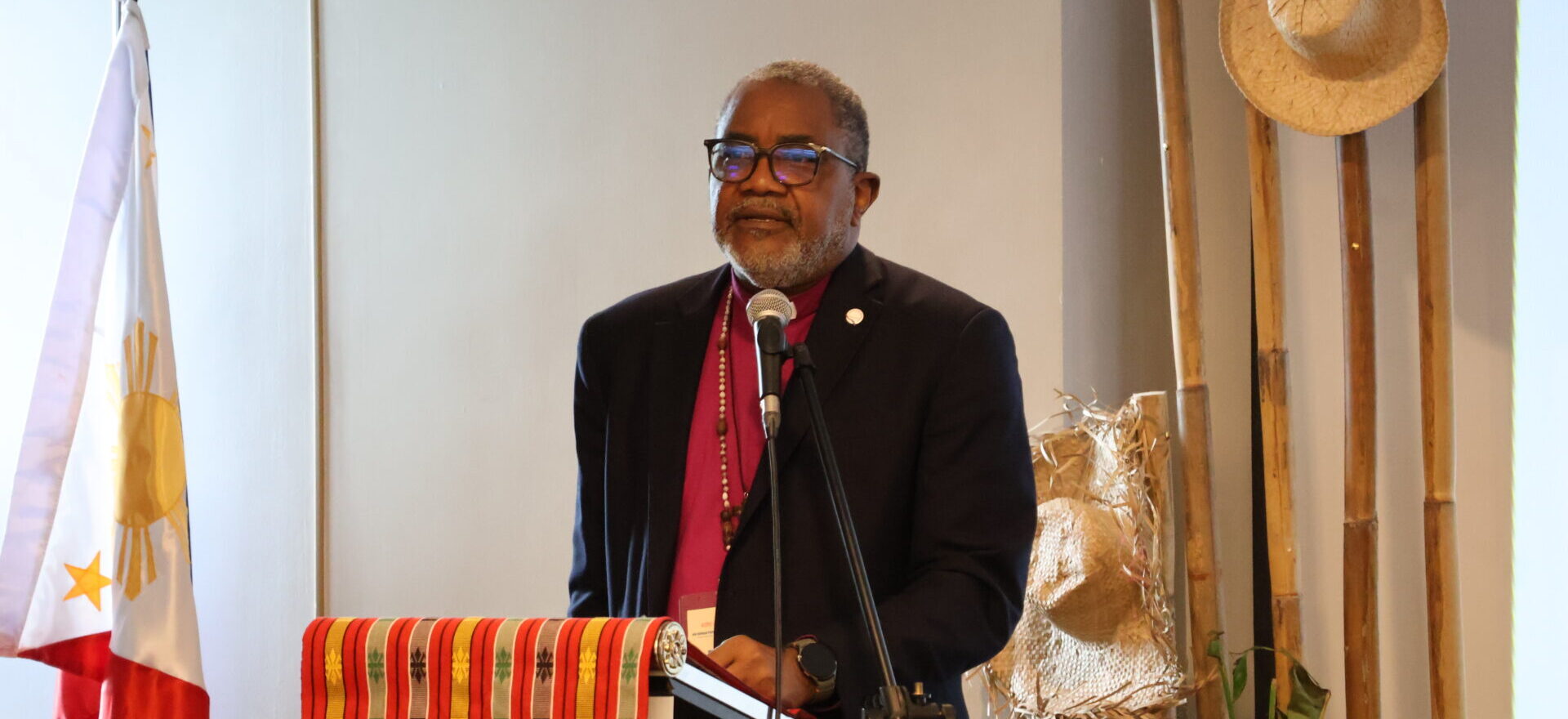
    In a significant address to international religious leaders, Archbishop Philip Wright of the Church in the Province of the West Indies has championed the Church of England’s controversial Project Spire initiative while challenging the global Anglican community to move beyond symbolic gestures in addressing historical injustices.

    The Archbishop’s remarks came during the “Breaking the Chains of Injustice” International Consultation, convened by UK-based charity USPG (United Society Partners in the Gospel). The gathering brought together 40 Anglican leaders from 31 nations to examine the persistent impacts of colonialism on indigenous cultures, languages, and territories across the Caribbean region.

    Despite the formal abolition of slavery in the British Caribbean in 1834, Archbishop Wright emphasized that the region continues to grapple with profound economic disparities, social inequalities, and environmental degradation directly linked to this historical legacy. He positioned the Anglican Church at a “significant moral crossroads,” noting that while acknowledgment of institutional complicity in the transatlantic slave trade represents a transformative opportunity, empty rhetoric could ultimately prove more damaging than the original offense.

    The Archbishop’s endorsement of Project Spire—a £100 million reparative justice initiative launched by the Church of England in 2023—signals growing momentum within religious institutions to address historical wrongs. This development follows a decade of intensified reparations advocacy, including CARICOM’s 2013 “Ten Point Plan for Reparatory Justice” and the CPWI’s 2015 motion supporting Caribbean reparations claims.

    Archbishop Wright clarified that reparative justice seeks not retribution but recognition of harms caused by centuries of enslavement, requiring “deliberate and intentional redress.” He cited both Project Spire and USPG’s Codrington Project as pioneering efforts in this direction. The latter initiative, launched in 2024, addresses USPG’s historical entanglement with slavery through Christopher Codrington’s 1710 donation of a Barbados plantation. The project aims to transfer plantation ownership to descendants of enslaved individuals and commemorate burial sites of those enslaved.

    USPG General Secretary Duncan Dormor reinforced the moral imperative for action, stating that reparative justice lies “at the heart of Christian mission today.” He emphasized the Church’s deep involvement in “brutal, inhumane, and shameful activities” of the slave trade and called for work toward repair and reconciliation conducted with “openness, humility and constructive critical reflection.”

    When questioned about practical support for Caribbean communities, Archbishop Wright emphasized that meaningful change extends beyond financial compensation. He called for collaborative efforts to build schools and hospitals, enabling Caribbean peoples to “step out of the legacy of this horrendous period of history” while acknowledging the substantial good the Church has accomplished in the region over centuries.

    The gathering received encouraging words from Archbishop of Canterbury Sarah Mullally, who praised USPG’s “commitment to partnership, justice, and the flourishing of local churches” as continuing to bless the Anglican Communion in “profound and enduring ways.”

  • Social : Survey on deported Haitians in figures (2025)

    Social : Survey on deported Haitians in figures (2025)

    Haiti confronts one of its most severe migration emergencies as forced deportations surge dramatically, with over 270,000 individuals repatriated throughout 2025. This represents a staggering 36% increase compared to the previous year’s figures, intensifying the nation’s ongoing humanitarian and socio-economic challenges.

    According to a comprehensive survey conducted by the International Organization for Migration (IOM) in collaboration with the Migrant Protection Working Group, the National Migration Office, and the Support Group for Returnees and Refugees, the Dominican Republic accounted for 98% of all deportations (265,215 people). Other significant sources included the Turks and Caicos Islands (2,935), the United States (1,159), the Bahamas (756), and Jamaica (147).

    The demographic profile of deportees reveals alarming trends. While adult males continue to constitute the majority at 66%, other groups experienced disproportionate increases. Deportations of adult women skyrocketed by 92%, while girls and boys saw increases of 152% and 133% respectively, compared to a 16% rise for adult men.

    Border crossing points witnessed substantial shifts, with Belladère remaining the primary entry point (51% of deportations) followed by Ouanaminthe (27%). Notably, Malpasse recorded a 346% surge in deportations, while Anse-à-Pitres saw a 96% increase.

    The survey of 26,853 adult deportees revealed that 99% were born in Haiti, with primary origins in the Southeast, West, Artibonite, Central, and North departments. Economic desperation drove migration decisions, with 85% citing the search for better opportunities as their primary motivation. Alarmingly, 19% were already displaced in camps before leaving Haiti, and 32% reported possessing no identity documents.

    Educational and employment patterns varied by deportation origin. Those returned from the Dominican Republic demonstrated lower formal education levels but better employment access abroad, primarily in construction, commerce, and agriculture sectors.

    The cyclical nature of migration remains evident, with 60% of 2025 deportees having experienced multiple previous deportations. While only 11% overall planned to leave again within six months, this intention was significantly higher among those deported from the Turks and Caicos Islands (64%) and the United States (59%).

    Immediate needs upon arrival highlighted the precarious situation facing returnees: transportation to places of origin (92%), food assistance (72%), and temporary accommodation (27%) emerged as critical priorities.

  • Should Housing Rental Prices Be Regulated?

    Should Housing Rental Prices Be Regulated?

    A pressing housing affordability crisis is emerging in Belize’s tourism-dependent communities, prompting calls for government intervention. Gabriel Zetina, UDP caretaker for Belize Rural South, has advocated for comprehensive rental regulation legislation to address soaring housing costs that threaten workforce stability.

    Speaking at a Tuesday press conference, Zetina highlighted the particular challenges facing working-class families migrating to San Pedro for employment opportunities in the thriving tourism sector. “Many people coming to San Pedro are the working class. They migrate from Belize to here, again tying back to tourism, they come to work here,” Zetina explained, emphasizing how escalating rental prices are creating unsustainable living conditions that could undermine the local economy.

    The proposed solution involves creating formal regulatory frameworks through either a Property Act or Rent Act. “We need to start seeing if we can create a draft or a bill to regulate the rent fees. It has to be done,” Zetina stated with urgency. “If we can somehow create legislation to address this issue, I think that will be the first step for us to regulate it.”

    These calls for intervention coincide with concerning economic indicators from the Statistical Institute of Belize. The December 2025 Consumer Price Index recorded a national inflation rate of 0.3%, with housing, water, electricity, gas, and other fuels representing the primary drivers. Rental prices specifically increased by 0.8% compared to the previous year, compounding financial pressures on island residents.

    Local communities report that these escalating costs are creating severe affordability challenges, potentially destabilizing the essential workforce that sustains San Pedro’s critical tourism industry. The situation represents a growing tension between economic development in tourist destinations and housing accessibility for the workers who support these economies.

  • Cabinet Endorses US $10M Wastewater Project for Caye Caulker

    Cabinet Endorses US $10M Wastewater Project for Caye Caulker

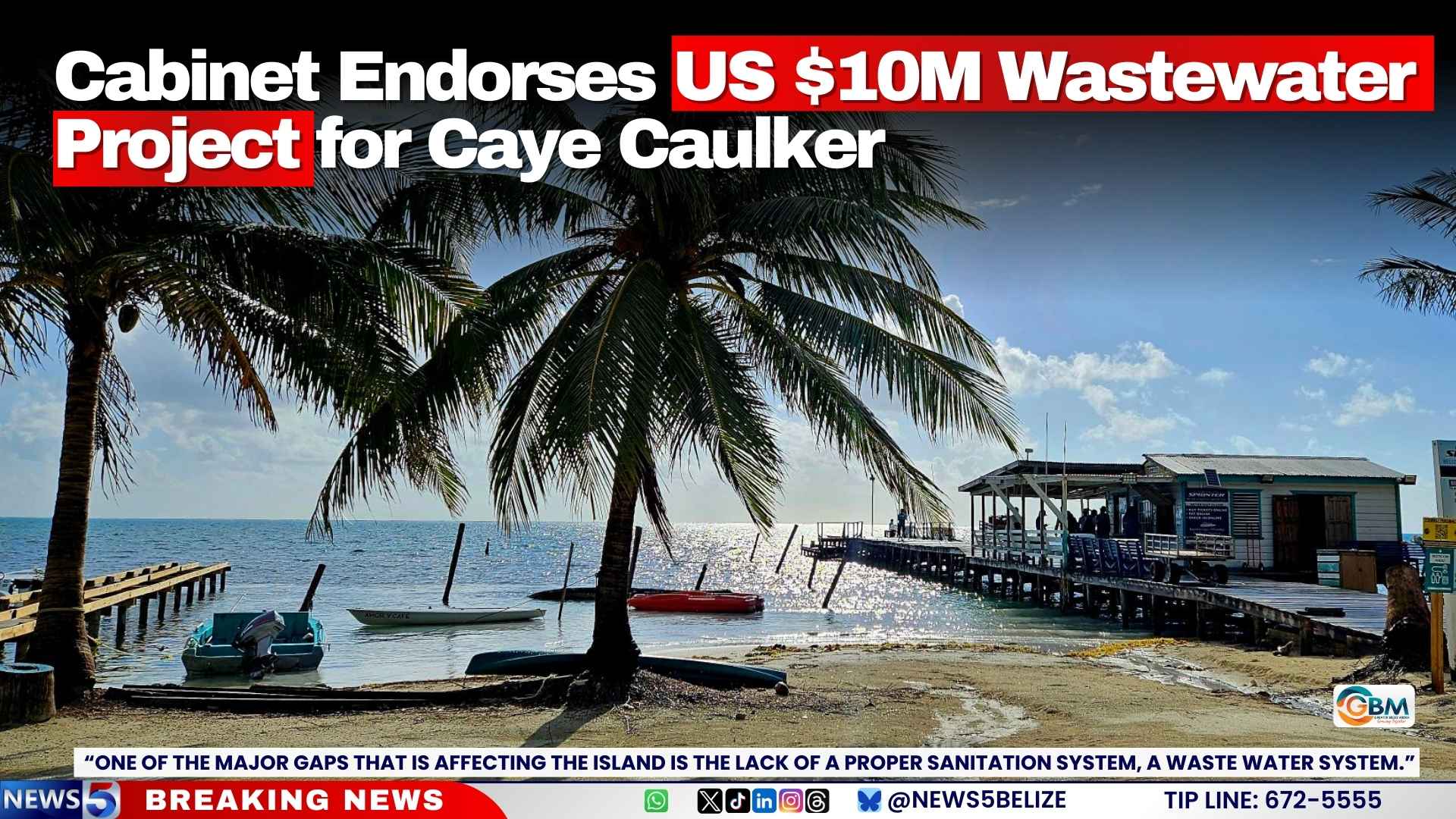
    The Belizean Cabinet has formally endorsed a major infrastructure initiative to address sanitation challenges on the island of Caye Caulker. Government officials will now seek legislative approval from the House of Representatives for a sovereign-guarantee agreement securing a US$10 million loan from the Inter-American Development Bank (IDB) to fund a comprehensive wastewater collection and treatment system.

    According to Ervin Flores, resident consultant engineer at Belize Water Services Limited (BWSL), the picturesque island currently lacks proper sanitation infrastructure despite having potable water access. “One of the major gaps affecting the island is the absence of a centralized wastewater system,” Flores noted, explaining that existing homes and businesses rely on individual septic tanks or small package plants that don’t provide coordinated treatment.

    The ambitious project will employ innovative vacuum pipe technology to transport wastewater from connected properties to a modern treatment facility. Flores emphasized that the system will “collect wastewater and treat it in a manner that exceeds effluent standards, ultimately enhancing environmental protection and public health outcomes for the community.”

    With a total project valuation of US$13 million—combining the IDB loan, BWSL contributions, and supplemental grants—the infrastructure development represents a significant investment in the island’s future. Implementation will commence with a six-month procurement phase to acquire necessary equipment, followed by an estimated three-year construction period involving extensive road trenching and pipe network installation.

    The initial phase will exclusively serve South Caye Caulker, the island’s more developed sector with higher population density and water consumption. North Caye Caulker will be considered for future expansion using potentially different, nature-based solutions due to budgetary constraints and the geographical challenge posed by the Split—a narrow water channel separating the two island sections.

    BWSL officials report successful public consultations and widespread community support from both residents and business operators. Pending government approvals and preparatory work, construction is anticipated to commence in the first quarter of next year, marking a transformative step toward sustainable development for the popular tourist destination.

  • “Bestie” Shares Life Behind the Screen as an Immigrant

    “Bestie” Shares Life Behind the Screen as an Immigrant

    Melvin Daniel Cortez, a 27-year-old social media personality known as “Bestie,” has emerged as an influential voice for immigrant rights in Belize after publicly recounting their challenging journey from undocumented childhood to documented adulthood. Cortez’s narrative reveals the multifaceted struggles faced by immigrants in the Central American nation, drawing widespread attention across digital platforms.

    Brought to Belize as a child by a parent fleeing difficult circumstances, Cortez endured years of instability that included sleeping on church floors and navigating economic survival by selling vegetables from a tricycle in Corozal’s streets. The journey from undocumented status to legal recognition represents a significant milestone that many immigrants never achieve, according to Cortez’s account.

    In an exclusive interview with News Five, Cortez detailed the dual challenges of social discrimination and systemic barriers. “Schoolchildren would routinely use derogatory terms like ‘yellow belly pania,’ ‘alien,’ or tell us to return to our countries,” Cortez revealed. “But the professional exclusion proved more damaging—employers consistently reject undocumented immigrants to protect their trade licenses, creating a cycle of poverty and exploitation.”

    As a trans woman, Cortez faced additional layers of discrimination while struggling to make ends meet through various informal sector activities, including selling chocolate bananas for less than $15 daily. This economic vulnerability, Cortez explained, makes undocumented immigrants particularly susceptible to workplace exploitation throughout Belize.

    Despite these challenges, Cortez maintained both hope and ethical integrity, guided by the philosophy encapsulated in the Spanish proverb: “Lo que siembras, cosechas” (You reap what you sow). This principle served as a moral compass against the temptation of quick but destructive solutions to financial desperation.

    The viral dissemination of Cortez’s story has sparked broader conversations about immigration reform, workplace protections, and social acceptance in Belize. The narrative has particularly resonated with Belize’s immigrant community, many of whom recognize similar patterns of struggle and resilience in their own experiences.

    News Five will feature Cortez’s complete story on their 6 o’clock broadcast, promising deeper insights into both the personal journey and the systemic issues affecting immigrants throughout the country.