分类: society

  • Libraries must become digital empowerment hubs, says minister

    Libraries must become digital empowerment hubs, says minister

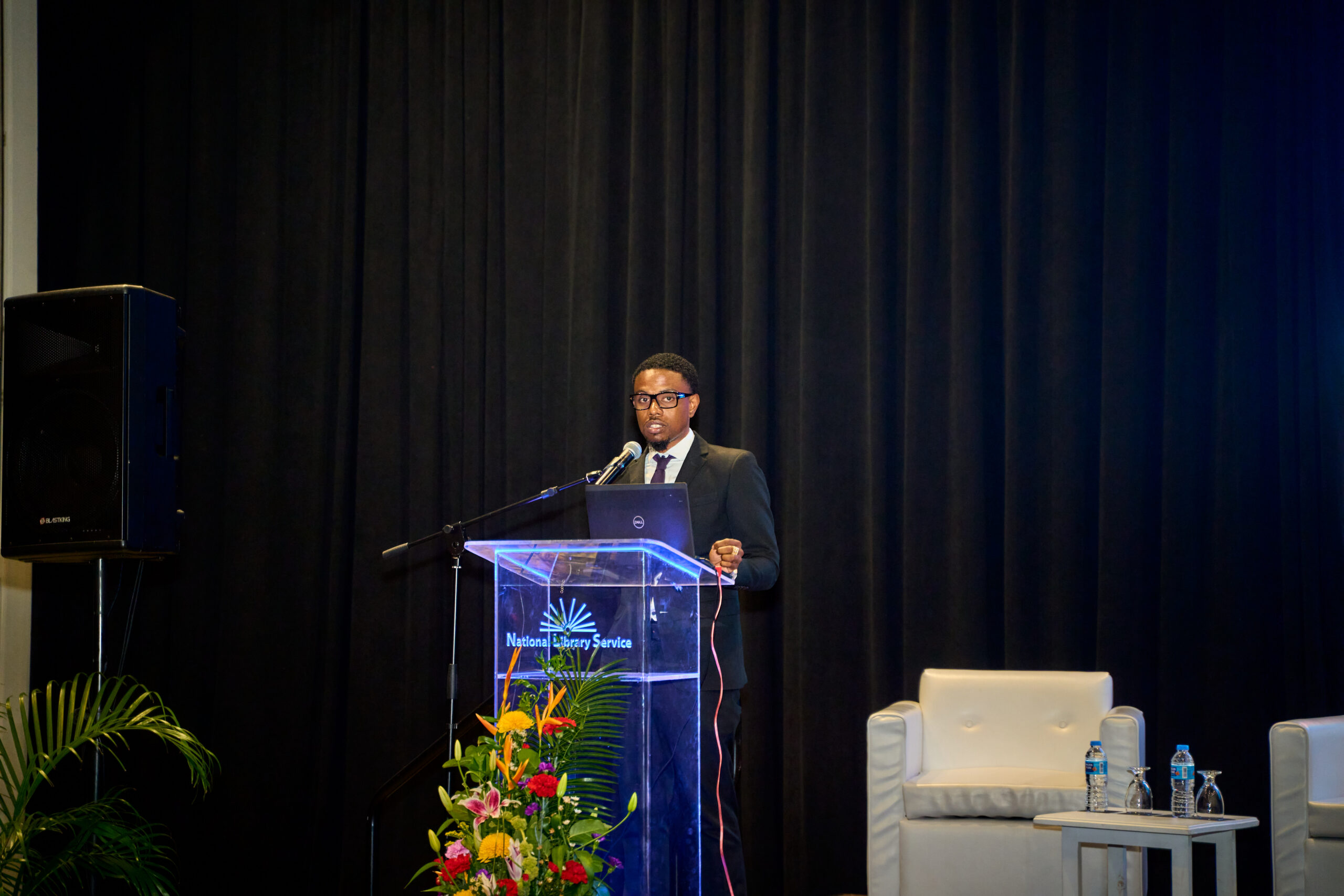
    Barbados is spearheading a radical transformation of its library system to meet the demands of the digital age, with government officials calling for libraries to evolve into dynamic centers of technological empowerment. The compelling vision was unveiled by Senator Shane Archer, Minister of State for Youth and Culture, during his keynote address at the National Library Service’s inaugural symposium, “The Future of Libraries: Embracing Technology, Strengthening Community Engagement and Sustaining Development in a Digital Era,” held at the Hilton Barbados Resort.

    Senator Archer presented robust usage statistics from 2025 to demonstrate the enduring relevance of libraries, revealing over 47,000 visits, more than 16,000 users accessing computer and internet services, and over 44,000 loans processed. “These figures are proof of trust, proof of relevance, proof that Barbados still sees libraries as gateways to advancement,” he declared.

    However, the Minister emphasized that maintaining this relevance necessitates bold repositioning. He articulated a forward-thinking blueprint where libraries transcend their traditional role as quiet reading spaces to become comprehensive digital empowerment hubs. This transformation includes deploying AI-powered research tools, implementing digital literacy and coding workshops, and establishing innovation labs equipped with cutting-edge design software and data analytics tools.

    A critical component of this vision involves AI literacy programs designed to empower youth to not merely use artificial intelligence but to actively build and regulate it. Senator Archer issued a crucial warning about the societal implications of AI, stating that equitable access to these emerging technologies is fundamental to preventing deepened inequality. “If we use our library network strategically, we can ensure that a young person in St Lucy has the same digital access as the one in Bridgetown,” he asserted, framing digital transformation as fundamentally about inclusion rather than just infrastructure.

    Echoing this transformative agenda, Jennifer Yarde, Director of the National Library Service, explained that the symposium’s theme was deliberately chosen to reflect both contemporary challenges and future opportunities. She emphasized that modern libraries are “no longer defined by shelves” but function as vital centers for digital literacy, cultural preservation, and innovation support.

    Yarde further highlighted the service’s commitment to inclusivity, detailing intentional design features that ensure accessibility for visually impaired individuals and those with other disabilities through assistive technologies and dignified, independent access to information.

  • Former MP Eustace ‘Teco’ Lake Dies After Illness

    Former MP Eustace ‘Teco’ Lake Dies After Illness

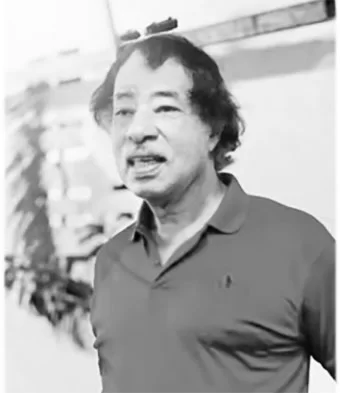
    The nation of Antigua and Barbuda is in mourning following the passing of esteemed former parliamentarian and government minister Eustace “Teco” Lake, who died Friday afternoon after battling a prolonged illness. The veteran politician had been receiving medical care in hospital during recent weeks.

    Lake’s political career spanned multiple terms, having been successfully elected on the Antigua and Barbuda Labour Party (ABLP) ticket during both the 2009 and 2014 general elections. He represented the constituency of St John’s Rural South with distinction and held the crucial portfolio of Minister for Works and Housing throughout his governmental tenure.

    The former minister’s health challenges became public knowledge in January 2018 when he underwent a significant kidney transplant procedure. Later that same year, the ABLP selected current MP Daryll Matthew as their new candidate for Rural South, marking a transition in the constituency’s representation.

    In response to the sad news, MP Matthew has publicly expressed profound condolences to Lake’s bereaved family, recognizing the deceased statesman’s enduring legacy and substantial contributions to his constituency and the broader national community. The outpouring of tributes from colleagues, constituents, and political adversaries alike demonstrates the widespread respect Lake earned throughout his dedicated public service career.

  • Education : Meeting on the school integration of disadvantaged children

    Education : Meeting on the school integration of disadvantaged children

    In a significant collaborative effort to address educational disparities, Haiti’s Northeast Departmental Directorate of Education convened a pivotal meeting focused on the academic integration of underprivileged children. The gathering, organized in partnership with UNICEF, assembled a diverse coalition of educational stakeholders including school administrators, parental representatives, educational inspectors, and school council members.

    Departmental Director Luckner Mompremier established the meeting’s foundational principle in his opening address, unequivocally stating that “education constitutes an inalienable right for every child, irrespective of socioeconomic circumstances.” He emphasized the critical importance of creating equitable opportunities for academic success for all young learners.

    Educational Inspector Chavanne Jean provided a comprehensive assessment of the systemic challenges confronting disadvantaged youth, identifying resource deficiencies, chronic absenteeism, and insufficient parental engagement as primary barriers to educational access. His analysis underscored the multifaceted nature of the obstacles preventing vulnerable children from receiving quality instruction.

    National school principals contributed practical insights from frontline educational environments, sharing implemented strategies including targeted tutoring initiatives, scholarship programs, and collaborative partnerships with non-governmental organizations to provide essential learning materials. This exchange of field-tested approaches generated a repository of effective methodologies for replication.

    Parental representatives voiced substantive concerns regarding educational accessibility while proposing innovative solutions such as community awareness workshops designed to emphasize education’s transformative potential within family structures.

    The consensus emerging from the dialogue highlighted the necessity for coordinated, multi-stakeholder action to ensure all Haitian children receive quality education opportunities, marking a significant step toward educational equity in the region.

  • Band Leaders Demand Resignation of Carnival Association

    Band Leaders Demand Resignation of Carnival Association

    A significant upheaval is unfolding within Belize’s carnival community as prominent band leaders have publicly demanded the immediate resignation of the Belize Carnival Association’s executive leadership. The escalating conflict reached a critical point during a press conference where longstanding grievances regarding financial transparency and organizational support were formally articulated.

    Band representatives from major groups including Soca Massive, Soca Moca, and Titans Mass Band presented a unified front against the current administration. Their primary concerns center on inconsistent prize distribution practices, with leaders revealing they receive undifferentiated checks without detailed breakdowns of competition category winnings. Veteran band leader Audrey Bradley testified to receiving five different prize amounts despite consistent first-place victories over five consecutive years.

    The financial burden on participating bands has become increasingly unsustainable according to testimony. David Matus of Titans Mass Band disclosed investments exceeding $100,000 annually while prize structures have remained stagnant for twenty-eight years. Beyond financial concerns, band leaders cited inadequate security provisions and disrespectful treatment during organizational meetings.

    Leroy Smith of Fort Revelers raised accountability questions regarding allegedly unreturned prize money from disqualified participants, calling upon the National Celebrations Commission to provide clarification. The movement has culminated in a formal letter of no confidence signed by multiple band leaders, though the association has dismissed this as procedurally invalid.

    In response, Belize Carnival Association President Patrick Thompson maintained his administration would continue leading through Carnival 2026, noting his planned departure after completing his four-year term. Thompson emphasized his twenty-year tenure had elevated the event’s standards and confirmed his executive would proceed with Road March 2026 planning despite the challenges.

    The dissenting band leaders emphasize their movement aims to strengthen rather than undermine Belize’s carnival tradition. Denise Young of Belizean Jewels articulated the collective desire for leadership that actively supports participants’ substantial investments and provides meaningful representation for those sustaining the cultural celebration.

  • New King’s Trust cohort begins youth development journey in St George

    New King’s Trust cohort begins youth development journey in St George

    Barbados has inaugurated its first 2026 cohort of the King’s Trust International Team Programme, welcoming fourteen young participants to a comprehensive 12-week leadership development initiative. The program launched officially at the Glebe Resource Centre in St. George with an orientation session designed to establish foundational teamwork and personal connection among attendees.

    Inspector Roger Babb of the Barbados Police Service’s Community Relations Department, who serves as crime prevention officer, emphasized the program’s significant role in youth development. “This initiative focuses on empowering young persons to develop themselves to the stage where they can confidently enter society, seek employment, and conduct themselves in ways that bring personal and national pride,” Babb stated, highlighting the program’s alternative to criminal pathways.

    The selection process employs a community-based recruitment strategy utilizing former participants as ambassadors, targeted flyers, and ongoing community engagement. Since its establishment in 2016, this partnership between the Barbados Police Service and King’s Trust International has successfully guided approximately 776 young Barbadians through the program, with many advancing to employment opportunities or further education.

    Sergeant Roger Williams, team coordinator for the program, detailed the comprehensive curriculum structure. The initial induction phase focuses on team-building activities and self-reflection exercises, followed by an intensive residential component at the Coast Guard base featuring challenging physical activities including hiking and obstacle courses. Participants subsequently design and execute community projects requiring fundraising and public engagement, developing practical skills in entrepreneurship and social contribution.

    The program incorporates essential life skills training through specialist resource persons covering financial literacy, CV preparation, and interview techniques. This holistic approach ensures participants develop both the soft skills and practical competencies necessary for workplace success and personal development, ultimately creating well-rounded individuals prepared for professional environments.

  • Area Rep Presses for Fix to Sarteneja School Crisis

    Area Rep Presses for Fix to Sarteneja School Crisis

    In Corozal Southeast, Belize, a protracted educational dilemma continues as Sarteneja Baptist High School enters its fourth year without a permanent facility. Area Representative Florencio Marin Jr. has broken his silence regarding the institution’s prolonged struggle, asserting his ongoing collaboration with school administrators to secure a lasting solution.

    Marin emphasized the division’s broader educational landscape, noting that three high schools currently serve the rural area, including the government-supported St. Viator High School located minutes away, which offers tuition-free education. Despite these alternatives, Sarteneja Baptist High’s student body continues their studies in temporarily borrowed spaces, primarily within the village community center and adjacent buildings.

    The representative detailed his office’s historical support, including financial assistance to settle outstanding bills, donations of computer equipment, and help securing additional teaching staff. Regarding the facility crisis, Marin explained that the school’s previous landlord terminated their lease, prompting the Village Council to provide interim accommodations.

    “We are actively working with the government to determine when construction of a proper school building can be incorporated into the development cycle,” Marin stated during a telephone interview. “While other parties have expressed interest in assisting, no concrete agreements have been finalized.”

    The situation highlights the challenges facing rural education infrastructure in Belize, where despite government efforts to provide accessible education, specific communities continue to experience facility shortages that impact learning conditions.

  • Labor Standards : Haiti in «serious deficiency» of compliance (ILO)

    Labor Standards : Haiti in «serious deficiency» of compliance (ILO)

    The International Labour Organization’s 2026 assessment reveals a severe deterioration in Haiti’s adherence to international labor standards, marking a critical failure in social governance. According to the report, the Caribbean nation has systematically neglected its obligations under multiple conventions, creating what the ILO characterizes as an unprecedented labor rights crisis.

    Under Article 19 of the ILO Constitution, member states are required to regularly report on convention implementation. Haiti has persistently failed this fundamental requirement for over a decade, with 16 reports currently outstanding. This chronic non-compliance has resulted in the country’s classification as being in ‘serious failure of submission,’ significantly damaging its international credibility.

    The evaluation identifies particularly alarming conditions regarding Convention No. 98 concerning collective bargaining rights. Since 2014, Haiti has submitted no reports on this critical convention, while the textile sector continues to face serious allegations of anti-union dismissals. The current security crisis has effectively paralyzed union activities, rendering collective bargaining virtually nonexistent.

    Child labor protections show equally concerning deficiencies. Despite ratifying Convention No. 182 on the Worst Forms of Child Labour, monitoring has stalled with no reports since 2011. The restavèk system—a practice of forced domestic child labor—remains entrenched despite existing legislation. The ILO notes that current laws lack sufficiently dissuasive criminal penalties to eradicate this exploitation.

    Labor inspection capabilities have deteriorated markedly under Convention No. 81, with inspectors lacking clear status and intervention capacity. This deficiency particularly affects nighttime inspections and leaves workers in precarious sectors without adequate protection.

    Social security coverage through OFATMA remains limited to the formal economy, excluding most agricultural and informal workers from compensation for workplace accidents or occupational diseases.

    The ILO concludes that Haiti faces a systemic crisis requiring immediate institutional reform. Restoring international credibility will necessitate transparency and the revitalization of effective social dialogue mechanisms.

  • In Memoriam: René Bilkerdijk, vakbondsleider, wetenschapper en sportbestuurder

    In Memoriam: René Bilkerdijk, vakbondsleider, wetenschapper en sportbestuurder

    Suriname’s educational and sports communities are mourning the passing of René Bilkerdijk, a revered trade union leader, academically-grounded social researcher, and dedicated sports administrator whose multifaceted career left enduring impacts across multiple sectors. His funeral will be held Saturday afternoon at Mariusrust.

    Bilkerdijk’s most prominent legacy emerged through his transformative leadership as Chairman of the Bond van Leraren bij het Technisch Onderwijs (BLTO), the Union of Technical Education Teachers. When he assumed an active role in 2006, the organization faced significant operational challenges with minimal activity. Through determined leadership and organizational acumen, he revitalized the union, implementing structural reforms, instilling discipline, and establishing clear strategic direction.

    Under his guidance, BLTO evolved into a respected negotiating partner with government authorities. Bilkerdijk consistently prioritized dialogue and consultation, considering strikes only as a measure of last resort when negotiations proved fruitless. His leadership philosophy was encapsulated in his motto: “BLTO is a union of harmony.” This principle emphasized respectful communication, mutual solidarity, and seeking equilibrium between members, leadership, and governmental bodies.

    For years, he waged consistent campaigns for timely salary payments, overtime compensation, and improved working conditions for technical education instructors. Simultaneously, as Vice President within the FOLS presidium (the Federation of Organizations of Teaching Staff), he contributed to broader policy discussions and collective positions across Suriname’s educational sector.

    A landmark achievement occurred in May 2021 when BLTO obtained statutory status, formally strengthening the union’s legal position and organizational capacity—a development realized under Bilkerdijk’s stewardship. From initially representing fewer than 300 members, the union grew substantially during his tenure, becoming more cohesive and influential through his calm, analytical, and steadfast approach that consistently prioritized member interests.

    Beyond his union activities, Bilkerdijk demonstrated academic excellence through his 2020 master’s degree in History from Suriname’s Anton de Kom University. His thesis, titled “Creoles and Ethnocentrism: A Study of the Relationship Between Creoles and Three Other Major Population Groups in Suriname,” provided a 96-page analytical examination of historical ethnic relations. His research explored colonialism, slavery, social positioning, and political participation, contributing meaningfully to scholarly and societal discussions about identity, social cohesion, and mutual understanding in Suriname.

    His academic pursuits informed his broader societal vision: that structural challenges require not only administrative solutions but also historical and social comprehension.

    Bilkerdijk further extended his commitment to community development through sports administration, particularly in football and futsal. Between 2014-2017, he served as Commissioner within the Surinamese Futsal Association, contributing to organizational governance and sport development. In 2013, he led a national delegation to an international futsal tournament in Cayenne. He also maintained active involvement with football club Giants as both administrator and mentor, emphasizing discipline, teamwork, and youth development through sports.

    Throughout his diverse roles—whether negotiating labor conditions, conducting academic research on ethnic relations, or guiding sports teams—Bilkerdijk consistently centered responsibility, justice, and harmony. His enduring motto continues to resonate: “BLTO is a union of harmony.”

  • COMMENTARY: World Day of Social Justice

    COMMENTARY: World Day of Social Justice

    As the world observed World Day of Social Justice on February 20, a pressing global conversation has emerged regarding the persistent challenges in achieving equitable societies. Established by the United Nations General Assembly in 2007, this annual observance serves as a critical reminder that justice remains an elusive ideal for millions worldwide.

    The contemporary landscape reveals a paradoxical reality: while significant progress has been made in poverty reduction, educational access, and social protection systems, structural inequalities continue to undermine development efforts. This year’s theme, ‘Renewed Commitment to Social Development and Social Justice,’ highlights both the recognition of achievements and acknowledgment of persistent barriers including labor market informality, gender disparities, and declining institutional trust.

    The concept of social justice, originally coined by Italian Jesuit priest and economist Luigi Taparelli d’Azeglio in 1855, has evolved into a comprehensive framework for ensuring fair opportunities and outcomes regardless of gender, ethnicity, socioeconomic background, or disability. The United Nations identifies social justice as fundamental to poverty eradication, decent work expansion, and human rights protection—cornerstones of the Sustainable Development Goals.

    A critical dimension of this discussion involves gender equality, which represents both a shared vision of social justice and a practical challenge. The theory of intersectionality acknowledges how gender intersects with race, class, sexuality, and ability to create unique experiences of oppression and privilege. A gendered perspective examines how traditional roles, stereotypes, and power structures perpetuate inequality, particularly through patriarchal systems that disproportionately disadvantage women and girls.

    The World Bank emphasizes that authentic social development requires putting people first through social inclusion, community empowerment, and institutional accountability. However, the digital and technological divide continues to exacerbate global inequalities, creating renewed divisions between the Global South and Global North.

    This year’s observance builds upon momentum generated by the Second World Summit for Social Development in Doha and the subsequent Doha Political Declaration, which reaffirmed collective responsibility for accelerating progress in poverty eradication and social protection.

    As educator and social commentator Wayne Campbell notes, referencing Benjamin Franklin’s wisdom: true justice requires that those unaffected by injustice must become as outraged as those who are. This World Day of Social Justice serves as a call to action for strengthened policy coherence, reinforced multilateral cooperation, and renewed commitment to placing equity and solidarity at the center of global policymaking.

  • UN highlights critical role of Caribbean media in promoting progress toward the SDGs

    UN highlights critical role of Caribbean media in promoting progress toward the SDGs

    The United Nations has formally recognized Caribbean journalists as pivotal agents in advancing regional progress toward equality, economic development, and environmental sustainability. In a significant endorsement of media influence, the UN Office for Barbados and the Eastern Caribbean has partnered with the Caribbean Broadcasting Union (CBU) to establish the SDG Champion Award—a new category within the CBU’s annual Media Awards program.

    This prestigious accolade will celebrate outstanding journalistic contributions across print, radio, television, and digital platforms that effectively highlight the Sustainable Development Goals (SDGs). The initiative aims to amplify reporting that connects these global frameworks to local contexts, making complex issues like climate change and inequality accessible to general audiences while promoting actionable solutions.

    Eligibility extends to media professionals from multiple Caribbean territories including Dominica, Anguilla, Antigua and Barbuda, Barbados, British Virgin Islands, Grenada, Montserrat, St. Kitts and Nevis, St. Lucia, and St. Vincent and the Grenadines. The award will feature four distinct categories, each designed to recognize content that aligns with national development priorities and inspires concrete action toward achieving the SDGs.

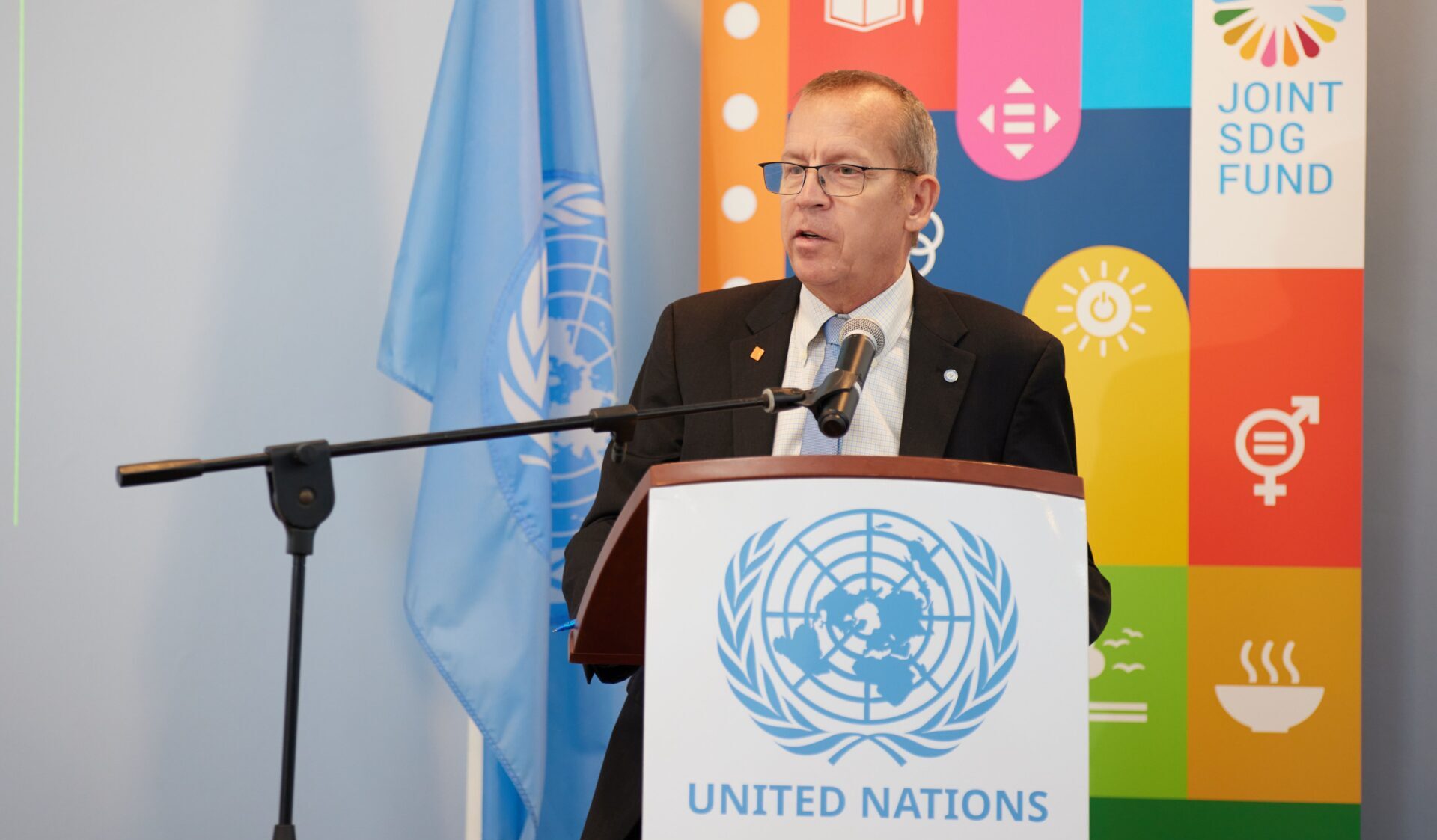
    UN Resident Coordinator Simon Springett emphasized the media’s role as a valuable partner, stating: “We see this initiative as a continuation of our solid partnership, which we hope to strengthen by celebrating journalistic excellence that educates communities, drives sustainable development and inspires meaningful action.”

    CBU President Anthony Greene echoed this sentiment, noting the natural alignment between the partnership and the organization’s mandate to contribute to regional development through media and communications.

    The submission window for the 37th CBU Media Awards opened in November 2025 and will close on February 28, 2026. Shortlisted candidates will be announced in May 2026, with the awards ceremony scheduled for August 2026. Interested participants can access detailed guidelines and submission procedures through the CBU’s official website or via email at [email protected].