分类: society

  • Yearbook Photo Dispute at Antigua Girls’ High Sparks Policy Clash and Parent Meeting

    Yearbook Photo Dispute at Antigua Girls’ High Sparks Policy Clash and Parent Meeting

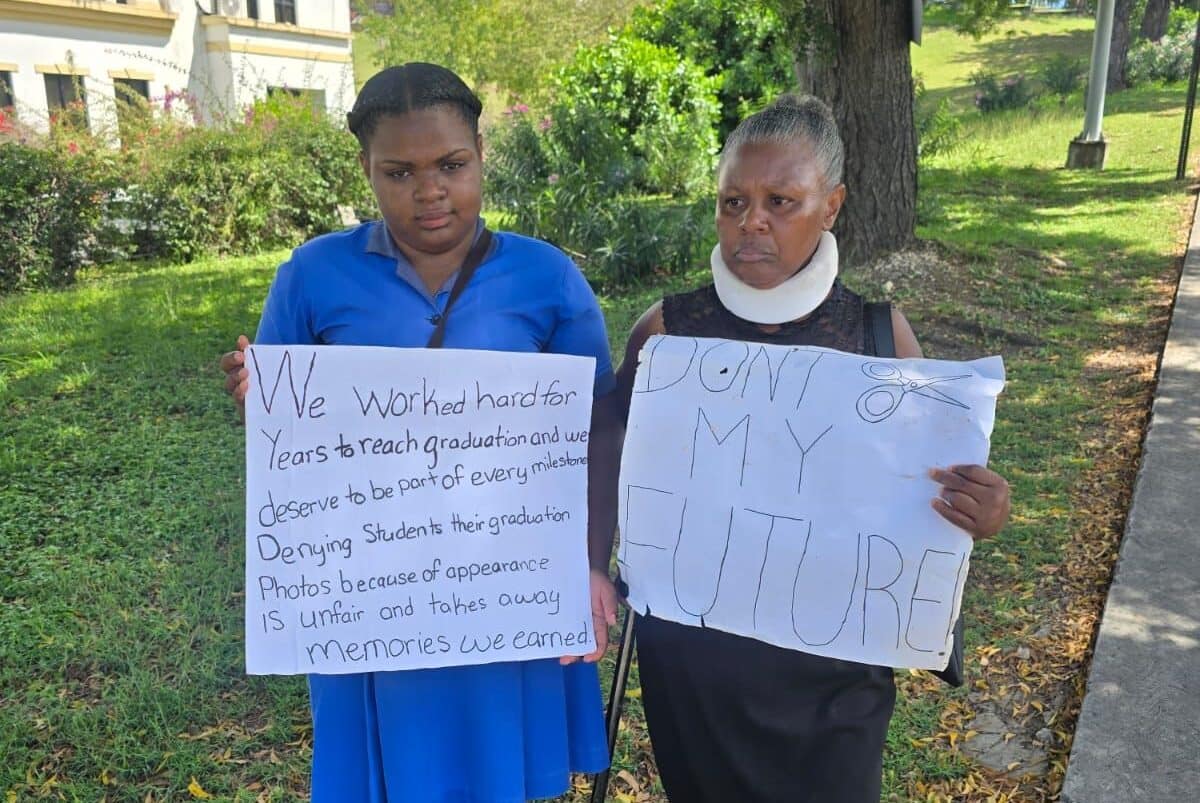
    A stringent enforcement of appearance guidelines at Antigua Girls’ High School has triggered significant controversy, resulting in approximately 18 fifth-form students being excluded from their yearbook photography session. The incident occurred when administrators determined the students violated established grooming policies by wearing hair extensions, artificial eyelashes, and excessive makeup.

    The school’s previously distributed memorandum explicitly limited cosmetic applications to minimal coverage of skin imperfections while expressly prohibiting hair enhancements including extensions, weaves, wigs, and decorative braids. This document additionally outlined comprehensive graduation prerequisites encompassing attendance records, academic assessment submissions, return of state-provided materials, and restrictions on serious behavioral violations.

    Education Director Clare Browne substantiated the school’s position, clarifying that ministry-approved regulations for government educational institutions expressly forbid hair extensions unless special medical exemptions apply. Browne further emphasized that the limited makeup allowance was exclusively sanctioned for photographic purposes and did not indicate any broader liberalization of the institution’s appearance standards.

    The enforcement decision prompted approximately ten concerned parents to visit the school campus seeking explanations. According to parent Shamika Rose, school administrators declined to address their concerns directly, resulting in security personnel escorting the parents from the premises. Rose additionally alleged inconsistent policy application, contending that some students with similar appearance violations were permitted to participate in photography sessions while others were excluded.

    Addressing rumors regarding potential graduation prohibitions for affected students, Director Browne clarified that any such determinations would require formal approval procedures. He indicated that punitive measures must demonstrate proportionality to the violation and suggested that exclusion from graduation ceremonies would likely be deemed excessively severe upon appellate review.

    The controversy emerges alongside ongoing graduation preparations, including fee collection deadlines established for June 5th. Rose specifically refuted circulating suggestions that paid graduation fees might become non-refundable should students be prevented from participating in ceremonies.

    School administrators have scheduled a formal meeting with affected families for Tuesday, where officials will determine whether students will receive opportunities to retake yearbook photographs and address potential additional consequences stemming from the policy violations.

  • Antigua and Barbuda Government Approves Dedicated Ambulance for Eastern Corridor

    Antigua and Barbuda Government Approves Dedicated Ambulance for Eastern Corridor

    In a significant move to bolster emergency medical services, the administration of Antigua and Barbuda has formally sanctioned the acquisition of a specialized ambulance dedicated to serving the eastern corridor region. Prime Minister Gaston Browne disclosed this development during his weekly appearance on the ‘Browne and Browne Show’ broadcast via Pointe FM this past Saturday.

    The Prime Minister confirmed he has granted explicit authorization to Health Minister Sir Molwyn Joseph to proceed with the procurement process for the emergency vehicle, which will be permanently stationed within the St. Philip’s North constituency. This decision directly addresses a formal request from the Health Ministry for a specific budgetary allocation to secure the ambulance, aimed at enhancing coverage for the eastern communities.

    ‘Minister Joseph approached me with a proposal for a designated budget to acquire an ambulance specifically for that region, to be stationed there permanently for the eastern corridor,’ stated PM Browne. ‘I have given my official authorization, and the ministry is now actively obtaining quotations to facilitate the purchase for St. Philip’s North.’

    This healthcare initiative was announced as part of a broader presentation detailing imminent infrastructure and public service enhancements planned for the constituency. The comprehensive upgrade package also includes the establishment of a temporary police station, plans for a future permanent combined police and fire station, and the creation of a local pharmacy.

    The introduction of a dedicated ambulance is projected to substantially decrease emergency response times for residents in St. Philip’s North and adjacent eastern areas. These communities have historically been dependent on emergency services dispatched from more centralized locations, often resulting in longer wait times during critical situations.

    Prime Minister Browne emphasized that this measure constitutes a key component of the government’s wider strategic agenda to fortify healthcare accessibility and enhance the efficiency of emergency response systems throughout the entire nation of Antigua and Barbuda.

  • Building Materials Delivered for HAPI Home Refurbishment in St Philip’s South

    Building Materials Delivered for HAPI Home Refurbishment in St Philip’s South

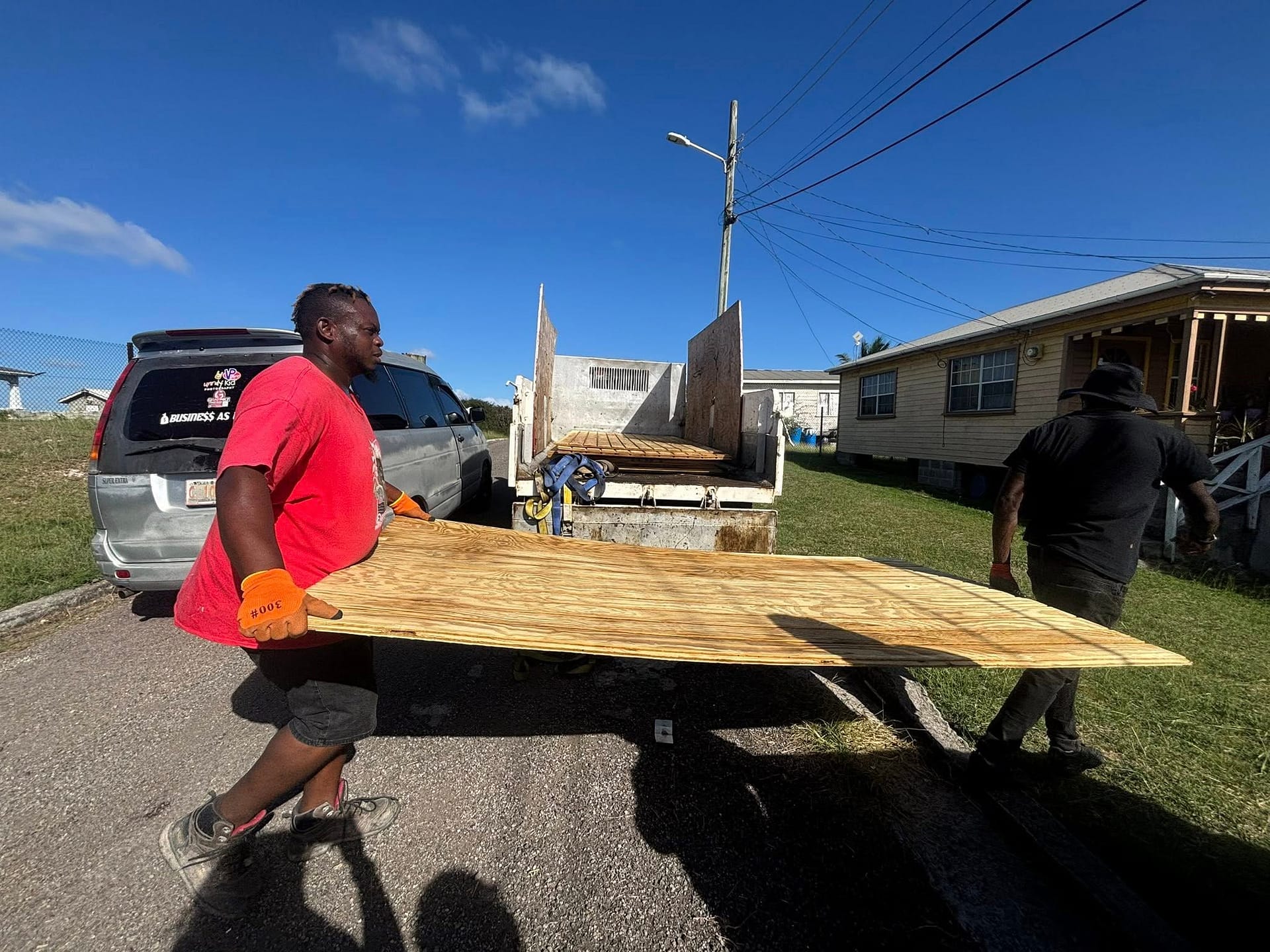
    The Government of Antigua and Barbuda has initiated the first home renovation under its Home Assistance Programme for the Indigent (HAPI) in St Philip’s South constituency, marking a significant milestone in national housing assistance efforts. Construction materials have been delivered to the property located in St Philip’s Village, with preparatory work commencing immediately under the administration of the Ministry of Social and Urban Transformation.

    Kiz Johnson, the Antigua and Barbuda Labour Party (ABLP) caretaker for St Philip’s South, confirmed the delivery of building supplies as the project moves into its implementation phase. The initiative represents a collaborative effort between government agencies and local communities to address housing insecurity among vulnerable populations.

    Rawdon Turner, alongside community representatives, visited the construction site to meet with homeowner Sean Limerick (locally known as ‘Tony’) prior to the beginning of renovation work. The event demonstrated strong community engagement, with village residents—including young volunteers—actively participating in unloading the delivered materials.

    The refurbishment project will employ local builders from within the constituency, ensuring economic benefits remain within the community. Officials have established an optimistic timeline for construction completion, anticipating that the renovated property will substantially enhance the homeowner’s living conditions and provide lasting stability.

    HAPI represents a cornerstone of the government’s social welfare strategy, systematically addressing substandard housing conditions through targeted repairs and rehabilitation projects across the twin-island nation. The program specifically targets citizens experiencing economic hardship, offering tangible support through physical infrastructure improvements.

  • The port that carried Saint Lucia from colony to country

    The port that carried Saint Lucia from colony to country

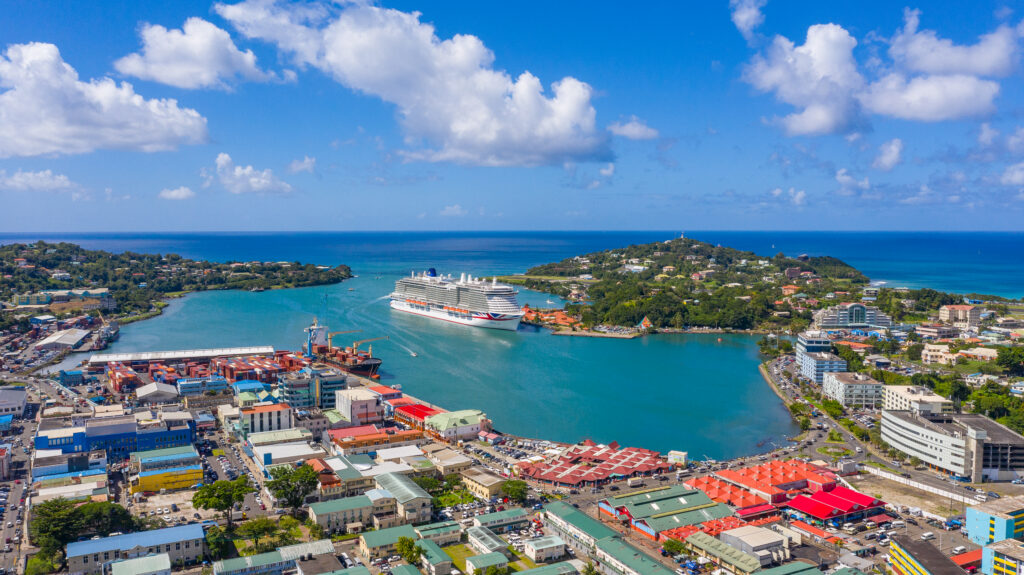
    The historic Port Castries stands as a living testament to Saint Lucia’s complex colonial past and evolving economic identity. Nestled within a former volcanic crater, this strategic harbor has served as a crucial Atlantic gateway for centuries, originally named “Le Carenage” (safe anchorage) by French colonizers during World War II.

    Throughout its layered history, the port has undergone remarkable transformations. During the 19th century, it emerged as the British Empire’s principal coaling station in the Eastern Caribbean, capable of accommodating the largest warships of the colonial era. The western wharf constructed in 1835 facilitated this vital trade, with the first steamship RMS Solway arriving in 1841.

    The port’s strategic importance came at a cost during wartime. In a daring 1942 attack, a German U-boat torpedoed the British cargo ship SS Umtata while docked alongside RMS Lady Nelson, resulting in the tragic loss of 41 lives whose remains rest at Choc cemetery.

    Economic transitions reshaped the port’s function throughout the 20th century. As coal exports waned in the 1930s, sugarcane cultivation took precedence, later giving way to banana exports in the 1950s. The port buzzed with activity during “banana days” when Geest Industries exported thousands of boxes of “green gold” to European markets from Berth 6.

    Following independence in 1979, Saint Lucia strategically pivoted toward tourism. Cunard—once part of the port’s coaling history—became the first cruise line to establish regular calls at Port Castries. Today, the port welcomes hundreds of thousands of cruise passengers annually, with January 2024 alone seeing 150,323 visitors.

    The Saint Lucia Air and Seaports Authority (SLASPA), managing the port since 1983, has garnered international recognition including the Caribbean Shipping Association’s Nathan Dundas Cruise Port of the Year Award.

    A new chapter unfolds as the government partners with Global Port Holdings to redevelop the waterfront. Saint Lucia Cruise Port confirms plans to integrate the harbor’s rich heritage into the transformation project, acknowledging that authentic historical narratives will enhance visitor experiences through immersive educational environments.

    As Saint Lucia celebrates its 47th independence anniversary, Port Castries continues to embody the nation’s resilience—a symbol of cultural evolution, community identity, and enduring strategic importance in the Caribbean basin.

  • COE warns of high levels of maritime risk due to abnormal swells on the North coast

    COE warns of high levels of maritime risk due to abnormal swells on the North coast

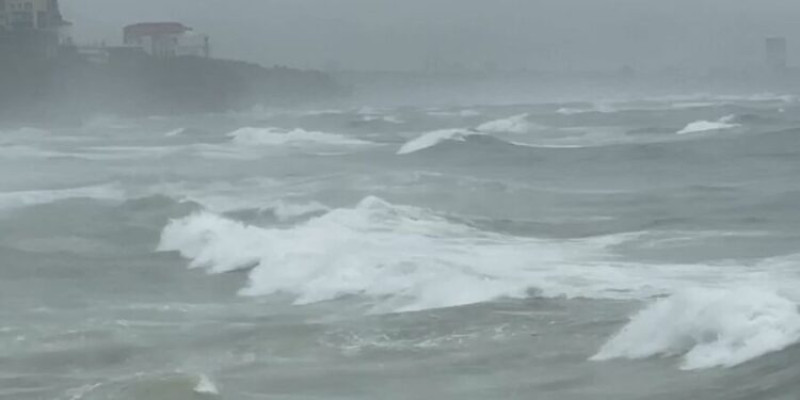
    Santo Domingo, Dominican Republic — Maritime conditions have shown significant improvement along the nation’s Caribbean coastline, prompting authorities to revise navigational advisories this Saturday. The Dominican Institute of Meteorology (Indomet), through its latest weather bulletin, confirmed that previously hazardous sea conditions have substantially normalized.

    The Emergency Operations Center (COE), acting upon Indomet’s meteorological assessment, officially discontinued the port restriction mandate for fragile, small, and medium-sized vessels operating along the North coast. This decision was formally executed under the legal framework established in Article 2, Chapter 1 of Law 147-02, which governs emergency maritime protocols.

    While conditions have stabilized for most regions, the COE issued specific precautions for vessel operators navigating the Atlantic coastal stretch between Miches (El Seibo) and Cabo Engaño (La Altagracia). Meteorological monitoring indicates persistent abnormal wind patterns and wave activity in this sector, requiring heightened navigational vigilance.

    The national meteorological service confirms that all remaining coastal areas currently experience normal maritime conditions, providing relief to the maritime industry and coastal communities following recent weather disturbances.

  • Domínguez Brito: “The behavioral crisis of our adolescents is a national alarm”

    Domínguez Brito: “The behavioral crisis of our adolescents is a national alarm”

    SANTO DOMINGO, DR – Prominent political figure Francisco Domínguez Brito has issued a stark warning regarding escalating violence and disrespect within educational institutions, characterizing the situation as a national emergency that demands immediate state and societal intervention.

    Addressing recent disturbing incidents at schools across Santo Domingo, San Francisco de Macorís, and Santiago, Domínguez Brito condemned the current climate as profoundly unacceptable. “Educators increasingly confront threats, verbal abuse, and physical violence without adequate institutional backing,” he stated. “The erosion of teacher authority and their resulting vulnerability directly undermines educational institutions and disrupts the broader social fabric of communities.”

    Domínguez Brito presented a nuanced analysis, asserting that this behavioral crisis among adolescents stems from complex societal failures rather than individual student culpability. He identified key contributing factors including family disintegration, insufficient community support systems, premature exposure to alcohol and narcotics, and a critical deficiency in effective preventive government strategies. “This represents a pervasive social dilemma that our nation has neglected for far too long,” he emphasized.

    In response to this multifaceted challenge, the leader proposed a comprehensive action plan. His recommendations include reinforcing school psychological and guidance services, implementing definitive protocols for educator protection, developing robust mechanisms for violence reporting and resolution, and enhancing collaborative social outreach programs to identify at-risk youth vulnerable to substance abuse and academic abandonment.

    Concluding his appeal, Domínguez Brito underscored the fundamental importance of safeguarding educators: “Ensuring teacher security is synonymous with protecting our nation’s future. Our schools must transform into secure environments where educators operate with respected authority, dignity, and substantive institutional support.”

  • Creators celebrate Independence with handmade pride

    Creators celebrate Independence with handmade pride

    As Saint Lucia approaches its Independence celebrations, local artisans at Blue Coral Mall are transforming the national occasion into a vibrant platform for cultural expression and economic resilience. These craftspeople are not merely displaying their creations but are actively preserving traditions while navigating significant entrepreneurial challenges.

    Terril Nicholas of Illuminating Designs represents the passionate spirit of these artisans. What began as a hobby evolved into a full-time vocation in 2008. “Crafting was always my parallel pursuit regardless of my employment situation,” Nicholas recounted. Her transition to professional artistry confronted substantial obstacles, particularly import duties and material accessibility. “Securing raw materials remains our most persistent challenge,” she noted, highlighting the financial constraints of island-based production. Despite these hurdles, Independence provides crucial exposure opportunities: “This season lets us showcase our products while proudly displaying the national colors.”

    Nicholas’s copper creations embody both artistic vision and functional benefits. “I create entirely self-inspired pieces without digital references,” she emphasized. Her copperwork extends beyond aesthetics, offering purported health advantages including improved circulation and arthritic pain relief.

    Similar narratives of innovation echo throughout the mall. Em’s Creations distinguishes itself through inventive material reuse, particularly with can caps. Francis Beverly Pierre of Goshen Pierre Plus has developed a commemorative jigsaw puzzle honoring Saint Lucia’s Nobel laureates—economist Sir Arthur Lewis and poet Sir Derek Walcott. “This collector’s item represents what we want to preserve about our heritage,” Pierre explained, noting strong interest from international visitors seeking meaningful souvenirs.

    The textile arts find vibrant expression through Samantha Suzy Rosanna Alexander’s Suzy Dezigns. Her crochet journey began at age eight under maternal guidance. “My mother knitted all our childhood clothes,” Alexander recalled. Her business emerged organically in 2016 when floral arrangement classes sparked demand for crochet accessories. “People began requesting earrings and brooches featuring my floral designs,” she said.

    Generational craftsmanship continues through Constance A. Alexander, who has maintained crochet traditions since the 1960s. Meanwhile, Marina Monroque-Lafeuillee of Belle Lici Designs demonstrates extraordinary resourcefulness, having initially crafted tools from coconut branches and flower sack threads. “I sharpen coconut leaf bones to create knitting needles,” she shared, embodying the innovative spirit that characterizes Saint Lucian artisans.

    Despite their creativity, these entrepreneurs face shared challenges: limited retail spaces, export barriers, and material import complexities. Yet Independence celebrations provide vital temporary venues and international exposure. Many artisans already reach overseas markets through initiatives like Export Saint Lucia’s London store, but aspire to broader global recognition while maintaining their distinctive cultural identities.

  • Authentic Green fig and saltfish

    Authentic Green fig and saltfish

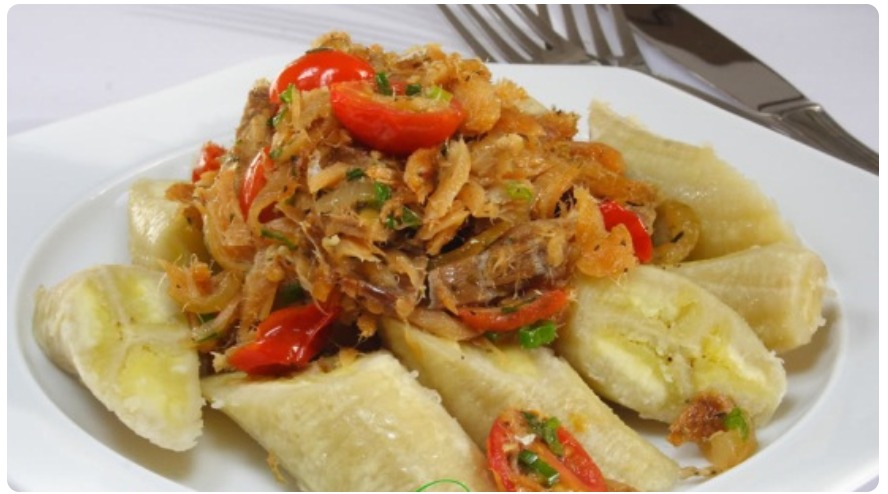
    Beyond mere sustenance, Green Fig and Saltfish embodies the historical and cultural soul of Saint Lucia. This iconic dish, with origins tracing to the island’s colonial era, represents a culinary adaptation that transformed imported preserved cod from European traders and locally grown green bananas into a national symbol.

    Its evolution from a practical meal for earlier generations to a contemporary staple served across households, luxury resorts, and festive gatherings illustrates its profound role in Saint Lucian identity. The preparation is a ritual in itself, connecting modern-day cooks to their heritage through time-honored techniques.

    The meticulous process begins with the saltfish, which requires thorough desalination, typically achieved through an overnight soak or a double boiling method with water changes. The fish is then carefully flaked and deboned. Simultaneously, the green bananas (known locally as ‘green figs’) are prepared by scoring their skins and boiling them until tender before being peeled and sliced.

    The heart of the dish is an aromatic sauce. Oil is heated in a pan to sauté a traditional sofrito of sliced onions, chopped garlic, sweet pepper, and fresh thyme. Chopped tomatoes are added to create a rich, saucy base. The flaked saltfish and a whole hot pepper—left intact to impart flavor without overwhelming heat—are then incorporated.

    In the final step, the boiled green bananas are gently folded into the savory mixture, seasoned with black pepper, and simmered to allow the flavors to meld harmoniously. The dish is traditionally presented alongside fresh accompaniments like avocado, cucumber, or a crisp coleslaw, completing a meal that is both a tribute to the past and a vibrant part of Saint Lucia’s living culture.

  • Pregnant Deer with Twins Killed: “This Is Why We Close Seasons”

    Pregnant Deer with Twins Killed: “This Is Why We Close Seasons”

    Belizean forest authorities have apprehended five individuals in the Los Tambos region of Cayo District for engaging in prohibited deer hunting activities during the legally mandated closed season. The Saturday morning operation uncovered a distressing scene: three slaughtered white-tailed deer, among them a skinned pregnant doe carrying twin fawns that had been extracted from her womb. Additionally, officers discovered a live fawn in the possession of the detained group.

    Victoria Chi, a representative from the Belize Forest Department, emphasized the ecological rationale behind seasonal hunting restrictions: “This tragic incident precisely demonstrates why we implement closed seasons—these animals are either pregnant or nurturing their young. Hunting during these vulnerable periods is strictly prohibited under national legislation.”

    Current regulations established by the Wildlife Protection Act provide comprehensive safeguards for deer populations. Female deer receive protection from July 1st through February 28th of the subsequent year, while male deer may only be legally hunted between October 1st and June 30th. Violations of these conservation laws carry severe penalties, including fines reaching $10,000 Belize dollars or potential imprisonment for up to one year.

    The Forest Department has encouraged public participation in conservation efforts by providing a dedicated hotline (610-1524) for reporting illegal hunting activities. This case has sparked renewed discussion about wildlife protection measures and the importance of seasonal hunting restrictions in maintaining sustainable animal populations.

  • Here’s How You Can Do Your Part This Fire Season

    Here’s How You Can Do Your Part This Fire Season

    Belize has officially entered its annual fire season, which spans from February 15 to June 15, with forestry officials warning that human-caused fires represent the most significant threat to forest ecosystems and rural communities. Chief Forest Officer Victoria Chi emphasized that the majority of wildfires originate from agricultural burning practices and residential waste disposal that rapidly escalate beyond control.

    According to Chi, inadequate safety measures during routine farming activities frequently lead to fires spreading into surrounding vegetation. “Individuals often initiate burns for agricultural purposes without implementing necessary precautions or following established best practices, resulting in these fires escaping containment,” she stated. The department has additionally identified hunting-related activities as another contributing factor, where vegetation is cleared to attract game species.

    While human activity remains the primary cause, natural phenomena such as “dry lightning” events in regions like Mountain Pine Ridge also contribute to wildfire outbreaks during periods of low rainfall.

    In response to extensive fires recorded in 2024, the Forest Department has enhanced its national emergency response capabilities through expanded coordination networks and intensified training programs. A recent simulation exercise conducted at San Miguel Camping Ground in Mountain Pine Ridge brought together firefighters and protected area managers for practical wildfire management training.

    The department urges public cooperation through several critical preventive measures: obtaining free burning permits from the Agriculture Department prior to any agricultural burning, establishing proper firebreaks, maintaining water and firefighting equipment on site, avoiding burning during windy conditions, never leaving fires unattended, and immediately reporting wildfires to authorities including the Forest Department (610-1524), NEMO (936), police (911), fire services (990), or regional agricultural departments.