分类: society

  • WATCH: BMW crashes into gully at Passagefort–Knutsford intersection in Portmore

    WATCH: BMW crashes into gully at Passagefort–Knutsford intersection in Portmore

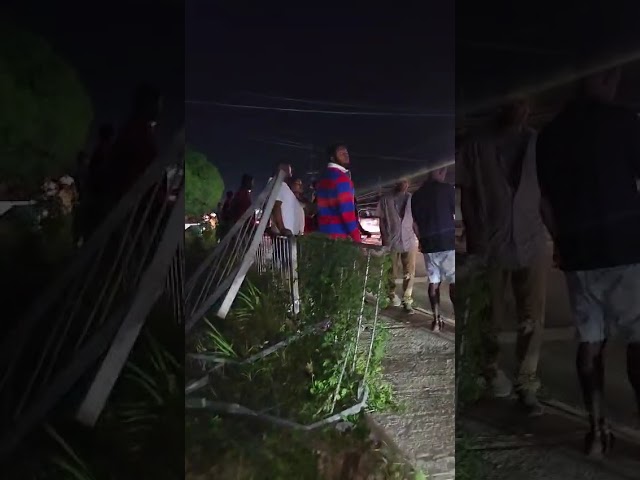
    Emergency services responded to a significant traffic incident in Portmore, St. Catherine on Thursday, where a single-vehicle accident resulted in injuries and substantial traffic delays. The collision occurred at the critical junction of Passagefort Drive and Knutsford Boulevard, a high-traffic corridor serving the Portmore community.

    Preliminary investigations indicate that the operator of a black BMW sedan experienced a sudden loss of vehicle control, causing the luxury automobile to deviate from its intended path and plunge into an adjacent gully. The impact caused considerable damage to the vehicle’s structure and required specialized extraction efforts.

    Law enforcement officers from the Jamaica Constabulary Force provided immediate assistance at the scene, successfully extricating the injured motorist from the wreckage. Emergency medical personnel subsequently transported the individual to a nearby medical facility for treatment of sustained injuries. Current condition reports for the driver remain undisclosed pending family notifications and further medical assessment.

    The ongoing recovery operation has necessitated partial road closures, creating substantial traffic congestion throughout the surrounding roadway network. Transportation authorities have issued formal advisories urging motorists to exercise extreme caution when navigating the affected area and to anticipate prolonged travel delays while cleanup operations continue.

    Traffic management units are implementing temporary diversion protocols to mitigate congestion impacts, though commuters are strongly encouraged to seek alternative routes until the scene is fully cleared and normal traffic patterns can resume.
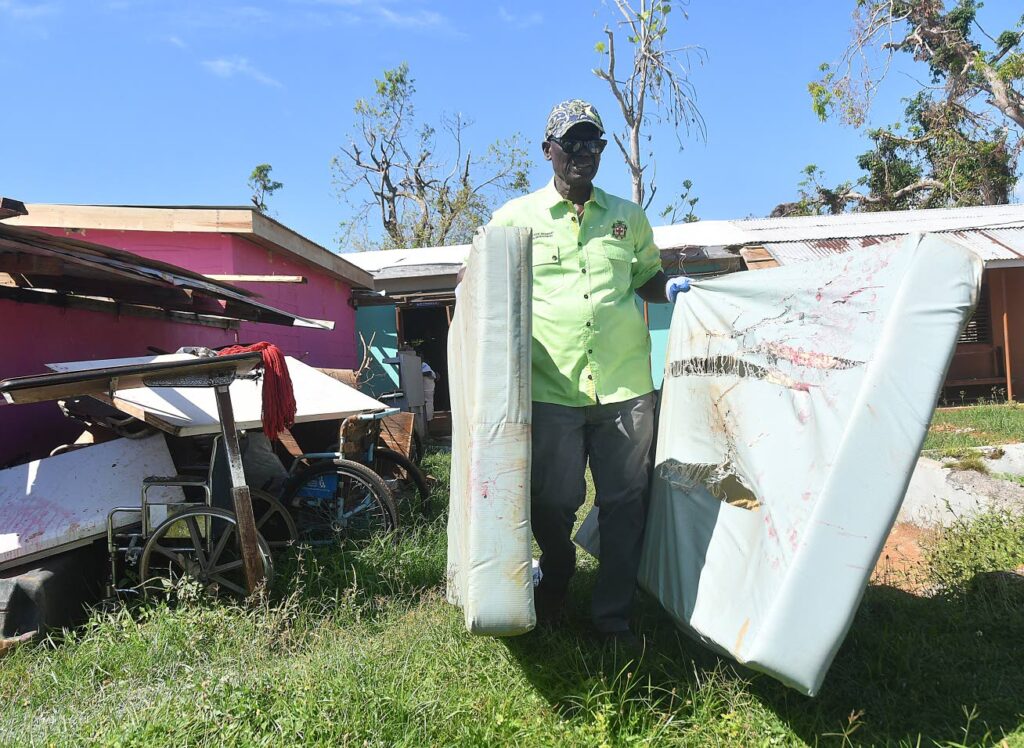

  • McKenzie: Homes for the indigent to be relocated or repaired and improved

    McKenzie: Homes for the indigent to be relocated or repaired and improved

    The Jamaican government is initiating a strategic reassessment of its social care infrastructure following the devastation wrought by Category 5 Hurricane Melissa, with particular focus on relocating infirmaries from flood-prone zones. These facilities, which provide essential care for destitute and vulnerable citizens lacking familial or financial support, suffered significant structural damage during the October 28 storm.

    Local Government Minister Desmond McKenzie, after conducting extensive facility assessments, identified multiple institutions requiring urgent intervention. The St. Ann Infirmary, situated perilously close to the coastline, has been flagged for potential relocation despite sustaining minimal damage. Meanwhile, authorities have secured safer ground for the Trelawny Infirmary in Falmouth, where the complete destruction of facilities has left residents without adequate accommodation.

    Minister McKenzie revealed immediate measures including the deployment of four retrofitted containers to serve as temporary housing for Trelawny’s indigent population. “Within another four weeks I am hoping that we will be able to complete the process,” McKenzie stated during cleanup operations at Santa Cruz Infirmary, emphasizing the urgency to provide proper housing before Christmas celebrations.

    The catastrophic event has underscored systemic vulnerabilities in Jamaica’s elder care infrastructure. Minister McKenzie acknowledged that approximately 90% of the nation’s infirmaries exceed century-old construction, necessitating comprehensive modernization. “Time has come to replace some of these buildings and put up new structures that will be able to cope,” he declared.

    Beyond structural concerns, the hurricane exposed critical operational challenges. Emergency relocations during Melissa highlighted the impossibility of moving vulnerable residents during active storms, prompting policy revisions regarding early evacuation protocols. Minister McKenzie confirmed that advance evacuation instructions issued three days prior to landfall potentially saved numerous lives.

    The human dimension of the disaster emerged through accounts of extraordinary staff dedication at Santa Cruz Infirmary, where caregivers waded through waist-high waters to evacuate residents. Matron Bianca Mitchell-Smith’s emotional response during the minister’s visit highlighted the traumatic experiences endured by both caregivers and residents.

    Looking forward, Minister McKenzie is assembling expert teams to develop flood mitigation strategies for facilities like Santa Cruz Infirmary, located near the Upper Black River Morass. The government plans to collaborate with municipal corporations to enhance technical assessment capabilities and prioritize infrastructure upgrades that address both immediate needs and long-term climate resilience.

  • Melissa leaves more than 200 health workers homeless

    Melissa leaves more than 200 health workers homeless

    In the wake of Hurricane Melissa’s destructive path across Jamaica, the Ministry of Health has initiated a substantial welfare program to support its workforce, of which over 2,600 staff members reported significant property damage. Health Minister Dr. Christopher Tufton revealed that 217 employees have been rendered homeless following the October 28 catastrophe that severely impacted multiple regions of the island.

    During a media briefing on Thursday, Minister Tufton emphasized that while healthcare professionals demonstrated remarkable resilience throughout the emergency response, many simultaneously endured personal tragedies as hurricane victims themselves. The newly launched initiative addresses two critical support domains: psychosocial assistance through expanded mental health services and trauma-informed care, and financial support through facilitated access to institutional resources for recovery.

    ‘The ministry is prioritizing staff welfare, including mental health support, as fundamental to our restoration efforts,’ Tufton stated. ‘While our assistance may not materialize as direct monetary compensation, we’re establishing pathways through financial institutions and government agencies like the National Housing Trust to provide substantive recovery aid.’

    Data collected through the specially created ‘Healthcare Workers Support Form’ indicates disproportionate impact across regions. The Western Regional Health Authority, serving the hardest-hit parishes including Hanover and St. James, accounts for 1,512 affected staff members. Regional health authorities in the South and Northeast reported 579 and 328 impacted workers respectively, while the less-affected Southeast region recorded 171 cases.

    Pauline Spencer-Smith, acting director of the National Council on Drug Abuse leading the welfare project, provided damage assessments: 741 workers with minor damage, 1,131 with moderate damage, 530 with major damage, and 217 homeless. Affected staff spanning 54 facilities primarily require assistance with structural repairs, furniture replacement, clothing, food packages, and medication support.

    Despite communication challenges leaving 518 workers unaccounted for, and ongoing infrastructure problems with 80% of staff still reporting to work, the ministry maintains its commitment to supporting all healthcare personnel—from consultants to porters—recognizing their indispensable role in Jamaica’s recovery ecosystem.

  • New police station in Little London opened

    New police station in Little London opened

    KINGSTON, Jamaica — In a significant development for disaster-prone communities, Jamaican authorities inaugurated a state-of-the-art police facility in Little London, Westmoreland, on Friday. The $175 million complex represents a strategic fusion of security infrastructure and disaster resilience planning.

    Constructed through the Ministry of National Security’s Project Rebuild, Overhaul and Construct (ROC) initiative in partnership with the National Housing Trust, the multifunctional facility incorporates operational spaces, residential quarters, and modern detention accommodations. Its inauguration timing—following closely after Category 5 Hurricane Melissa’s devastating October 28 landfall—provided a poignant backdrop for highlighting its dual-purpose design.

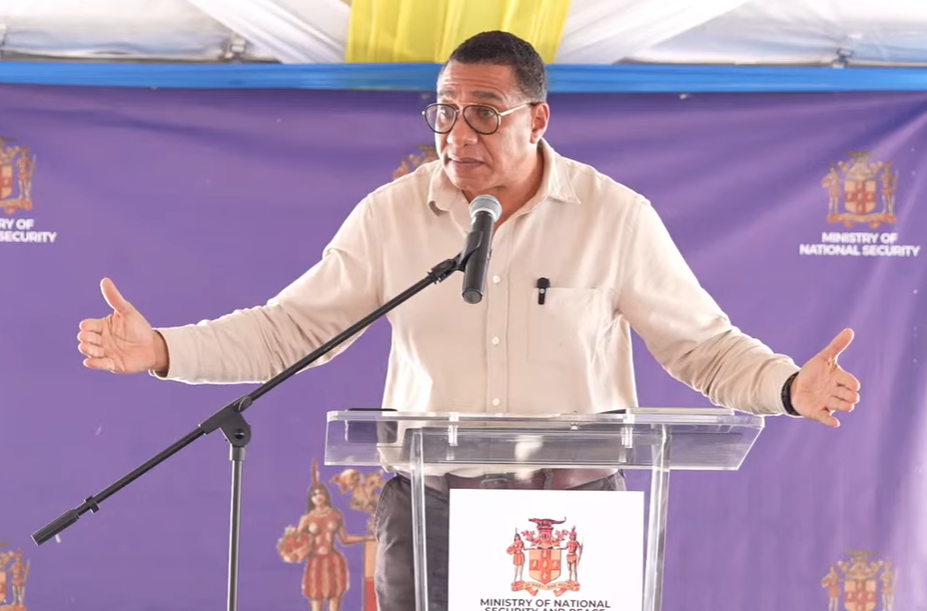
    Prime Minister Andrew Holness addressed attendees at the opening ceremony, confronting potential skepticism about launching a security project during recovery operations. “This station unintentionally coincided with Hurricane Melissa’s destructive path,” Holness stated. “Rather than delay its opening, we recognize this development must immediately serve broader community needs—not merely for security, but as a cornerstone for recovery operations.”

    The western parishes of Westmoreland, St. Elizabeth, and St. James suffered particularly severe damage during the recent hurricane. Holness praised Jamaican security forces for their crisis response, noting how existing police stations naturally evolved into community hubs during the disaster. “These facilities became centralized locations for charging phones, accessing internet, receiving distributions, and finding safety,” he observed.

    Emphasizing the new station’s engineered durability, the Prime Minister detailed its sustainable design features: “Built with structural robustness and autonomous backup power generation, this facility will operate as both first-response coordination center and secure zone during future emergencies.” The project exemplifies Jamaica’s integrated approach to infrastructure development that addresses both public safety and climate resilience imperatives.

  • UK rejects visa for Jamaican child left homeless by Hurricane Melissa

    UK rejects visa for Jamaican child left homeless by Hurricane Melissa

    An eight-year-old Jamaican girl faces a prolonged separation from her parents in the United Kingdom after her visa application was denied by the UK Home Office, despite her home being destroyed by Hurricane Melissa. Lati-Yana Brown, whose British father and Jamaican mother legally reside in the UK, has been living with her grandmother in Cash Hill, Hanover. Her parents, who married in 2025, saved £4,000 for her visa application, which was submitted in June.

    The family’s situation escalated into an emergency on October 28th when Hurricane Melissa devastated their community, obliterating the grandmother’s residence and leaving her incapable of providing adequate care for the child. In response, the parents urgently petitioned the Home Office for an expedited decision on humanitarian grounds.

    Officials rejected the application, issuing a formal refusal letter that acknowledged the widespread impact of the natural disaster but concluded that insufficient evidence was provided to prove the grandmother could no longer care for the child. The letter further stated that it had not been demonstrated that Lati-Yana could not be cared for by other relatives within Jamaica.

    Lati-Yana’s mother, Kerrian Bigby, characterized the decision as profoundly distressing, stating that reunification is essential for her daughter’s development and her own ability to fulfill maternal responsibilities. Legal representatives for the family condemned the ruling as displaying a ‘troubling lack of compassion.’

    The couple intends to appeal the decision; however, with a reported backlog of 106,000 cases, the process could extend up to two years before their case is reviewed, prolonging the child’s precarious living situation.

  • UDC reaffirms its commitment to national recovery as Christmas approaches

    UDC reaffirms its commitment to national recovery as Christmas approaches

    KINGSTON, Jamaica — Jamaica’s Urban Development Corporation (UDC) has intensified efforts to restore public recreational facilities ahead of the Christmas season, completing comprehensive renovations at multiple high-profile locations. The recently reopened attractions include Dunn’s River Falls and Park, Reach Falls, Ocho Rios Bay Beach, and Harmony Beach Park, all now fully operational for public enjoyment.

    The coordinated restoration initiative represents a strategic investment in both community infrastructure and economic revitalization. Since reopening earlier this month, these spaces have immediately reactivated local economic networks, providing renewed income opportunities for small enterprises, artisan vendors, and transportation services.

    Tourism officials emphasize the broader implications of these reopenings, noting that visitor confidence directly correlates with national economic recovery. With tourism serving as Jamaica’s primary economic engine—supporting countless households and service sectors—the timely restoration of attractions has been prioritized as a matter of national importance.

    Additional reopenings are scheduled throughout November, with Long Bay Beach anticipated to welcome visitors by November 29, followed shortly by Bluefields Beach Park the subsequent week. This phased approach ensures both safety standards and operational excellence are maintained across all facilities.

    UDC General Manager Bobby Honeyghan observed that the return of visitors has created palpable positive energy: ‘Witnessing Jamaicans and international guests rediscovering these spaces with renewed comfort and normalcy holds profound significance for our organization. These attractions serve as vital sanctuaries for community reconnection and personal restoration after challenging times.’

    The corporation reaffirms its dedication to maintaining these spaces as reliable, secure, and uplifting environments that embody national pride while supporting Jamaica’s broader tourism ecosystem during the critical holiday season.

  • Ranfurly: Lack of donations may force us to close doors

    Ranfurly: Lack of donations may force us to close doors

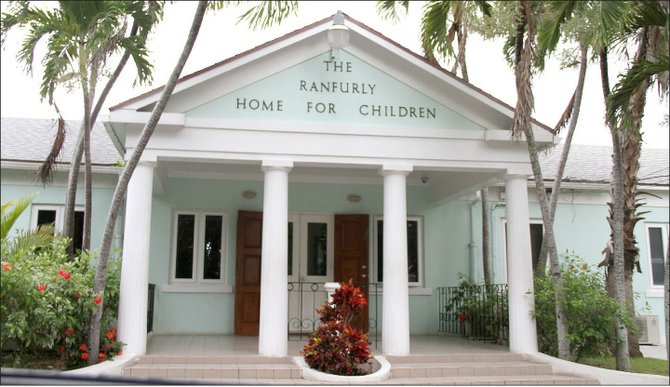
    Nassau’s longstanding Ranfurly Home orphanage faces potential closure due to a catastrophic financial shortfall, with administrators revealing that dwindling donations and insufficient governmental support have pushed the institution toward collapse. The facility, which provides care for 25 children aged 12 to 17, requires several hundred thousand dollars to achieve stability, according to President Joey Premock.

    Premock emphasized that government funding constitutes merely 25 percent of their operational budget, describing it as insufficient given their monthly expenses of approximately $55,000. While the home receives occasional gifts and clothing donations, these do not address critical cash needs for food, utilities, medical care, counseling, and staff salaries. Currently operating with fewer than five consistent donors, Premock warned that without immediate financial intervention, the institution cannot sustain operations.

    The crisis extends beyond orphanages to broader social services. Khandi Gibson, President of Families of All Murdered Victims (FOAM), reported her private six-bedroom shelter now houses 22 individuals—including women, children, and men—many fleeing eviction or dangerous living conditions. Gibson noted rising demand for basic survival assistance, from diapers for young fathers to support for employed Bahamians unable to cope with soaring living costs.

    Both leaders highlighted the growing gap between need and resources, particularly during the holiday season. Gibson’s shelter requires $2,500 monthly for operational costs alone, excluding substantial food and financial assistance provided to those outside the facility. She reported frequent instances of individuals contemplating suicide due to extreme financial pressure, noting that many Bahamians now rely on NGOs for survival.

    Administrators urge collective public action, emphasizing that while government resources are limited, community support could prevent institutional collapse. Premock specifically called for Bahamians to contribute time or donations to protect the nation’s most vulnerable children, countering public assumptions about the home’s financial stability.

  • Sandals Foundation, RUBiS energy aid Westmoreland fishers in post-Hurricane recovery

    Sandals Foundation, RUBiS energy aid Westmoreland fishers in post-Hurricane recovery

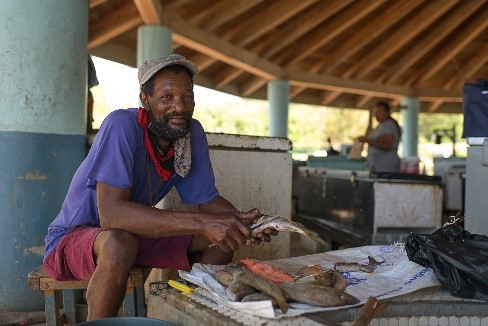
    WHITEHOUSE, Westmoreland — A strategic partnership between the Sandals Foundation and RUBiS Energy Jamaica has injected critical resources into hurricane-ravaged fishing communities, offering a lifeline to more than 100 local fishers. The joint donation valued at $3.5 million JMD comprises 120 rolls of specialized fishing wire and 6,720 liters of UltraTec 90 gasoline, directly addressing the operational paralysis caused by Hurricane Melissa’s devastating passage.

    The comprehensive relief initiative saw immediate implementation with distribution events commencing Friday. The fishing wire allocation enables artisans to construct approximately 600 replacement fish pots—essential equipment for sustainable harvesting. Simultaneously, RUBiS Energy Jamaica’s fuel contribution provides each fisher with 56 liters of high-quality gasoline, effectively restarting marine operations after weeks of forced inactivity.

    Diego Salmon, management lead at Whitehouse Fish Sanctuary, contextualized the disaster’s psychological toll: “The hurricane’s aftermath presents constant reminders of our collective loss. While the reconstruction needs remain enormous, our fishing communities demonstrate remarkable resilience. This support represents more than material aid—it symbolizes hope and tangible progress toward normalcy.”

    Corporate leadership emphasized the strategic importance of livelihood restoration. RUBiS Energy Jamaica CEO Michel Malatino stated: “Our involvement targets economic reactivation through sustainable means. Helping fishers return to their traditional occupations stimulates household stability and community rebuilding through multidimensional recovery.”

    Local fisher Oneil Smith confirmed the intervention’s practical impact: “With our boats and equipment destroyed, income generation became impossible. This assistance provides the necessary foundation to restart commercial activities and support our families.”

    The Whitehouse Fish Sanctuary, established in 2013 as a marine conservation initiative, has dramatically expanded its role post-hurricane. Beyond its ecological mandate, the organization now coordinates distribution of emergency supplies, provides free ice for food preservation, and maintains solar-powered charging stations alongside newly installed street lighting for enhanced community safety.

    The Sandals Foundation has integrated psychological support into recovery efforts through partnerships with Kahle Journey and the Jamaica Psychological Association. According to Executive Director Heidi Clarke: “Community strengthening remains central to our mission. By restoring fisheries—a dual source of income and nutrition—we activate crucial recovery mechanisms while honoring our commitment to sustainable development.”

    Future recovery phases will prioritize environmental rehabilitation. Salmon outlined forthcoming priorities: “After achieving personal sustenance, we’ll conduct comprehensive reef assessments and initiate coral replanting programs. Our sanctuary serves as the cornerstone for both ecological and economic restoration.”

  • McKenzie vows greater enforcement of National Building Code next year

    McKenzie vows greater enforcement of National Building Code next year

    In the wake of Hurricane Melissa’s destructive path last month, Jamaican Local Government Minister Desmond McKenzie has issued a stern mandate for nationwide reconstruction efforts to strictly comply with the country’s National Building Code. Speaking during a Thursday address in Santa Cruz, St. Elizabeth, McKenzie emphasized that rebuilding must prioritize structural integrity and disaster preparedness above all other considerations.

    Minister McKenzie highlighted the critical need for enhanced enforcement mechanisms, announcing that strengthened compliance measures will be implemented by 2026. He expressed particular concern about informal construction practices, specifically referencing the dangerous trend of erecting makeshift dwellings in flood-prone areas using inadequate materials like zinc sheets and plywood.

    The Minister delivered a blunt message regarding socioeconomic status and disaster vulnerability: “The time has come when we must forget about whether you poor or rich, because disaster don’t know nobody.” He observed that those claiming poverty often suffer most from natural disasters due to substandard building practices.

    McKenzie issued a grave warning about Jamaica’s preparedness, contemplating the catastrophic potential had Hurricane Melissa struck the densely populated Corporate Area instead of the southwestern region. He recalled a citizen’s sobering observation that “country can’t manage town,” underscoring the disproportionate impact a direct hit on the capital would have on national infrastructure and government operations.

    The government plans to initiate a comprehensive rollout of new building compliance measures in the coming year, signaling a transformative approach to urban planning and disaster resilience throughout Jamaica.

  • FID, MOCA and JCF launch joint time-signal campaign to boost reporting of financial crimes

    FID, MOCA and JCF launch joint time-signal campaign to boost reporting of financial crimes

    KINGSTON, Jamaica — In a groundbreaking collaborative effort, Jamaica’s three premier law enforcement agencies have unveiled an innovative public awareness initiative designed to intensify the nation’s battle against financial criminal activities. The Financial Investigations Division (FID), Major Organised Crime and Anti-Corruption Agency (MOCA), and Jamaica Constabulary Force (JCF) have established a strategic alliance to deploy coordinated time-signal messages across major radio networks.

    The comprehensive campaign, scheduled to run from December 1, 2025, through August 30, 2026, will broadcast on Irie FM and Zip 103 FM, specifically engineered to reach diverse audiences nationwide. These audio segments will serve as persistent reminders for citizens to report any suspicious behaviors linked to fraud schemes, scamming operations, money laundering activities, or to seek assistance if they have fallen victim to financial crimes.

    This innovative approach originated from a high-level teleconference conducted on November 17, where agency leadership collectively identified time-signal messaging as both cost-efficient and maximally impactful for sustained public engagement. The partnership operationalizes existing Memoranda of Understanding between the organizations, demonstrating their reinforced dedication to preserving the integrity of Jamaica’s financial infrastructure.

    Colonel Desmond Edwards, MOCA’s director-general, emphasized the operational advantages: “This unified approach significantly enhances our capacity to disrupt organized financial criminal networks. Public cooperation through timely reporting enables quicker response times, more intelligent investigative actions, and broader protection for Jamaican citizens.”

    Dennis Chung, FID’s chief technical director, highlighted the societal implications: “Financial crimes create tangible victims across our communities. These radio messages represent an accessible yet powerful medium to reach citizens in their daily environments, reminding them that vigilant reporting directly contributes to familial and community security. This campaign marks another progressive phase in our inter-agency collaboration to promote national safety and economic stability.”

    Police Commissioner Dr. Kevin Blake affirmed the JCF’s commitment: “Our unified support for this initiative underscores our institutional priority. Every citizen report provides invaluable intelligence that strengthens our investigative capabilities and facilitates the dismantling of criminal enterprises that endanger national security.”

    Dedicated communications teams from all three agencies will collaboratively produce audio content, continuously monitor campaign performance metrics, and adapt messaging strategies throughout the nine-month period to address evolving criminal trends and investigative requirements.