分类: society

  • Family of Slain Jennings Man Demands Justice as Investigation Continues

    Family of Slain Jennings Man Demands Justice as Investigation Continues

    The Jennings community is reeling from a brutal stabbing that claimed the life of a local man, prompting urgent calls for justice from his grieving family. The incident, which unfolded on Wednesday afternoon, has left a family shattered and a neighborhood demanding accountability.

    According to official reports, the victim was ambushed while seated in his vehicle with his nine-year-old son near the Valley Road service station at approximately 4:15 p.m. Despite sustaining a critical puncture wound to his right shoulder, the fatally injured man demonstrated remarkable presence of mind by driving toward the service station in a desperate attempt to secure medical assistance. He was rapidly transported to Sir Lester Bird Medical Centre but succumbed to his injuries and was pronounced deceased at 5:08 p.m.

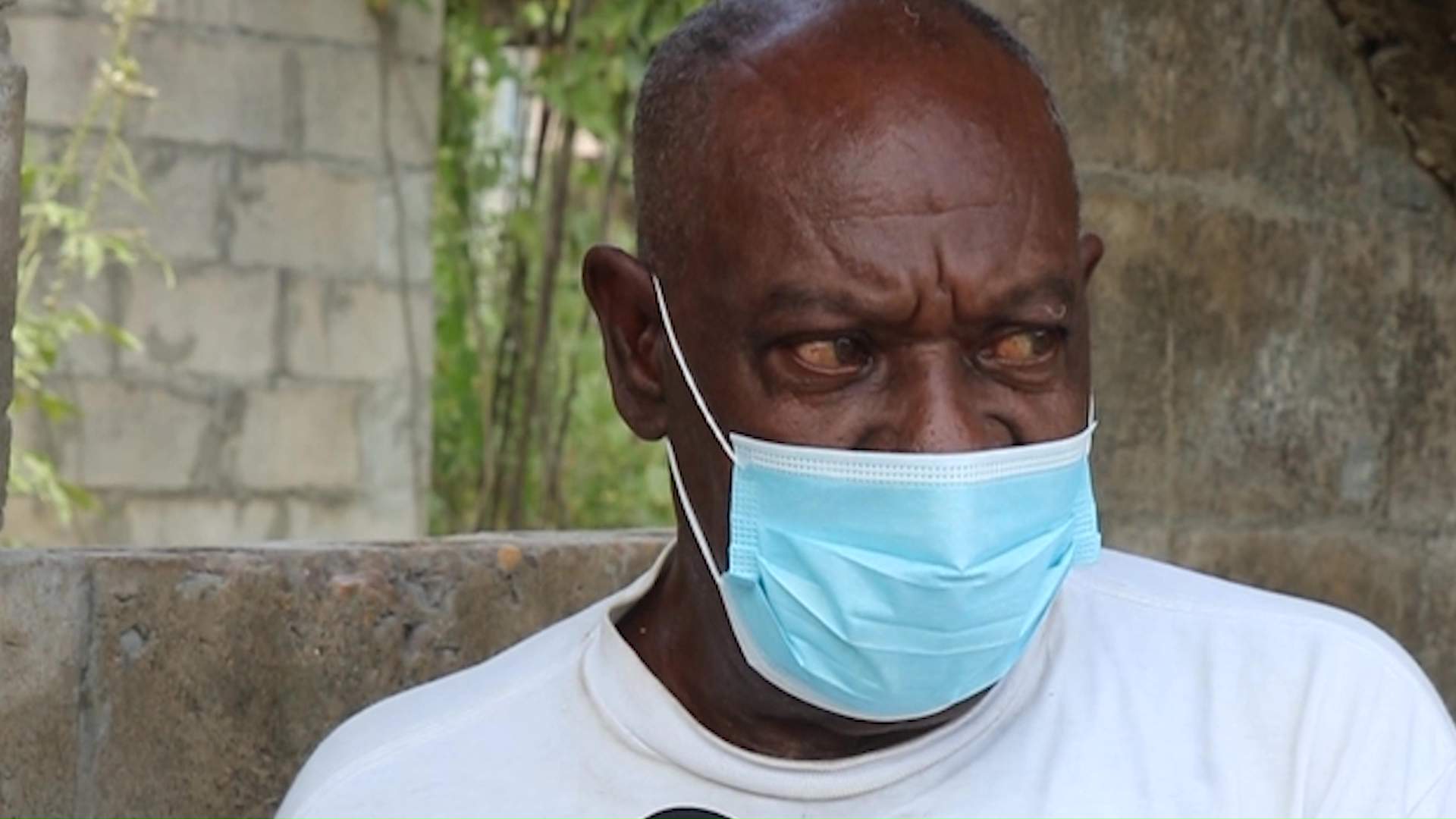
    Family members and close associates have characterized the killing as a senseless tragedy that has irrevocably damaged multiple lives. A family spokesperson, identified as Jennifer, revealed the profound impact on the victim’s partner—mother to three of his children—who has been rendered inconsolable and unable to address the public. In emotional remarks to press, Jennifer highlighted the family’s anguish, stating, ‘It is profoundly unjust for a family to lose a son, father, uncle, and brother to violence rooted in mental health crises, particularly when systemic responses appear inadequate.’

    Eyewitness accounts suggest the initial assault occurred near the Kentish Road junction before the victim desperately sought help at the nearby service station. Those who knew him describe a devoted parent who prioritized his children’s wellbeing, actively participated in their daily routines, and generously shared his resources to ensure their care.

    As law enforcement continues its investigation, the family is advocating for a comprehensive and transparent investigative process. They seek not only justice but also meaningful closure, hoping that heightened public awareness will prevent similar tragedies in their community.

  • Teams Deployed Across Communities in Expanded Beautification Effort

    Teams Deployed Across Communities in Expanded Beautification Effort

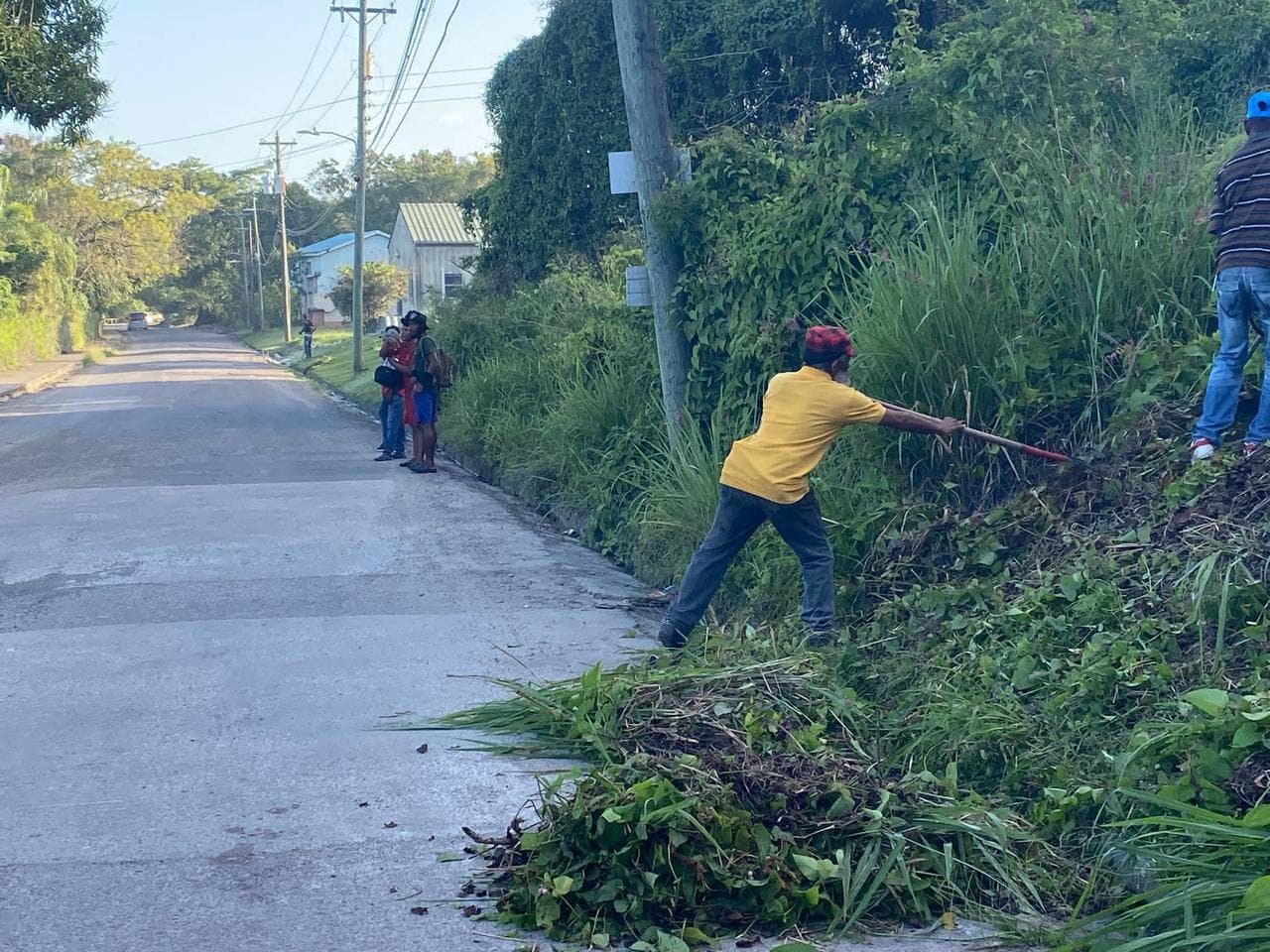
    The Government of Antigua and Barbuda has launched a comprehensive national initiative targeting environmental beautification and sanitation, following a detailed Cabinet review of current conditions. Senior managers from the National Solid Waste Management Authority (NSWMA) presented a thorough assessment of public spaces, identifying critical issues requiring immediate intervention—including illegal dumping, litter accumulation, overgrown vegetation, and blocked drains.

    In response, Cabinet has endorsed an intensified cleanup campaign, mobilizing and reassigning multiple teams to priority communities. Key activities include the removal of litter and bulky waste, clearing overgrown trees and shrubbery, cleaning drains and watercourses, and enhancing public spaces and road verges. The initiative will be implemented through a coordinated multi-agency approach involving the Beautification Division of the National Housing Development and Urban Renewal Company and the Antigua Public Utilities Authority (APUA).

    Cabinet emphasized that environmental management is a central governance priority, directly linked to public health, environmental sustainability, tourism appeal, and national security. Overgrown and derelict areas not only affect aesthetics but also pose safety risks, facilitate pest breeding, reduce roadway visibility, and can conceal illicit activities. As such, the effort is framed as both a preventive and restorative measure.

    Residents, businesses, and community groups are urged to participate through proper waste disposal, property maintenance, and reporting illegal dumping. The government also plans to strengthen enforcement mechanisms to deter littering and non-compliance. The beautification drive will be executed in phases with ongoing monitoring to ensure lasting impact, reaffirming the nation’s commitment to remaining clean, safe, and welcoming for all.

  • Column: Journalistiek is niet het beschermen van maatschappelijk onrecht en macht

    Column: Journalistiek is niet het beschermen van maatschappelijk onrecht en macht

    A concerning societal expectation has emerged in Suriname where journalism is welcomed only when it doesn’t challenge protected interests. When media reporting becomes critically uncomfortable, accusations immediately surface alleging personal attacks, political agendas, or attempts to remove officials from power.

    This pattern manifested recently when panelist Giwani Zeggen on the radio program Welingelichte Kringen accused Starnieuws of intentionally damaging the Prosecutor General’s reputation through reporting about excessive compensation amounting to SRD 1.4 million. These allegations reveal more about persistent misunderstandings of journalism’s purpose than about the media outlet itself.

    The controversial reporting centered not on an individual but on the Judicial Position Act (Wet Rechtspositie Rechterlijke Macht). The salary calculation referenced wasn’t fabricated but derived directly from legal percentages, allowances, and tax-free compensations explicitly outlined in the legislation. The fact that administration expert Eugène van der San had previously raised this issue publicly doesn’t diminish the journalistic premise: when a law potentially enables monthly state-funded incomes exceeding SRD 1 million, it becomes inherently newsworthy.

    The suggestion that Starnieuws misled society because political discussions about judicial reforms are ongoing represents a diversionary tactic. Journalism doesn’t await politically convenient moments—it reports when information holds societal relevance, not when it comforts power holders or their defenders. The profession accepts no censorship and practices no self-censorship when matters of public interest are involved.

    What truly emerges here is a dangerous shift where systemic criticism becomes deliberately personalized to avoid substantive discussion. By framing reporting as attempting to undermine the Prosecutor General, attention divertes from the core issue: how can legislation in an economically vulnerable society justify such extreme income disparities within the public sector?

    Journalism exists not to shield officials from uncomfortable facts but to provide citizens insight into how power, laws, and public resources function. Those expecting media silence because certain individuals might become discussion topics essentially request public relations, not journalism.

    The same journalistic principles will apply to numerous mismanagement cases at ministries, government institutions, and state enterprises, including the State Health Insurance Foundation, Suriname Telecommunication Authority, Milk Center, and Grassalco.

    While media criticism remains legitimate and necessary in democratic societies, such criticism should rest on established journalistic standards—truthfulness, independence, fact-opinion separation, and social responsibility—as codified in international codes like the Bordeaux Code and adopted by the Surinamese Association of Journalists. Not all journalists consistently adhere to these standards, but this doesn’t grant anyone authority to position themselves as informal regulatory bodies without explicit reference to proper assessment criteria.

    The fundamental question remains: what institutional position empowers Zeggen to lecture journalists? While free expression rights remain unquestioned, professional authority requires substantive standards, not political suspicions or personal interpretations of intent. Through determined reporting, society has been served significantly, already prompting corrective measures—including cooperation from the judicial system. Journalists will continue their work without seeking approval or regarding personal status.

  • Government launches plan to eliminate obsolete wiring in Santo Domingo

    Government launches plan to eliminate obsolete wiring in Santo Domingo

    SANTO DOMINGO – In a significant collaborative effort to enhance urban safety and aesthetics, three major Dominican institutions have forged a strategic partnership to address the longstanding issue of disorganized overhead infrastructure in the capital city. The Dominican Institute of Telecommunications (Indotel), the National District Mayor’s Office (ADN), and the Unified Council of Electricity Distribution Companies (CUED) have formally executed a cooperation agreement targeting the systematic removal of obsolete cabling and the comprehensive reorganization of urban wiring systems.

    The signing ceremony featured key leadership: Guido Gómez Mazara, President of Indotel’s Board of Directors; Carolina Mejía, Mayor of the National District; and Celso Marranzini, President of CUED. This tripartite initiative moves beyond mere aesthetic improvement, framing the infrastructure overhaul as a critical public safety imperative aimed at safeguarding pedestrians, motorists, and the overall urban environment from hazards posed by deteriorated and haphazardly installed wiring.

    Gómez Mazara characterized the agreement as a decisive transition from planning phases to tangible action, revealing that the project scope will exceed 300 kilometers of cabling across central and densely populated zones. Initial phases will prioritize the Colonial City, San Carlos, Cristo Rey, and other key districts. Mayor Mejía emphasized that eliminating hazardous wiring is fundamental to elevating resident well-being and commended the inter-institutional coordination essential for transforming Santo Domingo’s public realms.

    Marranzini reinforced that regulating overhead electrical infrastructure is vital not only for visual enhancement but also for ensuring reliable and continuous power service. The intervention will be implemented methodically through stages involving technical inspections, precise identification and labeling of active versus obsolete lines, safe dismantling procedures, area cleanup, and final validation by all involved parties.

    Operational responsibilities are clearly delineated: Indotel will helm regulatory coordination and project management, the ADN will oversee on-ground execution and public space reorganization, and CUED will provide specialized technical expertise for the secure handling of electrical components. The agreement further establishes a framework for continuous monitoring to guarantee effective implementation and deliver measurable outcomes in each revitalized neighborhood.

  • Farming back in Deacons Farm, as MP plans youth job boost

    Farming back in Deacons Farm, as MP plans youth job boost

    In a significant community development initiative, Neil Rowe, Member of Parliament for St Michael North West, has successfully revitalized an agricultural project in Deacons that creates meaningful employment and training opportunities for local youth. The Northwest Alliance Agricultural Project, originally conceived in 2019, has overcome previous operational challenges and is now positioned for substantial expansion.

    The project originated from Rowe’s desire to provide rehabilitation opportunities when a young community member returning from incarceration faced employment barriers. “When traditional employment options proved unavailable,” Rowe explained, “we explored alternative pathways and identified farming as a viable livelihood solution.”

    Currently, the initiative maintains diverse agricultural operations including carrot, bean, beetroot, lettuce, and okra cultivation, complemented by a growing flock of 20 Black Belly sheep. Project participant Vincent Edwards confirmed the commercial viability: “Anything we plant here finds ready market demand.”

    Initial implementation faced significant infrastructure challenges, particularly regarding reliable water access. Rowe navigated complex administrative processes to secure permanent water solutions, acknowledging that “while bureaucratic hurdles presented obstacles, we successfully overcame them through persistent advocacy.”

    The MP recently provided specialized farming tools to participants, emphasizing their symbolic and practical importance: “These resources will empower our young farmers to maximize their agricultural yield and build sustainable livelihoods.”

    Future expansion plans include operational diversification into animal husbandry with planned investments in chicken and rabbit rearing. Security enhancements through additional fencing and land allocation will support this growth. Rowe envisions broadening participation across the constituency, stating: “Farming represents a legitimate livelihood pathway, and anyone committed to this work can achieve economic stability.”

    Edwards reflected on the transformation of previously neglected land: “This area was once overgrown jungle requiring purposeful intervention. With parliamentary support, we’ve created productive agricultural space that benefits both participants and the broader community.”

  • DPP Misses Deadline, Elrington’s Rape Case Delayed

    DPP Misses Deadline, Elrington’s Rape Case Delayed

    The high-stakes sexual assault case against prominent attorney Orson Elrington has encountered another significant postponement, creating further delays in the judicial process. The court experienced a procedural setback when the Office of the Director of Public Prosecutions failed to meet a critical midday deadline for submitting essential documentation.

    Presiding Justice Nigel Pilgrim had previously mandated that prosecutors provide an official statement from the alleged victim by Wednesday. This statement was crucial for determining whether the sensitive trial should be conducted behind closed doors to protect the complainant’s privacy and well-being.

    However, Director of Public Prosecutions Cheryl-Lyn Vidal informed the court earlier today that the virtual complainant was not in an appropriate condition to provide the necessary statement. The Department of Human Services has now intervened to provide support and assistance to the individual involved.

    Following this development, the prosecution formally requested additional time to compile the required documentation. Justice Pilgrim granted the extension, rescheduling the proceedings to March 3rd. The highly anticipated ruling regarding courtroom accessibility, originally expected this Friday, has been postponed to March 4th.

    The substantive hearing will commence immediately following this decision, with the prosecution scheduled to present its case on March 4th, 10th, and 11th.

    Defense attorney Alifa Elrington, representing the accused, expressed frustration with the continual delays, particularly regarding the ongoing debate about whether the trial should remain open to public scrutiny. The defense team emphasized their readiness to proceed while acknowledging the court’s procedural requirements.

    This case continues to draw significant public attention as it involves serious allegations against a legal professional and raises important questions about victim protection within the judicial system.

  • Lanza Gets Seven-Year Sentence After Child Sex Conviction

    Lanza Gets Seven-Year Sentence After Child Sex Conviction

    In a landmark ruling at the High Court, 25-year-old Kenroy Lanza has been sentenced to seven years imprisonment following his conviction for the sexual abuse of an 11-year-old boy. The offenses, which occurred on three separate occasions in 2020, were described by Justice Candace Nanton as particularly grave due to the victim’s tender age and the presence of another minor during one incident.

    Presiding Justice Nanton delivered a comprehensive sentencing rationale, noting the complete absence of remorse demonstrated by the defendant. Lanza maintained his claim that the victim had fabricated the allegations throughout the proceedings. The judicial process involved careful consideration of sentencing parameters, beginning with an eight-year baseline that was subsequently adjusted for mitigating circumstances before being elevated once more to reflect the severity of the crimes committed.

    The prosecution, led by Joseph Perez, presented evidence including testimony from the child victim delivered in camera to protect the minor’s identity. With one year of pre-trial detention already served, Lanza will remain incarcerated for the subsequent six years to complete his sentence. This case represents the judiciary’s firm stance on crimes against children and the importance of victim protection in sexual offense trials.

  • President Abinader receives first new driver’s license

    President Abinader receives first new driver’s license

    SANTO DOMINGO – The Dominican Republic has ushered in a new era of transportation management with the official launch of its completely overhauled national driver’s licensing system. President Luis Abinader personally received the first issuance of the modernized license during a ceremonial event at Blue Mall on Thursday, marking a significant milestone in the country’s road safety initiatives.

    Executive Director Milton Morrison of the National Institute of Transit and Land Transportation (Intrant) presented the groundbreaking document, emphasizing that the comprehensive reform reestablishes complete state authority over the licensing framework while dramatically elevating security protocols and service quality. Remarkably, these substantial enhancements come without additional financial burden to citizens.

    The innovative system represents a major leap forward in bureaucratic efficiency and social inclusion. According to Intrant officials, the modernization will gradually integrate over one million unlicensed motorcyclists into the formal transportation network. This initiative is projected to contribute significantly to improved driver education standards and a consequent reduction in traffic-related incidents across the nation.

    Beyond safety improvements, the revamped program promises considerable economic benefits, estimated to exceed RD$1 billion. Morrison credited President Abinader’s unwavering support as instrumental in advancing the project and reaffirmed the administration’s dedication to ethical data management practices and transparent public service delivery.

    The newly introduced license replaces an outdated system that had been operational for more than two decades. Following a transparent public bidding process, the contract was awarded to the Mobility ID Consortium. The physical document incorporates state-of-the-art security features, manufactured using high-grade polycarbonate material with laser engraving technology. Advanced protective elements include microtext, multi-dimensional holograms, invisible ink patterns, and ultraviolet printing.

    Technological integration forms the cornerstone of the new system, featuring Advanced Biometric Identification (ABIS), centralized digital record-keeping with comprehensive audit trails, and fully digitized theoretical and practical examination processes to ensure objective evaluation standards. A subsequent implementation phase will introduce a Digital Driver’s License (mDL) compliant with international ISO/IEC 18013-5 specifications.

    Service accessibility will undergo substantial expansion, growing from 14 to 32 locations nationwide to cover all 31 provinces and the National District. International presence will simultaneously double from five to ten consular offices. Initial phase availability begins Monday, March 2, across designated offices in Greater Santo Domingo, multiple provinces, and international locations including Miami, New York, Philadelphia, Boston, and Madrid.

    A secondary phase within the next 60 days will incorporate additional offices throughout various provinces and international cities such as New Jersey, Barcelona, Puerto Rico, Brussels, and Zurich. Intrant clarifies that replacement of valid, unexpired licenses remains optional, allowing citizens to voluntarily upgrade to the enhanced version at their discretion.

    “With the presidential presentation of this inaugural license, the Dominican Republic embraces a transformed mobility management paradigm—characterized by heightened safety, unprecedented transparency, technological sophistication, and firm governmental oversight,” Morrison concluded.

  • Farewell to “Ryo”: Legendary Court Reporter Leaves Lasting Legacy

    Farewell to “Ryo”: Legendary Court Reporter Leaves Lasting Legacy

    The Belizean journalism community is mourning the passing of Roy Davis, the revered court reporter affectionately known as ‘Ryo,’ who died on February 26, 2026. For decades, Davis became an institution on the courthouse steps, capturing pivotal moments in Belize’s legal system with unparalleled determination and professionalism.

    Colleagues remember Davis as both a fierce competitor and generous mentor whose presence defined courthouse reporting. His longtime friend and professional counterpart Anita Nembhard shared poignant memories of their collaborative approach to journalism. ‘This veranda was our favorite spot,’ Nembhard recalled. ‘He pan one end, I pan the next end. It’s sad. I was sad.’

    Their partnership exemplified journalistic camaraderie despite competitive pressures. ‘We had to set it up that if I miss he catch and if he catch and I miss, we just shared our footages or our pictures,’ Nembhard explained, describing their system of ensuring comprehensive coverage for the Belizean public.

    Beyond his professional tenacity, colleagues cherished Davis’s personal warmth. ‘Apart from being the go-getter like we all do inna this field, there was a sweet side to Royo,’ Nembhard noted, adding that understanding his character required genuine connection.

    The personal bonds extended beyond the newsroom, with Nembhard revealing familial connections: ‘Actually Royo grandson is my uncle son.’ She expressed particular sadness about how news of his passing circulated through the media community, taking initiative to notify colleagues personally.

    Davis’s legacy endures through the generations of journalists he mentored and the high standards he established for courthouse reporting. His absence leaves a void on the courthouse steps where he became as much a fixture as the judicial proceedings themselves, remembered for both his professional excellence and the ‘lee jokes’ he shared with colleagues.

  • New Rules, Bigger Prize as ‘Belize at 45’ Competition Begins

    New Rules, Bigger Prize as ‘Belize at 45’ Competition Begins

    Belize has officially launched its national theme competition for the country’s 45th independence celebrations, introducing significant changes to this year’s contest format. The “Belize at 45” competition now features stricter submission guidelines, a prohibition on artificial intelligence-generated entries, and a substantially increased cash prize.

    According to Eluide Miller of the National Celebrations Commission, this year’s competition builds on last year’s success which attracted nearly 400 submissions. The 2025 winning theme “Belize at Forty-four: Stronger Together, Rising Forever” was jointly created by two citizens who captured the nation’s spirit during the independence season.

    The revised competition criteria mandate that all submissions must not exceed ten words, emphasizing conciseness while authentically reflecting the Belizean spirit. Participants are limited to a maximum of three entries each, with violations resulting in disqualification.

    A notable new regulation prohibits the use of AI-generated content, with all entries undergoing automated screening for AI detection. Submissions exceeding a 40-50% AI score threshold will be automatically disqualified from consideration.

    The competition deadline has been set for April 10th, with the prize money dramatically increased to $2,000 Belize dollars—double the amount offered in previous years. This financial incentive aims to encourage broader participation and higher quality submissions from creative citizens across the nation.

    The National Celebrations Commission expresses strong enthusiasm for this year’s independence festivities, viewing the theme competition as a cornerstone event that engages national pride and creative expression among Belizeans worldwide.