分类: society

  • Nurses association: Wage negotiations must resume amid Couva hospital reopening

    Nurses association: Wage negotiations must resume amid Couva hospital reopening

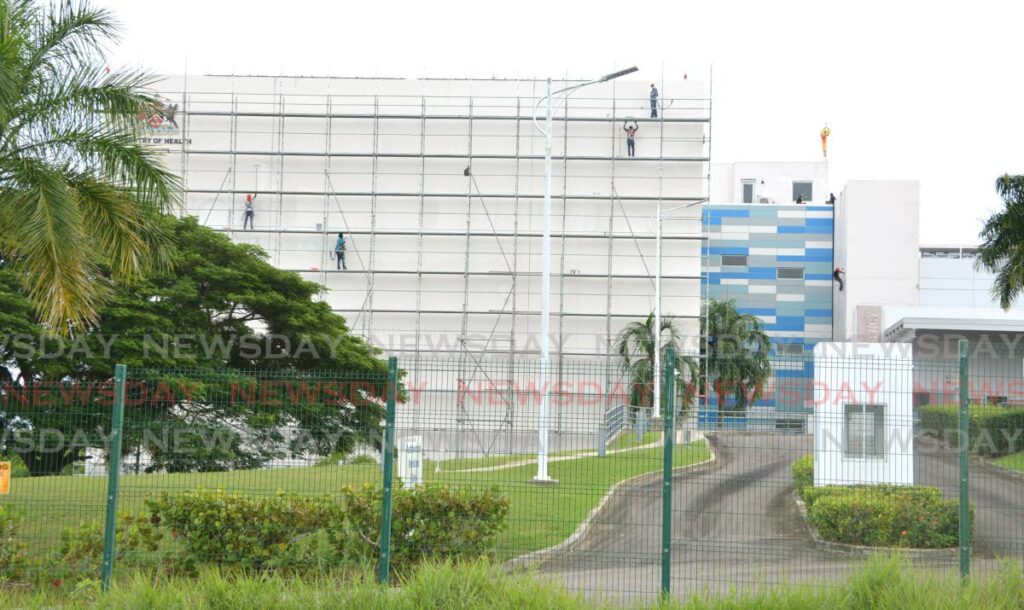
    The Trinidad and Tobago Registered Nurses Association (TTRNA) has intensified pressure on the government to resolve long-standing wage negotiations, simultaneously criticizing the controversial commencement of adult surgeries at Couva Children’s Hospital on November 28. This development occurs despite previous objections from nursing professionals regarding staff and resource limitations at the facility.

    TTRNA President Idi Stuart contends that the government’s financial capacity to refurbish and operationalize the hospital for the third time demonstrates available funds that should rightfully address nursing compensation. Wage discussions have remained stagnant since 2013, creating significant dissatisfaction among healthcare professionals.

    According to Stuart, the initial operational phase has encountered substantial challenges. Specialized surgical nursing staff are being transferred from Point Fortin Hospital and San Fernando General Hospital to support the new facility, potentially compromising patient care at existing institutions. Additionally, reassigned nurses report excessive working hours without adequate breaks or meal periods.

    Stuart further alleges that medical consumables are being diverted from other healthcare facilities to equip Couva Hospital, raising concerns about resource allocation across the public health system. The TTRNA has actively advised its members through social media to formally document overtime hours and seek written reassignment instructions, highlighting administrative uncertainties regarding regional health authority jurisdiction.

    The hospital’s history reflects political complexities. Originally commissioned in 2015 under Kamla Persad-Bissessar’s administration, it was subsequently transferred to North Central Regional Health Authority management. Persad-Bissessar, now returned to power, had previously criticized the government for failing to fully operationalize the facility during her opposition period.

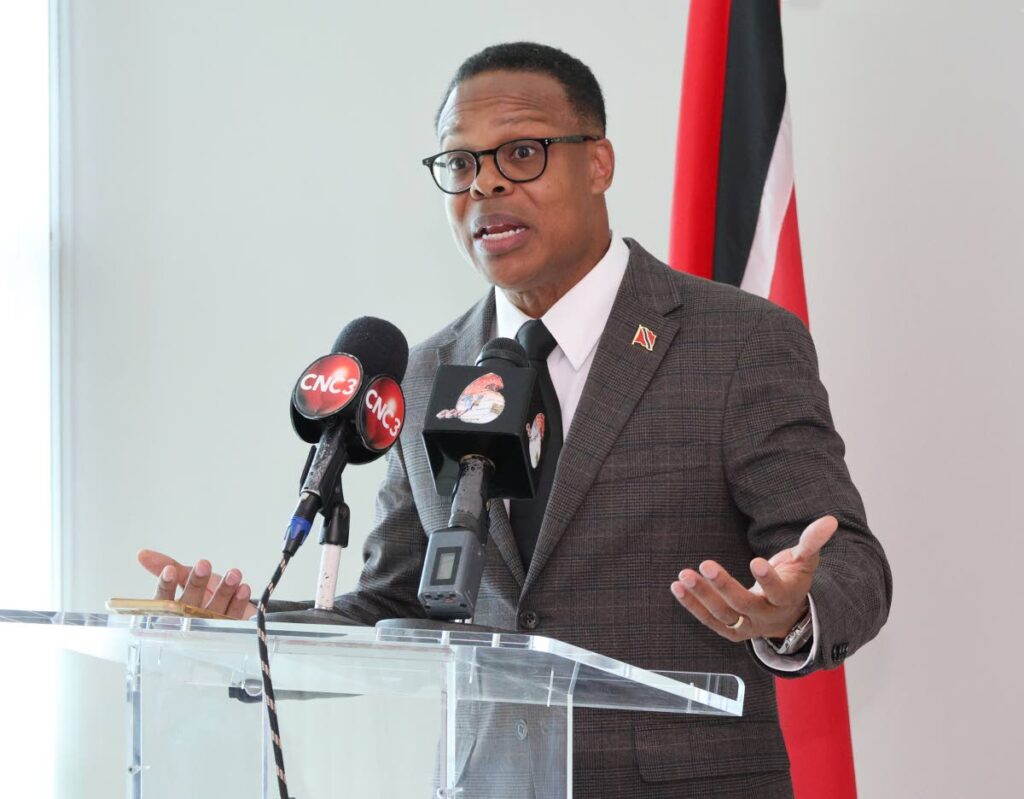
    Health Minister Dr. Lackram Bodoe maintains that the hospital’s operationalization aligns with the Prime Minister’s mandate, emphasizing the ministry’s commitment to a coordinated transition as additional services become available. Newsday reports that ministerial response to the TTRNA’s allegations remained unavailable at publication time.

  • CAFFE pays tribute to former ECJ chairman Dorothy Pine-McLarty

    CAFFE pays tribute to former ECJ chairman Dorothy Pine-McLarty

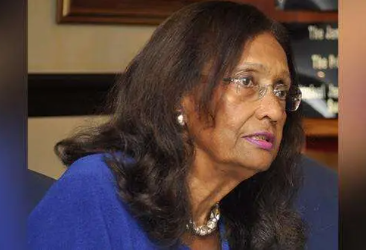
    KINGSTON, Jamaica — Jamaica’s democratic institutions are mourning the loss of The Honourable Dorothy Pine-McLarty, a foundational figure in the nation’s electoral reform movement whose legacy continues to shape the country’s political processes. The prominent attorney and former Chairman of the Electoral Commission of Jamaica (ECJ) passed away recently, leaving behind a transformed electoral landscape.

    Pine-McLarty’s remarkable career in electoral governance spanned multiple decades, beginning with her extensive service on the Electoral Advisory Committee before making history as the sole member to transition to its successor organization, the ECJ. Her visionary leadership as Commission Chairman from 2013 until her retirement in 2019 was characterized by institutional innovation and an unwavering commitment to preserving democratic integrity. During her tenure, she implemented crucial safeguards that strengthened public trust in Jamaica’s electoral system.

    Beyond her electoral contributions, Pine-McLarty established herself as a legal luminary, serving as managing partner at the prestigious law firm Myers, Fletcher & Gordon. She was particularly celebrated for her dedication to mentoring emerging legal professionals, shaping the next generation of Jamaica’s judicial talent. Her exceptional service to nation-building earned her the Order of Jamaica in 2007, followed by an honorary Doctorate in Business Administration from the University of the Commonwealth Caribbean in 2019.

    Citizens Action for Free and Fair Elections (CAFFE), which collaborated closely with Pine-McLarty during her ECJ leadership, acknowledged her profound institutional knowledge and praised the robust working relationship they maintained throughout her tenure. The organization emphasized that her passing represents a significant moment for Jamaican democracy, noting that her contributions have left an indelible mark on the nation’s governance structures. CAFFE has extended heartfelt condolences to her family, colleagues, and numerous admirers across the legal and electoral communities.

  • A duty to support steelbands

    A duty to support steelbands

    Cultural Minister Michelle Benjamin faces mounting pressure to address the funding crisis threatening Trinidad’s steelband tradition, as revealed in a recent editorial published by Newsday. The scathing critique exposes what the author describes as corporate exploitation of Carnival celebrations without adequate financial support for the cultural foundations that make the festival possible.

    The editorial, submitted by Gordon Laughlin via email, presents a compelling case against what he characterizes as corporate Trinidad’s imbalanced relationship with Carnival. According to the analysis, numerous commercial entities—including hotel chains, event promoters, tourism operators, chambers of commerce, and even energy corporations—significantly profit from the international attention and cultural capital generated by the festival. Despite this financial benefit, these organizations allegedly provide minimal support to the steelbands that create the musical backbone of Carnival celebrations.

    Steelbands represent more than mere entertainment, the piece emphasizes. They constitute both the rhythmic heartbeat of Trinidad’s most famous cultural export and a historically significant musical innovation—the only instrument invented during the 20th century that has achieved global recognition. Despite this cultural importance, steelbands reportedly face persistent financial challenges, forced to assemble limited resources annually while corporate entities generate millions in revenue from Carnival-associated activities.

    The editorial issues a direct appeal to the Ministry of Culture for immediate intervention, demanding the establishment of mandatory long-term sponsorship contracts for corporations benefiting from Carnival. The author argues that sustained financial commitment represents an essential requirement rather than an optional contribution, framing corporate support as an ethical obligation rather than charitable donation.

    The piece concludes with an ultimatum for commercial entities: either provide substantial support to preserve Trinidad’s cultural heritage or relinquish their profitable association with Carnival. The criticism highlights growing concerns about cultural sustainability amid commercial exploitation, presenting a challenge for cultural authorities to balance economic interests with cultural preservation.

  • Gov’t fast-tracking the repairs of police stations

    Gov’t fast-tracking the repairs of police stations

    Jamaican authorities are implementing an emergency restoration initiative to rapidly repair police facilities severely damaged by Hurricane Melissa across the island nation. Juliet Cuthbert-Flynn, State Minister in the Ministry of National Security and Peace, announced the government’s accelerated response during the reopening ceremony of the Little London Police Station in Westmoreland on Friday.

    The comprehensive Accelerated Infrastructure Restoration (AIR) Plan utilizes emergency procurement protocols and strategic institutional partnerships to expedite construction, repairs, and critical upgrades to damaged law enforcement infrastructure. Initial assessments indicate approximately 140 police facilities suffered varying degrees of destruction, with 53 requiring urgent restoration work. Among these, 33 stations sustained extensive structural damage that compromised their operational capacity.

    Westmoreland Parish emerged as one of the most severely impacted regions, with multiple stations in Bethel Town, Bluefields, Darliston, Savanna-la-Mar, and Whitehouse experiencing substantial roof damage and structural compromises. Minister Cuthbert-Flynn reported significant progress already achieved, noting that Bethel Town’s roof replacement has been completed through the coordinated efforts of Police Commissioner Dr. Kevin Blake and dedicated partner organizations.

    The minister praised the extraordinary resilience demonstrated by police personnel who continued serving communities despite operating from facilities covered by temporary tarpaulin, without electricity, and with compromised infrastructure. Their commitment ensured uninterrupted policing services throughout the recovery period.

    Future reconstruction efforts will incorporate enhanced disaster-resilient features designed to maintain operational continuity during future extreme weather events. The government reaffirmed its commitment to strengthening national security infrastructure, ensuring the Jamaica Constabulary Force operates from modern, purpose-built facilities that reflect the standards of a capable and resilient security force deserving of public trust.

  • Trade union movement divided, workers exploited

    Trade union movement divided, workers exploited

    Trinidad and Tobago’s trade union movement remains critically divided across three competing federations, fundamentally undermining worker protections and collective bargaining power. This institutional fragmentation has created a landscape where governments can strategically exploit internal divisions, leaving workers vulnerable to unfavorable settlements.

    The historical roots of this disunity trace back to the movement’s earliest days, with pioneering leaders like Cipriani, Rienzi, and Butler initially mobilizing workers across vital sectors including oil, sugar, and transportation. However, the subsequent emergence of multiple federations revealed deep-seated challenges stemming from ideological differences, personality conflicts, and competing political allegiances.

    Today, the Federation of Independent Trade Unions and Non-Governmental Organisations (FITUN), the Joint Trade Union Movement (JTUM), and the National Trade Union Centre (NATUC) operate as separate entities with no union belonging to all three simultaneously. This institutional separation has created barriers to principled solidarity, with each federation guarding its independence at the expense of collective strength.

    The consequences of this division became starkly evident during recent wage negotiations. The government’s four percent wage offer was accepted by individual unions rather than through unified federation leadership, with some unions justifying their position through legal arguments never properly tested. This fragmentation set a damaging precedent that weakened the movement’s credibility.

    The subsequent ten percent settlement for public servants further exacerbated divisions, prompting other unions to seek similar treatment rather than reinforcing collective bargaining principles. This selective distribution of benefits has created inequities across the public sector, where compensation should reflect duties, responsibilities, and rising living costs.

    Analysts observe that without a unified approach, the trade union movement cannot effectively defend workers’ interests. The current structure of three separate federations operating in isolation prevents the consistency and credibility that a single, cohesive organization could provide. What’s needed is leadership willing to project a collective voice rather than hiding behind independence as justification for division.

    The ongoing fragmentation risks diminishing the relevance of trade unionism altogether as workers lose faith in divided leadership. Only when union leaders transcend their differences and embrace principled unity can the movement restore its credibility and protect workers from bearing the cost of choices they did not make.

  • Parliament committee queries accountability — $80M in drugs left to expire

    Parliament committee queries accountability — $80M in drugs left to expire

    A staggering $80 million worth of pharmaceuticals intended for Trinidad and Tobago’s national healthcare system expired over a decade-long period while sitting in Ministry of Health storage facilities, raising serious concerns about accountability and systemic inefficiencies within the country’s medical supply chain.

    The alarming revelation emerged during Monday’s sitting of Parliament’s Public Administration and Appropriations Committee (PAAC), where officials highlighted critical failures in drug management protocols. Committee members emphasized the urgent need for strengthened oversight mechanisms to protect public health resources and ensure taxpayer funds are properly utilized.

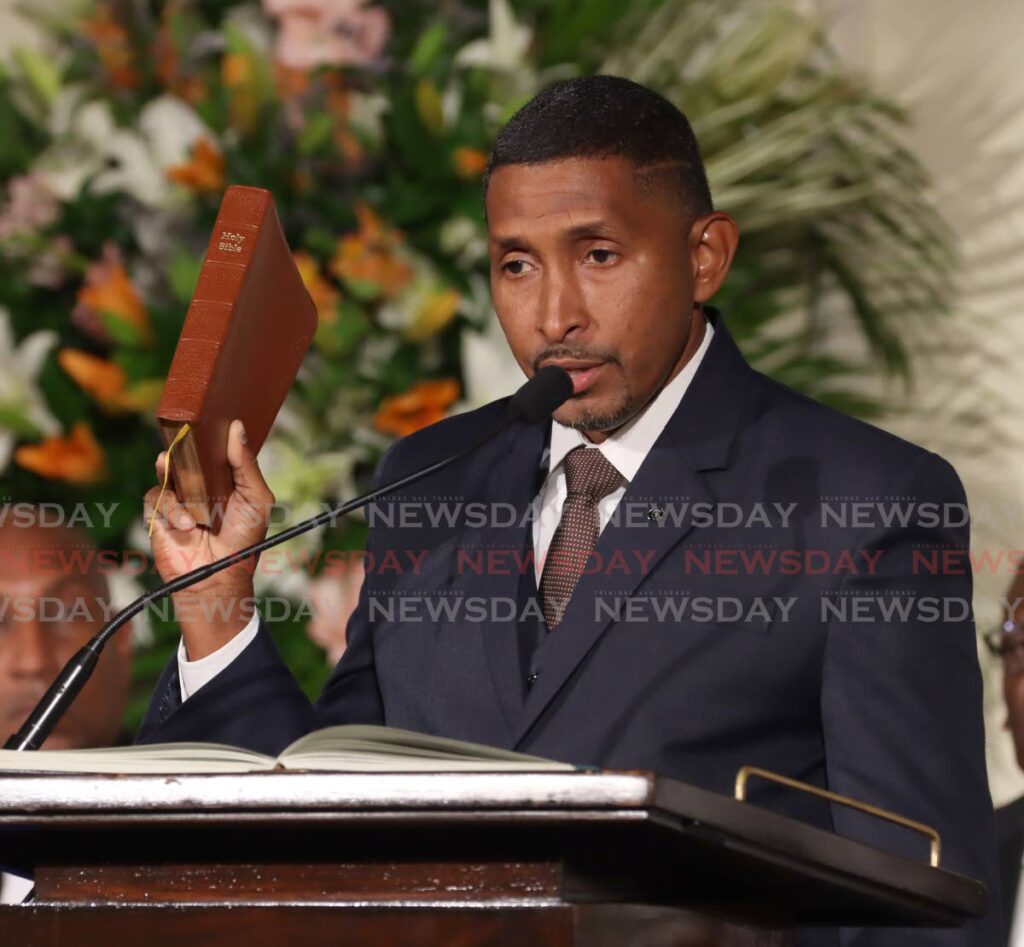
    Hasmath Ali, Chief Chemist and Acting Director of the Ministry’s Chemistry Food and Drugs Division, acknowledged the severity of the situation while stressing the non-negotiable requirement for rigorous due diligence in pharmaceutical management. “Due diligence is required to ensure the safety of the population. In circumstances that relate to health, there is no argument from me on that,” Ali told committee members.

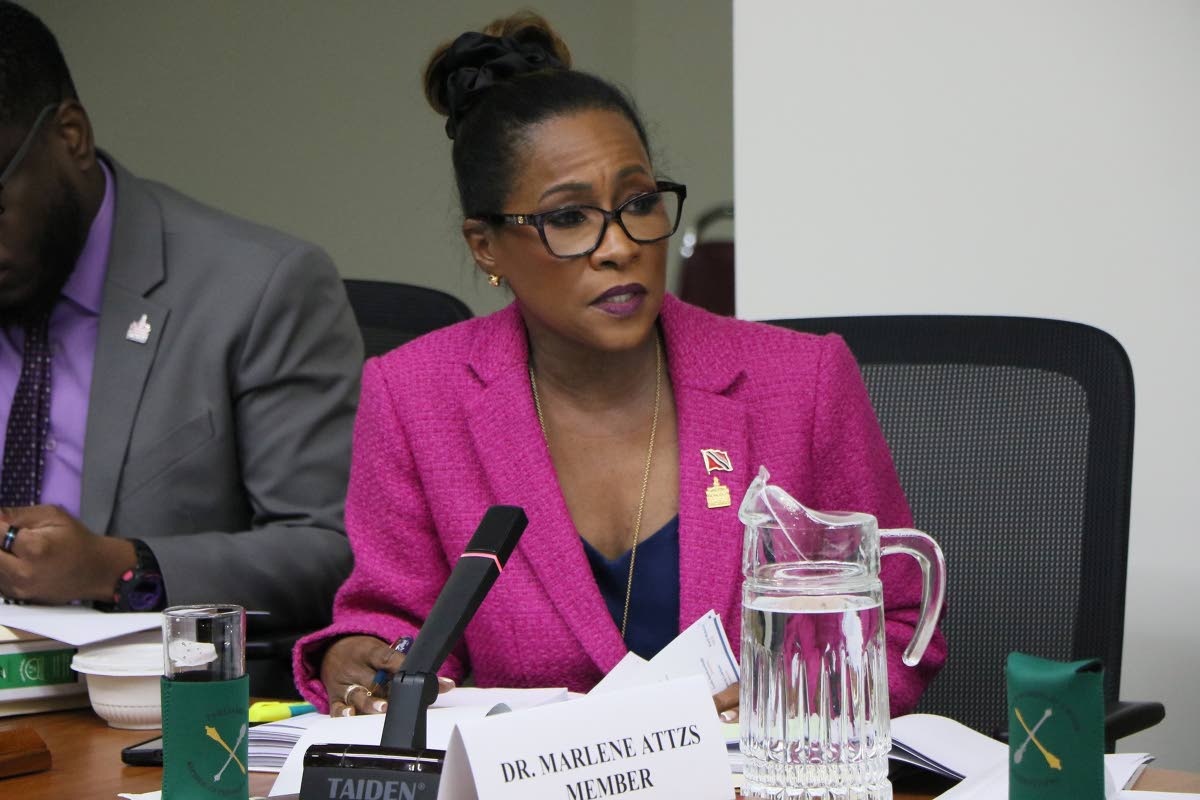
    Independent Senator Dr. Marlene Attz expressed profound concern over the massive financial loss, questioning whether systemic “lethargy” throughout Trinidad’s healthcare infrastructure contributed to this accumulation of expired medications. She suggested incorporating laypersons into oversight committees to provide fresh perspectives and enhanced accountability measures.

    Ali clarified that while the expired drugs fell under the responsibility of a separate procurement and distribution entity, the Ministry recognized the necessity of addressing these systemic shortcomings. In response to the crisis, officials revealed plans to modernize operations through legislative updates to the Food and Drugs Act and digitization of drug registration processes.

    North Central Regional Health Authority CEO Davlin Thomas provided additional context, explaining that regional health authorities don’t control procurement decisions. “The issue is not with the procurement process itself, but with how these drugs are managed upon arrival and how they are distributed,” Thomas stated, emphasizing that demand-based procurement originates from public need rather than RHA recommendations.

    An anonymous senior RHA official described persistent challenges in inventory management that contribute to pharmaceutical surpluses. The source cited difficulties in accurate forecasting, short decision-making timeframes, and consumption patterns that often differ significantly from procurement orders. Compounding these issues are staff shortages, procedural delays, and strict disposal policies that prevent repurposing drugs nearing expiration.

    Despite these challenges, the official noted gradual improvements through enhanced training programs and stricter monitoring protocols, resulting in decreasing expiration rates in recent years.

  • 10 ways to volunteer this Christmas to support Jamaicans impacted by Melissa

    10 ways to volunteer this Christmas to support Jamaicans impacted by Melissa

    In the aftermath of Hurricane Melissa’s devastating passage through Jamaica, a nationwide call for volunteerism has emerged as communities enter the Christmas season. The catastrophic weather event has created unprecedented needs across the island, prompting both governmental and non-governmental organizations to coordinate large-scale relief efforts during what is traditionally a period of giving and community solidarity.

    The reconstruction initiative encompasses multiple tiers of engagement, from hyperlocal assistance to nationally coordinated programs. Neighborhood churches and community groups are organizing food distribution campaigns, structural repairs, and emotional support services for affected families. Corporate entities have activated their seasonal volunteer programs, facilitating employee participation in rebuilding projects and donation drives through human resources departments.

    Governmental coordination occurs through Support Jamaica, an official digital platform that connects vetted volunteers with structured opportunities in disaster response, social services, and community development. Simultaneously, international humanitarian organizations have established significant operations on the ground. Food For the Poor Jamaica continues its critical work in housing construction and sustenance distribution, while World Central Kitchen maintains its emergency feeding operations requiring assistance with meal preparation and delivery logistics.

    The American Friends of Jamaica collaborates with local partners to address educational, healthcare, and disaster relief needs, welcoming volunteers for reconstruction projects. Jamaica Red Cross remains instrumental in emergency response, providing shelter support, first aid, and community preparedness training. The Salvation Army continues its tradition of offering emergency provisions including food, clean water, and temporary housing to displaced families.

    For those seeking formal disaster management roles, the Office of Disaster Preparedness and Emergency Management operates the National Disaster Risk Management Volunteer Programme, focusing on preparedness education, damage assessment, and relief coordination. Alternatively, individuals can pursue direct assistance through personalized ‘adopt-a-family’ initiatives, such as that pioneered by Westmoreland Eastern MP Dr. Dayton Campbell, which connects donors with severely affected households for targeted support with groceries, educational materials, and home repairs.

    This comprehensive volunteer mobilization represents a critical component of Jamaica’s recovery strategy, harnessing the collective power of civic engagement to address both immediate humanitarian needs and long-term reconstruction requirements following natural disaster.

  • Christmas will never be the same: A December that changed everything

    Christmas will never be the same: A December that changed everything

    On December 5th, twenty-two years ago, Dr. Lester Philip experienced the profound silence that follows stillbirth—a moment when anticipated joy transformed into unimaginable sorrow. His son, envisioned as the ultimate Christmas gift, entered the world without breath or heartbeat, leaving behind dreams of birthdays, bedtime stories, and park walks that would never be realized.

    In a deeply personal reflection, Philip compares grief to the loyalty of a bereaved dog that waits persistently for its departed owner—an image that captures the enduring nature of love beyond loss. He describes how specific locations—nursing homes, cemeteries, churches—trigger vivid recollections, demonstrating how memory persists despite societal pressures to ‘move on.’

    The narrative draws parallels to cultural touchstones like the film Hachiko and the biblical parable of the Prodigal Son, illustrating unwavering devotion. After years of spiritual wrestling, Philip arrived at a transformative perspective: perhaps his son’s passing represented divine mercy rather than punishment—protection from future heartbreaks and worldly pain.

    Though brief, Philip cherishes the moment he held his son’s perfectly still face. Through technological advancements facilitated by The Ohio State University, he has gained glimpses of what his child might have looked like growing up—an experience blending sadness with wonder.

    Philip concludes with a message of solidarity for anyone experiencing loss, emphasizing that grief connects humanity while memories perpetuate love. Each December 5th, he expresses gratitude for the gift of fatherhood, however fleeting, recognizing that profound love can simultaneously break and heal the human heart.

  • From The Grove to Mount Fitzwilliam – ‘Mother’ Pratt opens doors to her life story

    From The Grove to Mount Fitzwilliam – ‘Mother’ Pratt opens doors to her life story

    The historic family residence of Governor General Dame Cynthia ‘Mother’ Pratt has been ceremoniously inaugurated as a permanent museum honoring her extraordinary life journey. Government officials and community representatives assembled yesterday for the unveiling of the Dame Cynthia ‘Mother’ Pratt Legacy Hall, housed within the very home where The Bahamas’ first female Deputy Prime Minister spent her formative years.

    Located on Sixth Street, Poinciana Avenue, the property known as The Grove now serves as a meticulously curated repository of photographs, personal artifacts, and historical exhibits documenting Dame Cynthia’s evolution from humble beginnings to becoming the nation’s head of state. The Governor General described the museum’s establishment as the realization of a ‘lifelong dream,’ emphasizing its role in preserving her narrative of perseverance, faith, and purposeful living.

    The opening ceremony featured musical performances by the Royal Bahamas Defence Force Band and students from three inner-city schools adjacent to the gubernatorial residence. Personal testimonials from family members, including her daughter, highlighted Dame Cynthia’s resilience and leadership qualities.

    In remarkably candid reflections, Dame Cynthia recounted her childhood in a household of sixteen children where food scarcity was commonplace. She narrated Sundays when a single chicken had to be distributed among all siblings, leaving her—as the thirteenth child—to hope for remaining portions. She described foraging in plum and dilly trees for sustenance and sometimes facing the choice between consuming insect-contaminated rice or going hungry.

    The Governor General shared poignant memories of her mother, an illiterate straw vendor, and her own experiences singing for tourists in exchange for nickels to purchase lunch. One particularly moving account involved a Canadian couple she met as a child while guiding them to a local hotel. So captivated by her spirit, the couple spent two decades attempting to locate her with intentions of adoption, only to discover she had already become a Member of Parliament.

    Dame Cynthia’s distinguished athletic career was also highlighted, including her leadership of the Bahamas women’s national softball team to a bronze medal at the 1981 World Games in Santa Clara, California—where she earned the enduring nickname ‘Mother.’ She additionally competed on the National Basketball and Netball Teams before assuming her current role as Governor-General on September 1, 2023.

    In her inaugural address last year, she emphasized her maternal approach to governance: ‘As a mother my eyes and ears are always open to the needs of our young people and the importance of doing all we can to uplift them.’

  • Diego man charged with threats to kill Senator

    Diego man charged with threats to kill Senator

    A 48-year-old resident of Diego Martin, Trinidad, now faces serious criminal charges following a disturbing social media threat investigation targeting Senator Dr. Amery Browne. Law enforcement officials have formally charged the individual with three counts of making death threats and four counts of misusing electronic communication devices.

    The case originated on November 19 when Senator Browne discovered explicit threats posted by an unidentified Facebook user on his personal profile. The threatening comments, which appeared in response to the Senator’s public posts from November 8-9, contained specific threats against both Browne and his children. According to investigative reports, the victim confirmed having no previous acquaintance or connection with the suspect.

    In a significant development, the alleged perpetrator voluntarily surrendered himself to authorities at the West End Police Station. The formal charges were subsequently filed by W/Cpl Cobb of the Criminal Investigations Department (Area East), marking a swift response to the digital threats.

    The investigation received top-level oversight from senior police officials including Snr Supt Thom, Superintendent Baird, and ASP Mongroo. The operational team was supervised by Insp Durga, Sgt Bhagwandeen, and Sgt Masleir, demonstrating the priority given to cases involving threats against public officials.

    This case highlights growing concerns about the misuse of social media platforms for targeted harassment and threats against political figures, prompting discussions about enhanced digital security measures for public servants.