分类: society

  • Alertheid geboden bij cassaveziekte ‘heksenbezem’

    Alertheid geboden bij cassaveziekte ‘heksenbezem’

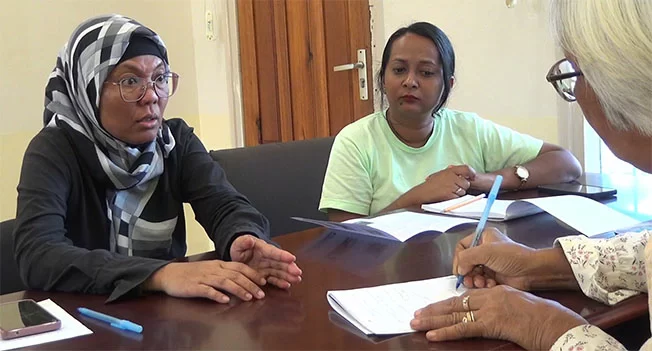
    Surinamese agricultural authorities have issued an urgent alert regarding the escalating threat of Cassava Witches’ Broom Disease (CWBD), a devastating fungal infection that jeopardizes both food security and economic stability in remote communities. Antoinette Djoeneri, Head of the Mycology/Bacteriology Department at the Ministry of Agriculture, Livestock and Fisheries (LVV), emphasizes that this crisis demands coordinated national and regional response efforts.

    The pathogen, which manifests through distinctive stunted growth and excessive branching in cassava plants, currently has no known effective fungicide treatment. Research initiatives across Brazil, French Guiana, and Colombia have similarly failed to develop chemical controls against this persistent fungus.

    CWBD’s impact extends beyond agricultural damage to threaten the livelihoods of processing communities that depend on cassava for chip production and bread-making. The districts of Brokopondo, Marowijne and Sipaliwini face particular vulnerability due to their geographical isolation and reliance on cassava as a dietary staple.

    Senior researcher Santusha Bhaggoe recommends immediate destruction of infected plants through controlled burning to prevent spore dissemination by insects. The practice of stacking contaminated plant material risks creating permanent infection reservoirs, as cuttings may resprout into diseased plants.

    First identified in August 2025, the disease has prompted collaborative intervention between LVV, the Ministry of Regional Development, and research institution CELOS. Their multi-faceted approach includes:
    – Distribution of educational materials and instructional videos
    – Training technical staff to guide farmers through containment protocols
    – Establishing reporting mechanisms through local agricultural offices
    – Promoting crop diversification strategies to ensure food security

    Authorities urge farmers to report suspected cases immediately to trained personnel who can provide guidance on containment measures and destruction techniques for infected crops.


  • Leisure : Did you know ?

    Leisure : Did you know ?

    In an innovative approach to national development, the Himalayan kingdom of Bhutan has captured global attention with its groundbreaking Gross National Happiness (GNH) framework. This small nation of approximately 800,000 people has pioneered an alternative development philosophy that challenges conventional economic metrics.

    The GNH concept, established in the 1970s under the leadership of Bhutan’s fourth king, represents a paradigm shift in how nations measure progress. Rather than focusing exclusively on economic indicators, this holistic approach prioritizes the comprehensive well-being of citizens through four foundational pillars: sustainable and equitable socio-economic development, cultural preservation and promotion, environmental conservation, and good governance.

    This revolutionary model actively shapes national policy decisions. Bhutan implements strict tourism controls to protect its cultural heritage and mandates maintaining at least 60% forest coverage nationwide. While quantifying happiness presents methodological challenges, the GNH framework offers a human-centered alternative to materialistic development models, emphasizing harmony between humanity, nature, and spirituality.

    The nation’s cultural fabric is deeply influenced by Vajrayana Buddhism, the state religion, while Dzongkha serves as the official language. Bhutan’s innovative approach to governance continues to inspire global discussions about alternative development models that prioritize qualitative well-being over quantitative economic growth.

    This educational content originates from Quiz.HaitiLibre’s ‘Did You Know?’ series, which features general knowledge articles exploring diverse global topics. The platform offers free, registration-free quizzes available in both French and English, with three difficulty levels catering to all audiences.

  • DPP Drops High‑Profile Rape Case Against OJ Elrington

    DPP Drops High‑Profile Rape Case Against OJ Elrington

    In a dramatic courtroom development, Belize’s Director of Public Prosecutions has terminated the high-profile rape case against prominent attorney Orson “OJ” Elrington mere hours before a critical filing deadline. The prosecution entered a nolle prosequi on March 3, 2026, effectively discontinuing the nearly two-year legal proceeding without resolution.

    The case unraveled not through evidentiary challenges but through a procedural impasse regarding courtroom transparency. Central to the collapse was the prosecution’s repeated failure to meet court-ordered deadlines for submitting a statement from the complainant regarding whether the trial should proceed behind closed doors or in public view.

    Justice Nigel Pilgrim had mandated that the DPP file a declaration from the complainant outlining her position on courtroom privacy by February 26th. When prosecutors missed this deadline, citing the complainant’s mental unpreparedness, the court granted an extension until 11 a.m. on March 3rd. With this final deadline expiring without the required documentation, the prosecution abruptly discontinued the case.

    Defense attorney Alifa Elrington, representing the accused, characterized the outcome as “bittersweet,” asserting that while the termination provides legal relief, it prevents full vindication through public airing of facts. She emphasized the irreversible damage to her client’s reputation after two years of intense media scrutiny and public speculation.

    The case’s conclusion also preempted a potentially landmark ruling from Justice Pilgrim regarding the balance between rape complainants’ privacy rights and the principle of open court proceedings. The defense successfully objected to the judge delivering his prepared decision as an academic exercise after the case’s termination.

    Legal experts anticipate that this procedural collapse may trigger legislative reviews regarding in-camera proceedings for sexual offense cases in Belize, particularly as neighboring jurisdictions like Jamaica and Trinidad maintain blanket policies for conducting victim testimony privately.

  • Cotton Tree Resident, Akeem Jones, Says Police Shot Him

    Cotton Tree Resident, Akeem Jones, Says Police Shot Him

    A Cotton Tree resident is demanding justice after alleging he was the victim of an unjustified police shooting followed by an attempted cover-up. Akeem Jones, 32, claims he was shot in the arm by an officer from behind while simply standing outside with his younger brother on March 3, 2026.

    Jones maintains he had no prior encounters with law enforcement and was not the intended target of any police operation. According to his account, officers were pursuing his brother when the incident occurred. The shooting resulted in an exit wound through his arm, with medical professionals advising a two-month recovery period that will prevent him from working.

    Most disturbingly, Jones alleges the officer immediately attempted to suppress the incident. He claims the shooter, identified only as ‘Chavez,’ begged him not to press charges and offered to dismiss pending cases against Jones’ brother in exchange for his silence—an offer Jones characterizes as blatant blackmail.

    ‘I would want court action,’ Jones stated in a recorded interview, expressing frustration about his inability to work and support himself. ‘I am a good citizen. I am not no criminal. Look up my file breda, you nuh wah find anything on me there.’

    The incident has raised serious concerns about police conduct and accountability in the community. Jones’ testimony reflects a growing distrust toward law enforcement, with him stating plainly: ‘We fraid fih police now. We cant run to them.’

    The Belize Police Department has not yet issued an official statement regarding these allegations. The case highlights ongoing tensions between citizens and police authorities in the region, with calls for transparent investigation into the shooting and the alleged attempted cover-up.

  • Chamber of Deputies approves National Alert System bill

    Chamber of Deputies approves National Alert System bill

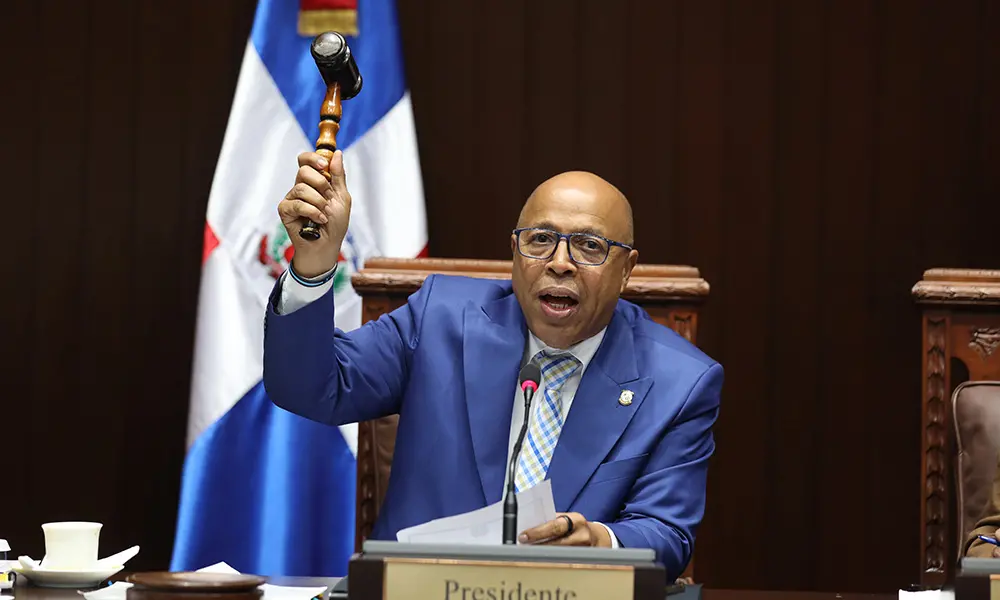
    SANTO DOMINGO – In a significant move to enhance public safety, the Dominican Republic’s Chamber of Deputies has granted initial approval to legislation establishing a comprehensive legal framework for the prevention of disappearances and the management of imminent danger scenarios. The cornerstone of this initiative is the creation of a National Alert System, designated as ‘Alerta RD’.

    Spearheaded by legislators Liz Mieses and Carmen Ligia Barceló, the proposed bill is designed to facilitate the instantaneous and mass dissemination of information concerning missing individuals. This system is structured to mobilize a coordinated response across state agencies, media networks, and civil society organizations, significantly amplifying efforts in search, location, recovery, and protection operations. A primary focus of the framework is to extend heightened protection to vulnerable demographics.

    The scope of the legislation extends beyond individual missing persons cases. It meticulously outlines standardized protocols for the detection, communication, and management of alerts stemming from a wide array of crises. This includes natural disasters, public health emergencies, critical public safety threats, and major environmental incidents. The overarching objective is to institutionalize a cohesive and effective response mechanism among authorities, thereby mitigating the adverse effects of emergencies and safeguarding the lives and well-being of citizens through a reinforced early-warning and response infrastructure.

  • Ministry to replace ‘colonial’ inspectorate with new school quality system

    Ministry to replace ‘colonial’ inspectorate with new school quality system

    In a historic departure from a century-old oversight model, the national education system is undergoing a radical transformation. The Ministry of Education has officially terminated its post-colonial inspectorate regime, ushering in a new era with a collaboratively built Quality Assurance Framework. This modern system is designed to evaluate school performance through nationally defined metrics that emphasize development over punishment.

    Chief Education Officer Dr. Ramona Archer Bradshaw articulated the philosophical shift behind the reform, stating that the term ‘inspectorate’ is being retired to eradicate its colonial connotations. The new framework is founded on principles of co-creation and comprehensive systemic analysis. It aims to deliver a holistic evaluation of every function within the education sector, from classroom educators to senior administrative leadership.

    The development of this initiative is already in progress, incorporating a diverse cross-section of academic stakeholders. A significant collaborative exercise was recently conducted with education officers, master teachers, and peripatetic instructors to establish foundational indicators for ‘good teaching’ and ‘effective leadership.’

    A detailed implementation timetable has been laid out. The subsequent five months will be dedicated to continued stakeholder engagement to refine professional role definitions. A pilot cycle is scheduled for October 2026, where teams of officers and master teachers will deploy the new indicators in schools for real-time testing. Data gathered from this pilot will be analyzed to ensure the metrics are adaptable to various school contexts, with full implementation targeted for 2028.

    Dr. Archer Bradshaw emphasized the genuine nature of the co-creation process, describing it as a collective effort to reach a shared understanding of professional expectations. The reform also addresses a longstanding administrative conflict stemming from a past ‘regrading exercise’ that created a pay grade imbalance between some principals and their supervising education officers. To resolve this, the Ministry of the Public Service initiated a new regrading review two years ago. While its conclusions are pending, the education ministry has reaffirmed the legal authority of education officers under the Education Act, with the Chief Education Officer prepared to intervene in cases of non-compliance.

    Notably, reports of resistance from school leaders have diminished over the past two years as the focus has moved from criticism to supportive improvement. The ultimate objective of the new framework is to position master teachers and education officers as collaborative partners dedicated to enhancing educational environments for all students. With the pilot phase approaching, the ministry is calling for full engagement from educators to ensure the 2028 launch of a modern, home-grown, and cooperative standards-based system.

  • U.S. Embassy donates assistive devices to Conadis

    U.S. Embassy donates assistive devices to Conadis

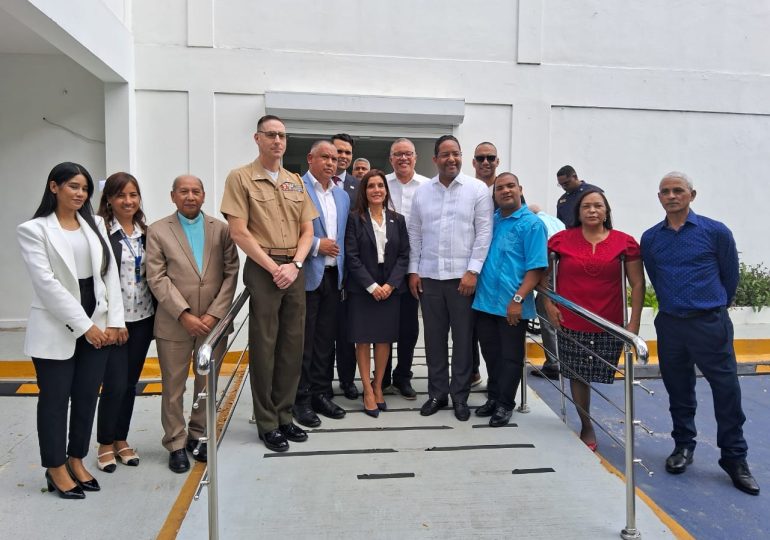
    SANTO DOMINGO – In a significant move to enhance disability inclusion, the United States Embassy has delivered a substantial donation of assistive equipment to the Dominican Republic’s National Council on Disability (CONADIS). This humanitarian initiative, executed through the U.S. Southern Command’s Humanitarian Assistance Program, is set to directly improve the lives of individuals with disabilities nationwide.

    The comprehensive aid package comprises vital mobility and daily living resources, including wheelchairs, walking canes, crutches, and disposable diapers. These supplies are strategically intended to empower beneficiaries by fostering increased independence, facilitating mobility, and elevating overall life quality through CONADIS’s distribution networks.

    The handover ceremony garnered attention from key community figures and officials. Notable attendees included Dominican comedian and disability advocate Liondy Osoria, alongside members of the disabled community and U.S. diplomatic representatives. U.S. Ambassador to the Dominican Republic, Leah Francis Campos, officiated the event, commending CONADIS for its persistent dedication to forging a more inclusive society and systematically improving living conditions for Dominicans with disabilities. Ambassador Campos highlighted the donation as a testament to the ongoing bilateral cooperation between the two nations in addressing critical social needs.

  • Universal nursery access ‘from September’

    Universal nursery access ‘from September’

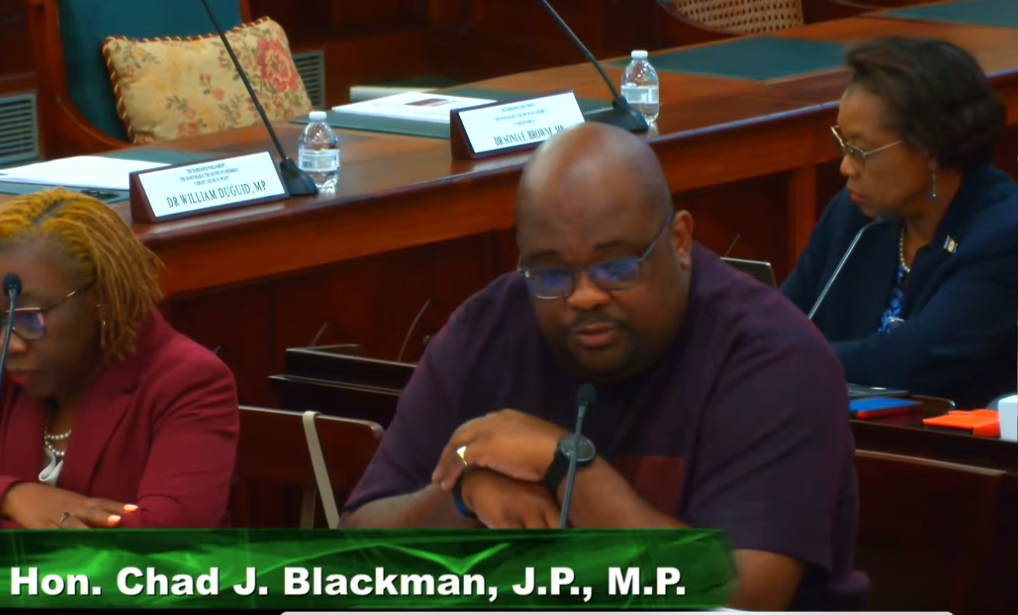
    Barbados is set to achieve a transformative educational milestone this September with the nationwide implementation of guaranteed nursery placements for every three- and four-year-old child across the nation. The Ministry of Education Transformation announced the comprehensive rollout during parliamentary proceedings for the new fiscal year’s Estimates of Revenue and Expenditure, confirming that infrastructure, staffing, and logistical frameworks are being finalized to ensure universal access to high-quality early learning environments.

    Education Transformation Minister Chad Blackman declared this initiative fulfills a longstanding government promise to families, stating, “I am pleased to report that this coming September we are now in a position to ensure that access is granted to all parents across the country who want to access early childhood education for their children.” Minister Blackman acknowledged the bipartisan effort behind this achievement, recognizing that foundational work began under previous leadership.

    Dr. Christina Morris, Senior Education Officer for Nursery and Primary Education, provided detailed insights into the data-driven execution strategy. Current projections indicate approximately 2,032 children will reach eligibility age by the September 1 cutoff, with the ministry working to bridge the gap from the currently confirmed 1,711 available spaces. Education officers are conducting comprehensive site visits to assess capacity, with additional data expected to refine these numbers by week’s end.

    The initiative extends beyond merely creating physical space, focusing instead on developing specialized environments tailored to toddlers’ developmental needs. Dr. Morris emphasized the ministry’s commitment to creating “modern, colourful, and developmentally appropriate” learning spaces featuring age-specific amenities including mini toilets, appropriately sized sinks, and redesigned outdoor areas with sand and water play zones to develop motor skills and social-emotional capabilities through play.

    Human resource preparations include 421 qualified early childhood teachers identified for the program, with 79 early childhood coordinators currently undergoing specialized training to lead implementation. The ministry has initiated large-scale professional development programs to ensure pedagogical excellence for three-year-olds.

    To align the rollout with public needs, the ministry is launching dual surveys this week: a teacher interest survey to gauge placement preferences among qualified staff, and a parent interest survey to understand family expectations. Dr. Morris emphasized, “We want to hear from the parents. We want to know what they expect from us as educators as we say to them, ‘Bring your children, enrol your children.’”

    The ministry has established a strict July 31 deadline for completing all physical upgrades, including specialized furniture distribution, painting, and plumbing improvements. A comprehensive public information campaign will subsequently launch to guide parents through registration procedures and program implementation details.

  • Resign or Reapply? Terminal Workers Seek Answers

    Resign or Reapply? Terminal Workers Seek Answers

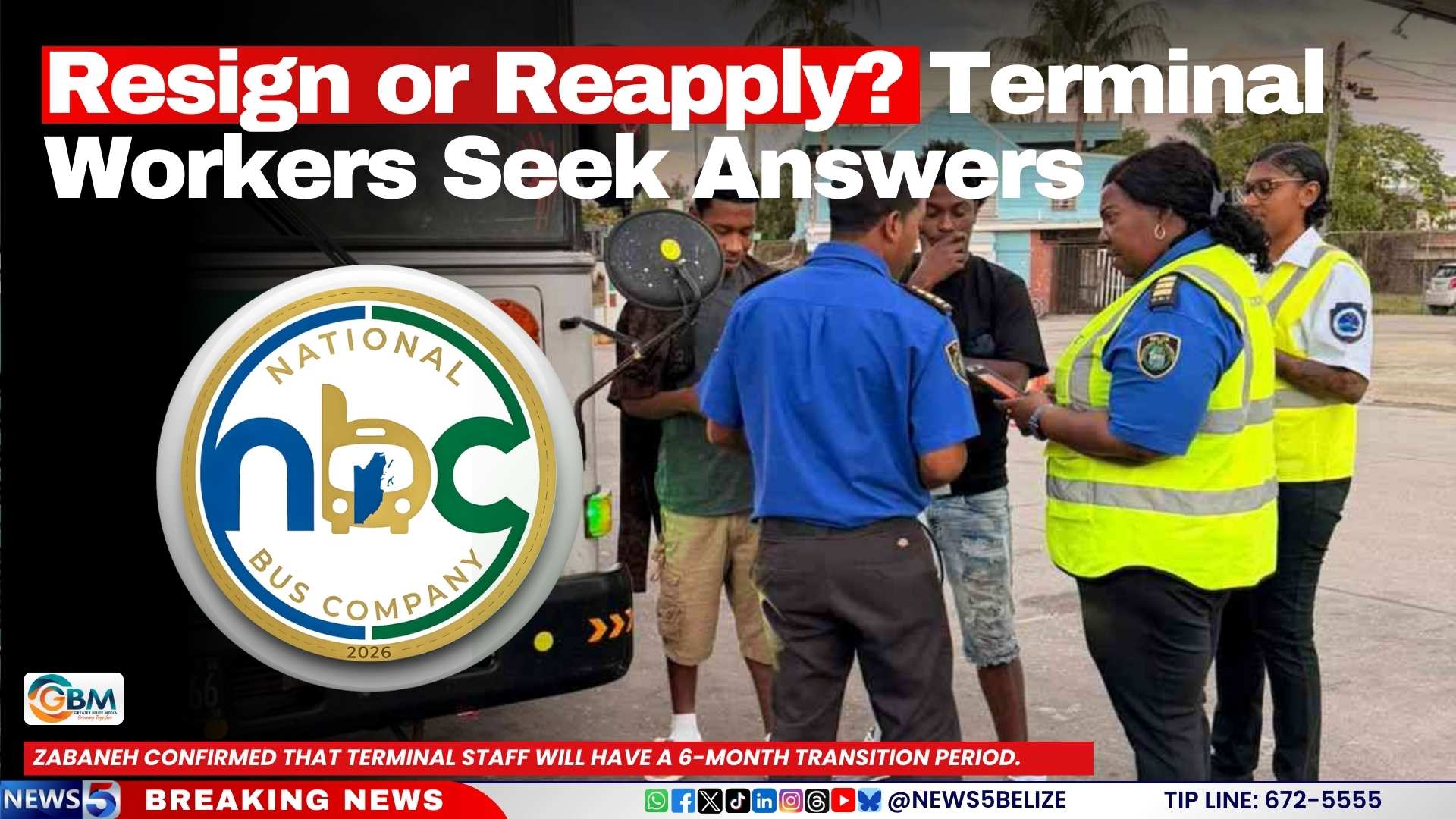
    Public service employees at bus terminals across the nation are confronting significant career decisions amid the establishment of the new National Bus Company. The Public Service Union reports growing unease among its membership following indications that certain workers have been encouraged to resign from their current positions.

    PSU President Dean Flowers confirmed the union has been fielding numerous concerns from members who fear potential forced termination scenarios. “This issue has genuinely unsettled our members who are worried about their job security,” Flowers stated, highlighting the anxiety spreading through the public service sector.

    The Ministry of Transport has formally denied issuing any directives for resignations. Transport Minister Dr. Louis Zabaneh attributed the current concerns to preliminary miscommunications during the transition planning phase. “We want to ensure that employee rights are fully protected, and certainly we agree this must be prioritized,” Zabaneh emphasized in a recent statement.

    Minister Zabaneh clarified the official transition framework, confirming that terminal staff will be granted a six-month window to determine their professional future. Employees must decide whether to apply for positions with the newly formed National Bus Company or remain within the government service structure under potentially different roles.

    “All personnel will need to formally apply because this constitutes an entirely new corporate entity,” Zabaneh explained. “It is essential that every employee comprehensively understands their revised terms of reference and employment conditions before making this important decision.”

    The developing situation continues to evolve, with further details expected to emerge in upcoming governmental announcements and union communications.

  • Solar-powered homes signal new beginning for Chantimelle fire victims

    Solar-powered homes signal new beginning for Chantimelle fire victims

    Five resilient concrete homes now stand in Chantimelle, St. Patrick, representing a remarkable community-led recovery nearly two years after a devastating fire rendered 17 residents homeless in March 2024. The newly constructed residences, equipped with rooftop solar systems designed to eliminate electricity costs, were officially handed over to families on Sunday, marking a transformative milestone in their journey from displacement to secure housing.

    The reconstruction effort was spearheaded by the Chantimelle Fire Victims Relief Fund Committee (CHANTIVIC), chaired by Faith Phillip, which orchestrated an unprecedented mobilization of national and diaspora support. The committee successfully raised over EC$1 million in cash donations and secured an additional EC$77,000 worth of building materials through contributions from the Grenadian government, local financial institutions, private businesses, community members, and overseas Grenadians.

    Prime Minister Dickon Mitchell, presiding over the handover ceremony, emphasized the broader context of fire prevention in Grenada, where approximately 50 homes are lost to fires annually—many of which he noted are preventable. He urged recipients to maintain their new homes responsibly and challenged CHANTIVIC to evolve into a permanent community institution addressing future needs beyond the reconstruction project.

    The homes incorporate innovative sustainable technology through the government’s Solar for All initiative. Each property features a 3-kilowatt grid-tied solar system installed under the leadership of the Ministry of Climate Resilience, the Environment and Renewable Energy. Leslie Smith, Director of the Renewable Energy Division, confirmed these systems are engineered to dramatically reduce or completely eliminate electricity expenses for homeowners.

    Joseph Andall, Parliamentary Representative for the area who initiated CHANTIVIC’s formation, characterized the project as the culmination of extraordinary collective commitment spanning local and international Grenadian communities. For the five families receiving keys to their new homes, the ceremony represented both closure to a prolonged period of uncertainty and the beginning of a more secure, sustainable future.