分类: society

  • Wanted: Anthony Julian Bishop

    Wanted: Anthony Julian Bishop

    Barbados law enforcement has issued a public appeal for assistance in locating Anthony Julian Bishop, a person of interest in a significant criminal investigation. The Barbados Police Service is actively seeking information regarding Bishop’s current whereabouts as part of their ongoing probe into serious criminal matters.

    According to official descriptions, Bishop stands approximately 5 feet 7 inches tall with a slim build and brown complexion. Distinctive identifying features include a rectangular-shaped tattoo positioned beneath his left eye and the letters ‘MOB’ inked on his right wrist. His last documented residence was in Chapman Village, St Thomas.

    The authorities have formally advised Bishop to present himself voluntarily at the Criminal Investigations Department (Central) located on Pinfold Street in Bridgetown, St Michael. Officials have noted that he may be accompanied by legal counsel during this process.

    Law enforcement has established multiple channels for information submission, urging citizens with relevant knowledge to contact the Criminal Investigations Department at 430-7189 or 430-7190. Alternative reporting options include the Police Emergency hotline at 211, Crime Stoppers at 1-800-8477, or any local police station.

    The police service has issued a stern reminder that harboring or assisting wanted individuals constitutes a serious criminal offense under Barbadian law. Those found providing such assistance may face criminal prosecution. This warning emphasizes the legal obligations of citizens during ongoing law enforcement operations.

  • Salvation Army halfway to kettle appeal goal as more turn up for festive meal

    Salvation Army halfway to kettle appeal goal as more turn up for festive meal

    The Salvation Army’s annual Christmas luncheon in Bridgetown witnessed unprecedented attendance on Friday, serving between 350-400 guests at its Reed Street headquarters as the organization faces significant challenges in meeting its seasonal fundraising target. With tables filled by midday and queues forming outside the gates, this year’s event transitioned to full table service provided by staff and volunteers, departing from previous self-service formats.

    Divisional Commander Major Robert Pyle emphasized the critical importance of the meal for many attendees, noting this might represent their sole Christmas celebration. The specially curated holiday menu featured traditional Barbadian delicacies including jug jug, macaroni pie, baked chicken, turkey, and ham—marking a substantial upgrade from the organization’s regular daily meal service.

    The event highlighted strengthened corporate partnerships, with companies including Cave Shepherd, Fortress, Bubba’s, The Boatyard, Lucky Horseshoe Warrens, and High Tech Limited providing both financial support and volunteer staffing. Seventeen Cave Shepherd employees joined six from another trust organization and a young scout in serving meals and desserts, demonstrating what Major Pyle described as growing corporate engagement beyond monetary donations.

    Despite the successful luncheon, the organization’s annual kettle appeal trails last year’s collections by approximately 6%, having raised $430,000 toward its $850,000 goal just days before Christmas. Major Pyle remained optimistic, noting that mail-in donations continue through January and emphasizing that contributions of any size directly support Barbados’s most vulnerable communities.

    The increased attendance at this year’s event potentially reflects both effective outreach and broader economic pressures, according to Pyle’s observations. The Salvation Army reaffirmed its commitment to addressing community needs throughout the year, serving as both practical support system and spiritual ministry for those facing hardship.

  • Nine Winners Share $1 Million BGLL Jackpot

    Nine Winners Share $1 Million BGLL Jackpot

    A remarkable windfall has blessed nine fortunate individuals in Belize following the latest national lottery drawing. The Belize Government Lotteries Limited (BGLL) confirmed that all nine participants successfully matched the winning combination 4485 in the special $1 million jackpot event held on December 20, 2025.

    The substantial prize pool will be distributed equally among the winners, granting each beneficiary an approximate sum of $111,111. This distribution pattern contrasts with the previous year’s outcome, which saw fourteen winners dividing the top prize, resulting in individual payouts of $71,000 per person.

    This exclusive gaming opportunity was introduced by BGLL as a limited-time promotion, allowing participants to select their preferred four-digit sequence for a $5 entry fee. Ticket sales commenced on November 3, 2025, generating widespread public engagement and mounting anticipation throughout the nation as the draw date approached.

    The state-operated lottery organization previously characterized this initiative as more than mere gambling—framing it instead as a communal celebration that acknowledges national progress while reinforcing BGLL’s dedication to social contribution through responsible gaming practices.

  • Not so Grand Market for St Elizabeth

    Not so Grand Market for St Elizabeth

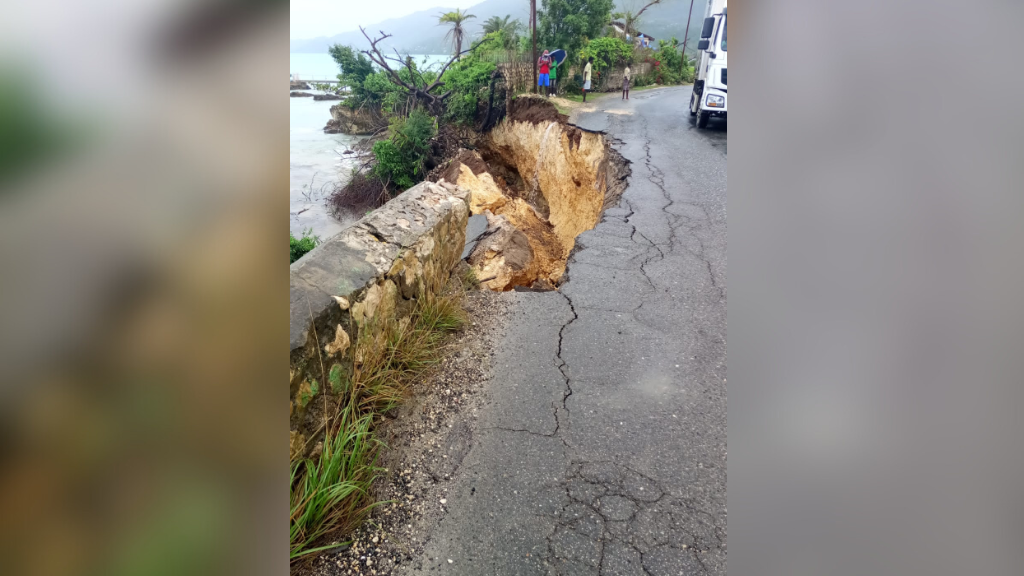
    The historic Jamaican tradition of Grand Market faces severe disruption in St Elizabeth this Christmas Eve, with local business leaders predicting a dramatically scaled-back celebration due to ongoing recovery efforts from Hurricane Melissa’s devastation.

    Howard Hendriks, President of the St Elizabeth chapter of the Jamaica Chamber of Commerce, revealed that approximately 93 establishments in the parish remain non-functional or severely compromised since the October 28 storm. The hurricane’s impact has particularly affected the three major towns that traditionally host the vibrant celebrations—Black River, Santa Cruz, and Junction.

    Black River’s commercial district remains at a complete standstill, while Santa Cruz experiences significantly slowed business activity. This has shifted commercial momentum to Junction, which has unexpectedly become the parish’s primary commerce hub as it was cleared of debris earliest.

    “The biggest Grand Market in Jamaica you can ever see is in Santa Cruz,” Hendriks told the Jamaica Observer. “Santa Cruz is always full on Grand Market night, and I don’t envision seeing that capacity of crowd this year because you need businesses to sustain it.”

    The tradition of Grand Market dates to colonial times when enslaved Africans were granted limited freedom during Christmas to sell surplus produce and handmade goods. Today, it transforms town centers into all-night street fairs featuring last-minute shopping, street food, music, and festivities that often continue into Christmas morning.

    Hendriks described the likely scenario: “It may be a minuscule version of Grand Market because people are going to want to get some things, but you have to have electricity to have the sound system going to build that party vibe.”

    The recovery disparity between urban and rural businesses has become particularly apparent. Small businesses—including grocery shops and bars that operate “hand to mouth”—face existential challenges without access to formal banking support or disaster recovery resources.

    “The recovery for the small business sector is non-existent,” Hendriks explained. “These people don’t really go to the bank to borrow money to sustain their business. They rely on informal financial systems like round robin and partna draws, which have been completely disrupted.”

    Energy infrastructure remains a critical obstacle, with generator costs running approximately $5,000 Jamaican dollars per night for fuel—an unsustainable expense for businesses already struggling with transportation challenges for perishable goods into hill communities.

    Hendriks has engaged with the Office of Disaster Preparedness and Emergency Management (ODPEM) to address recovery needs, but acknowledges that without restored electricity and substantial support, “commerce is basically totally ripped up, and we don’t know when it will return.”

  • Law meets compassion — Sherise Hosein shows up at Xmas and beyond

    Law meets compassion — Sherise Hosein shows up at Xmas and beyond

    While Christmas traditionally evokes images of festive gatherings and abundance, for Trinidad’s homeless and socially displaced populations, the season amplifies feelings of isolation and hardship. Attorney Sherise Naseem Hosein, 33, embodies an alternative spirit of Christmas through her dual commitment to legal excellence and humanitarian service.

    Operating from Mandamus Law Chambers in Couva, Hosein has dedicated her nine-year legal career to courtroom advocacy while simultaneously volunteering with the Socially Displaced Restoration Centre (SDRC). Her motivation stems from childhood values instilled by her taxi driver father Shameel Mohammed, secretary mother Fareza Hosein, and grandparents Jamadar and Zaibun Hosein. “They taught me kindness, empathy and consideration for others through daily actions,” she reflects, noting how the principle that “service to God is service to man” guided her development.

    Despite early academic challenges in reading, Hosein’s perseverance led her to pursue international relations at UWI, law through the University of London, and an MBA from Anglia Ruskin University. This educational foundation now supports her work with SDRC’s initiatives, including weekly food distributions and quarterly “care days” at Couva’s Inshan Ali Promenade. The organization is currently advocating to convert an abandoned Couva building into an overnight shelter with rehabilitation services.

    Hosein’s volunteer engagement extends to the TTPS Community Justice Clinic, where she has served as team lead for four years. This collaborative effort between police and volunteer attorneys provides accessible legal guidance on family matters, domestic violence, and land issues—cases often intersecting with social vulnerability. “The goal is to empower the community with knowledge so justice isn’t out of reach,” Hosein explains.

    The attorney challenges common misconceptions about homelessness, emphasizing that “many people are displaced due to circumstances beyond their control—loss, trauma, unemployment, or untreated mental-health challenges.” She identifies systemic gaps including affordable housing shortages and limited social support as contributing factors, advocating for both policy reform and community-driven solutions.

    Balancing legal practice with volunteer commitments requires meticulous organization, but Hosein finds the experience transformative. “Volunteering has reinforced how even smallest acts of kindness impact lives,” she observes. Her Christmas perspective has evolved beyond celebration to emphasize “compassion, presence, and small acts of kindness that bring comfort and dignity.”

    Hosein’s message to the public transcends seasonal giving: “Compassion isn’t only for special occasions. Even small contributions of time or support can build a stronger, caring community year-round.”

  • CMU student Jamiel Powell becomes Trelawny’s lifeline after one viral video

    CMU student Jamiel Powell becomes Trelawny’s lifeline after one viral video

    When Jamiel Powell, a 25-year-old engineering student, filmed the storm damage in Trelawny parish and shared it on TikTok, he anticipated minimal engagement. Instead, his casual post triggered an overwhelming flood of messages from concerned Jamaicans worldwide, desperately seeking updates on unreachable family members. This digital plea for help transformed the Caribbean Maritime University fourth-year student into an indispensable lifeline for isolated communities.

    Returning home that weekend to check on his mother and grandmother—both safe but without basic utilities—Powell hadn’t comprehended the parish’s near-total isolation until his video went viral. “People were pleading for me to locate their families,” Powell recounted. “Some didn’t even know if their relatives had survived.” Despite initial intentions to merely document damage, he instinctively transitioned into action, becoming an unofficial emergency responder for entire communities.

    Powell’s background prepared him for this unexpected role. Growing up in Falmouth Gardens and Albert Town—communities where water access was never guaranteed—forged the resilience that now defines his relief efforts. His established TikTok presence, previously focused on academic guidance and Alaskan travel experiences, had already earned him credibility within the Jamaican diaspora. When traditional communication systems collapsed, this digital trust became critical infrastructure.

    As grateful families began sending monetary appreciation, Powell faced an ethical dilemma. “I couldn’t keep the money,” he stated firmly. “Not when entire districts lacked food.” He converted every contribution into essential supplies—rice, flour, canned goods, water—personally delivering packages to households beyond the reach of conventional aid organizations.

    Powell’s operation demands extraordinary personal sacrifice. Each week, he balances rigorous industrial systems engineering studies with weekend relief missions across treacherous terrain. Navigating debris-blocked roads often requires abandoning his vehicle and hiking long distances to reach bedridden residents in remote areas. “Small help means everything out here,” he noted.

    His compassion extends beyond material support. In Bunkers Hill, after delivering supplies to an elderly man whose home had lost walls and roofing, Powell collaborated with volunteer Sandy and her team to reconstruct the structure. This project expanded to assist additional families, demonstrating how individual initiative catalyzes broader community recovery.

    The initiative has since attracted institutional support. Malta beverages donated supplies, while local businesses including Keims Auto Services, Humble Calf Trucking, Infinity Auto, and Paris Auto provided material assistance. Powell’s brother Noah now regularly joins delivery missions, expanding the operation’s capacity.

    Yet challenges persist. Powell acknowledges financial constraints that threaten the mission’s sustainability: “I don’t always have money to continue, but someone always needs help.” Despite his own family members remaining without electricity or water, he consistently prioritizes the wider community’s needs.

    For many interior communities remaining outside national relief efforts, Powell has become the only consistent source of updates and assistance. “If I help once and never return, some people would receive no help at all,” he explained. His commitment has transformed a simple social media post into a sustained support system, proving how individual compassion can bridge critical gaps when institutional responses fall short.

  • Trini in troubled Tanzania seeks help to replace lost passport

    Trini in troubled Tanzania seeks help to replace lost passport

    A Trinidadian expatriate residing in Tanzania finds herself in a precarious legal limbo after immigration authorities misplaced her passport, leaving her without valid identification during a period of significant political turmoil. The woman, who chose to remain anonymous, originally relocated to Tanzania seeking career advancement opportunities unavailable in her homeland.

    Her residency renewal process typically involved submitting documentation through local immigration channels to the national headquarters in Dodoma. However, during her 2023 renewal attempt, officials claimed to have misplaced a supplementary travel document and subsequently refused to release her passport. The situation deteriorated further this year when immigration authorities admitted they could no longer locate her passport entirely.

    Her attempts to secure replacement documentation through Trinidad and Tobago’s diplomatic channels proved frustratingly ineffective. The High Commission in Nigeria redirected her to London, where communications went unanswered, leaving repatriation as the only apparent solution—an option she resisted due to professional commitments and seasonal business demands.

    This personal crisis escalated against the backdrop of Tanzania’s contentious October 29 general elections. Official results claiming a 97.66% victory for the ruling Chama Cha Mapinduzi party were met with widespread skepticism amid reports of electoral irregularities. Violent protests erupted, resulting in alleged hundreds of casualties according to external sources, though government figures remain unconfirmed.

    The administration responded by attributing the unrest to foreign agitators, implementing widespread identity checks and roadblocks. President Samia Suluhu Hassan publicly condemned the violence while emphasizing the involvement of non-Tanzanian elements. This official narrative intensified the Trinidadian woman’s vulnerability, as she lacked the documentation to prove her legal status.

    Following media intervention, immigration officials in Trinidad provided direct contacts to the London High Commission, which holds jurisdiction over passport issuance for citizens in Europe, Africa, and China. An officer suggested the passport might have been diverted for illegal trade, noting the high value of Trinidad and Tobago passports in document trafficking circles due to their visa-free access to numerous countries.

    The Minister of Foreign Affairs has pledged assistance, and the woman has now received assurances from London that her replacement documents will be expedited once processed.

  • Trinidad and Tobago’s arrival, departure forms go online

    Trinidad and Tobago’s arrival, departure forms go online

    Trinidad and Tobago has officially launched a digital immigration and customs platform, marking a significant modernization of border control procedures at Piarco International Airport. The newly operational Trinidad and Tobago Online Arrival/Departure Platform, accessible at https://travel.gov.tt/, responds to long-standing passenger demands for streamlined airport processing.

    The digital system requires all travelers to complete mandatory immigration and customs documentation through the online portal within 72 hours preceding their arrival or departure. This initiative provides enhanced flexibility, allowing passengers to complete formalities at their convenience from any location rather than at airport counters.

    Upon submission, travelers receive digital receipts that must be saved to mobile devices or printed for presentation to immigration and customs officials. The platform necessitates providing flight details, passport information, a scanned copy of the passport’s biodata page in PNG or JPEG format, and a valid email address for processing.

    The comprehensive arrival form covers residential status, mode of entry (air or sea), flight specifics, port of entry details, personal information, travel history, destination address, health declarations, and customs information. The departure form maintains similar requirements excluding the customs declaration component.

    This digital transition aligns with broader Caribbean trends, where multiple nations implemented similar electronic processing systems during the COVID-19 pandemic to facilitate contactless transit and reduce airport congestion. Authorities anticipate the platform will significantly enhance the passenger experience through reduced processing times and improved operational efficiency.

  • Digging deep

    Digging deep

    In the aftermath of Hurricane Melissa’s catastrophic passage through western Jamaica, funeral home operators are demonstrating extraordinary compassion despite facing severe financial strain and operational challenges. These businesses, themselves victims of the Category 5 storm that claimed 45 lives in late October, are digging deep into diminished profit margins to ensure grieving families can provide dignified burials for their loved ones.

    Earl Scott of Scott and Sons Funeral Home in Westmoreland exemplifies this spirit of generosity. Despite sustaining significant roof damage from Melissa’s 185 mph winds, his establishment has offered discounted funeral packages to struggling families. In one remarkable case, Scott covered the entire burial cost for a man who lost his only surviving relative to the hurricane and pledged assistance in rebuilding the survivor’s destroyed home.

    The challenges facing funeral directors are substantial. Paul Patmore of Patmore’s Funeral Home in Trelawny disclosed accumulating over $600,000 in expenses since the hurricane, primarily due to running generators 24/7 in the absence of grid electricity. His daily fuel costs have tripled to $12,000, creating what he describes as ‘a big leak’ in finances. Despite this, Patmore has slashed all funeral package prices by half until January 2026 and established credit plans for affected families.

    In St. James, Melvin Honeyghan of Honeyghan’s Funeral Home reported receiving requests for storage extensions for approximately 50 bodies from families unable to afford immediate burials. He has willingly accommodated these requests while also reducing service costs, acknowledging that some families may not be able to bury their loved ones until April next year, despite receiving 50% discounts.

    Calvin Lyn, president of the Jamaica Association of Certified Embalmers and Funeral Directors, has commended these efforts and urged industry colleagues in affected areas to provide support where possible. He specifically highlighted the extreme difficulties facing Westmoreland residents and suggested funeral directors assess individual situations to determine appropriate assistance.

    The widespread devastation has prompted practical considerations about future preparedness. Patmore is now strongly advocating for solar energy adoption across the funeral industry, noting that Jamaica’s abundant sunshine represents a more sustainable alternative to costly generator dependence during infrastructure failures.

    These funeral directors emphasize that their actions stem from a profound sense of national solidarity rather than business calculation. As Honeyghan stated, ‘At the end of the day, all of us are Jamaicans… We have to take care of one another.’ Their commitment to compassionate service continues even as many struggle with damaged facilities and employees who have lost their own homes to the hurricane.

  • Funeral grants available for Melissa victims

    Funeral grants available for Melissa victims

    The Jamaican government has activated its social protection mechanisms to assist families grappling with funeral expenses for relatives lost to Hurricane Melissa. Minister of Labour and Social Security Pearnel Charles Jr has confirmed that affected citizens can apply for financial support through the ministry’s longstanding Rehabilitation Programme.

    While the program operates year-round to assist vulnerable populations, Minister Charles Jr acknowledged a significant surge in applications directly linked to the hurricane’s devastation. The ministry has consequently secured supplementary funding to meet the anticipated increase in demand, as the standard annual allocation for rehabilitation grants has already been depleted.

    The funeral grant scheme, established by a Cabinet decision in 1972, provides an average payout of $80,000 JMD per approved case. Eligibility and the level of support are determined through a detailed assessment process. The criteria differ based on the deceased’s status as a contributor to the National Insurance Scheme (NIS). For NIS contributors, the grant amount is influenced by their specific contribution category and history. However, Minister Charles Jr emphasized that non-contributors are not automatically disqualified and may still receive assistance following a compassionate evaluation of their circumstances.

    To apply, individuals must visit a parish office of the ministry or access forms online via www.mlss.gov.jm. The application requires substantial documentation, including an official proof of death (such as a death certificate or burial order), the undertaker’s invoice, and proof of any pension payments received after the date of death, which must be returned. For claims based on a spouse’s contributions, a marriage certificate or proof of a common-law relationship is also mandatory.

    The program’s scale is considerable; official data from a 2024 presentation revealed that in 2023 alone, the initiative distributed 3,729 grants valued at over $207.76 million JMD, underscoring its critical role in Jamaica’s social safety net.