分类: society

  • Connect a child this Christmas: USF donates tablets to students in need

    Connect a child this Christmas: USF donates tablets to students in need

    KINGSTON, Jamaica — In a significant move to combat educational inequality, Jamaica’s Universal Service Fund (USF) has launched a transformative Christmas initiative delivering brand-new tablets to high-achieving students facing economic challenges. The Connect-A-Child program represents a $15 million investment distributing 630 devices across all constituencies throughout December.

    The strategic intervention specifically targets Primary Exit Profile (PEP) students, aligning with Jamaica’s broader digital inclusion objectives and knowledge-based development framework established for the 2023/24 academic year. USF Chief Executive Officer Charlton McFarlane emphasized the program’s heightened significance following Hurricane Melissa’s devastating impact on educational infrastructure and connectivity.

    This technological empowerment initiative arrives at a critical juncture as educational institutions nationwide continue recovery efforts from recent storm damage. The tablet distribution aims to ensure continuity in digital learning, particularly for students relying on technology for PEP examination preparation.

    “This Christmas season, the Universal Service Fund is connecting our children to greater opportunities by ensuring disadvantaged students receive these essential learning tools,” McFarlane stated. “Our Connect-A-Child initiative embodies our organizational commitment to keeping Jamaica digitally connected.”

    The inaugural distribution ceremony occurred December 5 at Moravia Primary School in Clarendon, where Principal Beverly Smith Williams expressed profound gratitude for the timely support. Despite operating without dedicated computer facilities, Moravia Primary has maintained exceptional academic standards through innovative teaching methodologies and community support.

    “We’re absolutely elated by this contribution,” Smith Williams remarked. “Even during the hurricane’s aftermath without electricity or running water, our faculty implemented creative half-day sessions to sustain educational continuity. These tablets will significantly enhance our digital readiness efforts.”

    The school has historically leveraged donations from alumni and political representatives to advance technology integration, while actively encouraging parental investment in educational devices. The principal noted the new resources will particularly benefit students demonstrating academic excellence despite socioeconomic challenges.

    Device distributions will continue through December 31 across all Jamaican constituencies. Operating under the Ministry of Energy, Transport and Telecommunications, the USF maintains a legislative mandate to expand information and communication technology access nationwide, working toward a digitally inclusive society where financial circumstances never impede educational advancement.

  • Lessons from crisis

    Lessons from crisis

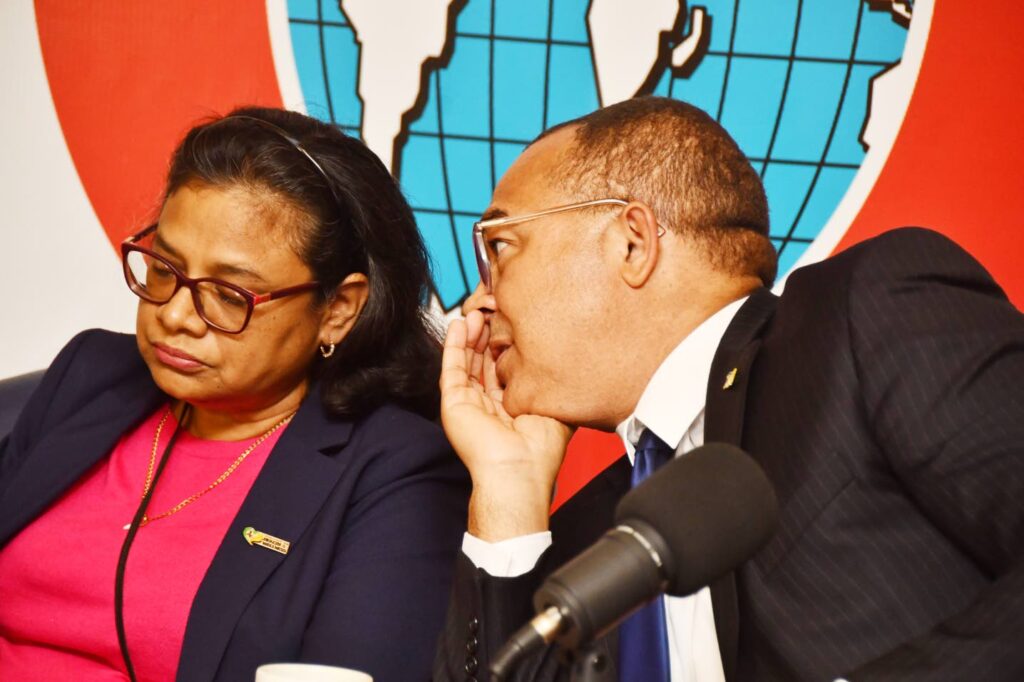
    The devastating impact of Hurricane Melissa has revealed significant deficiencies in Jamaica’s public health emergency response framework, triggering urgent calls from the nation’s highest medical authorities for comprehensive legislative reform. Health Minister Dr. Christopher Tufton and Chief Medical Officer Dr. Jacquiline Bisasor-McKenzie jointly declared that existing public health statutes require immediate modernization to address contemporary disaster scenarios.

    During a recent Jamaica Observer Press Club gathering, both officials emphasized that the consecutive challenges of managing a global pandemic and a Category 5 hurricane demonstrated the current Public Health Act’s inadequacy in facilitating rapid response operations. The legislation’s inherent rigidity reportedly hampered critical emergency measures including swift quarantine implementation, inter-agency cooperation, and frontline medical interventions during life-threatening situations.

    Dr. Tufton acknowledged the health system’s commendable performance under extreme duress but emphasized that these back-to-back crises provided invaluable insights for evaluating Jamaica’s legal preparedness for modern emergencies. “Experiencing both a pandemic and Category 5 hurricane offers an exceptional vantage point for assessing our policy and legal response frameworks,” he stated, noting that despite best efforts, the Public Health Act requires substantial revision.

    The current legislation, which serves as Jamaica’s foundational disease control and sanitation framework, empowers the health minister to impose quarantines, movement restrictions, and public space closures during outbreaks. However, these provisions were primarily designed for slower-evolving public health threats and lack the necessary agility for contemporary large-scale disasters characterized by rapid escalation and complex interdependencies.

    Dr. Bisasor-McKenzie highlighted operational disparities between the Emergency Disaster Act and Public Health Act, noting the former enables faster decision-making during critical early response phases. She identified particular weaknesses in isolation and quarantine enforcement mechanisms, stating: “We must strengthen legal provisions supporting isolation measures and consolidate reporting responsibilities across agencies to create a unified response approach.”

    Both officials emphasized the legislation’s failure to address socio-familial interventions crucial in disaster aftermath, including vulnerable population relocation and coordinated care for displaced households. The ministers advocated for a ‘one health’ approach recognizing the interconnected nature of modern health threats, from infectious diseases to climate-driven disasters that transcend national boundaries.

    Hurricane Melissa also underscored the necessity for legal flexibility in facilitating international medical assistance. Jamaica faced challenges in rapidly credentialing foreign medical professionals who established field hospitals post-disaster, with Tufton noting: “While international support was phenomenal, bureaucratic obstacles often prevent help from reaching those who need it most.”

  • UPDATE: Police identify Manchester double murder victims

    UPDATE: Police identify Manchester double murder victims

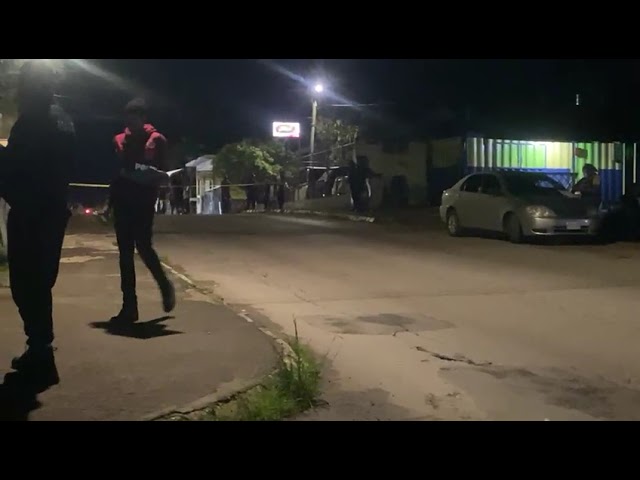
    MANCHESTER, Jamaica — A violent double homicide has shaken the community of Mandeville, following a targeted shooting at a local bar on Manchester Road this Monday evening. The victims have been officially identified by law enforcement as Nicholas Tomlinson, a 40-year-old truck driver, and Chester Smith, a 32-year-old laborer. Both men were residents of the May Day district in Manchester parish.

    According to police reports, the incident occurred at approximately 8:45 p.m. Local residents reported being startled by a series of loud explosions, later confirmed as gunfire, which prompted emergency calls to the authorities. Upon arrival, police discovered both men with severe gunshot wounds. They were urgently transported to a nearby medical facility but were subsequently pronounced dead upon arrival.

    This tragic event marks the third homicide recorded in the Manchester parish within a devastating 24-hour timeframe. In a separate but related incident, the body of an unidentified man was discovered earlier on Monday morning along a haul road in the Brokenhurst community, further intensifying concerns over a potential surge in local violent crime. Investigations into both incidents are actively ongoing, with authorities pursuing multiple leads to apprehend the perpetrators responsible for the latest attack.

  • ‘No cover-ups’

    ‘No cover-ups’

    MANDEVILLE, Jamaica — A profound call for transparency pierced the solemn atmosphere at the funeral of Victoria Brown Hanley, a 20-year-old University of the West Indies student whose unexplained death has ignited public demands for justice. Reverend Khereen Wilson-Bailey’s emotionally charged sermon at Andrews Memorial Church condemned potential cover-ups and invoked divine intervention to reveal the truth surrounding the tragedy.

    The circumstances of Brown Hanley’s death remain shrouded in uncertainty. On October 16, the final-year student was discovered lifeless in her fourth-floor dormitory at George Alleyne Hall on the UWI campus. According to initial reports, her roommate returned after 6:00 am to find Brown Hanley face-down with a scarf tightly wound around her neck. Despite immediate efforts by campus security and responding officers from the Mona Police Post, the young Manchester native was pronounced dead at the scene.

    Official autopsy results confirmed death by strangulation, yet law enforcement authorities have maintained remarkable silence regarding investigative progress. Assistant Commissioner Michael Phipps of the Jamaica Constabulary Force’s Area Four had initially indicated that CCTV footage review and witness interviews were underway, but police have since declined to identify any persons of interest in the case.

    The emotional funeral service revealed disturbing parallels as Reverend Wilson-Bailey disclosed this marked the second 20-year-old she had buried in her ministry. Another young woman had previously been found dead with blunt force trauma to the head in Berry Hill, Manchester, creating a pattern that underscores the vulnerability of Jamaica’s youth.

    Brown Hanley was universally remembered as a jovial yet reserved individual with exceptional promise. Tributes from deCarteret College Principal Dr. Prim Lewis described her as “quiet, reserved, polite, hard-working, ambitious, not vulgar at all,” while May Day High Principal Stanford Davis recalled her precocious nature since childhood. Her grieving parents, Pauline and Vernon Hanley, sat beside their daughter’s blue coffin as family and community members shared memories of her empathetic nature and rare emotional intelligence.

    The collective anguish expressed throughout the service transcended personal grief, evolving into a powerful societal demand for accountability and protection for Jamaica’s young population. Religious and educational leaders united in their call for justice, emphasizing that those who prey on the vulnerable would not escape divine or legal consequences.

  • Two shot dead in Manchester

    Two shot dead in Manchester

    MANCHESTER, Jamaica — A violent double homicide occurred at a bar located on Manchester Road in Mandeville on Monday evening, resulting in the deaths of two unidentified men. The incident represents the third murder recorded in Manchester parish within a devastating 24-hour timeframe.

    According to preliminary investigative reports, the attack transpired at approximately 9:00 p.m. Local residents reported being startled by a series of loud explosive sounds, later confirmed as gunshots, which prompted immediate calls to law enforcement authorities. Police units dispatched to the scene discovered both victims critically injured from multiple gunshot wounds.

    Emergency medical services rapidly transported the wounded men to a nearby hospital; however, medical personnel pronounced both deceased upon arrival. The Jamaica Constabulary Force has not yet released the identities of the slain men, pending formal notification of their next of kin and further investigation.

    This tragic shooting follows another gruesome discovery made earlier on Monday morning, when the body of an unidentified man was found on a haul road in the Brokenhurst community. The consecutive incidents have heightened concerns about violent crime in the region, with three lives lost within a single day.

  • Community First Launches “Wishes and Warmth” Initiative for the Christmas Season

    Community First Launches “Wishes and Warmth” Initiative for the Christmas Season

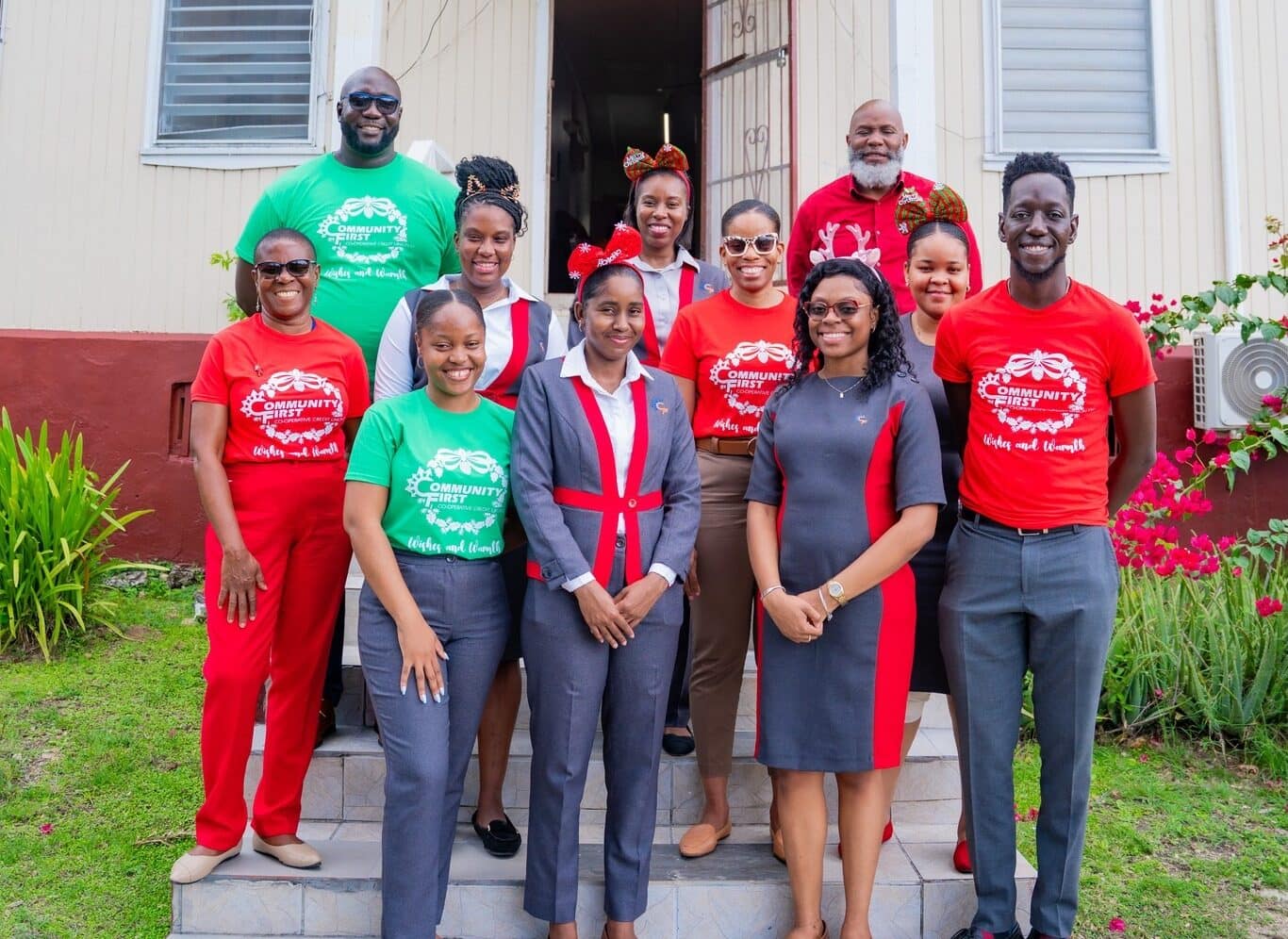
    Demonstrating the essence of seasonal goodwill and cooperative principles, Community First Cooperative Credit Union (CFCCU) has inaugurated its ‘Wishes and Warmth’ campaign, delivering tangible comfort and festive joy to vulnerable populations in Antigua and Barbuda. The initiative formally commenced on December 16th.

    The program’s inaugural act involved a special engagement with the Salvation Army Sunshine Home for Girls. CFCCU representatives personally visited the facility and invited residents to articulate their personal Christmas desires. Each request was meticulously curated and fulfilled by the Credit Union, resulting in personalized gift distributions. This approach was deliberately designed to honor each recipient’s individuality and uphold values of dignity and compassionate support.

    This philanthropic endeavor embodies the foundational credit union ethos of ‘People Helping People,’ showcasing an institutional commitment that transcends conventional financial services. Community First is reinforcing its role as a pivotal community pillar, actively working to elevate social welfare across the nation, with particular emphasis during holiday periods when human connectivity and generosity hold profound significance.

    The organization has publicly expressed its profound gratitude to the administration and residents of the Salvation Army Sunshine Home for Girls for their collaborative partnership and for providing an opportunity to participate in their seasonal festivities.

    As the festive period unfolds, Community First is issuing a broader call to action, encouraging civil society throughout Antigua and Barbuda to perpetuate cycles of kindness, mutual support, and the cooperative ethos that fortifies community bonds.

    Background Note: Community First Cooperative Credit Union stands as a premier financial cooperative in Antigua and Barbuda, focusing on member and community empowerment via accessible financial products and transformative social programs.

  • “Shower on Wheels” initiative brings dignity, care to the homeless

    “Shower on Wheels” initiative brings dignity, care to the homeless

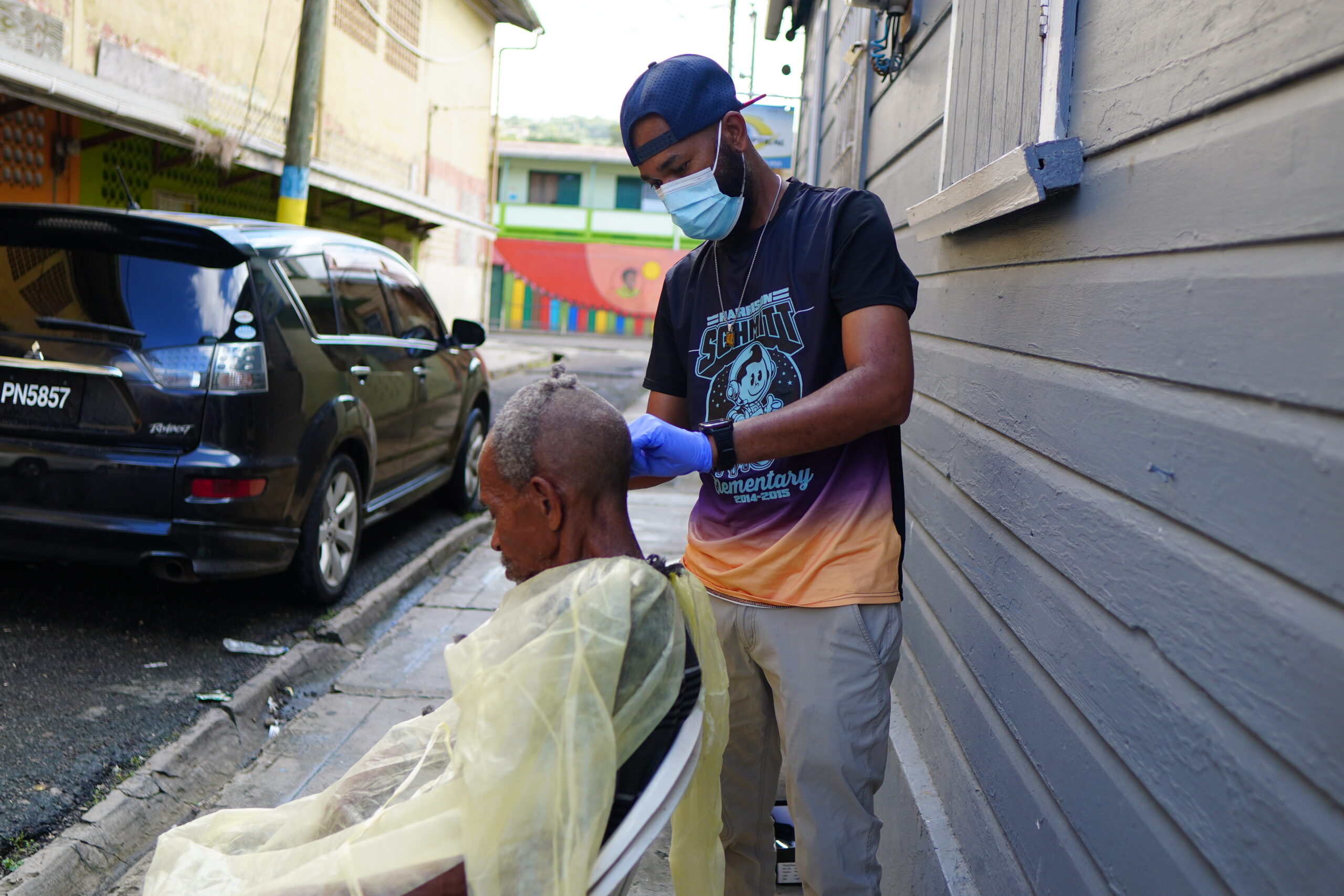
    In a powerful demonstration of community compassion, members of Saint Lucia’s Seventh-day Adventist Church extended vital support to the island’s most vulnerable populations on December 21. The initiative saw volunteers from Zone A of the local SDA Churches, joined by community supporters, provide essential services including bathing facilities, meals, and clothing to homeless individuals in Castries.

    The operation was strategically conducted at Church Lane, utilizing the facilities of St. Aloysius R.C Boys School to create a comprehensive care center. The program featured remarkable intergenerational participation, with adult volunteers handling technical aspects while children from the ministries department assisted by serving breakfast items including tuna sandwiches, cheese sandwiches, cake, and juice. Younger participants also helped direct beneficiaries to shower facilities and lunch services.

    This outreach forms part of the innovative ‘Shower on Wheels’ initiative spearheaded by Evangelism for Saint Lucia, a program designed to share spiritual messages through practical acts of kindness. Coordinator Donatus Sydney explained the seasonal significance of their intervention: ‘We deliberately chose this period when collective generosity peaks, aiming to establish an annual tradition that restores dignity and national belonging to our homeless citizens.’

    Pastor Chad Goolaman, District Pastor for the Maranatha District of SDA, emphasized the holistic philosophy behind the initiative: ‘Our church recognizes that meaningful transformation addresses both spiritual and social needs. By providing nourishment, hygiene, and encouragement, we aspire to empower individuals for renewed beginnings.’ The pastor further revealed plans to expand community impact programs throughout 2026, reinforcing the church’s commitment to sustainable social development across Saint Lucia.

    Photographic documentation by Quinn St. Juste captured the profound human connections forged during the event, showcasing volunteers engaged in meaningful service that transcended mere charity to foster genuine human dignity.

  • Cuba: teachers defend Fidel Castro’s literacy epic

    Cuba: teachers defend Fidel Castro’s literacy epic

    Cuban President Miguel Díaz-Canel and Prime Minister Manuel Marrero Cruz presided over the nation’s principal Teachers’ Day celebration at the José Martí Anti-Imperialist Tribune. The event brought together a cross-section of the educational community, including active teachers, members of the pedagogical detachment, representatives from various training models, retirees, and educators who recently completed international missions, such as a brigade returning from Honduras.

    Education Minister Ena Elsa Velázquez Cobiella delivered a keynote address that connected contemporary educational challenges with Cuba’s revolutionary pedagogical heritage. She emphasized that the period coinciding with Teachers’ Day, the anniversary of the Revolution’s triumph, and the start of the academic year represents both a time for honoring educators and for conducting critical assessment of the educational system’s development.

    The minister specifically recalled Fidel Castro’s historic 1960 proclamation before the United Nations, when he declared Cuba would become the first illiteracy-free nation in the Americas. “This pledge exemplified revolutionary boldness that materialized through an ambitious campaign where the people educated the people, with youth assuming tremendous responsibility,” Velázquez stated, referencing the landmark 1961 literacy campaign that dramatically reduced illiteracy rates.

    The ceremony served as both recognition of current educational professionals and a reaffirmation of Cuba’s ongoing commitment to educational accessibility and quality, tracing a direct lineage from the revolutionary achievements to present-day efforts in maintaining the country’s educational standards.

  • Cuban minister highlights education’s impact on the world

    Cuban minister highlights education’s impact on the world

    In a nationally televised address, Cuba’s Education Minister Eva Josefina Torres Trujillo delivered a powerful tribute to the nation’s teaching profession, framing their daily work as an act of modern heroism. The minister’s speech drew direct parallels between contemporary educational efforts and the historic 1961 Literacy Campaign masterminded by revolutionary leader Fidel Castro.

    Minister Trujillo identified the preservation of Cuba’s educational achievements as the paramount challenge facing educators today, particularly given the country’s current complex socioeconomic circumstances. She characterized the teaching profession as an ‘epic journey,’ acknowledging that educators remain deeply connected to the emotional landscape of each student they encounter both within classrooms and throughout broader social activities.

    Reaffirming Cuba’s foundational educational principles, the minister emphasized that the state-maintained system continues to provide inclusive, universal, and tuition-free education to all citizens. Beyond domestic implementation, Trujillo highlighted how Cuba’s educational model has achieved international influence through cooperative programs that have assisted other nations in combating illiteracy using methodologies inspired by Cuba’s revolutionary experience.

    Concluding her address, the education minister extended formal gratitude to educators for their persistent efforts under challenging conditions. She urged teaching professionals to continually reflect on their extraordinary social value and maintain their supportive role in overcoming national educational challenges.

  • Why do libraries still matter today? Part 2

    Why do libraries still matter today? Part 2

    In an era of information overload, libraries maintain their critical role as guardians of knowledge and facilitators of continuous learning. This analysis, the second in a four-part series examining the enduring relevance of libraries, focuses specifically on how these institutions cultivate information literacy and support educational advancement in contemporary society.

    Information literacy represents a multifaceted skillset encompassing the ability to identify, evaluate, and effectively utilize information—a competency increasingly vital in both personal and professional contexts. The American Library Association defines this as recognizing when information is needed and possessing the capability to locate, assess, and employ it appropriately. Libraries worldwide champion freedom of information access while implementing careful curation policies to combat misinformation, with their specific approaches varying based on institutional type (academic, public, national, or special).

    The T A Marryshow Community College Library (TAMCCL) exemplifies how academic libraries serve their communities. Despite resource constraints common in developing nations, TAMCCL provides carefully vetted materials in both digital and physical formats to support the college’s curriculum. Beyond mere resource provision, library staff actively enhance student capabilities through classroom research sessions demonstrating advanced database techniques, including scholarly filters and peer-review identification.

    TAMCCL’s innovative programming extends to interdisciplinary education, hosting expert-led sessions on diverse topics from recycling initiatives to nutritional health and United Nations Sustainable Development Goals. These sessions feature collaborations with authoritative organizations including Grenada Solid Waste Management Authority, Grenada Food and Nutrition Council, and UN representatives in Grenada. The library employs creative multimedia and sensory experiences to engage students, exemplified by World Food Day 2025 celebrations that combined educational presentations with healthy food sampling in the library lobby.

    The modern concept of continuous learning has dramatically evolved from traditional education models. Information now transcends physical books, requiring ongoing skill development throughout one’s career and personal life. Public libraries design programs for all age groups, while academic institutions like TAMCC, The UWI Global Campus, and St. George’s University offer continuing education opportunities. Their supporting libraries provide essential resources for adult learners seeking professional development or technological upskilling.

    Technology’s pervasive influence on daily life creates digital literacy requirements that libraries uniquely address. For those lacking technological access or proficiency, libraries offer non-discriminatory, cost-free skill development regardless of age or background. This function proves particularly crucial in resource-limited environments like Grenada and other small island developing states, where libraries serve as vital hubs combating outdated educational notions while promoting information literacy as a fundamental societal value.