分类: society

  • Who cares for the carers? BCD wellness event may give answer

    Who cares for the carers? BCD wellness event may give answer

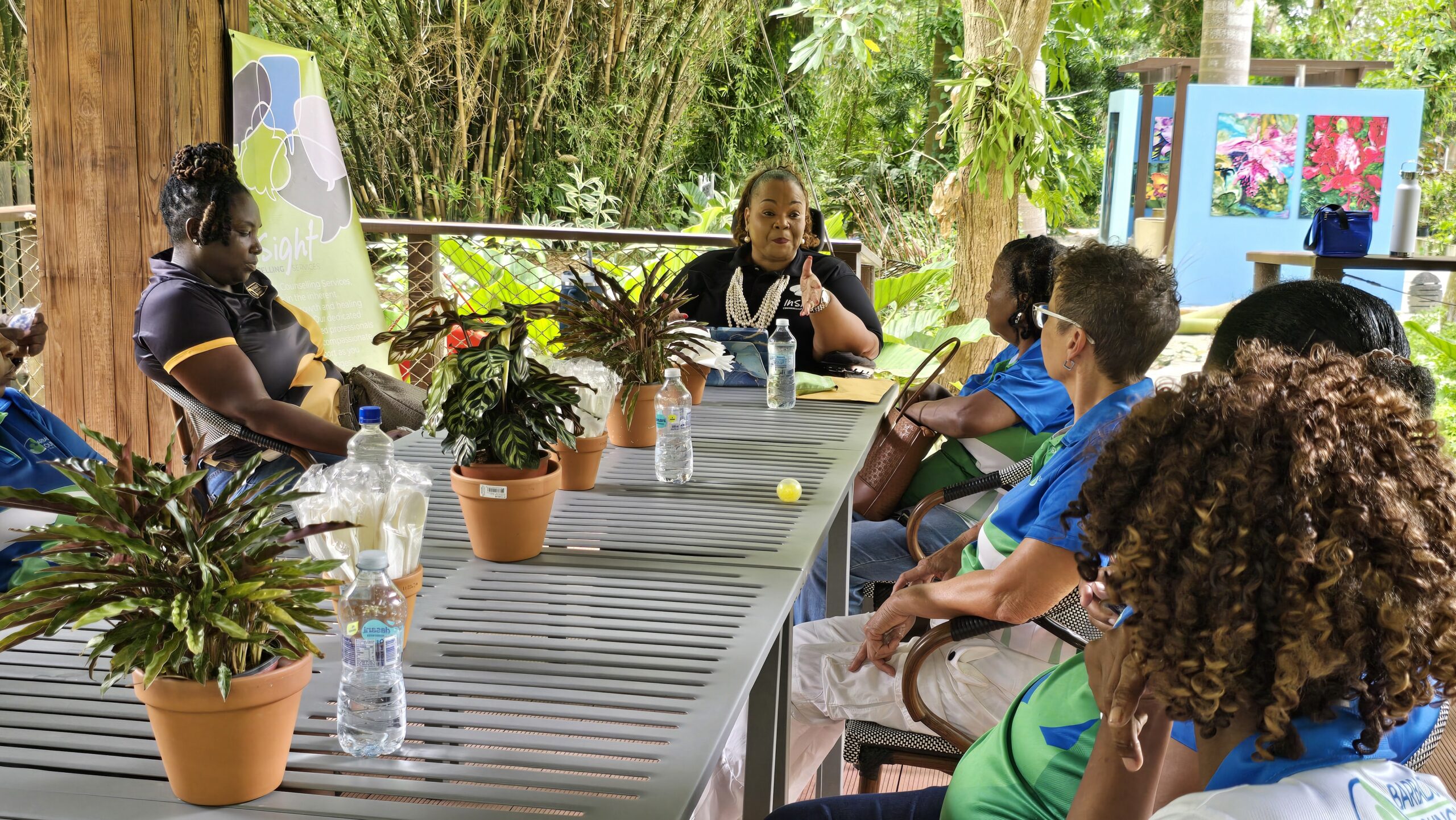
    Caregiving for a dependent family member, loved one, or ward is far from a simple undertaking. The constant physical, emotional, and mental demands of the role often leave caregivers struggling under the weight of their responsibilities, even as public focus almost always remains on the people receiving care rather than the people providing it. On Friday, a small but impactful event at a Christ Church garden centre sought to change that narrative, carving out dedicated space to honor, listen to, and support caregivers whose tireless work often goes unrecognized.

    Barbados TODAY reporters on site at Nature Care in Lowlands documented the event, a Mental Wellness Day hosted by staff from the Barbados Council for the Disabled (BCD) and led by counselling psychologist Janelle Skinner, who herself lives as a paraplegic. Drawing on both her professional expertise and personal experience as a disabled person relying on care from her mother, Skinner opened with a frank discussion of the little-discussed crisis of caregiver burnout.

    “Caregiving drains you in every way – emotionally, physically, mentally – and burnout is a very real experience that far too many caregivers go through,” she explained. Skinner emphasized that caregivers cannot sustain their work without intentional breaks, even short ones, that let them step away from their role and recharge. “Too many caregivers operate in constant survival mode. They pour every bit of energy into the person they care for and completely ignore their own needs. They never stop to ask, ‘What will happen to the person I care for if something happens to me?’ That’s why creating spaces where caregivers can receive care themselves is so critical.”

    Speaking from her own experience, Skinner noted that she has learned to spot early signs of burnout in her mother, Joan Skinner-Graham, who has served as her primary caregiver for 26 years. “I do everything I can do independently to reduce her load, but there are some things I cannot do on my own. The key is being attentive to those subtle signs that fatigue is building, both for the disabled person and the caregiver themselves.”

    Skinner also pointed to the importance of professional support and strong personal networks, sharing that she sees a therapist herself to manage the emotional weight of her work and personal circumstances. “There is no shame in therapy – it helps. Having a support network means you always have people you can turn to, people who can step into the caregiving role temporarily so you can step back, reset, and refocus,” she said.

    For Joan Skinner-Graham, the journey of caregiving began with a devastating phone call 26 years ago, when her daughter was on holiday in New York. “My niece called and said she had bad news. Janelle was in the hospital, paralyzed. I got on a flight the very next day and stayed with her until she could come home,” she recalled. Through decades of care, she has held fast to a core principle: never let the person you care for feel like a burden.

    “When you care for a person with a disability, you must never let them see your frustration or anger,” she said. “They will internalize that, think they are a burden, and that sets back their own progress. If you feel overwhelmed, step away for a few minutes, take a breath, and come back when you are grounded. That small break makes all the difference.”

    Now retired, Skinner-Graham admitted that the long-term weight of caregiving brings quiet worries, especially as she ages. “Many nights I pray for strength to be here for my daughter. What I’ve seen over the years is that unaddressed stress kills caregivers. Too many people bottle up their feelings instead of reaching out, and that stress makes them sick, and then there is no one left to care for them. That’s why we need more accessible counselling and support for caregivers – we need spaces to talk through what we’re feeling instead of holding it all in.”

    When it comes to balancing daily care with other life responsibilities, Skinner-Graham relies on intentional planning and unapologetic self-care. “I plan out my days, and I stick to my plan. I get Janelle set up for her work day, handle household tasks, and when I need a break, I tell her straight: this is mommy’s time. I sit down, play my game, and recharge before I come back. There’s no shame in taking that time for yourself.”

    BCD President Patricia Padmore-Blackman, who is blind and cares for a disabled son, echoed that call for intentional self-care for caregivers. “My son has been with me since birth, so it can feel like I never get a break. There are definitely days when I need to step away,” she said, crediting her own support network of family, friends, and professionals for helping her sustain her role over decades. “That support is non-negotiable. We can’t do this alone.”

    BCD Operations Manager Roseanna Tudor explained that Friday’s gathering was designed specifically to prioritize the mental and emotional wellbeing of BCD’s own frontline staff, who navigate high-stress, emotionally demanding work supporting disabled people and their families every day. “This event was about reducing emotional fatigue, building stronger connections among staff, and creating a culture of psychological safety,” Tudor said. “When we invest in our staff’s wellbeing, that directly improves the quality of the services we deliver. We need workplaces that prioritize care for the people who care for others, and I encourage every organization to host similar events for their teams.”


  • Three people were wounded by gunfire in separate incidents in Santiago

    Three people were wounded by gunfire in separate incidents in Santiago

    Authorities from the Dominican Republic’s National Police have confirmed that three people have been wounded by gunfire in two unconnected violent events that unfolded in Santiago de los Caballeros, one involving a confrontation with law enforcement and another sparked by a road conflict. Responding patrol units moved quickly to bring both situations under control, and official investigations into the circumstances of each incident are now ongoing.

    The first of the two violent episodes took place in the Los Salados neighborhood. Officials say a 28-year-old man mistook arriving police officers for people with whom he had an ongoing personal dispute, and confronted the patrol with a machete when officers attempted to stop him to conduct a routine identification check. After the suspect responded with aggressive behavior, officers fired a single shot to neutralize the threat, leaving the man with a leg wound. A check of law enforcement databases revealed the injured man already has two prior criminal convictions for robbery and homicide.

    The second shooting occurred along Estrella Sadhalá Avenue, where a vehicle collision escalated into a high-speed chase that left two men wounded. One of the targeted individuals suffered gunshot wounds to both thighs, while a second bystander passing through the area was accidentally struck by a bullet in the right shoulder. Preliminary investigative findings show multiple suspects traveling in a black sedan opened fire on the victims during the chase that followed the initial traffic crash. When officers arrived at the scene to secure the area, they recovered an abandoned 9mm pistol near the shooting location. The recovered weapon currently has no valid legal registration.

    National Police representatives confirmed that active investigative work will continue to fully piece together the details of both incidents and track down any additional suspects linked to the violence, particularly the shooters involved in the road dispute-related attack.

  • Sixty-two women rescued and three people arrested during a large-scale operation against alleged aggravated pimping in Puerto Plata

    Sixty-two women rescued and three people arrested during a large-scale operation against alleged aggravated pimping in Puerto Plata

    A large-scale coordinated crackdown on criminal networks accused of aggravated pimping and the commercial exploitation of women has delivered a major breakthrough in the Dominican Republic’s Puerto Plata province, launched jointly by local prosecutors and the National Police before dawn on Sunday.

    The multi-location operation stretched across five key areas of the province: the main city of Puerto Plata, the popular coastal towns of Sosúa and Cabarete, plus the Cangrejos district and Sabaneta de Yásica. Investigative teams targeted commercial venues and private boarding houses that had long been flagged in preliminary probes for ties to human exploitation rings, executing search warrants at each site as part of the coordinated anti-crime action.

    Among the establishments raided were a commercial car wash in Sabaneta de Yásica, four named venues—El Secreto in Cabarete, La Choza in central Puerto Plata, and Río Verde in Cangrejos—alongside at least three unnanounced boarding houses. All targeted businesses have been ordered to suspend operations temporarily as the official investigation moves forward, and investigators collected physical evidence from the boarding houses to trace potential connections to the exploitation ring.

    Early official data shared with local Dominican outlet InfoENN – El Nuevo Norte confirms that 62 women held in these illicit operations have been rescued from exploitation, and three individuals with alleged links to the criminal network have been taken into custody to face formal investigation.

    As of the latest update, law enforcement has not publicly disclosed the identities of the three arrested suspects, nor has it released a complete inventory of evidence seized during the raids. The Special Prosecutor’s Office is set to publish additional details on the case in the coming hours, when it will also outline what legal actions will be pursued against those found responsible.

    Investigators are currently working to map the full scope of the criminal network, determine the exact level of criminal liability for the arrested suspects, and hold accountable any owners or managers of the targeted establishments who are found to have participated in the exploitation ring.

  • Allied Protection Foundation lends helping hand at hurricane-hit St James basic school

    Allied Protection Foundation lends helping hand at hurricane-hit St James basic school

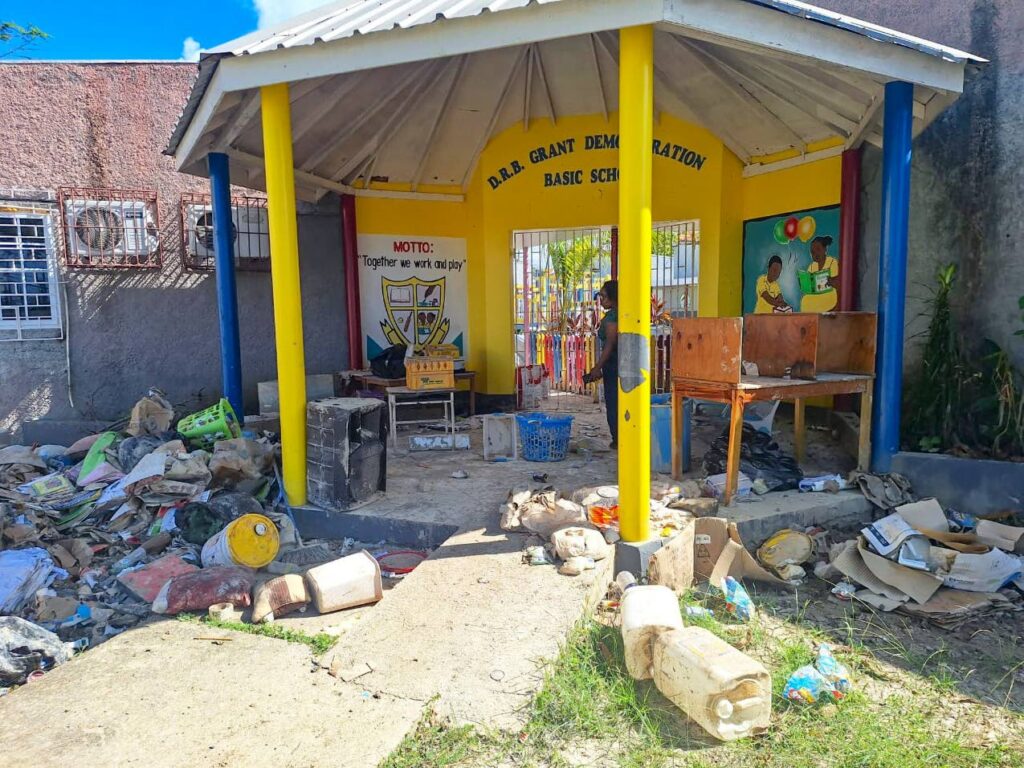
    On a dedicated Saturday mission, a volunteer team from the Allied Protection Foundation set out for western Jamaica to kick off critical restoration work at DRB Grant Demonstration Basic School, located in Montego Bay’s Catherine Hall neighborhood. This hands-on community improvement project forms a core part of the foundation’s official programming for Jamaica’s 2026 Labour Day, a national observance centered on voluntary public service.

    In an official media statement released two days ahead of the mission, the foundation detailed the urgent need for the work: more than six months after Category 5 Hurricane Melissa swept through the island on October 28 of the previous year, the rural basic school continues to grapple with lingering storm damage that has disrupted learning for its young students.

    The initiative is not a solo effort, the foundation noted. It has partnered with three local Jamaican organizations—JN Foundation, Rainbow Appliances, and Maa Sai Enterprise Limited—to pool resources and labor for the project. When completed, the team will have refreshed the school’s campus with new coats of paint and vibrant, student-centered murals designed to brighten the learning environment. Beyond structural improvements, the collaborative group also donated two critical assets to the school: a 1,000-gallon water storage tank to address ongoing water access challenges left by the hurricane, and a 32-inch smart television to support digital learning for the student body.

    This project marks a key milestone for the newly launched Allied Protection Foundation, which recently consolidated all of the parent organization’s major charitable programming under one centralized umbrella to streamline impact. Beyond the Montego Bay hurricane recovery work, the foundation manages two other long-standing education-focused initiatives: a daily school breakfast program serving students at Clan Carthy Primary School in St Andrew, and the Donald Williams Scholarship, which provides financial support to eligible Jamaican students pursuing further education.

    In closing, the foundation emphasized that all of its programming, from disaster recovery to ongoing education support, grows out of the parent company’s deep, long-standing commitment to advancing education, driving inclusive community development, and upholding meaningful corporate social responsibility across Jamaica.

  • WATCH: Mayor urges calm after murder of beloved Papine Market supervisor

    WATCH: Mayor urges calm after murder of beloved Papine Market supervisor

    A brutal mid-afternoon shooting at Jamaica’s Papine Market has left a well-loved local staff member dead and sent shockwaves through the adjacent Mona Commons community, prompting Kingston’s top official to plead for restraint amid public grief and anger.

    Colleen Bernard, a long-serving supervisor at the popular public market, was gunned down in a public attack this past Friday. Within hours of the shooting, law enforcement officers launched an urgent manhunt for the perpetrator. Pursuing the suspect across the area, police eventually intercepted the shooter, who was wounded in the confrontation and remains hospitalized for treatment as of the latest updates.

    Two days after the killing, Kingston Mayor Andrew Swaby — who also serves as chair of the Kingston and St Andrew Municipal Corporation (KSAMC) — released a public video address directly to residents of the nearby Mona Commons neighborhood. In the message, Swaby urged community members not to resort to vigilante justice in response to Bernard’s death, emphasizing that official investigations remain in their early stages.

    “In moments like this, it’s only natural for people to want to form their own conclusions about what happened, but right now, many critical details are still unconfirmed,” Swaby said in the address. He stressed that the responsible path forward is to let trained police investigators complete their work unimpeded by community unrest.

    Swaby also shared that the entire KSAMC workforce is reeling from the unexpected loss of one of their own. “Colleen was an exceptional, dedicated worker,” he said, describing the attack as a pointless act of violence. “It’s senseless that someone would walk into a busy public market, take her life, and then try to run away.”

    The mayor publicly praised responding police officers for their rapid work that led to the suspect’s apprehension. Looking ahead, Swaby confirmed that municipal leaders are already reviewing next steps to improve public safety at the market, and will arrange professional mental health counselling for both market staff and vendors who witnessed the traumatic incident.

  • Birthday heartbreak

    Birthday heartbreak

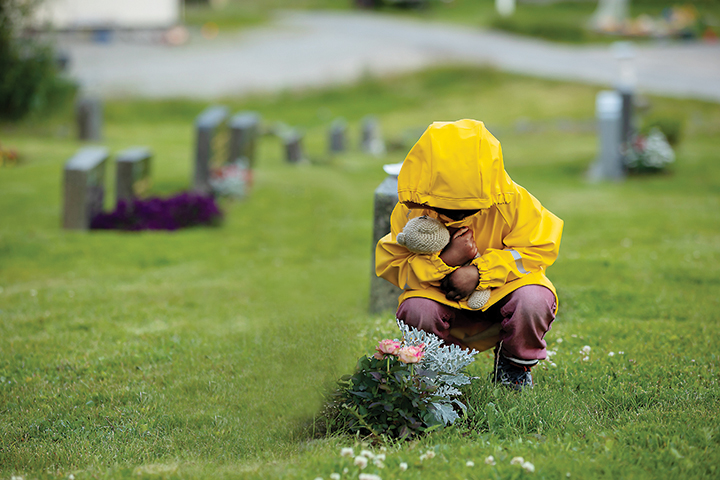
    For months, 10-year-old Nicholi Smith held tightly to one simple, heartfelt birthday wish: to stand at his mother Natalie Dobson’s graveside, speak to her just as he did when she was alive, and mark his 10th year in her presence. What should have been a tender, healing moment at Jamaica’s Dovecot Memorial Park and Crematory last Tuesday instead dissolved into heartbreak, leaving the boy sobbing and unable to fulfill the only wish he asked for. Now, the family’s devastating experience has sparked widespread public outcry over the disrespectful treatment of deceased loved ones at the St Catherine-based burial ground.

    Nicholi’s wish was born from profound grief. Dobson, a beloved mother of five who had shared 22 years with Rupert Smith, Nicholi’s father, died in December 2025 at age not disclosed, from a fungal infection linked to her asthma inhaler. Just days after Dobson’s January 2026 funeral, Nicholi told his family the only thing he wanted for his 10th birthday was a trip to his mother’s grave. He turned down toys, new clothes, and even a birthday party—all he wanted was to be at her final resting place.

    “He’s a Taurus, so he was not going to forget just like that. He told me, he told his grandmother and his aunt that’s what he wants — to go visit his mom for his birthday. He never said he wanted anything else,” Rupert Smith shared in an interview with the Jamaica Observer. “It mash me up wicked. After I calmed him down, I said, ‘See your mother wreath here, talk to her.’ He hissed his teeth and said he doesn’t want to talk to her that way, he wants to know for sure he is right where her grave is so that he can say, ‘Yes, she is right here.’ He said speaking to the wreath is not her, it’s just a photo.”

    When the pair arrived at the cemetery, they made a devastating discovery: all the plot markers marking individual grave sites had been uprooted by construction workers digging new graves, and left piled haphazardly on the ground. A wreath holding Dobson’s portrait, placed at her grave earlier by the family, lay half-buried in dirt nearby, but there was no way to confirm the exact spot where she was buried. Rupert Smith captured the moment on camera, and the viral video shows him brushing dirt off the wilted wreath while expressing his frustration, before panning to a confused, heartbroken Nicholi, who breaks down into tears when he realizes his wish will not come true.

    After leaving the cemetery, Nicholi sat silent for the entire ride home, and burst into inconsolable tears as soon as the pair walked through their front door. Speaking to the Sunday Observer, the 10-year-old said he just wanted to tell his mother how much he missed her.

    “I miss her smile, her kindness, and her love,” Nicholi said. “She always took care of me when I was sick and was always there for me. They need to put back the things in the ground so that we can find her and take care of her. I hope to visit my mother every year for my birthday.”

    Rupert Smith, who described Dobson as a woman of extraordinary kindness who welcomed and raised his three children from previous relationships as her own, said the cemetery’s neglectful treatment of her grave is a fundamental violation of the basic respect owed to the deceased. He noted that families pay the cemetery to care for their loved ones’ final resting places, and that returning visitors deserve to be able to find the sites without unnecessary pain.

    “She was the best mom ever. She always puts her kids first, and she even takes care of my kids,” Smith said. “In Jamaica a lot of women nah go accept a man that have kids outside the relationship and make them come live with them and take care of them as their own, but she was different from everybody else, trust me. She deserved to be laid to rest with respect. Them nuh care. She is dead, yes, but at least she should die with some respect, because people pay unnu to do that. They can’t just say them done dead and gone so unnu don’t care what happen after the people dem gone. That’s not right.”

    Since the video was posted to social media, it has sparked widespread discussion of poor cemetery maintenance across Jamaica, with dozens of viewers sharing their own stories of being unable to locate loved ones’ graves due to lost or discarded markers. Smith said the outpouring of shared experience confirms the issue is systemic, and that cemetery leadership needs to implement new protocols to ensure grounds crew prioritize the needs of returning visitors.

    “It’s a business for them, but we are the customers, and so they must know that customers come first,” Smith stressed. “You can’t treat customers that way. People nah go want to do business with you if they know that they have their loved ones and they can’t carry them to you knowing that you are going to do what you are supposed to do so that when they come back they can say, ‘This is where such and such buried.’ The supervisors need to speak with the grounds people and make them know that it’s not all the time people a guh bury their loved ones and don’t come back. You a guh have people who a guh come back and look for their loved ones, so they have to bear that in mind. You have people who come back and look for their loved ones, and it a guh painful to know that they can’t find them… It’s not supposed to happen that way.”

    Multiple attempts to get comment from Dovecot Memorial Park management have so far gone unanswered, with a representative saying the authorized spokesperson was unavailable to provide a statement as of press time.

  • ‘I prayed to hear my son’s voice’

    ‘I prayed to hear my son’s voice’

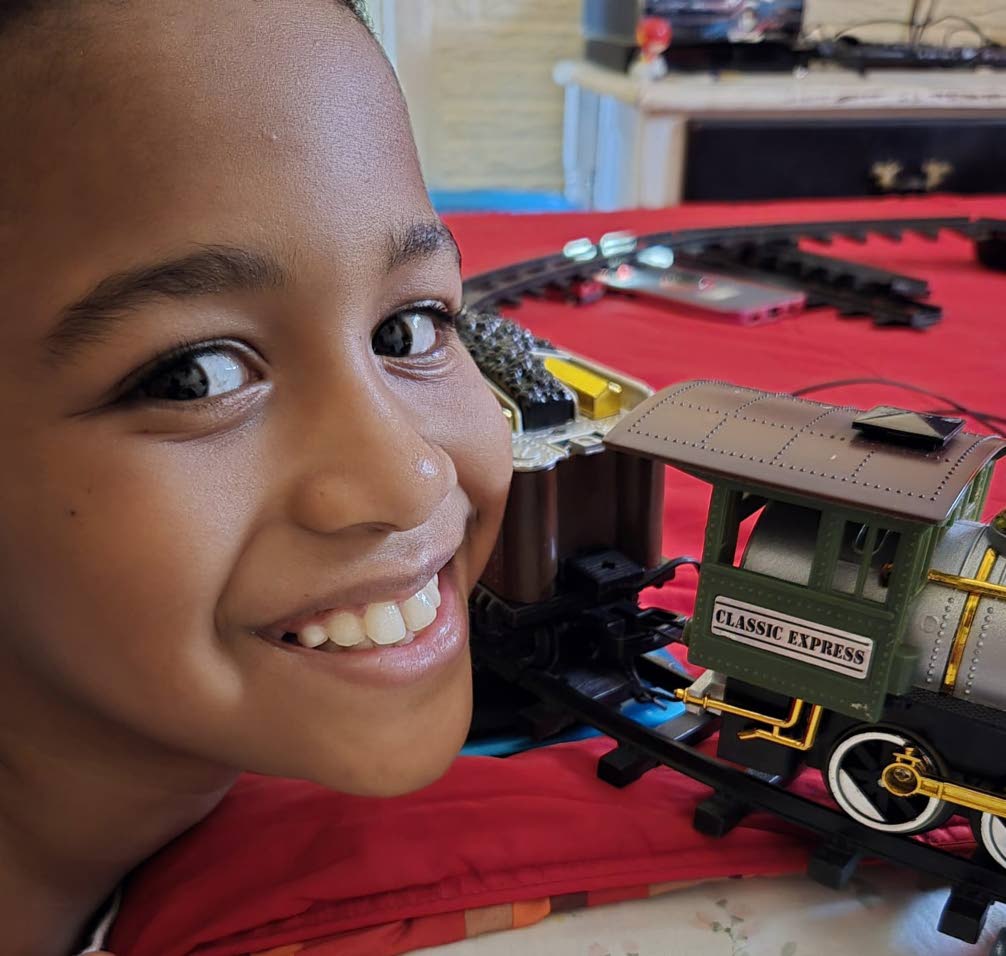
    For most parents, a child’s first birthday marks a joyous milestone of growth and new beginnings. For Peta-Gaye Forbes Robinson, a Jamaican mother based in Kingston, that celebration was quickly followed by an unsettling turn that would reshape the course of her entire family’s life. Just two months after her son Shadrach turned one, the toddler who had already mastered reciting the full alphabet and counting to 20 suddenly lost nearly all his verbal skills, reduced only to forcing out the single letter “E”.

    Alarmed by the obvious developmental regression and repeated concerns from loved ones that Shadrach was not hitting key growth markers, Robinson sought medical evaluation immediately. After months of waiting for a assessment with a behavioural specialist, there was no clear path forward. It was not until Shadrach turned three that a formal neurological diagnosis delivered a devastating blow: the young boy was non-verbal autistic, medical professionals told the couple, and he would never speak, requiring 24/7 lifelong care.

    Robinson, however, refused to accept this grim prognosis. With a professional background in early childhood education, she began diving deep into autism research to better understand her son’s condition and explore every possible intervention. At the time, she held a demanding corporate role that kept her away from home for long hours. Though she repeatedly felt a spiritual pull to leave her job to focus full-time on Shadrach, fear of the financial strain on her family kept her from making the leap, and she left her son’s progress in the hands of public state institutions. For years, little improvement came.

    The 2020 COVID-19 pandemic amplified that persistent calling to resign, turning a quiet nudge into an unavoidable conviction. A follow-up assessment confirmed what Robinson had feared: Shadrach had made almost no progress in years, and the couple’s hope was wearing thin. That was when Robinson made the irreversible decision: she walked away from her corporate career, pulled Shadrach from traditional school, and launched a structured homeschooling programme with support from local homeschooling collective Jamaica Life Learners.

    The early months of homeschooling were fraught with struggle and frustration. Robinson came close to abandoning her efforts entirely, and one Friday, overwhelmed, she decided to set aside all formal lessons. It was in that moment of pause that she followed spiritual guidance to test a new phonics-based speech technique, grouping letters by vowels and consonants to build foundational speech skills. At first, Shadrach showed no response. Robinson, frustrated, sent him off to play. Minutes later, she heard a clear, quiet voice repeating the vowels: A, E, I, O, U. Shadrach was five years old, and that small moment was the turning point the family had waited years for.

    The most cherished milestone came soon after, when Robinson cried alone in Shadrach’s room, wondering if she would ever hear her son say “I love you”. As she turned away weeping, she felt Shadrach approach, and a jumbled, quiet phrase reached her ears: “I love you.” Over and over, he repeated the words, growing louder and clearer each time. To this day, Shadrach, now 10, repeats the phrase to his mother constantly – a gift she never takes for granted.

    Following that breakthrough, Robinson continued to adapt her approach, drawing on targeted resources and integrating consistent spiritual intercession into her work with Shadrach. Over five years of steady effort, the transformation extended far beyond speech. Once, the boy’s severe sensory issues meant five adults had to restrain him just to clean his teeth; he refused all but a tiny handful of foods due to texture aversions, and was triggered by common sounds and numbers. Today, Shadrach eats a full range of foods, manages his sensory challenges independently, and attends a mainstream public school. A recent re-evaluation only diagnosed a mild expressive receptive language gap, and he is fully capable of caring for himself. An aspiring engineer with a passion for aviation, he regularly repairs old gadgets and phones around the house, and can identify aircraft make and model mid-flight just by looking up at the sky.

    Buoyed by her son’s unimaginable progress, Robinson founded Gifted Minds in 2021, a home-based, individualised intervention programme that supports other children on the autism spectrum across Jamaica. What began as a personal journey to save her own son has become a mission to bring hope to other families who have been given devastating diagnoses.

    In encouraging other parents facing similar struggles, Robinson urges people not to get stuck in grief or the question of “why me.” Instead, she advises shifting focus to asking “how” – how to learn, how to adapt, how to advocate for your child. It is that shift, she says, that opened the door to every breakthrough her family has experienced, turning a prognosis of lifelong dependence into a story of radical transformation and purpose.

  • WATCH: Granville residents protest police killings

    WATCH: Granville residents protest police killings

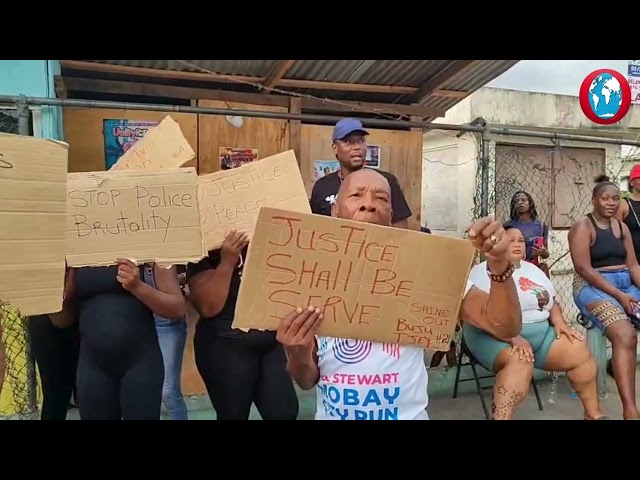
    ST JAMES, Jamaica — Hundreds of residents of the Granville community heeded an official appeal from local law enforcement and gathered for a peaceful demonstration Sunday, amplifying long-simmering outrage over a string of controversial fatal police shootings that have left multiple community members dead. Clad entirely in black and carrying hand-painted placards outlining their demands, protesters chanted unified slogans calling for an immediate end to police brutality and formal justice for Latoya Bulgin, a woman locally known as Buju, who was killed by police last week during what officers described as an alleged confrontation. The gathering marked one of the most organized displays of public discontent over police violence the region has seen in recent months. What many attendees do not widely know is that Bulgin was on her way to join a separate protest for 17-year-old Tjey Edwards when she was shot. Edwards was killed under nearly identical circumstances just one week earlier, on May 10. The deaths of Bulgin and Edwards are not the only cases driving community anger; protesters also placed heavy focus on a New Year’s Day shooting that left four-year-old Romaine Bowman and two adult men dead, pushing the nation’s total tally of fatal police shootings to 130 for the current period. Independent Commission of Investigations (Indecom) has already issued a public appeal for witnesses to come forward with information on the Granville killings, but residents say little tangible progress has been made to hold officers accountable. In a break from past protests that resulted in road blockades and clashes with police, Sunday’s demonstration remained entirely peaceful, a change that came directly in response to an appeal from Parish Police Chief Senior Superintendent Eron Samuels. During a community meeting held last Thursday, Samuels made clear that any demonstration that included road blockages would be immediately shut down by law enforcement. Abiding by this request, protesters confined their main gathering to Granville Square, with plans to stage a peaceful march through residential neighborhoods later in the day. The call for peaceful action was echoed by Marlene Malahoo Forte, the Member of Parliament for St James West Central, who met directly with protesters Sunday to hear their concerns. “I am happy that in the search for answers, the peace is still being maintained though we know it is a fragile peace,” Forte told Jamaica’s Observer Online in an on-site interview. “I continue to say to everyone, stay on the right side of the law and I am really hoping that this incident is not treated as just another incident, let the steam blow off and blow and we continue as usual. There are genuine questions and genuine concerns and I am keeping faith that we are going to come out better for this and I really hope that we don’t have another incident,” she added. Despite commitments from local officials to move forward with investigations, protesters remain resolute in their demands, with many vowing to continue demonstrations until they see verifiable progress in the cases, particularly that of Bulgin. One of Bulgin’s sons, who joined Sunday’s protest, spoke publicly about his family’s grief and the widespread fear now gripping the community. “I need justice for me and my family and all of the residents in Granville and also all around Jamaica. It is unfair for us to lose her life no reason, my mother died for no reason and all of us fear for our lives right now,” he said. “We fear who should be protecting us from danger and this is not right. Justice for Latoya Bulgin, Justice for Tjey Edwards, Justice for everyone who died to police brutality,” he declared. The officer at the center of Bulgin’s killing has already been placed on interdiction pending the outcome of the investigation, but the victim’s son says that is not enough. He is adamant that the officer should face severe criminal consequences for the shooting. “I want justice, that police should be in prison right now,” he insisted.

  • Portland bee farmers lose big after failed April honey flow

    Portland bee farmers lose big after failed April honey flow

    For the first time in a decade and a half, commercial beekeepers across Portland, Jamaica have walked away from their hives empty-handed during April – the parish’s most productive month for honey collection. According to Bernard Walker, president of the Portland Bee Farmers Association, this unprecedented disruption traces directly to a shifting seasonal blossoming schedule of local flora across the northeastern parish.

    Walker estimates that the missed first major honey flow of the year has cost local producers roughly 1,000 gallons of unsold honey, equal to a minimum revenue loss of $14 million Jamaican dollars. In interviews, he explained that long-standing regional blooming cycles have broken down in recent years: where mango trees once consistently produced full blooms across December, the crop now reaches peak blossoming as early as March. By the time April arrives, mango flowering has long tapered off, and while other local crops do blossom later in the season, their combined bloom period shifted entirely to March, leaving bees with no major nectar source as harvest season traditionally begins.

    This disruption has also created an unusual supply gap across Jamaica. Following Hurricane Melissa’s damage to honey production in western Jamaica, local food manufacturers and the Jamaica Promotions Corporation have flooded Portland’s producers with requests for additional honey to make up for regional shortages. But Walker says that after checking in with all member farmers during the association’s monthly second-Thursday meeting, there is currently no harvestable honey available anywhere in the parish. Producers are now a full seven weeks behind their standard harvesting calendar.

    Portland’s beekeepers typically collect honey four times annually between March and September. Having missed the critical March-April opening harvest, the association now anticipates holding the first collection of 2024 in June – a date that would normally mark the second harvest of the year. Even with this adjusted schedule, Walker warns that yields are expected to be far lower than average.

    Compounding the risk is the timing: June marks the official start of the Atlantic hurricane season, and with production already lagging far behind normal, even a weak tropical depression could spell total disaster for the parish’s producers. Walker noted that a single major storm could end the entire honey harvesting season for Portland, potentially resulting in the first year on record with zero commercial honey production from the parish. For full-time commercial beekeepers, who rely on honey sales as their primary source of household income, such an outcome would be financially devastating. “This is what we do for a living,” Walker emphasized.

    In the wake of recent hurricanes Beryl and Melissa, the Jamaica Social Investment Fund (JSIF) and the national Ministry of Agriculture stepped in to provide emergency supplementary feed for Portland’s bee populations, a move that helped stabilize colonies after a prolonged dry period. Moving forward, Walker says the association plans to stretch the remaining feed stock through 2026 to support colony health through future dry seasons. Adequate nutrition allows queen bees to lay more eggs during dry periods, cutting rates of colony collapse caused by starvation, he explained.

    To address the root cause of shifting nectar supplies, the association is organizing community-wide tree planting events over the upcoming Labour Day weekend. The initiative aims to expand native foraging habitat for bees and ensure consistent, long-term food sources for hives across the parish. Walker is urging all local residents and community groups to participate, noting that healthy bee populations do more than produce honey: they are foundational to global and local food security. As the world’s primary pollinators, bees are responsible for fertilizing roughly one-third of all food consumed by humans.

    “To make sure our bees have enough feed, the general public has to play a major role,” Walker said. “Even in urban neighborhoods and housing developments, if every household plants one or two fruit trees like ackee or mango, that small change adds up to make a huge difference for local bees.”

    The association has also adopted a new adaptive practice to boost colony nutrition: mixing moringa powder, a nutrient-dense plant-based supplement, into sugar syrup for bee feed. Early results have been promising, Walker says, with bees readily accepting the supplement. Moringa’s high nutritional content, wide availability, and ease of cultivation across Jamaica make it an ideal local solution that cuts reliance on imported feed, while also improving food safety safeguards for the industry.

    As producers wait for June’s adjusted harvest, the entire community of Portland beekeepers is holding out for a quiet, storm-free Atlantic hurricane season to avoid a total annual loss.

  • Dr Aggrey Irons has died

    Dr Aggrey Irons has died

    Jamaica’s mental health community is mourning the loss of one of its most influential figures, prominent consultant psychiatrist Dr. Aggrey Irons, who died at the age of 74. Multiple sources familiar with the matter confirm Irons passed away on a Saturday evening, according to confirmation obtained by Observer Online.

    Over a medical career spanning decades, Irons left an indelible mark on Jamaica’s public health landscape. For more than 20 years, he held the position of senior medical officer at Bellevue Hospital, one of the island nation’s leading public health facilities for psychiatric care. During his tenure, he earned widespread respect from colleagues and patients alike for his compassionate approach to treatment and his unwavering commitment to expanding access to mental health support across the country.

    Beyond his clinical work, Irons was a towering figure in Jamaica’s broader medical community. He rose to the presidency of the Medical Association of Jamaica, where he advocated for improved working conditions for medical professionals and stronger public health policies for all Jamaicans. He also dedicated his time to public health prevention efforts, serving as the former chairman of the Jamaica Coalition for Tobacco Control, leading the organization’s work to reduce tobacco use and tobacco-related illness across the island.

    Throughout his decades of service, Irons distinguished himself as more than a medical practitioner: he was a tireless public health advocate who used his platform to lift up issues that were often overlooked, from expanding mental health awareness to curbing the harms of tobacco use. Tributes are expected to pour in from across Jamaica’s medical, public health, and political communities in the coming days as colleagues and loved ones remember his decades of service.