分类: society

  • Tourism in schools thrives with support of Sandals Resorts

    Tourism in schools thrives with support of Sandals Resorts

    Against the backdrop of Jamaica’s robust tourism sector, a landmark education initiative from Sandals Resorts is bridging the gap between academic learning and real-world professional experience for hundreds of secondary school students across the island. The company’s two properties, Sandals Dunn’s River and Sandals Royal Plantation, recently opened their doors to student groups from seven Jamaican high schools, giving young learners an exclusive behind-the-scenes look at how large-scale luxury resorts operate every day.

    The immersive tours are the core of the brand’s long-running Tourism in Schools programme, an initiative designed specifically to introduce secondary students to the breadth of career paths available in hospitality while supporting them to complete their required School-Based Assessment (SBA) capstone projects. Unlike traditional classroom learning, the on-site visits put students directly in contact with working departments and frontline resort teams, turning textbook concepts into tangible, practical knowledge.

    During their visits, students traveled through every core division of the resorts, from housekeeping and guest room operations to food and beverage service. A key focus of the tour was the companies’ industry-leading sustainability work, which gave students a first-hand look at how modern tourism balances guest experience with environmental stewardship. They got an up-close view of the resorts’ recycled water treatment systems, energy-saving conservation practices, and learned about the rigorous process of earning and maintaining EarthCheck certification — the global gold standard for scientific verification of sustainable travel and tourism operations.

    Kevin Clarke, General Manager of Sandals Dunn’s River, emphasized that the program fills a critical gap in tourism education for Jamaican youth. “Most students have only ever learned about hospitality through textbooks and lectures,” Clarke explained. “Seeing daily operations unfold in person, talking directly to our team members who work in these roles every day, that’s what gives them real insight into how dynamic and rewarding a career in this industry can be.” He added that the excitement and curiosity the students bring to the visits reinforces his confidence in the future of Jamaica’s tourism sector. “Their energy reminds us every time that the future of Jamaican tourism is in excellent hands,” he said.

    Roxanne Brown, the property’s Learning and Development Manager, noted that the program is structured to connect academic curricula directly to on-the-ground professional realities. “A lot of students don’t realize just how many different roles make a resort run,” Brown explained. “From entry-level housekeeping and culinary positions to senior management and specialized sustainability roles, there is a career path for every interest and skill set here. Beyond that, these visits help students understand just how central tourism is to Jamaica’s national economy, and how much opportunity the growing sector holds for them.”

    Seven schools from across the country have participated in the program in the most recent cycle: Clarendon College, Foga Road High School, Central High School, Jamaica College, Iona High School, Muschett High School and Cornwall College. Participating teachers have praised the initiative for shifting students’ perspectives on the hospitality industry, saying the on-site experience cements classroom lessons in a way that lectures never can.

    Student feedback has been overwhelmingly positive, with young learners staying engaged throughout the tours and asking thoughtful questions about career pathways, daily operational challenges, and the core skills needed to build a successful career in tourism. Many students shared that seeing their textbook lessons come to life in a working resort was deeply inspiring, and the chance to gather on-the-ground data and experience for their SBA projects in an authentic setting is an opportunity they could not get in the classroom alone.

    Today, the Tourism in Schools programme continues to grow in popularity and impact, leaving participating students more informed, motivated, and excited about the wide range of professional opportunities waiting for them in Jamaica’s ever-expanding tourism industry.


  • Honouring the Elders

    Honouring the Elders

    As couples increasingly marry later in life, wedding celebrations face a subtle but significant demographic shift: the growing presence of elderly guests who require special consideration. Grandparents and older relatives, often those with the deepest emotional connections to the couple, frequently find themselves navigating events designed without their physical limitations in mind. This oversight can diminish the experience for those who have supported the couple longest.

    Comfortable seating emerges as a primary concern, with ergonomic chairs with proper back support proving far superior to stylish but impractical stools or low lounge furniture. Accessibility requires particular attention—uneven terrain, steep stairs, and dimly lit pathways common at picturesque venues can present serious challenges. Ensuring clear, well-illuminated pathways free of decorative obstructions is crucial for evening events.

    Dietary accommodations represent another critical consideration. Older guests often have specific nutritional needs related to health conditions or medications. Incorporating lower-sodium options, non-spicy dishes, and softer foods alongside more adventurous menu items demonstrates thoughtful planning. Similarly, managing auditory elements significantly enhances comfort. Strategic speaker placement minimizes overwhelming volume, while musical selections that blend contemporary hits with timeless classics encourage multi-generational participation.

    Modern wedding trends that reinterpret traditions warrant sensitive communication with elder family members for whom these rituals may hold deep sentimental value. While couples should personalize their celebrations, explaining changes beforehand or creatively integrating traditional elements—such as special dances with grandparents or displaying historical family wedding photos—fosters inclusivity across all age groups.

    Ultimately, weddings serve as celebrations of family legacy and interconnected generations. By prioritizing the comfort and inclusion of elderly guests through practical accommodations and thoughtful communication, couples create more meaningful experiences that truly honor everyone contributing to their journey toward marriage.

  • Gov’t launches SAWP scholarship to support children of Jamaican farm workers

    Gov’t launches SAWP scholarship to support children of Jamaican farm workers

    KINGSTON, Jamaica — On a historic Tuesday morning marking six decades of bilateral collaboration between Jamaica and Canada, Jamaican Minister of Labour and Social Security Pearnel Charles Jr officially introduced the GOJ/Seasonal Agricultural Workers Programme (SAWP) Scholarship at the ministry’s East Street headquarters. This new initiative is designed to open doors to higher education for the children of Jamaican seasonal agricultural workers who take part in the long-standing labour program in Canada.

    Six decades after the SAWP partnership was first established, this scholarship represents a meaningful recognition of the outsized contribution Jamaican migrant workers have made to both Canadian agriculture and Jamaica’s domestic economy over the years. “This scholarship is a public acknowledgment of everything our workers have given, and a clear promise from this government that their children’s futures are a priority,” Charles Jr stated during the launch ceremony. “We are building a tangible bridge that connects migrant work, educational opportunity, and long-term national growth for Jamaica.”

    For the 2026 academic year, 60 full scholarships will be distributed to eligible students. To qualify, applicants must be children of SAWP workers who have completed at least five consecutive years of participation in the program and remain actively employed under SAWP. The funding supports learners across both secondary and post-secondary education levels, including students in sixth form, undergraduate programs at universities, vocational courses at community colleges, and skills training programs offered through Jamaica’s HEART/NSTA Trust.

    Award amounts are structured to meet the specific costs of different education levels: sixth form students will receive JMD $75,000, while tertiary-level students will be granted JMD $200,000. The funds can be used to cover tuition fees, textbooks, classroom supplies, and other mandatory education-related expenses. To align with Jamaica’s national policy goals for boosting domestic food security and building a skilled competitive workforce, extra preference will be given to applicants pursuing degrees or training in agriculture, agribusiness, agro-processing, and other technical vocational fields.

    Charles emphasized that the new scholarship is far more than a one-off financial aid program: it reflects a deliberate national policy shift to turn temporary labour mobility into sustained domestic capacity building. “Our workers have spent decades gaining hands-on experience in cutting-edge Canadian agricultural systems,” he explained. “This scholarship ensures that the benefits of that global exposure don’t just stay with the individual worker — they pass down to the next generation, creating ripple effects that will strengthen Jamaica for years to come. We are investing in the skills that will grow our domestic productive capacity and drive inclusive long-term growth.”

    Over its 60-year history, the SAWP has created mutual benefits for both nations. Jamaican seasonal workers have filled critical labour gaps in Canada’s agricultural sector, while the workers have supported their families back home through regular remittances and stimulated local economic activity across Jamaican communities. The new scholarship builds on this existing legacy by creating new pathways for intergenerational upward mobility through education.

    The application window for the 2026 scholarship will open on April 15, 2026, and close at the end of June 30, 2026. Successful applicants will receive their awards in time to register for the September 2026 start of the new academic year. Application forms will be accessible to eligible candidates both digitally via the Ministry of Labour and Social Security’s official website and in-person at designated ministry locations across the country. All applicants will need to meet set academic and eligibility requirements and submit required supporting documentation as part of the selection process.

    The Ministry of Labour and Social Security will oversee the entire application and selection process, using a structured multi-step review framework designed to guarantee fairness, full transparency, and alignment with the program’s core objectives.

    The launch of the GOJ/SAWP Scholarship reaffirms the Jamaican government’s commitment to tying overseas employment opportunities directly to national development, ensuring the advantages of the decades-old SAWP partnership extend beyond individual workers to their families and the nation’s future generations.

    For additional information about eligibility or the application process, interested parties can contact the MLSS Family Services Unit located at 1 F North Street, Kingston, Jamaica, via telephone at 876 676 5557 or 876 676 5659. SAWP workers currently based in Canada can reach the Jamaican Liaison Service directly at 416 733 4358-9.

  • No relief for serial rapist

    No relief for serial rapist

    Jamaica’s Court of Appeal has affirmed the 40-year prison sentence for Patrick Green, who committed a series of brutal sexual assaults against seven females—including an eight-year-old child—across multiple communities in St. James between 2012 and 2014. The appellate court described Green’s crimes as ‘horrific and undeniably egregious’ while officially designating him as a serial rapist.

    The three-judge panel, comprising President Marva McDonald-Bishop and Justices Nicole Simmons and Vivene Harris, delivered their ruling on March 13 after hearing arguments this month. While upholding the substantial prison term originally imposed by Justice Martin Gayle in 2015, the appellate court identified a legal technicality requiring correction: the original sentencing had failed to establish specific parole eligibility requirements as mandated by Section 6(2) of Jamaica’s Sexual Offences Act.

    Green had appealed his conviction, arguing through attorney George Clue that his trial was unfair and that the sentences were ‘harsh and manifestly excessive.’ He specifically claimed that Justice Gayle failed to ‘temper justice with mercy’ despite his guilty plea to 23 counts including rape, forcible abduction, grievous sexual assault, illegal firearm possession, and buggery.

    The Appeal Court thoroughly rejected these arguments, noting that the severity of Green’s crimes justified the lengthy sentences. The judges emphasized that the nature of the offenses—which involved weapons, multiple victims including children, and extreme violence—outweighed any consideration for a sentencing discount due to his guilty plea.

    Detailing the horrific incidents, the court documented how Green and accomplices terrorized victims in their homes and public spaces. In one September 2012 incident in Irwin, masked assailants armed with guns assaulted five females—aged 8 to 28—simultaneously, forcing them from their home and sexually violating them in nearby bushes while stealing their valuables.

    Green was ultimately apprehended in January 2014 during a goat theft investigation. DNA evidence subsequently linked him to multiple sexual assault cases, including a January 2014 taxi hijacking where he robbed and raped a passenger, and a December 2013 attack on a woman returning from church in Montego Bay.

    The appellate court established specific parole eligibility requirements: For the 35-year sentences on counts 3, 7, and 8, Green must serve 30 years before parole consideration; for counts 5 and 6 (also 35-year terms), 30 years minimum; for counts 9 and 10 (15-year sentences), 11 years minimum; and for counts 11 and 12 (15-year sentences), 13 years minimum. All other sentences remained undisturbed.

  • KSAMC moves to enforcement phase following close of signage regularisation campaign

    KSAMC moves to enforcement phase following close of signage regularisation campaign

    KINGSTON, Jamaica — After closing its three-month signage regularisation initiative on March 31, the Kingston and St Andrew Municipal Corporation (KSAMC) has officially moved into the aggressive enforcement stage of its plan to crack down on unauthorised public signage across the region.

    Launched in January 2026, the amnesty-style campaign was crafted to give every individual, business and organisation that maintains publicly visible signage a clear, grace-period window to bring their approvals up to date and resolve any unpaid outstanding fees. Before the corporation ramped up enforcement, stakeholders were given full advance notice and multiple opportunities to come into compliance voluntarily, avoiding potential penalties and removal actions.

    Now that the grace period has expired, the KSAMC is gearing up to target all illegally erected and non-compliant signage distributed throughout Kingston and St Andrew. Robert Hill, chief executive officer of the municipal corporation, confirmed that all necessary personnel, logistics and equipment have already been mobilised to support widespread, organised enforcement operations.

    “Starting immediately, we will begin removing illegally placed and non-compliant signs across both Kingston and St Andrew,” Hill confirmed in a recent statement.

    Over the past three months throughout the regularisation campaign, Hill explained that KSAMC’s dedicated compliance teams have been proactively reaching out to local businesses, conducting on-the-ground assessments, and compiling detailed location data to map out the scope of unregulated signage. This groundwork will allow the corporation to carry out focused, efficient enforcement rather than random sweeps.

    “We are currently waiting on finalised data from our compliance teams, which will direct our targeted enforcement operations and guide the removal of signage from all non-compliant entities,” Hill added.

    To carry out the removal work safely and efficiently, the KSAMC has deployed heavy-duty trucks and specialised removal equipment purpose-built to extract unauthorised signage from both public and private locations without unnecessary damage to surrounding property.

    In a public briefing, the municipal corporation stressed that signage regulation is a binding legal requirement that applies universally to all publicly visible signage. This mandate holds regardless of whether a sign is located on public or private land, and regardless of the type of entity that owns it—covering commercial operations, non-profit groups, and public institutions equally.

    The KSAMC repeated that the three-month regularisation campaign was structured to deliver a fair, transparent path to compliance for all stakeholders. Beyond public outreach and one-on-one engagement with business owners, the campaign also included a temporary fee concession for entities settling long-outstanding signage approval fees.

    For entities that failed to take advantage of the amnesty campaign, the KSAMC is issuing a final warning to contact the corporation immediately to resolve their status before enforcement teams begin on-the-ground removal work. Hill confirmed that all enforcement actions will proceed strictly in line with local signage laws.

    This enforcement push forms a core part of the KSAMC’s broader urban improvement initiative, which aims to boost public safety by eliminating hazards that block pedestrian and driver sightlines, cut down on visual pollution across the city, and maintain a cleaner, more organised urban environment for residents and visitors alike.

  • Immaculate celebration

    Immaculate celebration

    In a heartfelt display of community support and spiritual encouragement, renowned gospel artiste Kevin Downswell delivered a special morning devotion performance at Immaculate Conception High School in St. Andrew this Monday. The event carried particular significance as it followed closely on the heels of the school’s athletic achievements, having secured fourth place in the prestigious ISSA/GraceKennedy Girls’ Championships just two days prior.

    The appearance by the celebrated musician served as both a celebration of the students’ accomplishments and an inspirational moment for the school community. Downswell’s performance provided emotional and spiritual reinforcement to young athletes who had recently demonstrated exceptional dedication and sportsmanship in national competition.

    This gathering highlights the important role that cultural and spiritual figures play in the educational ecosystem, particularly in recognizing student achievements beyond academic parameters. The timing of the event underscores how schools integrate motivational experiences into their regular programming to foster holistic development among students.

    The collaboration between educational institutions and artistic communities demonstrates a comprehensive approach to student development that values both competitive achievement and emotional well-being, creating meaningful moments of reflection and celebration within the school calendar.

  • Climate-smart push aims to secure Jamaica’s food supply

    Climate-smart push aims to secure Jamaica’s food supply

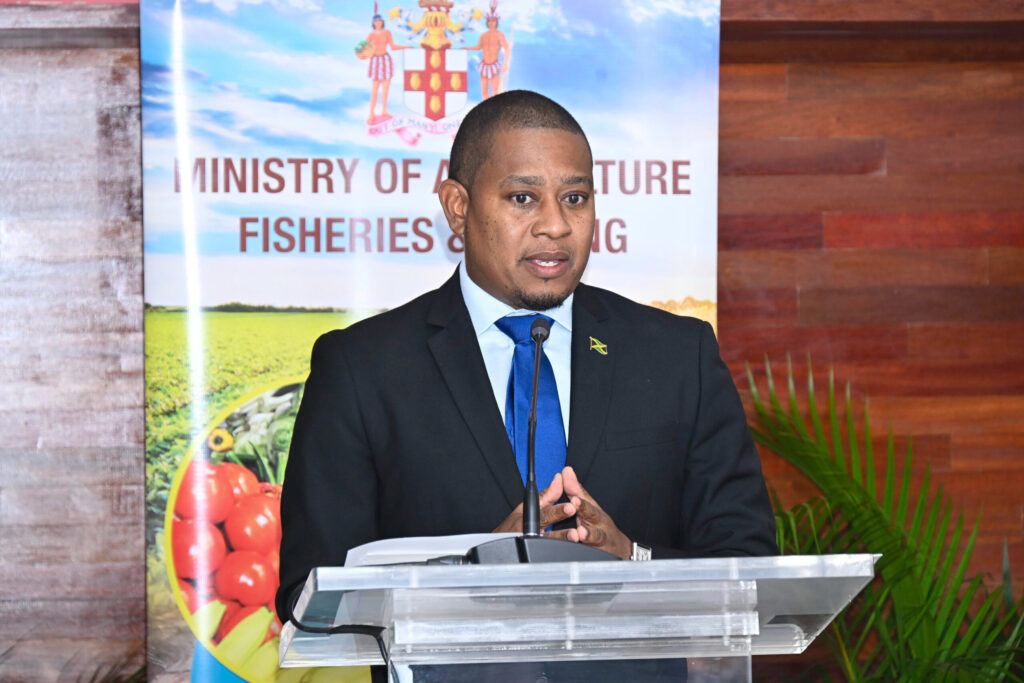
    The Jamaican government has initiated a groundbreaking climate resilience program designed to provide direct, practical support to the nation’s agricultural sector. Agriculture Minister Floyd Green announced the ADAPT Jamaica programme, which will deliver advanced training, climate-smart tools, and improved financing access to approximately 700,000 beneficiaries, with particular emphasis on women, youth, and smallholder farmers.

    Funded by a substantial $50 million approval from the Green Climate Fund, this comprehensive initiative will concentrate on six central parishes that collectively account for roughly 70% of domestic food production. These regions have historically suffered from repeated exposure to drought, severe storms, land degradation, and limited access to irrigation and financial services.

    Minister Green articulated a fundamental shift in approach during a press conference at the Office of the Prime Minister, stating that resilience can no longer merely involve post-disaster recovery. Instead, the programme represents a strategic opportunity to address deeper structural weaknesses within Jamaica’s agricultural framework.

    The programme’s four-pillar strategy includes: implementing climate-resilient agricultural practices and reducing food loss (currently estimated at 30-40% of production); strengthening climate information services; enhancing policy and institutional frameworks; and developing investment-ready financing solutions.

    Geographic focus areas—Clarendon, Trelawny, Manchester, St Ann, St Catherine, and St Elizabeth—were selected based on historical losses associated with recent hurricanes, including Melissa (October 2023) and Beryl (July 2024).

    The implementation will emphasize practical, visible, and scalable solutions at the farm level. This includes developing model farms and farm clusters that demonstrate climate-resilient technologies in real-time, such as solar-powered irrigation systems, storm-resistant reinforced greenhouses, and efficient water management systems including drip irrigation.

    A critical component involves improving the flow of weather and crop information to farmers through a dedicated climate information system, enabling better decision-making amid increasingly unpredictable weather patterns.

    Financing accessibility receives particular attention, with portions of funds being routed through the Development Bank of Jamaica to ensure smallholder farmers can access capital for agricultural investments.

    The programme incorporates targeted inclusion strategies to ensure equitable access for traditionally underserved groups, including women and youth. Additional components are specifically tailored to address damage from Hurricane Melissa, including cash transfers, cash-for-work initiatives, and development of major irrigation systems.

    While implementation will unfold over several years—with baseline data collection in year one, active implementation in years two through four, and monitoring and evaluation thereafter—Jamaica Social Investment Fund Managing Director Omar Sweeney indicated farmers could begin seeing benefits during the initial year. The programme builds upon groundwork established through the Rural Economic Development Initiative (REDI).

    The initiative represents one of Jamaica’s most significant climate-focused agricultural investments to date, involving collaboration with the Food and Agriculture Organization of the United Nations, JSIF, the Ministry of Agriculture, Fisheries and Mining, and the Development Bank of Jamaica.

  • Creators leave influencer conference with lingering monetisation questions

    Creators leave influencer conference with lingering monetisation questions

    Held this past Sunday at the iconic Baha Mar resort, the Bahamian government’s 242 Influencers and Creative Conference brought together hundreds of emerging content creators and established industry voices, including several creators with follower counts topping 100,000. Conceived to address longstanding barriers that have locked Bahamian creators out of sustainable earnings on major global platforms including TikTok, Instagram and Facebook, the event has instead sparked sharp division over whether it delivered actionable solutions — or merely raised unfulfilled expectations.

    For years, Bahamian digital creators have faced systemic obstacles to monetizing their work. Most major social media platforms are headquartered in the United States, and their algorithmic frameworks are inherently designed to prioritize US-based content, leaving local creators largely restricted to small domestic audiences and locked out of the monetization programs available to creators based in larger markets. Beyond platform-level barriers, many creators also face cultural stigma: local society often dismisses content creation as an unserious hobby, pushing creators to pursue traditional “real jobs” instead of building sustainable creative careers.

    Prime Minister Philip Davis used his keynote address at the conference to announce two core policy commitments. First, he will issue a directive to all government agencies to prioritize hiring Bahamian influencers for public information campaigns, with dedicated budget allocated for these partnerships. Second, he confirmed that the Bahamian government has begun formal engagement with major social media platforms to negotiate improved access to monetization tools for local creators.

    Despite these announcements, many attendees left the event frustrated by the lack of a clear, structured roadmap to help Bahamian creators compete on equal footing with their US counterparts. Patrick Robinson II, a photographer, artist and content creator active in the space since 2013, described the conference as little more than a “pep rally.” Speakers reused generic, widely circulated advice about the importance of authenticity, consistency and audience engagement, he said, with no space for the interactive question-and-answer dialogue that creators had hoped would allow them to raise their specific concerns directly to government organizers. “Many of us left feeling the event simply did not match what we were promised,” Robinson added.

    Another prominent local creator, Rukcus Mann, offered an even more critical take, dubbing the gathering a “Bahamian Content Creator Pacifier” — a symbolic gesture that smoothed over frustrations without addressing core problems. While he acknowledged that the event raised important conversations about industry gatekeeping and shared some useful baseline information, he argued that key questions around long-term monetization were deliberately glossed over. Echoing a common sentiment among local creators, Mann noted that “In general, Bahamian creators are not really respected for our craft and contributions to Bahamian culture. Many of us have been told to go and get a ‘real job’ and our respective crafts and disciplines are generally seen as a frivolous waste of time.”

    Mann also questioned the timing and motivation behind the conference, which comes just months ahead of the Bahamas’ next general election. He suggested the event was a political tactic designed to court support from young voters, noting that “Mr Prime Minister wasn’t shy about it” and the entire initiative felt conditional on political support. He also acknowledged that the creative community shares some responsibility for the industry’s slow growth, noting that while many creators take the business side of the industry seriously, too many prioritize performance over sustainable business development, holding the entire sector back.

    Not all feedback was negative, however. Several attendees praised panels that featured successful Bahamian creators including Baha Yogi, Vocab, Das Quay, Bodine and Zhane’o, who shared personal insights into how they built profitable creative careers. Twitch streamer and content creator Magaso242 also noted that the post-conference mixer offered valuable networking opportunities, and that a follow-up conversation with Ambassador-at-Large for Technology and Artificial Intelligence Greg Michelier offered some reassurance that ongoing work to address creator concerns is underway. “It wasn’t a total loss,” he said.

    Even so, Magaso242 echoed the widespread criticism that core questions about how the majority of local creators will access stable monetization remain unanswered. He also criticized a high-profile panel featuring Deputy Prime Minister Chester Cooper, noting that its narrow focus on tourism-related content — while expected — was ultimately disappointing for creators working outside that niche. For many in the Bahamian creative community, the conference represented a small step forward, but the path to sustainable, equitable earnings in the digital economy remains unclear.

  • Tennis star Rafael Nadal joins ‘save Exuma’ fight

    Tennis star Rafael Nadal joins ‘save Exuma’ fight

    Tennis legend Rafael Nadal has amplified a growing environmental controversy in The Bahamas by publicly endorsing local opposition to a luxury resort development in the Exuma Cays. Using his substantial social media platform of 21 million Instagram followers, Nadal appeared in footage from Sampson Cay wearing merchandise from the Save Exuma Alliance—a coalition of businesses and conservationists fighting the Yntegra Group’s proposed Rosewood Exuma resort.

    Nadal recounted his decade-long connection to Exuma, describing North Bay as “one of the most beautiful places” he’s encountered, emphasizing its unparalleled natural resources and peacefulness. His endorsement brings international attention to concerns that the development could damage fragile marine ecosystems including coral reefs, sea grass beds, and aquatic life.

    The Miami-based Yntegra Group has faced nearly a year of public opposition from critics who characterize the project as “vastly oversized” and potentially destructive to the area’s ecological balance. Particular concern centers on a proposed service dock in North Bay that opponents warn could disrupt tidal flows and harm marine habitats.

    Despite these concerns, the Town Planning Committee indicated in a March 25 communication that the scale of proposed dredging operations is “limited” and manageable under existing regulations. The committee granted preliminary support for site plan approval, noting the project’s dispersed layout would preserve the natural character of Big Sampson Cay.

    The conflict appears headed for further legal proceedings as project opponents prepare to appeal the decision to the Subdivision and Development Appeal Board, setting the stage for continued confrontation between development interests and environmental preservation advocates in the Bahamas.

  • Baby shot and killed during home invasion in Trinidad

    Baby shot and killed during home invasion in Trinidad

    PORT OF SPAIN, Trinidad — A horrific act of violence has shaken the community of St. James, following a deadly home invasion in the early hours of Tuesday morning. The Trinidad and Tobago Police Service has launched a full-scale investigation into the murders of 25-year-old Joseph Sutton and his 11-month-old son, Jaden.

    According to official reports, armed assailants forced their way into the family residence while the occupants were asleep. The gunmen opened fire indiscriminately throughout the home. In a final, desperate act to shield his infant son from the barrage of bullets, Sutton used his own body as protection. Despite his efforts, both father and child sustained fatal gunshot wounds.

    Emergency services transported the victims to the Port of Spain General Hospital, where medical personnel pronounced both deceased upon arrival. Authorities have stated that the motive for this brutal attack remains undetermined, with no immediate suspects in custody.

    This tragedy underscores a severe public safety crisis in the twin-island nation. The government had previously declared a state of emergency to combat soaring crime rates. Official statistics reveal that as of March 16, the country has recorded at least 75 homicides since the beginning of the year. Firearm-related violence is the predominant method, accounting for the overwhelming majority of these deaths. Disturbingly, at least 60 victims died from gunshot wounds, a figure that includes nine women.