分类: society

  • Police seize illegal firearm in St Elizabeth operation

    Police seize illegal firearm in St Elizabeth operation

    KINGSTON, Jamaica — Law enforcement authorities in St Elizabeth parish have successfully intercepted another illegal weapon during a targeted security operation, reinforcing their ongoing campaign against illicit firearms circulation. The operation unfolded at approximately 6:10 PM on Saturday, December 27, when a specialized police unit executed a search warrant at a residential property located within the Oxford community district.

    During systematic sweeps of an adjacent vacant lot, officers identified and secured a concealed Champion brand backpack, characterized by its black and gray coloration and single-strap design. A comprehensive search of the bag revealed a concealed pistol equipped with an ammunition magazine that contained no cartridges. Critical forensic examination indicated the weapon’s serial number had been deliberately obliterated, significantly complicating future tracing efforts.

    While the seizure represents a tangible success for local crime prevention initiatives, no apprehensions have been made in direct connection with the discovered firearm. The Jamaica Constabulary Force has confirmed that investigative procedures remain actively ongoing, with authorities pursuing multiple leads regarding the weapon’s origin and intended utilization. This incident marks the latest in a series of weapon recoveries that demonstrate intensified enforcement measures across southwestern Jamaican parishes.
  • Death of a hero

    Death of a hero

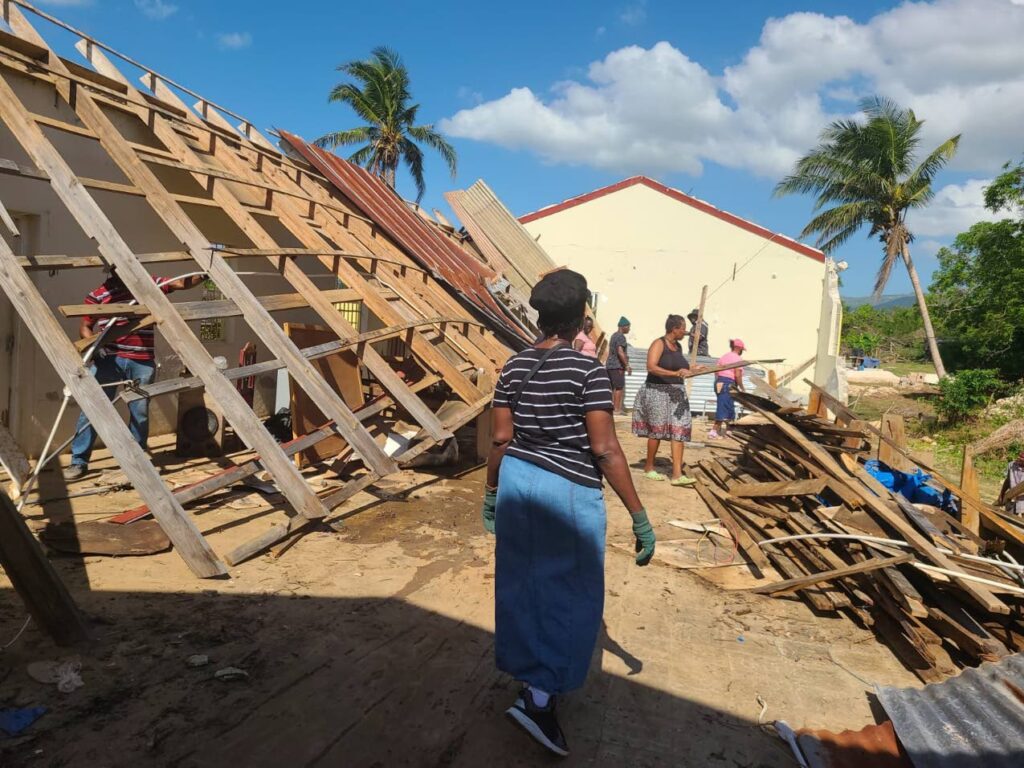
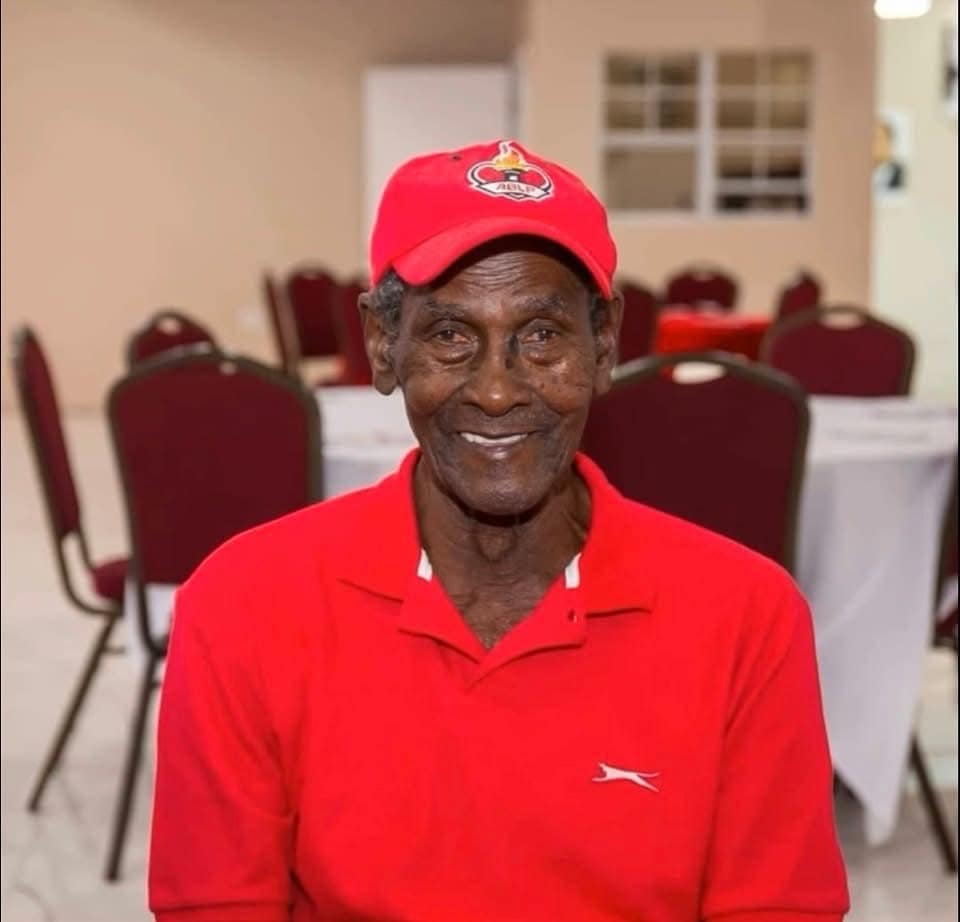
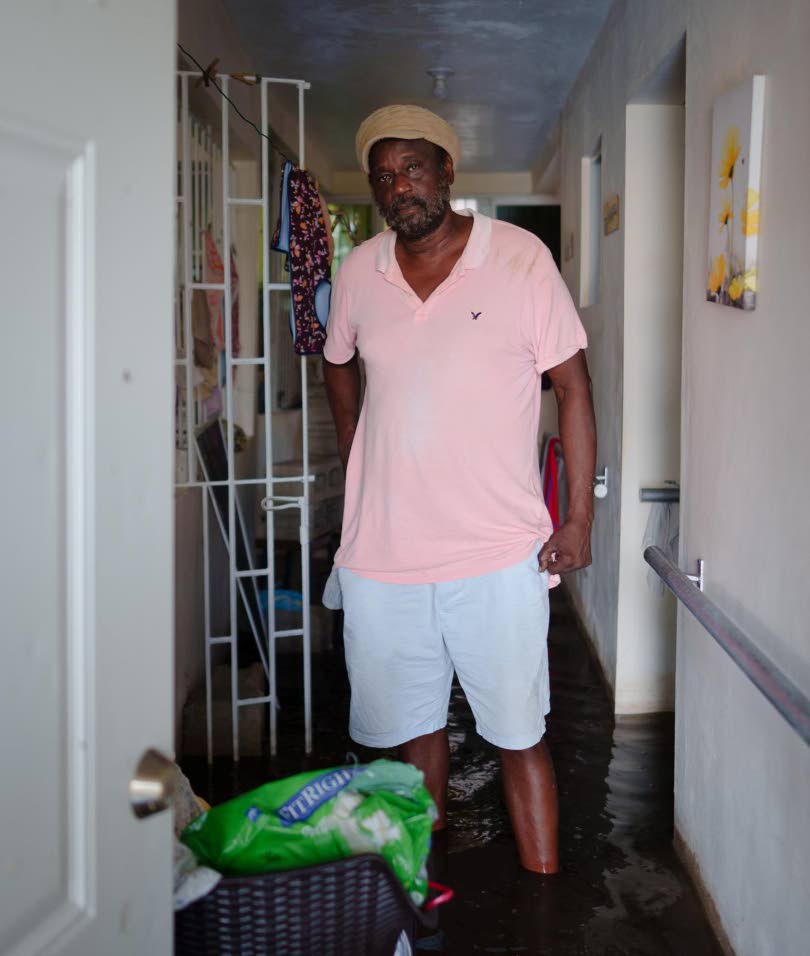
    Hugh Barnes, the 65-year-old proprietor of Auglo Senior Living Nursing Home in St. Elizabeth, Jamaica, has tragically passed away from a heart attack just ten days after executing a daring rescue of 13 elderly residents during Hurricane Melissa. The Category 5 storm had severely compromised the facility, tearing off its roof and flooding the building with knee-deep water.

    On October 28, as the hurricane made landfall, Barnes refused to abandon the residents he considered family. Working alongside staff through the violent storm, he physically supported and comforted residents while helping to stack mattresses to keep them above rising floodwaters. Standing at six feet five inches, Barnes used his height to secure vulnerable residents and balance mattresses above the water level.

    When roads became passable two days later, Barnes organized the relocation of all residents to his personal home in Bull Savannah, despite his own property sustaining roof damage. In the following days, he made daily trips back to the devastated nursing home to salvage medications, clothing, and personal belongings for the displaced seniors.

    According to his widow Melaney Walters Barnes, her husband was on a mission to restore normalcy for the residents even as he faced tremendous physical and emotional strain. Their final conversation on November 7 centered on his efforts to find an electrician to restore power to the nursing home. Moments later, Barnes complained of chest pains to the nursing home manager and was rushed to the hospital where he succumbed to a heart attack.

    Walters Barnes described her husband as having ‘sacrificed his own life for people who have lived their lives.’ Friends and community members, including Howard Hendriks—whose father was among the rescued residents—are now calling for official recognition of Barnes’ bravery and selflessness. Custos of St. Elizabeth Beryl Rochester joined the chorus of those praising Barnes’ heroic actions, noting that his behavior was consistent with his character.

    The financial impact on the family and the nursing home has been devastating, with extensive loss of equipment and supplies. Walters Barnes has assumed management of the recovery efforts while continuing to house the displaced residents in her home, determined to honor her husband’s legacy of compassion and service.

  • Trelawny teacher holds fast to hope after Hurricane Melissa destroys home

    Trelawny teacher holds fast to hope after Hurricane Melissa destroys home

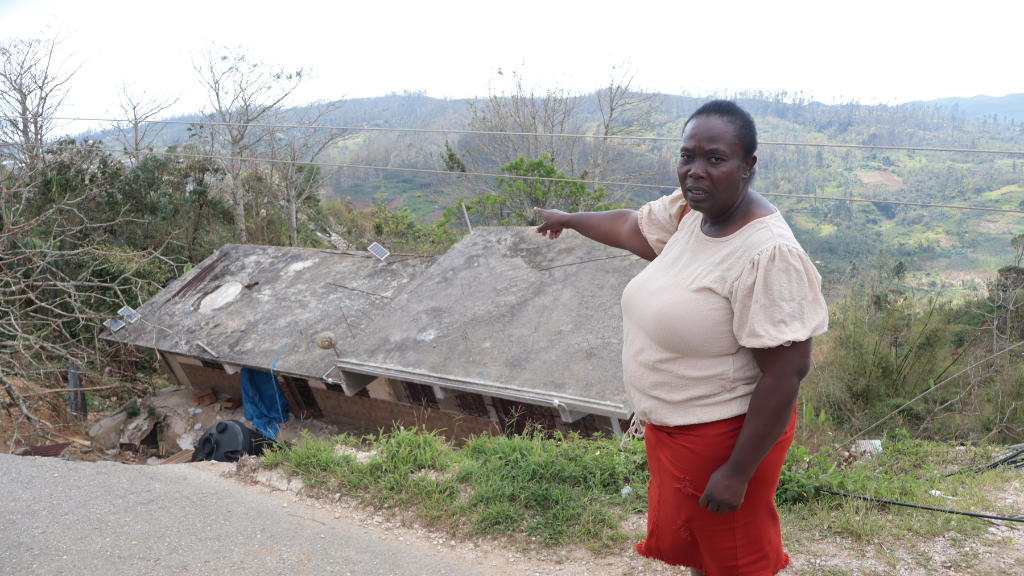
    ST JAMES, Jamaica — In the aftermath of Hurricane Melissa’s devastating winds that struck on October 28, the remarkable resilience of Trelawny educator and entrepreneur Joan Montaque has emerged as a testament to human spirit. Her residence in the Litchfield community collapsed during the storm, but her unwavering faith and community support have paved the way for unexpected opportunities.

    Moments before the catastrophic structural failure, Montaque observed critical warning signs—sewage pipes fracturing and another bursting from the ground. Heeding these signals, she evacuated immediately with essential documents. ‘Divine guidance placed me where I needed to be to witness these warnings,’ Montaque shared with JIS News, reflecting on her narrow escape from what became a complete collapse of two concrete buildings.

    Rather than dwelling on her losses, Montaque emphasizes the profound support system that mobilized around her. Neighbors arrived at dawn following the hurricane, expressing their solidarity. Her religious community and parents of her students have consistently offered emotional and practical support throughout her recovery journey.

    The aftermath has revealed silver linings through institutional support systems. Montaque recently engaged with the Rural Agricultural Development Authority (RADA) Connect and GraceKennedy General Insurance initiative that conducted damage assessments and distributed insurance payouts to affected community members. This experience introduced her to agricultural insurance options and potential business development resources previously unknown to her.

    Looking forward, Montaque anticipates leveraging these new connections to enhance her yam farming enterprise through advanced planting methodologies and improved marketing strategies. While rebuilding her home remains a primary challenge—exacerbated by looting of her business assets—she maintains optimistic conviction that positive outcomes will emerge from her hardships, inspired by biblical narratives of perseverance.

  • Inmates focus on ‘feelings’ post-Melissa, for holidays

    Inmates focus on ‘feelings’ post-Melissa, for holidays

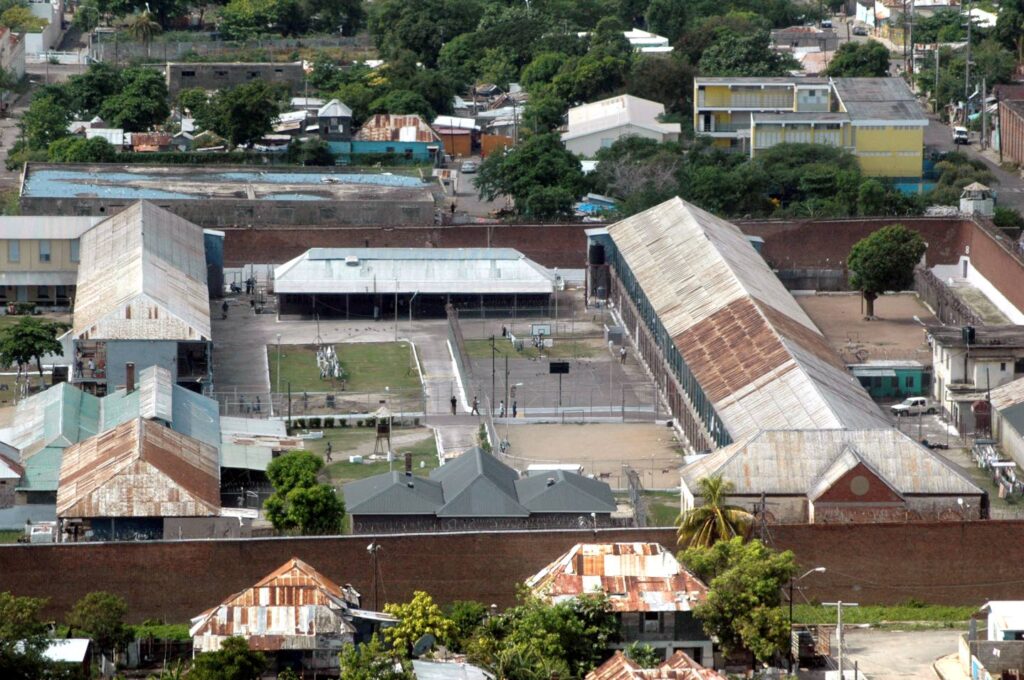
    Within Jamaica’s correctional facilities, a unique mental health crisis is unfolding as incarcerated individuals grapple with the psychological aftermath of Hurricane Melissa, despite being physically shielded from the Category 5 storm’s direct impact. The island’s prison system has implemented comprehensive psychosocial support programs to address the emotional distress experienced by inmates who worry about family members and damaged properties in the hurricane-ravaged regions.

    Dr. Myo Oo, consultant psychiatrist for Jamaica’s Department of Correctional Services, revealed that mental health professionals have conducted extensive counseling sessions with prisoners since the devastating storm struck two months ago. Many inmates have voluntarily sought psychological support, particularly those with connections to the southwestern regions that suffered the most severe destruction.

    The therapeutic approach focuses on creating opportunities for emotional expression, with clinicians initiating conversations about hurricane-related concerns during routine consultations. “We provide them space to articulate their emotions and ventilate their feelings,” Dr. Oo explained to the Jamaica Observer. “Even those without direct connections to affected areas often express concern about friends or relatives who might have been impacted.”

    The psychiatrist noted that inmates experience anxiety patterns similar to the general population but emphasized that their confinement intensifies psychological suffering. Limited communication channels and occasional inability to receive visitors compound their distress, particularly for those who have lost contact with families since the disaster. In such cases, medical interventions sometimes become necessary, including medication adjustments or increased dosages for existing prescriptions.

    Beyond hurricane-specific support, the correctional system maintains robust annual programs designed to boost morale during holiday seasons. These initiatives include Family Day events that facilitate inmate-loved one interactions and seasonal celebrations featuring feasts, musical activities, and religious services conducted by visiting churches. Juvenile facilities receive additional resources through external agencies that organize Christmas parties and recreational activities.

    The mental health infrastructure across Jamaica’s 11 correctional institutions includes 14 medical doctors, five full-time and two seasonal psychiatrists, plus three psychologists serving over 3,000 inmates. Despite overwhelming caseloads, professionals focus on helping prisoners acknowledge and process feelings of depression, anxiety, and homesickness that typically intensify during holiday periods.

    Dr. Oo emphasized that individual reactions to both disasters and seasonal changes vary significantly based on personal history and trauma experiences. The correctional system’s multifaceted approach ensures that psychological support remains available through scheduled counselor visits and appointment-based systems, allowing inmates to access professional help when struggling with separation-related emotional challenges.

  • Missions of mercy

    Missions of mercy

    In the devastating aftermath of Hurricane Melissa’s unprecedented Category 5 landfall on Jamaica in late October, the Bethel United Church of Jesus Christ (Apostolic) has emerged as a cornerstone of relief and recovery efforts. Under the leadership of Bishop Devon Charles Brown, the church’s Regional Evangelism Outreach Ministry (REAM) has executed a comprehensive, multi-phase response to address the widespread destruction across southwestern parishes.

    Directed by Evangelist Latoya Simba, REAM’s operations have spanned from St. Elizabeth to Westmoreland and St. Ann, delivering critical aid through an organized framework of ‘Three R’s’: Relief, Recovery, and Reconstruction. The initial relief phase involved distributing essential supplies including water, food, clothing, and temporary shelter materials to communities where homes were flattened, infrastructure was destroyed, and agricultural hubs were brought to their knees.

    The church’s humanitarian mission has extended beyond material aid, incorporating psychological support through licensed professionals addressing trauma and emotional distress among survivors. Medical care and counseling services have been integrated into their response, recognizing the profound mental health impact of the disaster.

    Financial commitments have surpassed $5 million Jamaican dollars, though organizers emphasize this represents only initial efforts against vastly greater needs. The recovery phase now focuses on rebuilding homes and restoring livelihoods, including livestock support for agricultural communities. A forthcoming reconstruction phase will involve build-back grants and an ‘adopt a family’ initiative, with assessment-based funding allocations.

    Strategic partnerships with government agencies including the Ministry of Labour and National Housing Trust have facilitated access to additional resources and streamlined assistance applications for affected residents. The church has also mobilized a skill bank of professionals including carpenters, masons, and business leaders to assist with rebuilding six severely damaged member churches and numerous homes.

    Community healing events, including treat days serving over 300 hot meals in Darliston, have provided psychological respite from the trauma. Bishop Charles Brown has characterized the effort as a ‘marathon rather than a sprint,’ with national church agendas restructured around long-term recovery commitments. Despite the overwhelming devastation, the church takes solace in having preserved life amidst the destruction, now focusing on the prolonged process of rebuilding stronger, more resilient communities.

  • A Christmas gift wrapped in time: Why long leave matters

    A Christmas gift wrapped in time: Why long leave matters

    In a landmark policy shift, Barbados has announced the reinstatement of long leave for educators effective 2026—a move that represents far more than administrative adjustment. This decision fundamentally acknowledges the profound emotional, cognitive, and care labor inherent in teaching, offering educators genuine recovery time rather than symbolic gestures.

    The public perception of teaching as a profession abundant with vacation time starkly contrasts with reality. While school breaks suggest extended periods of leisure, educators typically spend these intervals engaged in professional development, curriculum planning, administrative duties, and student assessment. The summer period frequently transforms into the year’s most intensive work stretch, merely absent of physical student presence.

    Teaching demands constant emotional expenditure: educators function as default counselors, crisis managers, social workers, and occasionally even guardians. They identify unmet needs—from hunger to domestic concerns—often investing personal resources to support vulnerable students. This professional reality extracts a toll that transcends ordinary fatigue, embedding itself as systemic exhaustion that compromises both educator wellbeing and educational quality.

    The restoration of long leave functions as a critical pressure valve rather than a luxury benefit. It recognizes that when financial compensation cannot fully match profession demands, temporal compensation becomes an ethical imperative. This approach reframes rest as legitimate compensation rather than earned privilege.

    Critically, this policy benefits the entire nation. Rested educators demonstrate improved teaching efficacy, enhanced innovation capacity, and greater professional retention. By safeguarding teacher wellbeing, Barbados ultimately protects educational quality, school stability, and national development.

    Accountability concerns regarding leave utilization should be addressed through strengthened oversight mechanisms rather than benefit denial. Systemic support should not be sacrificed due to exceptional cases of misuse.

    As articulated by Dr. Zhane Bridgeman-Maxwell, a Barbadian education reform advocate, this decision represents actionable gratitude—a tangible investment in those shaping the nation’s future. Ultimately, recognizing and replenishing educator capacity constitutes an investment in national prosperity itself.

  • Two arrested for stabbing death of elderly man

    Two arrested for stabbing death of elderly man

    Authorities in Guyana have apprehended two individuals following the fatal stabbing of a 75-year-old man at his residence in Stanleytown, West Bank Demerara. The Guyana Police Force confirmed the arrests on Saturday, December 27th, 2025.

    The victim, identified as Athlone Goring, was reportedly murdered during the early hours of December 26th (Boxing Day) at approximately 5:40 AM. According to police reports, Mr. Goring had recently returned to Guyana prior to the tragic incident.

    Law enforcement officials disclosed that after questioning multiple persons of interest, a 20-year-old male and a 22-year-old female were taken into custody. Both suspects remain detained as the investigation continues.

    Initial investigative findings indicate that the elderly victim was discovered on the upper level of his dwelling with apparent multiple stab wounds. Emergency medical services transported him to West Demerara Regional Hospital, where attending physicians pronounced him dead upon arrival.

    The deceased’s body has been transferred to Ezekiel Funeral Home pending an official post-mortem examination to determine the exact cause of death. Police have not released further details regarding potential motives or the relationship between the suspects and the victim.

    This violent incident has shocked the Stanleytown community, particularly given its occurrence during the holiday season and the victim’s recent return to his homeland. Local authorities continue to investigate the circumstances surrounding this tragic homicide.

  • Last Surviving 39er Harold Carter Dies at 97

    Last Surviving 39er Harold Carter Dies at 97

    Harold Carter, the last known survivor of Antigua and Barbuda’s seminal 1951 protest movement known as the 39ers, has died at the age of 97. His passing occurred on Friday, merely days after commemorating his 97th birthday, marking the end of an era for the nation’s civil rights history.

    In 1951, Carter was one of thirteen demonstrators arrested for leading organized protests against the entrenched plantocracy that dominated the islands’ socio-economic structure. This act of defiance positioned him within a vanguard of activists whose courageous campaigns were instrumental in catalyzing political reform and advancing the cause of self-determination.

    The 39ers’ demonstrations represented a pivotal challenge to colonial-era power structures and are widely regarded by historians as a critical precursor to the labor movements and political awakening that eventually paved the way for Antigua and Barbuda’s independence. Carter’s lifelong commitment to social justice left an indelible imprint on the nation’s journey toward sovereignty.

    His legacy is remembered not merely for that singular act of protest but for a lifetime of advocacy that inspired subsequent generations. Tributes from national figures and historians have highlighted his role as a living bridge to a transformative period in the Caribbean’s history, emphasizing the courage required to confront systemic oppression during that era.

  • Machete, ski masks, scissors among weapons seized during safe exercise during J’ouvert morning

    Machete, ski masks, scissors among weapons seized during safe exercise during J’ouvert morning

    Law enforcement authorities in St. Kitts and Nevis reported significant weapon confiscations and multiple arrests during the Boxing Day J’ouvert celebrations, marking a concerning trend of violence during traditional Carnival festivities. The joint security operation, conducted on December 26, 2025, involved coordinated efforts between the Royal St. Christopher and Nevis Police Force (RSCNPF) and soldiers from the St. Kitts and Nevis Defence Force (SKNDF).

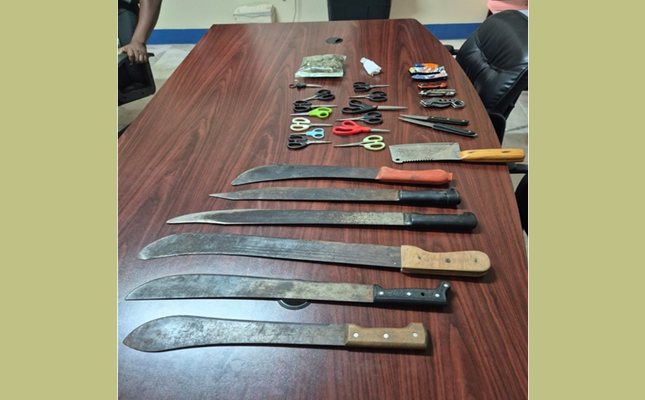
    According to official reports released on December 27, security personnel established vehicle checkpoints and conducted comprehensive search operations across Nevis Island. Strategic inspections were implemented at critical transit points including the Charlestown Pier, Sea Bridge crossing, and NASPA Oualie Water Taxi Facility. These measures resulted in the seizure of numerous dangerous items, including 41 pairs of scissors, two knives, three improvised weapons, 57 lighters, four ski masks, and an undisclosed quantity of cannabis.

    The police operation led to four arrests: one individual for wounding charges, two for disorderly conduct through fighting, and one for operating a vehicle without a valid driver’s license. Medical attention was required for one person connected to the wounding incident, though their condition was not specified in the official statement.

    While acknowledging the generally cooperative behavior demonstrated by most festival participants, law enforcement officials expressed serious concern about the minority who attended Carnival events armed with potentially dangerous implements. Police representatives emphasized that such actions not only endanger public safety but also contradict the fundamental principles of cultural celebration and community unity that Carnival represents.

    The RSCNPF issued a stern warning to individuals considering bringing weapons to public celebrations, reminding citizens that Carnival should serve as an opportunity for stress relief rather than creating distress. Authorities reiterated their unwavering zero-tolerance policy toward violence, weapon possession, and criminal behavior during Carnival events and throughout the year, promising firm legal action against those who threaten public safety.

  • Merchants in the National District say sales have been slow during December

    Merchants in the National District say sales have been slow during December

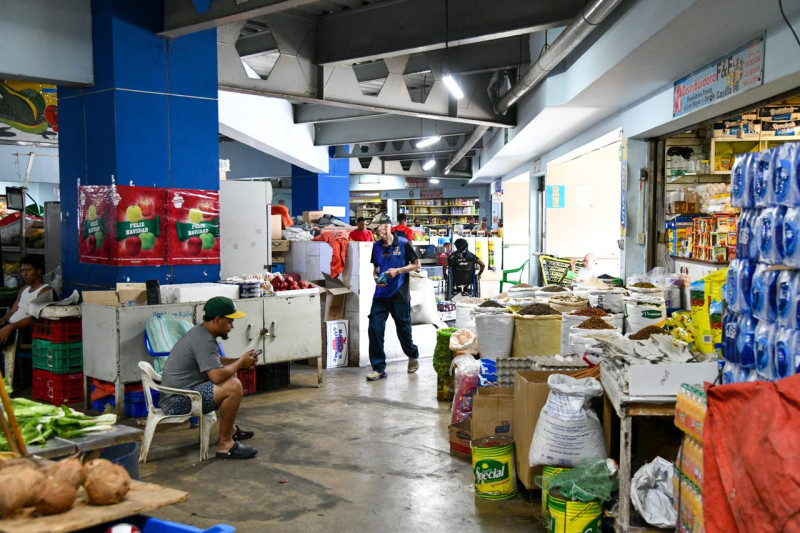
    SANTO DOMINGO, DR — The typical festive atmosphere of December in the Dominican Republic has been overshadowed by economic challenges, with local markets experiencing unusually sluggish sales of essential goods during and after the Christmas season.

    Journalists from Listín Diario conducted field observations across multiple markets in the National District, documenting widespread concern among merchants about persistently weak consumer demand. At Mercado Nuevo de la Avenida Duarte, veteran vendor Luis José Tejada, with over twenty years of market experience, expressed deep frustration: ‘The situation is dire and has been deteriorating throughout the entire year. Consumer purchasing power has significantly diminished, and governmental support remains inadequate.’

    This sentiment was echoed by numerous vendors who reported unprecedented market conditions in 2025. Juan Bautista, another market merchant, noted increased competition as consumers seek alternatives due to market saturation: ‘Sales fluctuate, but customers now disperse their purchases among numerous establishments offering similar products.’

    The Villa Consuelo Market presented a similarly subdued picture, with numerous meat and sausage vendors absent from their stalls during peak hours. Those present were predominantly engaged in maintenance activities rather than sales. Juan Tomás Mercado, a stall owner, described December as ‘exceptionally slow and unusual,’ contradicting traditional holiday expectations. ‘The proverb suggests calm follows storms, but this year brought no storm—only continuous calm throughout all twelve months,’ he remarked.

    Contrasting perspectives emerged from Maritza Feliz, proprietor of Carnicería Teteo, who reported positive December performance: ‘This has been a remarkably good December. While annual sales were generally slow, holiday transactions demonstrated significant dynamism.’

    Post-Christmas Eve pricing analysis revealed seasonal foods maintaining elevated costs, with chicken priced between RD$90–95 and pork ranging from RD$120–140. Produce including carrots, cabbage, lettuce, onions, potatoes, and rice maintained prices between RD$40–120, while banana varieties (both ripe and green) stabilized at RD$25–30.