分类: society

  • STATEMENT: Commonwealth of Dominica Police Force, rules for Carnival saftey

    STATEMENT: Commonwealth of Dominica Police Force, rules for Carnival saftey

    The Commonwealth of Dominica has unveiled detailed regulatory measures for the upcoming Carnival 2026 celebrations, emphasizing the importance of responsible participation while preserving cultural traditions. Scheduled for February 16-17, 2026, the festivities will operate within strictly defined hours to ensure public safety and orderly conduct.

    Official carnival operations will commence at 4:00 a.m. on Monday, February 16th, continuing until 11:00 p.m., with Tuesday’s celebrations running from 8:00 a.m. to 10:00 p.m. Authorities have mandated that all participants maintain decent attire and orderly behavior throughout the designated periods.

    Specific regulations address traditional carnival costumes, particularly rope and sensay outfits. Individuals wearing these costumes must complete registration with the Dominica Festival Commission by February 9th, 2026, and display their registration number visibly at all times during events. The government has explicitly stated that unregistered costume wearers will not be considered decently clothed.

    Mask-wearing permissions will be limited to daytime hours between 8:00 a.m. and 6:00 p.m. during carnival days. An exception exists for Jouvert celebrations, where participants may use paint and coloring matter exclusively during the early morning hours of February 16th from 4:00 a.m. to 8:00 a.m.

    Prohibited items include weapons, lighted torches, fireworks, glass bottled drinks along carnival routes, and military-style uniforms. Noise restrictions prohibit loud music or instruments outside carnival hours and within 25 meters of critical facilities including police headquarters, fire stations, hospitals, and designated noise abatement zones.

    Law enforcement personnel and Special Constables retain authority to arrest without warrant, detain offenders for up to 48 hours, and maintain order by recording details of disorderly individuals. Violators face substantial penalties including fines up to $1,000 or imprisonment for six months.

    The Dominican government concludes with an appeal for collective responsibility, encouraging citizens to celebrate within legal boundaries while honoring the cultural significance of carnival traditions.

  • Minimum Wage, Pay For Established Non-Established and Pensioners To Increase

    Minimum Wage, Pay For Established Non-Established and Pensioners To Increase

    In a significant move aimed at enhancing the financial well-being of its workforce and retired citizens, the government has officially sanctioned a broad increase in remuneration and pension benefits. The new policy mandates an upward adjustment to the national minimum wage, alongside salary enhancements for both established and non-established public sector employees. Furthermore, pensioners are set to receive a corresponding boost to their benefits.

    The decision, emerging from extensive deliberations between government officials, labor unions, and economic advisors, is framed as a strategic response to prevailing economic pressures, including the rising cost of living and inflationary trends. The wage hikes are designed to bolster household incomes, stimulate consumer spending, and provide a more sustainable standard of living for a substantial segment of the population.

    For employees, the distinction between ‘established’—typically those with permanent, pensionable positions—and ‘non-established’ workers is a critical one in public sector compensation structures. This initiative ensures that both categories are included in the financial uplift, promoting greater equity within the civil service. The simultaneous increase in pension payments acknowledges the ongoing financial challenges faced by retirees, ensuring their benefits keep pace with the economic environment.

    Economic analysts are monitoring the potential macro-economic implications of this decision, which includes its effect on national expenditure, potential inflationary pressures, and broader economic vitality. The government has stated that these measures are a cornerstone of its commitment to social welfare and economic stability, with implementation schedules and exact percentage increases to be detailed in an upcoming official circular.

  • Fourth year of Mandarin programme begins for local police

    Fourth year of Mandarin programme begins for local police

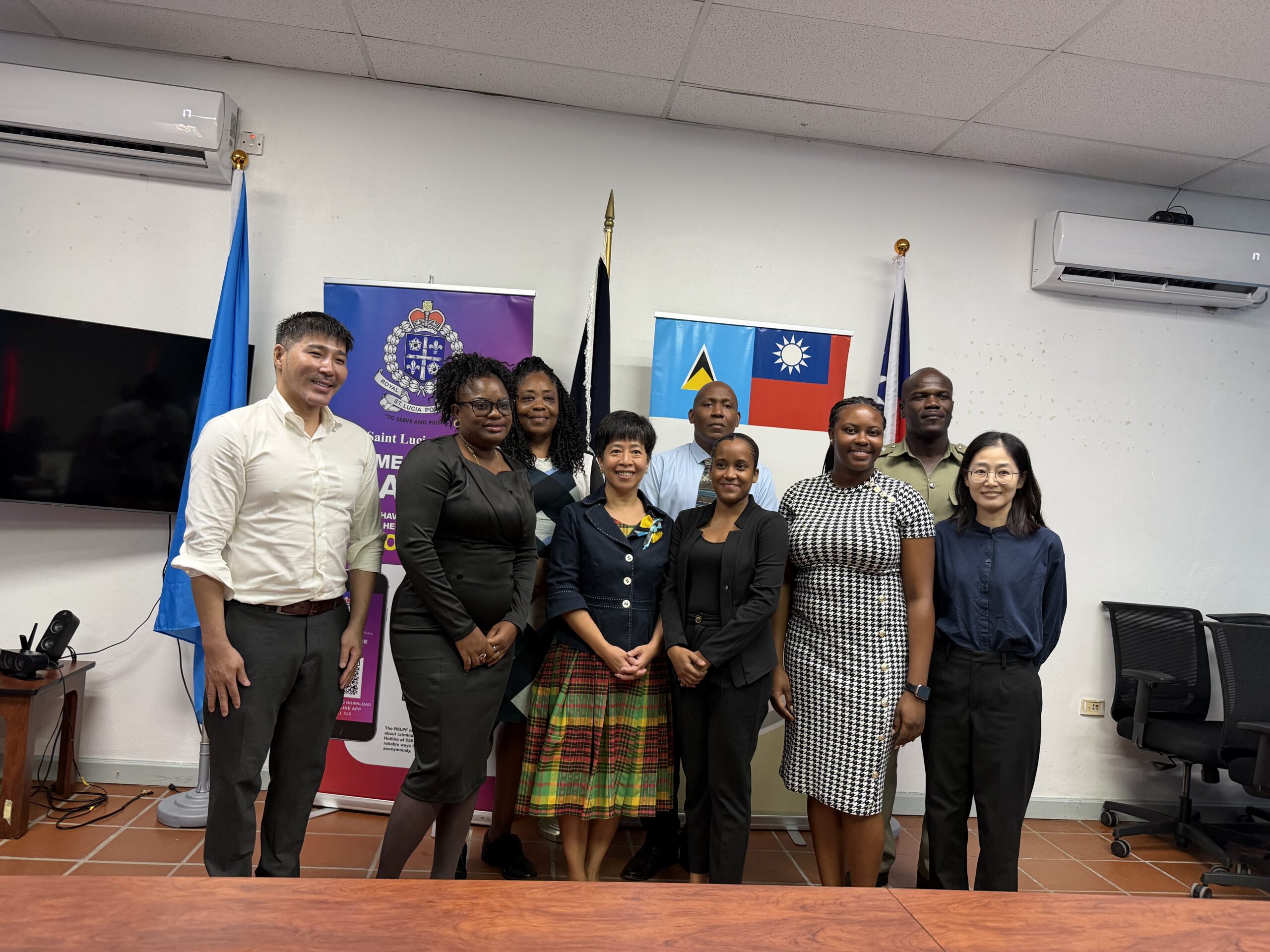
    Saint Lucia’s law enforcement personnel are expanding their linguistic capabilities through a specialized Mandarin training program, now entering its fourth consecutive year. The initiative, which simultaneously celebrated the graduation of one cohort while launching another, represents an ongoing collaboration between Saint Lucia and Taiwan.

    The ceremonial event highlighted the completion of an intensive eight-week course in Vieux Fort while announcing the forthcoming session scheduled to commence February 16 in Castries—marking the third iteration of the program in northern Saint Lucia’s capital city.

    Taiwan’s Ambassador to Saint Lucia, Nicole Su, commended the dedication of participating officers during her address. ‘I’m profoundly impressed by your commitment throughout these thirty-two hours of instruction last year,’ Ambassador Su remarked. ‘Balancing professional responsibilities with the acquisition of a completely new language demonstrates remarkable discipline.’

    The incoming cohort of twenty-five officers will undertake the same comprehensive curriculum that combines language immersion with cultural education. Ambassador Su emphasized the program’s broader significance: ‘This training transcends mere language acquisition—it creates new opportunities for professional development, enhances international cooperation, and strengthens the bilateral relationship between Taiwan and Saint Lucia.’

    Police officer Carlene Charles, a program participant, shared her transformative educational journey. She described the initial challenge of deciphering Chinese characters as ‘encountering abstract art with rules,’ noting how the experience reshaped her perception of language learning. ‘This experience demonstrated that our roles as police officers don’t limit our potential for growth,’ Charles reflected. ‘It taught us that effective law enforcement relies not only on authority but equally on cultural understanding.’

    Instructor Yu-Chin Peng praised participants’ enthusiasm and expressed hope that the program had provided officers with meaningful insights into Taiwanese culture and traditions. The initiative continues to bridge cultural divides while equipping Saint Lucian officers with valuable skills for international engagement and community policing in multilingual environments.

  • Residents Decry Late-Night Bar Noise in St John’s Rural South

    Residents Decry Late-Night Bar Noise in St John’s Rural South

    A mounting public outcry over nocturnal noise pollution is intensifying in the St. John’s Rural South community of Antigua, where residents are demanding rigorous enforcement of existing sound ordinances. The core of the grievance targets local bars and entertainment venues, accused of generating excessive noise levels that severely impair residential tranquility and quality of life.

    Community members voiced their frustrations during a recent town hall assembly, detailing the profound impact on their wellbeing. One attendee reported music audibly blaring as late as 2:30 a.m., highlighting the potential consequences of chronic sleep deprivation, including deteriorated mental health and diminished professional performance.

    Adding a deeply personal dimension to the issue, another resident shared her particular challenges. As an individual recuperating from a surgical procedure while simultaneously caring for two children with autism, she described an unbearable situation. Weekend noise disturbances, she noted, frequently commence as early as 5 p.m. and persist until 3 a.m., including Sunday evenings, critically disrupting essential rest before the weekly commencement of work and school.

    In response to these escalating concerns, high-ranking government officials have committed to intervention. Attorney General Sir Steadroy Benjamin and Prime Minister Gaston Browne publicly pledged to engage law enforcement agencies. Their objective is to ensure strict adherence to the legal statute mandating a significant reduction in music volume after 11 p.m. PM Browne further issued a direct appeal to the business community, urging proprietors to exercise greater consideration and social responsibility towards their residential neighbors’ fundamental need for undisturbed rest.

  • West Indies Sail Heritage Foundation Donates Second Upcycled Plastic Bench to Newfield Primary School

    West Indies Sail Heritage Foundation Donates Second Upcycled Plastic Bench to Newfield Primary School

    In a significant environmental milestone, Newfield Primary School in Antigua and Barbuda has received its second bench constructed entirely from recycled plastic bottle caps. This donation forms part of the West Indies Sail Heritage Foundation’s expanding Ocean Love NO Plastic NO Waste School Program, launched in February 2026.

    The initiative represents a dual-purpose mission: combating plastic pollution across the Caribbean nation while simultaneously engaging young students through practical environmental education. The program transforms discarded plastic materials into functional school furniture, creating tangible symbols of sustainability for participating institutions.

    International collaboration has been instrumental in bringing this project to fruition. Financial backing from the SGP GEF Small Grants Programme established the necessary workshop infrastructure, while the French Embassy to the Eastern Caribbean States, Barbados, and the OECS, based in Saint Lucia, provided crucial support for the program’s 2026 season launch.

    The Antigua and Barbuda Waste Recycling Corporation (ABWREC) plays a vital role as the supplier of recycled plastic materials used in crafting these innovative benches and related products.

    Currently offered at no cost to chosen public schools throughout Antigua and Barbuda, the program incorporates a comprehensive environmental curriculum. Each participating institution completes an educational journey that culminates in the donation of a recycled bench, serving as a permanent reminder of their waste-reduction commitment.

    This latest donation follows the Foundation’s inaugural bench presentation to Sea View Farm Primary School on February 9th, marking continued expansion of their ecological efforts within the educational sector.

  • Residents propose development plan for Union Island

    Residents propose development plan for Union Island

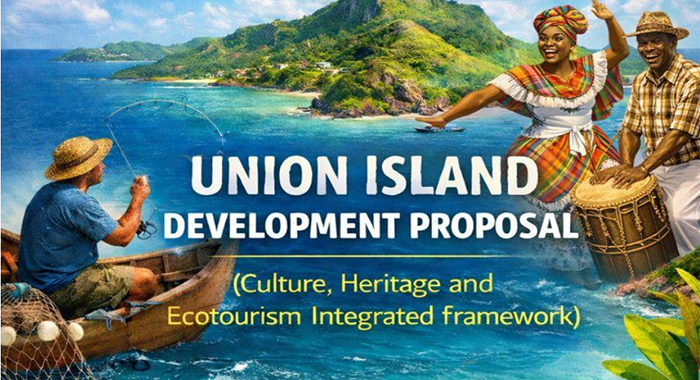
    In the aftermath of Hurricane Beryl’s catastrophic impact on July 1, 2024, the resilient community of Union Island has collaboratively developed a comprehensive development proposal for submission to the St. Vincent and the Grenadines government. This groundbreaking document, crafted through extensive community engagement, outlines a strategic framework for systematic reconstruction and holistic development following the near-total destruction of the island’s infrastructure.

    The Union Island Development Proposal represents a paradigm shift in disaster recovery planning, incorporating insights from over 100 local residents and diaspora members through an inclusive consultative process. This community-driven approach ensures that proposed interventions directly address local needs and priorities, effectively countering the shortcomings frequently observed in conventional development frameworks.

    Beyond immediate recovery efforts, the proposal highlights Union Island’s significant untapped potential in cultural, environmental, and marine assets. The document notes the island’s distinctive heritage, established festivals, and ecotourism sites remain substantially underdeveloped despite their considerable appeal. Particularly noteworthy are the Maroon dances, cultural expressions originating from Union Island that regularly feature at local, regional, and international events as representative of SVG’s traditional culture.

    The proposal acknowledges the island’s documented history of producing internationally recognized athletes, artists, and professionals, while emphasizing its strong cross-boundary relationships with southern islands including Grenada and Trinidad, rooted in shared history and tradition.

    Despite these assets, the document identifies current tourism as predominantly seasonal and concentrated within yachting and transit segments, resulting in limited and uneven economic benefits for local communities. Additionally, the proposal underscores Union Island’s geographical vulnerability to climate change impacts and historical neglect.

    The catastrophic damage from Hurricane Beryl, which destroyed approximately 95% of the island’s housing stock, presents both unprecedented challenges and a critical opportunity to implement a structured ‘build back better’ approach. This reconstruction philosophy would be grounded in Union Island’s unique cultural identity while aligning with national priorities for sustainable development, economic productivity, resilience, and long-term independence.

    The comprehensive proposal not only addresses Union Island’s specific needs but also provides a replicable model for other Grenadines islands and communities throughout St. Vincent and the Grenadines, potentially transforming disaster response methodology throughout the region.

  • SVG’s age of consent to increase

    SVG’s age of consent to increase

    The government of St. Vincent and the Grenadines has initiated a significant legal reform to increase the nation’s age of consent, addressing a longstanding disparity in its legislation. Currently, the law sets the age of consent at 15 for females but provides no defined legal age for males, a discrepancy now slated for modernization.

    The landmark announcement emerged during parliamentary debates on the 2026 national budget. Laverne Gibson-Velox, Minister of Family and Gender Affairs, Persons with Disabilities and Labour, publicly commended the government’s decision. Articulating the rationale behind the reform, Minister Gibson-Velox stated, ‘If you can’t vote and you can’t pay NIS (National Insurance Services), you’re not ready for adult activity or childbearing. Your education and your values are more important at this stage.’

    This legislative shift fulfills a call to action made nearly a year ago by Godwin Friday, who was then the Leader of the Opposition and is now the Prime Minister. During prior parliamentary sessions focused on amending penalties for sex crimes, Friday emphasized the urgent need for this change, describing the issue as a ‘blight’ and a ‘scourge on our society.’ He highlighted the prevalence of preventable tragedies affecting young girls and expressed hope that stricter penalties would catalyze a serious national discussion.

    While the exact new age has not yet been specified, the move signifies a proactive step toward aligning the country’s legal framework with contemporary standards of child protection and gender equality. The current statute imposes harsher penalties for sexual activity with females under the age of 13, but the absence of a male consent age has been a notable gap. The reform is positioned as the beginning of a broader effort to enhance societal well-being and safeguard the nation’s youth.

  • Eighth edition of “Dominicans at the Capitol” concludes successfully in Washington

    Eighth edition of “Dominicans at the Capitol” concludes successfully in Washington

    WASHINGTON, D.C. – In a powerful demonstration of civic engagement, over 700 members of the Dominican American community converged at the U.S. Capitol and Capital Turnaround for the eighth annual Dominicans on the Hill conference. The gathering, orchestrated during Dominican Heritage Month, has emerged as a significant national platform for political dialogue and community advancement.

    Founded by Congressman Adriano Espaillat, the initiative has transformed into a cornerstone event that bridges lawmakers, academics, community leaders, and young professionals. This year’s conference, backed by businesses, public institutions, and academic research centers, adopted the thematic focus ‘Promoting Public Policies and Opportunities in Health.’

    The 2026 edition facilitated critical discussions on healthcare equity, innovation in medical services, and leadership development within the Dominican-American demographic. Participants examined pressing challenges including reproductive health services, aging with dignity, artificial intelligence’s impact on healthcare systems, and strategic biomedical supply chain considerations affecting both the United States and the Dominican Republic.

    Notably, the inclusion of digital influencers expanded the conference’s reach, fostering broader public engagement. The event simultaneously laid foundational work for developing a National Agenda for Dominicans in the United States, signaling a coordinated approach to addressing community needs through policy advocacy and strategic planning.

  • Gangs : Recruitment of children up 200% over one year

    Gangs : Recruitment of children up 200% over one year

    Haiti is confronting an alarming escalation in the exploitation of minors by armed factions, with UNICEF revealing a staggering 200% increase in child recruitment throughout 2025. This disturbing trend emerges against the backdrop of International Red Hand Day, observed annually on February 12th, which aims to combat the conscription of children into armed conflicts.

    The humanitarian landscape in Haiti remains dire, with over 1.4 million internally displaced persons—more than half being children—enduring extreme poverty and multifaceted crises. UNICEF Executive Director Catherine Russell emphasized the non-negotiable nature of children’s rights, stating: ‘Every child must be protected. Those recruited must be released and supported to heal, return to learning, and rebuild their futures.’

    Children are typically coerced into joining armed groups through direct threats against themselves or family members, economic desperation, or as a means of survival after family separation. This recruitment constitutes a severe violation of international law and exposes minors to combat injuries, sexual and psychological abuse, arbitrary detention, and educational disruption.

    Since the January 2024 Handover Protocol implementation, UNICEF and child protection agencies have verified and assisted over 500 children associated with armed groups through specialized reintegration services. These efforts are coordinated with Haiti’s Ministry of Social Affairs, Justice Ministry, Education Ministry, and humanitarian partners.

    Support mechanisms include psychosocial assistance, health service referrals, temporary learning spaces, family tracing, and the PREJEUNES program which focuses on vulnerability reduction and social inclusion for at-risk youth. UNICEF urges national authorities to strengthen child protection systems, ensure service access, and enhance community-based prevention networks with confidential reporting pathways.

    The organization simultaneously appeals to donor governments and private sector entities for increased funding, noting critical support programs remain significantly under-resourced. Russell concluded: ‘These children must not be treated as perpetrators but provided reintegration services and protected from additional risks, stigma, or retaliation.’

  • Minister Clarke addresses vending standards and urban management in Basseterre

    Minister Clarke addresses vending standards and urban management in Basseterre

    BASSETERRE, Saint Kitts – February 12, 2026 – Minister of Sustainable Development, Environment, Climate Action and Constituency Empowerment, Senator Dr. Joyelle Clarke, has formally addressed mounting concerns regarding vending operations throughout urban Basseterre during her parliamentary address on Thursday.

    The Minister acknowledged the economic significance of street vending for numerous families while emphasizing the necessity of compliance with established legal frameworks and public health standards. Dr. Clarke identified specific areas of concern where vending activities have recently expanded, including Fort Street, the Pond Road Agro Strip, Buckley’s, and sections of the bypass corridor.

    Official clarification was provided regarding the designated purpose of the Pond Road Agro Strip, which was specifically established for agricultural producers and food processors rather than general commercial enterprises. Minister Clarke expressed particular concern about the unauthorized construction of permanent structures and highlighted the significant traffic hazards created by roadside vending operations.

    The Ministry announced plans for immediate direct engagement with vendors operating in these areas, requiring those outside approved guidelines to either regularize their status or relocate to designated vending zones. Dr. Clarke simultaneously disclosed ongoing efforts to develop structured vending zones within the capital to expand legitimate commercial opportunities.

    ‘Our approach balances livelihood protection with public safety standards,’ Minister Clarke affirmed. ‘We are committed to protecting both vendors’ rights to earn a living and consumers’ right to safe business environments.’

    The Ministry will continue its engagement through public consultation sessions and direct dialogue as part of a comprehensive strategy to enhance urban planning, strengthen public safety protocols, and maintain commercial order throughout Basseterre.