分类: society

  • COMMENTARY: Women Bear the Burden of Global Water Crisis

    COMMENTARY: Women Bear the Burden of Global Water Crisis

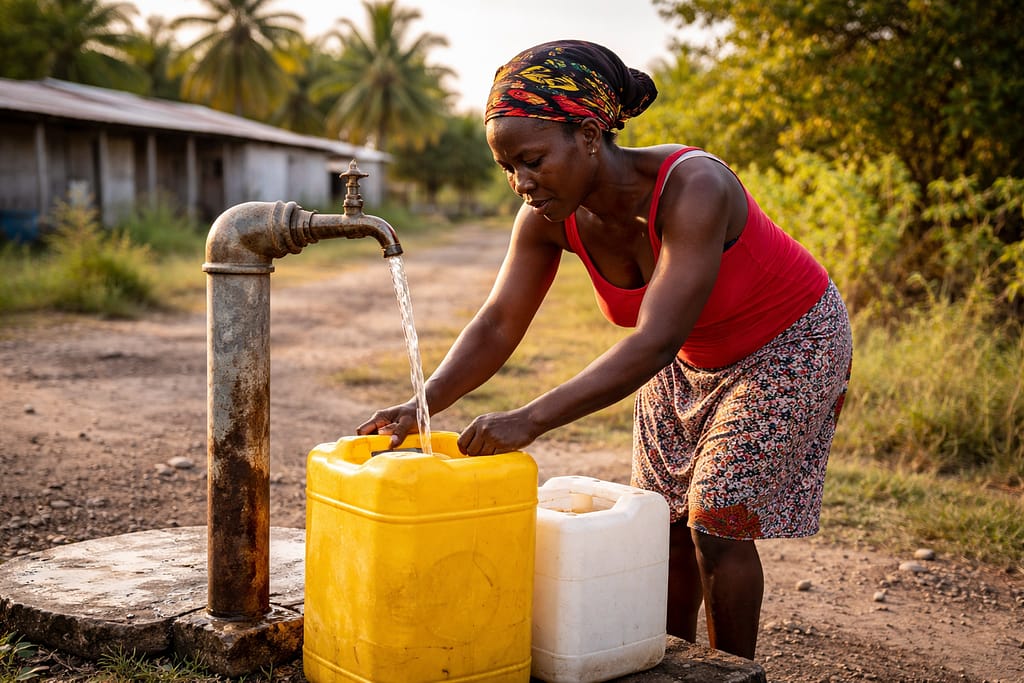
    A profound global water disparity continues to disproportionately burden women and girls worldwide, revealing systemic gender inequalities embedded in water access and management. Current statistics indicate that over one billion women lack safely managed drinking water services, forcing them into a daily struggle that consumes 250 million hours collectively—more than triple the time spent by men and boys on water collection in 53 documented countries.

    The correlation between water access, gender equality, and sustainable development has gained renewed attention through World Water Day 2026, observed annually on March 22. This year’s theme, “Water and Gender,” shifts focus beyond conservation to highlight how water scarcity intensifies gender inequality. The campaign emphasizes water’s critical role in advancing gender equality and empowering women, who traditionally bear responsibility for household water management, family health, and food production.

    Despite their central role in water-related activities, women remain significantly underrepresented in water governance, technical planning, and decision-making spheres. The World Bank reports that merely 20% of utility employees are female, reflecting persistent industry biases that view women’s employment as unproductive. This gender gap in water sector employment represents both a social injustice and a wasted opportunity for industry innovation.

    The United Nations and World Health Organization underscore the devastating consequences of water inequality, linking unsafe water, sanitation, and hygiene to approximately 1,000 daily deaths of children under five. These alarming figures demonstrate the urgent need for transformative approaches that address water access as both a human rights issue and a gender equality imperative.

    Solving the global water crisis requires equitable female representation across all levels of water leadership and a gender-responsive approach to policy development. Utility companies, trade unions, governments, and educational institutions must collaborate to close data gaps and create inclusive water governance systems. As climate change intensifies water scarcity, ensuring women’s participation in water decisions becomes increasingly critical for developing effective, sustainable solutions that benefit entire communities.

    World Water Day 2026 serves as a powerful reminder that water security and gender equality are inextricably linked—where water flows responsibly, equality genuinely grows.

  • LETTER: Is this quality of corn acceptable?

    LETTER: Is this quality of corn acceptable?

    A consumer from a small island community has issued a public warning regarding food quality standards at Perry Bay Supermarket, alleging the store is selling potentially hazardous produce at discounted prices. The complaint raises serious concerns about corporate practices and regulatory oversight in the food retail sector.

    The anonymous consumer detailed experiences with substandard goods being offered to customers, suggesting this represents a pattern of neglect rather than an isolated incident. Of particular concern is the implication that certain communities are being systematically subjected to inferior products while other locations receive higher quality merchandise.

    Public health implications form the core of this complaint, with the author drawing connections between poor food quality and rising chronic illness rates within the community. The letter questions whether profit motives are being prioritized over consumer wellbeing and asks why health authorities haven’t intervened despite apparent repeated violations.

    The complaint specifically calls for investigation into Perry Bay Supermarket’s practices and demands stricter enforcement of quality control measures. The author emphasizes that all consumers deserve access to safe, fresh food regardless of their shopping location or economic status.

    This case highlights ongoing challenges in food safety enforcement and raises questions about equitable distribution of quality goods across different socioeconomic communities. The consumer’s decision to break silence on this matter reflects growing public concern about corporate accountability and regulatory effectiveness in protecting public health.

  • Historic Liberta Water Tank Restored After Rapid Repairs

    Historic Liberta Water Tank Restored After Rapid Repairs

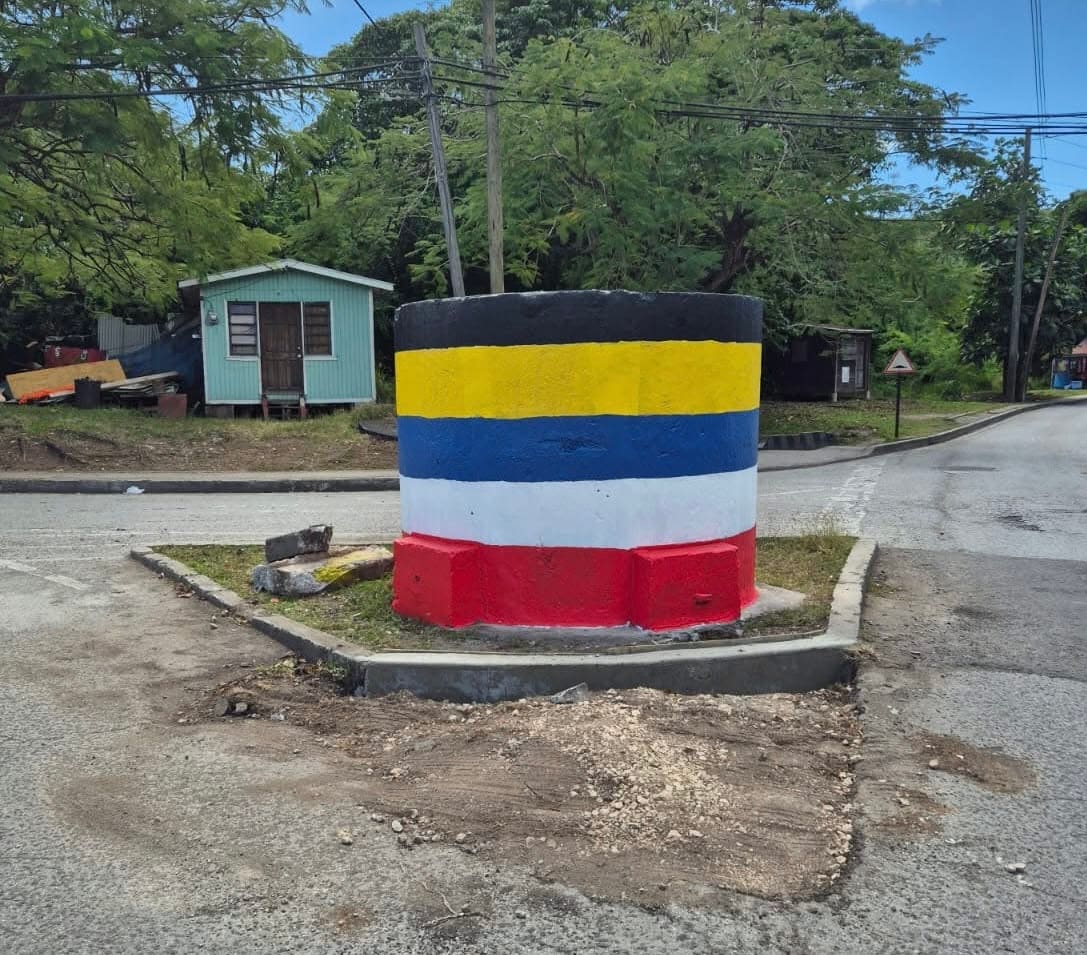
    The historic water tank in Liberta, a community landmark standing for over a century, has undergone comprehensive restoration through a collaborative initiative spearheaded by the Ministry of Works. Member of Parliament for St. Paul, E.P. Chet Greene, officially announced the completion of the reconstruction project, highlighting its significance to both local residents and the Liberta diaspora worldwide.

    Located adjacent to the Gracehill Moravian Church, the aged structure received skillful reconstruction from contractor Vaughn Jackson, whose expertise was specifically commended by Greene. The project was characterized by its rapid execution following the Ministry’s responsive intervention.

    In an official statement, Greene expressed profound appreciation for the restoration effort, noting that the landmark serves as an enduring symbol of Liberta’s cultural heritage. “I can assert without hesitation that every member of the Liberta community, both domestically and internationally, shares my profound gratitude and exhilaration regarding this preservation achievement,” Greene declared.

    The newly restored structure has been repainted in Antigua and Barbuda’s national colors, visually reinforcing its status as a community treasure. Greene emphasized that the project represents more than infrastructure maintenance—it constitutes the preservation of tangible history for the St. Paul constituency and future generations.

  • Start pilot hooglandrijst in Pokigron: basis voor productie en export

    Start pilot hooglandrijst in Pokigron: basis voor productie en export

    The Surinamese government has officially inaugurated its first highland rice cultivation pilot project in Pokigron, marking a significant step toward agricultural diversification. The groundbreaking ceremony held Saturday in Sineya Kutu Wosu was jointly organized by the Ministry of Regional Development (RO) and the Ministry of Agriculture, Livestock and Fisheries (LVV).

    This pioneering initiative establishes the foundation for future large-scale production of highland rice, a crop variety specifically adapted to upland growing conditions without requiring flooding. During the ceremonial proceedings, multiple speakers emphasized the critical importance of comprehensive guidance, sustained support, and reliable market access to ensure sustainable outcomes for local communities.

    Minister Miquella Huur of Regional Development articulated the project’s long-term vision, stating that development must prioritize meeting local community needs while eventually creating export opportunities. Minister Huur particularly highlighted the strategic significance of strengthening the agricultural sector during a period of expanding oil and gas industries.

    Expert agronomist Nicholaas Pinas and his technical team will provide professional supervision throughout the three-year development phase, after which management will be transferred to a local organization according to ministry plans.

    Following formal addresses, ministers, traditional authorities, and attendees proceeded to the project site along the Pusugrunu road where both ministers, alongside District Commissioner Humphrey Jeroe, conducted a symbolic demonstration using excavators to clear the land.

    The Pokigron project represents the first tangible implementation of inter-ministerial cooperation following exploratory discussions earlier this week regarding collaboration on both highland rice and poultry development. Beyond this initial site, four additional regions are scheduled to launch similar highland rice pilot projects in the near future.

  • Belize is the 27th Happiest Country in the World

    Belize is the 27th Happiest Country in the World

    In the newly released 2026 World Happiness Report, Belize has experienced a slight decline in global rankings, moving from 25th to 27th position among 140 nations surveyed. The comprehensive study, collaboratively produced by Gallup, the Oxford Wellbeing Research Centre, and the UN Sustainable Development Solutions Network, evaluates subjective well-being through a multifaceted lens that extends beyond mere economic indicators.

    The report’s methodology incorporates a three-year average of self-assessed life evaluations, complemented by six key variables: gross domestic product per capita, social support networks, healthy life expectancy, perceived freedom to make life choices, general generosity, and perceptions of corruption within institutions. This holistic approach provides a nuanced understanding of national happiness levels that transcends simple economic metrics.

    Nordic nations maintained their stronghold on the upper echelons of the rankings, with Finland securing the top position for an unprecedented ninth consecutive year. Iceland and Denmark followed closely, continuing their tradition of exceptional performance. Analysts attribute Finland’s consistent success to its robust social welfare infrastructure, high levels of institutional trust, and minimal perceived corruption.

    The most remarkable development emerged from Latin America, where Costa Rica achieved a groundbreaking fourth-place ranking—marking the first instance in the report’s 14-year history that a Latin American nation has broken into the top five. This achievement highlights the country’s exceptional performance in social and environmental metrics despite its moderate economic output.

    Meanwhile, major English-speaking economies continued to trail behind their European counterparts, with the United States ranking 23rd, Canada at 25th, and the United Kingdom at 29th position. Despite their considerable economic advantages, these nations consistently demonstrate lower performance in social support and perceived corruption metrics.

    The annual report serves as a critical benchmark for policymakers worldwide, emphasizing that national well-being encompasses far more than economic prosperity alone.

  • Shopkeeper shot dead after being called out to sell beers

    Shopkeeper shot dead after being called out to sell beers

    The Diamond community in St. Vincent is confronting its third fatal shooting in recent months following the tragic death of 66-year-old Winston Williams, locally known as Zeke. The incident occurred late Friday evening, just days after Williams had celebrated his birthday.

    According to accounts from his common-law wife, Cylethta Bowens, the events unfolded around 9:06 p.m. while she was watching a movie in their bedroom. Williams, who operated a small shop adjacent to their residence, initially came inside before being called back to attend to a customer.

    Bowens recounted to iWitness News that Williams informed her a man had come to purchase three Carib beers. Following standard procedure, he intended to remain open briefly to complete the transaction before closing for the night. Their shop typically ceased operations at approximately 9 p.m.

    Moments after Williams returned to the shop, Bowens heard approximately five gunshots that sounded alarmingly close. Rushing outside, she encountered Williams moving toward the bedroom while bleeding profusely from wounds between his left chest and shoulder.

    In their final exchange, Williams managed only to utter “Babes” before collapsing beside their bed. Despite Bowens’ attempts to revive him, Williams appeared lifeless and passed away shortly thereafter. The assailant, reportedly the same individual who came to purchase beer, remains unidentified and at large.

    This tragedy marks the third shooting homicide in the Diamond area within months. Previous victims include Uriah Fields, a 42-year-old security guard and fisherman found dead near the “race track” last October, and Lenford Peters, a Richland Park resident whose body was discovered along the Brighton-Diamond roadside last month. Notably, both Williams and Peters were originally from Richland Park, raising concerns about targeted violence in the region.

  • Cave Hill again celebrates top medical student

    Cave Hill again celebrates top medical student

    The University of the West Indies’ Cave Hill Campus has reinforced its reputation for academic distinction after Barbadian student Liyee Su achieved the highest honors in the Bachelor of Medicine, Bachelor of Surgery (MBBS) final examinations. This marks the second time in three years that a Cave Hill student has claimed top regional honors, following Nathan Lovell’s similar achievement in 2023.

    In the November/December 2025 assessments, Su demonstrated exceptional proficiency across both theoretical and practical components, securing the highest programme grade point average among candidates from all UWI campuses. She excelled in written examinations and clinical performance evaluations (Objective Structured Clinical Examination), graduating with distinction.

    The 2025 Cave Hill cohort, comprising approximately twelve Medical Sciences students, delivered an outstanding collective performance. They achieved the highest aggregate scores in written papers and OSCE components, while also earning the top GPA among all university campuses. This accomplishment proved particularly impressive as students completed their clinical training at Trinidad’s St Augustine Campus—an unfamiliar environment for the Barbadian cohort.

    Professor Clive Landis, Pro Vice-Chancellor and Principal, highlighted these achievements during his recent report to the Campus Council, emphasizing the significance of cultivating academic excellence as Caribbean nations strengthen their healthcare infrastructure. All graduating students have now earned the title of doctor.

    These successes emerge amid evolving geopolitical challenges in the region and underscore the value of robust, locally-developed medical education programs. The five-year MBBS programme at Cave Hill remains instrumental in training the region’s future physicians, equipping graduates like Dr. Su with skills to make meaningful contributions both within the Caribbean and internationally.

    Since 1967, the campus has trained medical professionals through its partnership with Barbados’ Queen Elizabeth Hospital, the country’s sole training hospital. Additionally, Cave Hill offers a collaborative 3+3 medical degree program with the University of Ghana, where students complete preclinical studies in Barbados before undertaking clinical training in Ghana. This accredited program grants graduates a BSc from UWI and an MB ChB from Ghana, enabling professional practice in both countries.

  • UWI Five Islands and Primary School host community 5K to promote health and education

    UWI Five Islands and Primary School host community 5K to promote health and education

    The Five Islands community in Antigua witnessed a powerful display of unity and purpose this Sunday as the University of the West Indies Five Islands Campus (UWI FIC) and the Five Islands Primary School jointly hosted their second annual 5K Run and Walk. The event, designed as a dual-purpose initiative, successfully merged the promotion of active living with a critical fundraising drive for educational advancement.

    Hundreds of participants, comprising students, educators, administrative staff, and local residents, traversed the scenic route in a collective effort to generate scholarship funds and finance essential school programs. Professor C. Justin Robinson, Principal of UWI FIC, emphasized that the event represents a single component of a broader, institutional commitment to holistic well-being. This vision has previously materialized through campaigns like ‘No Sugar November’ and a New Year step challenge that encouraged participants to achieve daily targets of up to 15,000 steps.

    Echoing the sentiment of collaborative success, Five Islands Primary School Principal Alden James highlighted the profound benefits of the ongoing partnership. He noted that the initiative not only provides tangible financial support for students but also actively fortifies the bonds within the community fabric. Organizers report a marked increase in participation compared to the inaugural event, interpreting this trend as a clear indicator of growing public endorsement for ventures that simultaneously address educational needs and public health.

  • Bank fraud, money mule probe lands three in hot water

    Bank fraud, money mule probe lands three in hot water

    Jamaica’s Financial Investigations Division (FID) has intensified its crackdown on financial crimes following the apprehension of three individuals connected to an elaborate bank fraud and money laundering operation. The arrests serve as a stark reminder of the dangers associated with permitting unauthorized use of personal banking facilities.

    Law enforcement officials detained Ashanti Johnson (24), Kevin Bentley (37), and David Breverett (54) during coordinated operations conducted across Kingston, St Andrew, and Clarendon between last Tuesday and Thursday. The suspects face multiple charges under the Proceeds of Crime Act, the Larceny Act, and the Cyber Crimes Act. Following their arrest, the accused were granted station bail with court proceedings scheduled for April 10, 2026, at the Kingston and St Andrew Parish Court.

    The investigation, conducted jointly by FID, the Jamaica Constabulary Force’s Specialized Investigation Branch, and local police divisions, uncovered a sophisticated scheme involving unauthorized access to banking accounts and subsequent fund transfers to accounts controlled by the suspects. This methodology represents a prevalent pattern in financial crimes where illicit proceeds are rapidly cycled through legitimate-seeming accounts to obscure their criminal origins and complicate investigative efforts.

    FID analysis reveals critical vulnerabilities within the financial sector where criminals exploit established customer accounts and digital banking channels to integrate illegal proceeds into the formal financial system. Once deposited into these accounts, stolen funds may be withdrawn, transferred across multiple accounts, or utilized in complex transactions designed to eliminate financial trails.

    Dennis Chung, FID Chief Technical Director, emphasized the seriousness of these offenses: “Fraudsters and money launderers depend on established accounts to move illicit funds at scale. The utilization of money mule accounts actively conceals principal actors within criminal networks. We implore the public to exercise rigorous due diligence regarding deposits received on behalf of third parties, particularly those requests involving shared debit cards or PINs.”

    The division specifically cautions young professionals, job seekers, and unemployed individuals who are frequently targeted by criminal organizations with promises of easy earnings, part-time “payment processing” positions, or requests to “assist with fund transfers” using personal bank accounts. What might appear as harmless financial opportunities often transforms participants into crucial components of fraud or money laundering operations.

    FID has identified several red flags indicative of money mule recruitment:
    – Requests to receive or transfer money through personal bank accounts for others
    – Solicitation to open bank accounts specifically for another individual’s use
    – Receipt of substantial or unexplained deposits followed by instructions to withdraw or forward funds
    – Demands for debit cards, online banking credentials, or PIN numbers
    – Offers of payment for permitting account usage for unclear transactions

    The agency reiterated that ignorance provides no legal protection regarding criminal property handling. Individuals permitting account misuse may face arrest, prosecution, and lasting consequences from criminal charges. Public education and vigilance remain essential components in combating money mule operations and preserving the integrity of Jamaica’s financial infrastructure.

  • Gov’t identifies lands in Black River for post-hurricane relocation and reconstruction

    Gov’t identifies lands in Black River for post-hurricane relocation and reconstruction

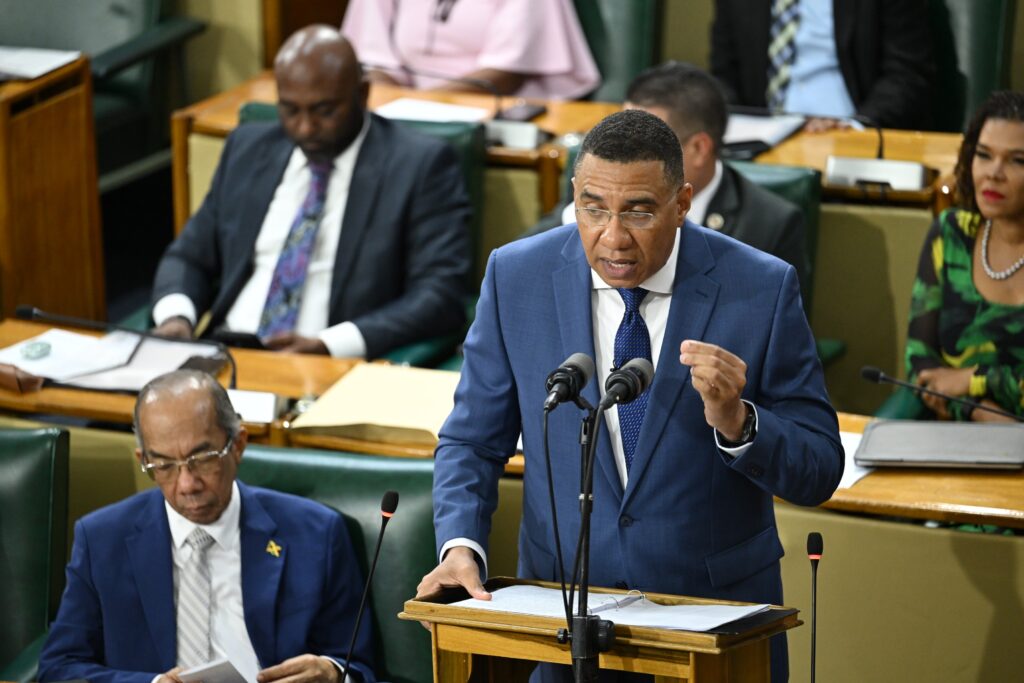
    KINGSTON, Jamaica — The Jamaican Government has initiated a landmark resettlement strategy targeting communities severely impacted by Hurricane Melissa in the Black River region of St. Elizabeth. Prime Minister Andrew Holness has confirmed the identification of viable land parcels for a comprehensive reconstruction program designed to relocate both residential and commercial properties away from high-risk coastal zones.

    During his address to the House of Representatives on March 19 as part of the 2026/27 Budget Debate, Holness outlined that the Urban Development Corporation (UDC) will lead acquisition talks with affected landowners starting early next month. The government plans to conduct community consultations and awareness sessions to engage residents along the vulnerable corridor in Black River.

    The Prime Minister emphasized that geographic vulnerability necessitated the relocation, citing scientific risk assessments that indicate persistent threats from swamp proximity and rising sea levels. “The most viable solution, based on all risk maps, is relocation,” Holness stated. “We acknowledge the complexity of this process and commit to handling it with utmost sensitivity and transparency. Our objective is to ensure no resident suffers economic loss, and that all livelihoods are ultimately enhanced.”

    While recognizing the protracted nature of such large-scale relocations, Holness called for public patience, underscoring that the program’s ultimate goals are safeguarding citizens, reinforcing infrastructural resilience, and ensuring sustainable community development in climate-vulnerable regions.