分类: society

  • Man due in court on affray, firearm charges

    Man due in court on affray, firearm charges

    A criminal case is set to proceed in Barbados’ District ‘A’ Criminal Court this Monday involving 30-year-old Peter MacFarren Rouse of Grazettes, St Michael. The defendant faces serious charges including affray and unlawful use of a firearm following his arrest by the Barbados Police Service Major Crimes Unit.

    The charges stem from alleged incidents that occurred on January 3, 2026, at the defendant’s residence at Lot 3D2 Scotts Terrace. Law enforcement authorities have been investigating the circumstances surrounding the case, which involves violations of Barbados’ strict firearms regulations and public order laws.

    Criminal charges of this nature typically involve allegations of violent behavior that disturbed public peace, combined with the illegal possession or use of firearms. The Barbados justice system treats such offenses with particular seriousness given their potential impact on community safety and public security.

    The upcoming court appearance represents the next phase in the judicial process, where formal charges will be presented and the defendant will have opportunity to respond. The case highlights the ongoing efforts of Barbadian law enforcement to address weapons-related crimes and maintain public order through the judicial system.

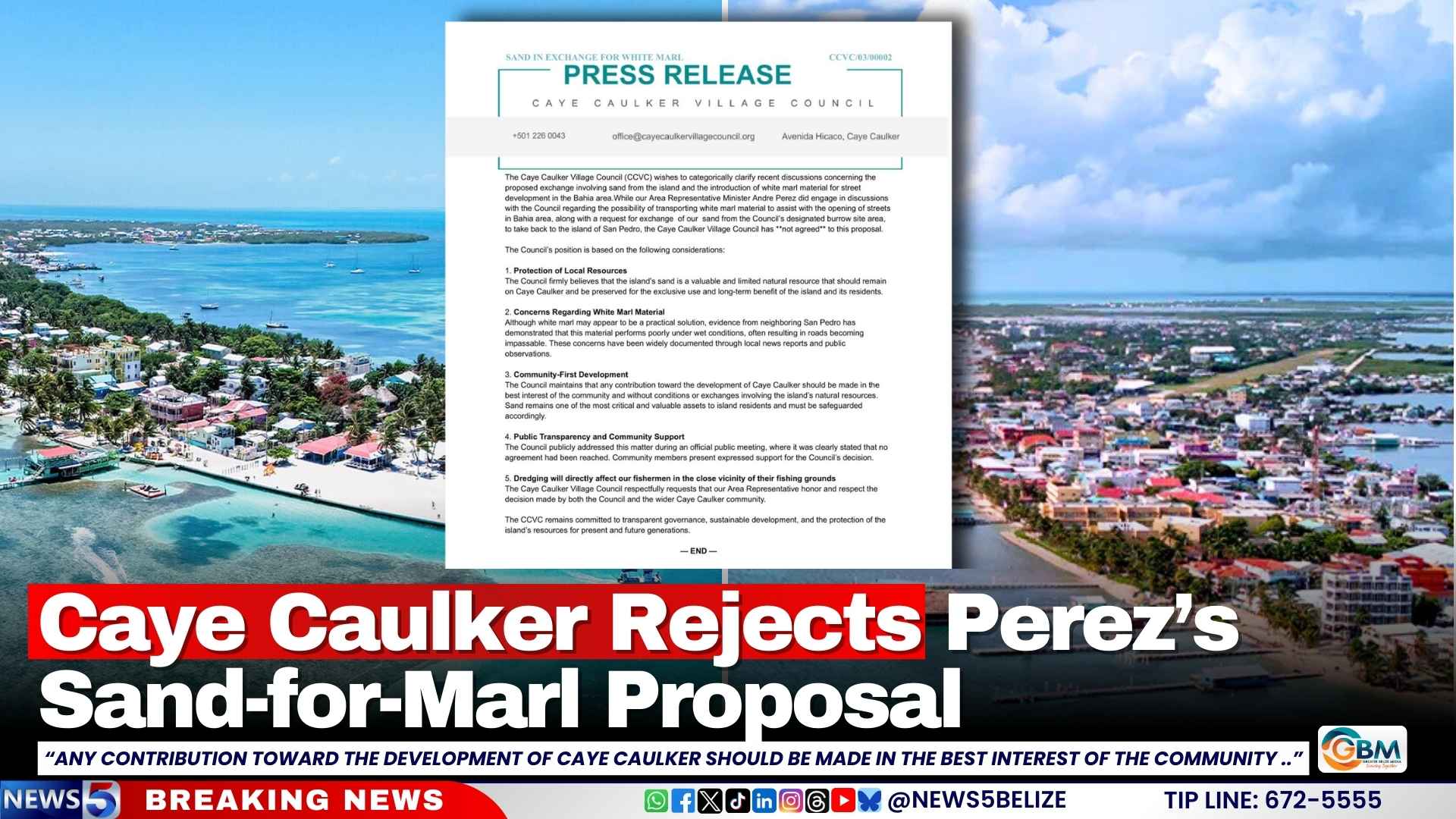
  • Caye Caulker Rejects Perez’s Sand-for-Marl Proposal

    Caye Caulker Rejects Perez’s Sand-for-Marl Proposal

    In a decisive move to protect local environmental assets, the Caye Caulker Village Council (CCVC) has formally declined a resource exchange proposal presented by Area Representative Andre Perez. The controversial plan involved trading sand from Caye Caulker’s designated burrow site for white marl intended for street construction in the Bahia Puesta del Sol region.

    The Council issued an official statement clarifying that while discussions occurred regarding the transportation of white marl to assist with road development projects, no mutual agreement was established. Council representatives emphasized that the island’s sand constitutes a precious and finite natural commodity that must be preserved for the enduring welfare of community members.

    Beyond conservation concerns, the Council raised practical objections regarding the proposed construction material. Officials cited documented performance issues with white marl surfacing in Ambergris Cale, particularly during rainy periods where such roads frequently become unusable due to inadequate drainage and stability.

    The proposal faced additional criticism over potential economic impacts, with the Council highlighting possible adverse effects on local fishing operations near the suggested dredging location. The statement concluded with a respectful petition for the Area Representative to honor the collective decision made by both governing bodies and residents, emphasizing that community development contributions should occur without conditional resource exchanges that compromise environmental integrity.

  • Delecia Weste Crowned Winner at Antigua and Barbuda Girl Guides Show

    Delecia Weste Crowned Winner at Antigua and Barbuda Girl Guides Show

    Delecia Weste of the 13th Antigua Company has emerged victorious in the Antigua and Barbuda Girl Guides Association’s prestigious annual competition. The event, which organizers celebrated for its exceptional demonstration of talent, grace, and collective spirit, saw Weste claim the top honor in a field of impressive participants.

    Hope Davis from the 18th Antigua Company earned the position of first runner-up, while Deancia Lewis representing the 3rd Antigua Company secured second runner-up recognition. The competition served as a powerful showcase of the organization’s values, with contestants displaying remarkable confidence and mutual support throughout the proceedings.

    Association officials emphasized that this year’s event particularly underscored the profound bonds of friendship and unity among the young participants. The atmosphere was characterized by a palpable sense of camaraderie that extended beyond mere competition, reflecting the core principles of the Girl Guides movement.

    The association has announced that official photographic documentation of the event will be made available to the public in the coming days, allowing for broader celebration of the achievements and spirit displayed by all involved.

  • Religious leaders urge unity

    Religious leaders urge unity

    In a powerful display of ecumenical solidarity, Saint Lucia’s religious leadership delivered compelling messages advocating for national cohesion and ethical revival during the nation’s 47th Independence celebrations. The special praise and worship service at St Lucy Parish National Shrine in Micoud became a platform for profound reflections on the country’s journey since gaining sovereignty.

    Pastor Roger Stephen, President of the Saint Lucia Mission of Seventh-day Adventists, framed the independence milestone as both a moment of gratitude and recommitment. Addressing congregants, he emphasized the appropriateness of this year’s theme: ‘Douvan Ansanm; Nourishing our People, Strengthening our Nation.’ The religious leader articulated that true nourishment extends beyond physical sustenance to encompass emotional, social, economic, and spiritual wellbeing for all citizens.

    Expanding his vision for national development, Pastor Stephen outlined concrete requirements for progress: ‘We must invest intentionally in ensuring every household accesses healthy, affordable produce while simultaneously nourishing intellect through quality education and technical training that prepares our citizens for global competition.’

    Archbishop of Castries Gabriel Malzaire delivered an equally impassioned address, challenging citizens to embody the nation’s identity as the ‘Helen of the West’ and an ‘island of light.’ The Archbishop defined this luminous national character as requiring active moral courage: ‘Light is meant for dispelling darkness. Our light must carry an in-depth denunciation of all that contradicts who we are meant to be.’

    With candid urgency, Archbishop Malzaire identified specific social challenges requiring collective rejection: ‘We must refuse the darkness of violence stealing our young men, the crime breeding fear in our communities, and the poverty suffocating human potential.’ In a direct appeal transcending political divisions, he emphasized: ‘We refuse to allow tribalism, political hostility or social fragmentation to divide us.’

    Both religious leaders converged on the necessity of shared responsibility, with Archbishop Malzaire articulating a vision beyond governmental action: ‘Strengthening the nation is not the task of government alone—it is the vocation of every citizen.’ This united message from prominent Christian denominations highlighted rare ecumenical consensus on national priorities during the independence observance.

  • Family Questions Motive Behind Unitedville Double Murder

    Family Questions Motive Behind Unitedville Double Murder

    The tranquil community of Unitedville Village in Belize has been shattered by a brutal double homicide that occurred on the evening of Saturday, February 22, 2026. Local authorities have launched a comprehensive investigation into the shooting deaths of 23-year-old Jerrington Ingram and Miguela Vanegas, whose lives were tragically cut short by fatal gunshot wounds near a riverside area.

    Law enforcement officials responded to reports of gunfire in the vicinity, discovering the two victims at the scene. The incident has sent shockwaves through the small community, raising concerns about violence and public safety in the region.

    The tragedy has prompted an emotional outcry from grieving family members, with one relative of Vanegas turning to social media to express both heartbreak and bewilderment at the senseless violence. In a poignant online tribute, the family member questioned the motive behind the killings, stating, ‘I couldn’t sleep. What could she have done that was so terrible that deserved a death like that?’

    The heartfelt post further memorialized Vanegas as ‘a young, vibrant soul enjoying her life,’ while criticizing the perpetrators who ‘feel they are God out here to be taking lives.’ The message emphasized that ‘nobody truly knows her story,’ suggesting the complex circumstances that may have led to this devastating outcome.

    As police continue their investigation, the community remains on edge, with many residents calling for justice and increased measures to prevent further violence. The case has drawn significant public attention, with social media engagement indicating widespread concern about the incident that has left two families devastated and a community searching for answers.

  • When taps run dry, who’s to blame?

    When taps run dry, who’s to blame?

    Saint Lucia’s water utility company, WASCO, faces a catastrophic systemic failure that has plunged the nation into a severe water crisis. Despite meteorological warnings of an impending drought season, public outrage has focused squarely on the utility’s operational deficiencies rather than climatic conditions.

    The utility’s longstanding challenges include persistent leakage problems, questionable metering practices, and notoriously poor customer service. Consumers have expressed their frustration through local Kweyol expressions that directly contradict the company’s official ‘Water is Life’ motto.

    At the heart of the crisis lies the compromised John Compton Dam, commissioned in 1996 with an original capacity of 700 million gallons. Hurricane Tomas in 2010 triggered massive siltation that reduced the dam’s capacity by approximately 50%. Years of political indecision have prevented necessary desilting operations, mirroring similar institutional failures seen in other Saint Lucian public projects.

    The aging distribution network compounds these problems, with recent major leaks in Millet’s 24-inch raw water pipelines causing widespread shutdowns. Businesses, government offices, and educational institutions have faced temporary closures due to water shortages, significantly impacting national productivity.

    Prime Minister Philip J. Pierre’s administration has established a dedicated cabinet committee to examine alternative arrangements for WASCO, acknowledging the utility’s dire financial situation. Despite a $1.1 million government subsidy, rehabilitation costs are estimated at approximately $200 million.

    The government now considers desalination as a potential long-term solution while encouraging rainwater harvesting as an immediate response. Prime Minister Pierre emphasizes that ‘decisive action’ is unavoidable, recognizing that reliable water access is fundamental to healthcare improvement and national development goals.

  • Armed intruder shot dead at Trump’s Florida residence

    Armed intruder shot dead at Trump’s Florida residence

    An armed intruder was fatally shot by security personnel after penetrating the inner security perimeter of the Mar-a-Lago estate in Florida during the early hours of Sunday morning, according to official statements from local authorities.

    The Palm Beach Sheriff’s Office reported that the security breach occurred at approximately 1:30 a.m. when surveillance systems detected an unauthorized individual within the restricted compound. A coordinated response team comprising a sheriff’s deputy and two Secret Service agents immediately confronted the suspect, described as a white male armed with a shotgun and carrying a gasoline canister.

    Law enforcement officials detailed that the individual was commanded to relinquish his weapons. While complying partially by placing the gasoline container on the ground, the suspect subsequently raised his shotgun into a combat-ready firing stance. This threatening movement prompted the security detail to discharge their service weapons, resulting in the suspect’s immediate fatality at the scene. No injuries were sustained by any responding officers.

    Authorities confirmed that former President Donald Trump was absent from the Florida property during the security incident, eliminating any direct threat to the former commander-in-chief.

    The Federal Bureau of Investigation has assumed primary jurisdiction over the case, deploying evidence collection specialists to meticulously process the scene. Local law enforcement agencies continue to provide operational support. Investigators have issued public appeals for residents in adjacent areas to review external security footage from the previous night and report any suspicious observations through official FBI channels or local sheriff’s tip lines.

    Sheriff’s officials publicly commended the Secret Service for their rapid response and professional coordination, emphasizing that their decisive actions averted potential escalation. The FBI maintains an active investigation, with the identity and motivations of the deceased suspect remaining undisclosed pending further investigation and family notifications.

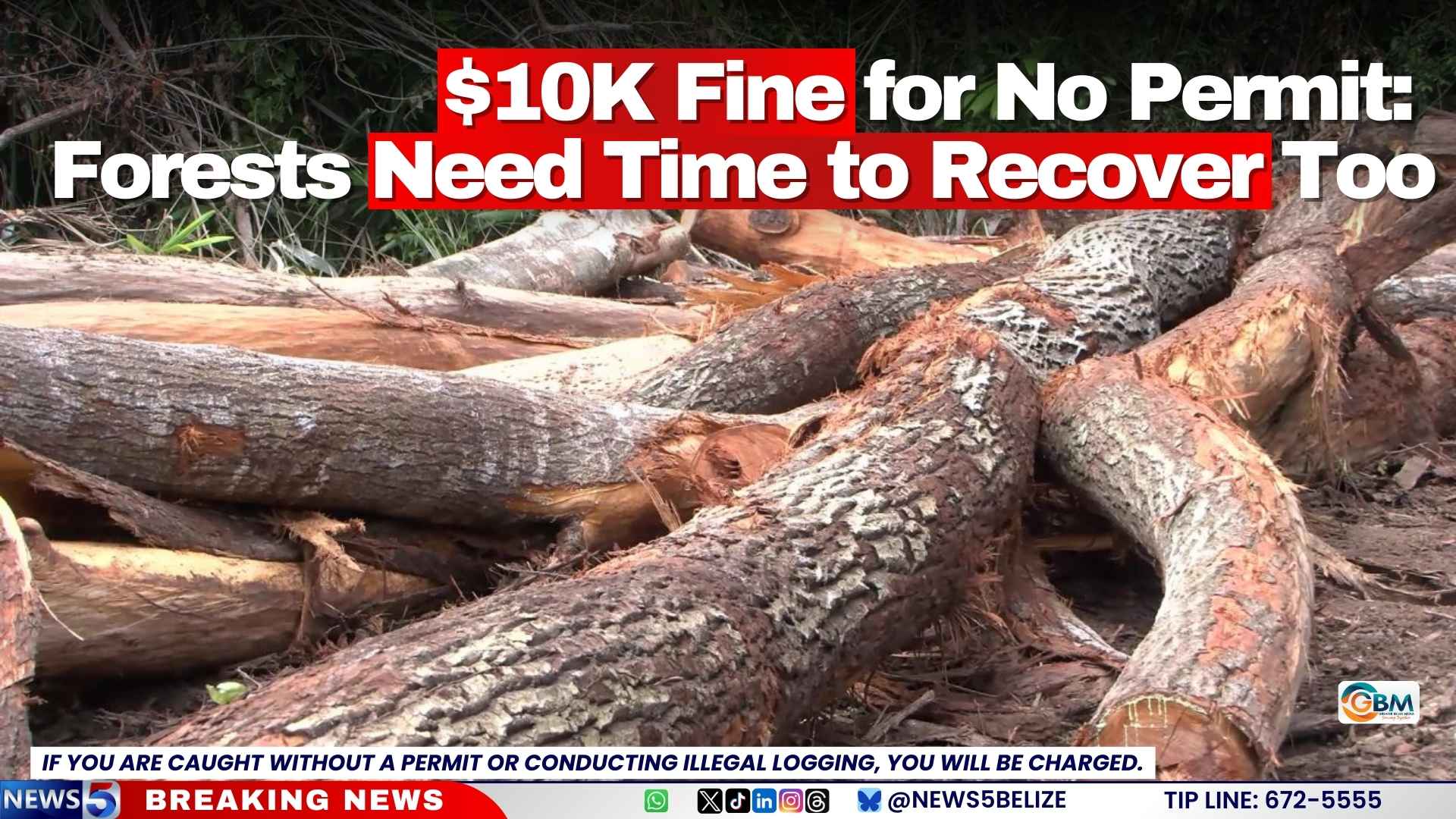
  • $10K Fine for No Permit: Forests Need Time to Recover Too

    $10K Fine for No Permit: Forests Need Time to Recover Too

    The Belize Forest Department has issued a stern warning to citizens regarding unauthorized timber harvesting activities, emphasizing that violators face substantial fines up to $10,000 for logging without proper permits. This enforcement action supports an active five-year moratorium initially implemented in November 2025, designed to facilitate critical recovery of the nation’s forest ecosystems.

    Chief Forest Officer Victoria Chi explicitly stated that all tree cutting activities—whether for firewood, bush sticks, or timber—require formal authorization from the Forest Department. “The public is advised that you must apply for a permit regardless of purpose,” Chi emphasized. “Unauthorized logging will result in criminal charges with penalties reaching $10,000 per violation.”

    The regulatory framework applies comprehensively to government-owned lands, including leased properties pending formal title issuance. Permit pricing varies significantly based on species conservation status, with premium hardwoods like mahogany and cedar commanding higher fees while secondary hardwoods require a $16 per-tree permit. Private landowners must also obtain permits, though at a fifty percent reduced rate.

    Officials describe these measures as essential conservation strategies to prevent further depletion of Belize’s forest resources. The moratorium represents a balanced approach to sustainable resource management, allowing ecosystems to regenerate while maintaining regulated access through permitted harvesting.

  • Fatal fer-de-lance attack leaves Thomazo on edge

    Fatal fer-de-lance attack leaves Thomazo on edge

    The tranquil community of Thomazo in Saint Lucia has been thrust into a state of heightened alert following the tragic death of Valence Alfred, who succumbed to multiple bites from a fer-de-lance snake on January 20. This incident has ignited urgent calls for intervention as residents report increasing encounters with the venomous species near residential areas.

    According to eyewitness accounts, Alfred was working at a local property when he experienced a sudden sharp sting on his hand. While investigating the source, he was struck again in the face by what he described as a large snake. Despite managing to navigate through dense vegetation to seek help near a main road, and receiving medical attention including antivenom at Owen King European Union Hospital, Alfred passed away the following day.

    The response time of emergency services has come under scrutiny, with witnesses reporting a 20-30 minute wait for ambulance arrival. Meanwhile, subsequent searches of the incident area revealed three smaller snakes, though the specific specimen responsible was not located.

    This tragedy has exposed a growing tension between human settlement and wildlife habitat in forest-adjacent communities. Residents report unprecedented frequency of nocturnal sightings, with recent incidents including a doctor bitten two weeks prior (who survived due to prompt treatment) and a salon owner discovering a fer-de-lance at her doorstep at midnight.

    Sammy, a local bakery operator who uses the alias Kenterberry, articulated the community’s anxiety: ‘Right now, everyone is anxious; they really want something to be done about it. The feeling isn’t a nice feeling. Sometimes when you go to bed, you don’t want to sleep because you have snakes on your mind.’

    Experts and residents point to several potential factors driving increased human-snake interactions. Reduced agricultural activity in surrounding areas may have diminished natural habitat management, while wild pig populations are potentially displacing snakes from forested zones. Some residents advocate for increased chemical spraying, with one individual reportedly planning to use a mixture containing Gramoxone—a approach that raises concerns among environmental specialists.

    Lenn Isidore, a biologist and reptile specialist, cautioned against aggressive chemical interventions: ‘The use of harsh chemicals, including Gramoxone, may have long-term environmental consequences, including soil degradation.’ Instead, he recommends practical measures such as foliage management, clearing yards of potential snake shelters, and proper waste disposal to reduce rodent populations that attract the snakes.

    Institutional responses are emerging through initiatives like the Saint Lucia Fer-de-Lance Project, a collaborative effort between Fauna & Flora, Durrell Wildlife Conservation Trust, the Forestry Department, and the Ministry of Health. The project aims to reduce snakebites while maintaining stable snake populations and exploring potential medical benefits of venom research.

    Project Coordinator Beana Joseph explained that community workshops have already trained over 70 residents in safe snake handling and identification. Notably, the project also addresses potential commercial applications of venom, ensuring Saint Lucia retains control over any biological compounds derived from its endemic species.

    With snakebite treatment covered under Saint Lucia’s Universal Health Coverage program (seven cases treated since February 2025), the nation faces the complex challenge of balancing public safety with conservation of a species found nowhere else on Earth. As Thomazo residents grapple with their newfound vulnerability, the search continues for solutions that protect both human lives and ecological integrity.

  • Dominican Republic hit by major blackouts

    Dominican Republic hit by major blackouts

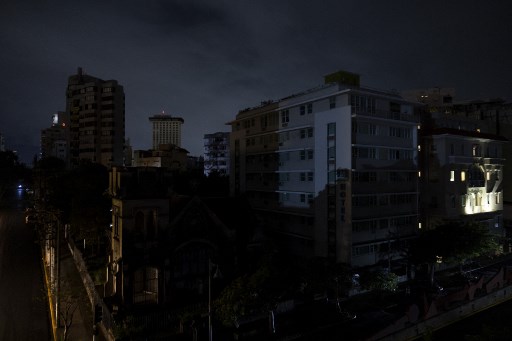
    SANTO DOMINGO, Dominican Republic — The Dominican Republic faced another severe electricity crisis on Monday when a significant technical failure within the National Interconnected Electric System (SENI) triggered extensive power outages across multiple regions, including the capital city. This incident marks the second major blackout to hit the Caribbean nation in just four months.

    The state-owned Dominican Electricity Transmission Company (ETED) officially acknowledged the system-wide failure, confirming that it had disrupted electrical services throughout substantial portions of the country. Company representatives indicated that technical teams were actively engaged in efforts to gradually restore power to affected areas.

    An AFP correspondent stationed in Santo Domingo verified that numerous districts within the capital experienced complete power loss during Monday morning hours, creating disruptions to business operations and daily life. The latest outage echoes a previous nationwide blackout that occurred in mid-November, which left millions without electricity for approximately five hours, including popular tourist destinations such as Punta Cana.

    The November incident resulted in severe transportation chaos characterized by massive gridlocks and the suspension of Santo Domingo’s metro services for several hours. Chronic power shortages remain a persistent issue across the Dominican Republic, with some regions experiencing daily service interruptions lasting up to 10 hours.

    Energy experts attribute these recurring crises to multiple systemic factors including inadequate infrastructure maintenance, frequent equipment breakdowns, and widespread unauthorized connections to the power grid. These operational challenges continue to undermine the reliability of the country’s electrical infrastructure despite ongoing efforts to improve service delivery.