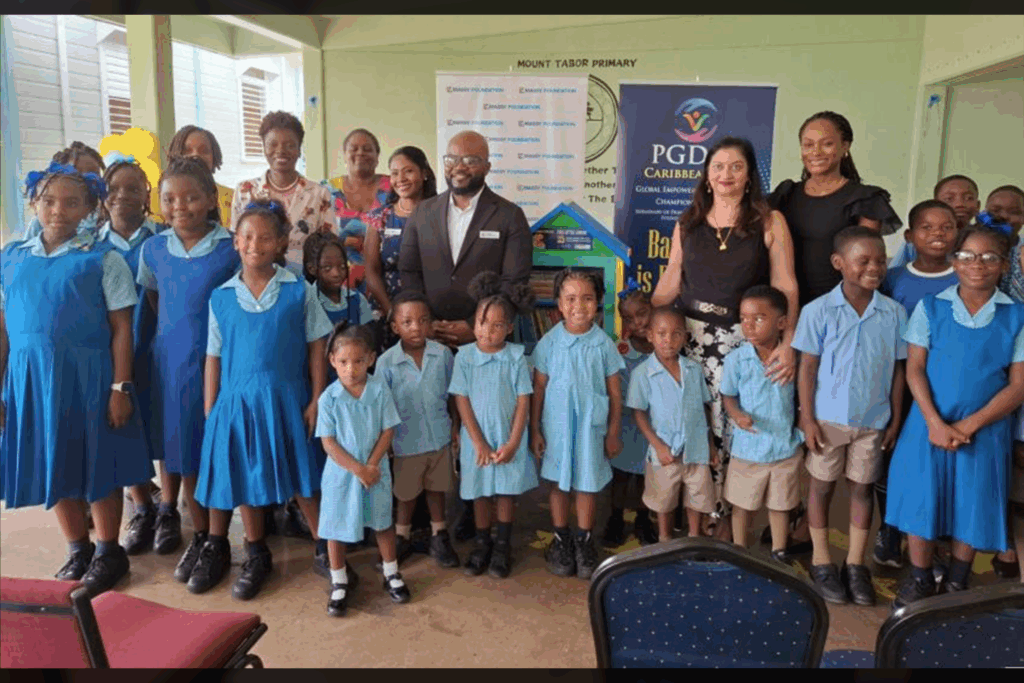
Barbados has reached a significant milestone in its nationwide literacy initiative with the successful establishment of 25 Free Little Libraries across the island. The final installation at Mount Tabor Primary School on Monday marked the completion of Phase 2 of the Barbados is Blooming project, a collaborative effort led by the Prince Godwill D. Fomusoh Foundation Caribbean Inc. (PGDFF) and the Massy Foundation (Barbados) Inc. Launched in October 2024, the initiative has strategically placed book-sharing hubs in primary schools, children’s homes, and community centers, ensuring equitable access to reading materials for children in St John and surrounding areas. Dr. Ramona Archer-Bradshaw, Chief Education Officer, emphasized the transformative power of reading for pleasure, noting its role in fostering academic success, language development, and imaginative thinking. She highlighted the importance of community and stakeholder engagement in achieving national literacy goals, particularly the ambitious target of ensuring every child can read by age seven. Anita Sundaram, Managing Director of PGDFF, described the project as a meaningful step toward nurturing curiosity and opportunity for children, while Jared Wright of the Massy Foundation praised its broader impact on families and communities. Beyond the libraries, the initiative has supported inclusive education programs and hands-on skills development, such as the Farm-to-Table agricultural program at Ann Hill Special Needs School. The partners reaffirmed their commitment to creating spaces where children can explore stories, enhance literacy, and unlock their full potential.
分类: society
-

Public Urged to Verify Enumerator Identification Amid Reports of Impostors
In light of recent reports of individuals impersonating census officials to gain unauthorized access to private properties, residents are being strongly advised to verify the identification of census enumerators. Maurice Merchant, Director General of Communications, has confirmed that the Statistics Division and Census Secretariat have been notified of these fraudulent activities. Merchant emphasized that legitimate enumerators are easily identifiable, wearing official government-issued blazers and badges. ‘Authorized enumerators will be properly identified, ensuring you know who you are allowing onto your premises,’ he stated during a post-briefing session on Thursday. He urged the public to remain vigilant and to report any suspicious individuals to the relevant authorities. This warning comes as the 2025 Census progresses in Antigua and Barbuda, with over 400 enumerators deployed to gather crucial data for national planning and development.
-

Adell School for Special Children Receives Donation from Rotary Club
In a remarkable gesture of community support, the Rotary Club of Antigua has donated essential equipment to the Adell School for Special Children. This contribution is designed to enhance the motor skills and overall learning experience of students with special needs. The handover ceremony was attended by District Governor Soraya Warner-Gustave, who emphasized the club’s dedication to fostering inclusive education. The donated resources are expected to play a pivotal role in promoting both physical and intellectual development among the students. Rotary Club representatives reaffirmed their commitment to making a lasting impact, ensuring that every child has access to the necessary tools to achieve their full potential. This initiative underscores the club’s ongoing efforts to support educational equity and community well-being.
-

NUPW seeks best deal as public sector shake-up looms
The National Union of Public Workers (NUPW) has firmly stated that hundreds of government employees will not receive approval for new terms and conditions until their job security and benefits are fully guaranteed. General Secretary Richard Greene emphasized on Thursday that unionized workers are being actively represented to secure the best possible outcomes during ongoing reforms.
-
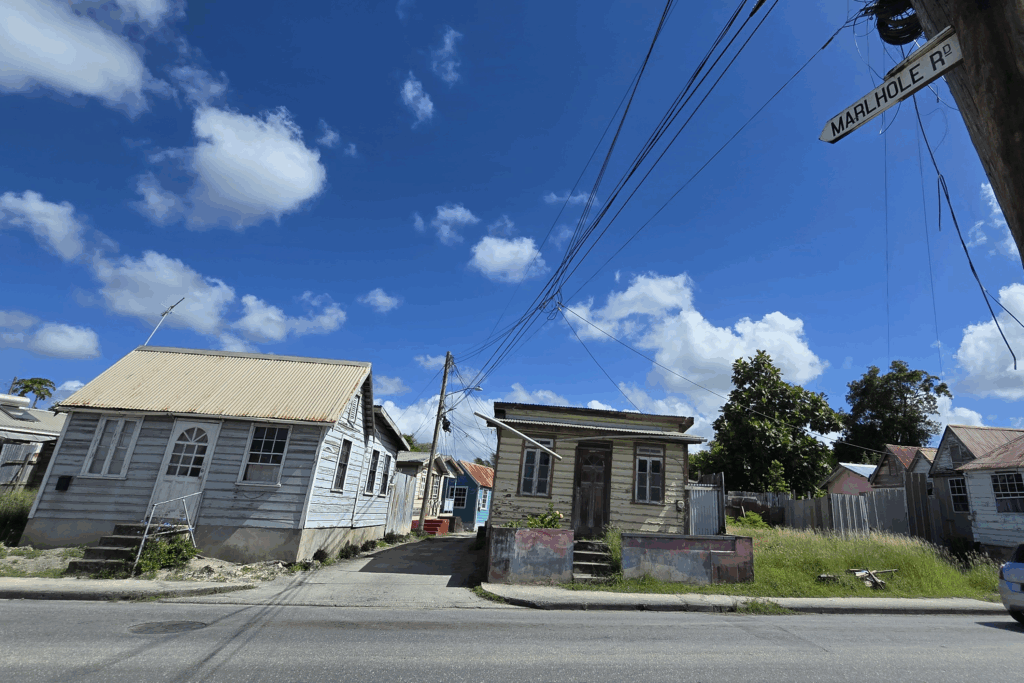
Halls Road grieving after fatal family altercation
The close-knit community of Halls Road, St Michael, Barbados, is mourning the tragic loss of 63-year-old David Leacock, who died from injuries sustained during a violent family dispute. The incident occurred late Tuesday evening at Leacock’s home in Marl Hole Gap, where he reportedly clashed with a male relative. The altercation turned physical, leaving Leacock critically injured. He was rushed to Queen Elizabeth Hospital but succumbed to his injuries shortly after.
-

Bequia student wins bronze in Queen’s Commonwealth Essay Competition 2025
Hadassah Ollivierre, a 12-year-old student from St. Vincent Girls’ High School and a resident of Bequia, has been honored with the bronze award in the Queen’s Commonwealth Essay Competition (QCEC) 2025. This competition, recognized as the world’s oldest and most esteemed international writing contest, celebrated its 75th anniversary this year under the theme “Our Commonwealth Journey.” Organized by the Royal Commonwealth Society, the event aims to inspire young writers from across the Commonwealth to express their ideas, dreams, and experiences through creative writing. Ollivierre competed in the junior category, open to participants under 14, with her imaginative story titled “Through the Garden Door: A Secret Garden Adventure with Mysteries of the Heart.” Her essay, inspired by the prompt “A very special journey when you discover a secret door that takes you into your favourite book,” stood out among 53,434 entries from 897 schools across 54 Commonwealth nations. The judging panel, featuring renowned authors and cultural figures such as Sir Ben Okri OBE and Imtiaz Dharker, ensured a thorough and inspiring evaluation process. Ollivierre’s achievement highlights her creativity, discipline, and passion for storytelling, as well as the support of her teachers and family. Her success not only brings pride to Bequia and St. Vincent and the Grenadines but also showcases the literary potential of young Caribbean writers on a global platform. The QCEC continues to empower young voices to explore themes of identity, belonging, and shared humanity across the Commonwealth’s diverse cultures.
-

Tanner Street Redevelopment to Ease Flooding and Create Tourist Boulevard
Tanner Street, a downtown thoroughfare long troubled by flooding and traffic congestion during heavy rains, is poised for a significant overhaul. The government has unveiled plans to transform the area into a modern tourist and vendor boulevard, addressing both infrastructure and aesthetic concerns.
Maurice Merchant, Director General of Communications, announced during Thursday’s post-Cabinet briefing that the project will focus on improving drainage from Country Pond to the sea, while creating a more pedestrian-friendly and visually appealing environment. Key elements of the redesign include covering the open drain that currently runs through the area, widening the street, and enhancing traffic flow.
“The goal is to make Tanner Street more aesthetically pleasing while ensuring that overflow from the pond is properly managed,” Merchant explained. “This will eliminate the persistent flooding issues that have disrupted businesses and commuters for years, transforming the area into a welcoming space for both locals and visitors.”
Further details, including consultations with downtown vendors and specific design elements, are expected to be released in the coming weeks. The Tanner Street project is part of a broader urban renewal initiative that also includes road technology upgrades on the nearby Burning Flames Highway, utilizing materials developed in Colombia.
While the government has not yet disclosed the project’s timeline or cost, it has emphasized that the initiative will complement wider beautification efforts across St. John’s. These include repainting government buildings and expanding tree-planting drives throughout the capital.
Officials say the overarching aim is to balance tourism development with improved infrastructure and better working conditions for small business owners operating in the city.
-

Antigua Students to Participate in Groundbreaking OECS Student Census — A Global First
In a historic move, the Organisation of Eastern Caribbean States (OECS) is set to launch the first-ever region-wide Student Census on November 11, 2025. This groundbreaking initiative will enable students from kindergarten to Form 5 across the OECS to directly influence the future of education by sharing their authentic voices and experiences. Unlike traditional surveys or samples, this census will include every student, ensuring that no child’s perspective is overlooked. Dr. Didacus Jules, Director General of the OECS, emphasized the significance of this initiative, stating, ‘Transformation begins with listening. This census gives every child the chance to be heard.’ Mrs. Sisera Simon, Head of the Human and Social Division at the OECS Commission, highlighted the transformative potential of the census, noting that it will provide accurate, up-to-date data to shape policies that truly address students’ needs and aspirations. The census will also play a pivotal role in informing the new 10-Year OECS Education Sector Strategy (2027-2037), ensuring that it is grounded in the lived experiences of students. Parents, caregivers, and community members are encouraged to support the initiative by promoting student participation. The census will be conducted confidentially and securely, with all data anonymized to protect students’ privacy. By amplifying the voices of over 100,000 learners, the OECS Student Census aims to build more inclusive, equitable, and student-centered education systems across the region.
-

National Clean-up Campaign Sees 13 Tons of Waste, 75 Vacant Lots Cleared
The National Solid Waste Management Authority (NSWMA) launched its ‘Love Where You Live’ cleanup initiative in October, marking a significant step toward fostering cleaner and healthier communities. Spanning three weeks, the campaign focused on the Villa Area, encompassing Dickenson Bay Street, Anchorage Road, and Fort James Drive. Through meticulous efforts, the NSWMA team revitalized the neighborhood, setting a new standard for environmental stewardship.
-
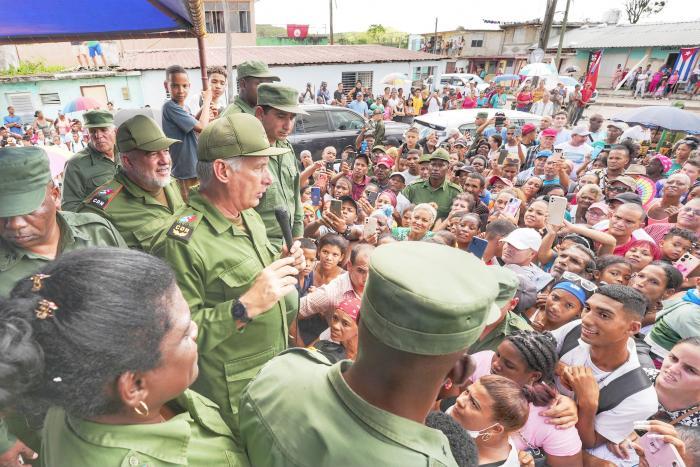
the most difficult moments, we must stand by the people
In the wake of Hurricane Melissa, Cuban authorities, led by President Miguel Díaz-Canel Bermúdez, have acknowledged the severe and ongoing challenges faced by the eastern provinces. During a National Defense Council (CDN) working session in Santiago de Cuba, Díaz-Canel emphasized the persistent disruptions to essential services, including electricity and drinking water, and the extensive damage to housing and infrastructure. He called for strengthened local management and increased citizen participation to aid recovery efforts. Manuel Marrero Cruz, head of the Economic and Social Body of the CDN, outlined the priorities, including caring for the affected, restoring basic services, and addressing the chronic water shortage exacerbated by the hurricane. The restoration of electricity and communications is progressing, with brigades from across the country working tirelessly. However, many communities remain isolated due to damaged roads and bridges. Housing recovery is a significant challenge, with over 47,000 homes confirmed damaged. The agricultural sector is also focusing on intensive planting of short-cycle crops to recover food supplies. Authorities are also addressing the spread of arboviruses, particularly chikungunya, with vector control measures and community involvement. Despite the difficulties, officials remain optimistic, emphasizing transparency and community decision-making in aid distribution and recovery efforts.