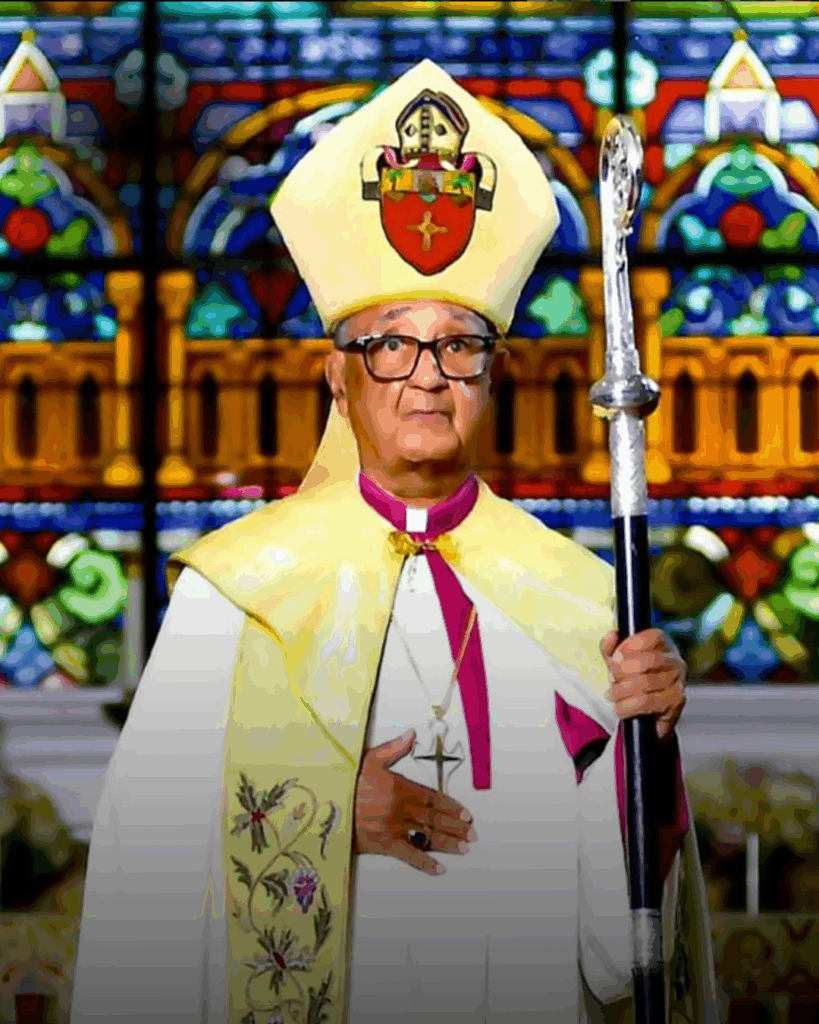
The Caribbean and the global Anglican community are united in mourning the passing of Archbishop Drexel Gomez, a revered figure in the Anglican Church, who died on Tuesday at the age of 88. Born in the Bahamas, Gomez was a trailblazer in the Church, becoming the first Caribbean-born Bishop of Barbados in 1972 at just 36 years old. His leadership spanned two decades, marking a historic chapter in the diocese’s 200-year history. In 1998, he ascended to the role of Archbishop of the Church in the Province of the West Indies, further cementing his legacy. Prime Minister Mia Mottley of Barbados paid heartfelt tribute to Gomez, recalling his gentle demeanor, unwavering authority, and profound impact on both the Church and society. She highlighted his ability to connect with people of all ages and his fearless engagement with social and political issues. Bishop Michael Maxwell of Barbados also honored Gomez’s life, emphasizing his dedication to the Church and his contributions to the Anglican Communion. Bahamian Prime Minister Philip Davis remembered Gomez as a spiritual guide and a steadfast servant of the Bahamian people, whose moral clarity and quiet courage left an indelible mark. Archbishop Gomez’s life and work continue to inspire generations, leaving a legacy of faith, leadership, and compassion.
分类: society
-
The least of these — Matthew 25:40
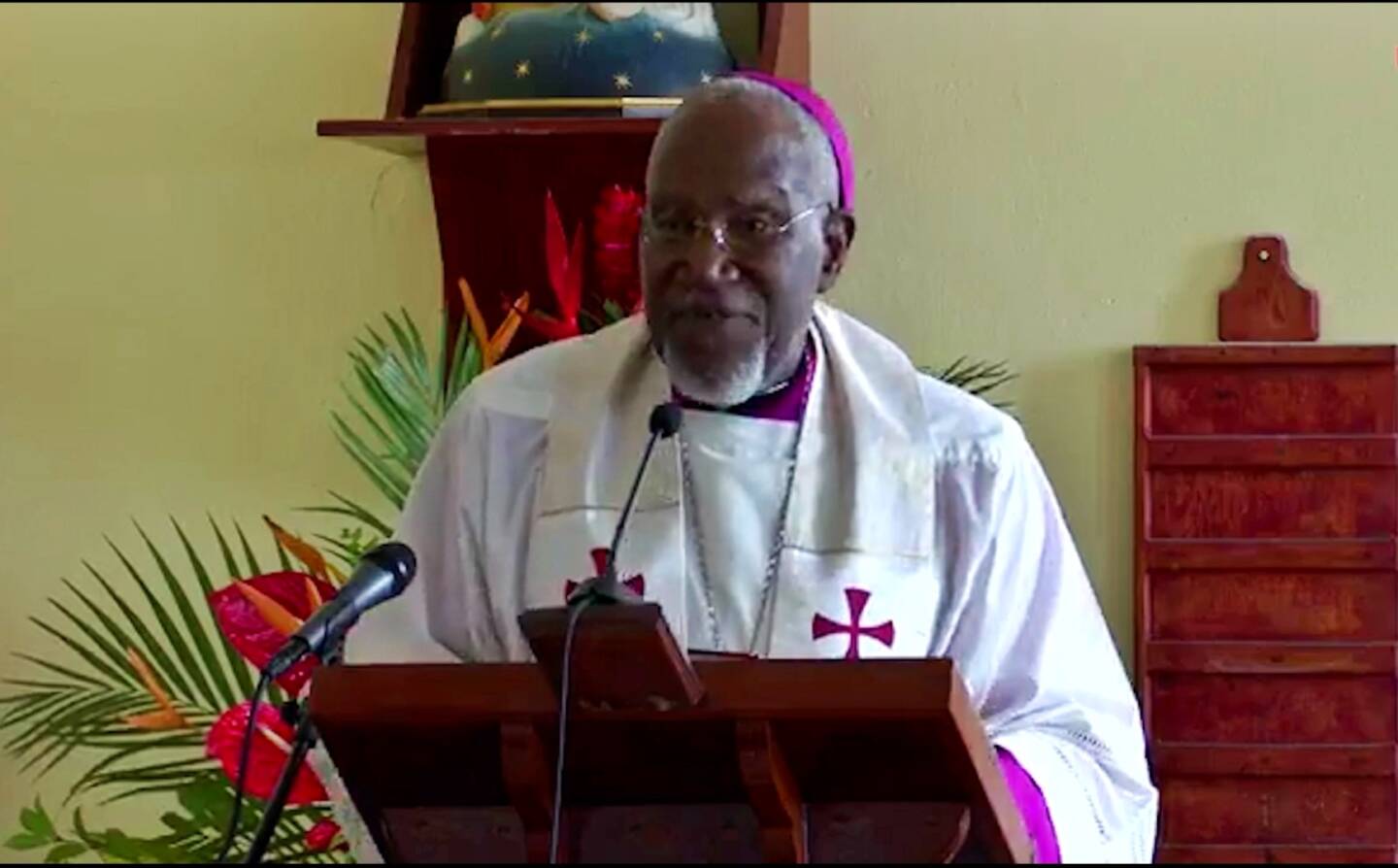
In his concluding address to the Good News Catholic Communications (GNCC) panel on the Age of Civil Responsibility (ACR) Bill, Bishop Clyde Harvey delivered a series of thought-provoking insights. He emphasized that the bill does not strip parents of their rights but ensures that children in need receive necessary support. Harvey highlighted that the core issue lies not in legislation but in education, pointing out the church’s diminished role in educating teenagers and parents. He debunked the Caribbean myth that parents universally discourage sexual activity, noting that some even encourage it. Harvey underscored the church’s duty to protect the vulnerable, particularly children, and concluded with a powerful appeal: ‘The bill must be withdrawn in its present form and reintroduced in the new parliamentary session, preceded by a thorough review to align it with our deeper goals, including proper family education.’ This call for responsible leadership stands in stark contrast to the pervasive silence of many religious leaders on the sexual crisis. The article questions the church’s failure to address intimate partner violence, incest, rape, and adolescent pregnancy, largely driven by adult men. It critiques the church’s deviation from its mission of love, inclusion, fairness, and justice, attributing its timidity to cultural stigmatization of sexuality. The piece invokes the legacies of Rev. Dr. Martin Luther King Jr. and Nelson Mandela, who championed justice and condemned silence. It concludes with a poignant inquiry into the absence of courageous voices among faith leaders, labeling their silence as scandalous. The article is co-signed by Tonia Frame, PhD, President of the Grenada Planned Parenthood Association (GPPA), and Fred Nunes, PhD, Consultant for Advocates for Safe Parenthood: Improving Reproductive Equity (ASPIRE).
-
Unchecked coastal projects threaten Barbados’ identity, says UN youth advisor
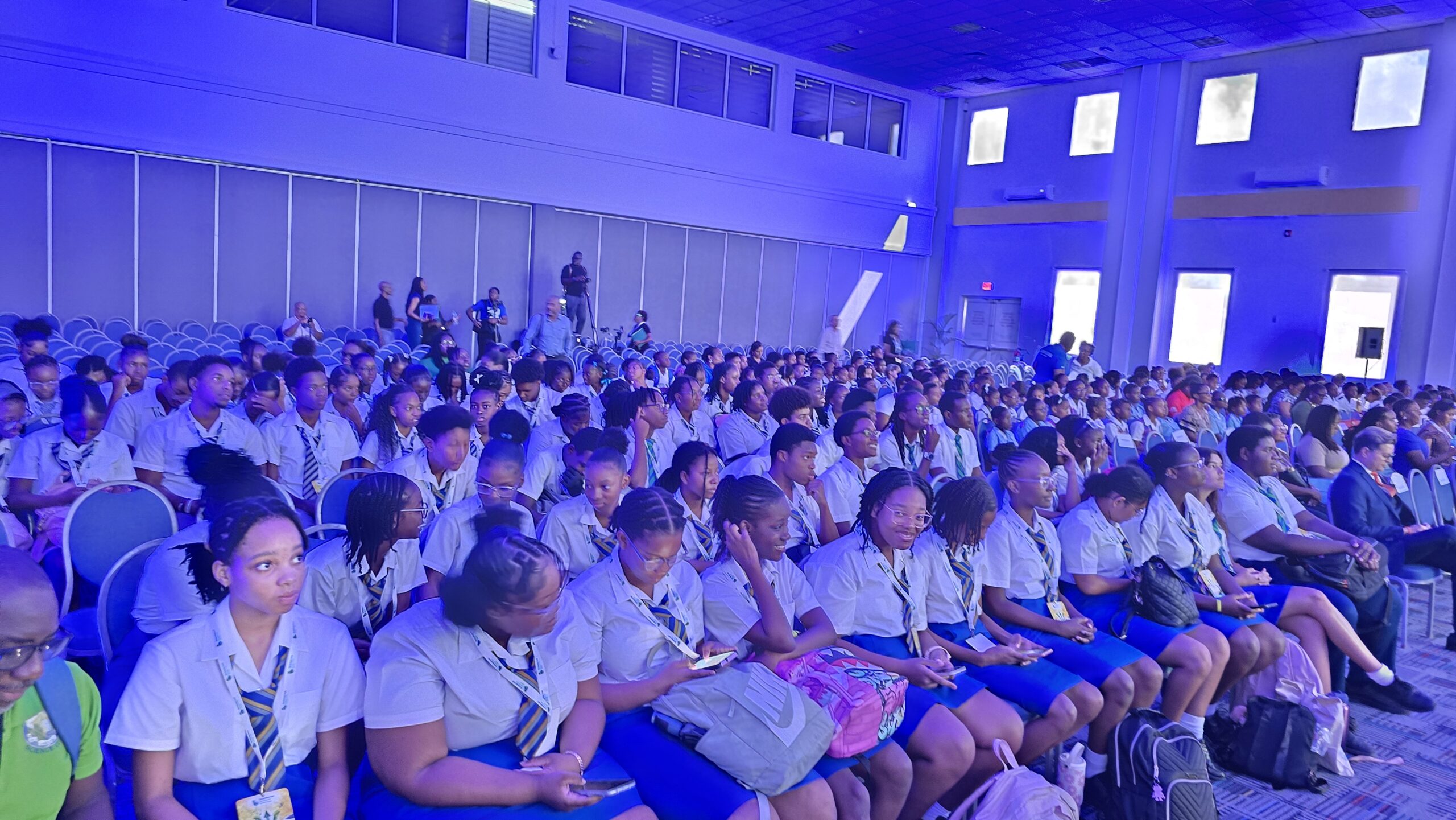
A United Nations climate advisor has raised alarms over the unchecked expansion of hotels and high-rise condominiums along Barbados’ coastline, warning that such development is eroding the island’s natural beauty and ecological integrity. Speaking at the Barbados Youth Climate Action Summit and Expo, Ashley Lashley, a prominent environmental advocate, criticized the prioritization of profit over sustainability, calling for a fundamental shift in how progress is measured.
Lashley, who also heads the Ashley Lashley Foundation, highlighted the visible consequences of coastal development. “When you drive around Barbados, you see hotels and condos growing taller by the week, restaurants creeping closer to the beach, and this is labeled as progress. But progress for whom?” she questioned. She expressed deep concern over the loss of natural spaces, particularly beaches, which are vital to the island’s identity and future generations.
Lashley argued that Barbados’ economic model rewards resource extraction rather than environmental protection. “We celebrate every new building, every ribbon cutting, but where’s the recognition for the reef that died last year or the mangrove that protects us from floods?” she asked. She likened current development practices to “capitalism dressed up as progress,” emphasizing that the true cost of this approach is already evident in the form of droughts, heatwaves, and increasingly severe hurricanes.
Joining Lashley at the summit, Selwin Hart, Special Advisor to the UN Secretary-General on Climate Action, echoed her concerns, noting that the Caribbean is disproportionately affected by climate change despite contributing minimally to its causes. “The region is paying the highest price for a crisis it did not create,” he said. However, Hart praised the Caribbean’s resilience and innovation, citing initiatives such as solar microgrids, mangrove restoration, and climate-smart farming as examples of regional leadership.
Both speakers called for urgent action and unity, urging young people to continue advocating for sustainable solutions and amplifying the Caribbean’s voice on the global stage. “The world is watching the Caribbean,” Hart said. “Let us transform vulnerability into leadership and injustice into momentum for change.”
-

Police Seize Suspected Stolen Items in Multiple Operations
In a significant move to combat criminal activities, the Royal Police Force of Antigua and Barbuda has successfully seized a substantial amount of suspected stolen items. Over the past 72 hours, the police executed a series of coordinated search warrants across multiple communities on the island. The operations led to the confiscation of various goods, including garden tools, electrical appliances, light fixtures, and household items. Several individuals are currently under interrogation as part of the ongoing investigations. The police have urged victims of break-ins and larceny to contact the Criminal Investigations Department (CID) at 462-3913 to assist in identifying and reclaiming their property. Additionally, the Police Administration has emphasized the importance of securing homes and businesses and promptly reporting any suspicious activities to the nearest police station or by calling 911. This crackdown highlights the police’s commitment to maintaining public safety and reducing crime in the region.
-

VWPU schort beraad op – onderwijs aan universiteit hervat
The ongoing deliberations of the Scientific Personnel Union (VWPU) at the Anton de Kom University of Suriname (AdeKUS), which began on October 7, have been temporarily paused following a request from Minister of Education, Science, and Culture, Dirk Currie. This decision was made during an emergency meeting of the union’s general assembly. Meanwhile, educational and examination activities at AdeKUS have resumed. The VWPU had received an invitation from the ministry on October 9 for discussions, which took place on October 13. The meeting, attended by ministerial staff and university management representatives, concluded with an agreement to collaboratively work on long-term solutions for the scientific staff’s conditions. A negotiation team comprising experts from the ministry and the university has been formed to address these issues. Minister Currie requested the pause in union deliberations while talks are ongoing, a request the VWPU has honored. The union emphasized that discussions have been constructive and remain focused on sustainable improvements within the university.
-
Water safety for all
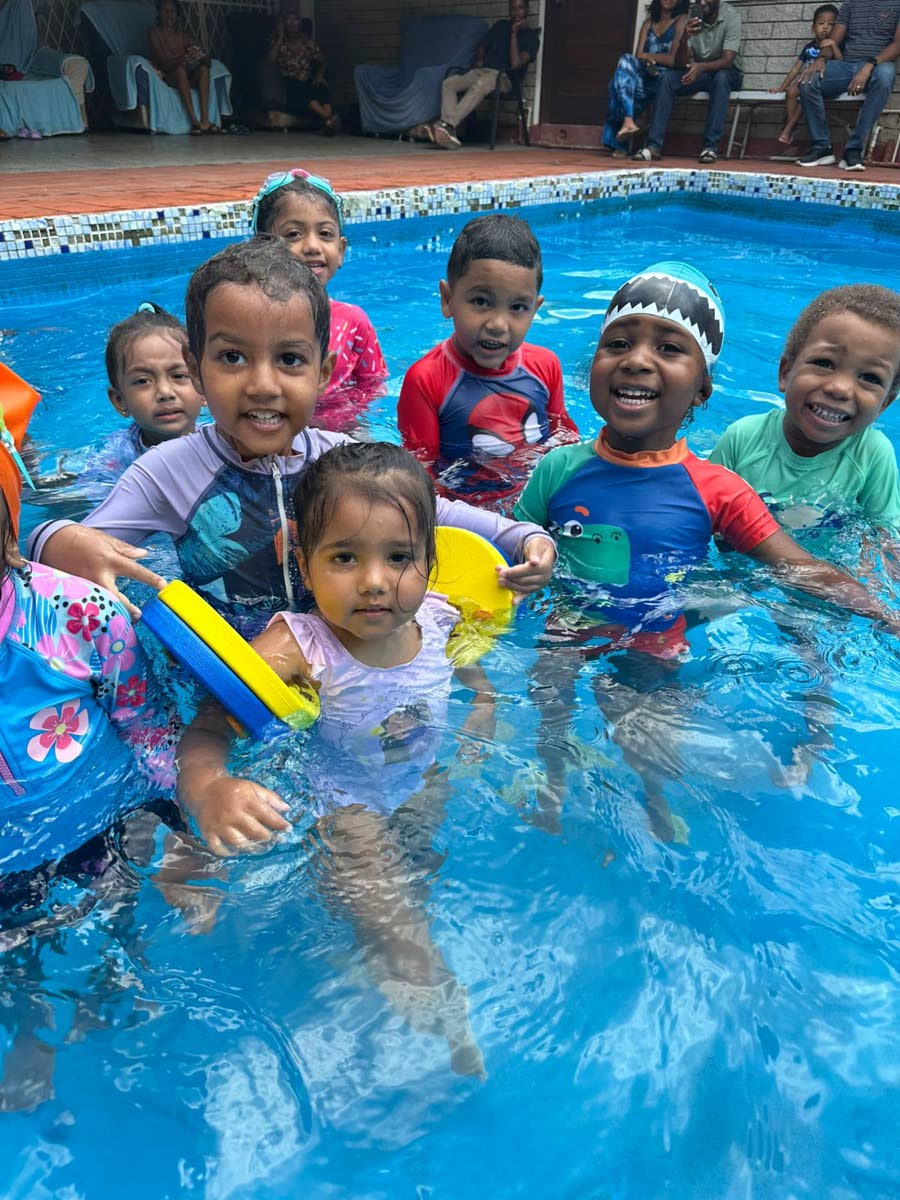
Recent tragic drowning incidents in Trinidad and Tobago have underscored the critical need for enhanced water safety education. On October 2, 57-year-old Collin Trabulay drowned at Flower Pot Beach, Pointe-a-Pierre, following similar fatalities involving 22-year-old Andrew Curtis Clarke at Penzance Beach and 33-year-old Nigel Dudoon at Columbus Bay in August. These events have reignited calls for greater awareness and preparedness around water bodies. Neil A. Daniel, a seasoned swimming coach with over 34 years of experience and founder of Neil’s Swim School and Tsunami Swim Club, has dedicated his life to addressing this issue. Daniel emphasizes that water safety is not just about swimming skills but also about cultivating awareness and vigilance. He warns against complacency, urging individuals to observe their surroundings, avoid risky behaviors like diving into shallow water, and always swim in groups under supervision. Daniel also highlights the importance of securing open water sources at home, such as pools and tanks, to prevent accidents. He identifies four key signs of drowning distress: the wave, the climb, the stare, and the shout. Daniel advocates for formal swim instruction at any age, stressing that learning to swim is a process requiring time and practice. For those hesitant to start, he encourages taking the first step, regardless of age or fear. In emergencies, he recommends non-contact rescues using tools like sticks or ropes, cautioning against high-risk contact rescues. Daniel’s overarching message is clear: water safety is about respect, vigilance, and preparation to prevent tragedies.
-

Children, 9 and 10, charged with attempted murder and rape in brutal attack on 5-y-o in US
In a deeply disturbing incident in Cleveland, Ohio, a nine-year-old boy and a 10-year-old girl have been charged with attempted murder, rape, felonious assault, kidnapping, and strangulation following an attack on a five-year-old girl. The incident, which occurred on September 13, has sent shockwaves through the community. According to the Cuyahoga County Prosecutor’s Office, the suspects were charged in juvenile court, and no further details will be released due to the case’s sensitive nature. The victim’s mother described the harrowing scene, stating her daughter was brutally beaten, assaulted, and ‘scalped,’ leaving her ‘unrecognizable.’ The child had been dropped off at a relative’s home before wandering out and being attacked in a nearby field. The mother recounted the traumatic aftermath, saying her daughter’s injuries were ‘unbelievable,’ with severe bruising, blood covering her body, and her hair forcibly removed. Cleveland police are actively investigating the case, emphasizing the need to protect the privacy and constitutional rights of those involved.
-
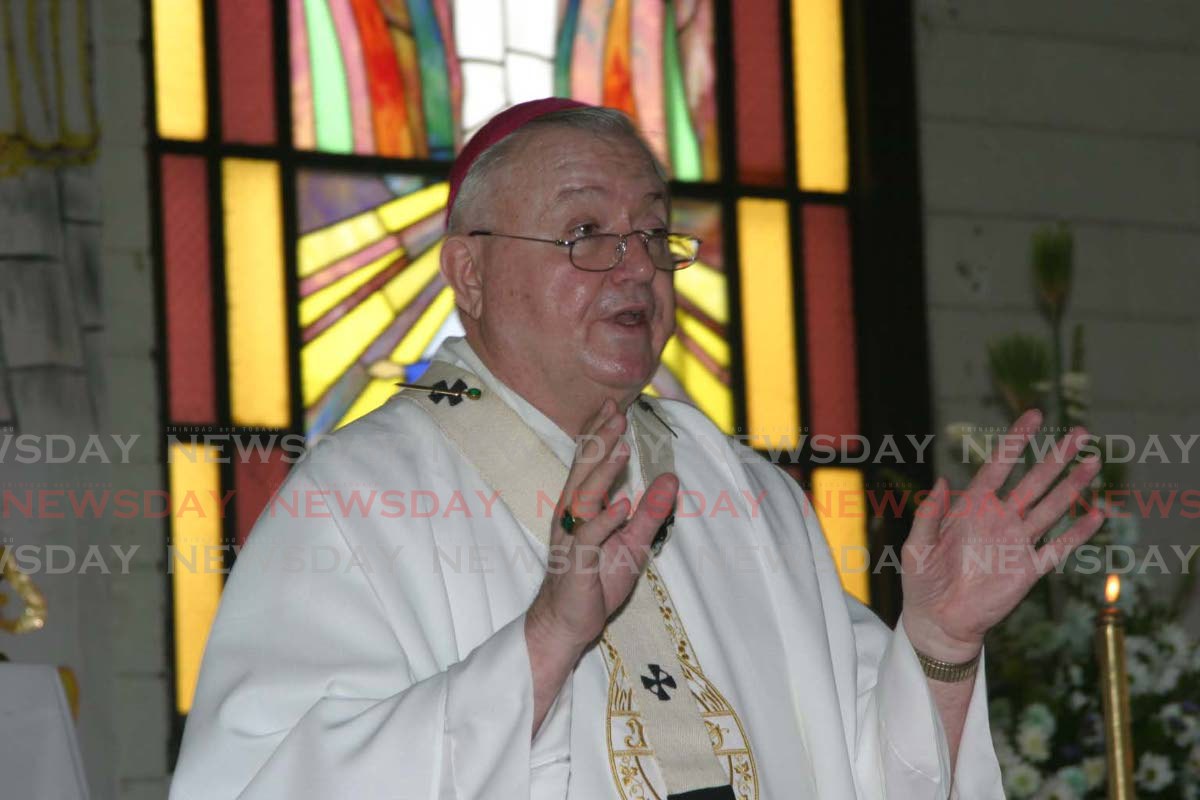
Catholics mourn passing of ex-American archbishop Gilbert
Archbishop Emeritus Edward Gilbert, a prominent figure in the Catholic Church and former Archbishop of Port of Spain, passed away on October 16 at the age of 88. His death was confirmed by the Archdiocese of Port of Spain in an official statement, which expressed deep sorrow over his loss. Gilbert, an American-born cleric, died in a Redemptorist retirement home in Florida, marking the end of a distinguished ecclesiastical career spanning over five decades. Ordained in 1964, Gilbert’s journey in the church was marked by significant milestones. In 1994, Pope John Paul II appointed him Bishop of Roseau in Dominica, where he spearheaded pastoral and structural reforms. Later, in 2001, he was installed as Archbishop of Port of Spain, a position he held until his resignation in 2011, which was accepted by Pope Benedict XVI. During his tenure, Gilbert strengthened diocesan structures, promoted vocations, and fostered collaboration among clergy, religious orders, and laity. His appointment in Trinidad and Tobago, however, was not without controversy. Following the death of Trinidadian Archbishop Clive Pantin, who had served for 32 years, Gilbert’s appointment as an American cleric sparked dissent within the local priesthood. Rev Clyde Harvey, now Bishop of Grenada, resigned in protest, calling the move a “slap in the face” and a form of “re-colonisation American-style.” Despite the initial backlash, Gilbert’s integrity and contributions to the church were widely acknowledged. The Archdiocese extended prayers for his soul and condolences to his family, the Redemptorist community, and all those he served. May he rest in peace.
-
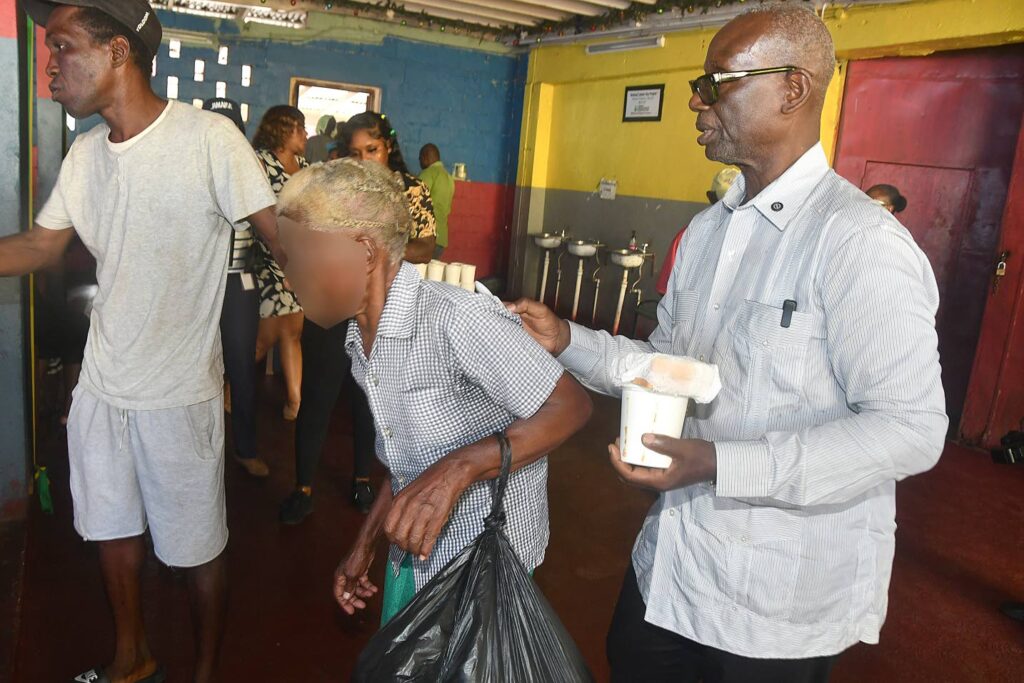
‘NO BRUTE FORCE’
In a decisive move to address the growing concerns surrounding the homeless population at Justice Square in downtown Kingston, Local Government Minister Desmond McKenzie, alongside Kingston Mayor Andrew Swaby, announced on Wednesday that individuals loitering in the area will no longer be permitted to remain. The announcement came after a night and early morning visit to the square, which houses the Supreme and Appeal courts, where McKenzie and Swaby engaged with dozens of homeless individuals.
-
Teach about Divali Monday
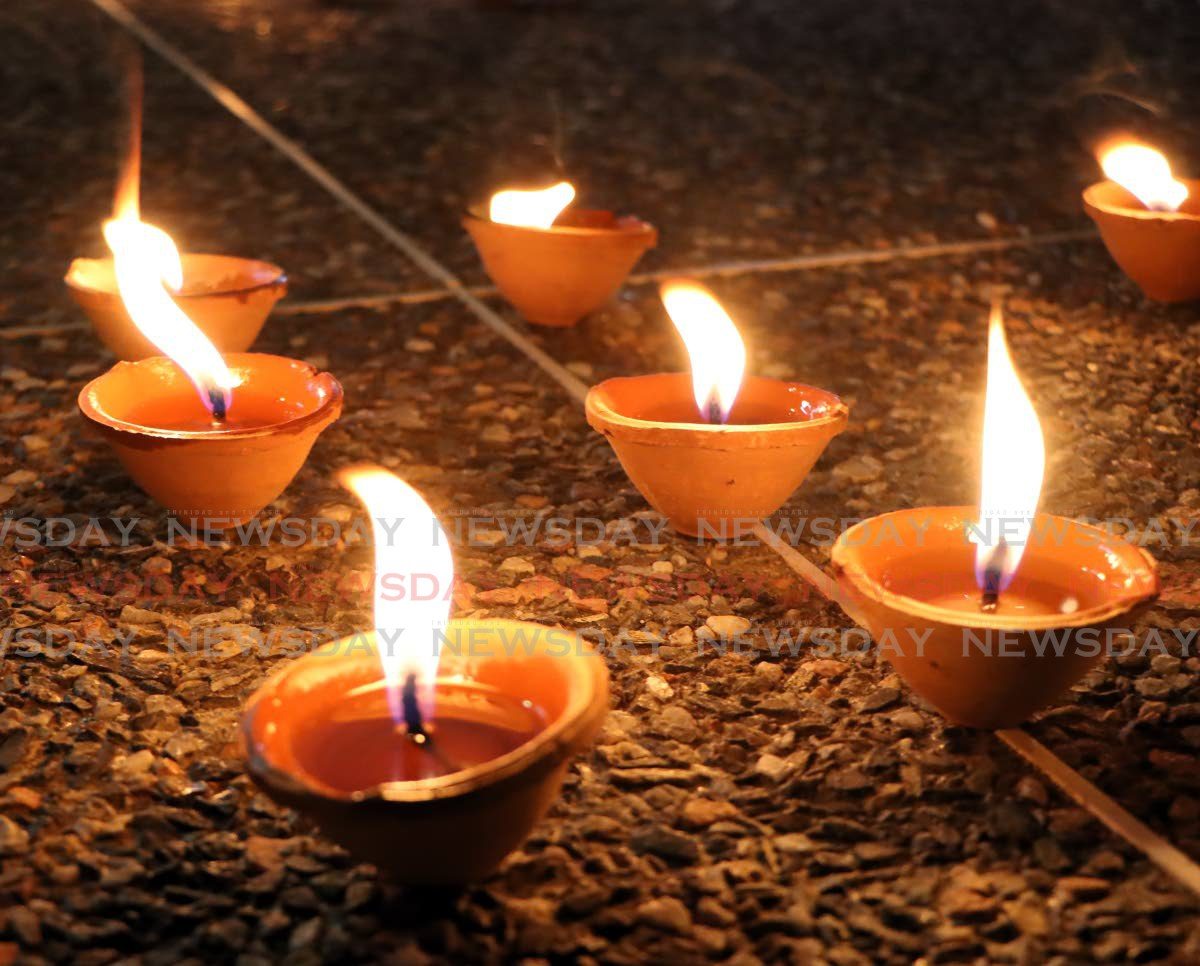
The Presbyterian Board has sparked a debate by limiting religious observances in its schools to Christian celebrations. While the board’s policy aims to protect its religious identity by restricting non-Christian observances to educational purposes, critics argue that this approach should not encroach on regular school hours. The board’s stance, which emphasizes preventing the erosion of its religious beliefs and practices, has been met with mixed reactions. Iqubal Hydal, a concerned citizen, suggests that Presbyterian schools should remain open on non-Christian religious holidays, such as Divali, to educate students about diverse faiths. This, Hydal argues, would place the board on higher moral ground by fostering inclusivity and understanding. The discussion highlights the delicate balance between preserving institutional religious identity and promoting interfaith education in a multicultural society.