
From dawn till dusk, Barbadian farmers labor tirelessly, nurturing crops, tending livestock, and ensuring food reaches every table across the island. Their relentless efforts are the backbone of the nation’s food security, a cornerstone of life that World Food Day 2025 seeks to honor. Observed on October 16 under the theme “Hand in Hand for Better Food and a Better Future,” the day serves as both a tribute to farmers and a reminder of the collective responsibility to safeguard food systems. Acting Chief Agricultural Officer Michael James emphasized that agriculture is the foundation of life, a task that requires unity and collaboration. “We cannot do it alone. Farmers need support from the ministry, and the ministry needs the public’s participation,” he stated. James highlighted the challenges farmers face, including praedial larceny, which disrupts the supply chain. To combat these issues, the Ministry of Agriculture has implemented rebate programs, introduced drought-resistant crop varieties, and strengthened livestock resilience initiatives. Modernization efforts are also underway, with upgraded laboratory facilities and a new tissue culture facility to ensure clean planting materials and higher yields. The Barbados Agricultural Development and Marketing Corporation (BADMC) is expanding its Accelerated Cultivation Programme, focusing on key crops like onions, sweet potatoes, and yams to boost local production and market opportunities. World Food Day celebrations in Barbados extended beyond a single day, encompassing a week of educational activities. Students visited agricultural facilities, while the public enjoyed an open day at the Ministry of Agriculture, featuring machinery demonstrations, innovative farming techniques, and local produce displays. The event also included community outreach, with food hampers distributed to organizations supporting vulnerable populations. James urged Barbadians to embrace locally grown produce, echoing the words of agricultural pioneer Carmeta Fraser: “Eat what you grow, grow what you eat.” He emphasized that the theme “Hand in Hand for Better Food and a Better Future” is a call to action for healthier citizens, empowered farmers, and a nation that values its food. The Ministry of Agriculture reaffirmed its commitment to ensuring nutritious, affordable, and safe food for all, aligning with the government’s vision for a self-sufficient Barbados.
分类: society
-

All Saints West town hall meeting rescheduled for Thursday, October 23
The highly anticipated town hall meeting in All Saints West, organized by Member of Parliament Hon. Anthony Smith Jr., has been postponed due to adverse weather conditions. Originally set for Friday, October 17, at Seaview Farm Primary School, the event has been rescheduled to Thursday, October 23, starting at 8 p.m. The decision was made with public safety in mind, ensuring residents can attend without risk. The meeting will address critical local issues, including road improvements, water system upgrades, healthcare services, security measures, and economic opportunities. Prime Minister Gaston Browne is slated to attend as a special guest, providing updates on financial policies, economic development, and his government’s vision for the constituency. Other notable speakers include Hon. Melford Nicholas, Minister responsible for the Antigua Public Utilities Authority (APUA); Hon. Molwyn Joseph, Minister of Health; Hon. Maria Browne, Minister of Public Works; and Hon. Steadroy “Cutie” Benjamin, Minister of National Security. Organizers emphasize the importance of community participation and encourage residents to join the rescheduled event under the banner of #WeStillLegitWithSmith. The discussion will continue to focus on infrastructure projects and community development plans, aiming to foster progress and address local concerns.
-

Ministry of Education launches Digital OECS Harmonised Primary Curriculum
The Ministry of Education has unveiled the Digital OECS Harmonised Primary Curriculum (D-OHPC), a groundbreaking initiative set to transform primary education in the Eastern Caribbean. Launched in September 2025, the pilot phase is currently underway in Grenada, marking a significant step toward modernising the region’s educational landscape. The D-OHPC aims to create a new educational ecosystem by integrating advanced technology, including AI-powered planners, virtual classrooms, and digital resource repositories. Its objectives include standardising educational quality, fostering regional integration, and preparing students for a technology-driven future. The curriculum also shifts focus from traditional exam-based assessments to a more student-centred approach, emphasising interactive and inclusive learning environments. During the launch event on 9 September, OECS Curriculum Support Officer Johnell Mitchell highlighted the curriculum’s evolution, noting that it builds on the 2005 framework with enhanced features such as data analytics, lesson planning tools, and quizzes. Principals from pilot schools, including Jenner James of Grand Roy Government School and Kerwin Noel of Mt Pleasant Government School, praised the initiative for streamlining lesson preparation and improving educational delivery. Education Minister Sen. David Andrew underscored the importance of digital infrastructure, while Chief Education Officer Diane Abel-Jeffrey emphasised the role of technology in expanding access and inclusion. The D-OHPC aligns with the OECS PEARL (Programme for Educational Advancement and Relevant Learning) and Grenada’s national education plans, reflecting a shared commitment to modernising education. Deputy Chief Education Officer Deanne Francis-Thomas described the curriculum as a reimagining of teaching and learning, designed to prepare students for the 21st century. Permanent Secretary Lorraine St Louis-Nedd expressed gratitude to partners, including the Global Partnership for Education, for their support in bringing the curriculum to life.
-

Students receive laptops and e-books from Government of Grenada
In a landmark move to modernize education, the Ministry of Education of Grenada officially launched the Laptops and E-books in Secondary Schools Programme on October 6 at the Grenada Trade Centre in Morne Rouge, St George. The EC$9.2 million initiative, themed “Reimagining Education: Transforming Classrooms, Empowering Futures,” aims to equip every Form 1 and Form 2 student in public secondary schools with high-quality laptops and access to essential e-books.
-

Man Injured in Single-Vehicle Crash on Friars Hill Road
A severe single-vehicle accident occurred on Thursday night along Friars Hill Road, resulting in the hospitalization of the driver. Reports indicate that the driver, operating a black Honda Fit, was traveling southbound when he lost control of the vehicle. The car collided with a roadside rail near Woods Pond before coming to a halt several meters away on the opposite side of the road.
Emergency medical technicians swiftly responded to the scene, carefully extricating the driver from the wreckage. He was subsequently transported to a nearby hospital for medical attention. Although the exact nature and severity of his injuries remain undisclosed, witnesses noted that he appeared conscious as he was being taken away by ambulance.
In the wake of the incident, local authorities have reiterated their plea for motorists to exercise heightened caution, especially given the recent rainfall that has rendered many road surfaces slippery and dangerous. This accident serves as a stark reminder of the importance of safe driving practices, particularly under adverse weather conditions.
-

Lower Buckleys Reservoir Recommissioned as APUA Advances Major Water Infrastructure Upgrades
The Honourable Minister responsible for Utilities recently updated the Cabinet on the significant progress of water infrastructure improvements across Antigua, spearheaded by the Antigua Public Utilities Authority (APUA). These initiatives aim to enhance water distribution and storage capacity, addressing the island’s growing demands. Key developments include the reactivation of the Lower Buckleys Reservoir, which had been offline for six years. With a storage capacity of approximately 600,000 gallons, this reservoir will now support water distribution to Swetes, Follys, and Liberta. Additionally, expansion works at the Pigeon Point and Pattersons Plants are set to double their production capacity to 500,000 gallons per day, catering to the burgeoning yachting sector in the region. Plans are also underway to integrate the Pattersons Reservoir into the transmission and distribution system for St. Paul. Retail distribution piping works in the Montuella area will commence following the completion of re-piping projects in Cedar Valley. Furthermore, the hydraulic improvement programme on the northern side of the island includes the construction of two new concrete reservoirs at Wink-Eye Hill, New Winthropes. The Minister also highlighted ongoing coordination with the Ministry of Works on road repair and redevelopment projects, with assessments underway on major roadways, including All Saints Road from the Townhouse Junction to English Harbour. A definitive timeline for APUA’s re-piping works on All Saints Road is expected to be presented before the next Cabinet meeting.
-

Delay doesn’t mean no charges in school violence cases – Bailey
In a series of troubling incidents involving student-on-student violence, charges remain pending in two separate stabbing cases that occurred at or near schools, leaving victims with severe injuries. Assistant Commissioner of Police Trevor “Buju” Bailey, responsible for crime fighting, revealed that the approach to prosecuting alleged juvenile perpetrators has shifted significantly.
-
Flash Flood Watch for Antigua and Barbuda Extended
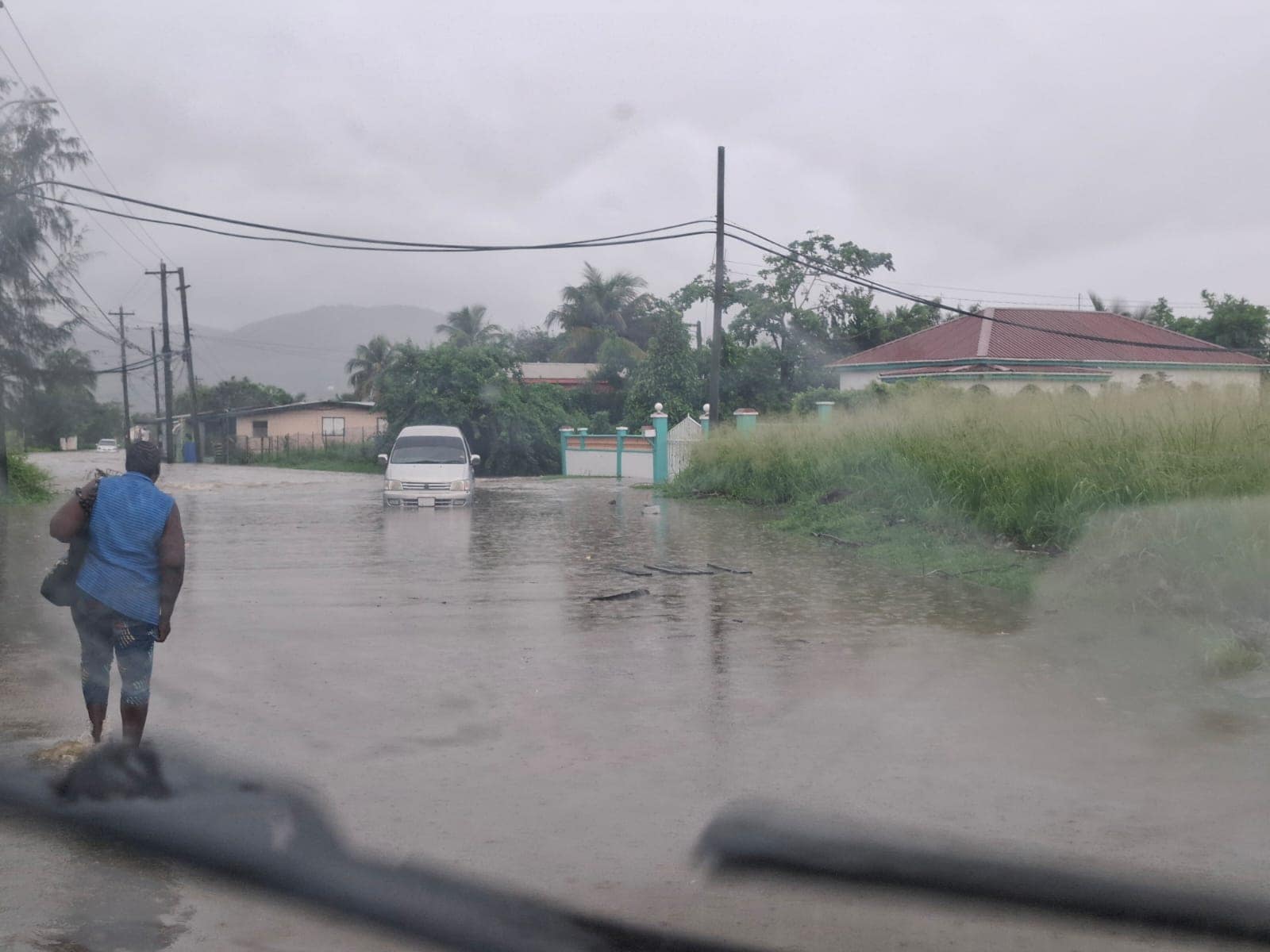
The Antigua and Barbuda Meteorological Service has issued a Flash Flood Watch effective from 6 a.m. to 12 noon today, with the potential for an extension. This advisory spans Antigua, Barbuda, Montserrat, St. Kitts, Nevis, Anguilla, and the British Virgin Islands, as a frontal trough continues to unleash heavy showers and thunderstorms across the northeastern Caribbean. Reports indicate that some regions have already experienced up to two inches of rainfall, with an additional two inches or more expected within the next 12 hours. Authorities are warning of moderate to major flooding, particularly in low-lying and flood-prone areas. Residents are strongly advised to remain vigilant, avoid flooded roads, and prepare to relocate to higher ground if conditions deteriorate or if a Flash Flood Warning is issued. The public is encouraged to stay informed through local media and official updates from the Antigua and Barbuda Meteorological Service. This situation underscores the importance of preparedness and timely response to natural disasters in the region.
-

Relatives paint contrasting pictures of man who killed his grandfather
In a tragic incident that shook the Collins community in 2020, Jareth Jamala John, a 25-year-old man, was sentenced to 20 years in prison for the manslaughter of his 94-year-old grandfather, Murrington Alston John. The crime, committed during a psychotic episode, has left the family divided in their perceptions of the defendant. During the sentencing hearing at the High Court in Kingstown, Justice Rickie Burnett referenced a social inquiry report that revealed starkly contrasting accounts of Jareth from his mother, Ivy John, and his unnamed brother. Ivy described her son as loving and helpful, emphasizing his close bond with his grandfather. She attributed his violent outburst to mental health issues exacerbated by marijuana use, which began at age 13. In contrast, Jareth’s brother painted a darker picture, alleging that the defendant had a history of violent behavior that instilled fear in the household. The brother claimed he had repeatedly urged their mother to seek mental health evaluations for Jareth, but she refused. The court also noted that Ivy had pre-existing mental health challenges. Jareth’s mental health reports indicated that his marijuana addiction, which he vowed never to quit, played a significant role in triggering his psychotic episodes. Despite his guilty plea and a reduced sentence due to diminished responsibility, the case highlights the devastating consequences of untreated mental illness and substance abuse.
-
VIDEO: PM Agrees St. Mary’s South Viewing Stand Taking Too Long
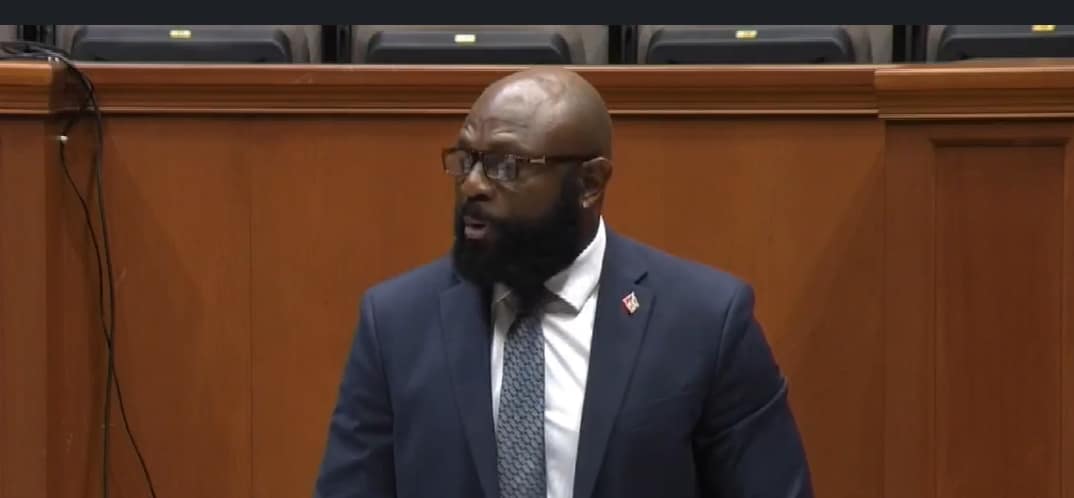
Prime Minister Gaston Browne has acknowledged the slow progress in the construction of the St. Mary’s South playing field viewing stand, agreeing with St. Mary’s South MP Kelvin Simon that the project is significantly behind schedule. During a recent session of the House of Representatives, Simon raised concerns about the delays, emphasizing that with only two months remaining in the year, the completion of the facility seems unlikely. Browne expressed his shared frustration, stating, “The viewing stand should have been completed by now.” He pledged to personally intervene to ensure the project is finished “within the shortest possible time.” The Prime Minister also mentioned that he would instruct the Minister for Rural East to investigate the contractor responsible for the delays. Browne clarified that there are no known issues with payments, suggesting that the contractor’s inefficiency is the primary cause of the holdup. While acknowledging that adverse weather conditions, such as rainfall, may have contributed to the delays, Browne emphasized that the construction of a viewing stand is not a complex task. He vowed to monitor the situation closely to ensure swift progress. The project, which includes both a viewing stand and an upgraded playing field, is designed to support local athletes and provide a recreational space for the St. Mary’s South community. The Prime Minister’s commitment to expediting the project reflects the government’s focus on addressing community needs and improving public infrastructure.