
The family of Merlissa Jhero, in collaboration with the Royal Police Force of Antigua and Barbuda, has issued a heartfelt plea for public assistance in locating the young woman, who has been reported missing. Relatives have expressed growing concern as Merlissa has not been seen for an extended period, and all attempts to reach her have proven futile. Authorities are urging anyone with even the slightest information to come forward and contact the police at 781-1990 or visit the nearest police station. The Royal Police Force emphasized that no detail is too small, as it could be crucial in ensuring Merlissa’s safe return. The community is being called upon to rally together and provide any leads that might help bring her home. Meanwhile, the family remains hopeful and is relying on the collective efforts of the public and law enforcement to resolve this distressing situation.
分类: society
-

Flow Issues Warning Over Scam Calls in Antigua and Barbuda
Telecommunications provider Flow has issued a critical public alert regarding a surge in scam calls targeting residents of Antigua and Barbuda. The company revealed that fraudsters are impersonating Flow representatives, attempting to extract sensitive personal information such as email addresses, verification codes, and urging victims to click on malicious links or claim non-existent prizes. These deceptive tactics aim to exploit unsuspecting customers, potentially leading to identity theft or financial loss. Flow has strongly advised residents to immediately disconnect any suspicious calls and refrain from engaging with the callers. To assist customers in verifying the authenticity of communications, the company has provided official contact numbers: 1-268-764-9238 and 1-800-804-2994. This advisory is part of Flow’s broader initiative to safeguard its customers from fraudulent activities and enhance cybersecurity awareness. The company emphasized the importance of vigilance and encouraged individuals to report any suspicious interactions to their customer service team promptly.
-

LETTER: Homes for Profit Not For the People
The rental market in Antigua has reached a critical juncture, with escalating prices and stagnant wages creating a dire situation for residents. Despite working full-time or juggling multiple jobs, many individuals find themselves unable to afford basic housing. Landlords, capitalizing on the demand, are raising rents without making necessary property improvements, exacerbating the crisis. The lack of government intervention and regulatory oversight has allowed this issue to spiral out of control, with decision-makers seemingly indifferent to the plight of their constituents. The situation is further aggravated by the practice of property hoarding, where multiple homes remain vacant for years, driving up scarcity and prices. The rental market’s focus on expats and short-term renters, who can afford inflated USD prices, has marginalized locals, pushing them into shared or substandard living conditions well into their 30s and 40s. The silence from policymakers is deafening, raising questions about their priorities and commitment to addressing this pressing issue. Urgent reforms are needed, including rent caps, serious regulations of the rental market, and policies to penalize long-term vacancies. Incentives for long-term rentals and measures to disallow short-term rentals in certain areas could help alleviate the crisis. The time for action is now, as the failure to treat housing as a human necessity rather than a profit machine continues to have devastating consequences for the community.
-
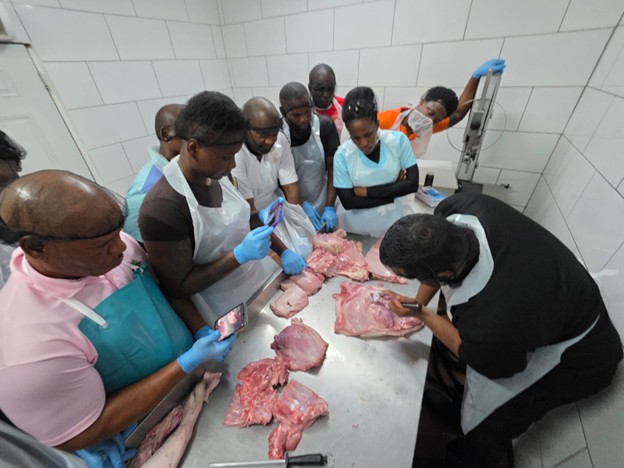
Local butchers sharpen skills in specialty cuts training
Saint Lucia has taken a significant stride toward modernizing its livestock sector and elevating food safety standards with the successful completion of a three-day Specialty Cuts Training program. Held from August 5 to 7, 2025, the initiative targeted both commercial and roadside butchers across the island, aiming to enhance their skills, improve meat quality, and boost its market value. The training, conducted by A.L. Waaldijk College, focused on critical areas such as proper meat handling, hygiene, and advanced cutting techniques. These efforts not only sought to refine the presentation and quality of meat but also to make it more appealing to local consumers. The program was a collaborative effort led by the Veterinary and Livestock Services Department under the Ministry of Agriculture, Fisheries, Food Security, and Rural Development, with support from the Food and Agriculture Organisation (FAO). Valley Cold Storage provided its facilities for the hands-on sessions, creating a professional environment for participants to hone their craft. Beyond professional development, the initiative demonstrated social responsibility by donating the specialty meat cuts prepared during the training to local humanitarian institutions, including Rosa Place and Cornerstone. Officials from the Veterinary and Livestock Services Department hailed the program as a crucial step toward building technical capacity, improving food quality, and creating economic opportunities within the livestock sector. The ministry reiterated its commitment to advancing Saint Lucia’s livestock value chain through continued innovation, collaboration, and the promotion of best practices that support both food security and social wellbeing.
-

Customs porter charged with drug importation and document offences
A customs porter has been formally charged in connection with the alleged importation of controlled drugs through the Vieux Fort Port in Saint Lucia. Christian Hippolyte faces charges under Section 5(3) of the Drug Prevention and Misuse Act for drug importation and Section 263 of the Criminal Code for uttering a false document. The charges stem from an extensive investigation conducted by the Royal Saint Lucia Police Force’s Gangs, Narcotics and Firearms Unit (GNF) and the Central Intelligence Unit (CIU). This operation is part of a larger intelligence-driven effort to dismantle narcotics trafficking networks exploiting legitimate shipping channels. Hippolyte appeared in court on October 14 and was granted bail totaling $15,000—$10,000 for the drug importation charge and $5,000 for the false document offense. Law enforcement officials emphasized that the investigation is ongoing, with the potential for further arrests as inquiries progress.
-

Man dead in late-night Pinelands shooting
A tragic late-night shooting in Stafford Hill, Pinelands, St Michael, has claimed the life of a 21-year-old man. The victim, identified as Chrishon Gooding of #18 4th Avenue, North Wildey Close, St Michael, was fatally wounded on Thursday evening. According to reports from the District ‘A’ Station, the incident unfolded around 11 p.m. when two unidentified assailants entered the area and opened fire. Gooding, who was seated nearby, was struck by the gunfire. He was rushed to the Queen Elizabeth Hospital via a private vehicle but later succumbed to his injuries. Authorities have launched a thorough investigation into the incident and are urging anyone with relevant information to come forward. Individuals can contact the Crime Stoppers Hotline at 1-800-8477, Police Emergency at 211, or the District ‘A’ Station at 430-7242 or 430-7246. The community remains on edge as law enforcement continues its efforts to bring the perpetrators to justice.
-

Young Barbadians champion resilience financing
On October 13, Barbados marked the International Day for Disaster Risk Reduction with a National Youth Platform, bringing together young people, government leaders, and international partners to focus on resilience financing. The event, themed ‘Fund Resilience, Not Disasters,’ emphasized the critical need to invest in measures that protect communities from climate and disaster risks. Youth leaders highlighted the devastating impacts of disasters on education, livelihoods, and well-being, while showcasing their innovative contributions to resilience-building. Interactive ‘resilience labs’ provided a space for young participants to exchange solutions, from climate-smart technologies to community-driven approaches, demonstrating their role as active agents of change. Captain Robert Harewood, Deputy Director of the Department of Emergency Management, opened the event by stressing the importance of involving youth in national resilience planning. United Nations Resident Coordinator Simon Springett called for intergenerational dialogue to ensure youth priorities inform policy and financing decisions. Saskia Carusi of the United Nations Office for Disaster Risk Reduction highlighted the increasing scale of disasters driven by extreme weather and risk-blind investments. The Government of Barbados reaffirmed its commitment to resilience, with Minister Wilfred Abrahams emphasizing that investing in resilience is a necessity for sustainable development. A youth-led panel discussion explored how youth innovation, financing, and partnerships can drive greater investment in resilience. UNICEF Youth Advocate Maria Marshall underscored the importance of viewing young people as agents of change rather than victims. The event concluded with the launch of the World Tsunami Awareness Day 2025 Film Festival and the presentation of youth recommendations to strengthen national and regional resilience strategies.
-
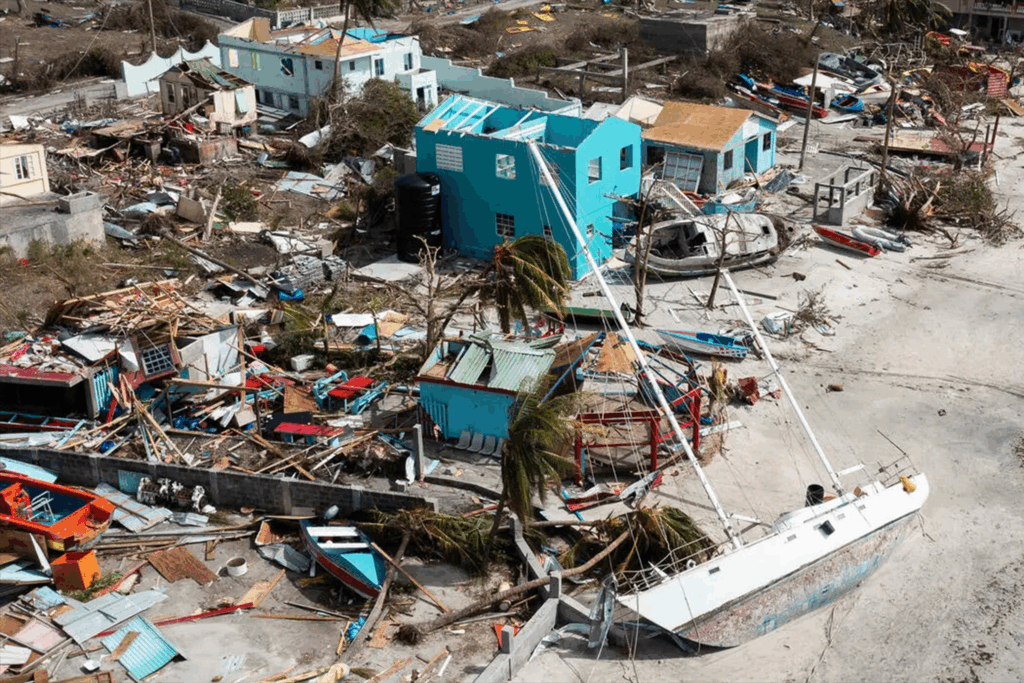
The Missing Meso-Level finance in disaster relief
When hurricanes devastate the Caribbean, the path to recovery extends far beyond rebuilding homes and infrastructure. It hinges on the ability of farmers to replace lost livestock, fishers to access damaged docks, market vendors to preserve perishable goods, and tourism workers to endure prolonged hotel closures. These individuals are the backbone of local economies, ensuring food security and the flow of goods. Yet, they are often the last to receive aid when disasters strike. While governments and traditional insurance systems play a role, they frequently fall short in addressing the urgent, small-scale needs of vulnerable communities. Governments focus on large-scale recovery efforts, such as restoring power grids and roads, but struggle to address individual needs like replacing a farmer’s contaminated well or a fisher’s equipment. Private insurers, meanwhile, cater primarily to businesses with formal assets, leaving informal workers—such as farmers without land titles or vendors without registered stalls—unprotected. This gap is where meso-level Climate and Disaster Risk Finance and Insurance (CDRFI) steps in. By connecting government resources, private insurance, and community organizations, CDRFI creates a collaborative system that delivers faster, fairer, and more localized support. Community institutions like cooperatives and NGOs act as direct links to vulnerable populations, leveraging their trust and local knowledge to distribute financial tools such as parametric insurance and community savings funds. Governments and private insurers provide broader financial backing, ensuring sustainability. This integrated approach not only protects livelihoods but also reduces strain on national budgets. Research by the Caribbean Policy Development Centre (CPDC) reveals that 79% of organizations serving vulnerable workers lack disaster response budgets, leaving them stranded during crises. Meso-level CDRFI empowers these organizations to access resources, deliver aid directly, and accelerate recovery. Beyond financial support, this model fosters trust, transparency, and local decision-making, essential for long-term resilience. As climate risks escalate, the Caribbean must adopt solutions tailored to its unique challenges. Meso-level CDRFI offers a promising pathway to connect informal workers with broader resources, ensuring a smarter, more resilient future for the region.
-

NODS Urges Drivers to Return Emergency-Designated Vehicles to Government Motor Pool
The National Office of Disaster Services (NODS), acting on behalf of the Antigua and Barbuda Transport Board, has issued a public notice urging drivers of vehicles designated for emergency or disaster use to return them to the Government’s Motor Pool immediately. This directive aims to ensure that these vehicles are properly accounted for and maintained, ready for deployment in future crises. The announcement underscores the importance of preparedness in disaster management, particularly in a region prone to natural disasters. The notice also highlights the collaborative efforts between NODS and the Transport Board to streamline emergency response mechanisms. Additionally, the message includes a promotional offer for advertising on Antigua’s most visited news site, emphasizing customizable and flexible digital marketing packages. For inquiries, interested parties are encouraged to contact [email protected].
-
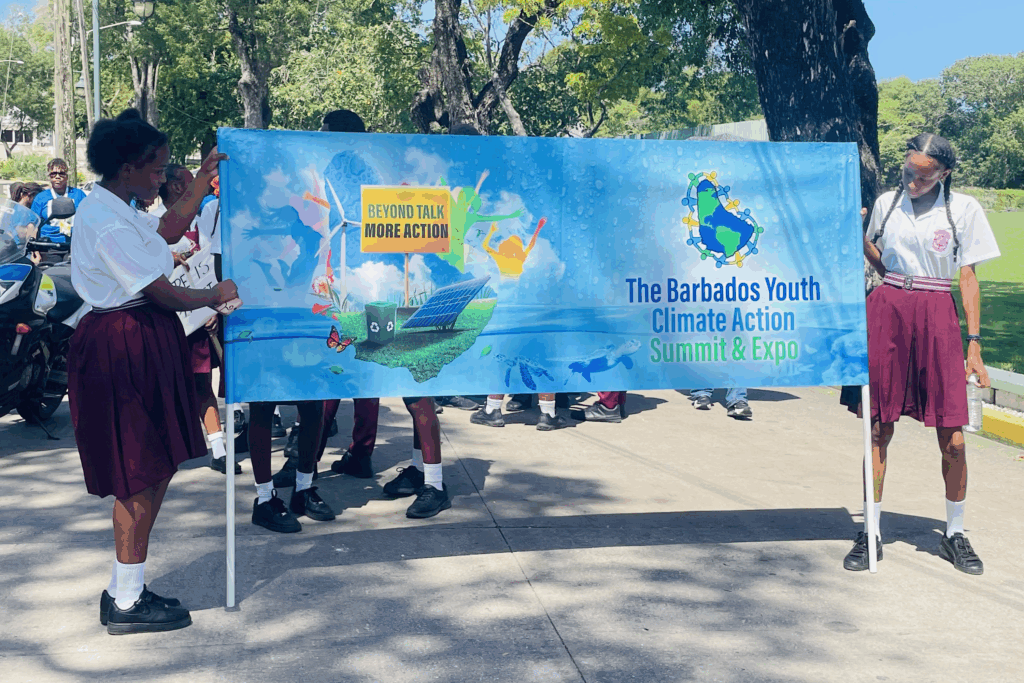
Students take to the streets for climate action
On a vibrant Thursday morning, the streets of Bridgetown, Barbados, resonated with the impassioned voices of primary and secondary school students chanting, “Beyond talk! More action!” This marked the second annual Student Climate March, a pivotal event of the Barbados Youth Climate Action Summit, orchestrated by the Ashley Lashley Foundation under the theme “Beyond Talk, More Action.” The march commenced at Queen’s Park, with students brandishing creatively hand-painted placards bearing urgent messages such as “Rising Temperatures Rising Action” and “The climate is changing, why aren’t we?” These slogans underscored their call for heightened environmental awareness and decisive action. Ashley Lashley, the foundation’s founder, expressed her enthusiasm for the event, emphasizing its mission to empower youth in climate advocacy. “This initiative is about fostering awareness and sensitization among our youth, helping them realize they have a voice in shaping a sustainable future,” she remarked. Participants from schools like Grantley Adams Memorial Secondary, Lester Vaughan School, and St Giles Primary united in chants such as “Climate action, who’s it for? For we future, that’s for sure!” Lashley also highlighted students’ growing concerns about the tangible impacts of climate change, particularly the rising temperatures affecting their classrooms. The march concluded with gratitude expressed to all participants, who were treated to refreshments. As the event wrapped up, the lingering chant, “This is our future, we gotta act now!” served as a powerful reminder of the urgency of their cause.