分类: society

  • Defence to Seek No-Case Ruling in Delano Forbes Murder Trial

    Defence to Seek No-Case Ruling in Delano Forbes Murder Trial

    A pivotal legal showdown is unfolding in the High Court where defense attorney Sherfield Bowen is mounting a vigorous challenge to dismiss the murder charge against Delano Forbes. Central to the defense’s argument is the prosecution’s alleged failure to present sufficient evidentiary foundation to even necessitate a formal defense. Justice Ann Marie Smith is poised to deliver a critical ruling on this no-case submission come December 11, a decision that could lead to Forbes’s acquittal for the 2018 killing of post office employee Maurison Thomas.

    The prosecution concluded its case after presenting approximately a dozen witnesses; however, the trial has been marred by significant evidentiary shortcomings. Crucially, several witnesses referenced a wallet allegedly discovered on Forbes at the time of his capture, yet this pivotal piece of evidence was never formally produced in court. Further complicating the prosecution’s narrative, crime scene photographs depicted Thomas’s identification cards lying beside his body, directly contradicting the claim that they were later recovered from the defendant.

    Adding to the prosecution’s challenges, a forensic officer testified to multiple investigative failures. These admissions included the critical oversight of not fingerprinting the suspected murder weapon and the failure to prepare a detailed crime scene diagram, thereby potentially compromising the integrity of the forensic investigation.

    In response, prosecutors built their case on alternative evidence. They emphasized that an army-colored hoodie, observed on a fleeing suspect, allegedly matched a garment discovered during Forbes’s arrest weeks later. This arrest also yielded items purportedly belonging to the victim. Corroborating this, video surveillance footage presented to the court reportedly shows an individual resembling Forbes examining a bag connected to Thomas.

    The proceedings carry added gravity as the 31-year-old Forbes is concurrently facing charges in three separate murder cases dating back to 2017 and 2018, amplifying the scrutiny on the judicial process and evidentiary standards in this trial.


  • St George man to face court on gun and six other charges

    St George man to face court on gun and six other charges

    A 28-year-old resident of Ellerton, St. George is scheduled for arraignment today at the District ‘A’ Criminal Court following his arrest on multiple serious charges. Jarell Stefon Sutherland faces formal allegations connected to a late November incident that prompted a comprehensive police investigation.

    Law enforcement officials have filed five distinct charges against Sutherland, including one count of illegal firearm possession. The most severe accusations involve four separate counts of endangering human life through the alleged use of a dangerous weapon. The named individuals in these charges are Akeil Jackson, Sachin Etwaroo, Chad Bynoe, and Brandon Devonish, all of whom were reportedly placed in imminent danger during the November 27th event.

    Additionally, Sutherland faces two counts of criminal damage to property belonging to Janelle Russell and Patel Puckerin. The Barbados Police Service completed their investigation and formally charged the suspect, who remains in custody awaiting judicial proceedings. The case has drawn attention to community safety concerns in the St. George parish, with local authorities emphasizing their commitment to addressing violent crime through rigorous enforcement of firearms legislation.

    The upcoming court appearance will determine the trajectory of the legal process as prosecutors prepare to present evidence supporting the multiple felony charges. Legal experts note that each endangering life charge carries potential significant prison time if convicted, separate from penalties associated with the firearm and property damage allegations.

  • LETTER: Appeal for Fair Treatment as Custodial Workers Detail Toxic Conditions

    LETTER: Appeal for Fair Treatment as Custodial Workers Detail Toxic Conditions

    Within the corridors of government ministries, custodial staff perform essential labor that remains largely invisible, yet their experiences reveal profound systemic inequalities embedded within institutional structures. These workers, responsible for cleaning and maintaining facilities, encounter challenges that extend far beyond physical tasks—they face deeply entrenched hierarchical barriers that mirror social caste systems.

    Many custodial employees report operating within workplace dynamics comparable to historical caste structures, where predetermined social positions dictate treatment and opportunity. Despite legal protections, these modern hierarchies perpetuate marginalization based on occupational roles rather than capability or merit. Unlike unionized educators or administrative staff who benefit from professional advocacy and grievance channels, custodial teams frequently lack institutional representation entirely.

    This representation vacuum creates environments where unfair treatment flourishes unchecked. Multiple accounts from government and school custodians describe being actively discouraged from communicating with supervisors, while supervisors themselves often feel powerless to advocate for their teams. The absence of formal support mechanisms leaves workers vulnerable to arbitrary disciplinary actions, malicious write-ups, and even dismissal for speaking against injustices.

    Disturbing testimonials include principals explicitly threatening custodians with transfer for dissent or reminding them that political connections secured their employment—implying that gratitude should outweigh demands for respectful treatment. These power imbalances foster cultures of intimidation where false theft accusations and targeted disciplinary measures become common occurrences.

    The core issue transcends the cleaning work itself, residing instead in institutional structures that determine whose voices matter and whose are silenced. Rigid hierarchies, combined with cultural devaluation of maintenance labor, create toxic work environments that demoralize dedicated professionals. This modern occupational caste system prioritizes perceived status over integrity or work ethic.

    Addressing these inequities requires fundamental systemic reform: establishing representation channels for custodial staff, implementing fair grievance procedures, and recognizing that workplace dignity should not be contingent on hierarchical position. Every worker deserves respect, advocacy, and advancement opportunities regardless of title or educational background. Until institutions undergo this critical reexamination, custodial personnel will continue bearing the burden of entirely preventable inequities.

  • Flagman to Receive Honorarium After 20 Years of Volunteer Service

    Flagman to Receive Honorarium After 20 Years of Volunteer Service

    In a landmark decision recognizing decades of patriotic service, the Cabinet has announced substantial financial provisions for Hilson “Flagman” Joseph, ending his twenty-year period of uncompensated ceremonial contributions. The resolution, disclosed by Director General of Communications Maurice Merchant during Friday’s post-Cabinet media briefing, follows formal recognition by Minister Anthony Smith of Joseph’s extraordinary volunteer record.

    Joseph has served as the nation’s primary flag ceremonialist at state functions, official gatherings, and sporting events since the early 2000s, performing all duties without remuneration. His iconic presence at national celebrations earned him both the affectionate nickname “Flagman” and a previous national award during Independence ceremonies.

    Under the new arrangement, Joseph will receive a significant one-time honorarium acknowledging his past service, complemented by structured ongoing financial support to facilitate his continued participation in national ceremonies. The Cabinet’s decision formalizes state support for one of the country’s most recognizable volunteers, ensuring his ceremonial expertise remains available for future national events.

    The announcement occurred within a broader briefing addressing multiple governmental initiatives, including healthcare modernization strategies, sports development programs, diplomatic nominations, and preparatory measures for the upcoming 2026 Commonwealth Heads of Government Meeting.

  • UWI FIC Guild President Welcomes Budget 2026’s Investment in Education and University Access

    UWI FIC Guild President Welcomes Budget 2026’s Investment in Education and University Access

    The recently unveiled 2026 National Budget of Antigua and Barbuda has drawn significant praise from student leadership for its substantial focus on educational accessibility and youth development. Presented by Prime Minister Honourable Gaston Browne, who also serves as Minister of Finance, the budget framework positions education as a fundamental national investment rather than merely a policy objective.

    Key initiatives include the government’s commitment to fully cover Caribbean Examination Council (CXC) fees for all students and the planned implementation of tuition-free education at the University of the West Indies Five Islands Campus for eligible citizens following the completion of ongoing expansion projects. These measures represent a strategic approach to eliminating financial barriers that have historically hindered academic and entrepreneurial aspirations among young citizens.

    From the perspective of student leadership, these budgetary allocations signal a transformative shift in educational policy. Kerron McKenzie, Guild President of the UWI Five Islands Campus, emphasizes that this investment in human capital development creates opportunities not just for individual students but for the broader national economy. The budget acknowledges that accessible education cultivates skilled graduates, innovative entrepreneurs, job creators, and competitive professionals who can contribute meaningfully to national progress.

    The tuition-free initiative at UWI Five Islands—contingent on eligibility criteria and infrastructure expansion—marks a structural transformation in higher education accessibility. It reinforces the principle that tertiary education should constitute an attainable opportunity for the majority rather than an exclusive privilege for few. This development is particularly significant for students pursuing fields aligned with national priorities such as banking, finance, innovation, sustainability, climate resilience, and youth empowerment.

    The 2026 Budget’s people-centered approach demonstrates the government’s recognition that sustainable national growth is intrinsically linked to empowering the next generation. By establishing education as a core pillar of development strategy, the administration provides youth with enhanced platforms for leadership development, business contribution, and support for the islands’ vision of sustainable advancement.

    Student leadership encourages fellow learners to perceive these commitments not merely as benefits to receive but as responsibilities to fulfill. This call to action emphasizes leveraging educational access to refine skills, expand professional networks, develop entrepreneurial ventures, and ultimately contribute to national development. The current moment represents an opportunity for elevated ambitions and tangible outcomes that will benefit both individual citizens and the nation collectively.

  • Inclusiveness in governance of trade unions

    Inclusiveness in governance of trade unions

    As fundamentally democratic institutions, trade unions operate through member-driven frameworks that prioritize legal compliance, financial transparency, and accountability under national legislation. These organizations embody governance principles including one-person-one-vote systems, fair electoral processes, and robust protection of speech freedoms, enabling active membership participation in strategic deliberations and policy formation.

    The critical importance of inclusive governance structures manifests through multiple dimensions: fostering internal solidarity, ensuring comprehensive workforce representation, enhancing decision-making quality, and securing long-term organizational sustainability. By guaranteeing representation across all demographic spectrums—including age, race, gender, disability status, and sexual orientation—unions strengthen their capacity to effectively advocate through collective bargaining, lobbying, and negotiation processes.

    Beyond membership consolidation, inclusive practices generate significant secondary benefits. Transparent governance correlates strongly with increased membership acquisition and retention, as participants value meaningful engagement in organizational operations and strategic planning. This participatory approach builds trust in leadership while reinforcing institutional credibility among both members and the broader public.

    In contemporary labor landscapes, unions must actively combat workplace discrimination through inclusive frameworks while advocating for equitable opportunity structures and influencing public policy toward societal fairness. The integration of social dialogue mechanisms remains essential for preventing organizational fragmentation and advancing working-class interests through strategic partnerships.

    The evolutionary trajectory for modern trade unions necessitates recognition that minority voice incorporation through inclusive governance not only aligns with democratic ideals but produces substantively superior outcomes across all operational domains.

  • CXC advocates greater access for visually impaired learners

    CXC advocates greater access for visually impaired learners

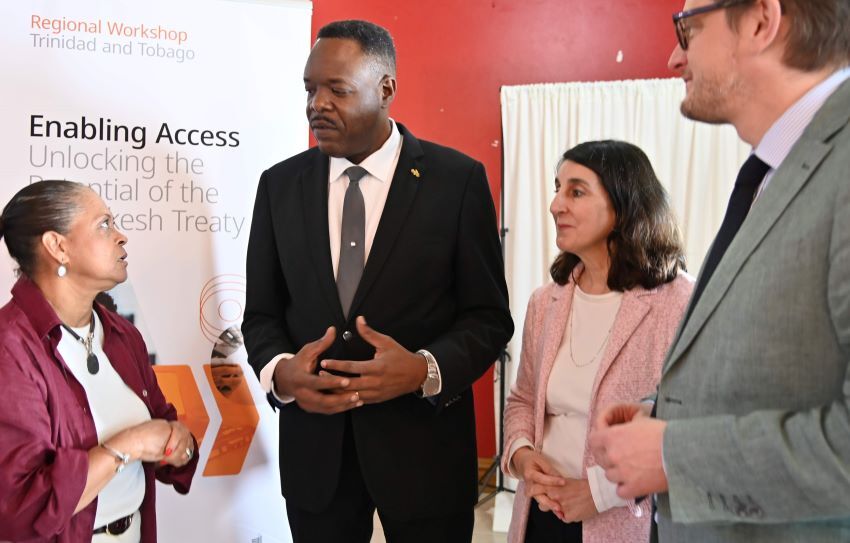
    In a significant move toward educational inclusivity, Caribbean Examinations Council (CXC) CEO Dr. Wayne Wesley has announced sweeping reforms requiring all educational publishers to produce materials in accessible formats compliant with the Marrakesh Treaty. The declaration came during a World Intellectual Property Organization workshop in Port of Spain, where Wesley addressed intellectual property experts, visually impaired community members, and library directors.

    The policy transformation will embed accessibility requirements into all publisher contracts, mandating braille, large print, and digitally accessible formats compatible with assistive technologies. Wesley emphasized that authorship selection will now prioritize creators who demonstrate explicit support for the Marrakesh Treaty provisions when prescribing texts for CXC syllabi.

    Statistical evidence underscores the urgency: Recent regional studies reveal over 0.1% of Caribbean children aged 5-16 experience blindness, with up to 0.3% having low vision. Specific national data shows 2.4% of Barbadian children under 18 live with visual impairment, while 64% of Trinidadian high school students have refractive errors requiring visual aids. Hearing impairment affects 4.9% of Jamaican students according to local research.

    The growing need is reflected in examination participation rates, with Special Arrangement Assessment requests increasing from 3,271 in 2024 to 3,444 across CAPE, CSEC, and CCSLC examinations scheduled for 2025.

    CXC’s multidimensional strategy includes advocacy campaigns urging Caribbean governments to formally adopt the Marrakesh Treaty, alongside comprehensive training programs for secondary educators. These initiatives will equip teachers with specialized knowledge and tools to support visually impaired and print-disabled learners effectively.

    Dr. Wesley framed accessible educational materials as both a moral imperative and strategic investment in human potential, concluding that ‘unlocking the full promise of the Marrakesh Treaty will empower all learners to read, learn, and thrive regardless of physical limitations.’

  • Minister defends letters on cost of education, nutrition checks

    Minister defends letters on cost of education, nutrition checks

    Barbados’ Minister of Educational Transformation Chad Blackman has robustly defended his ministry’s controversial initiative to inform parents about the substantial taxpayer-funded expenses underlying the country’s free education system. The move, which has drawn opposition criticism, forms part of a broader strategy to reinforce the value of education and enhance student welfare through improved nutritional oversight.

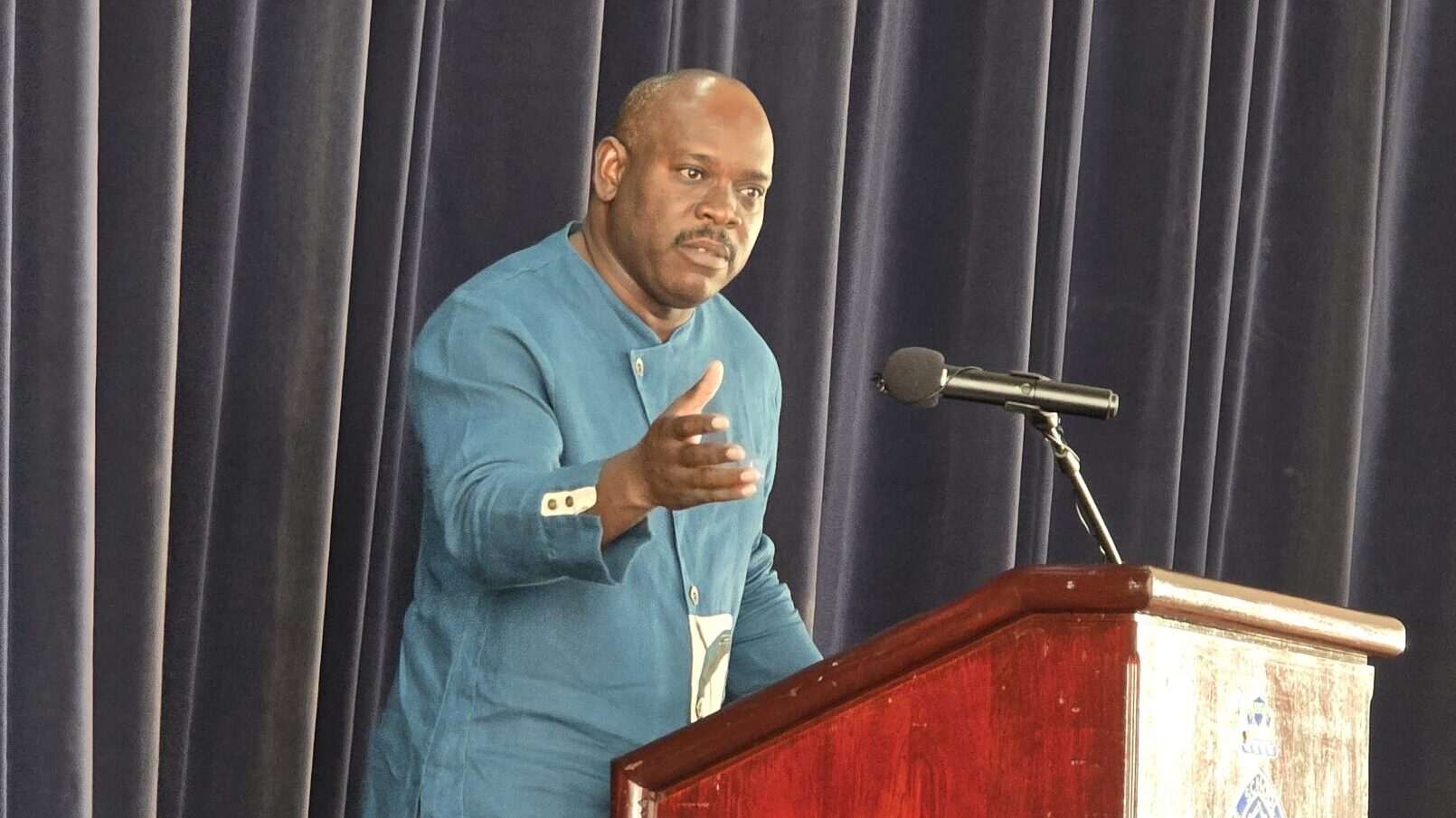
    Addressing attendees at St George Secondary School’s speech day, Minister Blackman articulated Barbados’ unique developmental philosophy: “Our nation lacks gold, bauxite, or substantial oil reserves. We are not a military power. Our superpower as Bajans resides in our intellect, ideas, and cognitive capabilities. When we invest in educating our youth, the entire nation ultimately benefits.”

    The minister emphasized that while education remains free at point of delivery, its substantial costs are collectively borne through taxation. “Comfort often breeds complacency toward valuable institutions,” Blackman noted. “Every renovated school, every trained teacher, every new facility represents investments paid not by parents at the delivery point, but by society through taxpayers. Recognizing this value remains essential.”

    With Barbados approaching its 60th independence anniversary next year, Blackman positioned the initiative as part of broader national reflection on educational investments. “Historical moments require helping citizens understand investment significance. Students must value both resources and opportunities.”

    The parental correspondence campaign—displaying zero balances for primary and secondary education while detailing actual costs—has faced opposition claims of being patronizing and failing to represent genuine accountability. Concurrently, the ministry is developing a national education tracker featuring individualized profile cards following each child from primary through secondary education, monitoring academic progression, technical skills, socio-emotional development, and personal interests.

    Regarding nutritional reforms, Minister Blackman reaffirmed his hands-on leadership approach: “I maintain direct engagement through ministry meetings and cabinet policy development, but when corrective action proves necessary, I personally visit sites to understand ground realities.”

    Citing Barbados’ escalating childhood obesity rates within a non-communicable disease epidemic, Blackman acknowledged unpopularity but stressed leadership persistence: “The ultimate objective remains preparing world-class Barbadian students equipped with values, discipline, and health to succeed globally.”

    Although health falls outside his ministerial portfolio, Blackman emphasized collaborative responsibility: “We are working with food vendors toward common solutions. Government recognizes vendors’ contributions, but now requires coordinated action to ensure children access proper nutritional alternatives.”

  • Payouts from ‘next week’ as govt mulls VAT holiday

    Payouts from ‘next week’ as govt mulls VAT holiday

    The Barbados Ministry of Finance confirmed on Friday that thousands of qualifying low-income taxpayers will receive financial relief this holiday season through the Reverse Tax Credit (RTC) program. The $1,300 payments are scheduled to commence distribution as early as next week, providing timely support during the Christmas period.

    Finance Minister Ryan Straughn announced that eligible recipients can expect direct bank deposits around December 18-19, coinciding with the government’s accelerated payroll schedule. “Once people have provided the correct bank account information, payments will go straight into their accounts,” Straughn stated. Those without banking facilities will receive physical checks through postal services, though with potentially longer processing times.

    The RTC constitutes an annual December disbursement designed to supplement household incomes during the festive season. Minister Straughn emphasized that late tax filers remain eligible for payments within a two-year window but encouraged timely submissions to expedite processing.

    In parallel developments, the government confirmed near-complete distribution of its one-time Solidarity Allowance, with over 200,000 taxpayers receiving $300 payments via electronic transfers or checks as of October. “We transferred all the money that National Insurance requested through the registration process,” Straughn noted, acknowledging minimal outstanding cases undergoing financial reconciliation.

    Regarding potential consumer relief measures, the Minister indicated that a VAT-free day remains under consideration despite economic improvements. Originally implemented during pandemic hardships, such measures now face evaluation against current economic indicators including tourism recovery, employment growth, and scheduled minimum wage increases in June and January.

  • Progress made with Barbados School Nutrition Policy

    Progress made with Barbados School Nutrition Policy

    Barbados is intensifying its national campaign to promote healthier dietary habits in schools through a comprehensive teacher training initiative. Deputy Chief Education Officer Julia Beckles emphasized that sustained commitment and unwavering consistency are crucial for achieving lasting change in student nutrition practices.

    Speaking at the inaugural Barbados School Nutrition Policy (BSNP) Teachers’ Capacity Training Workshop held at Erdiston Teachers’ Training College, Beckles acknowledged preliminary progress in beverage reformulation while stressing the need for continued effort. “We have been able to make some gains there… Consistency is important, and therefore we want to ensure that we are not doing what is right only when someone is looking,” Beckles stated.

    The education official issued a direct appeal to both school campaign coordinators and food vendors operating near educational institutions, urging them to “continue to do what is right in offering our students healthy alternatives” despite potential challenges or reduced oversight.

    Approximately 130 educators representing nursery, primary, secondary, and private institutions participated in the specialized workshop designed to support nationwide implementation of the nutrition policy. The training program forms part of a broader governmental strategy to cultivate healthier school environments, enhance policy execution mechanisms, and develop institutional capacity throughout Barbados’ education system.

    Curriculum modules addressed multiple facets of school nutrition improvement, including techniques for creating supportive food environments, integrating nutrition education into standard curricula, ensuring policy compliance, and developing collaborative strategies to reinforce healthy eating behaviors among students.

    Beckles commended participating educators for their dedication to the nutrition policy’s successful implementation, recognizing their frontline role in shaping the dietary habits of Barbados’ youth population.