
KINGSTON, Jamaica — The Jamaican government has pledged to investigate allegations of price gouging in western Jamaica in the aftermath of Hurricane Melissa. Prime Minister Dr. Andrew Holness made the announcement during a session of the House of Representatives on Tuesday. The hurricane, which struck on October 28, caused significant damage in southwestern parishes, leading to reports of inflated prices for essential goods and services, including food, gasoline, building materials, and transportation fares. Member of Parliament for Westmoreland Western, Ian Hayles, highlighted the severity of the issue, noting that prices in his constituency had doubled. He urged the government to take immediate action to protect citizens from exploitation. In response, Holness acknowledged the gravity of the situation and revealed that he had already instructed the Minister of Industry, Investment, and Commerce, Senator Aubyn Hill, to launch an investigation. The Prime Minister emphasized that while existing price control measures are limited to specific items such as food and essentials, the government is committed to enforcing regulations to ensure fairness during the recovery period. ‘In times of disaster, everyone is expected to act responsibly to support national recovery,’ Holness stated.
分类: society
-
Sandals, Beaches returning strong
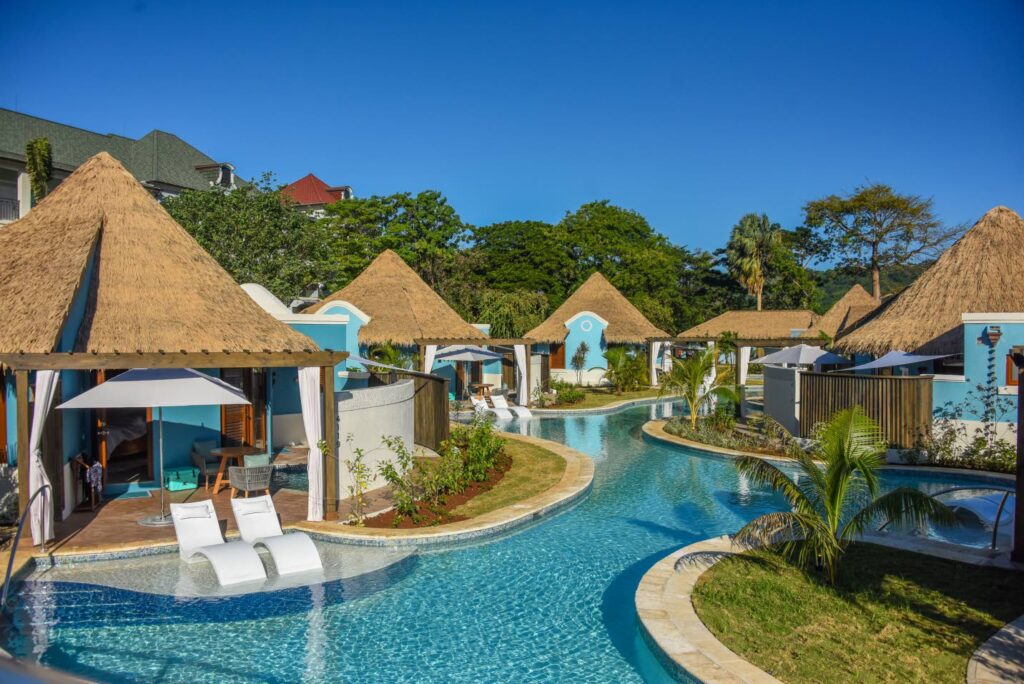
Sandals Resorts International (SRI) has unveiled its phased reopening plan for its Jamaican properties following the aftermath of Hurricane Melissa. The luxury resort chain confirmed that its Ocho Rios and Negril locations will resume operations on December 6, 2025, allowing team members ample time to recover and support their families and communities. SRI Executive Chairman Adam Stewart praised the resilience of the staff, stating, ‘Our team members have shown extraordinary commitment, and their spirit is indomitable. We are dedicated to helping those affected by the storm rebuild stronger.’ The decision follows a thorough assessment of all eight resorts across Jamaica, with Sandals Dunn’s River, Sandals Royal Plantation, Sandals Ocho Rios, Sandals Negril, and Beaches Negril set to reopen fully restored. Meanwhile, Sandals Montego Bay, Sandals Royal Caribbean, and Sandals South Coast will undergo extended improvements and are scheduled to welcome guests on May 30, 2026. Stewart, who also serves on Jamaica’s Hurricane Melissa Recovery Task Force, emphasized the critical role of tourism in the island’s recovery. ‘Tourism is vital to Jamaica’s national recovery. Guests can support the region by returning to the island they love,’ he said. Additionally, the Sandals Foundation, SRI’s philanthropic arm, is spearheading relief efforts to aid affected communities through education, development, and environmental initiatives, ensuring 100% of donations go directly to rebuilding efforts.
-

10 motorised wheelchairs donated to Sir John Golding Rehabilitation Centre
KINGSTON, Jamaica — In a significant move to support rehabilitation services, the Western Shamrock Lodge, in collaboration with Jiangsu Construction Group, donated 10 motorized wheelchairs to the Athlone Wing of the Sir John Golding Rehabilitation Centre on Wednesday. The handover ceremony marked a milestone in the long-standing partnership between the organizations and the Jamaican community. Dr. Christopher Tufton, Jamaica’s Minister of Health, praised the initiative, emphasizing its timely and symbolic importance. He highlighted the donation as a testament to the power of partnerships and friendships, stating, ‘Humanity depends on partnerships. It also symbolizes the strength of friendships, and out of friendship has come these long-standing partnerships. Everyone needs a friend at some point in time — they say no man is an island, no man stands alone.’ The motorized wheelchairs are expected to significantly improve the quality of life for patients with severe mobility challenges, offering them greater independence, comfort, and dignity. This donation continues the Western Shamrock Lodge’s two-decade tradition of supporting the Athlone Wing, reinforcing its commitment to community welfare and rehabilitation efforts.
-

SBAJ calls for coordinated national recovery effort
In the aftermath of Hurricane Melissa’s widespread devastation, the Small Business Association of Jamaica (SBAJ) has called for a unified national recovery strategy to assist its nearly 700 members and the broader small business community. Representing over 400,000 small and medium-sized enterprises (SMEs), the SBAJ emphasized the need for a multi-stakeholder committee to streamline relief efforts and ensure equitable distribution of resources.
-
Private sector groups urge swift, coordinated action from Gov’t in hurricane recovery effort
KINGSTON, Jamaica — Prominent private sector organizations in Jamaica have jointly addressed Prime Minister Andrew Holness, voicing their concerns over the sluggish pace of recovery efforts in the aftermath of Hurricane Melissa. In a letter dated November 2, the Private Sector Organisation of Jamaica (PSOJ), the Jamaica Manufacturers and Exporters Association (JMEA), and the Jamaica Chamber of Commerce (JCC) emphasized the urgent need for coordinated action to address the escalating humanitarian crisis. While commending the efforts of government agencies, first responders, and volunteers, the groups stressed that the current response is insufficient to meet the growing needs of affected citizens. They highlighted the critical importance of time, stating that lives depend on swift and efficient intervention. The organizations called for a streamlined national response with transparent roles, centralized coordination, and robust accountability mechanisms. To address the crisis, they proposed several key recommendations: 1. Immediate Humanitarian Intervention: Establishing centralized safe zones across the island to provide shelter, food, water, medical care, and sanitation for displaced individuals, particularly vulnerable groups like the elderly, women, and children. 2. Coordinated National Relief Command: Creating a National Relief and Reconstruction Command, led by a designated individual with the authority to mobilize resources, direct agencies, and engage international disaster-relief experts. 3. State of Public Emergency (SOE): Declaring an SOE in the most severely impacted areas to enable emergency powers for road clearance, search and rescue, and supply distribution. 4. Oversight and Transparency: Forming an Oversight and Recovery Committee within seven days, comprising representatives from the government, opposition, private sector, and civil society to ensure transparency and collective leadership. The PSOJ, JMEA, and JCC reaffirmed their commitment to partnering with the government and national stakeholders to rebuild a stronger, safer, and more resilient Jamaica.
-
Suspect in Rio Claro businessman’s murder at large
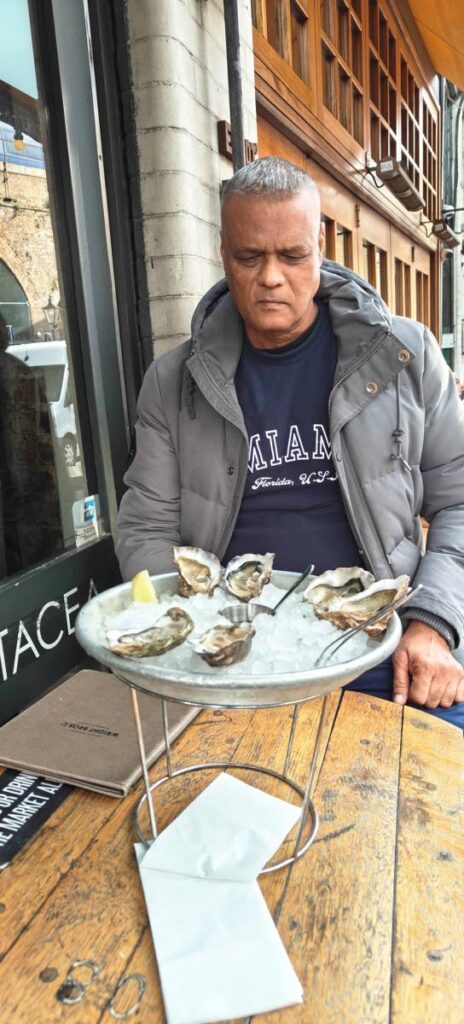
The investigation into the fatal shooting of 58-year-old businessman Sylvan ‘Lawah’ Boodan in Rio Claro remains ongoing, with the perpetrator still at large. Boodan, owner of Gloria’s Bar located at Jeffers Crossing on Tabaquite Road, was tragically gunned down on the morning of November 3. The incident occurred around 8:30 am on the premises of R. Baldeosingh Services Ltd (RBSL), a construction company in Poole Village, Rio Claro, where Boodan worked as a straightener and painter. Witnesses reported that an unidentified masked man approached Boodan near his car, called him by name, and after a brief exchange, fired a single shot. The assailant fled the scene, leaving Boodan to collapse and die in front of his vehicle. A relative suggested the murder might be connected to a dispute involving unpaid services to a spiritual advisor, or ‘obeah man,’ earlier this year. However, police have yet to confirm the motive. An autopsy is scheduled to be conducted this week at the Forensic Science Centre in St. James. The Homicide Bureau of Investigations, Region Three, is leading the case.
-
CoP on SoE detainees: Keep them inside
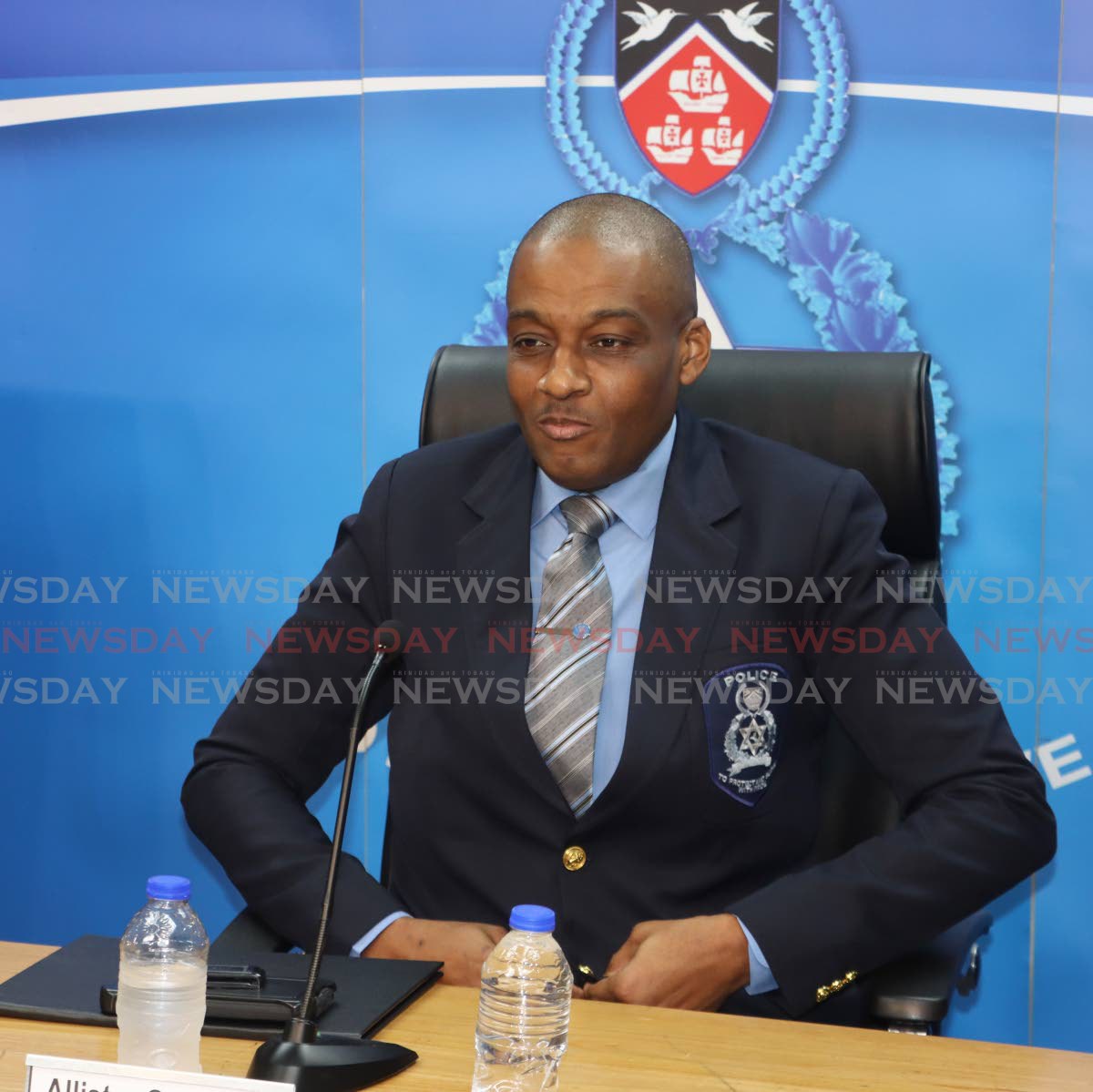
Commissioner of Police (CoP) Allister Guevarro has expressed strong support for the ongoing detention of 98 individuals under preventative detention orders (PDOs) during Trinidad and Tobago’s State of Emergency (SoE). The SoE, declared on July 18 and extended twice, has led to a notable decline in crime rates, with homicides dropping by 42%, violent crimes by 19%, and other serious offenses by 11%. Guevarro emphasized that the detainees, including a police officer and a prison officer, will remain in custody as long as the SoE persists, though he acknowledged their eventual release is inevitable. The CoP highlighted the effectiveness of the SoE in curbing crime but clarified that PDOs are preventive measures, not indictments of criminal activity. Prime Minister Kamla Persad-Bissessar assured that detainees retain access to justice, including the right to appeal to a tribunal or court. Deputy Commissioner of Police Suzette Martin reported over 2,000 charges filed since the SoE began, underscoring the collaborative efforts of law enforcement agencies. Guevarro urged public cooperation, warning that silence perpetuates crime, and emphasized the need for sustained vigilance to maintain the progress achieved.
-
Man arrested after groping Mexican president
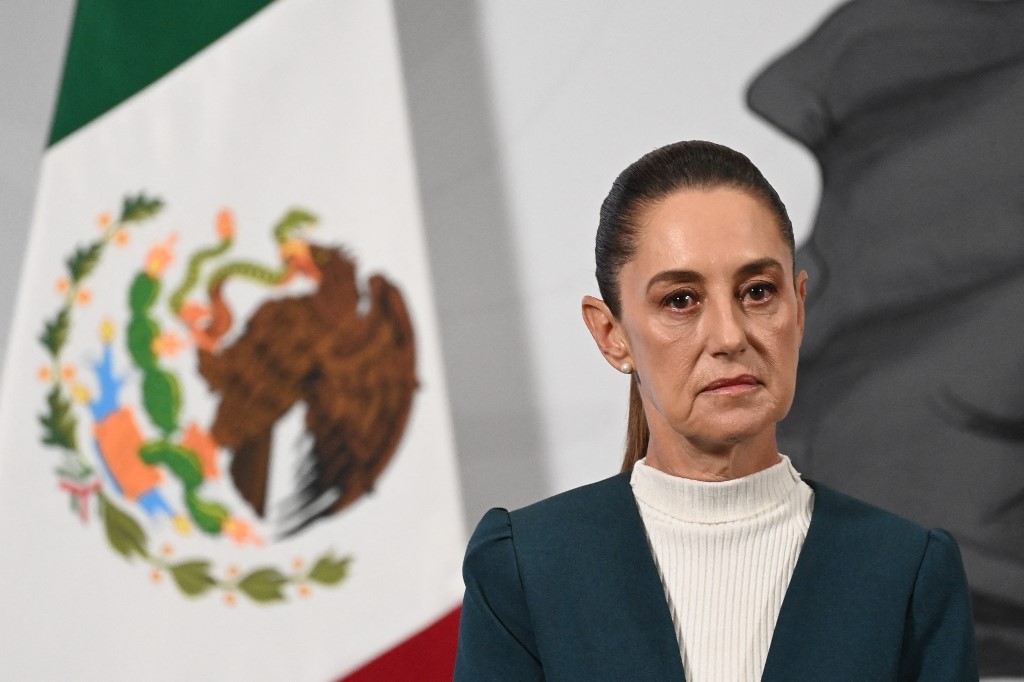
MEXICO CITY, Mexico—In a bold move to address gender-based violence, Mexican President Claudia Sheinbaum has called for the nationwide criminalization of sexual harassment. This comes after she was subjected to an unsettling incident on Tuesday, where a man groped and attempted to kiss her while she was walking to an event near the presidential palace. Videos circulating on social media captured the moment when the man, appearing intoxicated, approached Sheinbaum from behind, placing his arm around her shoulder and inappropriately touching her hip and chest while trying to kiss her neck. A member of the presidential security team intervened and removed the man from the scene. Sheinbaum, Mexico’s first female president, later filed a formal complaint with the police after learning that the individual continued to harass other women. Authorities confirmed the man’s arrest. At a press conference on Wednesday, Sheinbaum emphasized the need for systemic change, stating, ‘If they do this to the president, what will happen to all women in our country?’ She announced that her administration would review whether sexual harassment is classified as a criminal offense across all 32 federal districts, as current laws vary. Additionally, a nationwide campaign will be launched to combat such behavior. Sheinbaum also reflected on her own experiences of harassment in her youth, highlighting the pervasive nature of the issue. Despite the incident, she maintained composure, even agreeing to take a photo with the man before realizing the full extent of his actions upon reviewing the footage. The event has sparked widespread criticism of the president’s security protocols and broader societal attitudes that normalize violations of women’s personal space. According to UN Women, approximately 70% of Mexican women aged 15 and over have experienced at least one incident of sexual harassment in their lifetime.
-
Female Barataria student beaten, mother demands transfer
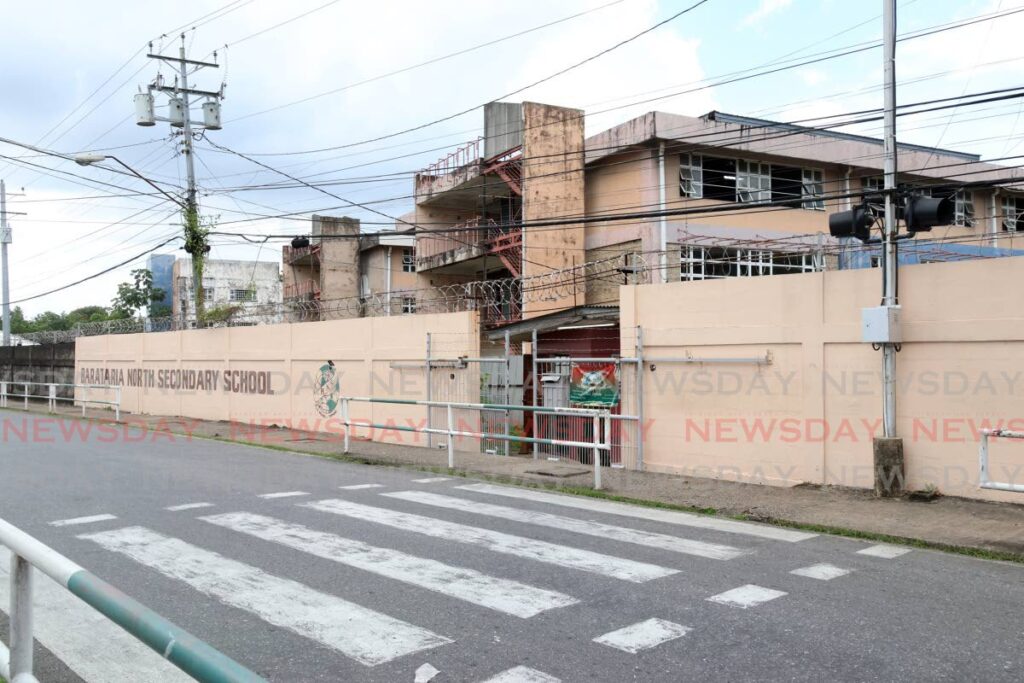
A violent altercation involving students from Barataria North Secondary School has prompted a mother to withdraw her daughter from the institution, citing fears for her safety. The incident, which occurred on November 4 near the school premises, was captured on video and quickly spread across social media platforms. The footage depicted a chaotic scene with numerous students engaged in physical confrontations, including male students assaulting female peers. Witnesses, including a woman wielding a shovel, attempted to intervene, shouting at the students to leave the area. Law enforcement officers present at the scene appeared visibly overwhelmed by the scale of the disturbance. The concerned mother, speaking to Newsday on November 5, expressed her apprehension about potential future attacks on her daughter and has formally requested a school transfer, urging the Education Ministry to expedite the process. Police investigations into the incident are currently underway.
-
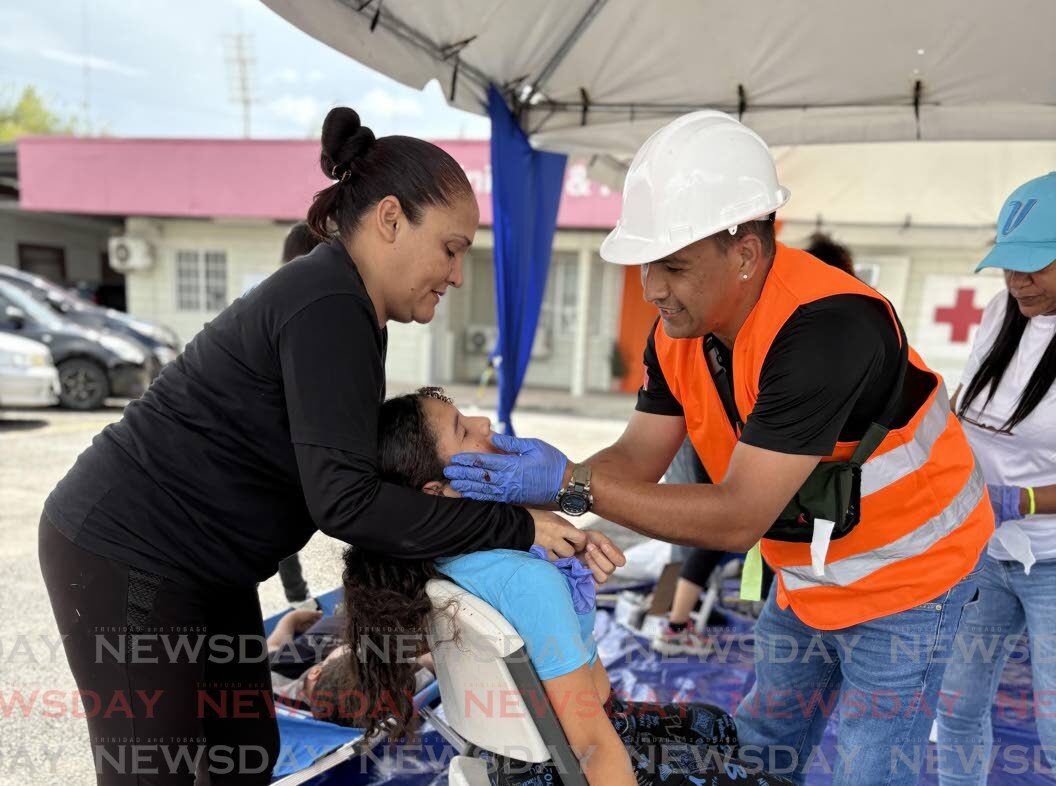
Social Development Ministry denies financial ties with Red Cross
The Ministry of People and Social Development in Trinidad and Tobago has clarified that it currently has no active financial relationship with the Trinidad and Tobago Red Cross Society (TTRCS). This decision stems from the TTRCS’s failure to meet compliance requirements, particularly the timely submission of audited financial statements. In a media release dated November 4, the ministry acknowledged that the TTRCS is in the process of updating its records and has recently submitted audited statements for the years 2019 to 2022. The ministry’s statement was issued in response to recent media reports concerning the TTRCS’s financial challenges. The ministry emphasized that once full compliance is achieved, it will assess the organization using established monitoring and evaluation procedures to determine future funding considerations. Both entities remain committed to their shared mission of supporting the most vulnerable members of society, a commitment reaffirmed during meetings earlier this year. On November 1, newly elected TTRCS vice president Edward Moodie revealed that the organization currently has no funds during the reopening of the Red Cross South Branch on Ruth Avenue, San Fernando. Moodie stated that the TTRCS is owed over a million dollars and may need to explore legal options to recover these funds. He also highlighted operational issues, including a breakdown in ambulance services and the need to renegotiate several contracts, particularly the Tobago contract, which he deemed financially unsustainable. The ministry’s stance echoes a June 4 media release, which addressed governance and management issues within the TTRCS. At that time, the ministry described the TTRCS as a key civil society actor but noted the absence of a financial relationship due to compliance issues. Both agencies remain committed to serving the most vulnerable in society, and the ministry anticipates that the TTRCS will continue to uphold principles of good governance, accountability, fairness, equity, and equality.