分类: society

  • With them, inside the chest

    With them, inside the chest

    Cuba has solemnly observed its annual tradition of paying homage to internationalist heroes who served in Angola, with nationwide ceremonies held on December 7. The commemorations included floral offerings from President Miguel Díaz-Canel and former leader Raúl Castro at Santa Ifigenia Heritage Cemetery, alongside a central political event and military ceremony at El Cacahual.

    The tradition, now firmly entrenched in Cuban national consciousness, honors the more than 300,000 Cubans who participated in the Angolan mission following Agostinho Neto’s call for assistance in preserving the nation’s independence. The day represents not merely remembrance of the fallen but celebration of living heroes—over 2,000 veterans who returned with vitality, identities, and the indelible mark of public service.

    Despite hurricanes, pandemics, economic limitations, and ongoing international pressure, the commemorations proceeded uninterrupted, demonstrating the resilience of Cuban national traditions. The ceremonies transform December 7 into a pilgrimage where families across Cuba visit pantheons containing immortal remains that continue to embody deeply rooted human values.

    The event featured emotional scenes of mothers, brothers, children, parents, grandparents, and neighbors pausing before niches of loved ones, offering flowers, contemplating images, and whispering reassurances that no hero is forgotten. The gathering served as a powerful expression of collective memory against the passage of time and potential oblivion.

    As Fidel Castro notably stated from El Cacahual during earlier commemorations: ‘The hundreds of thousands of Cubans who carried out internationalist military or civilian missions will always have the respect of present and future generations.’ This year’s ceremonies reinforced that enduring promise of perpetual respect and remembrance.

  • Graduation : 100 young people with disabilities graduate in massage therapy and functional rehabilitation

    Graduation : 100 young people with disabilities graduate in massage therapy and functional rehabilitation

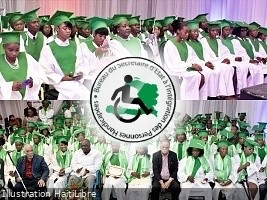
    Port-au-Prince witnessed a profoundly moving ceremony on International Day of Persons with Disabilities as 100 young Haitians with diverse disabilities—including visual impairments, mobility limitations, and other physical challenges—received professional diplomas in massage therapy and functional rehabilitation. These graduates successfully completed an intensive three-month vocational program designed to equip them with specialized healthcare skills.

    The Office of the Secretary of State for the Integration of Persons with Disabilities (BSEIPH) orchestrated this landmark event, which transcended conventional graduation ceremonies to represent a strategic advancement in Haiti’s national inclusion agenda. The occasion served as a powerful testament to human resilience, demonstrating how determination can overcome physical limitations and societal barriers. High-level government officials and international representatives attended, underscoring the ceremony’s significance within national development priorities.

    Secretary of State Génard Joseph articulated a transformative vision during his address, positioning persons with disabilities as active contributors to Haiti’s development trajectory. He emphasized that genuine inclusion requires moving beyond theoretical discourse to implement concrete measures including vocational education, psychological support services, employment accessibility, and facilitated civic engagement. The Secretary championed the concept of disabled individuals as valuable societal assets possessing professional expertise that benefits the broader community.

    The BSEIPH, in collaboration with its partner organizations, has committed to expanding these vocational training initiatives, creating additional pathways for young Haitians with disabilities to achieve professional certification, economic self-sufficiency, and meaningful social participation.

  • Women’s leadership event sparking local breakthroughs

    Women’s leadership event sparking local breakthroughs

    The Sandals Grande Palladium hosted a transformative gathering of female executives on November 29 as Influential BossLady’s ImpactUS 25 conference brought together CEOs, entrepreneurs, directors, and emerging leaders for a day of substantive dialogue and strategic learning.

    Unlike conventional motivational events, ImpactUS 25 distinguished itself by focusing on actionable insights and authentic success stories. The conference specifically addressed the challenges women face in bridging the gap between their current positions and their leadership aspirations, tackling both systemic barriers and deeply personal obstacles that have historically undermined confidence.

    Conference architect Shermalyn Sidonie-John, Brand Marketing Manager at GraceKennedy Ltd, inaugurated the proceedings with an expert masterclass on ‘influence capital.’ She articulated this concept as ‘how we are perceived in the minds of people who make the decisions,’ identifying three foundational pillars: Presence, Platform, and Power.

    Behavioral specialist Sharlene Jn Baptiste delivered a compelling session examining ‘The Bravery Gap,’ revealing how fear frequently masquerades as rational thinking. Her presentation emphasized radical self-honesty and the conscious rejection of fear-based decision-making in leadership development.

    The event’s keynote address featured GraceKennedy Ltd CEO Andrea Coy, who expounded on leadership as a multidimensional craft requiring both tactical execution and nuanced understanding of subtle dynamics. Coy emphasized that mastering core competencies significantly enhances a leader’s personal equity and professional presence.

    A particularly inspiring testimony came from Lorraine Sidonie, CEO of Events Company of Saint Lucia, who revealed how her goal-setting commitment at ImpactUS 2023 resulted in the publication of her book ‘Soul Medication’ on Amazon. This achievement represented a full-circle moment demonstrating the conference’s lasting impact.

    Two expert panels provided practical guidance on critical topics: financial literacy as an empowerment foundation and strategic self-care practices. The first panel, featuring Ava Beckles, Shermain George, Alisha Ally, and Ana-Kaye Green Marshall, explored ‘Money Moves for Leaders: Strategic Investment for Personal and Organisational Growth.’ A subsequent panel offered reflections from six distinguished women including Crisy Laurent, Dr. Natasha St Aimee, and other prominent figures.

    The conference’s most poignant moments emerged during attendee testimonials, where participants shared tangible outcomes from previous events—including business launches, enhanced communication skills, and renewed confidence. First-time attendees spoke openly about overcoming trauma and dismantling limiting mental patterns.

    One emerging entrepreneur captured the event’s value: ‘Hearing women discuss challenges I currently face and their solutions provided clear vision for what my future could look like after implementing these strategies.’

  • TBPS celebrates first female acting deputy police commissioner

    TBPS celebrates first female acting deputy police commissioner

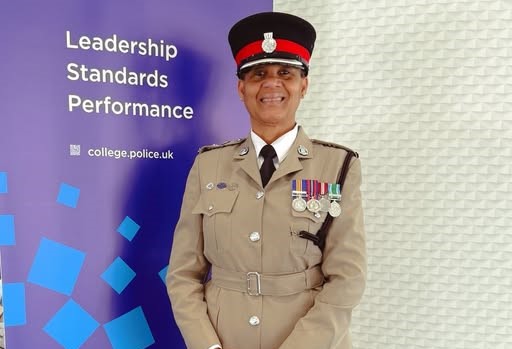
    The Barbados Police Service (TBPS) has reached a historic organizational milestone with the groundbreaking appointment of Sonia Boyce as the service’s first female Acting Deputy Commissioner of Police. This landmark promotion represents a transformative moment in Barbadian law enforcement history, signaling a new era of gender representation in the nation’s highest policing ranks.

    In an official communiqué endorsed by the Commissioner of Police and supported across all departmental ranks, the TBPS leadership publicly commended Boyce for her exemplary leadership qualities and steadfast dedication to law enforcement excellence. The service highlighted how her professional trajectory has established new precedents for advancement within the organization.

    “Your distinctive leadership capabilities, professional integrity, and unwavering commitment to public service have fundamentally paved the pathway for this extraordinary achievement,” the statement read. “Your exemplary conduct continues to serve as an inspiration to officers throughout all divisions and ranking structures within our organization.”

    The police service’s announcement further emphasized the profound symbolic significance of Boyce’s appointment, characterizing it as both a personal professional triumph and a defining institutional achievement for the entire nation. The statement expressed unanimous institutional support for Boyce’s new responsibilities, articulating confidence that her tenure would foster enhanced community relations, operational advancements, and progressive development within Barbados’ policing framework.

    This appointment occurs within the broader context of Caribbean law enforcement agencies increasingly recognizing the strategic importance of gender diversity in senior command positions. Boyce’s elevation to acting deputy commissioner represents a significant breakthrough in breaking traditional gender barriers within the region’s police leadership structures.

  • Lantern Festival centrepiece of National Day celebrations

    Lantern Festival centrepiece of National Day celebrations

    The Cultural Development Foundation (CDF) is revitalizing Saint Lucia’s cherished annual Festival of Lights, maintaining key traditions despite a streamlined December festival calendar. This cultural celebration serves as dual homage to both National Day on December 13 and the official commencement of the Christmas season.

    Historical significance underpins the festivities, as Saint Lucia’s National Day concurrently honors St. Lucy, the patron saint of light. The island’s nomenclature traces back to French sailors who allegedly shipwrecked on the feast day of Sainte Lucie.

    While Communications Director Kendal John acknowledges this year’s reduced festival scale, the organization has strategically preserved the lantern competition and core illumination events. “We have retained some elements for Derek Walcott Square, such as carol singing, but we are hoping to bring carolling back as a full festival next year,” John disclosed to St. Lucia Times.

    The lantern competition remains the festival’s centerpiece, demonstrating the artistic ingenuity of Saint Lucians across generations. The CDF facilitated this creative expression through comprehensive lantern-building workshops conducted in communities, educational institutions, and corporate environments.

    These educational initiatives represent a deliberate conservation effort for the ancient tradition of lantern crafting, which incorporates both Christian and pre-Christian customs venerating Saint Lucia and the patron saint of light. Anthony Wilkie Jr, Senior Officer for Training, Promotion and Development at the CDF, emphasized: “We feel the importance of encouraging all sectors within our society to be part of our traditions and to learn the various skills that contribute to those elements which are our cultural practices.

    For participants like Cassie Emmanuel, marketing officer at IBS Inc., the workshops provided inaugural hands-on experience. “It’s a fun experience, and it aligns perfectly with our corporate social responsibility, where we are looking forward to collaborating with the creative arts,” she noted.

    The festival schedule features public lantern judging on December 6 at the National Cultural Centre, followed by the grand lantern parade on December 12. This procession will originate at Vigie Playing Field at 7 p.m., featuring the Royal Saint Lucia Police Band, masqueraders, drummers, steelpan performers, folk dancers, stilt walkers, and Papa Jab with his entourage.

    The celebration culminates at William Peter Boulevard, transitioning into the Festival of Lights at Derek Walcott Square. The finale will incorporate a solo band, bamboo bursting, carol singing, traditional lighting ceremonies, and fireworks, collectively marking National Day’s arrival and inaugurating Saint Lucia’s Twelve Days of Christmas.

  • Combermere outlines improvement plans as exam results remain strong

    Combermere outlines improvement plans as exam results remain strong

    Combermere School is implementing a comprehensive modernization strategy that balances sustained academic achievement with substantial infrastructure improvements and character development programs. The institution’s roadmap was unveiled during its annual Speech Day and Prize-giving Ceremony, where exceptional students including Seleena Padmore (seven Grade Ones in CSEC) and Yusuf Abovat (top CAPE award) received recognition for their scholarly accomplishments.

    Academic metrics demonstrate consistent excellence, with the school achieving a 75% overall pass rate. Breakdown reveals 12% of all grades were Grade Ones, 31% Grade Twos, and another 31% Grade Threes. Twelve subjects notably recorded pass rates exceeding 80%, while CAPE results maintained a 94% overall pass rate matching the previous year’s performance.

    The modernization initiative addresses critical infrastructure needs through multiple channels. Chairman Captain Reverend Al Walcott announced significant upgrades including 20 new computers donated by alumni, complete reconstruction of mathematics and art rooms (to be renamed honoring former faculty Carl Bruhagan), and additional flooring for industrial arts classrooms. To address environmental challenges, the school is installing enhanced water storage tanks and pumps alongside new security surveillance systems.

    Accessibility improvements form a cornerstone of the modernization effort. Recent installations include central hall ramps for physically challenged individuals, with the board actively exploring solutions for upper-floor wheelchair access. Finance Minister Ryan Straughn, an Old Combermerian present at ceremonies, committed governmental support for accessibility upgrades pending project estimates.

    Character development receives equal emphasis through reinforced behavioral frameworks. The institution is strengthening parent-student-teacher partnerships focusing on positive communication, appropriate discipline, and emotional support. Reverend Walcott identified religion as the third foundational pillar for character formation, stressing early intervention in misconduct to cultivate responsible, respectful behavior aligned with the school’s humanitate ethos.

  • COMMENTARY: (Hidden History) Robert Nathaniel Robinson – A Caribbean-rooted genius who challenged a continent

    COMMENTARY: (Hidden History) Robert Nathaniel Robinson – A Caribbean-rooted genius who challenged a continent

    The remarkable journey of Robert Nathaniel Robinson—an African American mechanical engineering prodigy with Caribbean roots—represents one of history’s most overlooked narratives of diasporic excellence. Born in Jamaica in 1906 to a Dominican mother and Jamaican father, Robinson would eventually shape industrial policy alongside Joseph Stalin in the Moscow Soviet, achieving unprecedented political status for a Black man in the early 20th century.

    Robinson’s technical brilliance emerged not from formal education but through practical experience at Ford Motor Company’s Detroit assembly lines during the 1920s. His expertise captured the attention of Soviet recruiters seeking foreign talent to accelerate Stalin’s First Five-Year Plan for industrialization. Accepting their invitation, Robinson relocated to the USSR where he designed manufacturing systems, trained Soviet engineers, and ultimately earned election to Moscow’s governing council.

    His political position during the 1930s placed him in direct collaboration with architects of the Soviet state—a stark contrast to the racial discrimination facing African Americans in the United States. Robinson survived purges, anti-Black hostility, and four decades of Soviet life before eventually returning to the United States in 1986 through diplomatic efforts involving Ugandan officials and U.S. Information Service officer William B. Davis.

    Robinson documented his extraordinary experiences in the autobiography ‘Black on Red: My 44 Years Inside the Soviet Union’ (1988), providing rare insight into Soviet society through Black eyes. He died in Washington D.C. in 1994, leaving a legacy that connects Caribbean heritage to global technological influence.

    This narrative forms part of a broader tradition of diasporic achievement exemplified by figures like Dr. Fenton—a Tuskegee Airman who established agricultural colleges in Liberia—and Joseph Roane, another Tuskegee-trained scientist who revolutionized Soviet cotton production. Their collective stories demonstrate how Caribbean and African descendants have repeatedly contributed to global technological progress while often remaining unrecognized in their ancestral homelands.

    Robinson’s story offers contemporary youth a blueprint for transcending geographical and social constraints through technical mastery and unwavering dedication to excellence.

  • Struggle love

    Struggle love

    The romanticized concept of ‘struggle love’—relationships characterized by intense passion but severe financial hardship—is facing renewed scrutiny from counseling professionals and women sharing their lived experiences. This dynamic often sees one partner, typically the woman, making extreme sacrifices to sustain the relationship amidst poverty.

    Counselor David Anderson challenges the popular notion that financial strife strengthens relationships. “While some believe true partnerships are forged through mutual building, this premise only holds when there’s little to no actual struggling involved,” Anderson explained. “The trauma associated with persistent poverty often undermines relationship foundations rather than strengthening them.”

    Five women shared their powerful testimonies about the reality of struggle love relationships:

    Kym, now 33, reflected on her teenage relationship where she became a live-in housekeeper for her boyfriend’s extended family of eleven. “At 19, I mistook attention for love,” she recalled. “It took three years to realize I had become an unpaid domestic servant to his entire household.”

    Andrene, 27, described taking out a high-interest loan to finance her partner’s taxi business, only to find herself solely responsible for both household expenses and debt repayment. “He operated the taxi while I worked multiple jobs to cover our bills and the loan payments,” she revealed.

    Terika, 30, supported her partner’s music career through extreme deprivation. “He praised my ability to ‘hold it down’ with minimal resources,” she said. “The reality was constant hunger and weight loss until his success led him to abandon me for groupies.”

    Joette, 35, endured years of financial instability exacerbated by her partner’s gambling addiction. “We survived primarily through his mother’s support from England,” she shared. “After her passing, his immediate suggestion that I seek help from my parents revealed his perpetual dependency mindset.”

    Nita, 29, a single mother, briefly entertained a mechanic’s promises of support before recognizing the pattern. “He expected me to fund our household while his earnings disappeared mysteriously,” she stated. “I chose purposeful single motherhood over subsidizing a partner’s irresponsibility.”

    These accounts collectively demonstrate how struggle love frequently becomes a one-sided arrangement where women bear disproportionate financial and emotional burdens, often mistaking sacrifice for romantic commitment.

  • Banana Board urges farmers to register with catastrophe fund

    Banana Board urges farmers to register with catastrophe fund

    KINGSTON, Jamaica — Jamaican agricultural authorities are proactively mobilizing banana and plantain growers across the island to enroll in the specialized Catastrophe Fund administered by the Banana Board. This urgent call to action comes as the nation prepares for the approaching 2026 Atlantic hurricane season, which officially runs from June 1 to November 30 annually.

    The Catastrophe Fund represents a critical disaster-recovery insurance mechanism specifically designed to provide financial protection and stabilization support to Jamaica’s vital banana and plantain agricultural sector following devastating hurricanes and other catastrophic natural events. The program serves both export-oriented producers and those supplying domestic markets, ensuring comprehensive coverage across the agricultural supply chain.

    According to Janet Conie, General Manager of the Banana Board, registration for the insurance program operates on a voluntary basis with annual enrollment periods commencing each January. While the fund maintains operational availability throughout the entire year, farmers must complete registration procedures before the official start of hurricane season to qualify for potential claims disbursements.

    Ms. Conie emphasized the program’s extensive coverage parameters in discussions with JIS News, noting that protection extends beyond hurricane damage to include “floods and sudden disasters of any kind [including] windstorms.” She characterized the initiative as “one of the preparatory strategies that we have in place that kicks in whenever there is a disaster.”

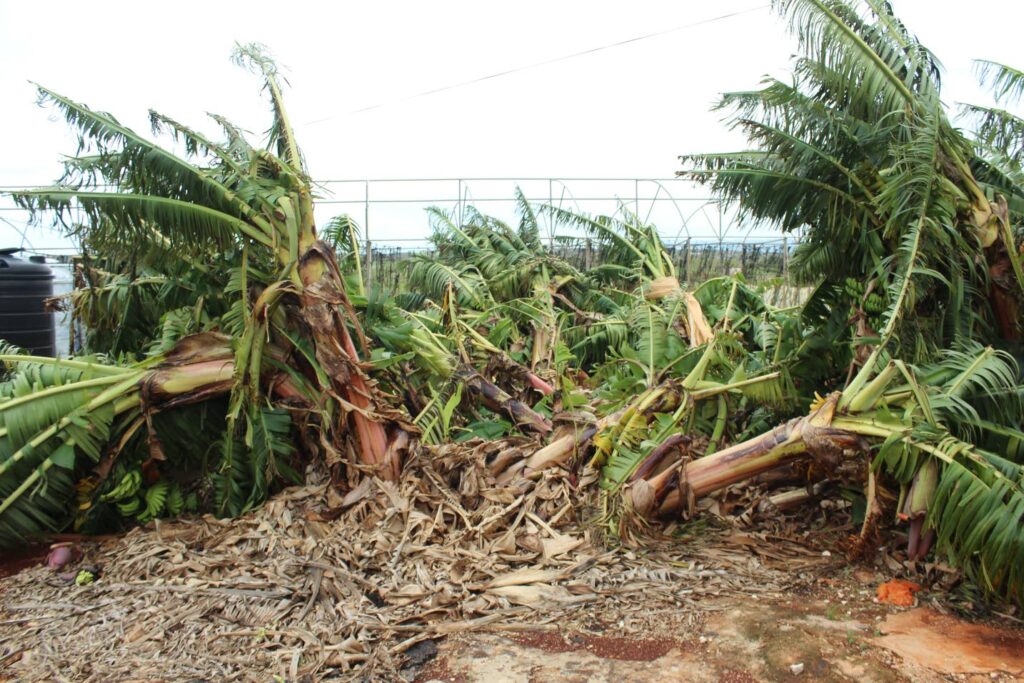
    The Catastrophe Fund is currently actively supporting recovery efforts for farmers affected by Hurricane Melissa’s devastating impact on banana and plantain cultivation, demonstrating the program’s practical implementation and value to agricultural communities.

    Interested farmers may initiate registration by contacting the Banana Board directly at (876) 922‑5490 for enrollment information and procedural details.

  • Fiancé left after I gave in

    Fiancé left after I gave in

    A relationship expert has responded to a poignant reader letter highlighting the emotional dangers of premarital intimacy testing, drawing from both personal testimony and psychological insight. The discussion emerged after a female reader recounted her traumatic experience with a former fiancé who insisted on testing sexual compatibility before marriage.

    The woman described how she reluctantly acquiesced to her ex-fiancé’s demands, subsequently became pregnant, and was abandoned when he declared them ‘incompatible.’ The situation escalated into personal devastation and community scandal, particularly when he married another woman. Though she eventually found love and marriage herself, the memory resurfaced painfully upon reading a similar contemporary query.

    The counselor acknowledged that men proposing such ‘tests’ often demonstrate selfishness and poor judgment while failing to comprehend the profound emotional consequences. However, he cautioned against blanket characterizations of all men as ‘users,’ noting the complex social pressures men face regarding sexual expectations. Peer pressure from friends and family—often expressed through mocking commentary—can create significant dilemma for men choosing abstinence.

    Additionally, women may inadvertently contribute to this dynamic by questioning a man’s devotion or health if he doesn’t initiate sexual activity. The counselor cited Dr. Myles Munroe’s observation that sexual drive represents humanity’s most powerful biological force, frequently compelling unwise decisions as evidenced by high-profile cases like Jeffrey Epstein and Harvey Weinstein.

    Globally, statistics indicate an average of nine sexual partners per individual according to World Population Review data, highlighting widespread promiscuity challenges. The emotional, physical, financial, and spiritual consequences can be devastating without proper desire management.

    The expert referenced biblical wisdom from Romans 7:15, where Apostle Paul describes the human struggle between intention and action, ultimately finding strength through spiritual conviction. The counselor advised the reader to pursue forgiveness, recognize her gained wisdom, and appreciate her current life including her child. He offered continued support through convenient online sessions, praying for her emotional healing and liberation from past trauma.

    Readers seeking guidance may contact Reverend Christopher Brodber via The Counsellor’s Couch column at the Jamaica Observer.