分类: society

  • E-Bike Stolen in Martin Village; Owner Appeals for Its Return

    E-Bike Stolen in Martin Village; Owner Appeals for Its Return

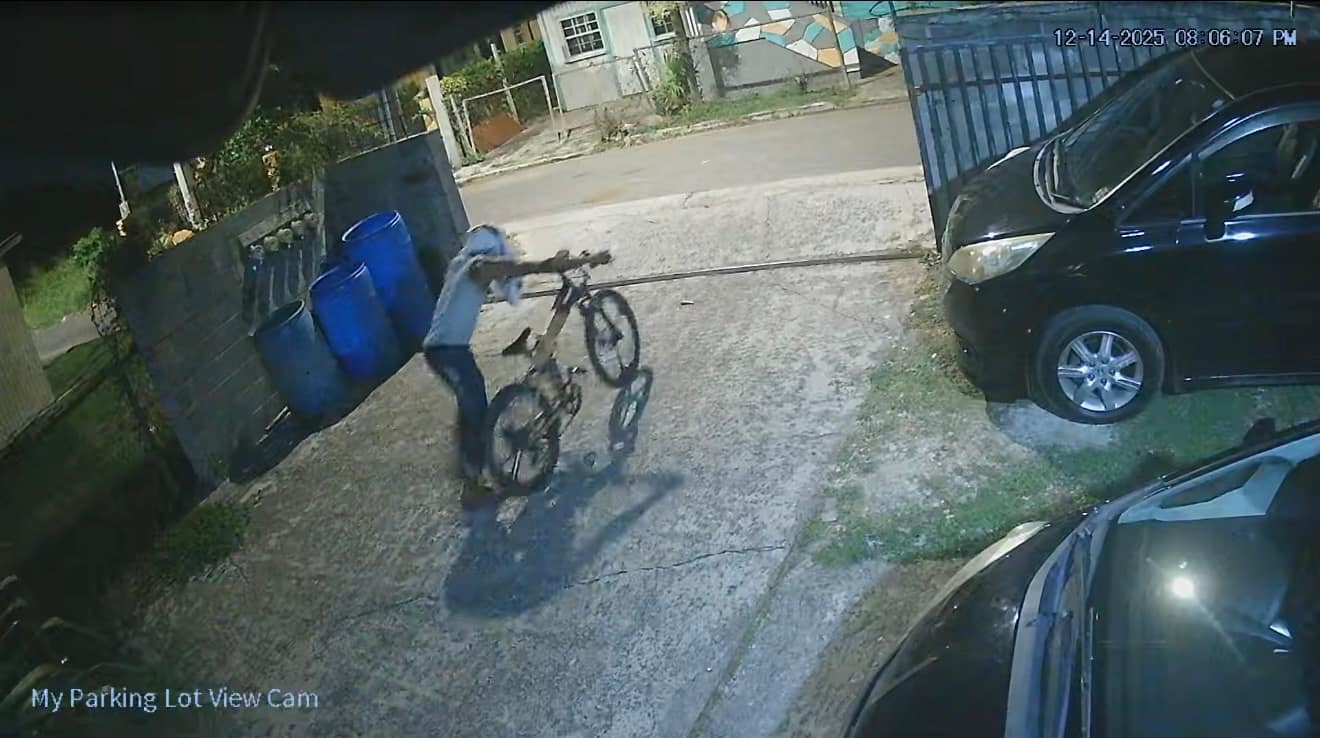
    A theft incident has been reported in Martin Village, where an electric bicycle was stolen during the morning hours yesterday. The crime occurred at approximately 8:05 a.m., marking a concerning violation of community security and personal property rights.

    The bicycle’s owner has issued a heartfelt appeal directly to the perpetrator, requesting the voluntary return of the valued personal transportation device. This plea emphasizes the importance of respecting others’ possessions and demonstrates a compassionate approach to resolving property crimes.

    Community safety advocates note that such incidents disrupt the sense of security in residential areas like Martin Village, where residents typically expect peaceful coexistence. The theft of personal mobility devices particularly impacts daily commuting routines and represents both financial and practical losses for victims.

    Local authorities have been notified of the incident and are likely reviewing available surveillance footage or witness accounts from the area. The timing of the theft during morning hours suggests the perpetrator may have capitalized on typical morning routines when residents might be less vigilant.

    This case highlights broader concerns about property crimes in residential communities and the need for increased awareness regarding personal asset protection. The owner’s decision to publicly appeal for the bike’s return rather than immediately pursuing punitive measures presents an interesting approach to conflict resolution in community theft cases.
  • Matthew Says National Festivals to Move Away From Last-Minute Planning, better budgeting

    Matthew Says National Festivals to Move Away From Last-Minute Planning, better budgeting

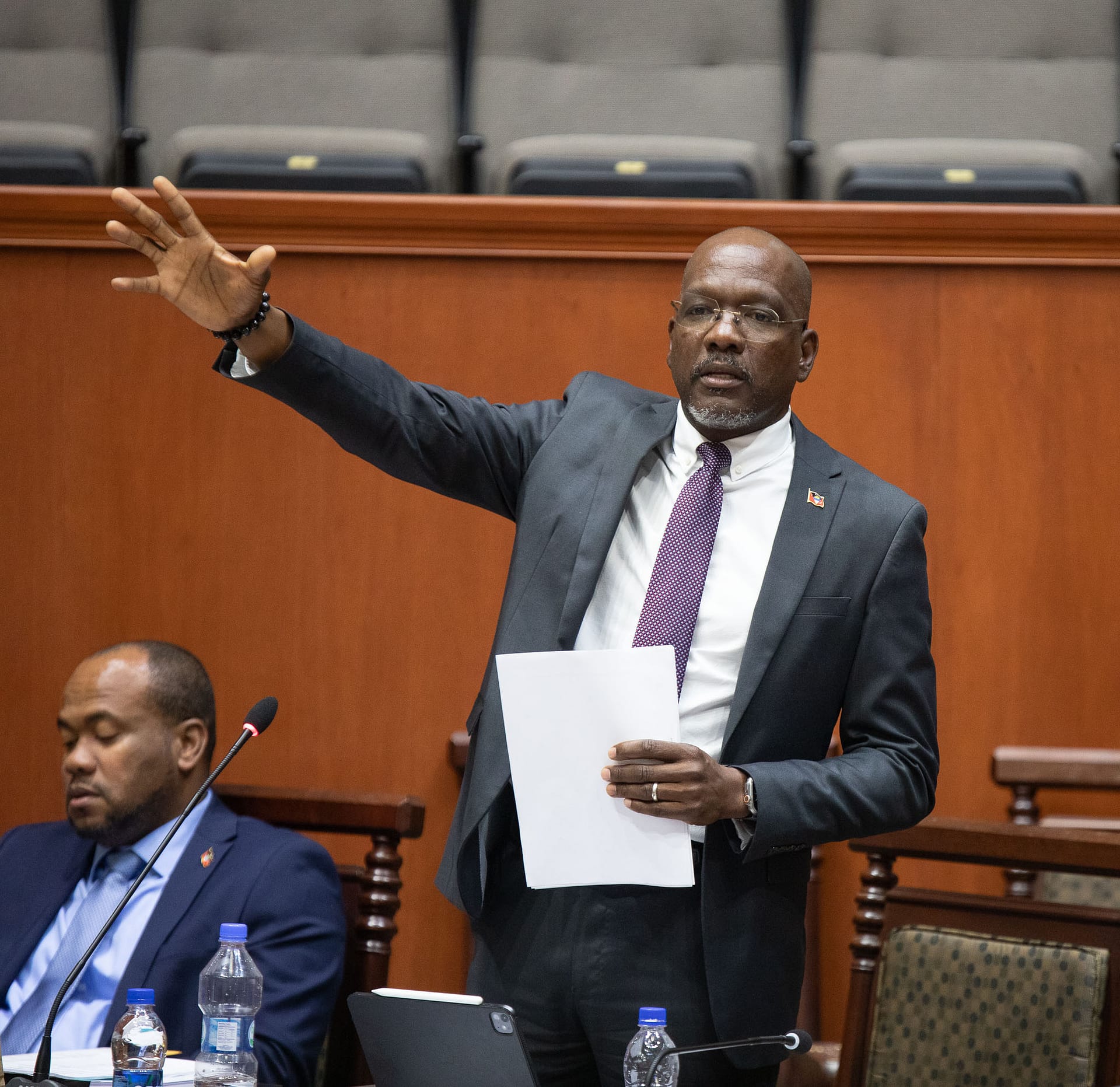
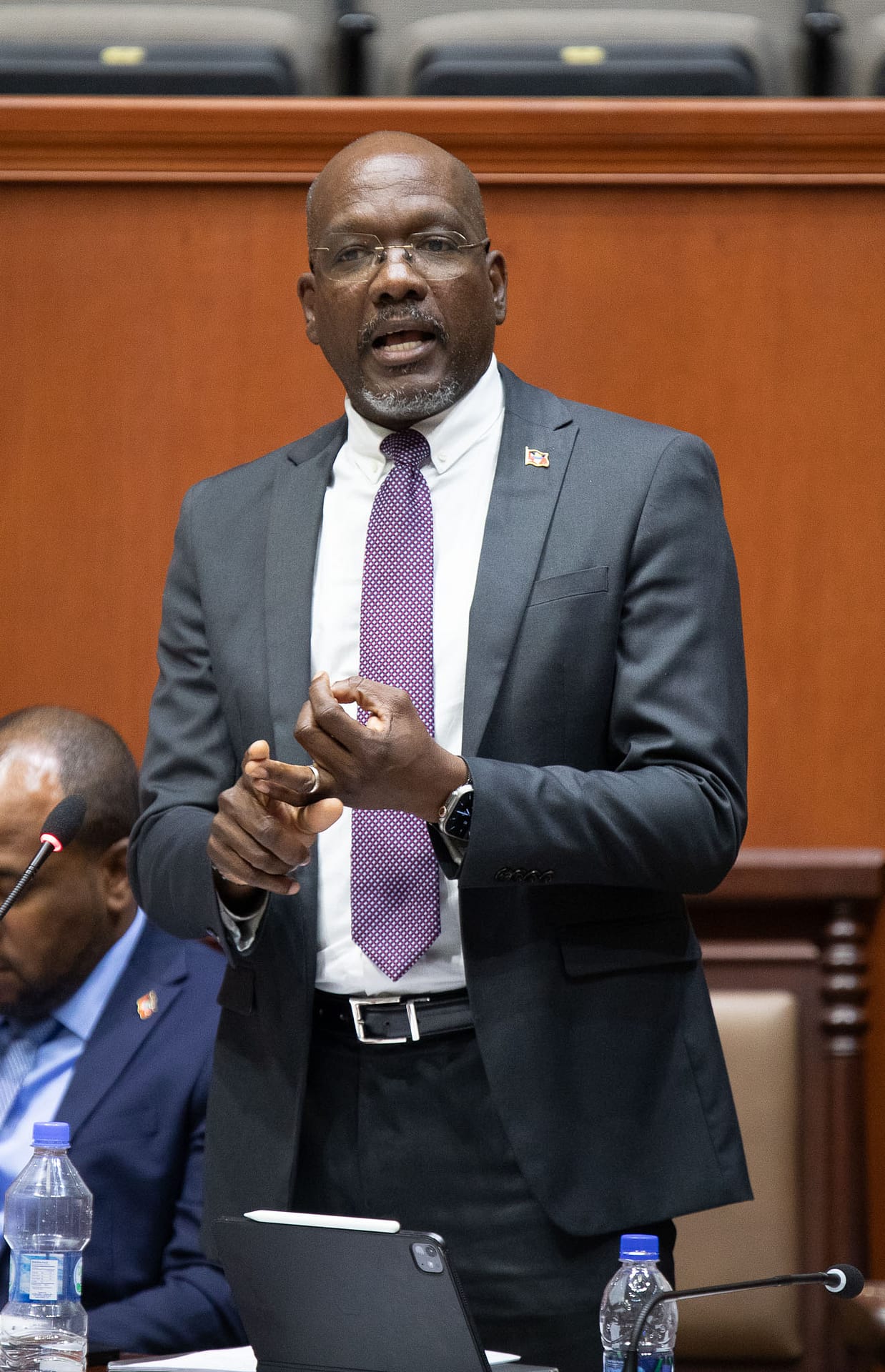
    The Antiguan government has announced a transformative policy shift in the management of national cultural festivals, including the renowned Carnival, moving from last-minute arrangements to a structured planning and funding framework. Culture Minister Daryll Matthew unveiled the new strategy during the 2026 Budget Debate, emphasizing the need to eliminate the traditional ad-hoc approach that has long characterized event organization.

    Minister Matthew articulated to Parliament that the existing system creates undue pressure on cultural practitioners, stating, ‘For too long, we have been doing this at the last minute.’ The new framework will implement advanced planning cycles and predictable financing mechanisms, enabling organizers, performers, costume designers, stage builders, and technicians to prepare adequately without relying on rushed arrangements.

    The policy represents a fundamental reclassification of cultural activities from mere entertainment to a recognized economic sector. ‘We have to reposition culture as an economic driver,’ Matthew asserted, highlighting the industry’s potential to generate employment, income, and professional skills development. This repositioning aims to provide stronger institutional support for cultural workers whose livelihoods depend on festival activities.

    Beyond immediate operational improvements, the minister connected the reforms to broader youth development objectives. The structured approach creates defined pathways for young people to pursue training, income generation, and career building within the creative industries. The changes form part of a comprehensive modernization effort to ensure national festivals contribute meaningfully to economic activity rather than functioning as pressure-filled one-off events.

    The government’s initiative addresses long-standing concerns about the sustainability of cultural production while recognizing its substantial economic potential. The reformed system promises to elevate production standards, reduce professional uncertainty, and foster a more professional environment for cultural practitioners across Antigua’s festival landscape.

  • $5.4M Spent on School Repairs, Major Upgrades Planned for Four Schools in 2026

    $5.4M Spent on School Repairs, Major Upgrades Planned for Four Schools in 2026

    Antigua’s education infrastructure has undergone a significant $5.4 million transformation during the summer of 2025, with comprehensive repairs and upgrades completed across nearly all schools on the island. Education Minister Daryll Matthew revealed these developments during the recent Budget Debate, highlighting the government’s strategic approach to enhancing learning environments while minimizing disruption to academic calendars.

    The extensive summer initiative, executed quietly over a three-month period, brought substantial improvements to educational facilities without attracting public attention. Students returned to find newly constructed classroom blocks, modernized bathroom facilities, refurbished learning spaces, and updated furniture across multiple institutions. Minister Matthew emphasized the discreet nature of these enhancements, noting that many improvements were discovered by students and faculty upon their return.

    Looking ahead to 2026, the government has announced an ambitious second phase of infrastructure development targeting four specific institutions: Antigua Girls’ High School, All Saints Secondary School, Sir Novelle Richards Academy, and Golden Grove Primary School. This upcoming project will be implemented through a strategic partnership with the Caribbean Development Bank, focusing on addressing critical capacity challenges and facility limitations.

    Golden Grove Primary School, identified by Minister Matthew as “the most overcrowded primary school in Antigua and Barbuda,” represents a particular priority in the forthcoming development phase. The comprehensive upgrade program will include construction of new classrooms, extensive refurbishment of existing facilities, and modernization of specialized learning spaces including information technology laboratories, home economics facilities, and bathroom infrastructure.

    The government’s multi-phase infrastructure program demonstrates a deliberate strategy to improve learning conditions while systematically addressing long-standing capacity constraints within the education system. This approach combines immediate, widespread improvements with targeted, large-scale developments to create sustainable educational environments that support academic excellence across Antigua.

  • Matthew Says Roads, Drainage and Youth Facilities Targeted for St. John’s Rural South

    Matthew Says Roads, Drainage and Youth Facilities Targeted for St. John’s Rural South

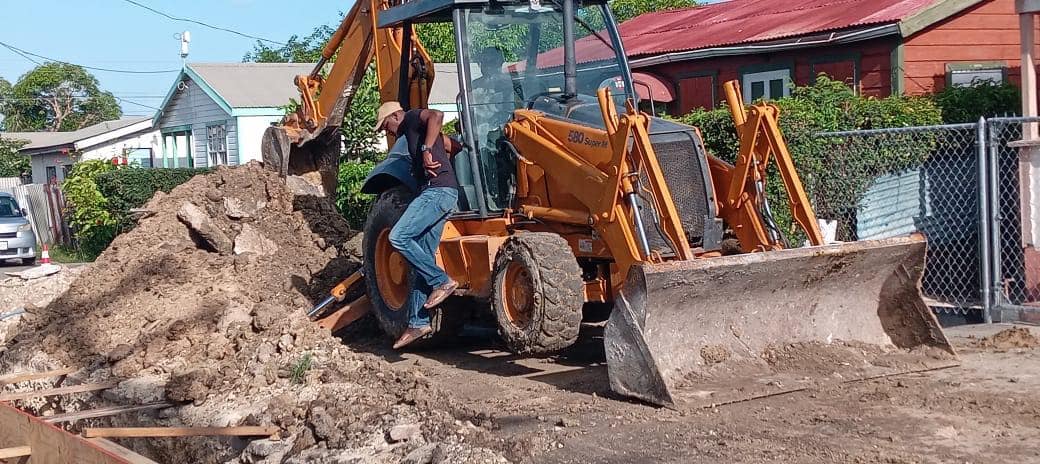
    Significant infrastructure enhancements are transforming St. John’s Rural South constituency, with road rehabilitation, drainage improvements, and upgrades to community facilities either finalized or in active development phases. Local MP Daryll Matthew presented these advancements during the recent parliamentary debate on the 2026 national budget, outlining a comprehensive vision for community development.

    Matthew emphasized that modernizing physical infrastructure remains a cornerstone of his constituency agenda, with focused efforts on improving road conditions and water management systems. These projects are strategically designed to serve a dual purpose: strengthening foundational utilities while simultaneously revitalizing public spaces dedicated to youth programs, cultural events, and athletic activities.

    “There should be no barrier to entry,” Matthew declared, connecting these tangible improvements to a broader philosophical commitment to equitable access, opportunity, and holistic community advancement. The renovation of community centers and recreational areas is a key component of this initiative, aimed at providing residents with safe, functional, and inviting environments for organized civic engagement.

    The planning and execution of these developments are being guided by a principle of collaborative engagement. Matthew stressed that ongoing dialogue with constituents is instrumental in prioritizing projects and shaping the implementation strategy. This ensures that development efforts are directly responsive to the expressed needs of the community. Furthermore, the MP framed these local investments as integral to national objectives, explicitly linking improved community infrastructure and spaces to the broader goal of enhancing educational and training outcomes for all citizens.

  • Spreading Holiday Cheer at the St. Christopher Outreach Centre

    Spreading Holiday Cheer at the St. Christopher Outreach Centre

    In a heartwarming display of corporate social responsibility, executives and staff from St. Kitts-Nevis-Anguilla National Bank Limited personally served meals during the Annual Soup Kitchen Christmas Luncheon at St. Christopher Outreach Centre on December 15, 2025.

    Managing Director Terrence Crossman and CEO Anthony Galloway led the bank’s volunteer contingent in distributing warm meals and engaging with community members during the festive event. This initiative represents a tangible manifestation of the financial institution’s National Cares Initiative, which demonstrates the organization’s sustained dedication to creating meaningful social impact within the communities it serves.

    The Christmas luncheon provided both nourishment and human connection during the holiday season, particularly benefiting vulnerable populations. Bank representatives noted that such outreach programs form an integral component of their corporate philosophy, emphasizing that financial institutions bear responsibility beyond mere economic transactions.

    Organizers expressed profound gratitude to all participants and contributors who facilitated the successful execution of this community event, highlighting the collaborative spirit that characterizes such philanthropic endeavors during the holiday period.

  • Bird Rock Desalination Plant nears completion, promising water relief for Basseterre

    Bird Rock Desalination Plant nears completion, promising water relief for Basseterre

    BASSETERRE, Saint Kitts – December 12, 2025 – A groundbreaking desalination facility at Bird Rock is approaching final commissioning stages, poised to deliver substantial water relief to residents throughout Basseterre and adjacent communities. This state-of-the-art reverse osmosis plant, capable of producing two million gallons of fresh water daily, represents a critical infrastructure development for the region.

    The project emerges as a collaborative endeavor between the national Water Service Department and Royal Utilities Ltd., an established private sector entity with extensive experience in water management solutions. Comprehensive testing protocols have been consistently successful, with all microbiological and operational assessments meeting stringent quality benchmarks.

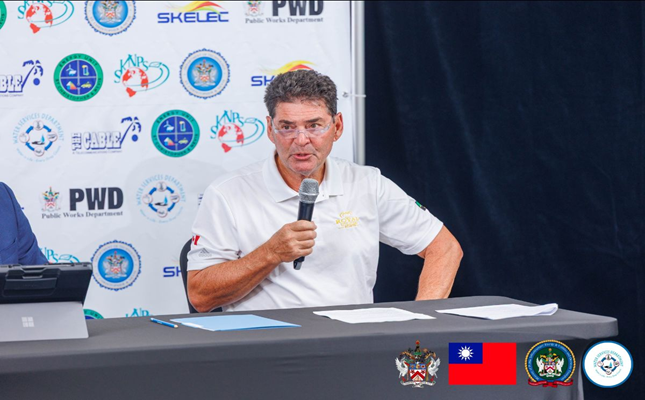
    Gerry Moise, General Manager of Royal Utilities Ltd., elaborated on the strategic advantages of the Caribbean Sea location during the recent National Discussion on Water forum held December 10th. “The Caribbean side offers significantly superior operational conditions compared to the Atlantic coast,” Moise explained. “We benefit from lower salinity levels and avoid the persistent sargassum seaweed intrusions that frequently disrupt seawater intake systems on the eastern shoreline.”

    Environmental impact assessment studies conducted prior to construction included repeated water quality analyses, with ongoing monitoring supervised by the Bureau of Standards to ensure compliance with international water safety protocols. Moise emphasized the exceptional quality output, noting: “The purified water from this new facility exceeds even the standards of our Marriott Resort operation, which has maintained flawless performance for over two decades without a single quality complaint.”

    The desalination initiative addresses chronic water shortages exacerbated by diminishing rainfall patterns, representing a strategic shift toward technological solutions for water security. “Desalination has proven its reliability globally for half a century,” Moise affirmed. “Saint Kitts’ investment in this technology demonstrates forward-thinking leadership in sustainable resource management.”

    The December 10th forum, themed “Embracing Desalination for a Sustainable Future,” highlighted the project’s significance within the broader context of climate adaptation and water resilience planning for the island nation.

  • Abinader and Collado inaugurate renovation of La Caleta Underwater National Park

    Abinader and Collado inaugurate renovation of La Caleta Underwater National Park

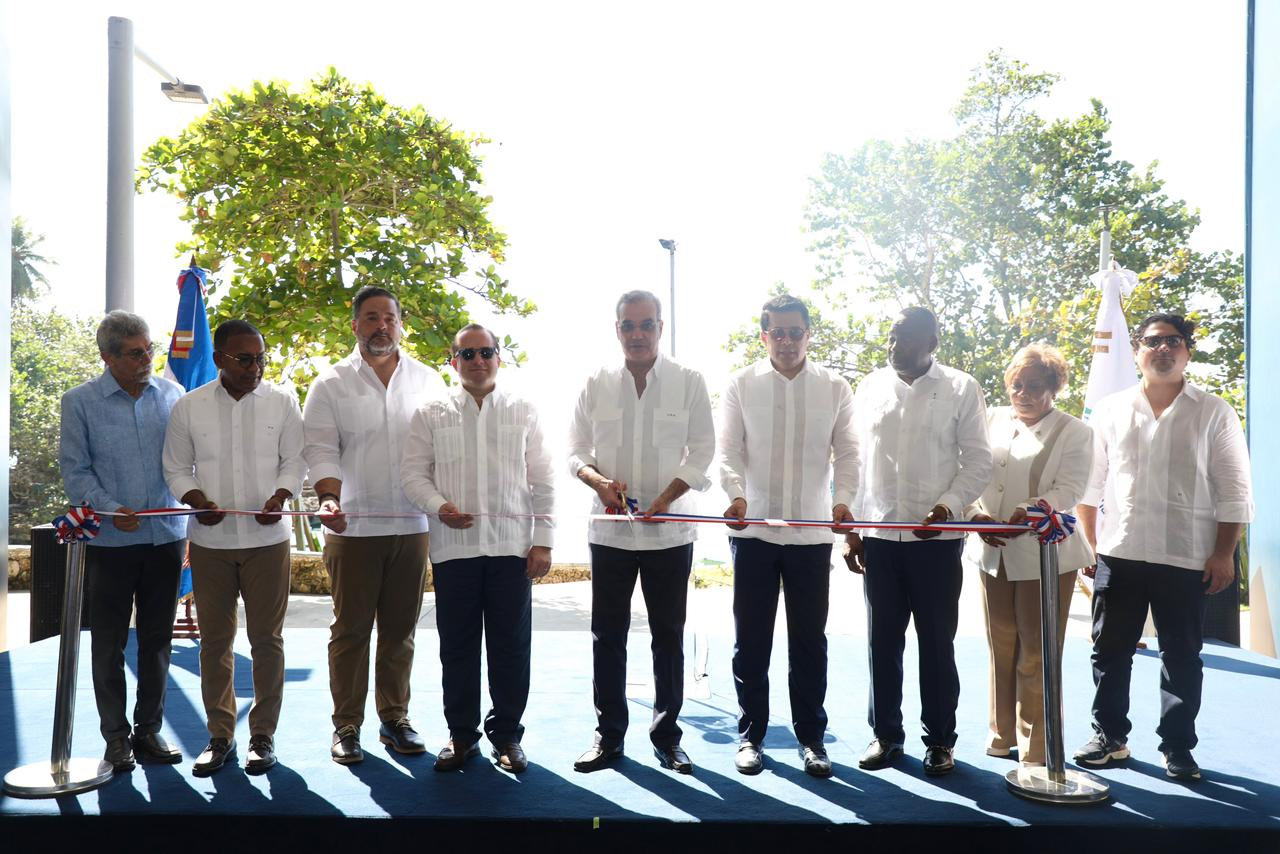
    Santo Domingo, Dominican Republic – President Luis Abinader and Tourism Minister David Collado have officially unveiled the completed first phase of La Caleta Underwater National Park’s comprehensive renovation, marking a significant milestone in the nation’s sustainable tourism and conservation efforts. The RD$420 million (approximately US$7 million) transformation represents one of the Caribbean nation’s most ambitious ecological and cultural preservation initiatives.

    The newly revitalized park, strategically positioned near Las Américas International Airport, now serves as an impressive gateway for international visitors. The extensive redevelopment covers approximately 120,000 square meters and features a meticulously constructed 2.74-kilometer seaside promenade, completely renovated public plazas, enhanced internal walkways, modern lighting systems, extensive landscaping, and contemporary public facilities.

    During the inauguration ceremony, President Abinader emphasized La Caleta’s historical significance as a premier destination for diving and aquatic sports. He outlined the government’s vision for implementing an integrated governance model that brings together national authorities, the Ministry of Environment, local government representatives, and private sector stakeholders to ensure the park’s long-term preservation and sustainable utilization.

    Tourism Minister David Collado characterized the project as fulfilling a four-decade-old commitment to the La Caleta community, demonstrating the administration’s dedication to reclaiming neglected public spaces through transparent and responsible investment strategies. The renovation forms part of a broader national coastline revitalization program designed to benefit both local residents and international tourists alike.

    Environmental officials highlighted the park’s dual role as both a protected marine ecosystem reserve and an educational center, while simultaneously serving as a hub for recreational activities including scuba diving and open-water swimming. The area boasts exceptional coral diversity and contains significant archaeological sites featuring indigenous artifacts and historical shipwrecks.

    With its new infrastructure—including pedestrian pathways, scenic viewpoints, recreational zones, service buildings, and improved security measures—La Caleta Underwater National Park has been repositioned as a flagship destination for eco-tourism, marine conservation, and cultural heritage appreciation in the Caribbean region. Temporary management will be overseen by a private sector-supported foundation until a permanent board of trustees is established.

  • Dominican National Police retire 535 officers across multiple ranks

    Dominican National Police retire 535 officers across multiple ranks

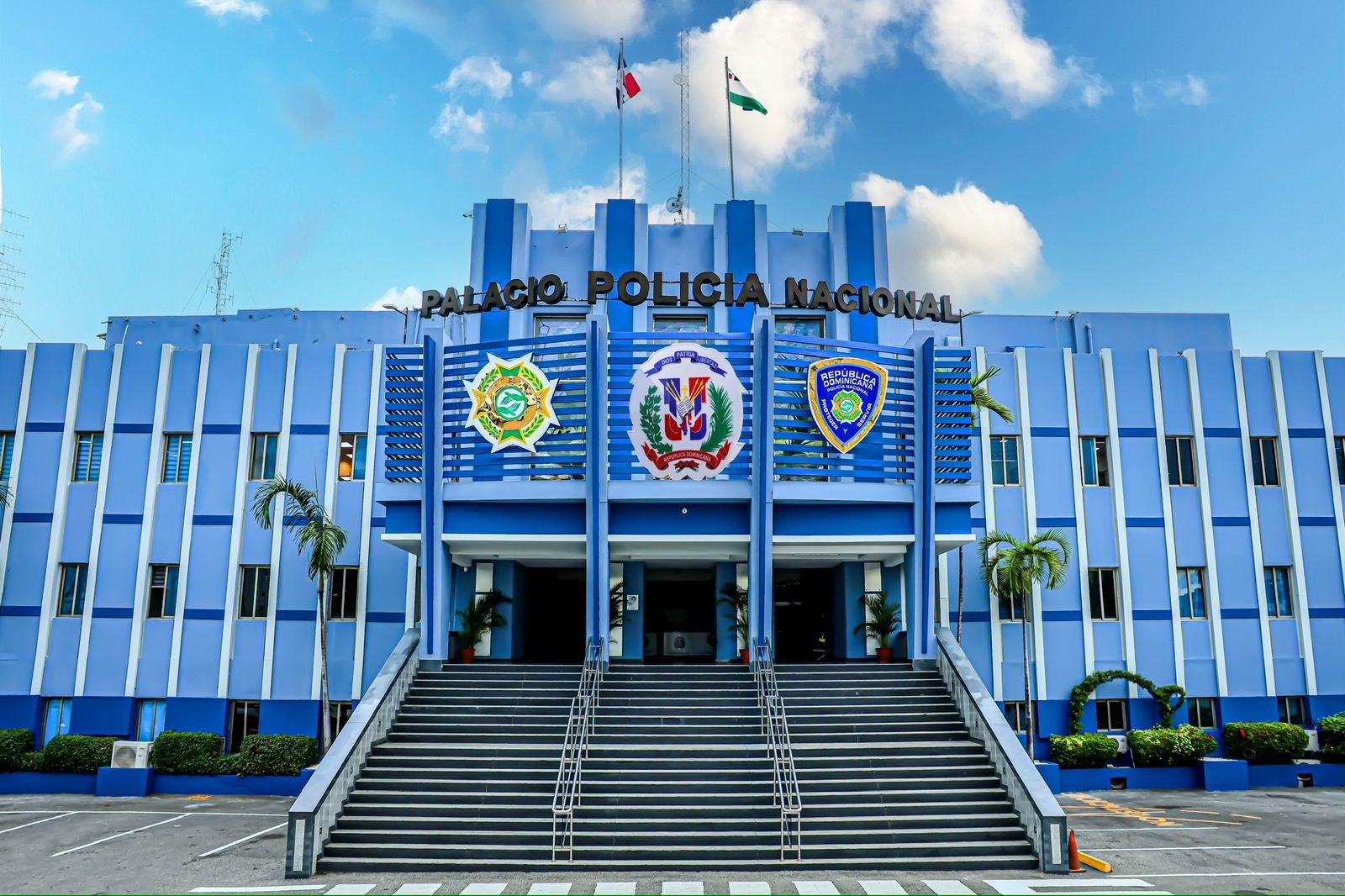
    Santo Domingo – In a significant move to modernize its force structure, the Dominican Republic’s National Police Directorate has formally retired 535 officers through an honorable discharge program. This strategic initiative represents a comprehensive personnel overhaul affecting multiple ranks across the organization, from senior colonels to junior enlisted personnel.

    The extensive retirement process, which forms part of the institution’s broader restructuring agenda, saw the majority of departures (504 officers) occur through voluntary applications under existing legal frameworks. Notably, some voluntarily retiring officers received promotional advancements to higher ranks as part of their separation packages. Meanwhile, 31 personnel were mandatorily retired due to standard administrative requirements including age limitations, maximum service duration, and time-in-rank regulations.

    Police authorities emphasized that this large-scale retirement program serves multiple institutional objectives: enhancing the professional standing of police careers, facilitating systematic leadership succession, and maintaining strict adherence to legal protections for retiring personnel. The initiative reflects ongoing efforts to optimize operational effectiveness while honoring the service commitments of veteran officers.

  • Column: Vreemdelingen, vrienden, brothers & sisters

    Column: Vreemdelingen, vrienden, brothers & sisters

    In an extraordinary display of cross-cultural connection, more than 100 journalists from 94 countries transformed from strangers into family through the China International Press Communication Center Program 2025. Despite initial language barriers and diverse backgrounds, these media professionals developed profound relationships that transcended geographical and cultural divides.

    The four-month program, which spanned from summer through early winter, provided a unique environment for building genuine human connections. Participants gradually moved beyond professional collegiality to form deep friendships rooted in shared values of truth-seeking and storytelling. Communication evolved beyond verbal language to include smiles, understanding glances, and attentive listening—creating a tapestry of human experiences that bridged national origins and beliefs.

    Seasonal changes provided a magical backdrop to their journey, culminating in a memorable first snowfall experience for many participants. The group embraced childlike wonder during midnight snowball fights on their residential plaza, creating joyful disturbances that drew curious neighbors to their windows.

    Cultural exchange reached its peak when journalists collectively learned two iconic Chinese songs—’The Moon Represents My Heart’ and ‘Zài Jiàn (Goodbye)’—adding English lyrics that expressed their emotional journey: ‘I promise you, my friend, to see you and I’m being honest/Hand in hand, we’ll walk together again.’

    As the program concludes, participants face emotionally charged farewells filled with both sadness and profound gratitude. The parting feels particularly poignant given the intensity of connections formed in this relatively brief period. Rather than viewing this as an ending, journalists are committing to maintain their bonds through future visits and ongoing communication, proving that true friendship can overcome any barrier of language, religion, or culture.

    This experience demonstrates that in an often-divided world, genuine human connection remains possible when people come together with open hearts and minds. The program has not only created lasting personal relationships but has also expanded participants’ worldviews, making the global community feel both smaller in its connectivity and larger in its possibilities.

  • President Abinader inaugurates El Cercado–Hondo Valle–Juan Santiago highway

    President Abinader inaugurates El Cercado–Hondo Valle–Juan Santiago highway

    President Luis Abinader has officially opened the El Cercado–Hondo Valle–Juan Santiago highway, a transformative infrastructure initiative in the Dominican Republic’s southern border province of Elías Piña. This strategic project, long neglected for years, signifies a major governmental commitment to regional integration and economic revitalization.

    Constructed by the Ministry of Public Works under the direction of Minister Eduardo Estrella, the 22-kilometer roadway represents an investment exceeding RD$1 billion. The infrastructure dramatically slashes travel duration, reducing the journey from the capital, Santo Domingo, to Hondo Valle from over six hours to approximately four. This enhancement promises to revolutionize mobility for local residents, agricultural producers, and commercial transporters alike.

    The highway’s inauguration is projected to deliver profound socioeconomic benefits. By bridging the municipalities of El Cercado, Hondo Valle, and Juan Santiago, it effectively ends decades of isolation for surrounding communities in Elías Piña and San Juan provinces. Officials project that over 45,000 individuals will experience direct and indirect advantages, including strengthened local commerce, improved access to essential services, and new economic opportunities in rural zones.

    This development is strategically designed to curb urban migration by fostering sustainable growth in agricultural production and tourism within the border region. The project also emphasizes improved road safety and reinforces the government’s dedication to comprehensive territorial integration and security, marking a pivotal step in the nation’s broader regional development agenda.