分类: society

  • Trini in troubled Tanzania seeks help to replace lost passport

    Trini in troubled Tanzania seeks help to replace lost passport

    A Trinidadian expatriate residing in Tanzania finds herself in a precarious legal limbo after immigration authorities misplaced her passport, leaving her without valid identification during a period of significant political turmoil. The woman, who chose to remain anonymous, originally relocated to Tanzania seeking career advancement opportunities unavailable in her homeland.

    Her residency renewal process typically involved submitting documentation through local immigration channels to the national headquarters in Dodoma. However, during her 2023 renewal attempt, officials claimed to have misplaced a supplementary travel document and subsequently refused to release her passport. The situation deteriorated further this year when immigration authorities admitted they could no longer locate her passport entirely.

    Her attempts to secure replacement documentation through Trinidad and Tobago’s diplomatic channels proved frustratingly ineffective. The High Commission in Nigeria redirected her to London, where communications went unanswered, leaving repatriation as the only apparent solution—an option she resisted due to professional commitments and seasonal business demands.

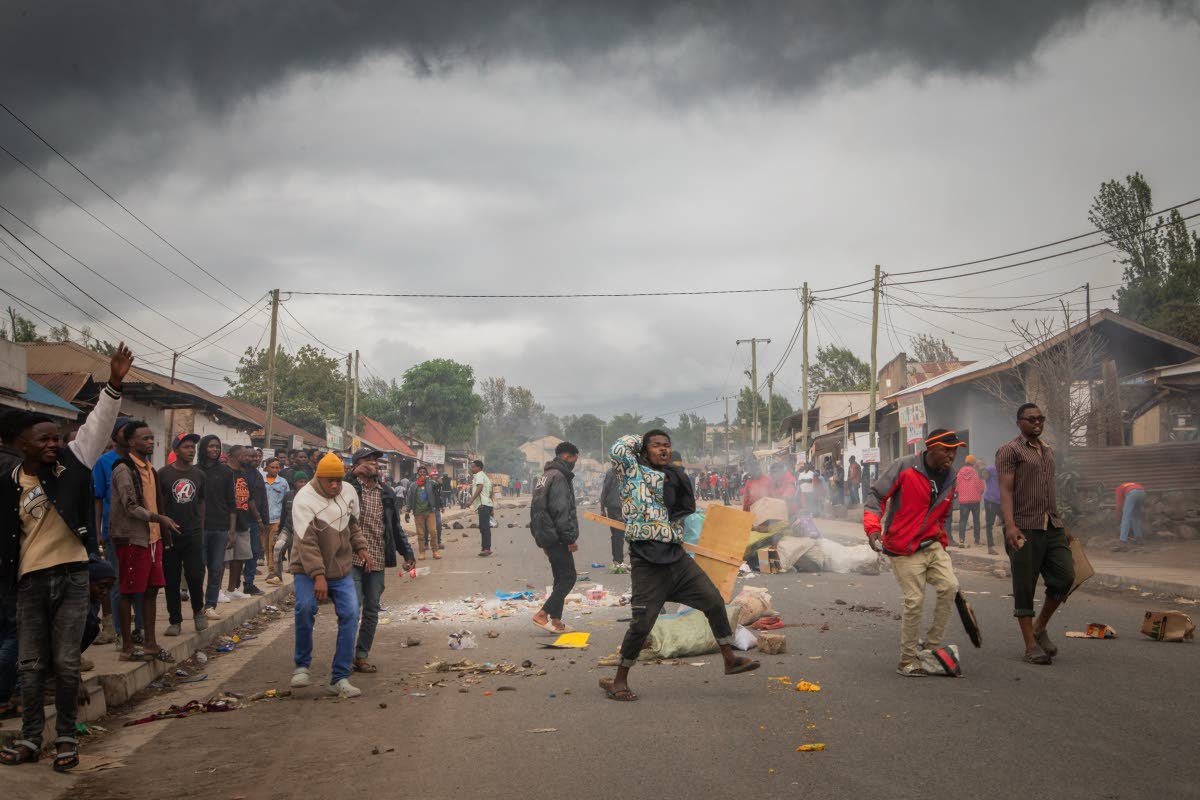
    This personal crisis escalated against the backdrop of Tanzania’s contentious October 29 general elections. Official results claiming a 97.66% victory for the ruling Chama Cha Mapinduzi party were met with widespread skepticism amid reports of electoral irregularities. Violent protests erupted, resulting in alleged hundreds of casualties according to external sources, though government figures remain unconfirmed.

    The administration responded by attributing the unrest to foreign agitators, implementing widespread identity checks and roadblocks. President Samia Suluhu Hassan publicly condemned the violence while emphasizing the involvement of non-Tanzanian elements. This official narrative intensified the Trinidadian woman’s vulnerability, as she lacked the documentation to prove her legal status.

    Following media intervention, immigration officials in Trinidad provided direct contacts to the London High Commission, which holds jurisdiction over passport issuance for citizens in Europe, Africa, and China. An officer suggested the passport might have been diverted for illegal trade, noting the high value of Trinidad and Tobago passports in document trafficking circles due to their visa-free access to numerous countries.

    The Minister of Foreign Affairs has pledged assistance, and the woman has now received assurances from London that her replacement documents will be expedited once processed.

  • Trinidad and Tobago’s arrival, departure forms go online

    Trinidad and Tobago’s arrival, departure forms go online

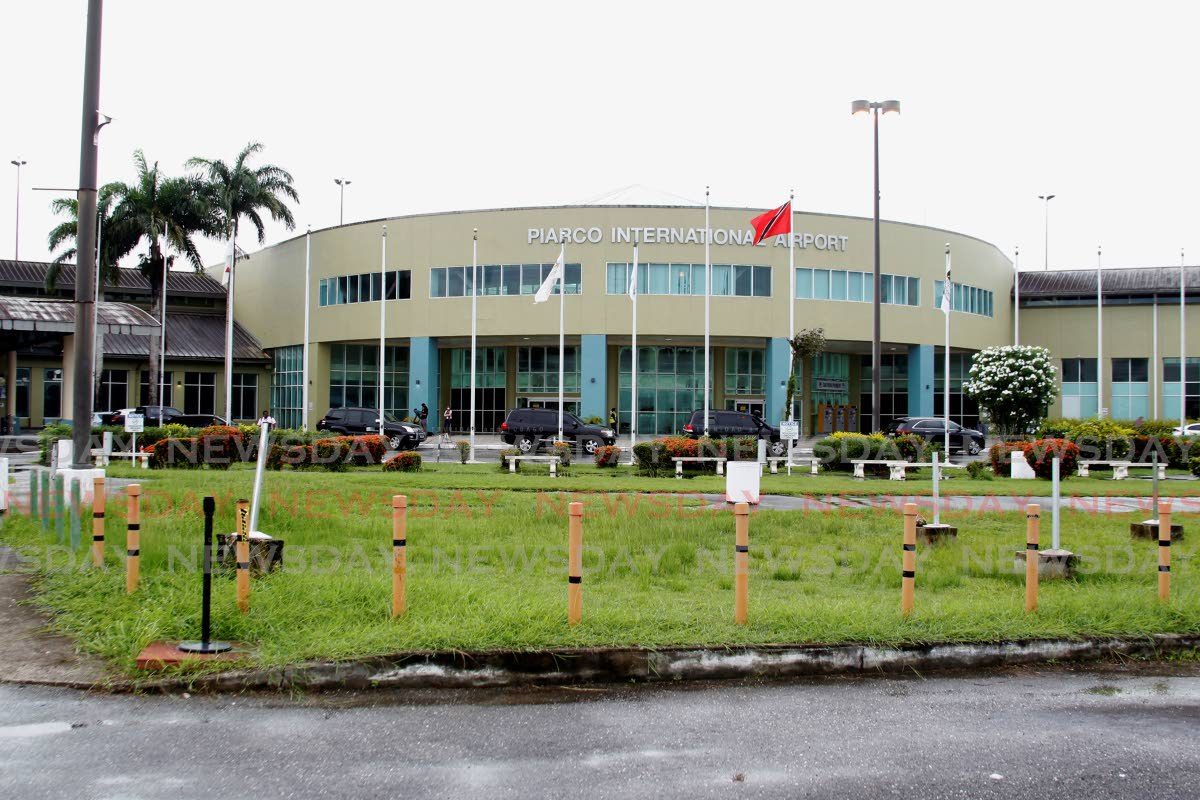
    Trinidad and Tobago has officially launched a digital immigration and customs platform, marking a significant modernization of border control procedures at Piarco International Airport. The newly operational Trinidad and Tobago Online Arrival/Departure Platform, accessible at https://travel.gov.tt/, responds to long-standing passenger demands for streamlined airport processing.

    The digital system requires all travelers to complete mandatory immigration and customs documentation through the online portal within 72 hours preceding their arrival or departure. This initiative provides enhanced flexibility, allowing passengers to complete formalities at their convenience from any location rather than at airport counters.

    Upon submission, travelers receive digital receipts that must be saved to mobile devices or printed for presentation to immigration and customs officials. The platform necessitates providing flight details, passport information, a scanned copy of the passport’s biodata page in PNG or JPEG format, and a valid email address for processing.

    The comprehensive arrival form covers residential status, mode of entry (air or sea), flight specifics, port of entry details, personal information, travel history, destination address, health declarations, and customs information. The departure form maintains similar requirements excluding the customs declaration component.

    This digital transition aligns with broader Caribbean trends, where multiple nations implemented similar electronic processing systems during the COVID-19 pandemic to facilitate contactless transit and reduce airport congestion. Authorities anticipate the platform will significantly enhance the passenger experience through reduced processing times and improved operational efficiency.

  • Digging deep

    Digging deep

    In the aftermath of Hurricane Melissa’s catastrophic passage through western Jamaica, funeral home operators are demonstrating extraordinary compassion despite facing severe financial strain and operational challenges. These businesses, themselves victims of the Category 5 storm that claimed 45 lives in late October, are digging deep into diminished profit margins to ensure grieving families can provide dignified burials for their loved ones.

    Earl Scott of Scott and Sons Funeral Home in Westmoreland exemplifies this spirit of generosity. Despite sustaining significant roof damage from Melissa’s 185 mph winds, his establishment has offered discounted funeral packages to struggling families. In one remarkable case, Scott covered the entire burial cost for a man who lost his only surviving relative to the hurricane and pledged assistance in rebuilding the survivor’s destroyed home.

    The challenges facing funeral directors are substantial. Paul Patmore of Patmore’s Funeral Home in Trelawny disclosed accumulating over $600,000 in expenses since the hurricane, primarily due to running generators 24/7 in the absence of grid electricity. His daily fuel costs have tripled to $12,000, creating what he describes as ‘a big leak’ in finances. Despite this, Patmore has slashed all funeral package prices by half until January 2026 and established credit plans for affected families.

    In St. James, Melvin Honeyghan of Honeyghan’s Funeral Home reported receiving requests for storage extensions for approximately 50 bodies from families unable to afford immediate burials. He has willingly accommodated these requests while also reducing service costs, acknowledging that some families may not be able to bury their loved ones until April next year, despite receiving 50% discounts.

    Calvin Lyn, president of the Jamaica Association of Certified Embalmers and Funeral Directors, has commended these efforts and urged industry colleagues in affected areas to provide support where possible. He specifically highlighted the extreme difficulties facing Westmoreland residents and suggested funeral directors assess individual situations to determine appropriate assistance.

    The widespread devastation has prompted practical considerations about future preparedness. Patmore is now strongly advocating for solar energy adoption across the funeral industry, noting that Jamaica’s abundant sunshine represents a more sustainable alternative to costly generator dependence during infrastructure failures.

    These funeral directors emphasize that their actions stem from a profound sense of national solidarity rather than business calculation. As Honeyghan stated, ‘At the end of the day, all of us are Jamaicans… We have to take care of one another.’ Their commitment to compassionate service continues even as many struggle with damaged facilities and employees who have lost their own homes to the hurricane.

  • Police association warns of rising risks, mulls new ‘risk allowance’ request

    Police association warns of rising risks, mulls new ‘risk allowance’ request

    The Barbados Police Association (BPA) has issued a stark warning about the escalating dangers faced by law enforcement personnel, declaring policing an increasingly perilous profession. Association President Inspector Wendley Carter revealed that if the ongoing public service regrading exercise fails to adequately address these risks, the organization will formally petition the Mia Mottley administration for a specialized compensation package.

    Rather than the previously proposed ‘hazard allowance,’ the BPA now advocates for a comprehensive ‘risk allowance’ that would encompass the entire police service. Inspector Carter explained this terminological shift reflects the evolving nature of threats officers confront, both on and off duty. “We are moving away from ‘hazard allowance’ because it might be a risk… there are different types of risks in the police service,” Carter stated during an exclusive interview with Barbados TODAY.

    The timing of this initiative is strategically linked to the government’s current compensation review. Carter indicated that if the regrading results prove unsatisfactory, the association will aggressively pursue additional compensation measures. This approach aims to retain experienced personnel while making the service more attractive to new recruits.

    Carter highlighted an alarming trend of experienced officers leaving for better-paying positions at institutions like the Central Bank and University of the West Indies. “If I left the police service to go to the Central Bank or The UWI, that means I am getting more than what I am getting in the service,” he noted, emphasizing the recruitment challenges stemming from non-competitive compensation.

    The risk allowance proposal gains urgency following recent violent incidents against officers, including a shooting attack mentioned by Carter. He stressed that modern policing risks extend beyond traditional duty hours, as officers remain vulnerable even when off-duty due to their recognizable professional status.

    The BPA leader called for governmental action to address both compensation issues and recruitment shortages, warning that without competitive packages, the police service cannot attract sufficient qualified candidates to maintain public safety standards.

  • Suspect captured on camera after multiple items reported stolen

    Suspect captured on camera after multiple items reported stolen

    Authorities are investigating a significant burglary case after surveillance footage captured an individual allegedly responsible for stealing a collection of high-value electronics and luxury personal items. The incident, which has garnered attention through online community posts, involves the disappearance of premium goods from a residential property.

    Among the stolen inventory is a white PlayStation 5 gaming console accompanied by matching white and black controllers, alongside a large 65-inch Toshiba smart television. The theft also targeted valuable personal accessories, including a gold chain featuring an ornate cross pendant and customized gold name earrings inscribed with the initials “AL.”

    Further missing items comprise two distinctive backpacks—a black and red SprayGround model adorned with a silver lion motif and a sophisticated black and red Swiss brand backpack. The perpetrator also made off with high-end audio equipment, specifically Beats DJ Pro headphones, a new wristwatch of unspecified brand, and an entire collection of fifteen bottles of premium cologne.

    Law enforcement officials have released photographic evidence of the stolen merchandise and are seeking public assistance in identifying the individual visible in the security camera images. The visual documentation provides crucial evidence in the ongoing investigation into this calculated theft of consumer electronics and personal luxury items.

  • PHOTOS: Road Works Underway in Golden Grove Extension

    PHOTOS: Road Works Underway in Golden Grove Extension

    Transport authorities have issued a public advisory for motorists and local residents regarding ongoing infrastructure maintenance along the Golden Grove Extension corridor. The road rehabilitation initiative, currently in its active phase, necessitates heightened vigilance from all commuters traversing this sector.

    Officials from the Department of Public Works confirmed the project involves comprehensive resurfacing and safety enhancements, part of a broader municipal infrastructure upgrade program. While specific timelines remain fluid, project coordinators estimate completion within the coming fortnight, weather conditions permitting.

    The construction zone features reduced speed limits, temporary traffic control measures, and periodically altered lane configurations. Transportation analysts suggest these necessary improvements will ultimately enhance road safety and traffic flow, though short-term inconveniences are inevitable.

    Commuter advocates recommend exploring alternative routes during peak travel hours where feasible. Emergency service providers have been notified of the temporary traffic pattern changes to ensure uninterrupted response capabilities throughout the construction period.

    Real-time traffic updates are available through the city’s official transportation mobile application and variable message signs positioned along approaching thoroughfares. The public works department emphasizes that all scheduled work complies with contemporary safety standards and environmental regulations.

  • Shortcomings of trade unions

    Shortcomings of trade unions

    A critical examination of trade union efficacy reveals systemic challenges in organizational communication and global advocacy. While skeptics frequently accuse unions of prioritizing narrow, parochial concerns over broader national and international developments, this perspective often lacks substantiated evidence. However, the conspicuous silence of many unions regarding proposed governmental policies inadvertently lends credibility to these criticisms.

    Within the Caribbean region and beyond, a significant communication deficit persists among trade unions operating across various territories. Struggling unions frequently fail to alert their regional counterparts about ongoing challenges, creating isolation that severely impedes their ability to mobilize support during crises. This fragmentation highlights the urgent need for establishing robust communication networks to foster meaningful solidarity.

    The absence of cohesive communication structures raises fundamental questions about inter-union collaboration mechanisms. Those unions affiliated with regional or international bodies typically seek support from these organizations during emergencies, yet this approach remains inadequate without stronger grassroots connections among neighboring unions.

    Experts emphasize that information sharing and experience exchange significantly enhance membership confidence and strengthen both individual and collective union actions. Despite this, many local unions neglect their public visibility, failing to leverage media platforms to promote their agendas effectively.

    Union leadership must prioritize highlighting workers’ suffering, rights violations, and systemic hardships while advocating for decent work conditions, social protection frameworks, and sustainable employment opportunities. Crucially, unions must articulate positions on political issues and policy decisions affecting workers across social, economic, and political dimensions.

    Global political leaders who command media attention often address labor-related matters indirectly, yet their primary focus remains centered on power dynamics rather than substantive issues like collective bargaining, worker organization, or labor protection.

    There is growing consensus that trade union leaders at international, regional, and local levels must adopt more visible and assertive stances regarding critical issues including worker displacement, refugee crises, labor migration, imprisonment of union leaders, forced labor practices, and human trafficking. Additional pressing concerns demand attention, particularly gender pay disparity and workplace inclusion for persons with disabilities.

    Most alarmingly, numerous governments worldwide have ratified the eight core ILO Conventions while simultaneously implementing labor policies that contradict these commitments. Trade unions must acknowledge their own complicity in this predicament, having permitted political elements to co-opt their messaging under the pretext of representing working-class interests. Substantial evidence indicates that political actions frequently diverge from rhetorical commitments and worker expectations.

  • A Caribbean Christmas message: The gift we give our children

    A Caribbean Christmas message: The gift we give our children

    As Barbados enters the festive season, the traditional celebrations of gift-giving, family gatherings, and culinary delights like great cake and sorrel take on deeper significance. Beyond the surface-level merriment, this period serves as a profound national moment for collective reflection and recommitment to core values that define the Barbadian identity.

    The season illuminates a crucial dichotomy among the nation’s youth: while many children experience Christmas with joy and security, others confront less visible challenges including poverty-induced household strains, community instability, overwhelming educational difficulties, and unexpressed emotional burdens. This contrast underscores the necessity for expanded communal support systems, emphasizing that national strength emerges from mutual care and protection.

    Child development transcends private upbringing, representing instead a collaborative national project requiring four interdependent pillars: parental nurturing of respect and resilience, educational adaptation to individual learning needs, student commitment to academic excellence, and governmental provision of essential resources for struggling families. This integrated approach ensures no child remains marginalized.

    Education stands as Barbados’ most transformative legacy—an engine of independence, democratic foundation, and bridge between present circumstances and future possibilities. Its value manifests through multiple dimensions: personal empowerment through critical thinking skills, financial security via improved employment prospects, poverty cycle interruption across generations, and enhanced community health literacy and civic participation.

    Parental modeling represents perhaps the most valuable Christmas offering—the cultivation of fearless yet respectful confidence. Children absorb ethical standards through observed behavior when adults choose integrity over convenience and kindness over anger. Simultaneously, parents must balance cultural traditions of respect with encouraging children to develop assertive self-advocacy skills, creating cycles of empowered communication.

    Governmental responsibility extends beyond funding to encompass modernized educational standards, competitive teacher compensation aligned with international models like Singapore and Scandinavia, targeted family communication about education’s value, and inclusive policies ensuring equitable access. Teachers serve as frontline interpreters of national values, with influence stretching far beyond classroom instruction.

    This Christmas issues a communal call to action: reaffirm foundational values of kindness, responsibility, and fairness through practical support for vulnerable neighbors, encouragement for children, appreciation for dedicated educators, and assistance for resource-limited parents. Every child deserves recognition of their inherent worth and potential for greatness.

    The season’s ultimate blessing would bring household peace, parental strength, educator rest, student courage, and national unity—carrying into the new year a renewed commitment to the children who will shape Barbados’ future. The true Christmas spirit manifests not in receiving, but in giving to the nation’s most precious resource: its youth.

  • Sagicor Brings Christmas Magic to New Orleans and Chapman Lane Communities

    Sagicor Brings Christmas Magic to New Orleans and Chapman Lane Communities

    Sagicor Life Inc recently illuminated the holiday season through a vibrant Christmas celebration for families and children from the New Orleans and Chapman Lane communities in St. Michael, Barbados. The event, held at the New Orleans Police Community Outpost, attracted over 150 participants who enjoyed an afternoon of music, entertainment, and festive camaraderie.

    This gathering represents a strategic component of Sagicor’s ongoing support for the Learning in Harmony Homework Programme, an educational partnership with the Barbados Police Service. The initiative delivers academic lessons, mentorship opportunities, and comprehensive support for youth in surrounding neighborhoods.

    Sergeant Wendell Weeks, Coordinator of the Homework Programme, expressed profound inspiration at the community response. “The exceptional turnout surpassed our expectations,” Weeks noted. “Witnessing such enthusiastic participation from children and parents reaffirms the programme’s vital role in community development. Corporate partnerships like ours with Sagicor amplify our impact beyond what we could accomplish independently.”

    Paul Inniss, Executive Vice President and General Manager of Sagicor Life Inc (Barbados), emphasized the company’s philosophical commitment to community investment. “Christmas fundamentally embodies unity, generosity, and mutual support—values that this event perfectly captures,” Inniss stated. “By investing in our youth and communities, we contribute to shaping more promising futures. Our collaboration with the Barbados Police Service creates environments where children feel recognized and empowered throughout the year, truly embodying the seasonal spirit.”

    The celebration featured recreational activities, gift distributions, and meaningful community engagement, highlighting the tangible benefits of corporate-community partnerships. Sagicor continues to dedicate resources to initiatives that empower Barbadian youth, strengthen community connections, and generate sustainable social impact.

  • Voorzitter Politiebond bekritiseert structurele problemen korps

    Voorzitter Politiebond bekritiseert structurele problemen korps

    In a striking address during Friday’s police promotion ceremony, Suriname Police Union Chairman Chief Inspector Revelino Eijk delivered a powerful critique of the deteriorating working conditions and legal protections within the Suriname Police Force (KPS). While congratulating newly promoted officers, Eijk emphasized that structural deficiencies within the corps demand immediate attention rather than continued neglect.

    Eijk articulated that promotions represent more than mere rank advancements—they signify recognition of dedication, discipline, professionalism, and loyalty to both the police force and Suriname. He stressed that promotions constitute earned rights under legal frameworks rather than organizational favors, bringing not only expanded authority but greater responsibilities, including exemplary conduct within the corps and toward society.

    The union leader highlighted policing as a vocation rather than conventional employment, noting its inherent risks to personal safety and sacrifices in private life. Consequently, appreciation, fairness, and clear career trajectories become essential components for officer retention and morale. Transparent and equitable promotion processes, according to Eijk, fundamentally contribute to motivation, trust, and organizational cohesion.

    Eijk expressed particular concern for officers who met service duration, performance, and evaluation criteria yet were overlooked for promotions. He asserted that a professional police corps can only function effectively when every member feels recognized and valued.

    The Police Union chairman positioned his organization as a constructive partner in collaborations with KPS, the Ministry of Justice and Police, and other unions, though emphasizing this cooperation isn’t unconditional. Agreements must be honored, and decisions affecting officers’ legal status must adhere to proper governance principles. Eijk noted that trust is increasingly undermined by broken commitments and inadequate communication.

    Eijk detailed critical operational shortcomings: inadequate training programs despite high policing standards, severe shortages of uniforms, equipment, patrol vehicles, computers, and other essential resources. Multiple police facilities operate in disrepair with substandard sanitation and unhygienic conditions.

    Financial protections for officers raised additional concerns. Promotion-related financial resolutions frequently experience prolonged delays, deferring monetary recognition. When back payments eventually occur, significant portions are withheld through taxation, transforming promotions into financial burdens rather than rewards for some officers. Eijk revealed that some officers have retired without receiving their entitled financial benefits.

    Eijk further criticized investigative procedures against officers accused of criminal offenses or duty violations, noting these processes often lack diligence and proper administrative principles in disciplinary actions. He referenced a recent judicial ruling that vindicated an officer dismissed in 2013 after twelve years, requiring full reinstatement with back pay.

    All these issues, Eijk concluded, revolve around a central concept: trust. Trust in the organization, agreements, and leadership isn’t automatic but must be earned and maintained. The Police Union urges authorities to address these challenges as systemic problems requiring structural solutions rather than isolated incidents. Investing in personnel, resources, training, and proper legal status constitutes essential prerequisites for sustainable security and professional policing.