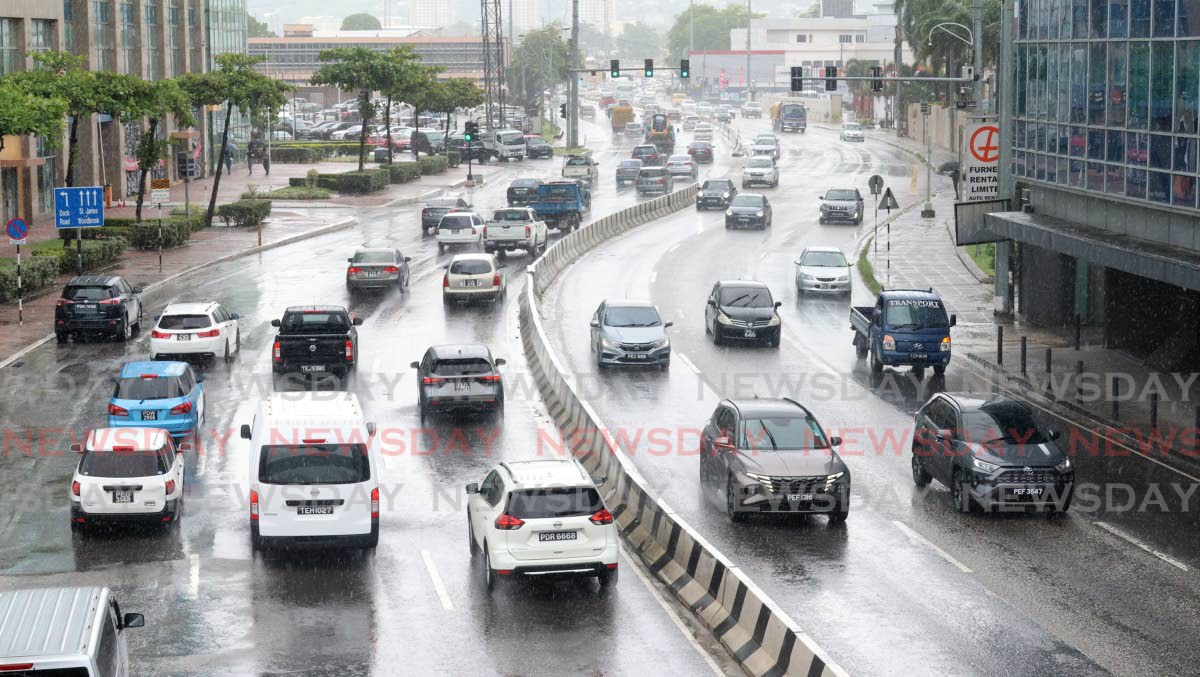
In a significant policy shift, the government has approved an extension of the permissible age for importing foreign-used private vehicles, including SUVs, sedans, and station wagons powered by gas, diesel, or CNG. The age limit has been increased from three years to eight years from the date of manufacture. Additionally, the permissible age for light commercial vehicles, pickups, and panel vans with diesel engines has been raised from seven years to ten years. These changes were announced during the post-Cabinet media briefing held at the Diplomatic Centre in Port of Spain on November 20. Minister of Transport and Public Aviation, Eli Zakour, emphasized that these measures aim to make vehicle ownership more accessible to the public. He also revealed Cabinet approval for establishing a regulatory framework to manage the registration and use of classic, antique, and vintage vehicles in Trinidad and Tobago (TT). Currently, there is no legal framework for these vehicles, which has limited their lawful use and economic potential. Zakour stated that the Ministry of Transport, guided by international best practices, will develop a policy and legislative framework to regulate this sector, starting with a formal classification and registry system. Addressing concerns about increased traffic congestion due to the policy, Zakour noted that vehicle ownership remains a personal choice, and the government is simultaneously working to improve public transport and road infrastructure. He highlighted ongoing efforts to revive the Public Transport Service Corporation (PTSC), which had 71 discontinued routes and a severe shortage of buses when he assumed office. Zakour also announced plans for a park-and-ride system, allowing commuters to park their vehicles at safe locations in Arima, Chaguanas, Couva, and San Fernando and take buses or maxi-taxis to Port of Spain. Further details will be released on November 21.
分类: society
-
Promoters to meet Culture Ministry; Queen’s Park ready to fill gap
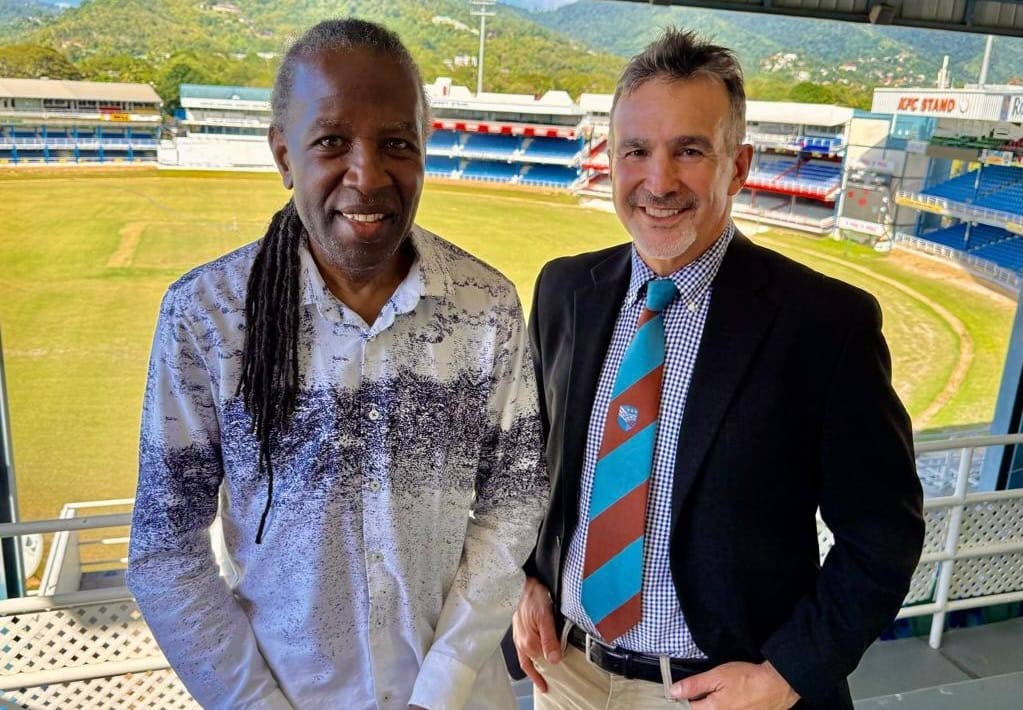
The TT Promoters Association (TTPA) is set to engage in crucial discussions with the Ministry of Culture and Community Development on November 21, following the government’s recent ban on major venues for Carnival fetes and concerts. This decision, announced by Prime Minister Kamla Persad-Bissessar, targets government-managed sporting facilities, including the Brian Lara Cricket Academy, Hasely Crawford Stadium, and Jean Pierre Complex, restricting their use to a nine-day window during Carnival week. The move aims to mitigate noise pollution, with events now mandated to operate strictly between 12 noon and 10 pm. Carnival 2026 is scheduled for February 16 and 17. TTPA president Robert Thompson revealed that a membership meeting will precede the government discussions to consolidate promoters’ perspectives, with a public media release expected thereafter. Prominent figures like Randy Glasgow have advocated for dialogue with the Prime Minister, proposing financial bonds as a deterrent against noise violations. Meanwhile, private venues such as Queen’s Park Oval (QP) have expressed willingness to collaborate with promoters. QP president Dr. Nigel Camacho emphasized the venue’s commitment to accommodating events within regulatory frameworks, despite challenges like residential proximity and parking constraints. Camacho highlighted the need for a balanced approach, respecting both Carnival traditions and community well-being, while ensuring competitive pricing for venue rentals. This development presents an opportunity to harmonize cultural festivities with environmental and social considerations.
-
Between the Main Ridge and the beach
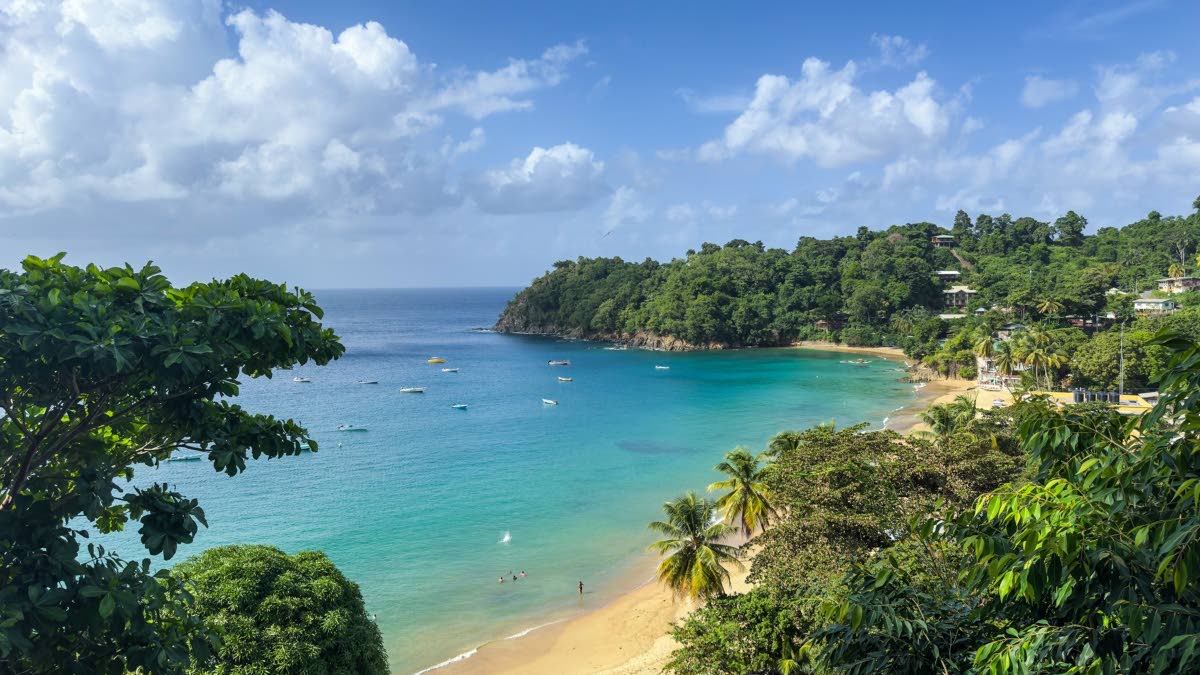
Nestled in the picturesque hillside above the authentic Caribbean fishing village of Castara, Tobago, Castara Retreats offers more than just a scenic escape. This boutique eco-lodge, established 25 years ago, has evolved into a model of regenerative tourism, blending sustainability with community engagement and environmental restoration. With 17 self-catering units, a Caribbean Kitchen restaurant, and a wellness space connected by tropical garden footpaths, the retreat provides a unique experience that immerses visitors in nature and local culture. Accommodations, crafted from local cypress and cedar, resemble treehouse sanctuaries, offering panoramic views of Castara’s Big Bay and the Main Ridge Forest Reserve. At its core, Castara Retreats is not just about hospitality; it’s about fostering meaningful connections between visitors, the environment, and the community. Regenerative tourism, a concept gaining traction globally, goes beyond sustainability by actively improving destinations. Castara Retreats exemplifies this through initiatives like interpretive walks led by local guides, pollinator sanctuaries, and partnerships with community entrepreneurs. The retreat’s ‘no fences’ policy encourages guests to explore the village, support local businesses, and engage with traditions like handmade fishing nets and communal bread baking. Additionally, Castara Retreats collaborates with the Environmental Research Institute of Charlotteville, channeling tourist dollars into conservation and community projects. Recognized with the Green Key eco-label for its transparency and commitment, Castara Retreats is setting a benchmark for ethical tourism in an era of climate risk and shifting consumer values. By prioritizing small-scale, eco-friendly, and community-rooted practices, Castara Retreats is not only preserving Tobago’s natural beauty but also ensuring its sustainable future.
-

PM’s wife: pregnant woman’s killing is a ‘double murder’
The tragic killing of seven-month pregnant Lauren Saunders in the Bahamas has reignited a heated debate over foetal rights and the country’s abortion laws. Ann Marie Davis, wife of the Prime Minister, has labeled the incident a “double murder,” asserting that Saunders’ unborn child, at seven months gestation, should be considered a living human being. This stance starkly contrasts with the position of National Security Minister Wayne Munroe, who maintains that Bahamian law does not recognize a foetus as a separate life for the purposes of murder charges. Munroe cautioned that altering the law could lead to unintended consequences, such as criminalizing medical terminations. Davis, speaking at a Zonta Club press conference, emphasized her belief that abortion should be avoided “at all costs” unless the mother’s life is in danger. She argued that Saunders’ pregnancy was advanced enough for the foetus to be considered a person, likening the act to “killing a baby.” The case has highlighted the disconnect between public sentiment and the legal framework, which currently prevents a murder charge for the death of an unborn child. Internationally, jurisdictions like the United States, Australia, and El Salvador have adopted varying approaches, with some allowing dual charges for the death of a pregnant woman and her foetus. The Bahamas’ legal stance remains unchanged, but the incident has sparked calls for a reevaluation of existing laws and their implications.
-

Flash flooding in Penal, corporation says mitigation works coming
On November 20, flash flooding struck several low-lying areas in the Penal/Debe municipality, leaving dozens of motorists stranded. The incident occurred despite the Penal Debe Regional Corporation (PDRC) receiving a significant 120% increase in funding for fiscal 2026. PDRC Chairman Gowtam Maharaj revealed that detailed mitigation plans are being prepared for the upcoming dry season to address the recurring issue. Speaking at the Debe office, Maharaj acknowledged the success of watercourse clearing efforts initiated earlier this year, which prevented major household flooding. However, he emphasized that more work is needed to resolve bottlenecks caused by encroachments, fallen trees, and outdated infrastructure. The flooding primarily affected areas such as SS Erin Road, Batchyia Village, Patiram Trace, Clarke Road, and Rock Road, with Rock Road experiencing the deepest waters. Maharaj outlined plans for remedial works across all ten municipal districts, which are set to be approved at the council’s statutory meeting on November 27. Collaboration with the Ministry of Works and Infrastructure and the South Oropouche River Basin project is also planned to mitigate future floods. Maharaj expressed relief over the reversal of a previous policy that delayed contractor payments, which he believes hindered progress. With 60% of the municipality located within the Oropouche watershed, the area remains highly flood-prone, with the last major flooding event occurring in September 2024.
-

CoP: Delay in TTPS promotions hurting Trinidad and Tobago
The promotion processes within the Trinidad and Tobago Police Service (TTPS) remain in a state of uncertainty as appellate courts deliberate on two separate cases involving senior and junior officers. On November 18, Justices of Appeal Prakash Moosai, Mira Dean-Armorer, and Eleanor Donaldson-Honeywell reserved their decision on an appeal challenging a 2024 High Court ruling. The court had found that the TTPS unlawfully used a departmental order in promotion assessments for at least 30 constables and unreasonably delayed interviews for advancement to corporal. A separate appeal, impacting inspectors seeking promotion to Assistant Superintendent of Police (ASP), has been adjourned indefinitely. Police Commissioner Allister Guevarro acknowledged the adverse effects of these stalled promotions in a November 19 media statement. He emphasized the loss of hundreds of years of combined expertise and millions of dollars in succession planning investments, as experienced officers reach mandatory retirement age without promotion opportunities. Guevarro expressed empathy for affected officers and citizens, stating that the nation is deprived of their skills and experience during a critical time. Despite the challenges, he reaffirmed the TTPS’s commitment to transparency, accountability, and justice. The legal disputes stem from a 2024 ruling by Justice Westmin James, who condemned the Promotion Advisory Board for improperly applying criteria outside the Police Service Regulations and delaying interviews for over a decade. James ordered the board to create a revised Order of Merit List using lawful criteria and awarded damages to affected officers. The ongoing appeals continue to disrupt the TTPS’s ability to address staffing and leadership needs effectively.
-

EOJ suspends replacement ID card fees following Hurricane Melissa
In response to the widespread devastation caused by Hurricane Melissa, the Electoral Office of Jamaica (EOJ) has announced the temporary suspension of fees for replacing Voter ID cards. This decision, effective immediately, aims to alleviate the financial strain on citizens who lost or damaged their identification during the storm.
Glasspole Brown, the Director of Elections, emphasized the critical role of Voter ID cards in daily life and the necessity of facilitating their replacement during this challenging period. ‘We understand the profound impact of the hurricane on individuals and families across the island. The Voter ID card is a vital document for many, and we are committed to ensuring its replacement is accessible and free of charge,’ Brown stated.
The EOJ also reported operational adjustments in several severely affected parishes, including Manchester, St Elizabeth, Westmoreland, Hanover, St James, and Trelawny. Offices in these areas are currently operating with reduced hours, from 9:00 am to 12 noon, Monday through Friday. Meanwhile, offices in Black River, St Elizabeth, and Savanna-la-Mar, Westmoreland, remain temporarily closed due to infrastructural damage.
Citizens in need of services are encouraged to visit other EOJ constituency offices, with a comprehensive list available on the EOJ’s website or by contacting the head office directly. The EOJ has assured the public that normal operating hours will resume gradually as essential services are restored. The organization remains steadfast in its commitment to supporting Jamaicans through this recovery phase, ensuring uninterrupted access to electoral services.
-

WRA reports groundwater levels in Content, Manchester, slowly receding after flooding
KINGSTON, Jamaica—The Water Resources Authority (WRA) has reported a gradual decline in groundwater levels in Content, Manchester, following severe flooding triggered by Hurricane Melissa on October 28. The flooding, caused by significant rainfall before and during the hurricane, has been a major concern for the community. Geoffrey Marshall, Deputy Managing Director of the WRA, confirmed that on-site observations indicate a slow but steady reduction in water levels. However, he warned that the movement of groundwater is causing rising water levels in downstream areas such as Porus and Harmons, as anticipated by the authority. Similar trends have been observed in Comfort Hall and Evergreen. Marshall emphasized that the recession of water in Content could take up to four weeks, longer than the two-week period recorded during a similar event in 2002, due to the greater volume of water involved this time. The WRA has urged residents in affected areas to remain cautious, avoid contact with contaminated floodwaters, and take necessary precautions if their properties are at risk. Marshall also advised against consuming untreated groundwater, stressing the importance of boiling or purifying water before use. The WRA continues to monitor the situation closely and conduct assessments across other communities.
-
Paria stays in diver’s workmen compensation claim
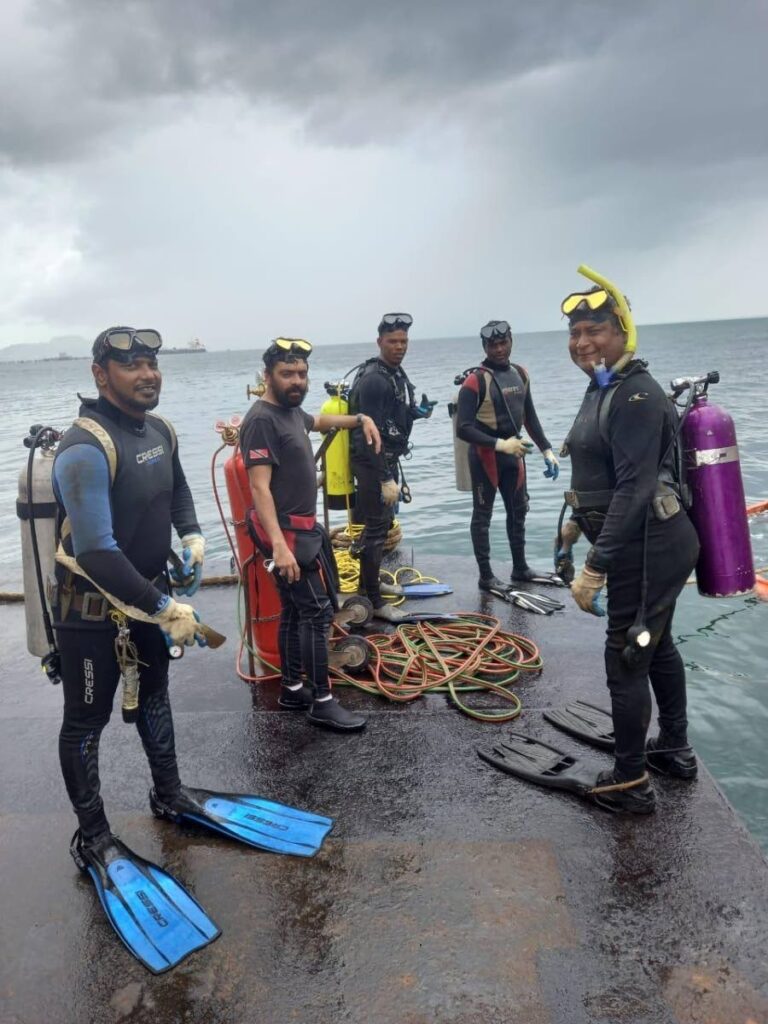
In a significant legal development, the High Court has dismissed an application by state-owned Paria Fuel Trading Co Ltd to be removed from a workmen’s compensation claim filed by the widow of one of the divers who tragically lost their lives in the 2022 Paria incident. The decision, handed down by High Court Master Wrenerson Lochan on November 18, underscores the ongoing legal complexities surrounding the case. Master Lochan ruled that the request by Land and Marine Contracting Services Ltd (LMCS) to include Paria as a party to the claim was justified, citing unresolved serious issues between the two entities. He further ordered Paria to cover LMCS’s legal costs related to the application.
The tragedy occurred in February 2022 when five LMCS divers were fatally sucked into a 30-inch underwater pipeline during maintenance work at Paria’s Pointe-a-Pierre facility. Only one diver, Christopher Boodram, survived. The victims included Fyzal Kurban, whose widow, Celisha Kurban, initiated the compensation claim. Represented by attorneys Prakash Ramadhar, Saira Lakhan, and Devi Ramnarine, Kurban’s estate is seeking justice for the loss.
Paria argued in its application that it had no direct control over the divers’ daily activities, emphasizing that LMCS exercised sole authority over its employees and the work environment. The company also claimed that the divers were performing tasks in violation of Paria’s work-permit system, leading to the fatal incident. Paria further asserted that LMCS’s insurance policies with TRINRE Insurance Co Ltd should indemnify it against liability, suggesting that the estate should have already received compensation under these policies.
However, LMCS managing director Kazim Ali, whose son Kazim Jr was among the victims, countered these claims. He argued that LMCS operated under Paria’s overarching control, including a ‘stop work’ authority that allowed Paria employees to halt operations at any time. Ali also highlighted that Paria staff monitored the divers via live-feed video on the day of the incident, enabling immediate intervention. He attributed the Delta-P event—a sudden and dangerous pressure change—to Paria’s mismanagement of line content removal, which he claimed was entirely under Paria’s control.
Ali accused Paria of negligence, alleging that the company failed to assign competent staff, misled LMCS about the remaining line content, and failed to communicate critical changes that created a hazardous environment. He also claimed that Paria prevented LMCS and volunteer rescuers from initiating a timely rescue, asserting that the tragedy could have been prevented. Ali maintained that any indemnity should flow to LMCS, not Paria, given the latter’s alleged negligence.
The case remains ongoing, with LMCS’s claim against TRINRE Insurance adjourned to 2026. Ali also noted that similar indemnity issues are being contested in two other High Court cases stemming from the same incident, suggesting that the court stay the indemnity issue in the workmen’s compensation claim until these matters are resolved.
-

Derek Walcott Library added to UNESCO world register
The Derek Walcott Library, located at the Sir Arthur Lewis Community College in St. Lucia, has been officially added to the UNESCO Memory of the World Regional Register for Latin America and the Caribbean. This prestigious recognition was announced during the program’s annual regional meeting held in Lima and Cusco, Peru. Among 71 nominations from 15 countries, 29 were approved, with the Derek Walcott Library standing out for its cultural and historical significance. The UNESCO Memory of the World Programme aims to protect documentary heritage at risk of being forgotten, damaged, or lost. The inscription highlights the profound value of Sir Derek Alton Walcott’s personal collection, offering a unique glimpse into the life, influences, and creative genius of the Nobel Laureate. The library houses Walcott’s original bookshelves, including works he authored, gifts from peers, and materials reflecting his engagement with Caribbean literature, art, theatre, history, and global cultures. Donated to the college in 2020 by Sigrid Nama, the collection serves as a preserved record of Walcott’s creative legacy and the broader literary conversations that shaped him. The Saint Lucia National Commission for UNESCO also acknowledged Kathy Birch-McDiarmed, head librarian of the Hunter J Francois Library, for her role as vice president of the Memory of the World Committee for Latin America and the Caribbean. Her efforts continue to support the protection and promotion of documentary heritage across the region. This recognition underscores the importance of preserving the Derek Walcott Library as a vital repository of Caribbean literary memory and cultural heritage.