
A 63-year-old man has been found guilty of sexual intercourse with a dependent and indecent assault after abusing his wife’s 16-year-old niece while she was under his care. The victim, who moved into the household in 2018, initially viewed the accused as a father figure. However, she testified in court that he began entering her bedroom at night and inappropriately touching her while his son slept nearby. She further revealed that in November 2018, he drove her to a secluded farm, threatened her, and coerced her into submission. The accused denied the allegations, asserting that the teenager initiated the encounters and offered sexual favors. He also claimed that erectile dysfunction prevented intercourse, a statement corroborated by his wife. Despite being acquitted of rape, the jury convicted him of the other charges, highlighting the gravity of his actions.
分类: society
-

Dangriga Mother Receives New Home Ahead of Christmas
As the festive season approaches, a Dangriga mother of five, Mirza Ariola, has been gifted a new home, marking a significant milestone in her life. This heartwarming gesture was made possible through the collaborative efforts of Belize Bank and Hand in Hand Ministries’ Building for Change programme. The official handover and house blessing ceremony took place on Friday, where Ariola became the 14th beneficiary of this 14-year partnership aimed at providing secure and stable housing for families in need. Ariola expressed her profound gratitude in a social media post, stating, ‘This is what compassion looks like. You guys really put in the work. Words can’t express how thankful I am. May the good lord continue to bless all of you in a very special way, and may your basket never run dry.’ Since its inception in 2002, the Building for Change initiative has constructed over 500 small wooden homes across Belize, often with the assistance of international volunteer groups and local business sponsors. This year, volunteers from Belize Bank’s Dangriga Branch worked diligently alongside Ariola’s family to ensure the home was completed in time for the handover.
-

2025 Grenlec Debates final
On November 18, 2025, the Crown Ballroom at the Radisson Grenada Beach Resort hosted a spirited debate on the theme ‘Nationalism and Culture.’ The motion centered on whether sports heroes contribute more to Grenada’s national identity than musicians or artists. The event saw intense competition between The Anglican High School and St Andrew’s Anglican Secondary School, with the latter emerging victorious with 343 points. The Anglican High School secured second place with 322 points, while St Joseph’s Convent, St George, and Presentation Brothers College claimed third place. The debate featured talented debaters from both teams, with Jayna Caton, Jahzara Date, Courtnee James, Jinnah Morain, and Makiah Ramsey representing The Anglican High School, and Shemmicah Lindsey, Calvin Clyne, Jenee Andrew, Kheun Smart, and Desali Jones from St Andrew’s Anglican Secondary School. The audience, comprising over 4,500 social media voters, crowned Ethan Auguste from Presentation Brothers College and Kaina Carter from St George’s Institute as the favorite debaters. Coaches and principals from both schools expressed pride in their students’ performances, highlighting the event’s significance in fostering critical thinking and cultural discourse among Grenada’s youth.
-

PHOTOS: Two Ministry of Works Projects Advance: Cedar Grove Pour and Point Upgrades
Two major infrastructure initiatives under the Ministry of Works have achieved notable milestones, signaling a boost in public infrastructure development. The Cedar Grove Pour project, a critical endeavor aimed at enhancing local road networks, has successfully completed a key phase. Simultaneously, the Point Upgrades initiative, designed to modernize essential public facilities, is also progressing steadily. These projects are part of the government’s broader strategy to improve community infrastructure and ensure sustainable urban development. The advancements are expected to significantly benefit residents by improving transportation efficiency and upgrading public amenities. The Ministry of Works has emphasized its commitment to timely project delivery and maintaining high-quality standards throughout the construction process.
-

PHOTOS: 24 derelict vehicles removed from Yorks Community
The National Clean-up Campaign has made remarkable strides in the Yorks Community, with a significant milestone achieved last Saturday. Nearly two dozen abandoned vehicles were successfully removed from the area, marking a pivotal moment in the ongoing effort to revitalize the neighborhood. This initiative, part of a broader national movement, aims to address urban blight and enhance the quality of life for residents. The removal of these derelict vehicles not only improves the aesthetic appeal of the community but also contributes to environmental sustainability by reducing potential hazards and pollution. Local authorities have praised the collaborative efforts of volunteers and government agencies, emphasizing the campaign’s role in fostering community pride and environmental stewardship. As the campaign continues to gain momentum, residents remain optimistic about the long-term benefits it will bring to their community.
-
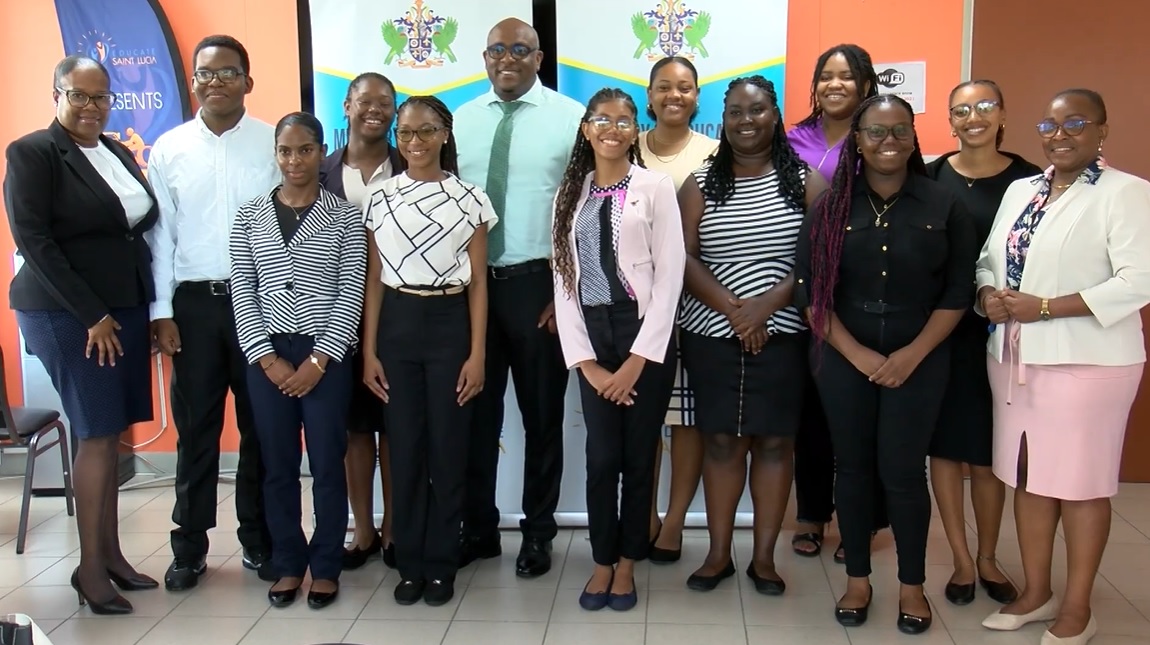
11 Saint Lucians receive scholarships to study in Morocco
A group of eleven talented Saint Lucians has been granted scholarships to pursue higher education in Morocco, marking a significant milestone in their academic journeys. This year’s cohort, consisting of one male and ten females, will delve into diverse fields such as business management, general medicine, law, agriculture, engineering, biology, chemistry, and geology. The scholarships are part of the Moroccan government’s Academic Cooperation Programme, facilitated by the Moroccan International Cooperation Agency (AMCI), which offers opportunities for students to study at public universities, higher education institutions, and vocational training centers, extending up to doctoral levels. During a meeting with the recipients, Saint Lucia’s Minister for Education, Shawn Edward, extended his congratulations while offering candid advice. He emphasized the challenges they might face, urging them to remain resilient and humble. Edward also expressed profound gratitude to the Moroccan government for their continued support in providing educational opportunities to Saint Lucian youth. The recipients are set to depart for Morocco by the end of November, embarking on a transformative academic journey.
-

Saint Lucia advances toward unified national child protection system
Saint Lucia has taken a significant step toward bolstering the safety and well-being of its youth with the development of the National System for the Comprehensive Protection of Children and Adolescents (NSCPCA). On November 11, key stakeholders, including government agencies, civil society organizations, and international partners, convened to shape this groundbreaking initiative. The NSCPCA aims to enhance coordination, accountability, and policy alignment across all sectors involved in child and adolescent welfare. The consultation focused on the system’s governance structures, including the National Child Protection Steering Committee and the Child Rights Advisory and Observatory Mechanism. Once operational, the NSCPCA will serve as a unified platform to promote collaboration among entities dedicated to safeguarding the rights of Saint Lucia’s children and adolescents. The initiative aligns with the UN Convention on the Rights of the Child (CRC) and supports progress toward the Sustainable Development Goals (SDGs). Dr. Charmaine Hippolyte-Emmanuel, Permanent Secretary in the Ministry of Equity, Social Justice & Empowerment, emphasized the importance of the initiative, calling it a critical milestone in creating a coordinated, multisectoral child protection framework. She highlighted the system’s goal of ensuring every child is protected, engaged, and has access to education and healthcare. The official launch of the NSCPCA is scheduled for November 19 and 20, coinciding with World Children’s Day. Pre-launch activities include a children’s march, church service, youth gathering, and cultural showcase. Dr. Lorraine Nicholas, United Nations Country Coordinator for Saint Lucia, praised the initiative as a significant advancement in child rights protection. Dr. Brittney Dalson, a community pediatrician with the Ministry of Health, also commended the collaborative spirit of the consultation, expressing optimism about the system’s potential to improve the lives of Saint Lucia’s youth.
-
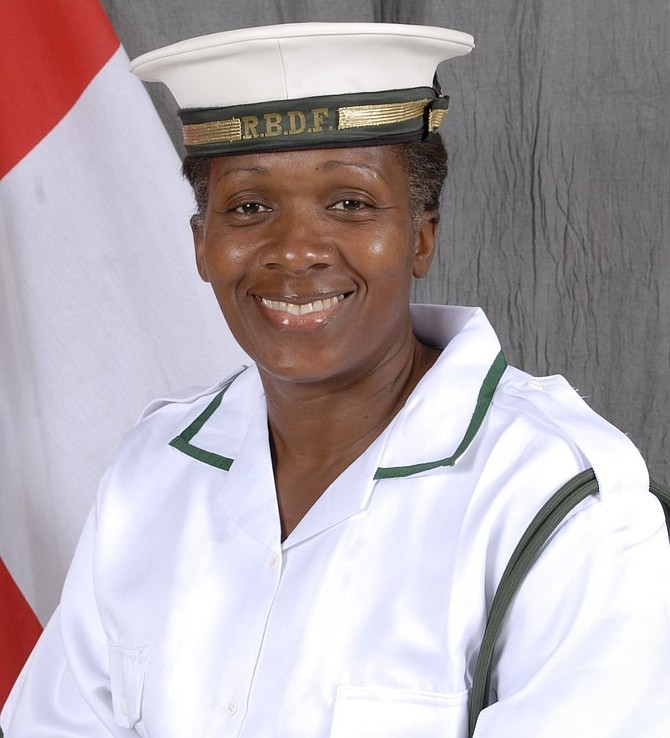
RBDF mourns dedicated Leading Woman Marine Stephanie Darville
The Bahamas is mourning the loss of Stephanie Darville, a leading woman marine reservist, who passed away last Sunday after a brief battle with aggressive cancer. Darville, 58, was remembered as a devoted mother, disciplined officer, and the driving force behind her family’s reunions. Her sister, G Veronica Basden, described her as a person who approached both her service in the Royal Bahamas Defence Force (RBDF) and her family life with purpose and seriousness. Darville joined the reserves in 2012 and quickly rose to the top of her class, fully embracing the physical and academic demands of the program. She served across the Base Maintenance Team Section and the Office of the Captain Coral Harbour, leaving a lasting impact on her colleagues. Commodore Floyd Moxey, Commander of the Defence Force, praised her professionalism, loyalty, and warm spirit, noting that even in her final days, her thoughts remained with her fellow marines. Outside of her military service, Darville worked as a croupier and was known for her selfless acts of kindness. She is survived by two sons and a grandson. Her sister shared that Darville remained communicative until her final weeks but grew too weak to continue treatment as the cancer advanced.
-
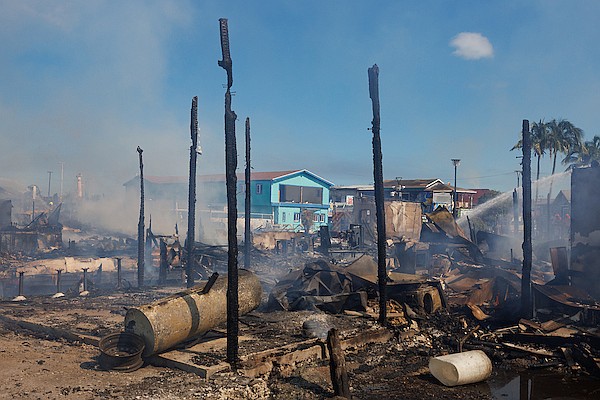
‘Curly’ says Arawak Cay fire forces vendors and officials to ‘reflect and refocus’ on the future
A devastating fire that destroyed six restaurants at Arawak Cay on Sunday has reignited long-standing frustrations among vendors and highlighted systemic issues at Nassau’s iconic Fish Fry. The blaze has brought to the forefront concerns over cramped wooden structures, inadequate oversight, and years of stalled reforms. Vince ‘Curly’ McDonald, owner of Curly’s Restaurant & Bar, described the incident as a wake-up call, urging stakeholders to “reflect and refocus” on the future of the strip. He criticized the current setup as unsustainable, citing overcrowding, lack of fire safety protocols, and the inability to secure insurance for the wooden buildings. McDonald emphasized the need for a strong oversight committee comprising vendors and policymakers to enforce standards and drive meaningful change. He also dismissed the Arawak Cay Conch, Fish, Vegetable and Food Vendors Association as ineffective, claiming little progress has been made over the years. Rodney Russell, president of the ACVA, shifted focus to the immediate hardships faced by over 60 individuals affected by the fire, particularly as the Christmas season approaches. While acknowledging that the buildings met Ministry of Works standards when constructed, Russell admitted enforcement has weakened over time. He attributed the Fish Fry’s decline to nepotism and favoritism, accusing some of bypassing regulations to erect structures. Despite the close proximity of the wooden buildings, Russell maintained that the fire was an accident unrelated to building codes. The incident has underscored the urgent need for comprehensive reform to ensure the safety and sustainability of Arawak Cay’s vibrant culinary hub.
-
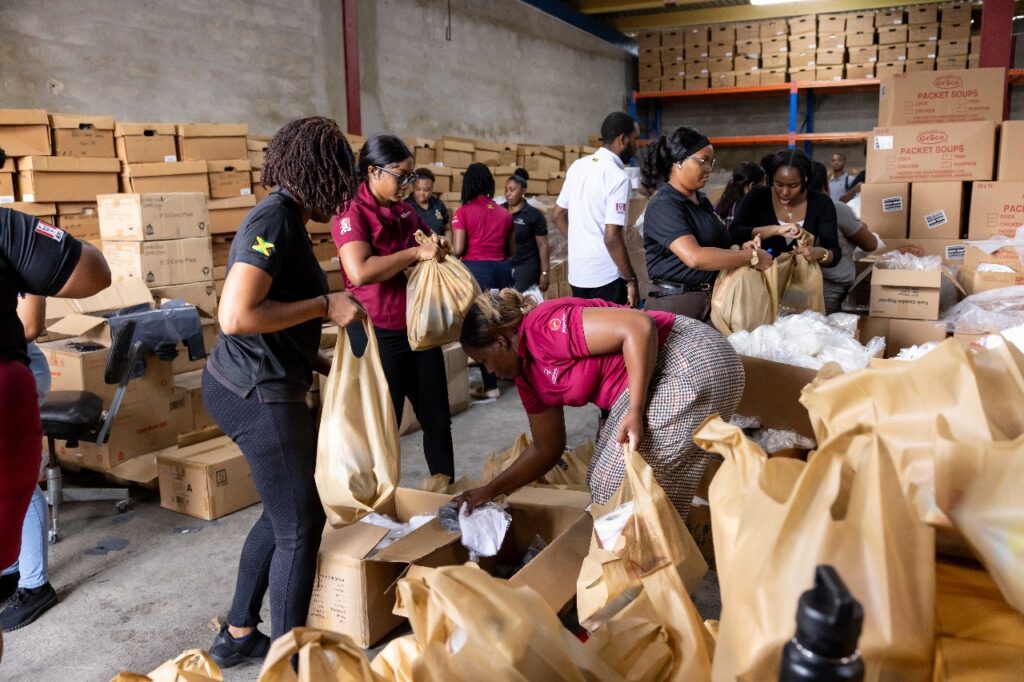
ROJ relief efforts continue with care packages for affected staff members
KINGSTON, Jamaica — In the wake of Hurricane Melissa’s devastation, Restaurants of Jamaica (ROJ), the operator of KFC and Pizza Hut, has intensified its relief efforts to support both its employees and the broader community. The hurricane left many with damaged homes and lost belongings, prompting ROJ to take swift action. Since the onset of its recovery initiatives, the company has been distributing over 2,000 meals daily to severely affected areas. Recognizing that many of its own team members were among those impacted, ROJ has also prepared hundreds of personal care packages. These packages contain a two-week supply of food, hygiene products, and other essential items, aimed at providing immediate relief to those in need. Despite personal hardships, numerous ROJ employees have continued to report to work, preparing meals and assisting in relief operations. The company’s managing director, Mark Myers, emphasized the resilience and compassion of the team, stating, ‘Even those rebuilding their own lives have shown up to support others. Their strength and willingness to serve have been extraordinary.’ Myers also expressed gratitude to ROJ’s partners and suppliers, including Jamaica Broilers, Pepsi Jamaica, GraceKennedy, Facey Commodity, and Lasco, whose contributions were vital in assembling the care packages. ROJ’s efforts underscore its commitment to standing with the affected communities and supporting the recovery process. ‘Jamaica will rebuild, and we will rebuild together,’ Myers affirmed, highlighting the collective spirit of resilience and unity in the face of adversity.