分类: society

  • Tomb Desecration Suspect Sent to Prison

    Tomb Desecration Suspect Sent to Prison

    A disturbing case of tomb violation has emerged from Hattieville, Belize, where 33-year-old Jonathan Abner Flores faces serious charges for allegedly breaking into a recently buried woman’s tomb and tampering with her remains just one day after her interment. The incident, which occurred at Mile 15, has raised complex questions about mental health and criminal justice.

    During today’s proceedings at Belize City Magistrate’s Court, Flores appeared without legal representation, prompting judicial concerns about his psychological state. The court limited its action to formally reading the charges against him after a family member intervened to explain Flores’s apparent mental health challenges. The relative disclosed the family’s intention to seek private medical treatment for Flores while simultaneously requesting he remain in custody for his own protection.

    Senior Magistrate Fiona Connor-Hamilton demonstrated judicial balance by ordering a compulsory psychiatric evaluation while simultaneously acknowledging the defendant’s right to bail. The magistrate clarified that safety concerns alone couldn’t justify remand without bail, emphasizing that Flores would be detained in prison until bail conditions were met. She scheduled a return hearing for May 4, 2026, pending completion of the psychiatric assessment.

    The courtroom atmosphere grew tense as Flores became increasingly agitated, shouting intermittently and disrupting judicial proceedings. Despite being granted bail set at $1,500 Belize dollars, no family members had posted the required security by noon, resulting in Flores’s transfer to Belize Central Prison for temporary detention.

  • San Felipe Village Unites after Fire Destroys Four Homes

    San Felipe Village Unites after Fire Destroys Four Homes

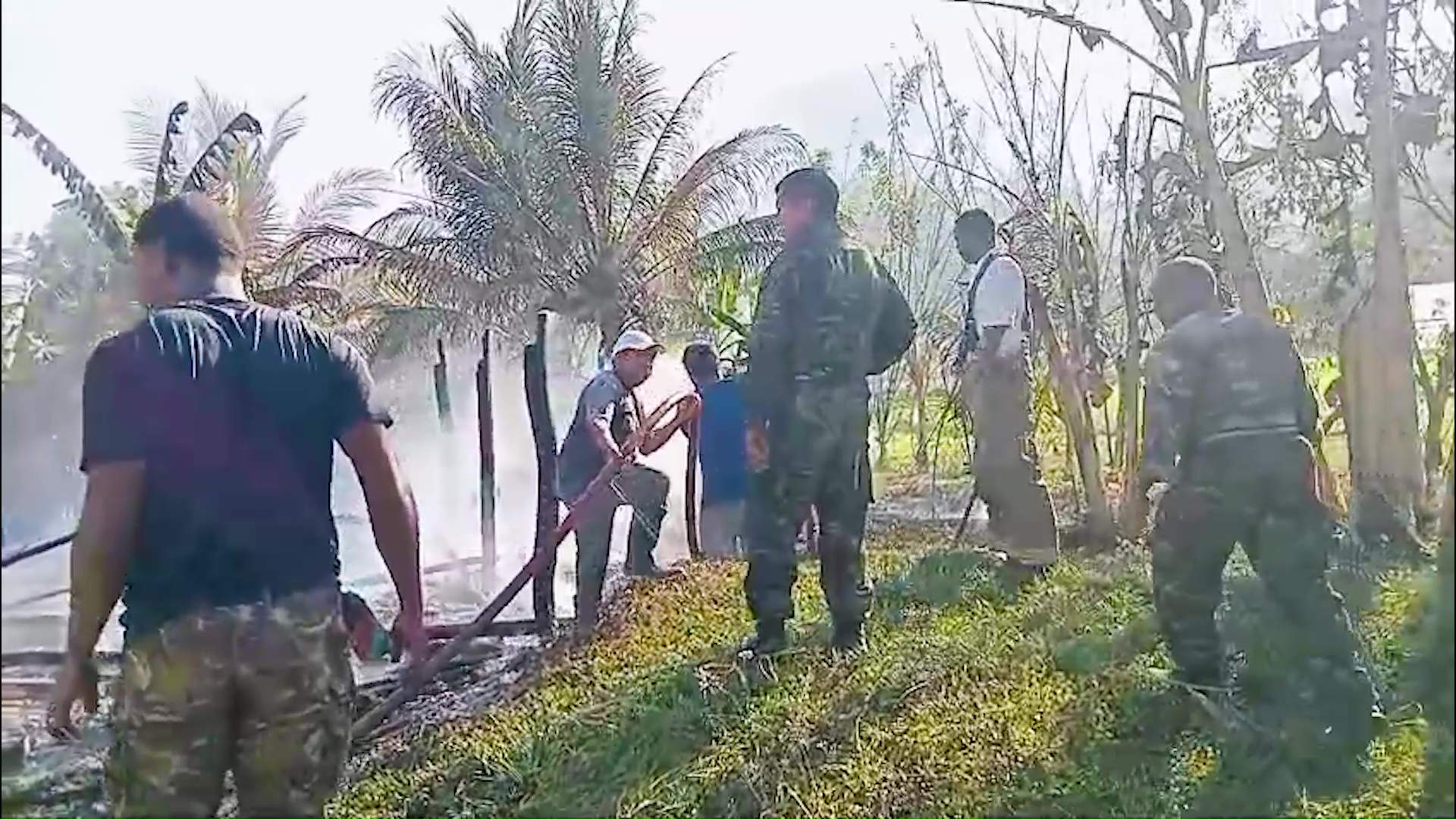
    The tight-knit community of San Felipe has demonstrated remarkable resilience in the aftermath of a devastating fire that consumed four residential structures on Thursday afternoon. The rapidly spreading blaze, which authorities are investigating as potential arson, tore through multiple thatched-roof dwellings around 3 p.m., leaving several families without possessions, important documents, or shelter.

    According to Germuel Choco, Chairman of San Felipe Village, the fire originated in one building before quickly engulfing three adjacent homes in the same compound. The flames subsequently jumped across the roadway to affect another property. Emergency services responded promptly, with the Belize Defense Force providing crucial assistance after coincidentally passing through the area.

    Despite the traumatic event, the community has mobilized impressively. Residents have already begun reconstruction efforts, focusing first on the most vulnerable victims. Francis, a 71-year-old elder, and his 61-year-old spouse are nearing completion of their replacement home through community efforts. Another priority is the family of Mr. Alexander Cal and Michelle, who are raising two young children.

    The village chairman emphasized the urgent need for building materials as residents work collectively using traditional construction methods. While police have detained a suspect in connection with the potentially deliberate fire, the overwhelming story has become one of communal solidarity and support for those displaced by the tragedy.

    Those wishing to contribute to rebuilding efforts are encouraged to contact the San Felipe Village Council directly.

  • Caye Caulker Man Sues Over Illegal Detention

    Caye Caulker Man Sues Over Illegal Detention

    A legal battle has been initiated against Belizean authorities by Evan Hynes, a 29-year-old resident of Caye Caulker, who endured nearly four months of imprisonment under circumstances his legal team describes as fundamentally unlawful. The lawsuit names the Commissioner of Police and the Attorney General as defendants, centering on a detention that occurred during a State of Emergency declared for specific crime-prone zones—none of which included the island of Caye Caulker where Hynes resides.

    The incident began on June 25, 2024, when Hynes was apprehended by police on allegations of producing a video that allegedly promoted gang activity. Critics note the alleged incident predated the official declaration of the State of Emergency by approximately two weeks. Following his arrest, Hynes was formally charged, systematically denied bail, and remanded to the Belize Central Prison.

    He remained incarcerated for 91 days before legal intervention, spearheaded by his mother, prompted a review. In September 2024, an Emergency Powers Review Tribunal concluded that his detention was unjustified and recommended the immediate revocation of his detention order. Despite this recommendation, bureaucratic delays meant Hynes was not released until October 23, after finally being granted bail. The criminal case against him was ultimately dismissed on January 23, 2026.

    Hynes is now seeking substantial damages for emotional distress and significant loss of income during his unlawful imprisonment. This case echoes a precedent from 2025, where the Belizean government was ordered to pay over $300,000 in compensation to sixteen individuals wrongfully detained under a similar State of Emergency in July 2020. That ruling found clear violations of fundamental rights and prompted a swift, though unsuccessful, legislative response. The government attempted to pass the Thirteenth Amendment Bill, which sought to constitutionally empower authorities to declare high-crime zones and, critically, to retroactively validate past states of emergency. The bill ultimately failed to pass into law.

  • Attorney General calls for economic approach to fighting crime

    Attorney General calls for economic approach to fighting crime

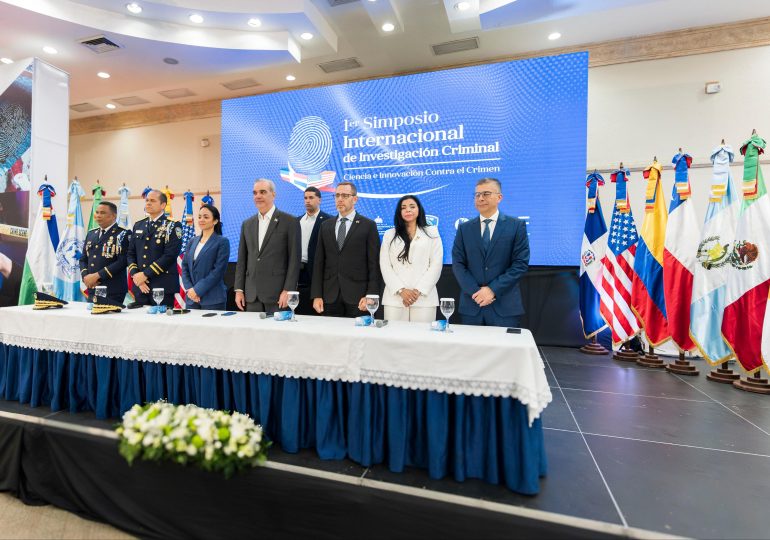
    SANTO DOMINGO – In a significant policy address, Attorney General Yeni Berenice Reynoso has advocated for a fundamental strategic shift in combating organized crime, proposing that law enforcement agencies analyze criminal operations through the framework of market economics rather than pursuing individual cases in isolation.

    Speaking at the First International Symposium on Criminal Investigation—a cornerstone event within the nation’s comprehensive Police Reform initiative—Reynoso articulated her vision before an audience including President Luis Abinader, Interior and Police Minister Faride Raful, and National Police Director Andrés Modesto Cruz Cruz.

    The Attorney General criticized the conventional investigative approach prevalent in many jurisdictions, where crimes are addressed singularly without examining the broader ecosystem they inhabit. She contended that this fragmented methodology persistently fails to dismantle criminal infrastructures effectively. Instead, Reynoso championed the concept of conducting holistic ‘criminal market analyses’ to develop more impactful and sustainable security outcomes.

    Elaborating on her thesis, Reynoso delineated how illicit activities operate within a sophisticated ‘criminal economy’ that mirrors the principles of its legal counterpart, particularly the fundamental law of supply and demand. Criminal enterprises, she explained, dynamically calibrate their operations according to market fluctuations: escalating production to meet rising demand, reducing prices in response to oversupply, and capitalizing on scarcity to inflate costs.

    Reynoso identified a critical vulnerability in contemporary security strategy: the widespread failure of investigative bodies to comprehend the functional mechanics of specific illicit markets. This analytical gap, she asserted, fundamentally undermines the efficacy of efforts to disrupt and permanently eradicate organized crime networks, necessitating a paradigm shift towards economic behavior analysis in criminal investigations.

  • Impact én zelf geld verdienen met eigen visie en kennis over (gezondheids)zorg

    Impact én zelf geld verdienen met eigen visie en kennis over (gezondheids)zorg

    A groundbreaking report commissioned by the Dutch Ministry of Health, Welfare and Sport has formally documented the persistent physical, mental, and socio-economic consequences of slavery across generations. Titled “Health and Slavery: Final Report on Health Effects of Slavery” (November 2025), the research acknowledges what descendants of enslaved peoples have long understood: the transatlantic slave trade continues to impact health outcomes centuries later.

    The University of Amsterdam’s contribution highlights a critical paradox – while the recommendation for further research appears predictable, it simultaneously exposes systemic neglect. Indigenous communities and African descendants have maintained their own health remedies for generations, yet these solutions remain unrecognized within Western-dominated medical frameworks. The report notes that traditional healing knowledge has been systematically dismissed due to the predominance of Western perspectives in healthcare evaluation.

    Despite this historical oversight, the document represents significant progress in agenda-setting for culturally appropriate healthcare solutions. It advocates for meaningful recognition – both economic and financial – of existing indigenous knowledge systems. The research underscores concerns about academic studies using community funds to extract traditional knowledge, only to see resulting innovations commercialized without benefiting source communities.

    This pattern reflects imbalanced power dynamics favoring well-funded industries over traditional knowledge holders. The report proposes concrete pathways for Suriname, Caribbean nations, and African countries to leverage their extensive ethnomedical knowledge. By developing proprietary health industries and alternative medical networks, these regions could generate pharmaceutical revenue streams potentially exceeding extractive industries like mining.

    The implementation strategy emphasizes modern technological integration, suggesting artificial intelligence could systematically structure traditional knowledge databases. This approach would add value to scientific institutions while preserving intellectual property rights. International cooperation emerges as essential for developing capital-intensive industries and supply chains.

    Crucially, the report identifies patents as key value generators for Global South nations, as stored knowledge can be progressively monetized within economic systems. This represents a paradigm shift from knowledge extraction to knowledge sovereignty, offering sustainable economic development while addressing historical health disparities.

  • COMMENTARY: Harnessing the ocean’s wealth – How Brenton Mason turns the sea into sustainable livelihoods

    COMMENTARY: Harnessing the ocean’s wealth – How Brenton Mason turns the sea into sustainable livelihoods

    Along the pristine northwestern coastline of Dominica, the tranquil fishing village of Toucari is pioneering a revolutionary approach to marine resource management that harmonizes economic prosperity with ecological stewardship. Here, the azure Caribbean waters provide more than picturesque vistas—they offer a blueprint for sustainable community development.

    Brenton Mason, an innovative sea moss cultivator, exemplifies this new generation of Dominican entrepreneurs who are redefining humanity’s relationship with the ocean. His journey into marine agriculture began through familial inspiration. “My cousin introduced me to sea moss farming,” Brenton reflects. “Since it involved working in seawater—where I’ve always felt most at home—I embraced it passionately and transformed it into my vocation.”

    The cultivation process combines traditional knowledge with modern ecological awareness. Farmers meticulously attach sea moss fragments to submerged ropes anchored along the ocean floor, nurturing them through careful monitoring until harvest readiness. Brenton poetically describes this process as “comparable to raising an infant,” emphasizing the dedication and patience required.

    This marine cultivation extends far beyond conventional applications. “The potential is truly inspiring—it transcends mere juice production,” Brenton explains with evident enthusiasm. The harvested seaweed undergoes meticulous processing including cleaning, natural bleaching, and drying before being transformed into diverse value-added products including nutritional gels, wellness powders, and therapeutic preparations.

    Through the collectively-managed Toucari Marine Culture Group, Brenton and five fellow members are developing a multifaceted marine economy that includes sustainable fishing, marine nursery maintenance, and exploratory aquaculture—all predicated on maintaining oceanic health. Their initiative receives technical support from Dominica’s Fisheries Division, which conducted comprehensive water quality analysis to identify ideal cultivation sites. “They performed detailed pH testing and identified perfect locations,” Brenton notes, adding that these sites simultaneously serve as educational attractions for visitors.

    This integrated approach generates stable incomes while safeguarding marine biodiversity and strengthening local economic resilience. Brenton demonstrates particular commitment to engaging younger generations, recognizing that “youth represent tomorrow’s future.” His mentorship philosophy focuses on transferring specialized knowledge, building professional confidence, and creating opportunities that tether young Dominicans to their coastal heritage.

    The initiative’s broader impacts include enhanced family stability, improved nutrition security, and demonstrable proof that environmental conservation can coexist with economic prosperity. International organizations including the International Organization for Migration recognize such community-led initiatives as models for building resilient, self-reliant communities through localized knowledge systems and shared responsibility frameworks.

    For Brenton, sea moss farming transcends commercial enterprise—it embodies a profound connection to marine rhythms and intergenerational responsibility. His vision encompasses a future where Dominicans prosper through wise oceanic stewardship, ensuring both ecological preservation and economic security for generations ahead.

    His fundamental philosophy remains elegantly simple: “Anyone can practice sea moss cultivation. The essential qualification is a genuine love for the sea.”

  • 21-year-old dies after late-night shooting in Anse La Raye

    21-year-old dies after late-night shooting in Anse La Raye

    The tranquil community of Anse La Raye, Saint Lucia, has been plunged into mourning following a lethal shooting incident that claimed the life of 21-year-old Shardell Deterville. The tragic event unfolded on the evening of Tuesday, March 3, 2026, at approximately 11:05 p.m. local time.

    According to official reports from the Royal Saint Lucia Police Force, emergency responders discovered Deterville, a resident of Mole Street, suffering from multiple gunshot wounds. He was immediately transported to the Owen King EU Hospital for urgent medical intervention. Despite efforts to save his life, Deterville succumbed to his injuries shortly after midnight at 12:37 a.m. on Wednesday, March 4.

    Law enforcement authorities have confirmed that one individual is currently in custody and cooperating with the ongoing investigation. While preliminary details remain limited, the police have assured the public that all aspects of the case are being thoroughly examined.

    The aftermath of the shooting has triggered significant social unrest, with numerous videos capturing the incident’s aftermath circulating widely across digital platforms. These recordings have ignited passionate responses from citizens who are vehemently condemning the perpetrators and demanding swift justice for the victim.

    Community members have voiced growing apprehension about the persistent violence affecting their neighborhoods, particularly emphasizing the tragic loss of young lives that continues to impact the region. The incident has sparked broader conversations about public safety measures and crime prevention strategies needed to protect vulnerable populations.

    Investigators have maintained that additional information regarding the precise circumstances leading to the shooting will be disclosed as the inquiry progresses, urging patience from the public while they pursue all available leads.

  • Vendors outside schools drawn into healthy food policy drive

    Vendors outside schools drawn into healthy food policy drive

    Barbados education authorities are implementing a comprehensive training program to bring off-campus snack and beverage vendors into compliance with national school nutrition standards, marking a significant expansion of childhood obesity prevention efforts. Rather than employing punitive measures, the Ministry of Educational Transformation has adopted a guidance-oriented approach to help vendors transition toward healthier product offerings while maintaining their livelihoods.

    Education Officer Nicole Elliott, overseeing the Barbados School Nutrition Policy, revealed that compliance checks within school environments initiated last September have yielded an 85% success rate for beverages but only 45% for snacks. This disparity prompted officials to extend their outreach to vendors operating outside school premises where students frequently purchase items after being dropped off by parents.

    “Our engagement isn’t about reprimanding vendors but providing practical guidance on healthier alternatives,” Elliott stated during the Childhood Obesity Prevention Youth Health Summit. “We recognize these entrepreneurs depend on this trade for their income, and our objective involves facilitating their transition toward compliant products.”

    The ministry confronts substantial challenges in implementing the 2023 School Nutrition Policy, which aims to regulate sugary drinks and snacks sold near educational institutions. Minister Chad Blackman emphasized the urgency of addressing childhood obesity and non-communicable diseases through improved nutritional access, noting that government responsibility extends beyond school fences.

    A significant hurdle identified involves vendors’ difficulty sourcing approved products. Education officials now actively connect vendors with distributors and wholesalers supplying compliant items. Some companies have developed promotional packages specifically for school vendors, offering reduced prices that maintain profit margins while making healthier options more accessible.

    Despite training sessions attended by approximately 35 vendors and providing equipment vouchers for food handling improvements, compliance remains uneven. Elliott attributes the snack compliance gap to the overwhelming market variety—initially 1,700 snack variations identified in Barbados, now refined to 450-500 approved products through phased nutritional standardization.

    The ministry continues its outreach as compliance checks progress, offering registration opportunities for vendors seeking guidance through direct contact with Education Officer Nicole Elliott via phone or email at nelliott@mes.gov.bb.

  • Victim Detained After Being Shot, Family Speaks Out

    Victim Detained After Being Shot, Family Speaks Out

    In a controversial development in Cotton Tree Village, Akeem Jones, a 32-year-old local resident, has been taken into police custody by the same officer he recently accused of shooting him. The incident occurred on March 4, 2026, creating a complex legal situation that has drawn significant public attention.

    According to family statements, Jones had previously alleged that during a police pursuit targeting one of his relatives on Tuesday, an officer discharged their firearm, striking Jones in the arm from behind. The injury was reportedly severe enough to require medical treatment and would prevent him from working for approximately two months.

    Following his discharge from medical care on Tuesday, Jones was reportedly en route to file an official complaint with the Professional Standards Branch when he was intercepted by police and transported to the Roaring Creek police station.

    Norma Lemott, Jones’ sister, has publicly condemned the detention as potential retaliation for her brother’s decision to speak with media outlets about the shooting incident. In statements to News 5, Lemott revealed the family is securing legal representation, declaring they “will not let this matter rest.”

    Lemott further expressed concerns about restricted access to her detained brother and reported hearing claims that police intended to press charges against Jones for allegedly assaulting an officer. She characterized these potential charges as a contradictory response, questioning how someone who was reportedly shot could then be accused of attempting to seize an officer’s weapon simply for engaging with media.

    The full details of this developing story were scheduled for comprehensive coverage on News 5’s evening broadcast, highlighting ongoing tensions between community members and law enforcement personnel.

  • Trade unionists gear up to train future leaders for changing workplace

    Trade unionists gear up to train future leaders for changing workplace

    In a strategic response to evolving workplace dynamics, the Congress of Trade Unions and Staff Associations of Barbados (CTUSAB) has inaugurated an intensive leadership development program aimed at cultivating a new generation of trade union representatives. The two-day workshop, convened at the Ministry of Labour conference facility in Warrens, marks a significant investment in strengthening worker representation through comprehensive skill development.

    Under the thematic framework ‘Building Strong Workplace Representation,’ CTUSAB President Ryan Phillips outlined the program’s critical importance in addressing generational transitions within union leadership. “Our analysis reveals a pressing need to develop competent successors as veteran unionists retire,” Phillips stated during proceedings. “Emerging leaders require systematic training in practical union operations to effectively navigate contemporary labor challenges.”

    The curriculum delivers rigorous instruction in multiple essential domains: grievance resolution protocols, Barbados employment legislation, tribunal procedures, and governance principles. Participants receive specialized training in financial oversight mechanisms and strategic decision-making processes within statutory boards and national institutions.

    Phillips emphasized the critical intersection between representative training and national development: “Board-level representation directly shapes policy direction, financial accountability, and strategic planning. Without proper preparation, union representatives cannot adequately protect worker interests or contribute substantively to national progress.”

    Noting improved engagement across essential services, Phillips reported increased participation from police, fire, and prison service personnel—a development signaling broader organizational inclusivity. The initiative further prioritizes financial sustainability through enhanced local, regional, and international partnerships.

    The union movement demonstrates growing influence as domestic social organizations increasingly seek collaborative opportunities with CTUSAB. This trend reflects rising institutional credibility and presents opportunities for expanded societal impact.

    Future expansion plans include educational outreach through revitalized school programs and targeted youth initiatives. CTUSAB is preparing governmental proposals addressing youth development challenges, aiming to channel young Barbadians toward productive engagement while countering negative social influences through meaningful workforce participation.