分类: society

  • Standards pioneer Rhynd honoured at World Quality Day ceremony

    Standards pioneer Rhynd honoured at World Quality Day ceremony

    Dudley Rhynd, the inaugural national standards director of Barbados and a key architect of the Caribbean’s quality infrastructure, was celebrated as a transformative figure in regional development during a special ceremony marking World Quality Day 2025. The event, held at the Barbados National Standards Institution (BNSI) headquarters in Warrens under the theme “Quality: Think Differently,” brought together top officials to honor Rhynd’s enduring legacy. Latoya Burnham, CEO of the CARICOM Regional Organisation for Standards and Quality (CROSQ), hailed Rhynd as “a true stalwart of Caribbean quality,” emphasizing his visionary leadership and foundational contributions to regional standards. “Dudley Rhynd’s tireless efforts and unwavering belief in regional integration transformed ideas into actionable frameworks, strengthening trade, protecting consumers, and enhancing competitiveness across the Caribbean,” Burnham remarked. She noted that Rhynd’s influence extends beyond CROSQ’s creation, shaping the Caribbean’s approach to quality as both a technical concept and a cultural mindset. BNSI Chairman Ryah Brathwaite echoed these sentiments, describing Rhynd as “a visionary whose lifetime of purpose has left a lasting impact across Barbados, the Caribbean, and beyond.” Brathwaite highlighted Rhynd’s role in establishing BNSI as a beacon of excellence and his contributions to fostering regional unity through institutions like CROSQ. In his acceptance speech, Rhynd expressed gratitude to his colleagues, emphasizing the collaborative nature of his achievements. “I share these tributes with the many people who supported me along the way,” he said. Rhynd’s 33-year tenure as BNSI’s founding director until his retirement in 2006 laid the groundwork for Barbados’ and the Caribbean’s standards and quality infrastructure. His career, marked by a commitment to quality assurance and regional integration, has been widely recognized for advancing trade, consumer protection, and competitiveness.

  • Registrations open for Antigua and Barbuda’s 2025 Christmas lighting contest

    Registrations open for Antigua and Barbuda’s 2025 Christmas lighting contest

    The Ministry of Education, Sports and Creative Industries in Antigua and Barbuda has officially announced the opening of registrations for the 2025 Christmas Home and Business Lighting Competition. This annual event, deeply rooted in the nation’s cultural fabric, invites both residents and business owners to participate in a celebration of creativity and community spirit. Registration forms are available until December 17 at two locations: the Department of Creative Industries on Old Parham Road and the National Festivals Office in St John’s. The competition will feature pre-judging rounds from December 20 to 21, followed by final assessments on December 28. Winners will be revealed on the popular morning show, *Good Morning Antigua, Barbuda*, on January 5. Home entries will be evaluated across four geographical zones—East, West, North, and South—with participants enjoying incentives such as a full electricity waiver from December 15 to January 15 and duty-free concessions on lighting and decorations. Cash prizes for home participants range from EC$1,000 to EC$3,000. Businesses, on the other hand, will benefit from a 50% electricity waiver for December, duty-free concessions, and the same prize structure. The competition is designed to enhance communal bonds and highlight local ingenuity as the festive season approaches, reinforcing its role as a cherished tradition in Antigua and Barbuda.

  • Motorists urged to check compliance as new tint rules start Dec 1

    Motorists urged to check compliance as new tint rules start Dec 1

    Barbados is set to implement new vehicle tint regulations starting December 1, with authorities urging motorists to ensure compliance before the deadline. Deputy Chief Licensing Officer Lynette Williams emphasized that the updated rules, ratified earlier this year, aim to bolster road safety and aid law enforcement in crime prevention by enhancing visibility into vehicles. According to the regulations, front passenger and driver windows must allow at least 25% light transmission, rear windows and rear windscreens 20%, and front windscreens 70%. A three-percentage-point margin of error is permitted during tint testing. To assist drivers, free tint testing services are available at Oistins and the NCF car park in West Terrace. The new rules, part of the Road Traffic Act, prohibit metallic and mirrored tints and apply uniform standards to both private and public service vehicles. Visor tints must also meet a minimum 25% light transmission, with size restrictions based on windscreen height. Exemptions are available for drivers with medical conditions, provided they submit a specialist’s report. The Barbados Licensing Authority (BLA) stated that these measures aim to empower law enforcement by ensuring clear visibility into vehicles, thereby deterring criminal activity and aiding investigations. Motorists with non-compliant tints must remove them to avoid penalties once enforcement begins. Detailed information on the regulations is accessible on the websites and social media platforms of the BLA and the Ministry of Transport and Works. Authorities anticipate heightened public awareness to facilitate a seamless transition when the rules take effect.

  • President marks Queen’s College 25-year Cadet Corps milestone

    President marks Queen’s College 25-year Cadet Corps milestone

    Queen’s College commemorated the 25th anniversary of its No. 21 Cadet Corps with a solemn yet celebratory event on Thursday. The occasion featured a military parade and a poignant Remembrance Day tribute, attended by prominent figures including President Dame Sandra Mason, CARICOM Ambassador David Comissiong, and other dignitaries. The ceremony, held at the Husbands, St James campus, underscored the cadet company’s legacy of discipline, leadership, and civic service. Lynda Holder, chair of the Queen’s College Board of Management, emphasized the collective pride in the cadet corps’ achievements, praising the contributions of founders, officers, instructors, parents, and generations of cadets. The event also honored the island’s fallen soldiers, with Holder urging current cadets to uphold the highest standards of character and civic duty. The school choir delivered a moving performance of *At Calvary*, while the cadets showcased their precision through drills and the playing of *Reveille*. President Mason unveiled a commemorative plaque inscribed with a message of remembrance and celebration. The ceremony concluded with artistic gestures, including the presentation of school memorabilia, an award-winning painting, and a bouquet of flowers to the president.

  • Antigua and Barbuda Transport Board Sends Relief Supplies to Families in Jamaica

    Antigua and Barbuda Transport Board Sends Relief Supplies to Families in Jamaica

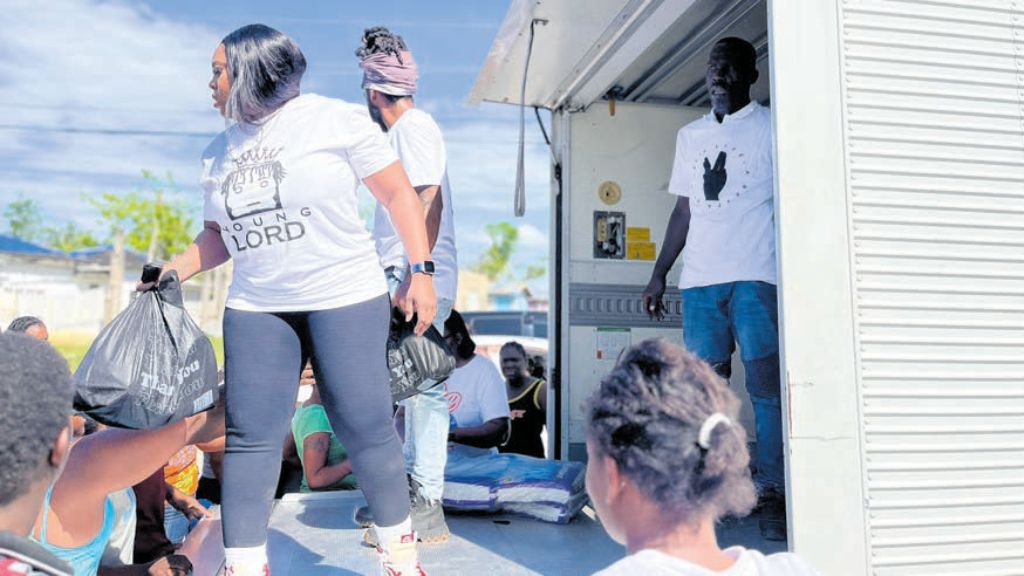
    In a significant display of regional solidarity, the Antigua and Barbuda Transport Board (ABTB) has successfully concluded a relief drive to assist families in St Elizabeth, Jamaica, who have been grappling with recent hardships. The initiative, which focused on collecting essential clothing and food items, was spearheaded by ABTB staff and bolstered by contributions from community partners. A substantial volume of vital supplies was amassed, showcasing the collective effort of the participants. These donations are currently being prepared for shipment to Jamaica, where they will be distributed by Hope for Life Prayer Breakthrough Ministries, a local organization dedicated to supporting affected households. ABTB emphasized that this initiative underscores its unwavering commitment to fostering regional unity and providing community support throughout the Caribbean.

  • Tint inspection workers frustrated by pay delay

    Tint inspection workers frustrated by pay delay

    A group of young tint-testing officers in Barbados has raised concerns over significant delays in their wage payments, with some reporting they have not been paid for over two months. The Barbados Licensing Authority (BLA) has been criticized for poor communication, leaving the officers without clear answers. An investigation by Barbados TODAY revealed that several payments were mistakenly deposited into the wrong bank account, prompting the BLA to request reversals from the financial institution. The officers, stationed at the National Cultural Foundation’s car park, were contracted from September to December and are supposed to be paid fortnightly. However, seven out of nine officers have received only three payments instead of five, while two others have faced even greater delays, with one officer receiving only one payment and another, a 24-year-old mother of two, not receiving any payment since starting the job. The mother expressed her frustration, stating that she has bills to pay and children to support. She received a letter from the BLA confirming the error and requesting the bank to return the funds, but questioned why she was assured weeks ago that the issue was being resolved. The workers, mostly in their early 20s, feel they are being taken advantage of due to their age. They have called for better communication and clarity on when they will be paid. The BLA has acknowledged the error in a letter to CIBC FirstCaribbean International Bank, requesting urgent assistance to reverse the payments. The workers continue to seek answers and progress in resolving the issue.

  • CIBC Caribbean commits US$500 000 to Jamaica’s relief and restoration efforts

    CIBC Caribbean commits US$500 000 to Jamaica’s relief and restoration efforts

    In the aftermath of Hurricane Melissa’s catastrophic impact on Jamaica, CIBC Caribbean has swiftly mobilized its resources and partners to provide critical relief to the affected communities. Through its ComTrust Foundation and in collaboration with the CIBC Foundation, the bank has committed substantial funds to support multiple initiatives aimed at alleviating the suffering caused by the disaster. Key efforts include providing immediate relief supplies to its 670 employees in Jamaica via Food for the Poor and funding the deployment of a Field Hospital Unit by the Barbados Defence Force to Savanna-La-Mar, one of the hardest-hit regions. Mark St Hill, CEO of CIBC Caribbean and chair of its charitable foundation, expressed deep empathy for the Jamaican people, emphasizing the shared vulnerability of Caribbean nations during hurricane season. The bank’s relief strategy began with ensuring the safety of its employees and repairing damaged homes, while also extending support to the broader community through cash donations. Annique Dawkins, Head of Country, commended her Kingston team for their rapid response, which included distributing essential supplies and restoring banking services, such as reactivating the ATM in Savanna-La-Mar. Donna Wellington, Chief Country Management Officer, highlighted the bank’s long-term commitment to Jamaica’s recovery, detailing a comprehensive relief package. This includes a $100,000 donation to Food for the Poor for sanitation equipment, tarpaulins, and other necessities, as well as a $250,000 contribution to outfit the Barbados Defence Force’s Field Hospital Unit. Additionally, the bank is offering $150,000 in pre-paid cards for essential purchases, redirecting unused scholarship funds to the University of the West Indies’ Student Hardship Fund, and providing financial assistance to clients through payment moratoriums, temporary financing options, and special credit relief. St Hill reiterated the bank’s dedication to the Caribbean region, stating, ‘We must be our brother’s keeper.’

  • Class of 1974/75 alumni donate football gear to support SMA student athletes

    Class of 1974/75 alumni donate football gear to support SMA student athletes

    The Saint Mary’s Academy (SMA) Class of 1974/75 Reunion Committee has reaffirmed its dedication to nurturing student growth through sports by donating essential football equipment to the school’s football team. The presentation of the gear, which includes uniforms, football boots, and other necessary items, was conducted by Mr. Peter Etienne, a representative of the Reunion Committee, on behalf of the alumni group. The supplies were generously provided by Kenrick Jean Pierre and Trevor “Berchie” Bertrand, both proud SMA graduates who remain actively connected to their alma mater. This initiative is part of the committee’s overarching goal to give back to SMA and support the comprehensive development of its students. During the ceremony, Mr. Etienne emphasized the transformative impact of sports, stating, ‘Our time at SMA instilled in us values like discipline, teamwork, and perseverance. Sports played a pivotal role in shaping our character, and we want to ensure today’s students have the resources to thrive both on and off the field.’ The Reunion Committee has committed to sustaining its annual support for the school’s football program, acknowledging the vital role of athletics in cultivating leadership, unity, and personal growth among young men. The donation was met with heartfelt appreciation by the school’s coaching staff and student athletes, who expressed their gratitude for the alumni’s unwavering encouragement and generosity.

  • Education without walls

    Education without walls

    Education has always been a fundamental human endeavor, rooted in curiosity and connection. Long before the advent of classrooms, syllabi, and standardized tests, people learned directly from the world around them. They observed natural phenomena, experimented with resources, and passed down knowledge through stories, songs, and lived experiences. However, over time, learning became confined within walls—both literal and symbolic—separating education from life itself. Today, there is a growing movement to reclaim the original spirit of learning by breaking down these barriers and integrating the world into the curriculum. This approach, often referred to as ‘education without walls,’ emphasizes nature, community, and lived experience as the true foundations of knowledge. It is not about dismantling schools but rather making them more permeable, allowing students to engage with the world directly. Imagine students testing water quality in local streams, designing solutions for community waste problems, or learning agriculture in actual gardens. These experiences intertwine science, social studies, language, art, and ethics in meaningful ways. When students connect with their environment and community, learning becomes relevant, relational, and rooted. This method fosters empathy, responsibility, and agency—qualities that traditional exams cannot measure but are essential for shaping engaged citizens. In regions like the Caribbean, where natural laboratories abound, this approach is particularly vital. It represents not just a teaching method but a cultural reclamation, affirming the value of local knowledge and history. Implementing such a shift requires courage from teachers, ministries, and parents alike. It demands a move from content delivery to experience design, trust in educators to create localized curricula, and an acceptance of the messiness of real-world learning. The skills needed for the future—collaboration, adaptability, innovation, and ethical decision-making—are best cultivated through hands-on experiences. Moreover, this model reconnects students with nature, fostering humility and environmental stewardship. Schools worldwide, from forest schools in Europe to place-based education models in Africa, have demonstrated the benefits of this approach. The Caribbean can develop its own version, rooted in its unique context and relationship with land and sea. Simple steps, such as connecting classes to community projects or partnering with local artisans, can make a significant impact. Assessment methods also evolve, with portfolios, reflection journals, and community presentations replacing traditional exams. At its core, education without walls is an act of trust—in students’ curiosity, teachers’ guidance, and the world’s capacity to teach. It is a call to prepare young people not just to pass exams but to navigate, heal, and innovate within the world they inhabit. If transformation is the goal, we must unbolt the doors, step outside, and learn anew from the soil, the sea, and the stories that shape us. The world is ready to teach, and we must be brave enough to listen.

  • Barbados is Blooming Phase 2 completed with installation of Free Little Library at Mount Tabor Primary

    Barbados is Blooming Phase 2 completed with installation of Free Little Library at Mount Tabor Primary

    Barbados has reached a significant milestone in its nationwide literacy initiative with the successful establishment of 25 Free Little Libraries across the island. The final installation at Mount Tabor Primary School on Monday marked the completion of Phase 2 of the Barbados is Blooming project, a collaborative effort led by the Prince Godwill D. Fomusoh Foundation Caribbean Inc. (PGDFF) and the Massy Foundation (Barbados) Inc. Launched in October 2024, the initiative has strategically placed book-sharing hubs in primary schools, children’s homes, and community centers, ensuring equitable access to reading materials for children in St John and surrounding areas. Dr. Ramona Archer-Bradshaw, Chief Education Officer, emphasized the transformative power of reading for pleasure, noting its role in fostering academic success, language development, and imaginative thinking. She highlighted the importance of community and stakeholder engagement in achieving national literacy goals, particularly the ambitious target of ensuring every child can read by age seven. Anita Sundaram, Managing Director of PGDFF, described the project as a meaningful step toward nurturing curiosity and opportunity for children, while Jared Wright of the Massy Foundation praised its broader impact on families and communities. Beyond the libraries, the initiative has supported inclusive education programs and hands-on skills development, such as the Farm-to-Table agricultural program at Ann Hill Special Needs School. The partners reaffirmed their commitment to creating spaces where children can explore stories, enhance literacy, and unlock their full potential.