分类: society

  • St Jude staff trained and transitioning as commissioning progresses

    St Jude staff trained and transitioning as commissioning progresses

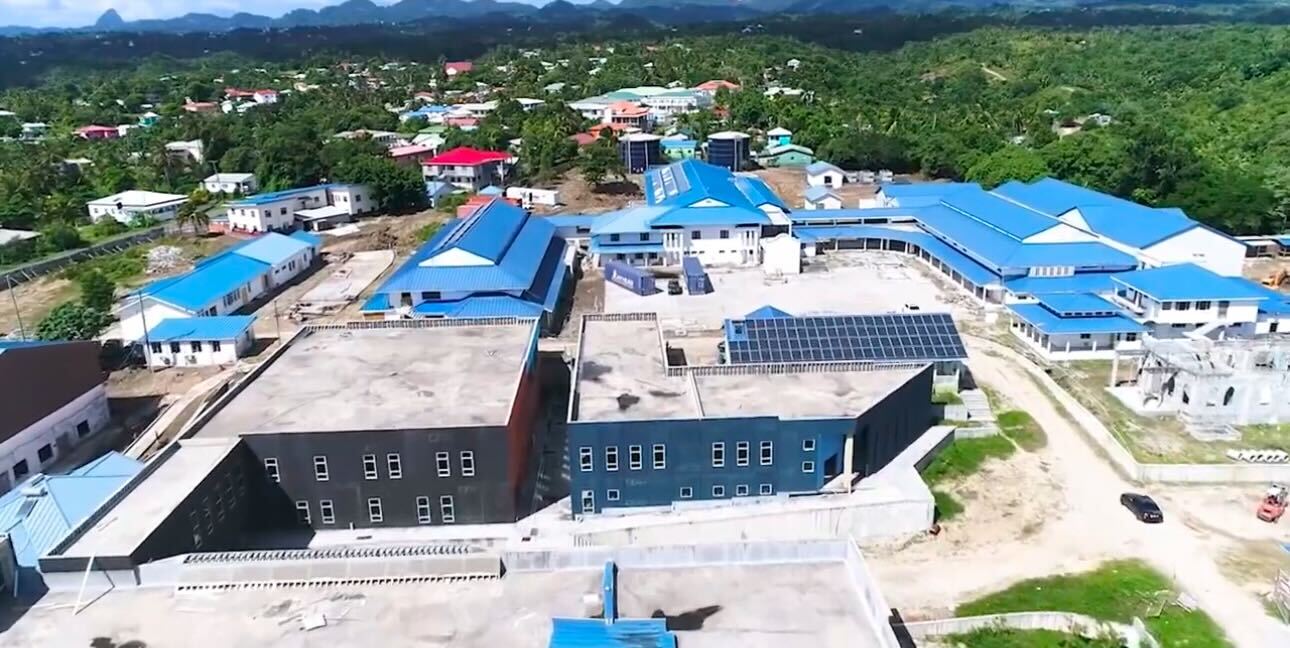
    The newly reconstructed St. Jude Hospital is undergoing a meticulous phased commissioning process as staff and equipment gradually transition to the modern facility. Despite the building being officially handed over by contractor Rayneau to the Ministry of Health approximately one month ago, the operational rollout has experienced delays primarily due to port complications affecting equipment arrivals.

    According to Communications Director Jade Brown, who spoke with St. Lucia Times on December 5th, several departments have already commenced operations. The physiotherapy unit is actively treating patients, while administrative offices, finance teams, and laundry services have successfully relocated to the new premises. Kitchen staff initiated their move on December 3rd-4th following comprehensive training on entirely new equipment, with full kitchen operations anticipated to commence later this month.

    The transition strategy prioritizes departmental stability before patient relocation. ‘We want to ensure these departments are stable, ready for our clients, so that when we move our clients in, we have no hiccups,’ Brown emphasized. Every piece of equipment being installed is brand new, replacing aged infrastructure from the previous temporary facility at the stadium.

    Hurricane Melissa has contributed to timeline setbacks by disrupting shipping schedules for several equipment containers. Brown acknowledged these challenges while noting that no ‘insurmountable obstacles’ have emerged. Recently arrived containers are currently being unpacked, with installation progress determining which departments will be commissioned next.

    The reconstructed facility will feature expanded services including CT scanning capabilities and larger maternity and pediatric units. Brown addressed public anticipation for the full opening by stating, ‘We understand that people would like to see the patients in the hospital. That is what we want as well. But there is a process to everything.’

    The contractor remains on-site fulfilling contractual obligations including equipment receipt, installation, and staff training. Brown reiterated that official updates regarding the hospital’s progress should be sourced exclusively from the Ministry of Health or St. Jude Hospital administration.

  • Tree-planting drive to reach new homeowners and government buildings in 2026

    Tree-planting drive to reach new homeowners and government buildings in 2026

    In a significant environmental policy expansion, the government has unveiled plans to amplify its nursery and landscaping program, positioning green infrastructure as a core component of urban development rather than a supplementary feature. The initiative, detailed by Housing Minister Maria Browne during the Budget Debate, represents a strategic integration of ecological planning with housing and infrastructure projects.

    Under this enhanced program, government-operated nurseries are cultivating substantial quantities of plants and trees for distribution across multiple fronts. Public buildings and facilities are receiving botanical enhancements, while simultaneously, new homeowners are being provided with plants as part of their housing packages to encourage immediate green space establishment.

    The program’s fundamental philosophy centers on embedding environmental considerations directly into development processes. Rather than treating landscaping as an afterthought, planners are now mandated to incorporate green spaces from the initial design phase of all projects. This approach aims to create more sustainable communities with improved air quality, reduced urban heat island effect, and enhanced aesthetic value.

    Beyond aesthetic and quality-of-life improvements, the initiative serves critical practical functions. The strategic placement of vegetation supports flood management infrastructure by increasing water absorption capacity during heavy rainfall events, thereby reducing runoff and mitigating flood risks. This natural infrastructure simultaneously contributes to climate resilience efforts while protecting built environments.

    Government officials emphasize that the program seeks to foster a culture of environmental stewardship among residents. By involving communities in the maintenance and care of provided plants, the initiative encourages long-term engagement with sustainable practices. The program is scheduled to continue through 2026 as part of a comprehensive strategy to intertwine housing development, infrastructure modernization, and environmental management in national planning.

  • Passengers Arrive Safely After Water Taxi Crashes into Mangroves

    Passengers Arrive Safely After Water Taxi Crashes into Mangroves

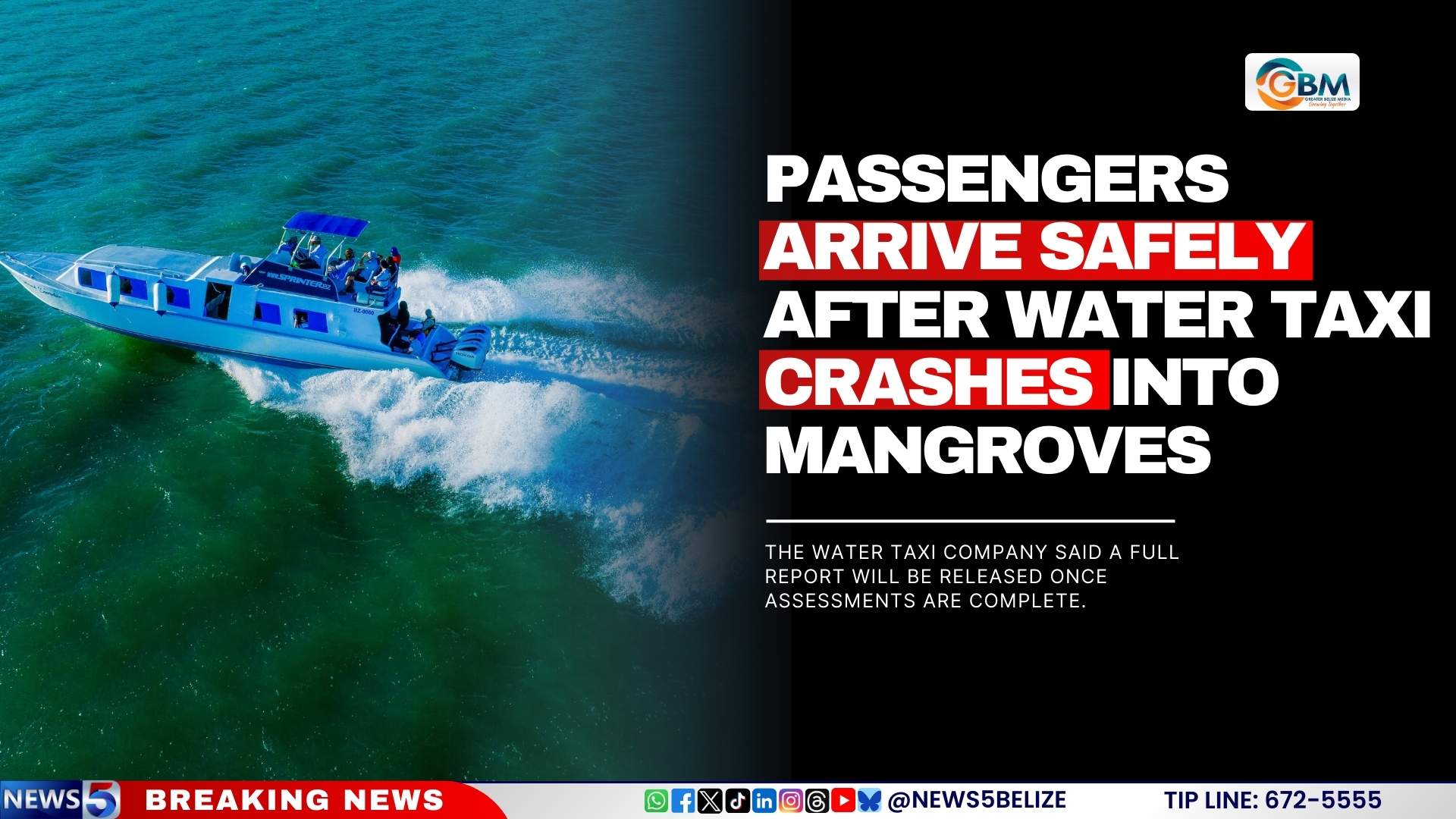
    A scheduled Caribbean Sprinter water taxi voyage experienced an unexpected deviation on December 13, 2025, when the vessel navigated into a mangrove territory off its standard course to Caye Caulker and Ambergris Caye. The maritime incident, occurring shortly after the 10:30 a.m. departure, culminated without major casualties through coordinated emergency protocols.

    Corporate officials confirmed the successful evacuation of all passengers and crew members, emphasizing that immediate response measures prioritized human safety above all other considerations. While the majority of travelers escaped physical harm, one female passenger sustained a hand injury during the evacuation process. Company representatives stated: ‘We are ensuring she receives prompt medical attention and comprehensive care.’

    The remaining passengers were systematically transferred to an alternative vessel to complete their journey under supervised conditions. Despite the professional handling of the situation, eyewitness accounts relayed moments of significant distress among those aboard following the impact. A relative of one passenger described scenes of panic as the vessel encountered difficulties.

    Caribbean Sprinter has committed to full transparency regarding the incident, noting that a comprehensive assessment is underway. The company pledged to release detailed findings upon conclusion of their internal investigation, potentially informing enhanced safety measures for future maritime operations in the region.

  • Damage reported in central Cuba due to heavy rains

    Damage reported in central Cuba due to heavy rains

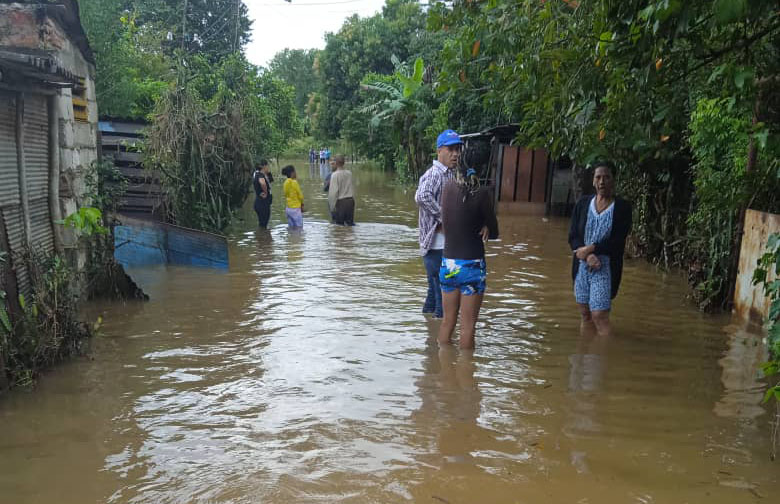
    Central Cuba’s Villa Clara province is confronting severe flooding as torrential rainfall continues to batter the region, affecting over 200 residents across multiple municipalities. The town of Sitiecito has emerged as the epicenter of the crisis, with overflowing rivers and severed road connections isolating communities.

    Meteorological experts from the Provincial Meteorological Center attribute the extreme weather conditions to a storm system currently positioned over central Cuba. Specialist Amaury Machado confirmed the system’s persistence, indicating that heavy precipitation will likely continue throughout the day.

    Quantitative measurements reveal the severity of the downpour. By 8:00 a.m. local time, the Institute of Hydraulic Resources recorded staggering rainfall accumulations: 156 millimeters in Sitiecito, 91.8 millimeters at the Alacranes reservoir, and 54 millimeters at the Sagua la Grande weather station. These measurements confirm locally intense rainfall exceeding normal thresholds.

    Provincial leadership has activated emergency protocols in response to the escalating situation. Governor Milaxy Sanchez announced comprehensive protective measures for vulnerable families, private property, and state infrastructure. Civil Defense units and the Integrated Medical Emergency System have been placed on high alert, implementing response strategies developed since the region’s last major flooding event in 2017.

  • BREAKING: Water Taxi Crashes, Passengers Injured

    BREAKING: Water Taxi Crashes, Passengers Injured

    A maritime emergency unfolded this morning when a Caribbean Sprinter water taxi vessel collided with a hazardous area known as ‘the cut off’ during its regular route from mainland Belize to the islands of Caye Caulker and Ambergris Caye. The incident occurred shortly after the vessel’s 10:30 a.m. departure, according to initial reports from local authorities.

    Multiple passengers sustained injuries of varying severity in the impact, though specific numbers and conditions have not been officially confirmed. Emergency response teams were immediately dispatched to the scene following distress calls, with rescue operations currently underway.

    Eyewitness accounts from relatives of passengers describe a scene of chaos and trauma, with those on board reportedly experiencing significant shock following the sudden collision. The Caribbean Sprinter, which operates on a scheduled daily route between popular tourist destinations, was carrying both local residents and international visitors at the time of the accident.

    Maritime safety investigators have launched a comprehensive inquiry to determine the exact circumstances that led to the vessel striking the well-known navigational hazard. The area where the collision occurred presents particular challenges to watercraft due to its unique underwater topography and strong currents.

    Medical personnel are standing by at nearby facilities to receive and treat injured passengers as they are transported from the scene. The Belize Coast Guard has established a security perimeter around the incident site while recovery operations continue.

    This incident represents one of the most significant maritime accidents in recent Belizean waters, raising immediate questions about safety protocols and navigational procedures for commercial water taxis operating in the region.

  • Heavy Rain Causes Flooding in Belize City

    Heavy Rain Causes Flooding in Belize City

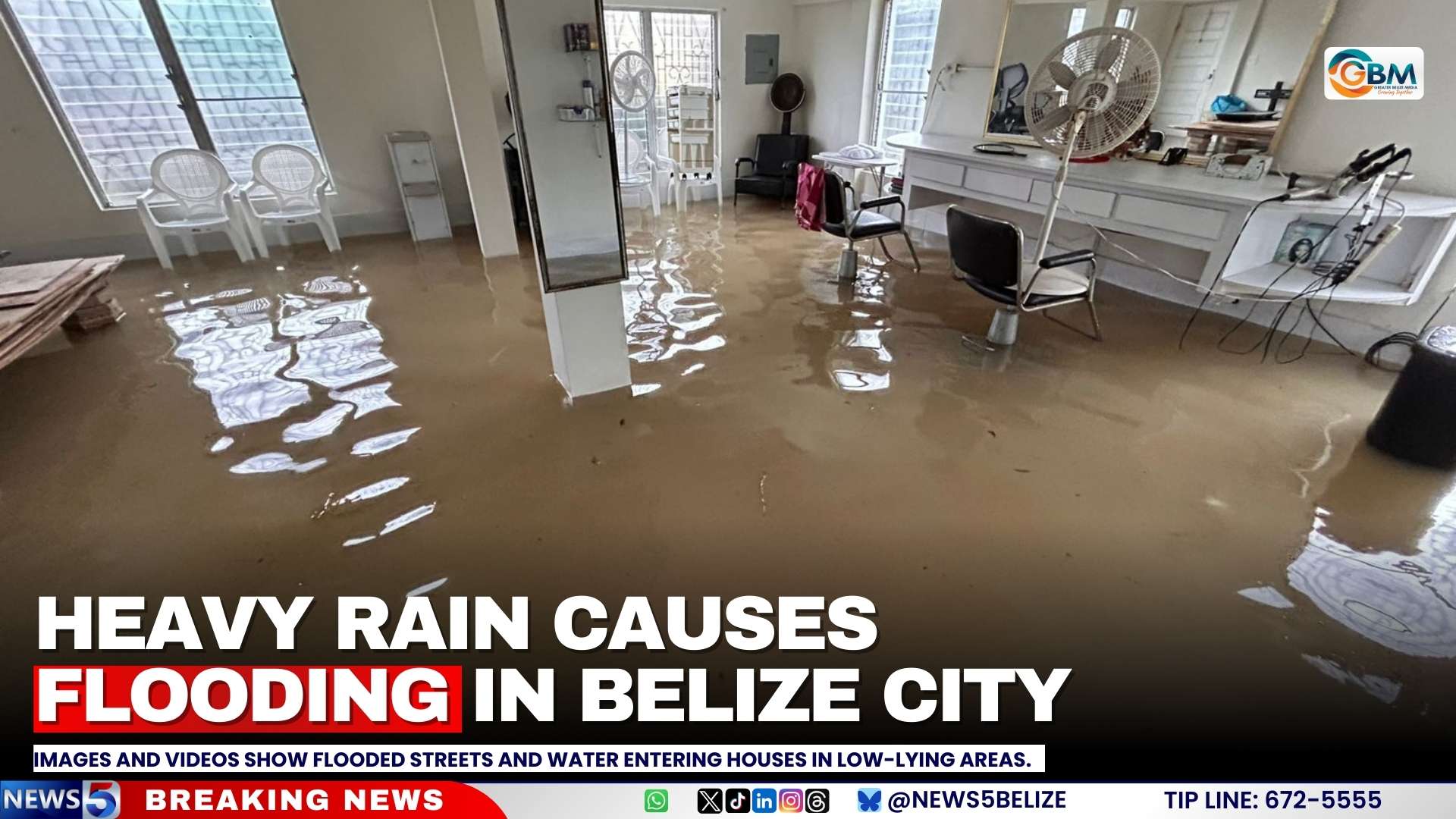
    A torrential downpour that persisted through Friday night into Saturday morning has plunged sections of Belize City into a state of emergency, triggering significant flooding that inundated numerous residences. The intense rainfall transformed city streets into rivers, with water breaching the thresholds of homes, particularly in topographically vulnerable neighborhoods.

    Visual evidence, captured and disseminated by local residents, depicts a city grappling with the aftermath of the deluge. The shared photographs and video footage reveal submerged roadways and property damage as floodwaters encroached upon living spaces, highlighting the immediate impact on the community.

    Meteorological authorities at the National Meteorological Service of Belize have characterized current atmospheric conditions as ‘unsettled.’ The official forecast for the remainder of Saturday predicts a variable weather pattern, alternating between sunny intervals and extensive cloud cover. However, the reprieve may be temporary, as additional showers and isolated thunderstorms are anticipated primarily along coastal regions throughout the morning, shifting toward southern territories by nightfall.

    The service further indicates that the unstable weather pattern will persist through the weekend. Sunday is expected to bring predominantly cloudy skies accompanied by scattered showers across most of the country, with precipitation becoming concentrated along the coastal areas as evening approaches. This continuation of rainfall raises concerns regarding potential worsening of the existing flood situation and possible new inundations.

  • ‘Mi lamp a mi current’

    ‘Mi lamp a mi current’

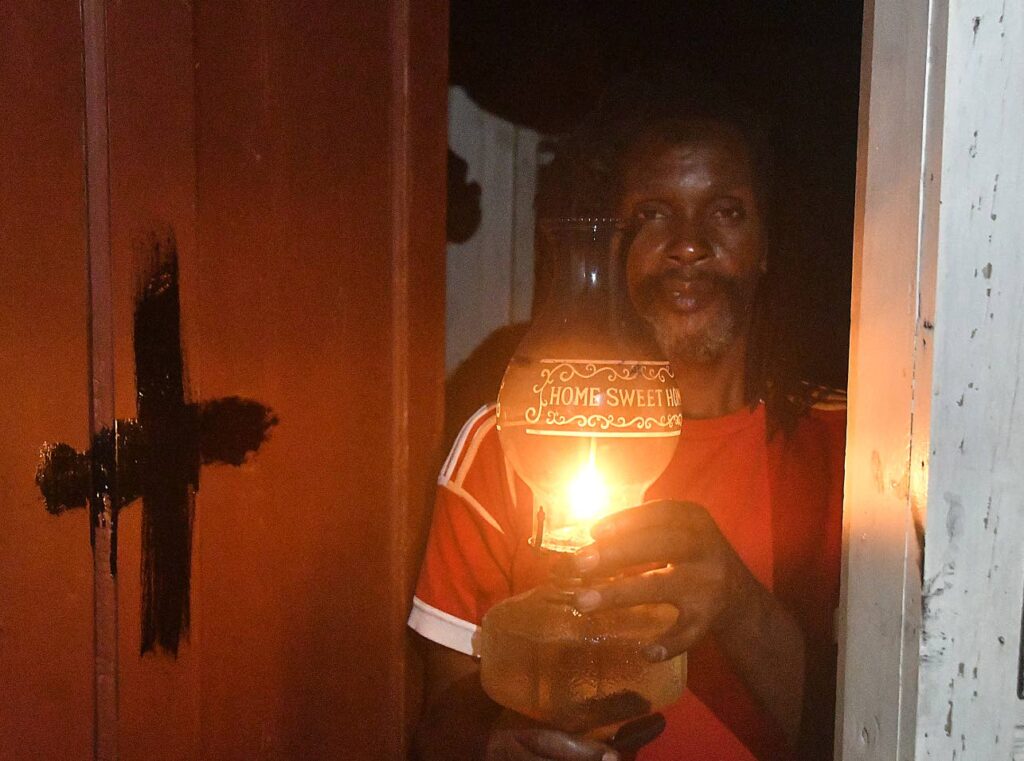
    In the coastal community of Bluefields, Westmoreland, 73-year-old Jason McKenzie finds illumination not from the national power grid, but from a century-old kerosene lamp that has become his sole source of light since Hurricane Melissa devastated the island. The Category 5 storm, which struck on October 28, left more than 30,000 Westmoreland residents without electricity, with some potentially waiting until 2026 for full restoration according to Jamaica Public Service updates.

    McKenzie’s ‘Home Sweet Home’ lamp—a cultural artifact passed down through three generations of his family—has transformed from sentimental keepsake to critical survival tool. The nostalgic glass lamp, once popular in Jamaican households during the late 1800s, now provides practical illumination amid widespread power outages.

    “My grandparents left it for me,” McKenzie told journalists during a visit to the parish. “One time I considered discarding it, but then realized its value during power outages. Now the storm has come, and I must depend on it.”

    The hurricane not only knocked out power infrastructure but also destroyed McKenzie’s roof, leaving portions of his home exposed to the elements. Despite managing temporary repairs to his bedroom section, he remains vulnerable to weather conditions while awaiting assistance.

    McKenzie detailed the lamp’s operational practicality compared to modern alternatives: “The money I would use to buy candles, I use to buy kerosene oil. Candles are expensive and dangerous—you must watch them constantly. The lamp remains stable throughout the night.”

    His weekly expenditure of $800 Jamaican for kerosene proves more economical than frequent candle purchases, though he still conserves fuel by extinguishing the lamp during sleeping hours.

    The storm experience proved traumatic for McKenzie, who described taking shelter under his bed as hurricane winds tore zinc roofing from his house. “You have to be a soldier sometimes,” he reflected, expressing gratitude for survival despite the devastation.

    As restoration efforts continue across Jamaica—with over 80% of residents already reconnected—McKenzie’s story highlights both the resilience of vulnerable communities and the unexpected return of historical technology during modern disasters.

  • Racing against the sunset

    Racing against the sunset

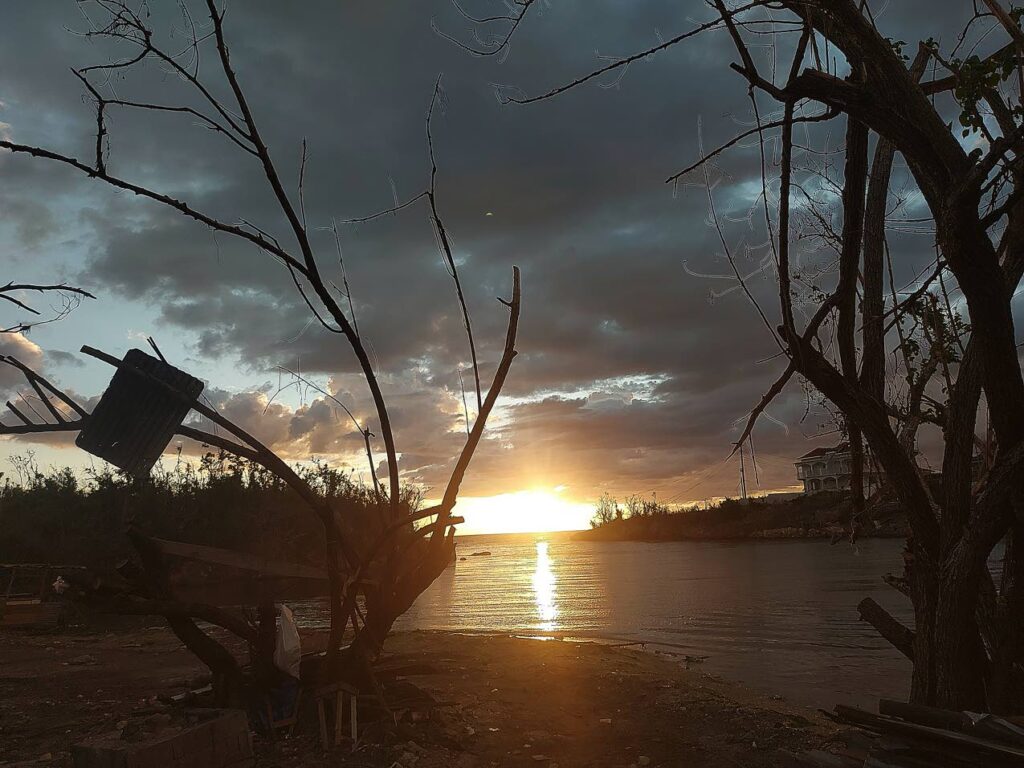
    Residents across Westmoreland, Jamaica continue grappling with an extensive power outage more than six weeks after Category 5 Hurricane Melissa devastated the region on October 28. While expressing understanding for the Jamaica Public Service Company’s (JPS) monumental restoration challenges, communities are urgently appealing for accelerated recovery efforts as they resort to alternative lighting solutions.

    The human impact of the prolonged electricity disruption reveals multiple dimensions of hardship. Percival Gordon from Farm District, whose home was destroyed by the hurricane, described the situation as “wicked” while preparing meals under solar lighting. “It’s not easy. It’s not pretty on us down here,” he shared, noting that when his solar lamp fails, “it’s pure darkness until morning.”

    Economic consequences are particularly severe for tradespeople like Winston Hamilton of Whitehouse, who relies on power tools for his livelihood. “Light is an essential part of business. If light no deh about, the place lock down,” Hamilton emphasized, highlighting both economic and security concerns in the darkness.

    Daily routines have undergone radical transformations since the hurricane. Maxine Johnson from Belmont now leaves work by 5:00 PM instead of her previous 7:00 PM departure to maximize daylight hours. Javier Stewart, navigating darkened streets with a flashlight, expressed safety concerns about nighttime travel, stating he “does not feel safe walking home at night.”

    The financial burden of alternative lighting solutions is mounting for residents. Gordon detailed spending approximately $400 Jamaican for candles lasting merely three days, while others must pay to charge mobile phones—their primary communication and secondary light source—from generator owners.

    According to JPS’s December 7 update, approximately 88% of Westmoreland customers remain without electricity. While power has been partially restored in northern and southern parish sections, full restoration for some communities may extend into 2026.

    Despite the hardships, residents demonstrate remarkable resilience. Some gather around community fires until late hours, while others like Sharon Walcott maintain perspective: “We will wait until the light comes back because we know JPS is doing them best.” This tempered patience, combined with urgent appeals for accelerated restoration, characterizes the complex reality facing Westmoreland’s communities as they adapt to prolonged energy deprivation.

  • Highway expansion

    Highway expansion

    In a landmark infrastructure announcement, the Jamaican Government has revealed an ambitious plan to construct a continuous highway network encircling the entire island. This transformative project, designed to address critical transport vulnerabilities exposed by recent natural disasters, represents one of the most significant infrastructure initiatives in Jamaica’s modern history.

    Robert Morgan, Minister without Portfolio in the Ministry of Economic Growth and Infrastructure Development, detailed the comprehensive strategy during a recent Jamaica Observer Press Club event. The proposed highway system will extend from Williamsfield in Manchester to connect with Montego Bay’s perimeter road, creating seamless transportation corridors through St. Elizabeth, Westmoreland, Hanover, and St. James parishes.

    The initiative emerges as a direct response to the systemic weaknesses revealed when Hurricane Melissa, a Category 5 storm, struck the island on October 28. While newer highways demonstrated structural resilience during the extreme weather event, the lack of interconnected routes severely hampered emergency response efforts and recovery operations across affected regions.

    Minister Morgan emphasized that true infrastructure resilience extends beyond road durability to encompass comprehensive network connectivity. “We have constructed highways, but they remain non-contiguous,” Morgan explained, highlighting the problematic gaps between existing transportation arteries including the south coast and north coast highways.

    The government’s strategic vision involves creating what Morgan describes as a “contiguous ring around the island” through carefully planned linkages between existing routes and new bypass constructions. Key components include determining optimal alignments from Black River to Savanna-la-Mar, alongside planned bypasses for Lucea, Ocho Rios, Port Antonio, and Mammee Bay.

    Several project elements are already advancing, including a memorandum of understanding with China Harbour Engineering Company for the Mammee Bay bypass, commenced work on the Port Antonio bypass, and ongoing studies for the Spur Tree bypass. Preliminary planning has also initiated for the Lucea bypass.

    While the complete financial scope remains undetermined, the highway network will constitute a cornerstone of Jamaica’s broader reconstruction and resilience strategy. The government will collaborate with multiple agencies including the National Works Agency, National Road Operating and Constructing Company, and the newly established National Reconstruction and Resilience Authority.

    Addressing capacity concerns, Minister Morgan expressed confidence that market forces would respond to clearly articulated long-term infrastructure needs. He specifically encouraged local contractors to position themselves for participation, noting their unique understanding of Jamaican topography, geology, and hydrology while emphasizing the importance of professional standards and effective execution.

  • Jamaican fishermen jailed in Cayman for drug smuggling

    Jamaican fishermen jailed in Cayman for drug smuggling

    GEORGE TOWN, Cayman Islands — Two Jamaican nationals have received prison sentences after admitting to trafficking a substantial quantity of marijuana through Cayman Islands waters. The sentencing concludes a maritime drug interception case that highlights the vulnerabilities exploited in regional narcotics operations.

    Eric Junior Cunningham, 42, received a 24-month imprisonment term, while his accomplice Radmond Junior Samuels, 33, was sentenced to 18 months. The verdict was delivered by Justice Emma Peters in the Cayman Islands Grand Court following guilty pleas from both defendants.

    The case originated on March 25 when Cayman Islands Coast Guard personnel intercepted a vessel approximately 32 nautical miles south of Grand Cayman. Cunningham was identified as the boat operator with Samuels aboard as passenger. During the inspection, authorities discovered nine packaged bundles of ganja totaling over 167 pounds, alongside a GPS navigation system and satellite communication device.

    Initially entering not guilty pleas in May, both defendants changed their positions three weeks prior to their scheduled September trial date. During proceedings, Cunningham acknowledged his participation in the smuggling operation after being promised a $5,000 payment that ultimately remained undelivered.

    Social inquiry reports presented to the court revealed both men faced considerable personal challenges. Cunningham, a farmer by trade, had endured significant property damage during previous storm events, including complete home destruction during Hurricane Melissa. Samuels reported being coerced into the operation through threats from an individual known as ‘Bigs,’ compounded by early parental loss, limited education, and ongoing health concerns.

    Justice Peters recognized that neither defendant held a leadership position within the drug operation, but emphasized that maritime transport remains a critical component of regional narcotics supply chains. The court categorized Cunningham’s role as ‘significant’ due to his operational control of the vessel, while Samuels received ‘lesser’ role designation considering his limited involvement and confirmed intimidation.

    In her sentencing remarks, Justice Peters highlighted the structural inequalities within drug trafficking networks: ‘Those who command illegal organizations strategically minimize their exposure while compelling others to assume operational risks. Although intermediate participants may receive some compensation, the substantial profits flow upward while consequences flow downward.’

    The sentences represent the minimum permissible under deterrence requirements, with both defendants receiving a 20% reduction for their guilty pleas. Accounting for time already served in remand and potential early release for good behavior after serving 60% of their terms, both men are anticipated to return to Jamaica in early 2025. The court additionally ordered confiscation and destruction of all seized narcotics.