分类: society

  • NCIC president Surujdeo Mangaroo outlines vision for culture, youth and global reach

    NCIC president Surujdeo Mangaroo outlines vision for culture, youth and global reach

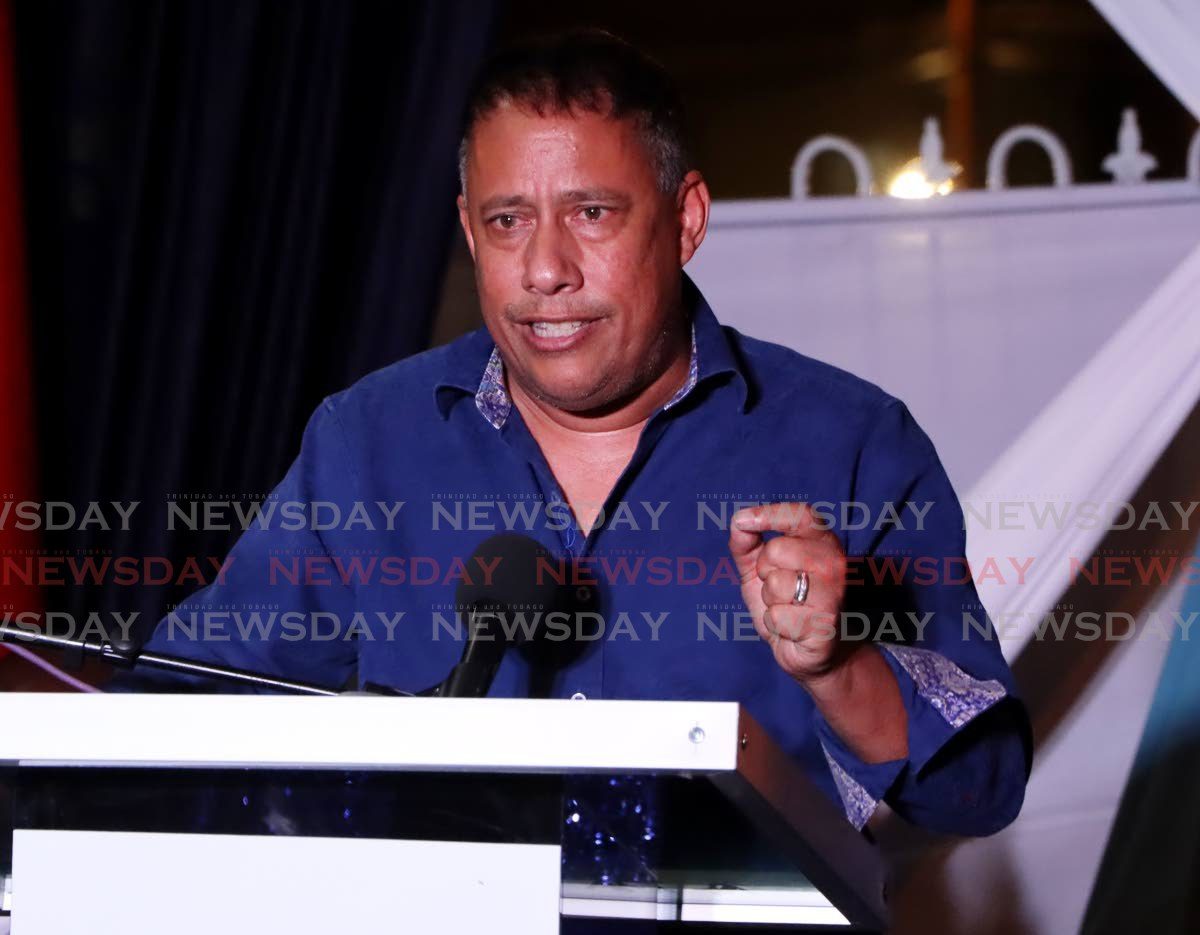
    Surujdeo Mangaroo has embarked on his presidency of the National Council of Indian Culture (NCIC) with a transformative vision that merges cultural preservation with global expansion. Elected in August 2025, Mangaroo brings over two decades of dedicated service to the organization, where he previously served as first vice president and chairman of the renowned Divali Nagar festival since 1999.

    Mangaroo’s cultural journey began during his formative years at Palo Seco Secondary School, where inspiration struck during bhajan sessions led by Professor Anantanand Rambachan and teacher Raghuraj Bahadursingh. This early exposure ignited a lifelong passion that would shape his professional and personal endeavors. Beyond his cultural leadership, Mangaroo maintains dual responsibilities as CEO of Trinity Insurance Brokers Limited and as a family patriarch, having married Nadra Baksh in 1978 with whom he raised four children.

    The cornerstone of Mangaroo’s presidential agenda centers on youth empowerment through innovative programs. He has been instrumental in developing platforms such as the NCIC Youth Champ Competition, the NCIC Dance Competition, and Sangeet Pradarshan—a television program designed to elevate performance standards. His philosophy emphasizes preparing artists for international recognition, noting ‘Our goal is to cultivate a new wave of artists in TT and across the diaspora who can excel domestically and internationally.’

    Under Mangaroo’s previous leadership, Divali Nagar evolved from a local celebration into an internationally recognized cultural phenomenon reaching throughout the Caribbean, North America, and South America. This expansion continues as a priority, with strengthened international partnerships to facilitate cultural exchanges for young performers. ‘We have an abundance of talent in our country,’ Mangaroo observes, ‘and by giving them opportunities to travel abroad, they can take their culture and talents to excel.’

    Mangaroo’s approach to cultural promotion emphasizes unity through diversity, asserting that celebrating Indian heritage contributes to Trinidad and Tobago’s national identity rather than promoting isolation. ‘Cherishing our culture is not merely about preserving the past,’ he explains, ‘it is about honoring the resilience and contributions of those who came before us.’

    The impact of Mangaroo’s mentorship emerges through testimonials from cultural ambassadors like singer Nirmala Sesnarayan, who credits him with providing transformative international opportunities since 2004. Similarly, singer Ravi Jagroop acknowledges Mangaroo’s pivotal role in his artistic development, while Bobby Seenath of the Mahatma Gandhi Charitable Organization praises his unwavering support for youth initiatives. Through his additional role as executive director of Neeleeji Events, Mangaroo continues creating platforms for young talent despite challenges of stereotypes and limited resources, believing that ‘the rewards of positively impacting lives and preserving our cultural heritage make it all worthwhile.’

  • Lay magistrates urged to remain firm as custodians of fairness

    Lay magistrates urged to remain firm as custodians of fairness

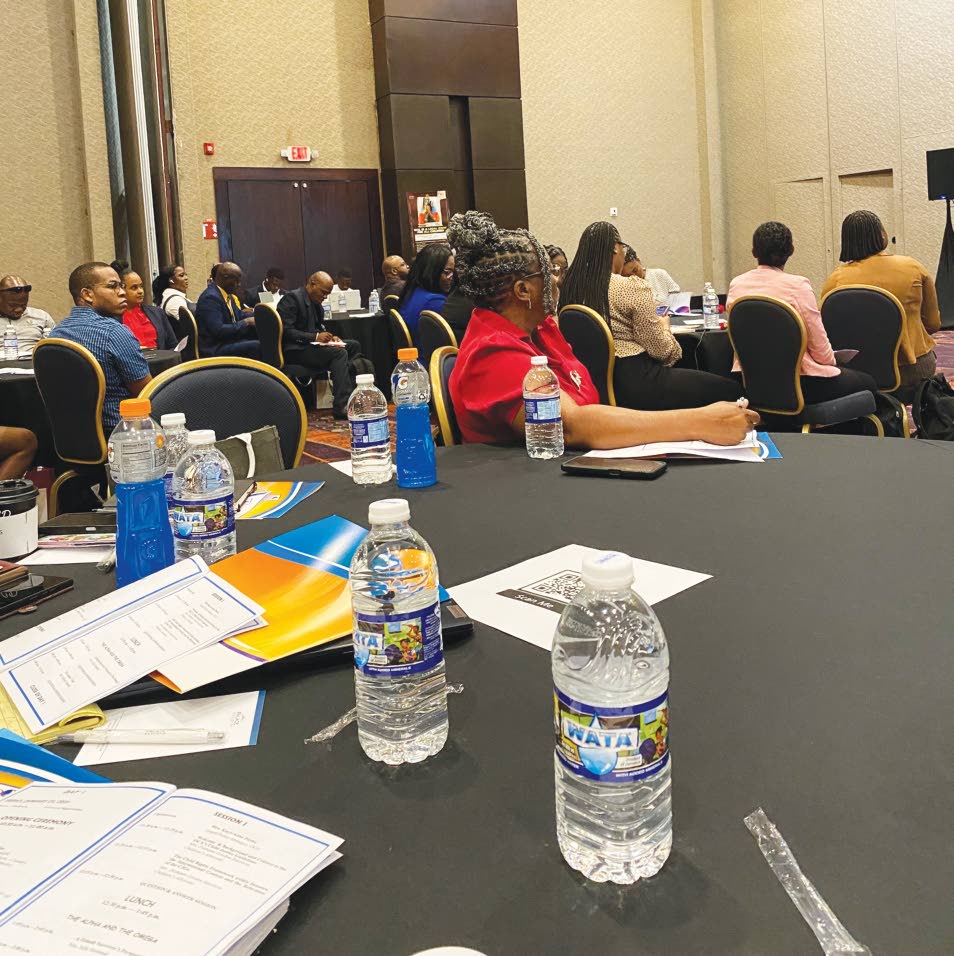
    KINGSTON, Jamaica — The newly inaugurated President of the Lay Magistrates’ Association of Jamaica (LMAJ), Paulette Kirkland, has issued a compelling call for lay magistrates to reinforce their roles as pillars of fairness and community justice. Speaking at the half-yearly gathering of the Manchester Chapter on January 22 at Golf View Hotel in Mandeville, Kirkland emphasized that the effectiveness of justices of the peace (JPs) and lay magistrates is profoundly reflected in the tangible outcomes of their service—such as vulnerable children receiving prompt protection and families achieving peaceful resolutions rather than enduring prolonged conflict.

    Kirkland articulated that lay magistrates operate at the critical junction where legal principles meet community needs, noting that their decisions directly impact lives, fortify judicial institutions, and cultivate public trust through unwavering integrity. She underscored that the adage ‘justice delayed is justice denied’ represents a daily reality for countless individuals awaiting closure, stressing that the justice system’s efficacy hinges on the full commitment of every magistrate and JP.

    To address systemic delays, Kirkland advocated for rigorous preparation, punctuality, and proactive engagement with court clerks and police officials to ensure cases are properly documented and investigating officers’ reports are present. She highlighted the necessity of continuous professional development, urging magistrates to pursue ongoing education about judicial processes and to exemplify ethical leadership by upholding principles of fairness, impartiality, and integrity in all deliberations.

    The event, themed ‘Measuring Progress, Renewing Commitment’, served as a platform to reaffirm the indispensable role of lay magistrates—trained, non-partisan volunteers who preside over Petty Sessions Courts, alleviate case backlogs at the parish level, and facilitate community services. These magistrates, who also function as JPs, are fundamental to the operation of lower-tier courts, where a minimum of two JPs is required to constitute a legal session. Their responsibilities extend beyond the courtroom to include document authentication and community development initiatives.

    The LMAJ, a non-profit organization dedicated to JPs and lay magistrates, champions justice, social harmony, and community service across Jamaica through mediation, dispute resolution, and child diversion programs, all while maintaining stringent ethical standards.

  • Police, JPs get child justice refresher training

    Police, JPs get child justice refresher training

    Jamaica’s Office of the Children’s Advocate (OCA), in collaboration with UNICEF, has conducted a comprehensive two-day training initiative focused on enhancing child justice protocols within the nation’s law enforcement and judicial systems. The specialized seminar, held at Moon Palace hotel in Ocho Rios, St Ann, brought together 76 police officers and numerous justices of the peace from across the island to reinforce proper procedures for handling cases involving minors.

    Acting Commissioner of Police McArthur Sutherland, overseeing the Area Two police division, emphasized the critical timing of this refresher course for Jamaica Constabulary Force (JCF) members. He noted that while officers previously received training on children’s issues, daily policing priorities often shift focus toward severe crimes like murders and shootings. “This training will help to pull on some of the minor crimes against children and ensure we have some reductions there,” Sutherland explained, highlighting how the program would rebalance enforcement attention toward protecting vulnerable youth.

    Children’s Advocate Diahann Gordon Harrison articulated the seminar’s broader societal mission, stating, “No child was born a criminal or murderer—it is the environment that creates the monster.” She stressed the importance of early intervention to redirect children from criminal pathways, warning that without proper guidance, neglected youth could evolve into serious offenders. The training specifically addressed methods to reduce criminogenic behavior and attitudes among young people, aiming to prevent the development of senior criminals.

    Justices of the peace participating in the event expressed strong support for the initiative. Trudy-Ann Philp from Highgate, St Mary, described the seminar as “very beneficial” for enhancing her competency in legal procedures when serving at police stations. Omar Bourne from Kingston applauded the OCA’s efforts and advocated for ongoing educational opportunities to expand expertise among law enforcement and judicial officials.

    The partnership between OCA and UNICEF represents a significant investment in Jamaica’s future social stability. Gordon Harrison concluded by emphasizing collective responsibility: “The OCA alone cannot do it—we see it as a participatory effort that all stakeholders in the justice sector must play a part in.” This training initiative marks a proactive approach to child justice reform, recognizing that proper handling of youth cases requires specialized knowledge and coordinated effort across multiple disciplines within the justice system.

  • 30 months jail for man who attacked a GB school principal with iron bar

    30 months jail for man who attacked a GB school principal with iron bar

    A Grand Bahama magistrate has sentenced Kenneth Farrington to 30 months imprisonment for a brutal, unprovoked attack on school principal Simone Butler-Cornish, who expressed both relief and disappointment at the judicial outcome while extending forgiveness to her assailant.

    The assault occurred in June 2025 at McLean’s Town School in East End, Grand Bahama, when Farrington entered Ms. Butler-Cornish’s classroom under the pretext of requesting a student’s report card. As the educator turned to retrieve the document, Farrington struck her in the head with a metal pipe, causing significant injury. In testimony, Ms. Butler-Cornish described her desperate escape strategy: fleeing the classroom, collapsing outside, and feigning death to halt the attack.

    Magistrate Charlton Smith delivered the sentence after considering Farrington’s criminal history, notably a prior assault conviction in 2022 for which he served 18 months. The magistrate characterized this previous offense as an aggravating factor in sentencing decisions.

    The courtroom proceedings revealed troubling details about the attack and its aftermath. During trial, Farrington initially declined to apologize directly to his victim, instead proclaiming love for his fiancé seated in the gallery. Only after repeated prompting from the magistrate did he offer a tentative apology, stating, ‘Yes, I’m sorry. I don’t know what got into me.’

    Prosecutor Superintendent Veron Rolle presented five witnesses, including the victim, school staff, law enforcement officers, and medical personnel. Evidence confirmed that Farrington admitted to the assault and assisted police in recovering the weapon used in the attack.

    Educational authorities expressed mixed reactions to the sentencing. Steven McPhee, president of the Bahamas Educators Managerial Union, acknowledged the difficulty of accepting the sentence given the attack’s severity and Farrington’s criminal record. The union now focuses on ensuring comprehensive psychological and financial support for Ms. Butler-Cornish, including potential relocation to a safer educational environment.

    District Superintendent Maneica Pratt described the prolonged legal process as ‘mentally draining’ while welcoming the resolution. She joined others in characterizing the 30-month sentence as somewhat lenient but acknowledged Farrington’s need for rehabilitation.

    The case has prompted systemic reviews of school security protocols throughout the Bahamas. Education officials have drafted enhanced safety measures for school premises access, with proposals receiving positive reception from ministry leadership. Additional meetings with school police officers and plans to employ more security personnel reflect institutional efforts to prevent similar incidents.

  • Griffith urges CoP: Use the bodycams

    Griffith urges CoP: Use the bodycams

    Former Trinidad and Tobago Police Commissioner Gary Griffith has issued a forceful demand for transparency regarding approximately 1,200 body-worn cameras acquired during his administration that remain unused. This call comes amid growing public outrage over a controversial police shooting in St. Augustine that resulted in the death of Joshua Samaroo and left his common-law wife Kaia Sealy paralyzed.

    The incident, captured on CCTV footage that has since gone viral, shows Samaroo with his hands raised in what appears to be a surrender gesture moments before officers opened fire. This visual evidence directly contradicts the official police account that claimed officers were fired upon during the January 20th encounter.

    Griffith emphasized that the body camera initiative was specifically designed to prevent such contentious situations. “Twelve hundred body cameras for 7,000 police officers is more than adequate,” he stated, explaining that his administration had established strict operational protocols requiring officers to activate cameras during all patrols, roadblocks, and operations. The system included accountability measures where officers signed for equipment and supervisors verified proper usage.

    The former commissioner accused current Police Commissioner Allister Guevarro of deliberately ignoring standing orders mandating camera use. Griffith further questioned why multiple accountability measures implemented under his leadership—including tasers, pepper spray, online reporting systems, a police app, GPS vehicle tracking, and live feed cameras—had been discontinued.

    In a concerning revelation, Homeland Security Minister Roger Alexander disclosed to the Senate that a $24.9 million contract for 3,000 additional body cameras had been terminated to cut costs. Commissioner Guevarro later justified this decision by claiming the contract involved inflated prices, with cameras priced at $8,000 per unit compared to market rates of $2,500-$3,000.

    The Police Complaints Authority has joined the call for body camera implementation, stating that such technology would “enhance accountability, transparency, and public confidence in policing.” Public trust in the police service has dramatically declined from 59% during Griffith’s tenure to just 8% according to recent surveys, highlighting the urgent need for reform.

  • Crime-fighting mandates outpace MOCA, FID manpower

    Crime-fighting mandates outpace MOCA, FID manpower

    Jamaica’s premier law enforcement agencies responsible for combating organized crime and financial offenses are grappling with severe staffing deficiencies while confronting increasingly sophisticated criminal networks. The Financial Investigations Division (FID) and Major Organised Crime and Anti-Corruption Agency (MOCA) have disclosed alarming personnel gaps that threaten their operational effectiveness despite expanding mandates.

    At a recent Jamaica Observer Monday Exchange forum, FID Chief Technical Director Dennis Chung revealed his agency operates at merely 35% of authorized capacity. Despite ongoing recruitment efforts for financial investigators and legal professionals, the division functions with just over 20 investigators against a requirement of approximately 50 specialized personnel. This shortage proves particularly challenging given the highly technical nature of financial crime investigations, which demand specialized skills in transaction analysis, evidence gathering, and forensic accounting.

    Garth Williams, FID’s brand communications specialist, confirmed the agency has ‘punched above its weight’ by achieving substantial results with only 70 staff members compared to an established complement of 191 positions. This achievement comes despite growing complexities in financial crimes, including cyber fraud, digital scams, and advanced money laundering schemes that transcend traditional law enforcement methodologies.

    Parallel challenges affect MOCA, operating at 61% staffing capacity according to Director General Colonel Desmond Edwards. The agency has confronted fundamental shifts in criminal patterns since its inception, particularly the explosion of cyber-enabled offenses requiring specialized investigative capabilities. In response, MOCA has established dedicated cyber investigation units through internal resource reallocation, though technical expertise development remains prioritized over mere numerical expansion.

    Both agencies emphasize that modern criminal investigations necessitate advanced capabilities in digital analysis, forensic accounting, and intelligence-driven operations beyond conventional policing skills. Technology integration, particularly artificial intelligence and analytical tools, has become essential for supplementing human resources and managing escalating case volumes and complexities.

    While inter-agency collaborations with the Jamaica Constabulary Force provide operational support during major interventions, both organizations stress that sustainable effectiveness requires strategic investments in both technological infrastructure and specialized human capital to combat Jamaica’s evolving criminal landscape effectively.

  • Dump truck driver robbed at Beetham Landfill

    Dump truck driver robbed at Beetham Landfill

    In a brazen daylight robbery, a dump truck operator fell victim to an armed assault at Port of Spain’s Beetham Landfill on January 25th. The incident occurred approximately at 1:20 pm as the driver was exiting the waste management facility.

    According to law enforcement officials, four individuals of African descent confronted the victim while he operated his blue and red Nissan CK20 dump truck. The assailants executed a coordinated robbery, making away with multiple valuable possessions from the driver, who resides in La Paille Gardens, Caroni.

    The stolen items include a premium grey Samsung S20 mobile device housed in a blue protective case, valued at approximately $2,000 TT dollars. The perpetrators additionally confiscated a black wallet containing $675 in cash and a First Citizens bank card, with the wallet itself appraised at $200. Notably, the thieves also took a black Adidas strap bag worth $60, which contained critical access items to the victim’s personal vehicle and residential property.

    Law enforcement authorities have circulated detailed physical descriptions for three suspects involved in the criminal act. All individuals are described as having brown complexion and slim builds. The primary suspect stands approximately six feet tall with distinctive cane-row comb-back hairstyling and an elongated, clean-shaven facial structure. His attire consisted of a white vest paired with blue three-quarter length trousers.

    A second accomplice matches similar height characteristics with conservatively cropped hair, last seen wearing a green T-shirt with blue three-quarter pants. The third identified individual presents significantly shorter at five feet three inches with rounded facial features and no visible facial hair. His clothing included a distinctive yellow and black padded jet ski vest complemented by brown three-quarter pants.

    Criminal investigations remain actively ongoing as authorities pursue multiple investigative avenues to apprehend those responsible for this violent act against a essential service worker.

  • ‘You will bite rock stone’

    ‘You will bite rock stone’

    In an extraordinary fusion of spiritual fervor and law enforcement resolve, Inspector Junior Roswess—a police officer who also serves as a pastor—issued a stark warning to criminals during a powerful sermon at God Family Ministries International Church in St Andrew. Addressing members of the St Andrew North Police Division at a special unity service, Roswess declared that those who refuse to surrender their weapons must be prepared to “bite rock stone,” a Jamaican proverb meaning to face severe consequences.

    Roswess framed the police’s mission through a theological lens, quoting Romans 13:4 to emphasize that law enforcement officers are “ministers of God” tasked with executing justice against evildoers. He outlined a four-part strategy—Engage, Educate, Empower, and Enforce—as the division’s guiding principle. “We will educate you when we see you doing wrong. We will educate the gangs to turn in their weapons of mass destruction,” he stated. “If you don’t take heed, we have the responsibility to take required actions.”

    The inspector highlighted dramatic crime reduction achievements: a 50% drop in murders, 25% reduction in shootings, 35% decrease in rapes, and a significant decline in car thefts in 2025 compared to 2024. He attributed these successes to divine intervention and unwavering faith, revealing that mid-2025 saw crime trending negatively before a remarkable turnaround. Between January 1–17 this year, the division recorded zero murders versus two during the same period in 2025, while national murders fell by 18 year-over-year.

    Roswess praised Superintendent Randy Sweeney for acknowledging God’s role in their efforts and urged fellow officers to view their badges not as mere plastic but as sacred commitments to place country above self. “You are ministers of order, justice, and peace,” he proclaimed, describing police as bridges between life and death, good and evil. The service culminated in officers raising hands in worship, embodying the unique integration of spiritual faith and civic duty driving their crime-fighting mission.

  • Violence against children persists in Latin America and the Caribbean

    Violence against children persists in Latin America and the Caribbean

    A groundbreaking collaborative study from the Pan American Health Organization (PAHO) and the United Nations Children’s Fund (UNICEF) has revealed a devastating epidemic of violence plaguing the youth of Latin America and the Caribbean. The report, formally titled ‘Violence against children and adolescents in Latin America and the Caribbean: New data and solutions,’ presents a harrowing portrait of a region where millions of young lives are endangered by pervasive physical, psychological, and digital abuse.

    The most severe manifestation of this crisis is the alarming homicide rate. Between 2015 and 2022, an estimated 53,318 children and adolescents were murdered. Recent data reveals a complex and troubling gender disparity: while the homicide rate for adolescent boys (15-17 years) decreased from 17.63 to 10.68 per 100,000 between 2021 and 2022, the rate for their female counterparts more than doubled, skyrocketing from 2.13 to 5.1 per 100,000 in the same period.

    The agencies attribute this lethal violence to a dangerous confluence of factors, including the proliferation of organized crime, easy access to firearms, deep-rooted social inequalities, and harmful gender norms. The report emphasizes that violence is not isolated but interconnected, often intensifying over a child’s lifetime. It begins shockingly early, with six out of ten children under 14 subjected to violent discipline at home. Educational environments offer no refuge, as one in four adolescents aged 13-17 endures bullying. Furthermore, nearly 20% of women in the region report experiencing sexual violence before turning 18, with digital environments emerging as a new, yet poorly documented, frontier for abuse.

    Roberto Benes, UNICEF Regional Director for Latin America and the Caribbean, stated, ‘Every day, millions of children… are exposed to violence – at home, at school and in communities with a gang presence. Multiple places and situations in the region present real risks.’

    PAHO Director Dr. Jarbas Barbosa highlighted the profound and lasting impact on both physical and mental health, asserting that health services are a critical line of defense. ‘When health workers identify people and groups at risk early and provide timely, quality support, they can make a real difference,’ he noted.

    Beyond diagnosing the crisis, the report outlines a clear roadmap for change. It urges regional governments to enact a multi-faceted strategy: strengthening child protection laws, enforcing strict firearm control, training key frontline workers (police, teachers, health professionals), investing in safe schools, and scaling up support services for survivors. The findings were validated at a major regional ministerial consultation in October 2023, uniting over 300 officials and advocates to commit to building safer environments for the region’s future generations.

  • BNT urges action as invasive iguana caught in Adelaide

    BNT urges action as invasive iguana caught in Adelaide

    The recent capture of a substantial green iguana in Adelaide has amplified concerns from The Bahamas National Trust (BNT) regarding the escalating threat of invasive species throughout New Providence and surrounding regions. BNT Executive Director Lakeshia Anderson-Rolle verified the incident occurred Saturday, confirming coordinated response efforts with the Department of Agriculture.

    Anderson-Rolle emphasized the increasing frequency of green iguana sightings, highlighting the nation’s inadequate preparedness for addressing biological invasions. She revealed ongoing discussions with environmental planning authorities to secure critical funding from the JEFF Global Environment Facility, essential for implementing a nationwide mitigation strategy.

    The current national invasive species framework, acknowledged as obsolete by conservation experts, requires immediate governmental attention. While BNT develops specialized protocols for managing invasives within national parks, Anderson-Rolle stresses that comprehensive intervention demands centralized leadership.

    Ecologically destructive by nature, green iguanas—non-native to Bahamian ecosystems—devour vegetation, devastate agricultural lands, and compromise structural integrity through extensive burrowing along waterways and foundations. These reptiles aggressively displace indigenous wildlife, particularly native lizard species and iguanas, in competition for resources and habitat.

    Public vigilance is paramount, Anderson-Rolle advised. Residents encountering green iguanas should immediately report sightings to agricultural authorities and safely contain the animals whenever possible before contacting departmental animal control services.