分类: society

  • Medical students enter clinical training at MCM white coat ceremony

    Medical students enter clinical training at MCM white coat ceremony

    The Metropolitan College of Medicine (MCM) celebrated a significant academic milestone this weekend with its annual White Coat Ceremony, formally initiating approximately 45 medical students into the clinical phase of their professional training. The prestigious event, held at the Royalton Hotel on Saturday, recognized students across MD1 to MD5 levels who are now advancing to hands-on medical practice.

    This ceremonial coating comes as many students are already engaged in clinical rotations across various healthcare facilities, including private clinics and the prominent Mount St John’s Medical Centre. Their practical training encompasses essential medical disciplines such as paediatrics, obstetrics and gynaecology, family medicine, internal medicine, surgery, and psychiatry.

    The incoming cohort demonstrates notable diversity, comprising around 25 international students from India, Nigeria, the United States, and Pakistan, alongside local Antiguan scholars including Jason Mansoor.

    More than just a tradition, the White Coat Ceremony serves as a rite of passage that emphasizes the profession’s core values. It represents a solemn commitment to maintaining the highest standards of medical professionalism, ethical practice, and compassionate patient-centered care throughout their evolving medical careers.

  • Mission swim-possible!

    Mission swim-possible!

    Jamaica presents a striking national paradox: while producing world-class competitive swimmers, a significant portion of its population lacks basic swimming ability. Lance Rochester, President of the Aquatics Sports Association of Jamaica (ASAJ), is spearheading initiatives to transform this reality despite facing substantial infrastructure and funding challenges.

    Conflicting data surrounds Jamaica’s swimming proficiency. A 2013 informal study suggested 75% of Jamaicans couldn’t swim, while a 2022 OECD report indicated 40% of Jamaicans aged 15+ could swim unassisted. The OECD additionally noted that adults in lower-income nations generally report lower swimming capabilities, though Jamaica is classified as upper-middle-income by World Bank standards.

    President Rochester identifies accessibility, not willingness, as the primary barrier. ‘The issue is probably less recognizing the need, but more so having the opportunity to learn,’ Rochester told the Jamaica Observer. He emphasizes that most schools lack pools, qualified coaches, and trained lifeguards, making swim programs ‘an extremely difficult undertaking.’

    The infrastructure deficit is severe. Beyond the National Aquatics Centre in Kingston, only nine public pools exist nationwide—eight in the Corporate Area and one in Montego Bay. Installing a standard 25-meter pool costs approximately $16 million, creating significant financial barriers.

    Rochester’s innovative solution involves developing ‘sea pools’ utilizing Jamaica’s natural coastal resources. After conducting feasibility studies and analyzing regional models, the ASAJ has crafted a sustainable action plan. ‘We have engaged with numerous stakeholder agencies, including in the tourism space,’ Rochester stated, targeting early 2026 for concrete updates on this initiative.

    This aquatic infrastructure development would benefit multiple disciplines including competitive swimming, water polo, and artistic swimming, while primarily focusing on foundational ‘learn to swim’ programs.

    Despite these challenges, Jamaica maintains competitive excellence with consistent Olympic and World Championship appearances, plus continued success at regional events like the Carifta Games, demonstrating the nation’s untapped potential in aquatic sports.

  • 94% of JPS customers now have electricity

    94% of JPS customers now have electricity

    KINGSTON, Jamaica — Significant strides have been made in restoring Jamaica’s electrical infrastructure in the aftermath of Hurricane Melissa’s destructive path. Hugh Grant, Chief Executive Officer of the Jamaica Public Service Company (JPS), announced that power has been successfully reinstated to approximately 94% of the utility’s customer base across the island nation.

    The progress report was delivered during Sunday’s inauguration ceremony for JPS’s new emergency mobile power generation unit in Westmoreland, one of the regions most severely impacted by the catastrophic weather event. Grant revealed that fewer than 38,000 customers remain without electricity service from the utility’s total portfolio of nearly 700,000 accounts.

    Regional recovery data indicates that eastern and central parishes have achieved near-complete normalization with over 99% of customers now receiving power. The northwestern regions of Hanover and Trelawny have likewise seen substantial progress with more than 95% restoration rates. St. James reports exceeding 90% recovery, while the heavily damaged western parishes of Westmoreland and St. Elizabeth have both surpassed the 60% restoration threshold.

    Despite these achievements, JPS leadership emphasizes that complacency is not an option. The company has entered what Grant described as “the last mile phase of restoration” — a challenging period requiring targeted efforts to reach the most isolated and severely damaged areas. The CEO formally committed to achieving 96% restoration across all customer territories by the conclusion of January.

    Hurricane Melissa, categorized as a maximum-intensity Category 5 storm, struck Jamaica on October 28 with devastating consequences. The hurricane’s powerful winds and torrential rains caused extensive damage to critical infrastructure, residential properties, and commercial establishments throughout the island, with western parishes experiencing the most severe impacts.

  • Ferry sinking kills 18, leaves 10 missing in south Philippines

    Ferry sinking kills 18, leaves 10 missing in south Philippines

    A domestic ferry carrying hundreds of passengers sank off the southern Philippines in the early hours of Monday, resulting in a tragic maritime disaster that has left at least 18 dead and 10 individuals unaccounted for. The MV Trisha Kerstin 3 issued a distress signal at approximately 1:50 AM local time while traversing waters near Baluk-Baluk Island, just four hours after departing Zamboanga City on Mindanao island.

    Philippine Coast Guard spokeswoman Noemie Cayabyab confirmed that search-and-rescue operations would continue through the night, with the official passenger manifest revised downward to 344 individuals after determining some listed passengers had not actually boarded. The 44-meter triple-decker vessel sank in the same maritime corridor where another ferry owned by Aleson Shipping Lines caught fire in 2023, claiming 31 lives.

    Conflicting eyewitness accounts have emerged regarding sea conditions at the time of the capsizing. While coast guard officials cited survivor reports of rough waters, at least two survivors contradicted this narrative. Jun Guro, a lawyer among the rescued passengers, questioned the official account in an interview posted by the Isabela City government: ‘I hope they investigate this, because we did not have bad weather. Why did it sink when there was no storm?’

    The human drama unfolded through harrowing personal accounts, including a final text message from recent maritime academy graduate Kyle Punsalang to his brother: ‘Our boat is tipping over. Please help.’ Rescue efforts faced significant challenges as emergency responders in Isabela City and Basilan province struggled with limited resources. Ronalyn Perez, a Basilan emergency responder, reported being ‘short-staffed at the moment’ while handling the influx of survivors.

    Coast guard video footage showed survivors being pulled from dark waters and receiving medical attention on shore, where barefoot victims were wrapped in blankets and placed on gurneys. The tragedy has prompted multiple investigations, with the Maritime Industry Authority dispatching a team to determine contributing factors. Aleson Shipping Lines expressed condolences and confirmed close coordination with authorities, while the coast guard preliminary stated the vessel had not been overloaded.

    This incident highlights ongoing safety concerns in the Philippine maritime transport system, where millions depend on inter-island ferries to navigate the archipelago’s 7,000+ islands. The nation has experienced numerous maritime tragedies, including a 2015 capsizing that killed over 60 people and the 1987 Dona Paz collision that resulted in more than 4,000 fatalities – the worst peacetime maritime disaster in history.

  • Agriculture ministry launches initiatives to address crop surplus

    Agriculture ministry launches initiatives to address crop surplus

    KINGSTON, Jamaica — In response to a significant surplus of key agricultural products, Jamaica’s Ministry of Agriculture, Fisheries and Mining has unveiled a comprehensive strategy to stabilize markets and support local farmers. Portfolio Minister Floyd Green announced the initiative during a press briefing at the ministry’s Hope Gardens headquarters, highlighting exceptional yields of sweet potatoes, carrots, cucumbers, lettuce, Pak Choy, yellow squash, cauliflower, zucchini, and string beans that have created market imbalances.

    The ministry’s approach centers on three primary interventions: expanded market access, value-added processing, and enhanced storage infrastructure. Weekly farmers’ markets are being established across the island with organizational support from the Rural Agricultural Development Authority (RADA) and the Jamaica Agricultural Society (JAS). The inaugural market took place on January 23, with transportation assistance provided to ensure farmer participation.

    Concurrently, the ministry is engaging agro-processors to transform excess produce into juices, concentrates, and other value-added products. A buy-back program reminiscent of COVID-19 pandemic measures is in final development stages, where the government will purchase directly from farmers for redistribution.

    Critical infrastructure developments include three cold-storage facilities scheduled for operational rollout. The Flagaman facility in St Elizabeth, featuring two renewable-powered 20-foot containers, becomes operational within three weeks. The Essex Valley facility launches in early February with capacity for 22 containers of fresh produce, while the Kirkvine facility in Manchester will be completed in the next financial quarter.

  • Unions warning of healthcare collapse

    Unions warning of healthcare collapse

    The Bahamas’ public healthcare system is teetering on the brink of operational collapse as a critical shortfall in overtime funding triggers widespread staff discontent and threatens essential medical services. This crisis emerged following a January 13 internal memorandum from the Public Hospitals Authority (PHA) announcing that overtime compensation would be suspended without prior approval from the managing director’s office—a measure unions characterize as penalizing frontline workers for administrative failures.

    Key health unions, including the Bahamas Nurses Union and the Bahamas Public Service Union, have urgently advised their members to refuse any additional shifts beyond scheduled hours until outstanding payments are resolved. Union leaders Muriel Lightbourn and Kimsley Ferguson have condemned the situation as both unacceptable and profoundly disrespectful to medical professionals who regularly work beyond their contracted hours to maintain patient care standards.

    Consultant Physicians Staff Association president Dr. Charelle Lockhart reported that physicians are departing “in droves,” not due to diminished commitment to patients, but because of perceived abandonment by health system leadership. She issued a stark warning to government officials, comparing the scenario to a live grenade awaiting detonation within the medical care system.

    Health and Wellness Minister Dr. Michael Darville has acknowledged the severity of the budgetary depletion, labeling it a matter of “great concern” and convening emergency meetings to address compensation gaps across healthcare facilities. Minister Darville attributed payment delays to acute staffing shortages within the PHA’s finance department, exacerbated by retirements and private sector migration, though he assured that outstanding overtime “not only must be paid, but will be paid.”

    The PHA management maintains that the directive was necessary to preserve funding for critical priorities, including essential hires, and to implement stricter oversight following the exhaustion of overtime allocations. Managing Director Dr. Rolle recognized the inconvenience caused and promised staff further updates regarding payment resolutions.

  • Project START launches initiative to help entrepreneurs recover after Hurricane Melissa

    Project START launches initiative to help entrepreneurs recover after Hurricane Melissa

    KINGSTON, Jamaica – In a strategic pivot from emergency relief to sustainable recovery, Project STAR has launched its comprehensive Business Re-start Initiative to assist micro and small entrepreneurs in rebuilding their livelihoods across Jamaica’s most hurricane-devastated communities. The program represents a significant shift toward long-term economic stabilization following the widespread destruction caused by Hurricane Melissa.

    The initiative has commenced by distributing grants to nine businesses spanning critical sectors including poultry farming (encompassing both egg and chicken production), beauty services (barbers, hairstylists, nail technicians, and eyelash technicians), and a cleaning supplies manufacturing enterprise. These funds are specifically allocated for replacing damaged equipment, replenishing destroyed inventory, and resuming daily operations.

    According to Saffrey Brown, Director of Project STAR, the organization has consciously transitioned from immediate disaster response to addressing sustainable economic recovery. “Our relief efforts have now evolved toward revitalizing livelihoods and reactivating entrepreneurial activities,” Brown stated. “The hurricane completely obliterated equipment and stock for most business owners in these vulnerable communities.”

    The program is initially targeting the western parishes of Westmoreland, St Elizabeth, and St James—regions that suffered the most severe hurricane impacts. These areas have experienced substantial micro-enterprise losses, exacerbating economic fragility in already disadvantaged communities. Brown emphasized the program’s adaptive approach, noting that strategies will evolve based on emerging needs.

    Early beneficiaries have reported transformative impacts. Levario White, a barber from Salt Spring, St James, described receiving his second grant as “critical to recovery,” expressing excitement about business improvement prospects. Beauty service providers like hairdresser Amisha Wright highlighted how the support arrived at a crucial juncture, enabling her to upgrade equipment and attract more customers. Wright revealed aspirations to pursue professional certification and eventually establish a salon chain.

    For poultry farmer Nickoy Brady, also from Salt Spring, the storm destroyed his coop and killed numerous chickens, paralyzing his livelihood. Project STAR’s intervention provided what he called “a lifeline,” allowing him to restart operations and restore family income. “This support means everything—it’s how I provide for my family,” Brady shared.

    Project STAR is prioritizing entrepreneurs who previously completed the organization’s entrepreneurship training, particularly those involved in food security sectors. “Accelerating community self-sufficiency in food production is absolutely essential,” Brown explained regarding this strategic focus.

    The organization plans to progressively expand the initiative over coming weeks and months, with ambitions to directly support at least 300 micro and small entrepreneurs through grants, tools, materials, and mentorship. Broader objectives include reactivating local value chains across food, craft, services, and manufacturing sectors while promoting disaster-resilient business models and strengthening local economic networks.

    As Jamaica progresses beyond the immediate emergency phase, Project STAR maintains its commitment to income generation and long-term community resilience. Brown confirmed the organization’s sustained focus on “revitalizing existing enterprises and supporting new entrepreneurs requiring alternative income sources” through the Livelihood Re-start Initiative, ultimately aiming to rebuild economic security and enhance community resilience in Hurricane Melissa’s aftermath.


  • Jamalco track meet waives fees for western schools

    Jamalco track meet waives fees for western schools

    KINGSTON, Jamaica — In a significant relief measure for educational institutions grappling with post-hurricane recovery, organizers of the upcoming JAAA/Puma/Jamalco track meet have announced substantial support for schools from western Jamaica. The February 7th event at Jamalco Sports Club will feature waived entry fees and complimentary lunch provisions for participating athletes from regions devastated by Hurricane Melissa last October.

    The organizing committee revealed on Monday that all registered schools from five severely impacted western parishes would receive full exemption from participation costs along with nutritional support. “Each registered institution will receive up to 15 lunches for their competing athletes,” stated the official announcement, emphasizing their commitment to equitable access despite ongoing recovery challenges.

    This initiative comes as western Jamaican communities continue rebuilding efforts after Hurricane Melissa caused extensive infrastructural damage to nearly all educational facilities in October. The catastrophic weather event also damaged homes of numerous students and educators, creating substantial obstacles in athletic preparation for the 2026 track and field season.

    The track meet organizers’ decision aligns with broader educational support measures recently implemented across Jamaica. Last week, the Inter-Secondary Schools Sports Association (ISSA) waived academic grade requirements and attendance qualifications for western schools participating in national track and field championships, responding to formal requests from affected institutions.

    This coordinated response between sporting organizations and educational authorities demonstrates an evolving approach to disaster recovery, recognizing how natural catastrophes create multifaceted challenges beyond immediate physical damage. The measures aim to preserve normalcy in youth athletic development while communities address fundamental rebuilding needs.

  • CPO offers NUGFW 10% hike, including non-cash options

    CPO offers NUGFW 10% hike, including non-cash options

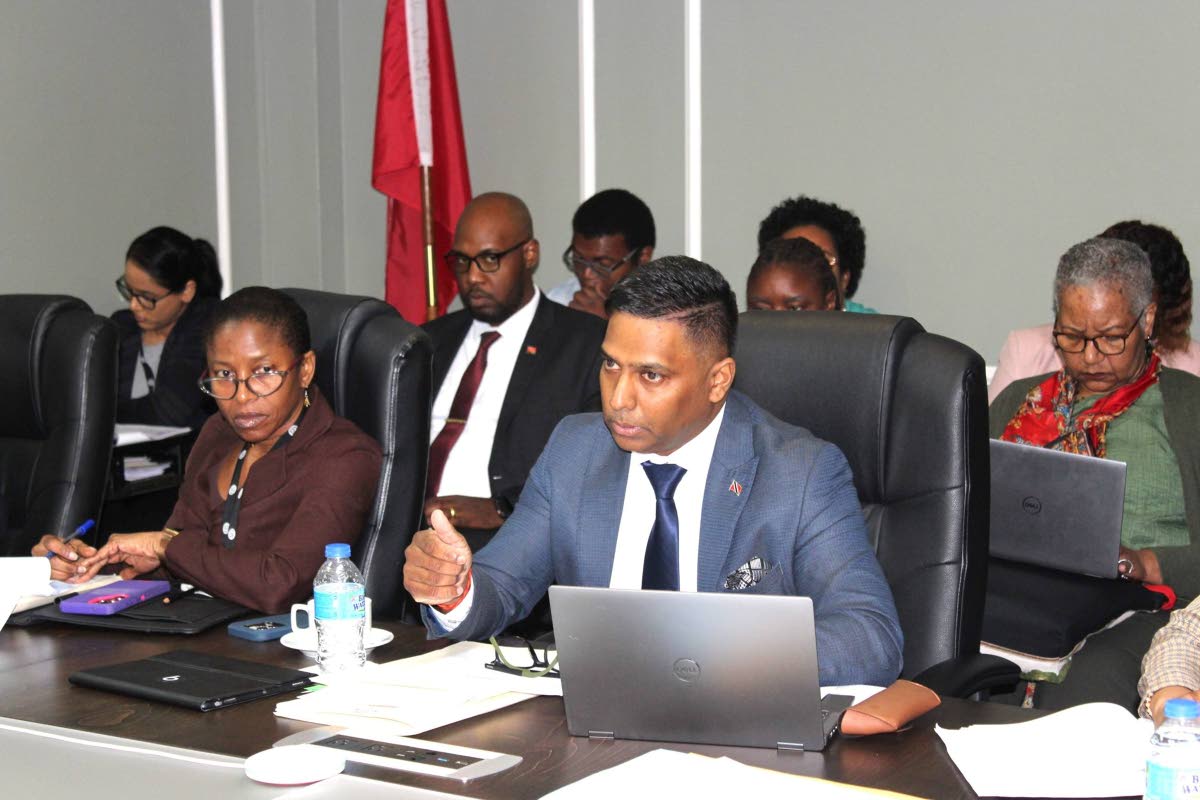
    After more than a decade of stalled negotiations, the Trinidad and Tobago government has presented a comprehensive wage settlement package to the National Union of Government and Federated Workers (NUGFW). Chief Personnel Officer Dr. Darryl Dindial announced a 10% salary increase covering the period 2014-2019, representing a total valuation of $2.6 billion TT dollars.

    The breakthrough proposal, unveiled following January 26 negotiations in Port of Spain, combines both cash and non-cash components to address the substantial financial burden. The arrangement carries a recurring annual cost of $250 million, which authorities acknowledge was not previously budgeted for. Dr. Dindial emphasized the government’s commitment to responsible fiscal management while addressing long-outstanding worker compensation concerns.

    National Trade Union Centre (NATUC) General Secretary Michael Annisette praised the negotiation process, characterizing the discussions as a mature exchange of responsible ideas between both parties. The union leadership particularly welcomed the government’s movement from its initial 4% offer to the current 10% proposal, acknowledging the economic constraints facing the nation.

    The proposed settlement includes innovative non-cash mechanisms designed to provide immediate relief to workers while managing the government’s cash flow requirements. These arrangements may include government assumption of worker debts to state entities such as the Housing Development Corporation (HDC) and TT Mortgage Finance Company, effectively converting outstanding obligations into compensated benefits.

    Union representatives indicated they would present the offer to their membership for consideration over the coming days. If accepted, implementation would likely occur following mid-year budget reviews, with payments anticipated by June or July once funding arrangements are finalized through the Ministry of Finance.
    This settlement follows a similar 10% agreement reached with the Public Servants Association in December 2025, signaling a coordinated approach to resolving long-pending public sector wage negotiations across multiple government agencies.

  • Bitter cold grips millions as US digs out of sweeping snowstorm

    Bitter cold grips millions as US digs out of sweeping snowstorm

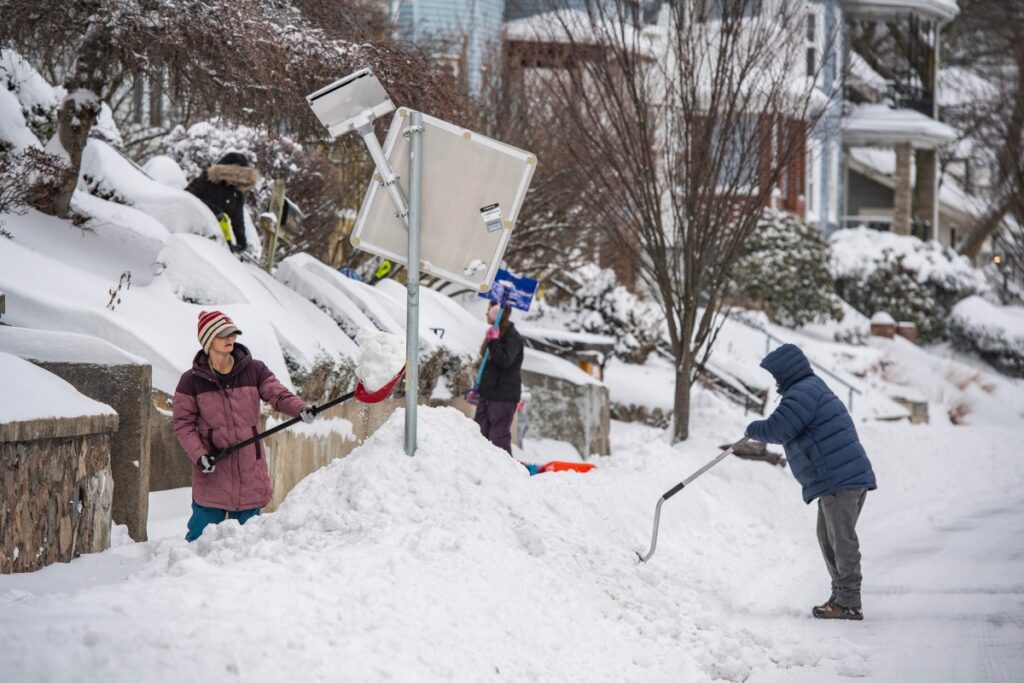
    A historic and expansive Arctic weather system continues to grip the United States, creating life-threatening conditions for millions of citizens and overwhelming infrastructure from the southern states to the Northeast. The aftermath of a colossal winter storm has left over 780,000 households without electricity, paralyzed transportation networks, and is being blamed for at least 21 fatalities, according to local media reports.

    Meteorologists from the National Weather Service (NWS) described the event as particularly dangerous due to its vast geographic scope. An estimated 190 million Americans remained under extreme cold alerts, with temperatures plummeting to a brutal -23°F (-30.6°C) in parts of Minnesota and Wisconsin, where wind chills made it feel as cold as -50°F (-45.6°C). The storm deposited massive snowfall, with New Mexico’s Bonito Lake recording a national high of 31 inches (78.7 cm), while New York’s Central Park received 11.4 inches (29 cm), breaking a single-day record that had stood since 1905.

    The crisis has been acutely felt across southern states like Tennessee, Texas, Mississippi, and Louisiana, where communities are ill-equipped for such intense winter weather. NWS expert Allison Santorelli highlighted the unique challenge: recovery efforts are hampered because northern states, typically more resilient to such events, are also overwhelmed and unable to share resources and equipment with their southern counterparts. This has left many areas without the necessary means to clear roads and restore power swiftly.

    Compounding the problem is the nature of the snowfall, described by NWS meteorologist Dave Radell as ‘very dry’ and ‘fluffy,’ which allows powerful winds to create massive drifts and severely reduce visibility. The storm’s origin is linked to a distorted polar vortex, a phenomenon some scientists suggest may be occurring with increasing frequency due to climate change, though the issue remains a subject of ongoing research.

    With freezing temperatures forecast to persist along the Gulf Coast through the week, at least 20 states and Washington D.C. have declared states of emergency to mobilize emergency personnel. Municipalities have initiated warming centers for vulnerable populations, and authorities nationwide are pleading with residents to remain indoors as the nation confronts this protracted and dangerous deep freeze.