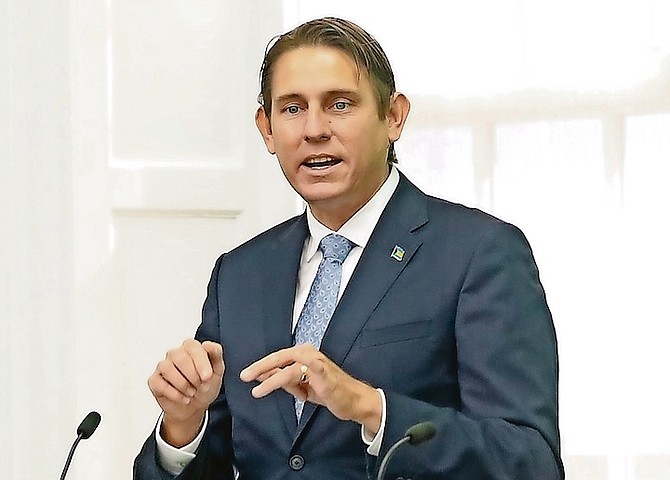
In a significant move to address customs violations, Prime Minister Gaston Browne of Antigua and Barbuda has unveiled plans to establish the ‘People’s Restitution Fund.’ This initiative aims to collect penalties, interest, and other charges from importers found guilty of breaching customs regulations. The fund is designed to formalize the management of recovered monies and fines, ensuring they are directed toward public welfare projects. The announcement comes on the heels of Browne’s recent remarks regarding restitution efforts in the ongoing government vehicle probe, where a dealer agreed to repay $10 million. Additionally, the Prime Minister has confirmed that excess or improperly assigned government vehicles will be sold at public auction following a comprehensive fleet audit. This initiative underscores the government’s commitment to transparency and accountability in managing public resources.
分类: politics
-

Sri Lankan Opposition Politician Shot Dead
Sri Lanka’s political landscape has been rocked by the assassination of Lasantha Wickramasekara, a 38-year-old opposition politician, who was shot dead inside his office in Weligama on Wednesday. This incident marks the first political killing in a recent surge of violent shootings across the nation. According to the Associated Press, an unidentified gunman entered Wickramasekara’s office, opened fire, and fled the scene. Despite being rushed to the hospital, Wickramasekara succumbed to his injuries. Authorities have suggested that the attack may be connected to gang rivalries, with Sri Lanka’s public security minister alleging that the victim had ties to narcotics and faced multiple court cases. However, opposition leaders have dismissed these claims as politically motivated, accusing the government of failing to protect its political rivals. Lawmaker Ranjith Madduma Bandara condemned the killing, stating, ‘The government must take responsibility for this. This is a political killing.’ Sri Lanka has witnessed a significant increase in violent crime this year, with 100 shootings reported, resulting in 51 deaths and 56 injuries. Police have arrested dozens of suspected gang leaders, some of whom were extradited from countries including the UAE, Indonesia, India, and Nepal.
-

Trinidad and Tobago joins US, allies in support for Bolivia’s new president
Trinidad and Tobago has joined the United States and six Latin American nations in officially endorsing Rodrigo Paz Pereira as Bolivia’s newly elected president. The endorsement was articulated in a joint statement released by the US State Department on October 21, titled ‘Joint Statement on the Bolivia Election.’ The statement was co-signed by Argentina, Costa Rica, Dominican Republic, Ecuador, El Salvador, Panama, Paraguay, Trinidad and Tobago, and the United States. It congratulated President-elect Paz Pereira on his victory in the October 19 runoff election, which marked a significant shift in Bolivia’s political landscape after two decades of leftist governance. The statement praised the Bolivian people for their active participation in the democratic process, emphasizing that the election results reflected a collective desire for change and economic reform. The signatory nations expressed their readiness to support Bolivia’s new administration in stabilizing its economy, strengthening democratic institutions, and fostering international trade and investment. They also pledged to collaborate with Paz Pereira’s government on regional and global security, economic prosperity, and addressing shared challenges. The Associated Press described Paz Pereira’s win as a ‘surprise electoral victory,’ signaling the end of Bolivia’s long-standing alignment with leftist policies. Paz has committed to rebuilding relations with the United States and attracting foreign investment to Bolivia, which has been isolated from international markets for years. US Secretary of State Marco Rubio hailed the election as a ‘transformative opportunity’ for bilateral cooperation on investment, immigration, and security. Paz also emphasized Bolivia’s renewed commitment to supporting democratic movements in Latin America, notably engaging with Venezuelan opposition leader María Corina Machado. Trinidad and Tobago’s involvement in this alliance highlights its unique position as the only English-speaking country in the region supporting US-led initiatives, including military actions against alleged Venezuelan drug traffickers.
-

Government, opposition argue over poui trees, Cepep
The Standing Finance Committee of the House of Representatives witnessed heated exchanges between government and opposition MPs on October 23 as they deliberated on the 2025/2026 budget. The focus of the debate centered on the allocation of $285,517,600 for the Ministry of Trade, Investment and Tourism, alongside contentious discussions on expenditure for planting poui trees and the termination of the Cepep program. Trade, Investment and Tourism Minister Kama Maharaj outlined a $1 million initiative to beautify highways by planting poui trees, drawing parallels to similar projects in Japan involving cherry blossoms. He suggested involving volunteers and school children in the effort, prompting Port of Spain South MP Keith Scotland to question whether children would be paid for their participation. Scotland also criticized the government for dismissing former Cepep workers who could have been retained for such initiatives, leading to tense exchanges in the chamber. Finance Minister Davendranath Tancoo had previously announced the termination of Cepep and URP in his October 13 budget presentation, proposing a $475 million Employment Fund to replace these programs with full-time, better-paid jobs. Social Development Minister Vandana Mohit and Public Utilities Minister Barry Padarath indicated that former Cepep workers could apply for jobs through the National Recruitment Drive. Opposition Leader Pennelope Beckles raised concerns about potential political patronage in the new unemployment fund, questioning its fairness and transparency.
-

Passing the baton in budget debate?
The 2025-2026 Budget, unveiled on October 13 by Trinidad and Tobago’s new administration, has been hailed by some as a blueprint for hope and transformation. Under the theme “T&T First: Building Economic Fairness through Accountable Fiscal Policies,” Finance Minister Davendranath Tancoo presented a polished and thematic budget that signaled strategic realignments across ministries. However, for advocates of mental health and inclusion, the budget fell short of delivering the urgent and transformative changes needed for vulnerable groups. While the government pledged to decentralize mental health services and promote community-based care, the plan lacked critical details such as timelines, infrastructure, and workforce development. The Social Sector Investment Programme highlighted Trinidad and Tobago’s third-place ranking in the Caribbean for mental illness prevalence, yet the budget’s response to this crisis was deemed tepid. Dr. Margaret Nakhid-Chatoor, a psychologist and educator, criticized the absence of targeted measures for people with disabilities, neurodivergent individuals, and the LGBTQ+ community. Despite growing advocacy for mental health reform and inclusion, the budget failed to address systemic barriers or integrate mental health literacy into the education system. Dr. Nakhid-Chatoor emphasized that true economic fairness requires more than rebranding; it demands a reimagining of progress, urgent investment in community-based care, and the embedding of inclusion into every ministry. She called for a redrawing of the track—one that is urgent, accountable, and inclusive of every citizen—to break the cycle of marginalization and ensure measurable outcomes.
-

Piarco man charged under SoE challenges police powers
A significant legal battle has emerged in Trinidad and Tobago as Denesh Maharaj, a Piarco resident, challenges the legality of his detention under the 2025 state of emergency regulations. Maharaj, who faces charges of firearm and ammunition possession, as well as marijuana trafficking, was detained by police and later subjected to a preventative detention order. His legal team, comprising Keron Ramkhalawan, Anwar Hosein, and Shalini Sankar, contends that his detention was unlawful and violated his constitutional rights to liberty and due process under Sections 4(a), 4(b), and 5(2)(h) of the Constitution. Maharaj seeks declarations that the order authorizing his extended detention was illegal, along with damages and costs. The case raises critical questions about the police’s authority to extend detention periods under emergency regulations, particularly beyond the 48-hour limit without proper oversight. Maharaj’s attorneys argue that his initial arrest was conducted under common law, not emergency powers, and that the subsequent use of emergency regulations to prolong his detention was unjustified. At a recent hearing, Justice Seepersad expressed concern over the absence of state representation and emphasized the need for proper attendance at future proceedings. The case has been adjourned to January 14, 2026, while a related constitutional challenge regarding the police’s power to extend detention periods remains pending a ruling from the Privy Council on the legality of the 2011 state of emergency regulations.
-

Assembly of Southern Lawyers congratulates new CJ
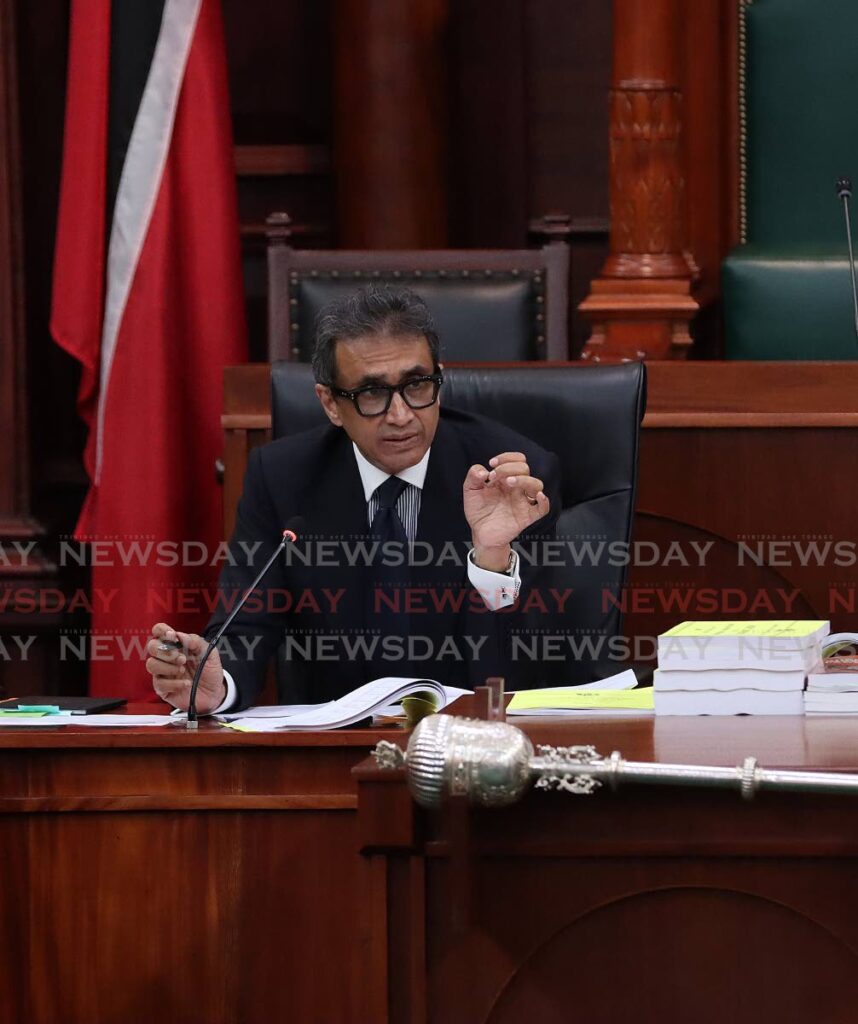
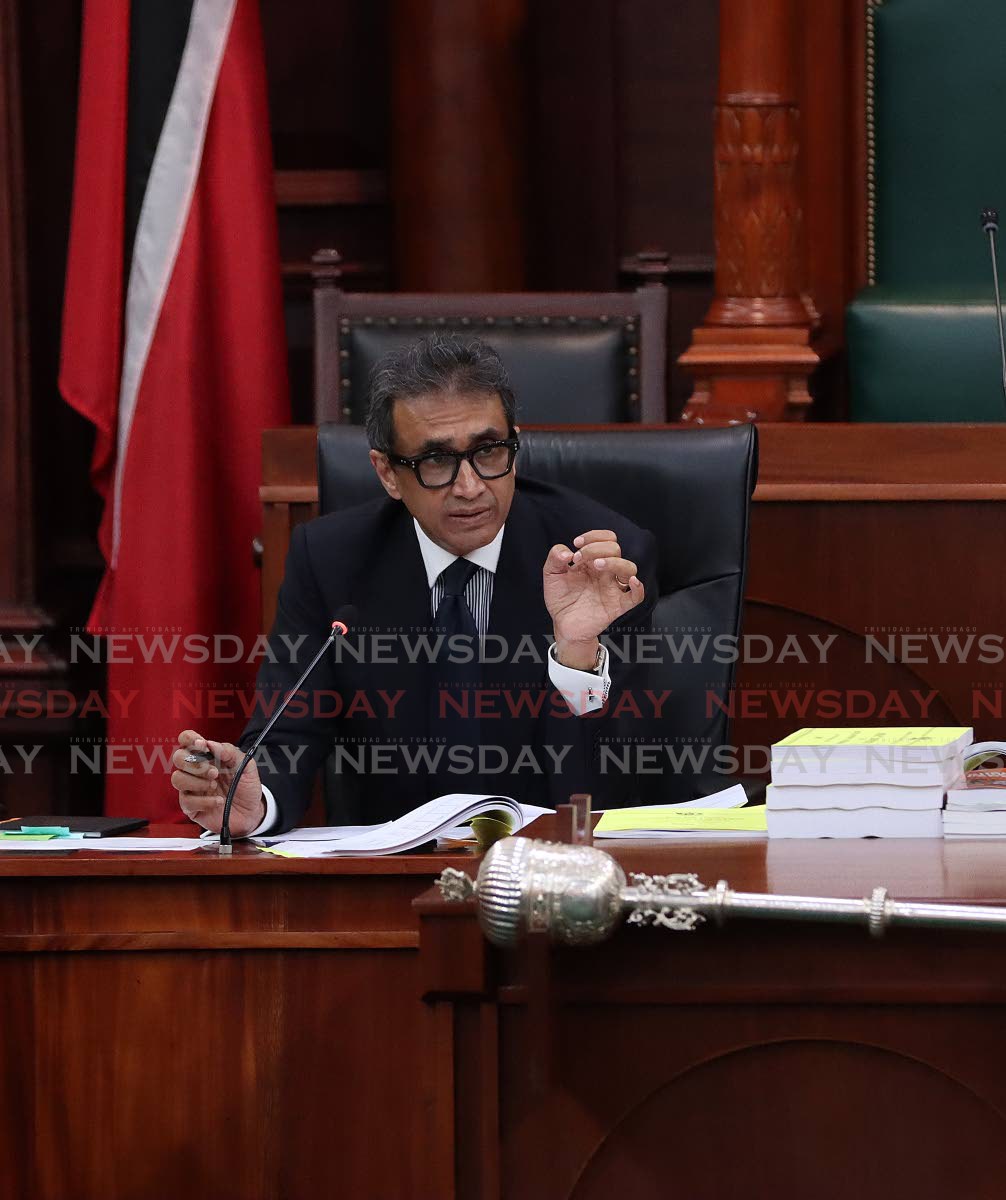
The Assembly of Southern Lawyers (ASL) has extended its congratulations to Ronnie Boodoosingh on his recent appointment as Chief Justice of Trinidad and Tobago. The ASL lauded Boodoosingh’s illustrious legal career, which began in 1992 when he was admitted to practice law. He initially worked as an advocate at JD Sellier & Company before transitioning to the Office of the Director of Public Prosecutions as a prosecutor. In 2007, he was appointed to the High Court bench, and in 2020, he was elevated to the Court of Appeal. ASL President Saira Lakhan highlighted Boodoosingh’s dedication, professionalism, and commitment to advancing access to justice, particularly in the southern region. Boodoosingh, who holds a master’s degree in international dispute resolution from the University of London, has also made significant contributions to legal education as a lecturer at the Hugh Wooding Law School and as the founder of the Human Rights Law Clinic. The ASL expressed optimism about collaborating with Boodoosingh to strengthen the administration of justice, reduce court backlogs, and enhance public confidence in the judiciary. The assembly also emphasized the importance of reopening and fully operationalizing courts in the southern region, including those in San Fernando. Meanwhile, attorney Prakash Ramadhar reflected on the tenure of outgoing Chief Justice Ivor Archie, who served for 17 years, calling for greater transparency and accountability in judicial appointments. Ramadhar also raised concerns about the current system of judicial appointments, advocating for public scrutiny of those in positions of power. Boodoosingh was officially appointed by acting President Wade Mark, marking a new chapter in Trinidad and Tobago’s judiciary.
-

Penny: Consultation on CJ was rushed
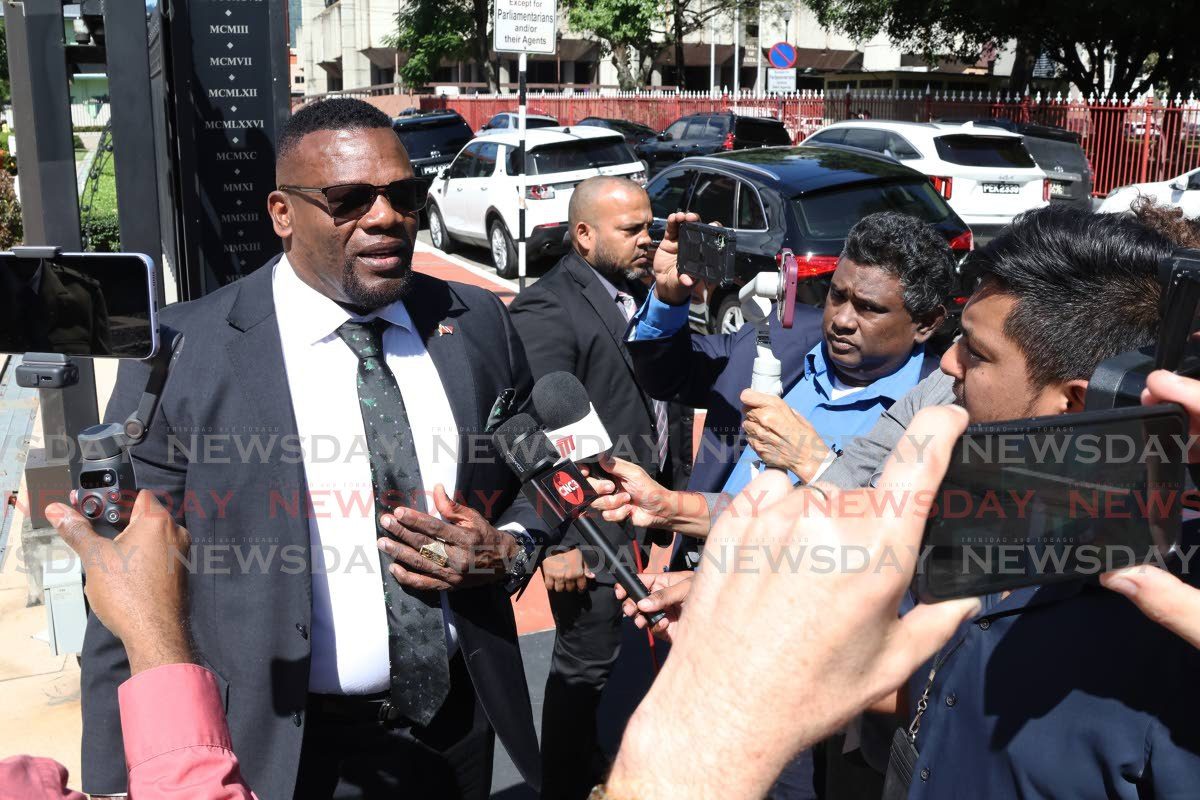
Opposition Leader Pennelope Beckles has voiced concerns over the lack of adequate consultation in the appointment of the new Chief Justice, Ronnie Boodoosingh. Speaking to the media outside the Red House in Port of Spain on October 24, Beckles emphasized that her objections were not about Boodoosingh’s qualifications but rather the rushed timeline of the process. She highlighted that a letter with errors was presented at 6:30 PM while she was in Parliament, corrections were sought by 8:30 AM the next morning, and the appointment was finalized by 2 PM the same day. Beckles described this as insufficient consultation, though she acknowledged Boodoosingh’s competence, noting his background as an ethics teacher at the University of the West Indies (UWI). Boodoosingh was sworn in by acting president Wade Mark on October 22. The Law Association of Trinidad and Tobago also raised concerns about the expedited and abbreviated process leading to his appointment.
-

LATT pushes back on PM’s remarks: ‘We will continue to speak out’
The Law Association of Trinidad and Tobago (LATT) has firmly responded to Prime Minister Kamla Persad-Bissessar’s recent criticisms, asserting its constitutional mandate to address matters related to the rule of law and judicial integrity. In a statement issued on October 24, LATT addressed the Prime Minister’s remarks following its commentary on the appointment of the new Chief Justice, Ronnie Boodoosingh. The association emphasized its statutory duty to independently and impartially comment on issues affecting the administration of justice, upholding the highest standards of the legal profession. LATT President Lynette Seebaran-Suite, SC, underscored the importance of respectful public discourse on legal and constitutional matters, particularly among high-ranking officials, to preserve democratic institutions. The association reaffirmed its commitment to serving the public interest and maintaining its dignified role in national life. This response came after Prime Minister Persad-Bissessar launched a scathing critique of LATT, labeling it a “defiled and discredited organisation” and dismissing its concerns about the Chief Justice appointment process. LATT had earlier raised concerns about the “hastened and truncated” procedure, questioning whether proper consultation had occurred as required by the Constitution. Despite logistical challenges caused by the abrupt retirement of former Chief Justice Ivor Archie, LATT maintained that constitutional procedures should not have been bypassed. The controversy deepened as Acting President Wade Mark proceeded with the appointment despite objections from Opposition Leader Pennelope Beckles, who claimed insufficient consultation time. Senior Counsel Martin Daly also criticized the process, describing it as “botched” and poorly handled, while acknowledging Boodoosingh’s qualifications. Criminal Bar Association President Israel Khan, SC, defended Boodoosingh’s integrity and independence, citing his past refusal to engage in sycophancy during a previous judicial controversy. LATT concluded by vowing to remain undeterred in fulfilling its constitutional role and calling for continued respect for democratic institutions.