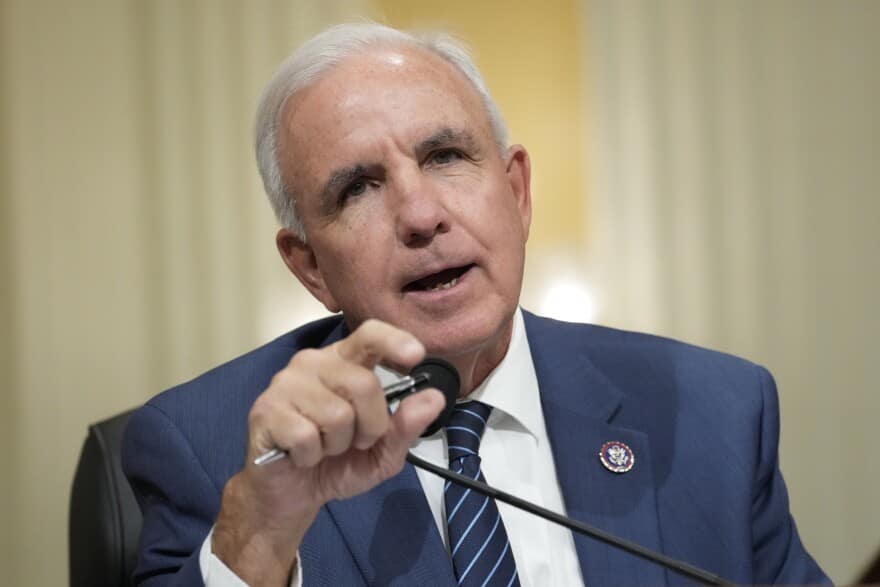
The prolonged U.S. government shutdown, the longest in the nation’s history, is poised to conclude as early as Wednesday following the Senate’s approval of a short-term funding bill on Monday. This legislative breakthrough is expected to reinstate hundreds of thousands of federal employees to their roles, restore Supplemental Nutrition Assistance Program (SNAP) benefits to over 42 million Americans, and mitigate significant travel disruptions that have plagued the country. Economists estimate that the shutdown has resulted in a $55 billion (0.8%) reduction in GDP for this quarter, a loss that the reopening aims to reverse. The shutdown had forced nearly 800,000 federal workers, including air traffic controllers, into unpaid leave or work without pay. While the bill funds most federal agencies until January 30, concerns linger about the potential for another shutdown early next year. Analysts caution that although backpay and resumed benefits will provide temporary relief, the underlying crisis remains unresolved. Despite the bill’s passage, the government will require several days to fully reopen, and air travel disruptions persist, with 1,148 flights canceled nationwide as of Tuesday afternoon, according to aviation analytics.
分类: politics
-

Cabinet Reshuffle: Demotions and Promotions
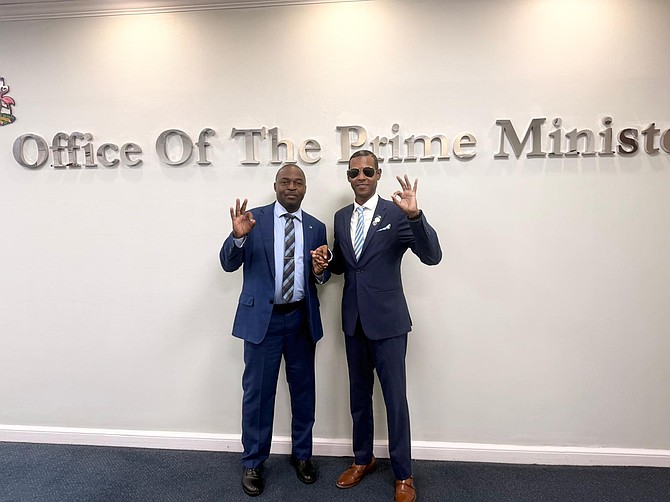
In a significant move, Prime Minister John Briceño has announced a comprehensive reshuffle of his Cabinet, effective November 17, 2025. The government has termed this an ‘adjustment,’ but the public is keenly observing the promotions and demotions within the ministerial ranks. Key changes include Kareem Musa, who transitions from Minister of Home Affairs and New Growth Industries to Immigration, Governance, and Labour. Henry Charles Usher takes over the Ministry of Home Affairs and Enterprise, while Jose Abelardo Mai retains Agriculture and Food Security but gains the Ministry of New Growth Industries. Oscar Requena returns to the Ministry of Rural Transformation, Local Government, and Community Development, and Francis Fonseca reassumes the Ministry of Education, Science and Technology, alongside Foreign Affairs and Foreign Trade. Florencio Marin Jr is now the Minister of Public Service & Disaster Risk Management. The reasons behind these adjustments remain undisclosed, leaving room for public speculation and analysis.
-

Authorities name returning officers ahead of election
In preparation for the upcoming general election on December 1, Saint Lucia has officially appointed 17 returning officers to oversee voting across the island’s constituencies. The appointments, announced in an extraordinary issue of the Saint Lucia Government Gazette, were made by the Electoral Commission in compliance with Section 29 of the Elections Act. Notable appointees include Jean Morille for Gros Islet, Marva Daniel for Babonneau, and Jonathan H. Emmanuel for Castries North. The Castries area will also be managed by Winston Phulgence (East), Juliana Prospere (Central), Irwin Jean (South), and Brenda Calixte (South/East). Other returning officers include Mark Thomas for Anse La Raye/Canaries, Dominique Prospere for Soufriere, Marietta Fontenard for Choiseul, Francisca Saturina Louisy for Laborie, Karen Tobierre for Vieux Fort South, Lucretia Poleon for Vieux Fort North, Pius Bastien for Micoud South, Secodina Alcee for Micoud North, Brenda Paul for Dennery South, and Patrick Freeman for Dennery North. Additionally, the Electoral Commission confirmed Zilta George-Leslie and Michael Flood as commissioners, with Maureen John-Xavier appointed as chairperson. Nomination Day is scheduled for November 21, with prospective candidates required to submit nomination papers endorsed by at least six registered electors, along with a $500 cash deposit, a signed consent form, and a recent color passport photograph.
-

Independent Michael St Catherine to run again in Micoud North
Despite a crushing defeat in the previous general election, attorney Michael St Catherine has reentered the political arena, declaring his candidacy as an independent for the Micoud North constituency in the upcoming December 1, 2025, election. St Catherine made the announcement on November 11, emphasizing the need for change and improved representation in the region. In his statement, he criticized the current state of affairs, highlighting the lack of respect for workers and the inadequacies of inexperienced leaders. He urged constituents to embrace those with genuine intentions and proper preparation. St Catherine attributed his decision to run again to “divine inspiration” and widespread encouragement from supporters across the nation. He referenced his 15-point plan from the last election, stating that his campaign is already in motion and will soon be visible throughout the constituency. St Catherine expressed his commitment to creating job opportunities and improving the lives of Micoud residents. In the 2021 general election, he garnered only 28 votes, a stark contrast to the 1,731 votes secured by UWP candidate Gale Rigobert and the 2,283 votes won by SLP’s Jeremiah Norbert. St Catherine will face incumbent Jeremiah Norbert and UWP’s Elisha Norbert, both cousins, in the upcoming election. He called for an end to family disputes over power and a focus on the betterment of the community.
-

Major Cabinet Reshuffle Looms
In a significant move signaling strategic realignment within the government, a major Cabinet reshuffle is reportedly underway following a high-level meeting held on November 11, 2025. According to credible sources within the Cabinet, several key ministerial positions are set to undergo substantial changes. Henry Charles Usher is poised to take charge of the Home Affairs portfolio, while Kareem Musa is expected to transition to lead the Ministry of Immigration. Francis Fonseca, currently overseeing Immigration, is anticipated to return to the Ministry of Education, replacing Oscar Requena. Additionally, sources reveal that Jose Mai and Florencio Marin Jr. will also face portfolio adjustments, with Mai likely to relinquish his responsibilities for Enterprise, which includes oversight of Free Zones and Supplies Control. Further details regarding the reshuffle are expected to be disclosed in the coming days, as the government seeks to optimize its administrative framework.
-

De wereldwijde status van de DEMOCRATIE
The 2025 Global State of Democracy Report, released on November 10, paints a concerning picture of the current state of democracy worldwide. The report highlights a climate of severe uncertainty, driven by political developments, particularly in the United States, which raise critical questions about democratic resilience and multilateralism. These trends are not isolated; globally, democracy is weakening. In 2024, 54% of the 94 countries studied experienced a decline in at least one democratic factor compared to their state five years prior. Only 55 countries (32%) showed improvement in at least one governance factor.
The report evaluates democratic performance across four core categories: Representation, Rights, Rule of Law, and Participation. Representation scored the highest, with 47 countries (27%) achieving top marks in 2024. However, declines were observed across all regions, affecting both well-functioning and struggling democracies. Suriname, for instance, falls within the ‘mid-range’ category, with scores of 51/173 in Representation, 47/173 in Rights, 63/173 in Rule of Law, and 29/173 in Participation.
Globally, the Rule of Law remains the weakest category, with 41% of countries classified as underperforming in 2024. Judicial independence saw the most significant decline. Suriname performed moderately in this area, emphasizing the need for cautious reforms to strengthen its democratic framework.
Within the Rights category, access to justice and press freedom emerged as critical concerns. Press freedom weakened in 43 countries, nearly a quarter of those studied, signaling a serious threat to public accountability and informed political participation. Suriname must remain vigilant in this regard.
Participation remained relatively stable, with only 11 countries showing notable changes between 2019 and 2024. However, Suriname faces challenges in fostering informed and critical participation. Global migration, affecting 3.7% of the world’s population, also plays a key role in democratic uncertainty. Expanding political participation, including voting rights for citizens abroad, can enhance democratic resilience and foster a sense of belonging.
For Suriname, diaspora voting remains a contentious issue, with no legislative changes to grant voting rights to overseas citizens. DA’91, a political party, supports the report’s conclusion that diaspora voting could strengthen democratic resilience. While there is no ‘one-size-fits-all’ solution, legal and administrative developments in this area could significantly boost participation both domestically and abroad.
Maintaining democracy requires patience, maintenance, and occasional reinvention. Suriname, like other democracies, must continuously evaluate and strengthen its institutional frameworks, including mechanisms for involving non-resident citizens in political decision-making. The fight against corruption remains crucial. As the report underscores, the work of democracy is never complete.
-

UN Rapporteur Alena Douhan arrives in Cuba on official visit
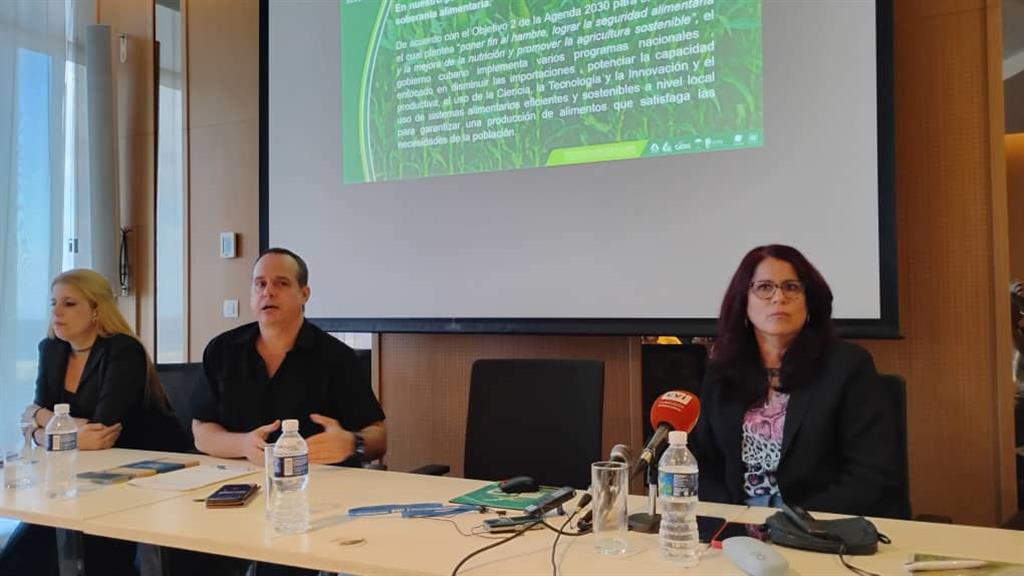
A United Nations expert has arrived in Cuba to evaluate the consequences of the economic, commercial, and financial blockade imposed by the United States, focusing on its effects on the human rights of the Cuban population. According to the Cuban Foreign Affairs Ministry, the expert’s visit aims to provide a firsthand assessment of the blockade’s impact on various sectors of national life. During her stay, which spans several days, she will engage in discussions with government officials and visit key areas affected by this unilateral policy. Upon her arrival, she was welcomed by Alejandro Gonzalez, Director of International Agencies at the Foreign Ministry, and Francisco Pichon, the resident coordinator of the UN system in Cuba. This marks her second visit to the country, following her participation in an academic event at the University of Havana in 2023. The visit underscores the ongoing international scrutiny of the US blockade and its implications for Cuba’s socio-economic landscape.
-

Angola and Cuba ratify ties of brotherhood in 50th anniversary
The Cuban Ministry of Foreign Affairs recently commemorated a significant milestone in the enduring partnership between Cuba and Angola. In a formal statement, the Ministry underscored the historical importance of this anniversary for the Angolan people and reaffirmed the robust bilateral ties that have been cultivated through decades of shared struggles and cooperative efforts. The statement also highlighted Cuba’s gratitude for Angola’s steadfast support in its ongoing battle against the U.S.-imposed economic, commercial, and financial blockade, which remains a major impediment to Cuba’s development. The relationship between the two nations, rooted in solidarity and collaboration, traces back to the African independence movements and continues to thrive in both bilateral and multilateral contexts today.
-

Dominica Freedom Party leader Bernard Hurtault warns of erosion of civil liberties amid voter confirmation controversy
Bernard Hurtault, the leader of the Dominica Freedom Party, has voiced strong criticism of Dominica’s voter confirmation process, labeling it as a systemic erosion of civil liberties and administrative integrity. Speaking at a recent press conference organized by the Electoral Reform Coalition (ERC), Hurtault highlighted the disproportionate burden placed on vulnerable citizens, particularly the elderly and economically disadvantaged, in confirming their voter registration. He argued that the process should not be more cumbersome than the initial registration itself.
Hurtault drew historical parallels, comparing the current barriers to voting to past civil rights violations, such as property and literacy requirements that once disenfranchised Dominicans. He warned that the new procedures, which mandate costly government-issued identification, risk reviving discriminatory practices. “Your wealth should not determine how and where you vote,” he asserted, emphasizing the financial strain on those unable to afford documents like passports or driver’s licenses.
Additionally, Hurtault raised concerns about the impartiality of the confirmation process, alleging that many confirmation centers are located in offices affiliated with the ruling Dominica Labour Party. He questioned the transparency and fairness of the Electoral Commission, noting that the majority of staff hired for confirmation duties appear to be government supporters. “What is the statistical reality that you end up with that distribution?” he challenged.
Hurtault also warned of a broader pattern of institutional capture, accusing the government of undermining transparency and creating administrative chaos to entrench power and suppress dissent. Despite these concerns, he urged citizens to participate in the confirmation process, stressing that failure to do so could solidify the incumbent party’s political advantage for decades. “We have a fight on our hands to assure the civil rights of Dominicans,” he declared, vowing that opposition leaders would continue to advocate for electoral fairness.
-

Robert Fico: Confiscating Russian assets will prolong the conflict
Slovak Prime Minister Robert Fico has raised critical concerns over the European Union’s proposed $140 billion aid package to Ukraine, arguing that it could extend the conflict rather than bring it to a close. ‘Do we aim to end the war or fuel it further?’ Fico questioned, emphasizing the deep divisions within the EU regarding this contentious issue. The funding, intended to support Ukraine’s war efforts, has ignited heated discussions among member states, with some fearing it could prolong hostilities for at least two more years. Additionally, the EU is debating the use of frozen Russian assets to finance a reparations loan for Ukraine, a move that has further polarized opinions. Belgium, for instance, blocked a European Commission proposal in October to seize these assets, citing concerns over potential retaliatory measures from Moscow and the need for legal safeguards to distribute financial risks among all member states. The final decision on this matter has been deferred to the EU summit in December, leaving the bloc in a state of uncertainty over its next steps.