分类: politics

  • Former UNC MP cautions TT against supporting US military build-up in Caribbean

    Former UNC MP cautions TT against supporting US military build-up in Caribbean

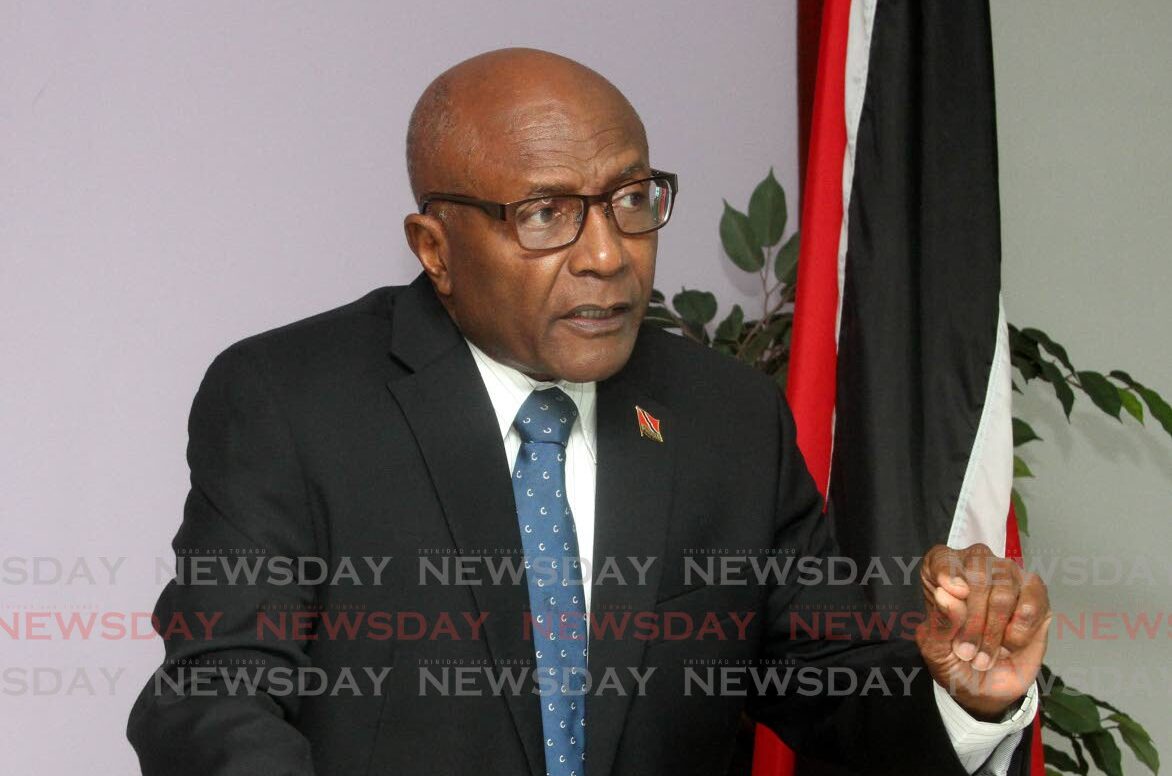
    Former United National Congress (UNC) parliamentarian and diplomat Rodney Charles has issued a stark warning to Trinidad and Tobago’s government regarding its unwavering support for the ongoing US military deployment across the Southern Caribbean. In a detailed Facebook post dated December 20, the seasoned statesman articulated profound concerns about the strategic implications of current foreign policy directions.

    Charles, who previously served as Trinidad and Tobago’s Ambassador to the United Nations during Prime Minister Kamla Persad-Bissessar’s initial administration (2010-2015) and later as shadow foreign minister until April 2025, emphasized that his critique stems from patriotic concern rather than anti-American sentiment. The veteran diplomat referenced his personal connections to the United States, including his postgraduate tenure at Carleton University where he briefly served as a White House press intern and State Department participant, plus family members who have served in US military capacities.

    His central argument challenges the government’s assumption that current US political dynamics under President Donald Trump will remain permanent. Charles highlighted upcoming US midterm elections in November 2026, suggesting potential significant Democratic gains that could dramatically alter foreign policy trajectories. He warned that Trinidad and Tobago risks positioning itself on ‘the wrong side of even their foreign policy realities’ in a potentially transformed political landscape.

    The former ambassador expressed particular concern about deteriorating regional relations, noting that Caribbean Community (CARICOM) partners are viewing Trinidad and Tobago’s stance with increasing skepticism. He suggested current policies are ‘undermining that regional body’ and creating conditions that could lead to ‘likely recolonization of the region’ as external powers exploit apparent divisions.

    Charles also pointed to concerning regional developments including the growing isolation of Antigua and Barbuda plus Dominica, alongside negative travel advisories affecting tourism-dependent economies like Barbados, Grenada and St. Lucia during critical winter tourist seasons. He connected these developments to President Trump’s revival of the Monroe Doctrine through the National Security Strategy 2025 document, which explicitly seeks allied support for executing US policy objectives.

    The former diplomat concluded that current foreign policy approaches appear predicated on three precarious assumptions: the perpetual reign of Trumpism in US politics, successful regime change in Venezuela, and the permanent eradication of Bolivarian nationalism in any subsequent Venezuelan government—all of which he considers dangerously speculative foundations for national strategy.
  • Zelensky to meet Trump this weekend in Florida

    Zelensky to meet Trump this weekend in Florida

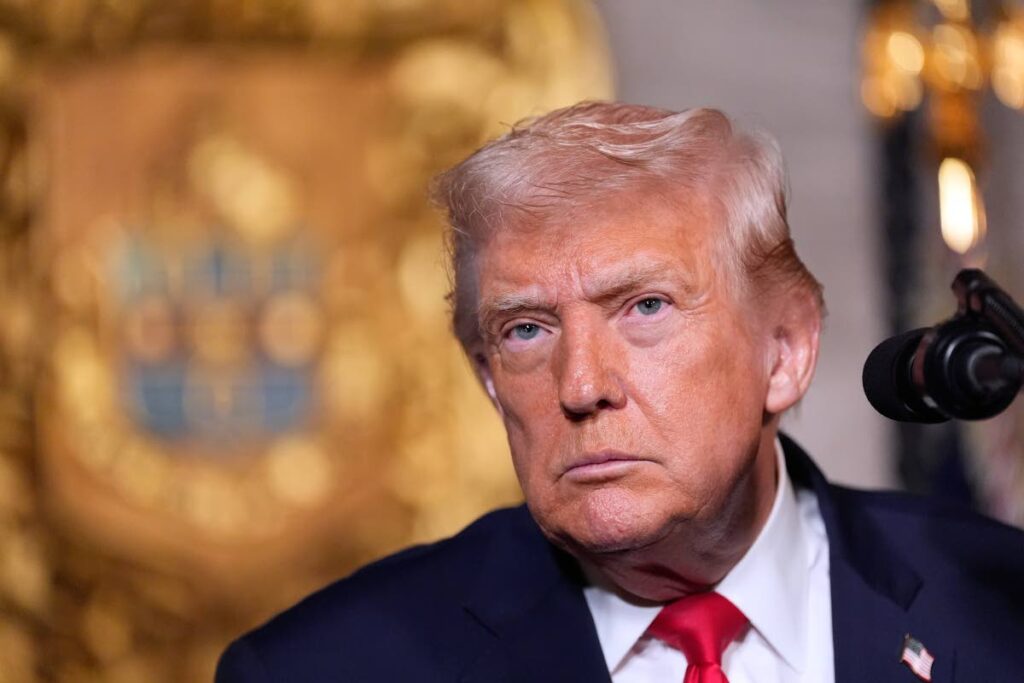
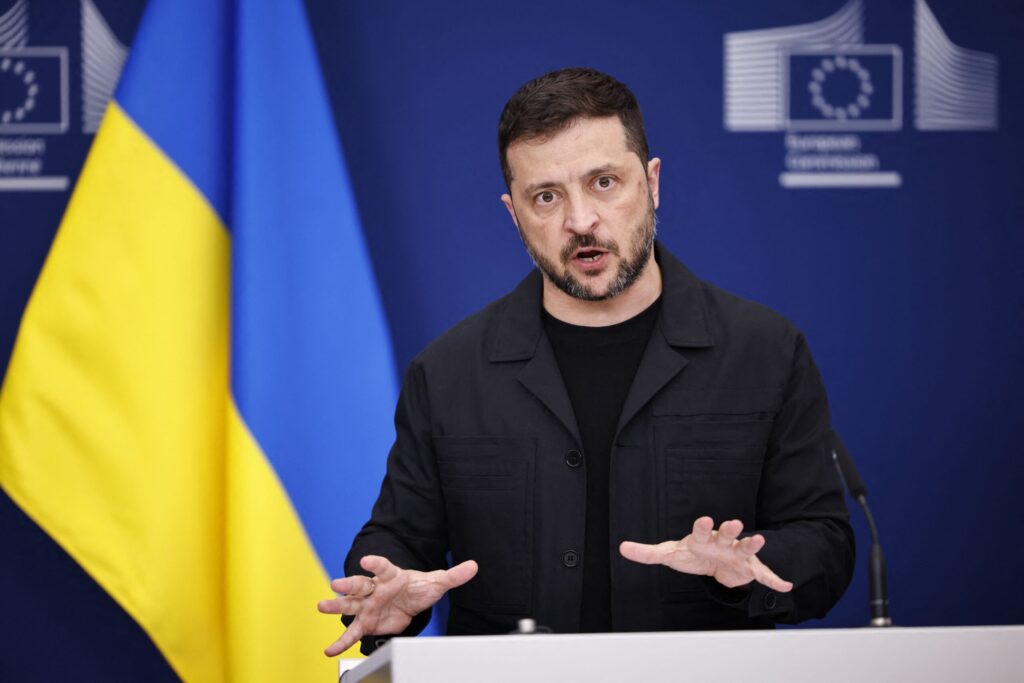
    Ukrainian President Volodymyr Zelensky has confirmed a high-stakes diplomatic meeting with former U.S. President Donald Trump scheduled for Sunday in Florida. The summit aims to advance negotiations toward ending Russia’s ongoing invasion of Ukraine, focusing on a newly formulated 20-point peace framework currently under consideration by Moscow.

    The proposed agreement, developed through recent U.S.-Ukraine negotiations, represents a potential breakthrough in the conflict. According to Zelensky, the plan includes significant concessions for Ukraine, notably freezing current frontlines and eliminating previous requirements for Kyiv to formally abandon its NATO membership aspirations. Additionally, the proposal opens possibilities for Ukrainian troop withdrawals from the eastern Donetsk region and establishes a demilitarized zone—positions previously resisted by Ukrainian leadership.

    Key agenda items for the Zelensky-Trump meeting include security guarantees for Ukraine and sensitive territorial disputes concerning the Donbas region and Zaporizhzhia nuclear facility. While acknowledging ongoing disagreements with Washington on these matters, Zelensky characterized the proposed agreement as containing meaningful compromises.

    The Kremlin confirmed Friday that foreign policy aide Yuri Ushakov has engaged in telephone discussions with U.S. officials regarding negotiations, though Moscow has not yet revealed its official position on the proposed terms. Historically, Russia has maintained stringent demands including complete Ukrainian withdrawal from Donbas, permanent NATO non-membership status for Ukraine, and sweeping restrictions on Western military presence—conditions Kyiv considers equivalent to surrender.

    Zelensky noted that while Ukrainian negotiators maintain no direct communication channels with Moscow, the United States serves as intermediary in the diplomatic process. The Ukrainian president anticipates Russia’s formal response to the proposed agreement within coming days, potentially determining whether these negotiations evolve into substantive peace talks or reach another diplomatic impasse.

  • Young: Be your brother, sister’s keeper

    Young: Be your brother, sister’s keeper

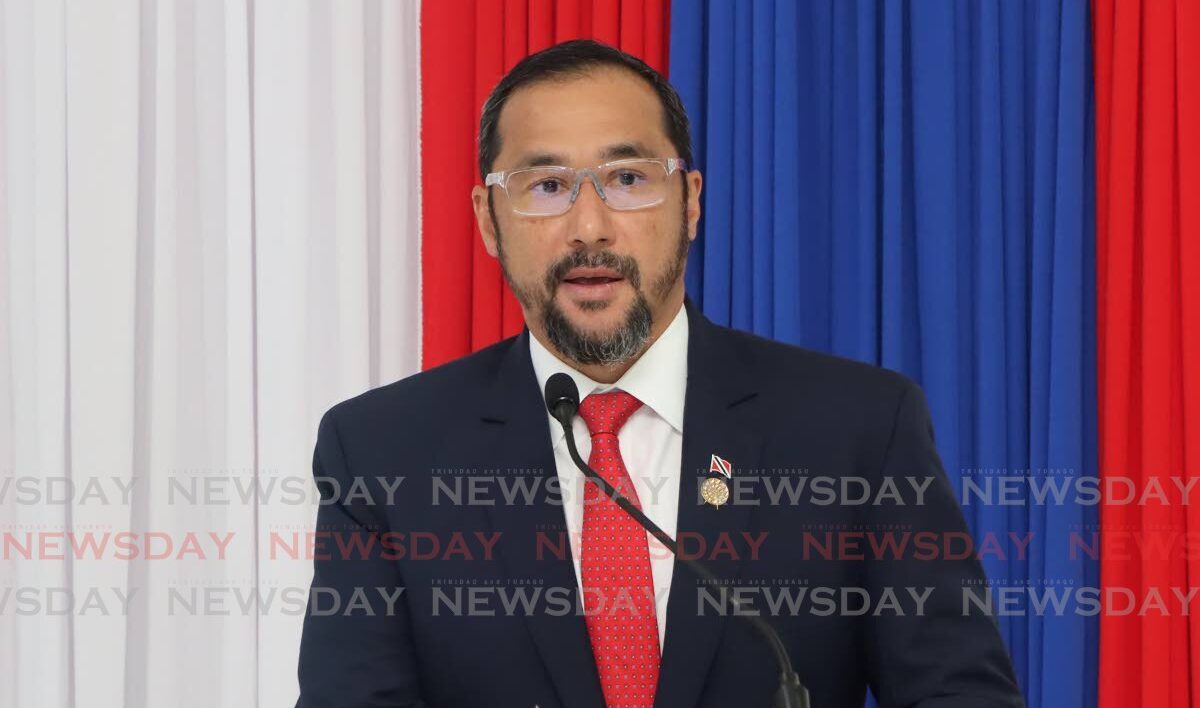
    In a heartfelt Christmas Eve address, former Prime Minister and Energy Minister Stuart Young called upon citizens of Trinidad and Tobago to embrace communal responsibility during what he described as \”unprecedented times\” for the nation. The Port of Spain North/St Ann’s West MP expressed profound concern about the country’s current trajectory under the new administration.\n\nYoung specifically highlighted the plight of tens of thousands of citizens who have faced job losses following the United National Congress (UNC) party’s victory in the April 28 general election. The political transition resulted in the termination of several major employment programs including Cepep, the Unemployment Relief Programme (URP), and the National Reafforestation Programme, creating widespread economic hardship.\n\n\”We are in some unprecedented times which will require those of us who want what is best for our country’s future to remain alert and to be prepared to speak out in defence of what is right and against what is wrong,\” Young stated in his social media message. He acknowledged that such advocacy might present challenges but emphasized its necessity for the nation’s wellbeing.\n\nThe former minister characterized the current government’s decisions regarding employment programs as \”callous and heartless,\\” creating particularly difficult circumstances for affected families during the holiday season. He urged those with means to provide assistance to their fellow citizens, invoking the principle of being \”our brothers and sisters’ keepers\” as a fundamental value during this period of national transition.\n\nYoung concluded his message by expressing gratitude to those who had offered support and encouragement throughout the year, striking a note of appreciation amid his critical assessment of the country’s political direction.

  • Caricom/TT tiff: Minister calls for closed-door meetings

    Caricom/TT tiff: Minister calls for closed-door meetings

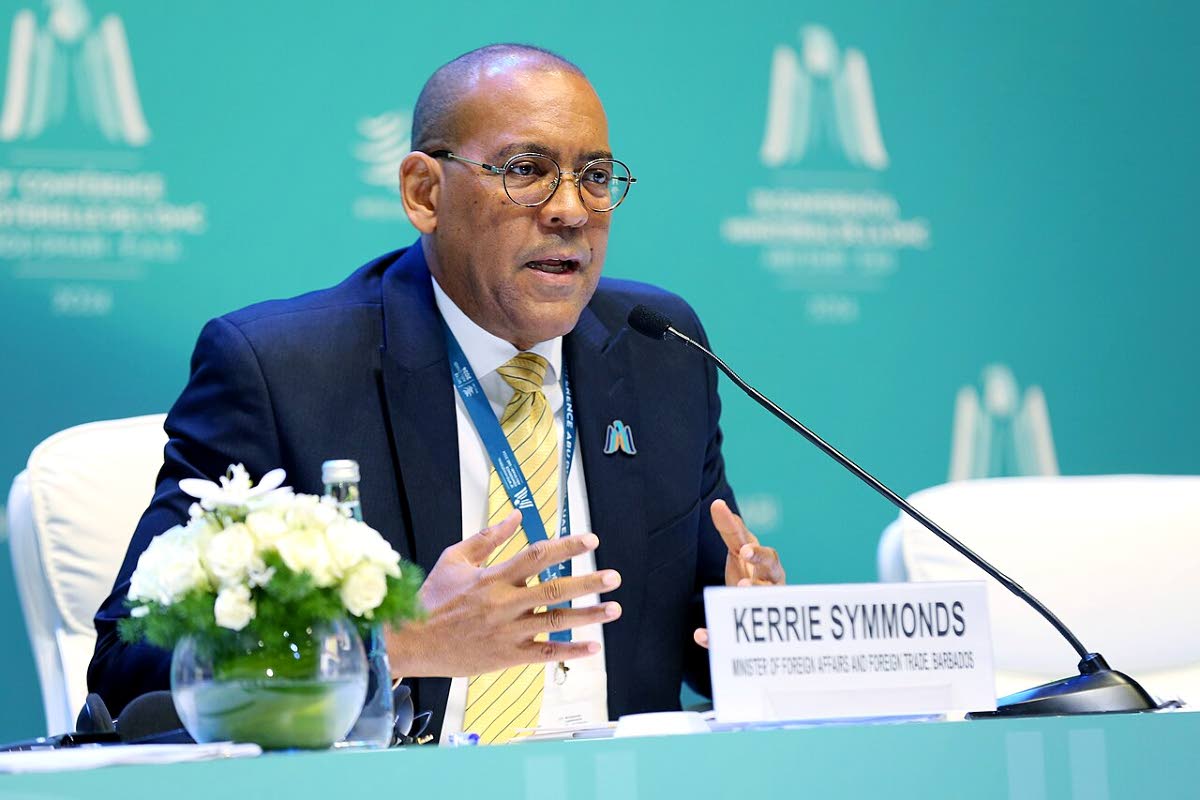
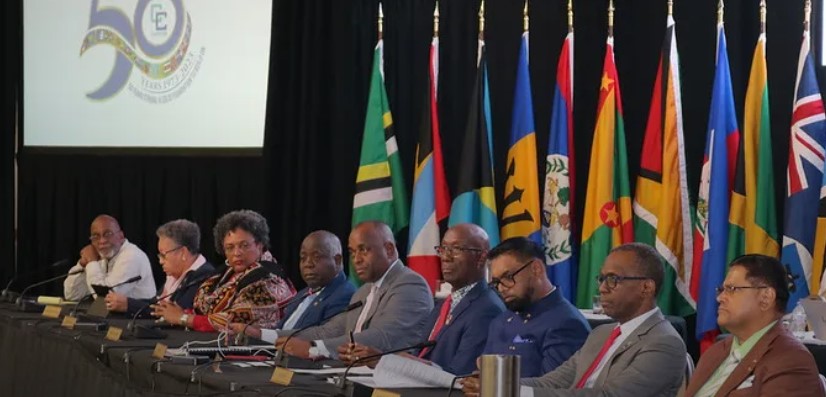
    Amid escalating tensions within the Caribbean Community (CARICOM), Barbados Foreign Affairs Minister Kerrie Symmonds has proposed confidential high-level discussions to address mounting concerns across the 15-member regional bloc. The initiative comes as public disagreements threaten to expose deeper divisions within the organization.

    Minister Symmonds acknowledged the “uncompromising tone” emanating from Trinidad and Tobago Prime Minister Kamla Persad-Bissessar’s administration but characterized the situation as a temporary period of uncertainty rather than genuine disharmony. He emphasized that private dialogue would enable leaders to share security concerns without public posturing, noting that regional security constitutes a collective undertaking under CARICOM’s charter.

    The diplomatic friction intensified recently when Antigua and Barbuda Prime Minister Gaston Browne challenged Persad-Bissessar to substantiate claims that CARICOM members had aligned with Venezuela’s “Maduro narco government.” Symmonds suggested that Trinidad’s current economic pressures—including a severe credit squeeze limiting monthly US dollar access to approximately $2,000 per entity—might be influencing its stance.

    Despite the tensions, the Barbados minister highlighted compelling economic incentives for maintaining regional unity. Trinidad and Tobago generated nearly $1 billion from CARICOM trade in 2024, making the bloc its second-largest trading partner after the United States. The Common External Tariff (CET) system particularly benefits Trinidadian manufacturers by protecting domestic production through regional trade barriers.

    Symmonds concluded that while sovereign nations inevitably experience diplomatic tensions, CARICOM remains a proven partnership in an increasingly unpredictable global landscape. He expressed confidence that shared economic interests and institutional dependencies would ultimately preserve regional cohesion despite current challenges.

  • Trump playing energy chess

    Trump playing energy chess

    A compelling editorial critique has emerged from Trinidad and Tobago, challenging the nation’s prevailing attitudes toward U.S. energy geopolitics under the Trump administration. The author, Gordon Laughlin, contends that while local media and CNN-driven narratives foster disdain for President Trump, this emotional approach overlooks transformative global energy realignments with direct implications for Caribbean nations.

    The analysis highlights Trump’s strategic reshaping of global energy dynamics, noting how U.S. liquefied natural gas (LNG) has achieved market dominance through aggressive policies that pressure OPEC, intensify sanctions against Iran, and reconfigure global energy flows. These developments critically impact Trinidad and Tobago’s oil, gas, and manufacturing sectors, particularly the strategic industrial hub at Point Lisas.

    Laughlin emphasizes the vulnerability of Trinidad’s economy to U.S. policy shifts, noting that a single sanction or diplomatic gesture could trigger economic instability. The commentary draws attention to Venezuela’s proximity and its vast oil reserves—a factor that further compounds regional energy security concerns.

    The editorial employs the metaphor of ‘energy chess’ to illustrate Trump’s strategic maneuvering versus what it characterizes as Trinidad’s simplistic approach (‘playing all fours’). It calls for urgent geopolitical awareness, energy strategy reassessment, and independent analysis rather than reliance on American media narratives. The piece concludes with a stark warning: national survival depends on thinking critically about gas markets and geopolitical realities.

  • PSC calls for MPs to be barred from police appointments

    PSC calls for MPs to be barred from police appointments

    In a significant move toward institutional autonomy, Trinidad and Tobago’s Police Service Commission (PSC) has issued a formal demand for complete independence from parliamentary oversight in the appointment of its board members and senior police leadership. The recommendations, detailed in the PSC’s 2024 annual report presented to the House of Representatives in November, call for sweeping reforms to eliminate perceived political patronage.

    The commission specifically advocates for removing the requirement for House of Representatives approval in appointing both PSC members and the Commissioner and Deputy Commissioners of Police. This structural change aims to bolster public confidence in the police force’s independence and enhance the commission’s supervisory capabilities.

    Among the key proposals is extending the Commissioner of Police’s retirement age to 65 and removing the position from Section 75 of the Police Service Act, which currently grants the President authority to extend the service of senior officers beyond retirement age based on national interest considerations.

    The PSC further recommends expanding its membership from five to seven individuals with fixed five-year terms, while seeking broader mandates including consultation rights on appointment criteria for top police positions and monitoring powers over Assistant Commissioners of Police.

    To strengthen its selection processes, the commission seeks mandatory powers to compel organizations to provide information for security vetting of candidates. Additionally, the PSC requests full audit authority over police service performance, oversight of recruitment, promotion, disciplinary processes, and the establishment of conduct standards.

    The report also highlights operational challenges, with PSC Chairman Dr. Wendell Wallace noting a 50% staffing shortage in the commission’s secretariat and expressing concern over one-third of staff lacking job security, with many employed on monthly contracts.

  • Hitting a sour note

    Hitting a sour note

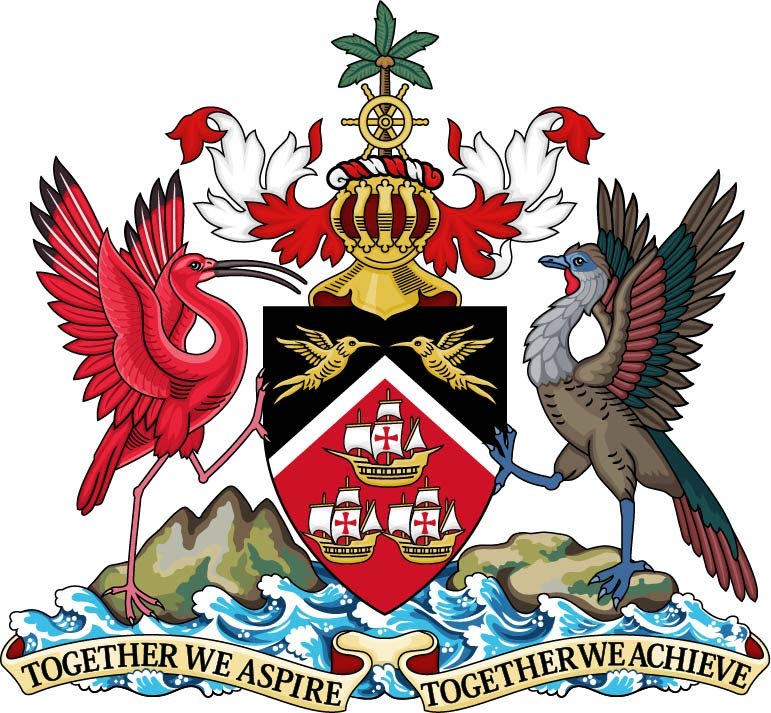
    The Trinidad and Tobago government’s communication approach has once again demonstrated significant shortcomings, particularly evident in its recent handling of the national emblem transition timeline. Through a discreet legal notice issued on December 18, Homeland Security Minister Roger Alexander authorized a five-year extension for continued use of the former coat of arms, pushing the full implementation deadline to January 2, 2031.

    This administrative decision was enabled by amendments to the National Emblems of Trinidad and Tobago (Regulation) Act, which received unanimous parliamentary support from both the ruling PNM and opposition UNC parties in January. Notably, then-Opposition Leader Kamla Persad-Bissessar had previously observed that the legislation granted ministers unrestricted authority to extend implementation timelines through ministerial orders.

    While the extension itself represents practical governance—allowing existing inventory of official materials featuring the old emblem to be depleted—the government’s execution has raised eyebrows. The choice to implement this significant national symbol change through a mere legal notice, without public consultation or formal announcement, contrasts sharply with the administration’s approach to other national matters. Notably, the government had convened a press conference to announce the cancellation of the 2025 Independence Day parade, making the low-profile emblem decision particularly conspicuous.

    The Rowley administration’s handling of the emblem modification process has been characterized by missed opportunities. While the incorporation of the steelpan into the national coat of arms received widespread support, the government bypassed comprehensive public consultation regarding other potential modifications. The removal of Christopher Columbus’s ships from the emblem was widely viewed as long overdue, but the process lacked the democratic engagement that could have strengthened national unity.

    This approach has unnecessarily exposed the government to allegations of operating surreptitiously, creating a self-inflicted controversy that could have been avoided through transparent communication and inclusive decision-making processes.

  • Doctors in Brazil confirm Bolsonaro is fit for surgery

    Doctors in Brazil confirm Bolsonaro is fit for surgery

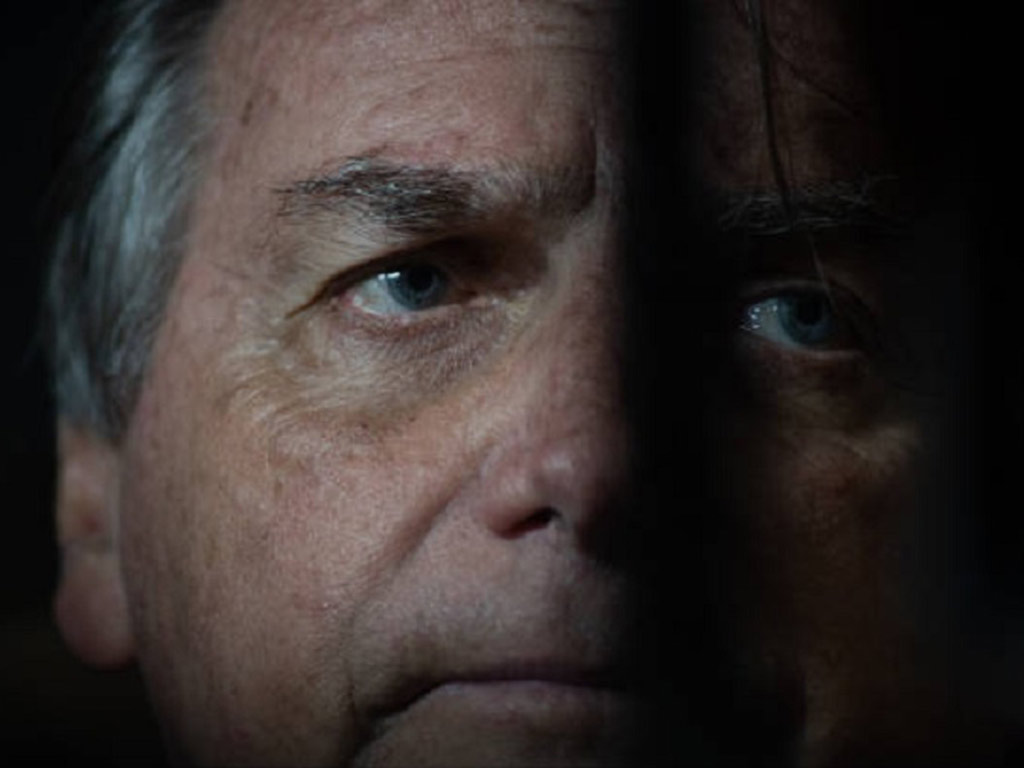
    Former Brazilian President Jair Bolsonaro has received medical clearance to undergo a surgical procedure following comprehensive diagnostic testing at a hospital in Brasília. The medical evaluation occurred after his transfer from Federal Police headquarters, where he has been detained since November 22nd while serving a 27-year sentence for attempted coup charges.

    Leading physicians Dr. Brasil Caiado and Dr. Claudio Birolini, who are overseeing the medical procedure, confirmed that Bolsonaro underwent extensive preoperative assessment including complete cardiological evaluation, comprehensive blood work, and coronary computed tomography angiography. The diagnostic results revealed minor fatty plaque deposits without significant arterial deterioration, while laboratory findings remained within normal clinical parameters.

    Cardiologist Caiado stated that the former president presents with clinical stability and meets all necessary criteria for surgery. “The patient has been thoroughly prepared with all requisite preoperative testing completed and demonstrates no cardiac contraindications for the procedure,” he affirmed during a medical briefing.

    Following the surgical intervention, the former Army captain will be transferred to the post-anesthesia care unit for approximately two hours of intensive monitoring before returning to his hospital room. The medical team emphasized that standard postoperative protocols will be implemented to ensure recovery.

    The development marks a significant medical milestone for the incarcerated former leader, whose legal team has previously raised concerns about his health status during ongoing judicial proceedings. Prison authorities have coordinated with medical staff to ensure appropriate security measures throughout the hospitalization period.

  • Russia and DPRK implement comprehensive strategic partnership treaty

    Russia and DPRK implement comprehensive strategic partnership treaty

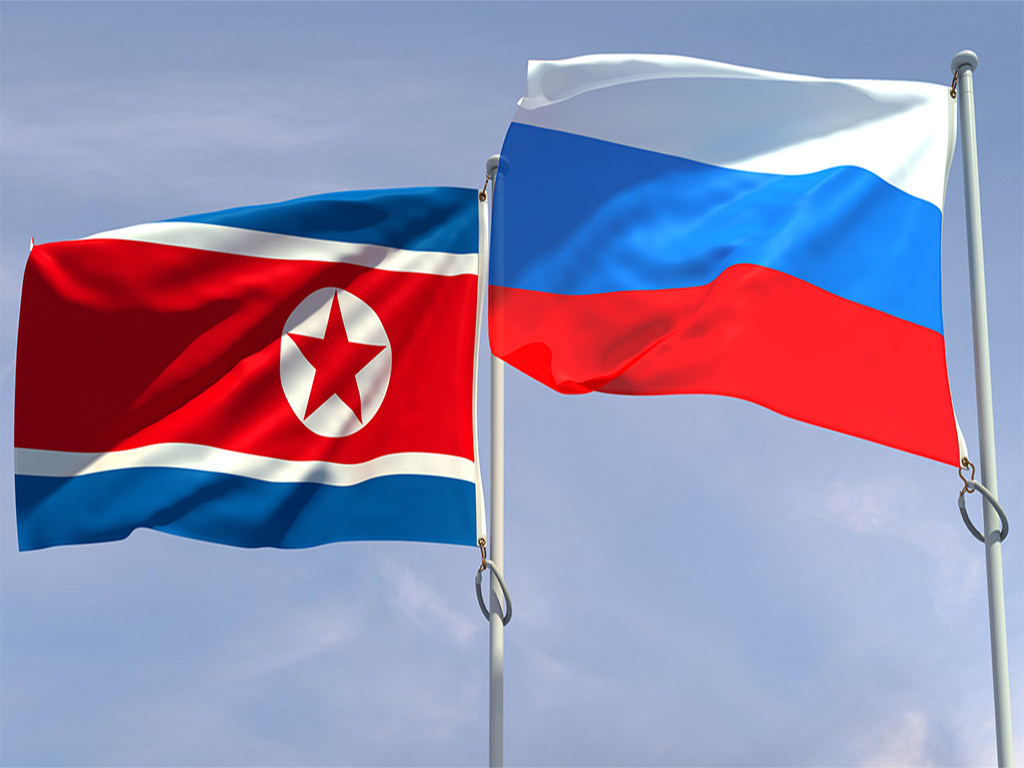
    In a significant diplomatic development, Russian President Vladimir Putin has affirmed the successful implementation of a groundbreaking comprehensive strategic partnership treaty with North Korea, marking a new era in bilateral relations between the two nations. The Russian leader conveyed his sentiments through an official congratulatory telegram addressed to North Korean Supreme Leader Kim Jong Un, emphasizing the treaty’s role in substantially expanding productive cooperation across multiple domains including political affairs, economic trade, and humanitarian initiatives.

    President Putin particularly highlighted the heroic contributions of Korean People’s Army personnel during the liberation of Russia’s Kursk region, characterizing their military participation and subsequent demining operations conducted by North Korean sappers on Russian territory as tangible evidence of the “unwavering friendship and brotherhood in combat” shared between Moscow and Pyongyang.

    The foundation of this strengthened alliance was formally established on June 19, 2024, during President Putin’s official state visit to Pyongyang, where both nations signed the comprehensive strategic partnership agreement. This new pact, which possesses an open-ended duration without expiration, effectively supersedes the previous bilateral agreement on friendship, good neighborliness, and cooperation that had been in effect since the year 2000.

    The upgraded treaty signifies a substantial deepening of diplomatic and military ties between Russia and North Korea, potentially altering regional security dynamics and representing a notable shift in the geopolitical landscape of Northeast Asia and beyond.

  • LETTER TO THE EDITOR – Why CARICOM has failed: A call to action

    LETTER TO THE EDITOR – Why CARICOM has failed: A call to action

    A deepening diplomatic rift among Caribbean Community (CARICOM) leaders reveals alarming fractures within the regional bloc, exposing fundamental weaknesses in its governance structure. The current tensions—stemming from divergent positions on Venezuela relations, responses to US military presence in Caribbean waters, and recent US visa restrictions affecting Antigua and Barbuda and Dominica—highlight a critical juncture for the organization.

    The public exchange between Antigua and Barbuda’s Prime Minister Gaston Browne and Trinidad and Tobago’s Prime Minister Kamla Persad-Bissessar transcends mere diplomatic sparring. It reflects broader systemic failures that have plagued CARICOM since its 1973 establishment through the Treaty of Chaguaramas. Originally conceived to foster economic integration, coordinate foreign policy, and promote functional cooperation among newly independent states, the community now grapples with inconsistent implementation, poor coordination, and perceptions of political interference in domestic affairs.

    Historical context reveals this crisis has been decades in the making. The 1989 Grand Anse Declaration that launched the CARICOM Single Market and Economy (CSME) has yielded uneven results, with persistent barriers to labor mobility and divergent national regulations. The seminal 1992 West Indian Commission report ‘A Time for Action’ identified these structural weaknesses, yet most challenges remain unresolved today.

    Subsequent reviews, including a 2012 examination of the CARICOM Secretariat and Jamaica’s Golding Report, documented identical problems: weak compliance mechanisms, implementation failures, and an intergovernmental model lacking enforcement authority. These reports recommended stronger institutional processes and decision-making efficiency but were never formally adopted.

    Current tensions reflect growing perceptions of imbalance within the community. Many observe disproportionate benefits flowing to Trinidad and Tobago compared to Organization of Eastern Caribbean States (OECS) members, while development gaps widen between resource-rich Guyana and less developed CARICOM nations. These disparities, compounded by resource limitations at the Secretariat and policy coordination gaps, have eroded mutual trust.

    The situation mirrors challenges faced by other integration projects. The European Union’s experience with internal divisions during the financial crisis and Ukraine conflict led to comprehensive structural assessments. CARICOM now requires a similarly candid independent evaluation addressing competitiveness, governance, and equity concerns while reaffirming commitments to mutual respect and non-interference.

    As CARICOM approaches its 50th anniversary, the organization must confront its structural limitations or risk the fate of the failed West Indies Federation. The warning of Dr. Eric Williams—’one from ten leaves nought’—serves as a poignant reminder that without genuine unity, regional integration remains an unfulfilled promise.