分类: politics

  • Senator Chote: There is a JP facing criminal charges

    Senator Chote: There is a JP facing criminal charges

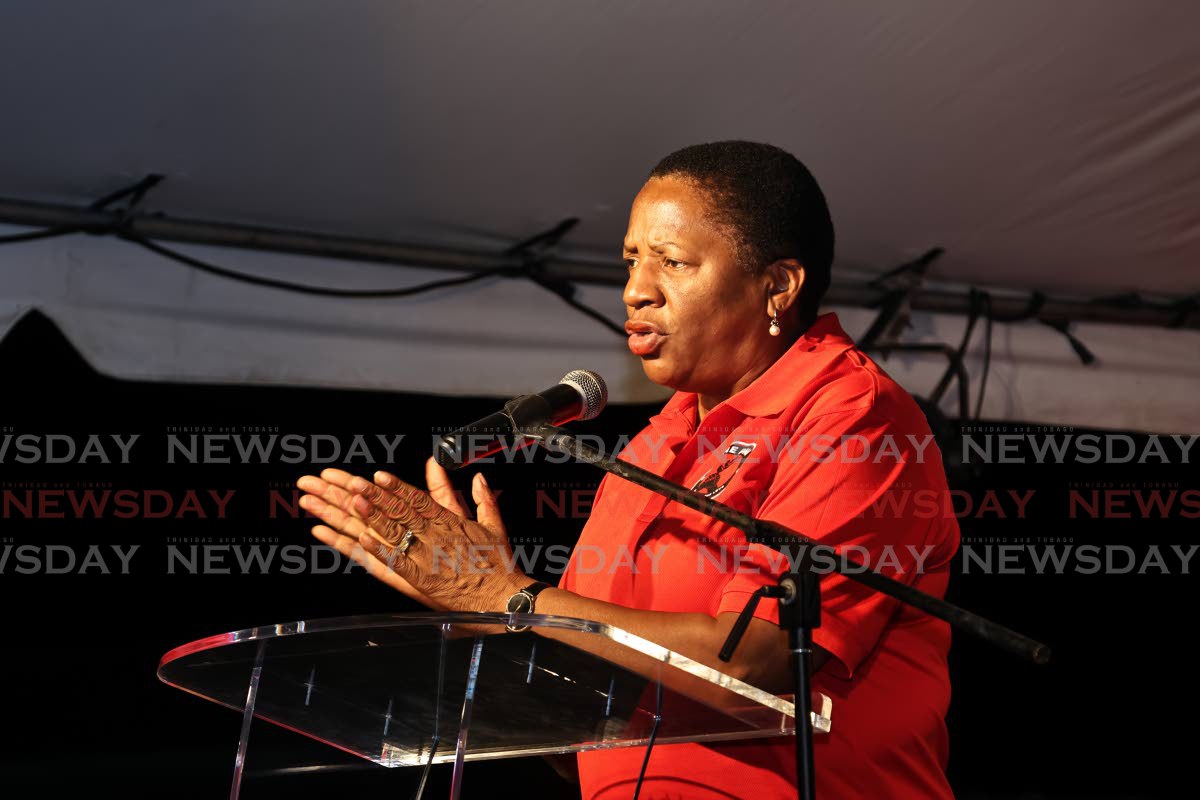
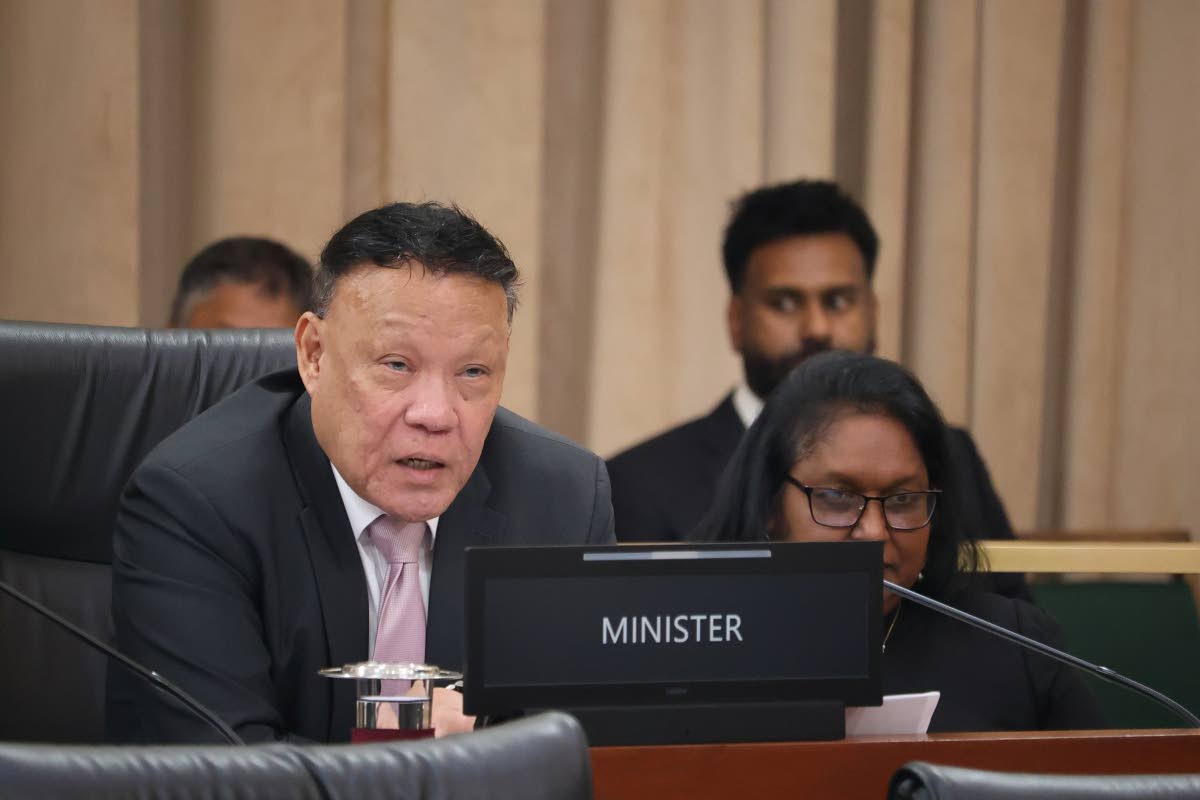
    Independent Senator Sophia Chote, SC, voiced significant concerns during the Senate debate on the Administration of Justice (Indictable Proceedings) (Amendment) Bill, 2025 (AJIPA), particularly regarding the expanded powers granted to Justices of the Peace (JPs) to authorize search warrants. Chote, a former president of the Law Association, highlighted the lack of a comprehensive and up-to-date list of JPs, citing a Gazetted list from May as incomplete and potentially dangerous. She pointed out that there is no mechanism for the JP Association or the Ministry of Land and Legal Affairs to be informed if a JP becomes incapacitated, dies, or faces serious legal charges. Chote emphasized the risks of granting broad powers to JPs without proper background checks or accountability measures. She referenced a 1997 incident where JPs were accused of misconduct, leading to the creation of a handbook by then Attorney General Ramesh Lawrence Maharaj. However, Chote lamented that this guide is now outdated and largely unknown to many attorneys. She concluded that without a transparent and accountable system for JPs, she could not support the bill in good conscience.

  • Former Trump ally Marjorie Taylor Greene says she’s facing threats ‘fueled’ by president

    Former Trump ally Marjorie Taylor Greene says she’s facing threats ‘fueled’ by president

    WASHINGTON, United States — Marjorie Taylor Greene, a prominent Republican congresswoman and former staunch ally of Donald Trump, revealed on Saturday that she is facing a surge of threats following a public fallout with the former president. Greene, 51, who once championed Trump’s Make America Great Again (MAGA) movement, has recently distanced herself from him amid growing controversies surrounding the U.S. cost of living crisis and the Jeffrey Epstein scandal.

  • AG amends bill in committee stage: Way cleared for JPs’ expanded powers

    AG amends bill in committee stage: Way cleared for JPs’ expanded powers

    The Administration of Justice (Indictable Proceedings) (Amendment) Bill, 2025 (AJIPA) was successfully passed in the Senate on November 14, following intense debates and several amendments. The bill, which amends the Administration of Justice (Indictable Proceedings) Act of 2011, introduces significant changes to the powers of Justices of the Peace (JPs), including the authority to authorize search warrants and grant station bail for indictable offenses. The bill passed with 24 votes in favor, six against, and no abstentions, with no independent senators opposing the amended version.

    During the discussions, senators emphasized the need for modernization of the JP system before expanding their powers. Concerns were raised about the current criteria for JPs, which were deemed insufficient for the responsibilities they are expected to undertake. Proposals included establishing a unified record-keeping system for warrants, modern legislation governing JPs, continuing education programs, and an emergency on-call system for Masters of the Court, who possess the necessary expertise to sign search warrants.

    Attorney General John Jeremie, along with PNM Senator Faris Al-Rawi and independent Senator Dr. Desiree Murray, proposed amendments during the committee stage. Key issues highlighted included the necessity of legal training for JPs before they could sign search warrants, as well as concerns about corruption, unethical behavior, and the potential for bribery due to the low monthly honorarium of $1,000.

    Jeremie committed to referring the matter to the Law Review Committee to address ethical standards and responsibilities of JPs. He also added a proclamation clause to the bill, delaying the implementation of the search warrants section until training and other legislative measures are addressed.

    Senator Al-Rawi raised concerns about the potential for JPs to authorize warrants for unspecified premises and questioned whether JPs could approve warrants for the seizure of stored data and communications. Jeremie clarified that such actions were excluded under the Data Protection Act. Al-Rawi’s amendment to remove JPs from the category of individuals authorized to grant search warrants was ultimately defeated.

    Senator Murray proposed an amendment requiring JPs to complete standardized and certified training before issuing warrants or granting bail. However, this amendment was also defeated, with eight senators in favor and 22 against. The bill was subsequently read a third time and passed.

  • Sovereignty surrendered through borrowed rhetoric

    Sovereignty surrendered through borrowed rhetoric

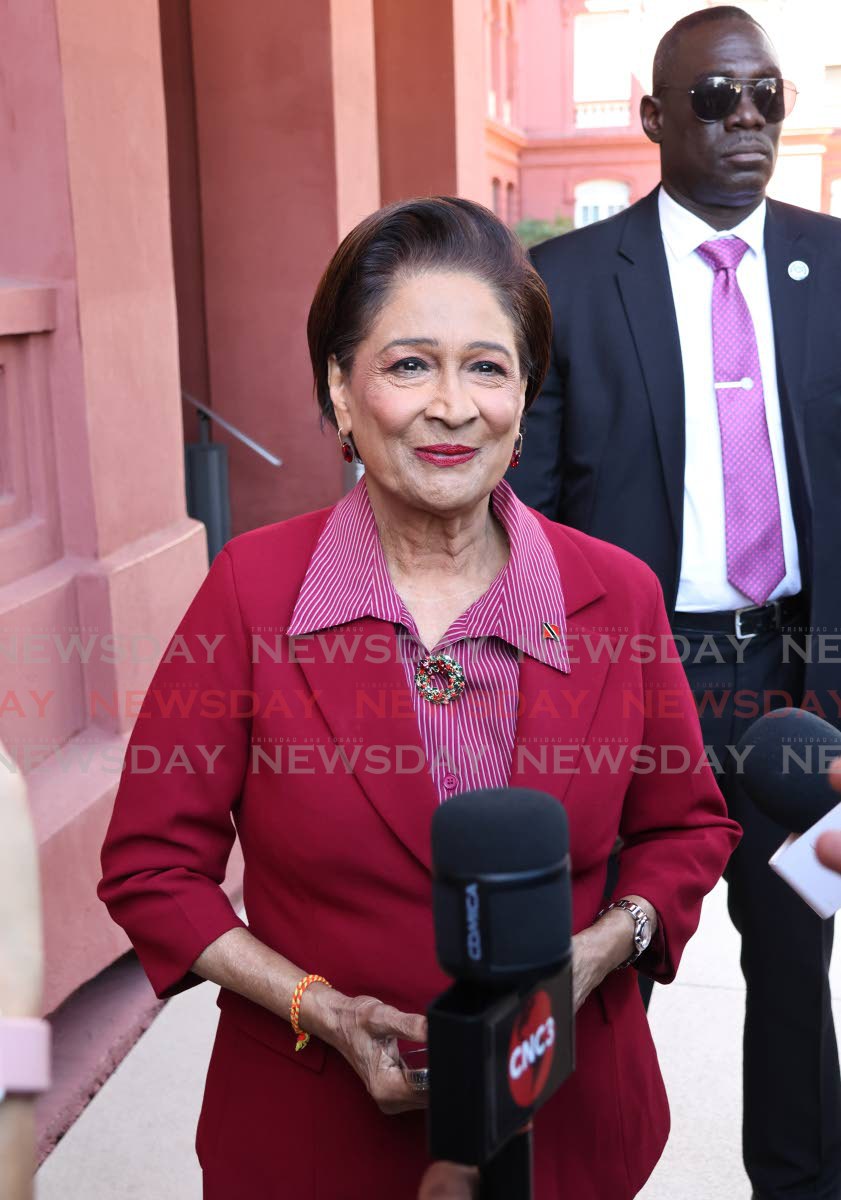
    Prime Minister Kamla Persad-Bissessar’s handling of international concerns regarding Caribbean military operations has sparked significant criticism, with accusations of policy abdication and foreign alignment overshadowing Trinidad and Tobago’s sovereignty. The controversy centers on the government’s dismissal of legal and ethical concerns raised by international allies, including the UK, France, and the EU, over military strikes in Caribbean waters that have resulted in 75 deaths. Critics argue that the Prime Minister’s reliance on U.S. State Department rhetoric and her labeling of scrutiny as “fake news” undermines democratic accountability and regional diplomatic efforts. The government’s adoption of a “narco-terrorism” narrative to justify extrajudicial actions has further fueled discontent, with opponents accusing the administration of weaponizing public fear to suppress dissent. The erosion of the “zone of peace” framework, a decades-old Caribbean consensus on managing great power competition, has been particularly alarming. Citizens are increasingly frustrated with the government’s prioritization of foreign interests over transparency and national sovereignty. The Prime Minister’s failure to address these concerns independently, instead amplifying foreign officials’ statements, has raised questions about Trinidad and Tobago’s capacity for self-determination. Critics warn that without a demand for accountability, the nation risks losing its independence to governance by proxy.

  • Latin America, the Caribbean, and the European Union summit crystallizes common ground on global issues

    Latin America, the Caribbean, and the European Union summit crystallizes common ground on global issues

    At the CELAC-EU Summit held in Santa Marta, Colombia, on November 10, leaders from Latin America, the Caribbean, and the European Union reaffirmed their dedication to democracy, good governance, and the rule of law. Prime Minister Roosevelt Skerrit of Dominica highlighted these commitments during a press conference on Thursday. The summit emphasized the importance of upholding the principles of the United Nations Charter, including sovereign equality, territorial integrity, and peaceful dispute resolution. CELAC’s declaration of Latin America and the Caribbean as a zone of peace was also endorsed, with a focus on dialogue, cooperation, and maritime security, particularly for small island states. The leaders expressed deep concern over the humanitarian impact of global conflicts and agreed that diplomacy, dialogue, and respect for international law should guide their actions. On Ukraine, they supported efforts for a sustainable ceasefire and just peace based on sovereignty and territorial integrity. Regarding Gaza, they welcomed the first phase of a comprehensive peace plan and urged adherence to international humanitarian law. The summit also reaffirmed support for Haiti’s security and stability and opposed the economic embargo on Cuba. A significant focus was on reforming the international system, with calls for a more representative and inclusive United Nations and a fairer global financial architecture. Small island developing states like Dominica advocated for greater access to concessional financing and debt relief. The summit also emphasized climate resilience and the energy transition, with Dominica showcasing its leadership in geothermal development and climate resilience. Regional cooperation to address environmental challenges like sargassum was also discussed, aiming to turn these challenges into opportunities for innovation and sustainable growth. The meeting underscored the solidarity between Latin America, the Caribbean, and Europe.

  • Suriname en Chili verdiepen economische en politieke samenwerking

    Suriname en Chili verdiepen economische en politieke samenwerking

    Suriname and Chile have taken a significant step forward in their bilateral relations with the signing of a Memorandum of Understanding (MoU) on structured consultations. The agreement was inked on Monday by Suriname’s Minister of Foreign Affairs, International Business, and International Cooperation (BIS), Melvin Bouva, and his Chilean counterpart, Alberto van Klaveren Stork, representing the Republic of Chile. The signing ceremony took place in Santa Marta, Colombia, during the fourth Summit of Heads of State and Government of the Community of Latin American and Caribbean States (CELAC) with the European Union (EU).

    The MoU aims to deepen political and economic ties between the two nations, fostering a framework for ongoing dialogue and collaboration. The consultations will cover a wide range of topics, including political, economic, commercial, and cultural issues, as well as regional and international developments. This structured approach is expected to enhance mutual understanding and cooperation across multiple sectors.

    According to Suriname’s Ministry of Foreign Affairs, the agreement provides a robust foundation for advancing the country’s economic diplomacy agenda. Suriname and Chile have maintained diplomatic relations since May 7, 1977, and this latest development marks a renewed commitment to strengthening their partnership. The MoU underscores the importance of multilateral engagement and regional cooperation in addressing shared challenges and opportunities.

  • STATEMENT: Temporary suspension of voter registration pending completion of new registration system

    STATEMENT: Temporary suspension of voter registration pending completion of new registration system

    The Electoral Commission of the Commonwealth of Dominica has announced a temporary suspension of voter registration activities, effective immediately. This pause follows the enactment of the Registration of Electors Act in March 2025, which rendered the previous registration framework obsolete. The Commission is now focused on developing and implementing a new, fully compliant system to modernize the electoral process. Key steps include designing updated registration forms, training registration officers, and transitioning to an electronic registration platform. To facilitate this transition, the Commission has partnered with Consortium, SEMLEX International / Genkey Solutions, tasked with building the new software. The team is diligently working to ensure the system meets all legal requirements and functions effectively. The Commission acknowledges the urgency of resuming voter registration and is collaborating closely with the consortium to expedite the process. A progress update is scheduled for December 2025, where the public will be informed of developments and the anticipated timeline for resuming registration. The Commission has expressed gratitude for the public’s patience and understanding as these critical enhancements are made to ensure a secure, efficient, and transparent electoral process.

  • Grenada at United Nations Climate Change Conference (COP30), Brazil

    Grenada at United Nations Climate Change Conference (COP30), Brazil

    The Government of Grenada has officially confirmed its participation in the 30th Conference of the Parties (COP30) to the United Nations Framework Convention on Climate Change (UNFCCC), scheduled for November 10–21, 2025, in Belém, Brazil. The delegation, led by Dr. Spencer Thomas, Special Envoy for Multilateral Agreements, will include representatives from key ministries and agencies dedicated to advancing Grenada’s climate resilience agenda.

    At COP30, Grenada will prioritize the concerns of Small Island Developing States (SIDS), advocating for enhanced climate finance, adaptation support, and the effective implementation of the Loss and Damage Fund. The delegation will also highlight Grenada’s achievements in renewable energy transition, sargassum valorization, blue economy initiatives, ecosystem restoration, and resilient infrastructure, all aligned with the National Adaptation Plan (2025–2035) and Nationally Determined Contributions (NDCs).

    Hon. Kerryne James, Minister for Climate Resilience, the Environment, and Renewable Energy, will participate virtually in high-level events and bilateral meetings, emphasizing the need for equitable access to climate finance for vulnerable nations. The delegation will engage in thematic discussions on energy transition, youth and gender inclusion in climate action, and the integration of science and innovation into national climate policies.

    Minister James remarked, ‘COP30 represents a critical juncture for global climate ambition. Grenada is committed to demonstrating leadership, sharing our progress, and advocating for the tangible actions and financing required to protect our people, ecosystems, and future generations.’

    The Ministry of Climate Resilience expressed gratitude to Grenada’s international and regional partners for their ongoing collaboration in advancing national and regional climate priorities.

  • Ex-minister Kuldipsingh noemt uitspraken in DNA over dubbele salaris misleidend

    Ex-minister Kuldipsingh noemt uitspraken in DNA over dubbele salaris misleidend

    Former Surinamese Minister Rishma Kuldipsingh has vehemently refuted allegations made by NDP parliamentarians Rabin Parmessar and Rosselli Cotino, labeling their statements as false and misleading. The accusations, presented in parliament, suggested that Kuldipsingh received double salaries during her tenure as Minister of Economic Affairs. She asserts that these claims were deliberately fabricated to undermine her integrity. Kuldipsingh felt compelled to respond, as her name was brought up in parliament without formal agenda or discussion, seemingly with the intent to tarnish her reputation. She emphasized that she proactively halted her official salary upon leaving the ministry, sending two official letters—first to the Minister of Economic Affairs and then to the ministry’s director. Due to bureaucratic delays, it took over three months for the administrative process to be completed, during which payments were mistakenly deposited into her account. Kuldipsingh clarified that she voluntarily returned these amounts in full, stating, ‘All evidence of this is in my possession, and I am sharing it with the public.’ She provided official correspondence to substantiate her claims. The former minister criticized the NDP parliamentarians’ actions as ‘a low point for parliament,’ arguing that such behavior erodes public trust in the institution. Kuldipsingh reaffirmed her commitment to integrity during her tenure, vowing never to act against the interests of Suriname or its citizens. She called on DNA Chairman Ashwin Adhin to correct the misinformation and ensure that parliament members adhere to established norms and conventions.

  • Trump briefed this week on options for military operations in Venezuela

    Trump briefed this week on options for military operations in Venezuela

    President Donald Trump was recently briefed on potential military operations in Venezuela, as he continues to evaluate the best course of action in the politically turbulent nation, according to four sources familiar with the matter. The briefing, which took place earlier this week, outlined a range of strategic options but did not signal an imminent decision, one source revealed. Trump has historically expressed reservations about military intervention aimed at ousting Venezuelan President Nicolas Maduro, citing concerns over its effectiveness and potential risks. The options presented, part of an initiative dubbed ‘SOUTHERN SPEAR,’ were developed by the United States Southern Command and included potential air strikes on military or government facilities, as well as drug trafficking routes. Defense Secretary Pete Hegseth and Joint Chiefs Chairman Gen. Dan Caine were among the top officials who briefed Trump on these plans. Hegseth later announced the operation on social media, though specifics remain undisclosed. The USS Gerald R Ford, the U.S. Navy’s most advanced aircraft carrier, recently arrived in the Caribbean, signaling a significant military buildup in the region. Despite the escalating rhetoric, Trump has not ruled out the possibility of avoiding military action altogether. Administration officials have acknowledged the lack of a legal justification for land-based attacks, though they could potentially develop one if needed. Trump’s cautious approach reflects his wariness of actions that could result in failure or endanger U.S. troops. This report has been updated with additional details.