分类: politics

  • PM: TT relations with Venezuela will be strengthened

    PM: TT relations with Venezuela will be strengthened

    Caribbean nations are exhibiting starkly divergent responses to the unprecedented US military intervention in Venezuela that resulted in the capture of President Nicolás Maduro. Prime Minister Kamla Persad-Bissessar of Trinidad and Tobago expressed optimism about the development, characterizing it as a transition from “oppression and dictatorship” toward democracy. In her official statement, she anticipated strengthened bilateral relations with Venezuela under US-led governance.

    The military operation, confirmed by US President Donald Trump on January 3rd, involved strikes on Caracas and the extraction of Maduro and his wife Cilia Flores. Trump announced that the United States would assume administrative control of Venezuela following these actions.

    In contrast, Opposition Leader Pennelope Beckles condemned the intervention as “deeply troubling,” emphasizing Trinidad and Tobago’s traditional commitment to non-interference principles and peaceful dispute resolution. Beckles criticized the Prime Minister for failing to address the safety of Trinidadian embassy staff in Caracas during initial statements.

    Acting Foreign Affairs Minister Barry Padarath subsequently confirmed that all Trinidad and Tobago personnel at the Caracas embassy remained safe and were continuing normal operations despite the military action.

    The Caribbean Community (CARICOM) convened an emergency session to address the crisis, with Barbados Prime Minister Mia Mottley acknowledging the complexity of balancing relationships with both Venezuela and the United States. CARICOM stated it would continue monitoring the situation before taking a collective position, recognizing the potential implications for regional stability.

    Historian Dr. Jerome Teelucksingh contextualized the intervention within historical US foreign policy patterns, noting similarities to operations in Iraq and Libya. He warned of potential refugee crises affecting Trinidad and Tobago and criticized Caribbean dependence on external powers for regional security matters, calling for stronger regional governance mechanisms.
  • Spain rejects Israel’s intention to expel NGOs

    Spain rejects Israel’s intention to expel NGOs

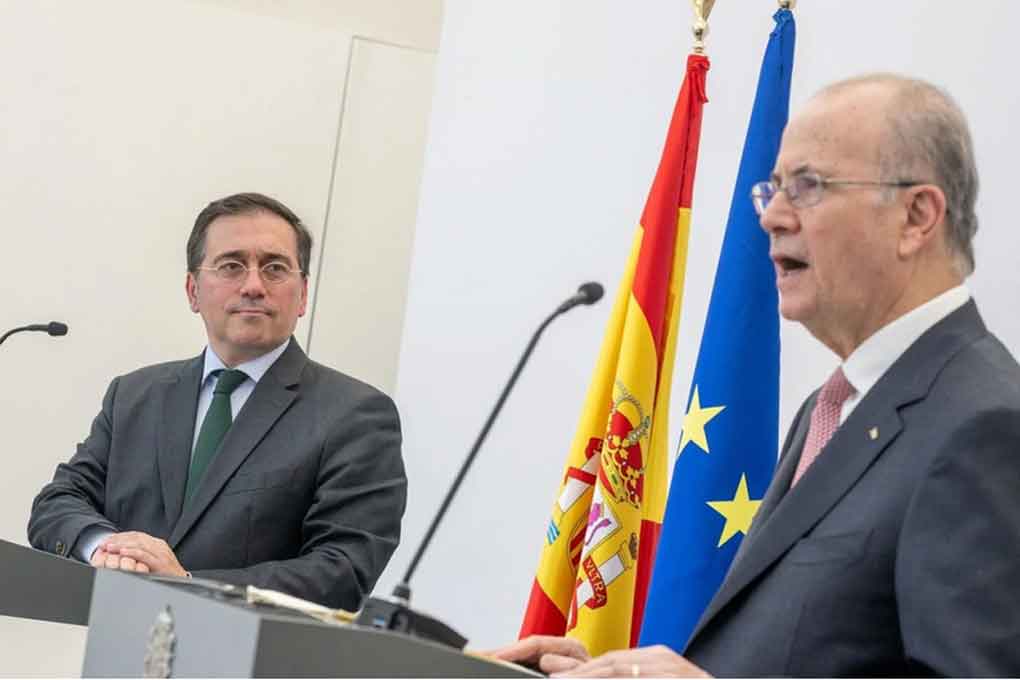
    The Spanish government has issued a formal diplomatic condemnation against Israel’s systematic targeting of humanitarian organizations operating in Palestinian territories. Through an official statement released by its Foreign Ministry, Madrid denounced Israel’s controversial practice of requiring NGOs to register, only to subsequently revoke their operational licenses and expel them from the region.

    This regulatory crackdown has significantly impacted both Spanish and international aid groups, effectively crippling their capacity to address what Spain describes as a ‘humanitarian catastrophe’ in Gaza. The measures directly hinder the delivery of essential supplies and services to Palestinian civilians facing extreme deprivation.

    The Spanish statement further contextualized these actions within Israel’s broader legislative offensive against humanitarian operations. Reference was made to the recent Knesset-approved law authorizing the termination of electricity and water supplies to UNRWA facilities while simultaneously stripping the agency of its diplomatic immunities and operational privileges.

    Madrid expressed profound alarm regarding the compounded severity these decisions impose on Gaza’s already dire humanitarian landscape. The government emphasized that these policies will have devastating consequences for civilian populations throughout the Occupied Palestinian Territories.

    Concluding with a firm diplomatic demand, Spain urged Israeli authorities to immediately reverse these ‘unacceptable decisions’ that obstruct life-saving humanitarian operations. The appeal specifically highlighted the need to protect vulnerable refugee populations across Gaza, the West Bank, and the broader Middle East region who rely on international aid for survival.

  • DRC begins two-year term on UN Security Council

    DRC begins two-year term on UN Security Council

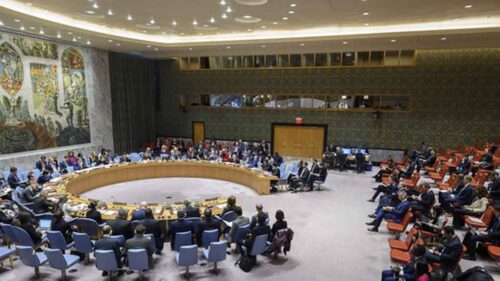
    The Democratic Republic of Congo has officially commenced its term as a non-permanent member of the United Nations Security Council, marking its first return to the powerful diplomatic body in over three decades. Foreign Minister Therese Kayikwamba Wagner characterized this development as a profound responsibility rather than an accolade, emphasizing the nation’s dedication to international peace and security during a video address.

    This ascension to the Security Council occurs amid significant domestic security challenges within the DRC, including ongoing instability and external aggression. Minister Wagner expressed gratitude to all UN member states for their confidence in the Central African nation’s capabilities, acknowledging the timing as particularly symbolic given the country’s current circumstances.

    The diplomatic mission will prioritize conflict prevention and resolution, with particular focus on African continent security issues. The minister articulated the nation’s approach would be grounded in principles of multilateral cooperation, respectful dialogue, and strict adherence to international legal obligations.

    Minister Wagner explicitly framed the Security Council position as “a mission, not a reward,” underscoring the DRC’s commitment to defending fundamental international principles including state sovereignty, territorial integrity, and the established framework of international law. The country previously held Security Council membership during the 1982-1983 and 1990-1991 periods, bringing historical perspective to its current term.

  • Maldives expresses interest in strengthening ties with Cuba

    Maldives expresses interest in strengthening ties with Cuba

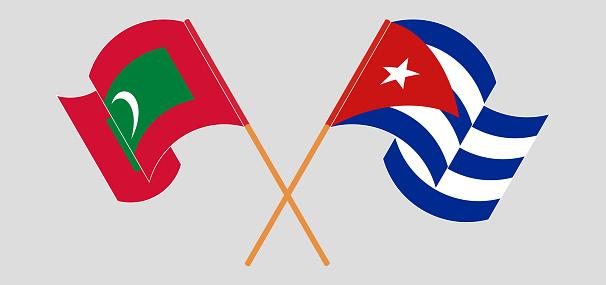
    Marking the 67th anniversary of the triumph of the Cuban Revolution, Maldivian Foreign Minister Moosa Zameer has articulated a clear vision for enhanced cooperation between the Maldives and Cuba. In a formal diplomatic communiqué addressed to his Cuban counterpart, Bruno Rodríguez Parrilla, Minister Zameer extended warm congratulations on behalf of both the Maldivian government and its citizens, recognizing the occasion as Cuba’s ‘Liberation Day.’

    The correspondence served as a platform to reaffirm the enduring diplomatic partnership between the two nations. Minister Zameer explicitly expressed his intent to fortify the existing bilateral and multilateral collaboration in the years ahead, underscoring a mutual commitment to international solidarity. The message concluded with formal assurances of the Minister’s highest regard and esteem for his Cuban colleague.

    The foundation for this modern partnership was established on January 29, 1977, when diplomatic relations were first formalized. For nearly five decades, the relationship has been defined by a consistent pattern of strong diplomatic alignment and reciprocal support across numerous international forums and development initiatives, fostering a relationship built on shared principles and mutual respect.

  • Venezuela: Maduro houdt VS olijftak voor

    Venezuela: Maduro houdt VS olijftak voor

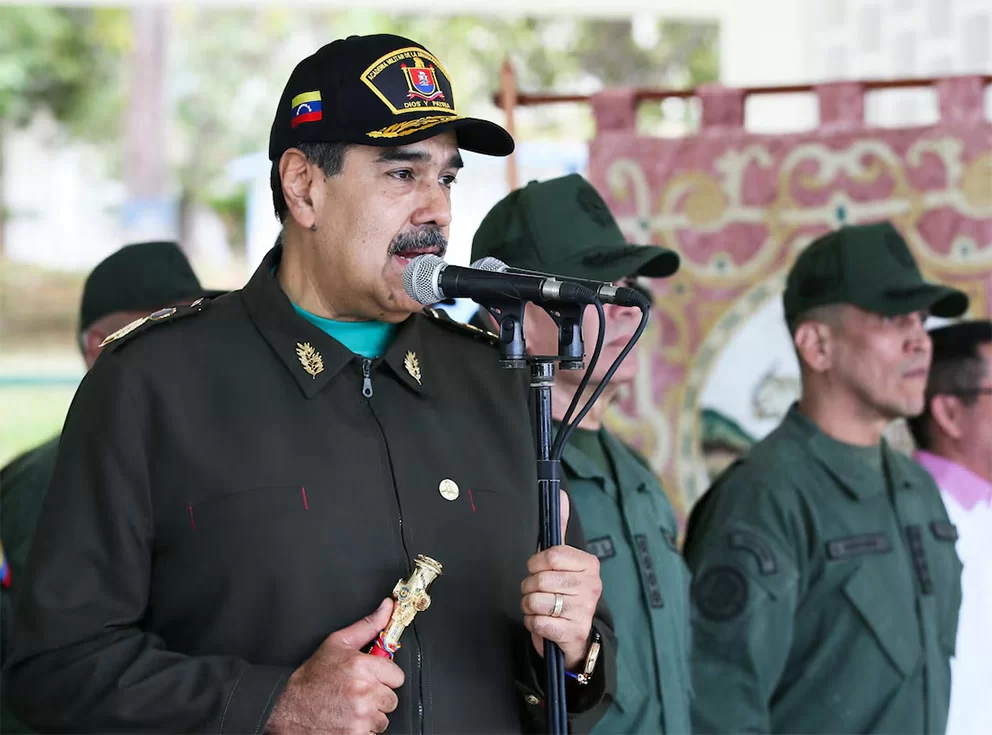
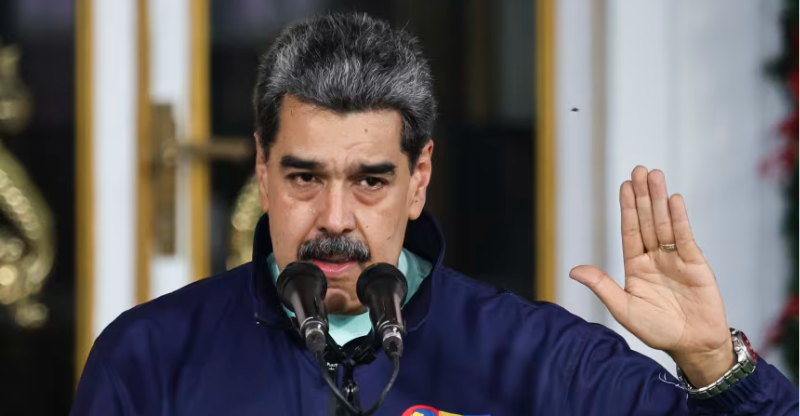
    In a striking diplomatic overture, Venezuelan President Nicolás Maduro has proposed comprehensive dialogue with the United States regarding narcotics enforcement while offering American energy corporations expanded access to Venezuela’s substantial petroleum reserves. The unexpected conciliatory message was delivered during a New Year’s Day broadcast on state television, filmed within a militarized zone of Caracas.

    Maduro characterized Venezuela as a “brother nation” to the United States and referenced his November exchange with President Donald Trump, noting the American leader had formally acknowledged his presidency during their communication. This represents a notable tonal shift from Venezuela’s previous stance toward Washington amid escalating bilateral tensions.

    The televised interview featured Maduro demonstratively driving a vehicle with his wife Cilia Flores seated in the rear—a gesture analysts interpreted as projecting confidence despite recent reductions in his public appearances following U.S. threats of military intervention.

    Washington has recently intensified its Caribbean military presence while accusing Maduro’s administration of presiding over a “narco-state” and threatening regime change. The Venezuelan leader has consistently denied these allegations, maintaining that U.S. hostility stems from desires to control Venezuela’s extensive oil reserves and rare earth mineral deposits.

    Maduro’s proposal specifically mentioned readiness to accommodate investments from American energy giants like Chevron, stating: “Venezuela is prepared to accept U.S. investments wherever and whenever they choose to proceed.” Regarding narcotics cooperation, he emphasized: “If they seriously wish to discuss agreements to combat drug trafficking, we are prepared for that conversation.”

    This development occurs against the backdrop of increased U.S. naval deployments in the Caribbean and follows Maduro’s Christmas-season admonition that Trump should focus primarily on domestic challenges rather than Venezuelan affairs.

  • Cuba expresses gratitude for messages on the anniversary of the Revolution

    Cuba expresses gratitude for messages on the anniversary of the Revolution

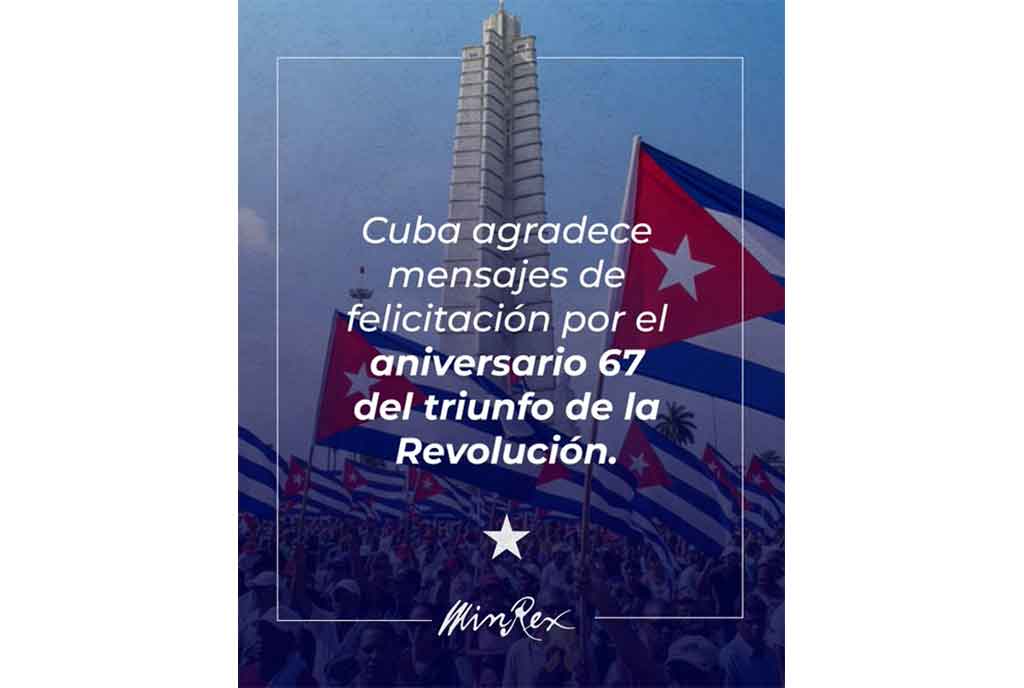
    Cuban Foreign Minister Bruno Rodríguez has publicly reciprocated the diplomatic messages received from international leaders and counterparts through his official social media account. The communications, which conveyed congratulations, solidarity, and goodwill, originated from heads of state, government officials, and global associates across multiple nations.

    In his digital correspondence, Minister Rodríguez underscored the Caribbean nation’s international recognition for its humanitarian initiatives and solidarity-driven foreign policy. The minister’s post emphasized Cuba’s revolutionary ethos, encapsulated by the hashtag #APuebloEnRevolución (A People in Revolution), which champions peace advocacy and the establishment of a reformed international framework characterized by democratic values, equity, and inclusiveness.

    Furthermore, Rodríguez articulated Cuba’s diplomatic vision for a global order free from armed conflicts, coercive force, and unilateral sanctions. His statements coincided with commemorations marking the 67th anniversary of the Cuban Revolution, during which he reaffirmed the government’s commitment to enhancing bilateral friendship and cooperative agreements with partner nations. The minister’s message serves as both an acknowledgment of international solidarity and a reaffirmation of Cuba’s revolutionary principles in global diplomacy.

  • Rebels accuse DRC government of preparing genocide against Tutsis

    Rebels accuse DRC government of preparing genocide against Tutsis

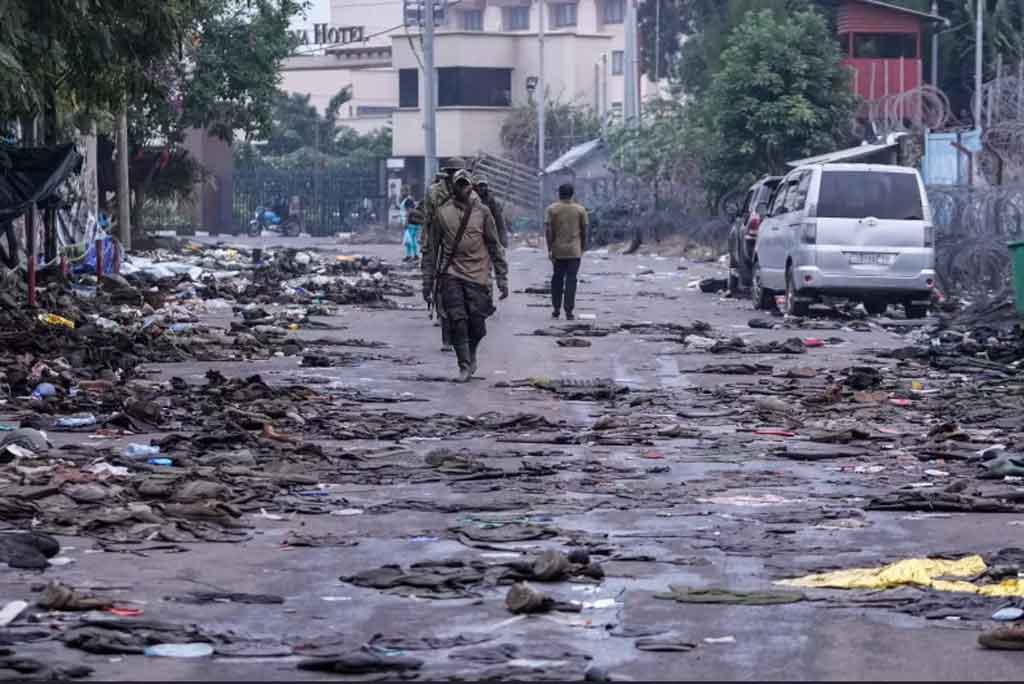
    In a sharp escalation of rhetorical hostilities, rebel forces in the Democratic Republic of Congo have publicly denounced recent allegations from the Congolese government. The statement specifically targeted remarks made by government spokesperson Patrick Muyaya concerning Rwandan military presence and territorial expansion in eastern DRC.

    The armed group, identified as AFC/M23, characterized the government’s assertions as a calculated disinformation campaign designed to obscure accountability for ongoing military operations and breaches of the Qatar-mediated truce. The rebels presented a counter-narrative alleging that Congolese forces have been conducting attacks in densely populated regions while systematically violating the Doha Framework Agreement.

    Most alarmingly, the rebel communication issued a grave warning to the international community regarding what they termed an ‘imminent genocide risk’ targeting Congolese Tutsis. The statement detailed accusations of state-sponsored hate speech dissemination and institutionalized stigmatization against this ethnic minority. The rebels further contended that Kinshasa maintains policies of systematic exclusion and discrimination, exacerbating ethnic tensions while simultaneously undermining diplomatic peace efforts through persistent ceasefire violations.

  • Venezuela releases 88 people linked to July 28, 2024

    Venezuela releases 88 people linked to July 28, 2024

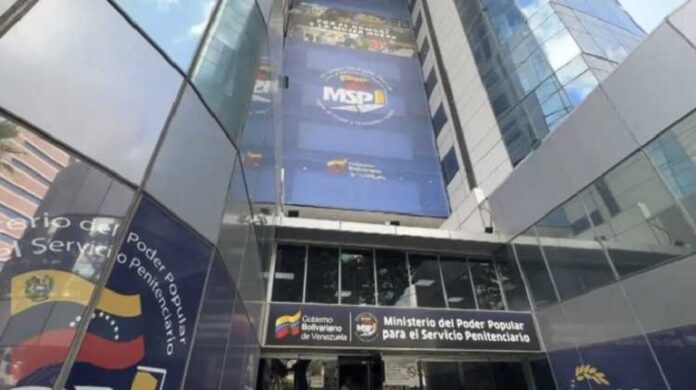
    The Venezuelan government has issued an official declaration concerning its ongoing judicial review process for individuals accused of destabilization activities. According to the statement, these individuals are charged with committing crimes intended to undermine national stability and disregard the sovereign will of the Venezuelan populace.

    This comprehensive case evaluation initiative was personally instructed by President Nicolas Maduro. The process involves individual assessments of each situation, with the state implementing legally prescribed precautionary measures for each case. The government characterizes this approach as part of a broader justice policy that emphasizes humanistic principles and prioritizes the preservation of national peace.

    The statement further emphasized that despite what it described as an ‘ongoing siege against the nation,’ the Venezuelan state maintains its commitment to ensuring dignified treatment for all detainees. This includes respect for human rights and comprehensive care for those deprived of their liberty.

    Additionally, the Bolivarian government reaffirmed its dedication to defending national stability, social justice, and sovereignty. The declaration positions these judicial reviews within the context of Venezuela’s ongoing political challenges and the government’s response to perceived threats against its administration.

  • Americans detained as US-Venezuela tensions reach boiling point

    Americans detained as US-Venezuela tensions reach boiling point

    Venezuelan authorities under President Nicolás Maduro have intensified a concerning pattern of detaining U.S. nationals, with at least five American citizens taken into custody over recent months. U.S. officials interpret these arrests as a strategic maneuver by Caracas to create bargaining chips against Washington’s escalating pressure campaign.

    This detention strategy appears modeled after Russian-style ‘hostage diplomacy,’ where foreign citizens become pawns in geopolitical negotiations during periods of strained bilateral relations. While Venezuelan authorities have suggested some detainees might have connections to drug smuggling operations, the Trump administration perceives the timing and frequency of these arrests as politically motivated rather than legitimate law enforcement actions.

    The developments occur alongside a significant hardening of U.S. policy toward Venezuela. Washington has transitioned from imposing financial sanctions to implementing more direct and kinetic measures against Maduro’s government. This escalation represents a substantial shift in America’s approach to confronting the Venezuelan regime.

    Despite these mounting pressures, Maduro continues projecting an image of unwavering control. During a recent appearance on state-operated VTV, the Venezuelan leader avoided addressing specific operational details but emphatically declared his nation’s defense systems remain fully operational. “Our people are safe and at peace,” Maduro asserted, maintaining that military and police forces continue to successfully guarantee Venezuela’s territorial integrity.

    These detentions unfold within a broader context of systematic internal repression. Human rights organizations document that Venezuela currently holds hundreds of political prisoners, with many arrests tracing back to the controversial 2024 presidential election that consolidated Maduro’s power amid widespread allegations of electoral misconduct.

  • Zohran Mamdani sworn in as NYC’s first Muslim mayor

    Zohran Mamdani sworn in as NYC’s first Muslim mayor

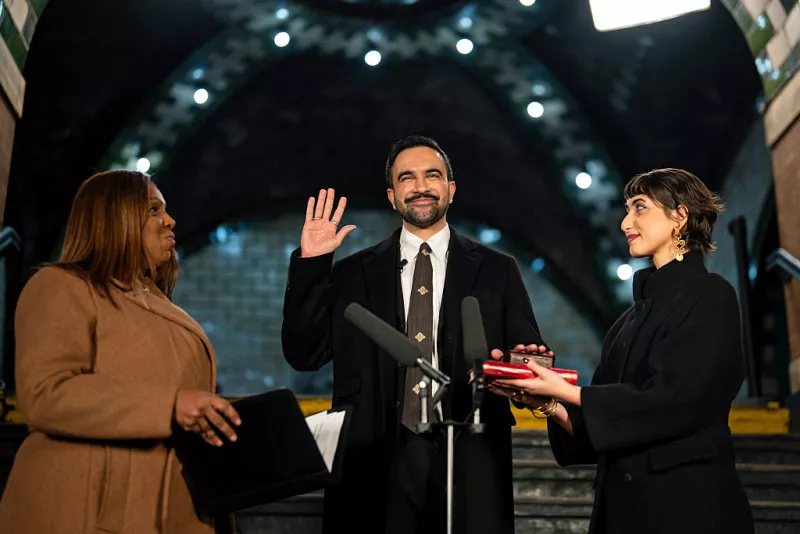
    In a historic transition of power marking a new chapter for American urban politics, Zohran Kwame Mamdani officially assumed office as the 111th Mayor of New York City shortly after midnight. The ceremony, though modest in scale, carried profound symbolic weight as Mamdani became the first Muslim to lead the nation’s largest municipal government.

    The swiftness of Mamdani’s political ascent is remarkable. Just one year prior, he occupied a relatively obscure position as a state legislator; today he commands the helm of one of the world’s most complex urban administrations. “Thank you so much to everyone for being here, Happy New Year to New Yorkers,” Mamdani declared, displaying his characteristic smile. “This is truly the honor and privilege of a lifetime.”

    Attorney General Letitia James, a key political ally, administered the oath of office. Mamdani’s background makes his victory particularly significant within the current national context. Born in Uganda to parents of Indian descent, his campaign gained momentum precisely as the previous federal administration implemented restrictive immigration policies targeting Muslim-majority and African nations.

    The early transition period has revealed both conciliatory gestures and immediate challenges. In a surprising November development, Mamdani conducted an Oval Office meeting with former President Trump, who despite their profound ideological differences, offered support by stating “I want New York City to be great.”

    Domestically, Mayor Mamdani has demonstrated pragmatic governance by retaining NYPD Commissioner Jessica Tisch, a decision applauded by municipal management experts. However, the administration encountered its first significant setback when a high-level appointee withdrew following controversy over historical social media posts identified as anti-Semitic by the Anti-Defamation League.

    While Governor Kathy Hochul has expressed preliminary support for the mayor’s childcare initiatives, the broader political battle for his progressive agenda commences with his formal inauguration.